Close Menu
The New York BudgetsThe New York Budgets
  • Latest
  • Politics
    • World & Politics
    • US Politics
      • U.S. Administration
      • Donald Trump
    • UK
    • Middle East
      • Middle East Tensions
    • Russia-Ukraine War
  • Business
  • Economy
  • Opinion
  • AI & Tech
  • New York
  • US NEWS
  • Climate
  • Health
  • Entertainment
  • Tech
  • Media
  • Tariffs
  • US NEWS
  • Economic Policy
  • Trade
  • New York
  • Investment
  • Social Media
  • Hollywood
  • Real Estate
  • Health
  • Asia
  • Automotive
  • Food
  • Crime
  • Movies
  • Bankruptcy
  • Cryptocurrency
  • Education
  • National
  • Airlines
  • Religion And Culture
  • Internet
  • UK News
  • Private Equity
  • Financial
  • Retail
  • Markets
  • Store
  • Climate
  • India-Pakistan Tensions
  • Medical
  • Commodities
  • Aviation
  • e-commerce
  • e-commerce
  • Streaming
  • Investing
  • Sports
  • Style & Art
  • Ukraine Conflict
  • Stock Market
  • Oil and Gas
  • Latest Headlines
  • Politics
  • Economy
  • Opinion
  • Tech
  • Style & Art
  • Sports
  • Climate
  • Investigative Journalism
The New York BudgetsThe New York Budgets
Subscribe
The New York BudgetsThe New York Budgets
Health

Novo Nordisk has secured a significant legal victory, effectively prohibiting the sale of many compounded versions of its popular drugs Wegovy and Ozempic

Novo Nordisk scored a huge legal victory that largely restricts compounding pharmacies from marketing or selling cheaper, unapproved versions of the drugmaker’s blockbuster weight loss drug Wegovy and diabetes treatment Ozempic.
By Sam WattApril 29, 20250
Facebook Twitter LinkedIn WhatsApp Bluesky Telegram Email Copy Link
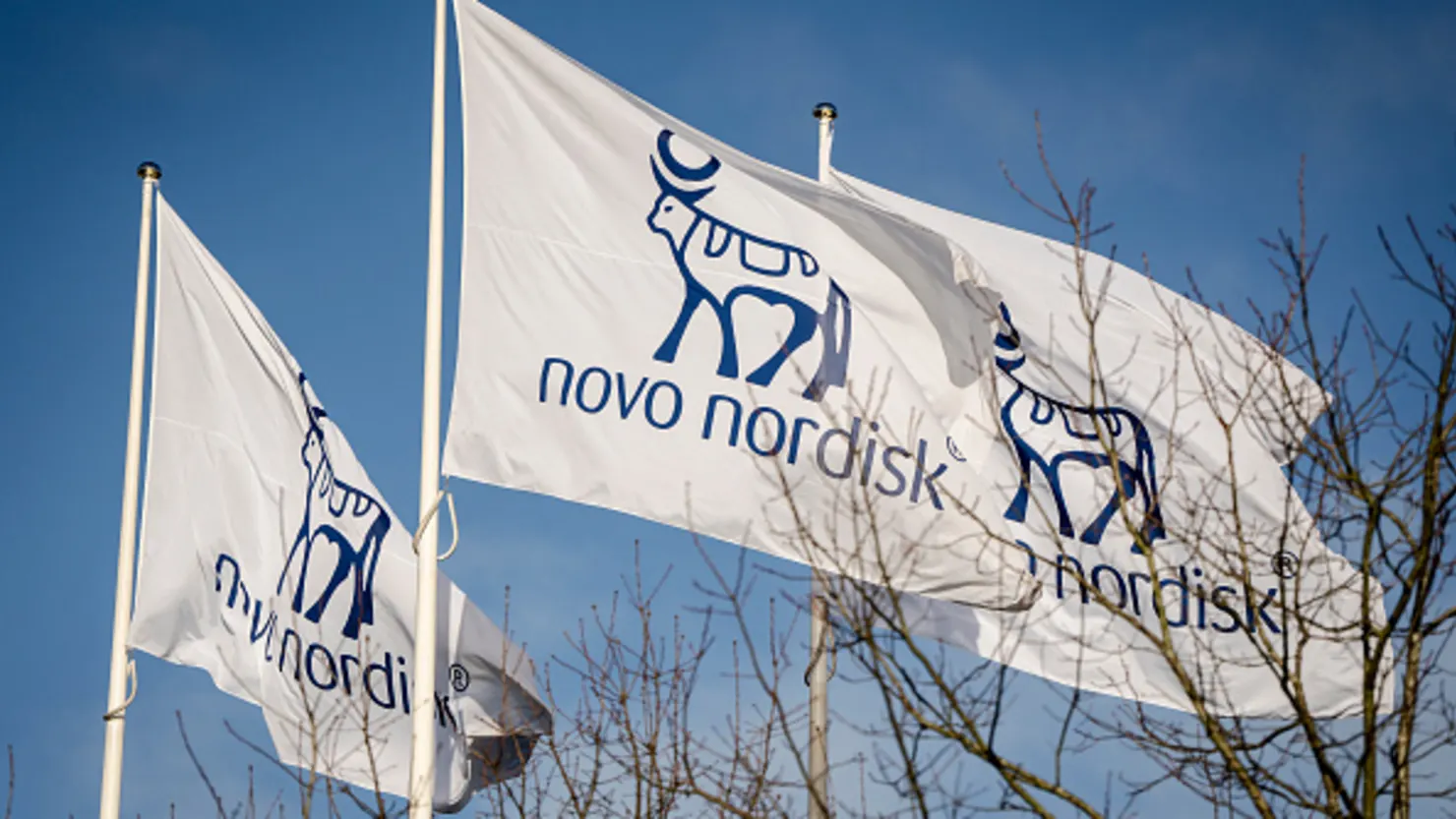
Flags with the logos of Danish drugmaker Novo Nordisk, maker of the blockbuster diabetes and weight-loss treatments Ozempic and Wegovy are pictures while the company presents the annual report at Novo Nordisk in Bagsvaerd, Denmark, on February 5, 2025. (Mads Claus Rasmussen/Afp/Getty Images)

Novo Nordisk scored a huge legal victory that largely restricts compounding pharmacies from marketing or selling cheaper, unapproved versions of the drugmaker’s blockbuster weight loss drug Wegovy and diabetes treatment Ozempic. 

A federal judge in Texas late Thursday rejected a bid by compounding pharmacies to keep making copies of Ozempic and Wegovy while a legal challenge over the shortage of those drugs unfolds. That came in response to a February lawsuit from a compounding trade group against the Food and Drug Administration’s determination that the active ingredient in those drugs, semaglutide, is no longer in shortage in the U.S.

Patients flocked to the cheaper copycats when Ozempic and Wegovy were in short supply over the last two years due to skyrocketing demand, or if they didn’t have insurance coverage for the costly treatments. 

During FDA-declared shortages, pharmacists can legally make compounded versions of brand-name medications. Many telehealth companies, such as Hims & Hers, also offered those copycats. But drugmakers and some health experts have pushed back against the practice because the FDA does not approve compounded drugs, which are essentially custom-made copies prescribed by a doctor to meet a specific patient’s needs. 

“We are pleased the court has rejected the compounders’ attempts to undermine FDA’s data-based decision that the shortage” of semaglutide is resolved, said Steve Benz, Novo Nordisk’s corporate vice president, legal and U.S. general counsel, in a statement. 

“Patient safety remains a top priority for Novo Nordisk and the extensive nationwide legal actions we have taken to protect Americans from the health risks posed by illegitimate ‘semaglutide’ drugs are working,” he said, referring to the company’s more than 100 lawsuits against compounding pharmacies and other entities across 32 states. 

On Thursday, U.S. District Judge Mark Pittman specifically denied the Outsourcing Facilities Association’s bid for a preliminary injunction that would have prevented the FDA from taking action against its members for making copies of semaglutide. 

That decision upholds the FDA’s previous determination that the semaglutide shortage in the U.S. is over and means the FDA can now immediately go after so-called 503A pharmacies that are making compounded versions of semaglutide according to individual prescriptions for a specific patient.

Those pharmacies are largely regulated by states rather than the FDA.

The decision also means the FDA can start targeting federally regulated 503B pharmacies, which manufacture compounded drugs in bulk with or without prescriptions, after May 22. The agency’s actions can include product seizures and warning letters to pharmacies. 

The decision on Thursday follows another win for Novo Nordisk. A different federal judge in Texas earlier this week ruled in favor of the drugmaker against a 503A pharmacy, MediOak Pharmacy, permanently prohibiting the business from marketing or selling compounded semaglutide.

Novo Nordisk and Eli Lilly have aggressively cracked down on compounding pharmacies over the last two years as they benefit from the soaring popularity of their weight loss and diabetes drugs.

Eli Lilly has gone through a similar legal process with tirzepatide, the active ingredient in its weight loss drug Zepbound and diabetes treatment Mounjaro. The FDA declared the U.S. shortage of tirzepatide over last year, prompting the same compounding trade group to sue the FDA over the drug. 

In March, a federal judge denied the compounding group’s request for a preliminary injunction on the FDA’s enforcement against its members for making copies of Mounjaro and Zepbound. The compounding group has appealed.

Health Novo Nordisk A/S Ozempic Wegovy
Sam Watt

    Sam Watt is a veteran companies market cap and value news writer, author, and columnist who began his career in 1980. With over four decades of experience, Sam specializes in analyzing company market valuations, corporate histories, and sector-specific developments across the auto, food, and broader consumer industries. His work offers readers deep insights into the forces shaping business growth, historical market shifts, and the evolving dynamics of corporate value. Known for his sharp analysis and factual storytelling, Sam continues to be a trusted voice in financial journalism.

    What to Read Next

    (Cheng Xin / Getty Images)

    Big Social Media Platforms Agree to Independent Teen Safety Ratings

    February 10, 2026
    Patients are now able to get Novo Nordisk's Wegovy pill for weight loss. (Novo Nordisk)

    Weight-Loss Drug Price Wars Are Upending Big Pharma’s Business Model

    February 7, 2026
    President Donald Trump at a news conference on drug prices in October at the White House. (Sarah L. Voisin/The Washington Post)

    Trump Launches TrumpRx.gov to Promote Lower Prescription Drug Prices

    February 6, 2026
    UnitedHealth Group's Share Price Soars on Improved Earnings Outlook. © Getty Images

    UnitedHealth Turns to Trump Allies Amid Washington Challenges

    September 14, 2025
    An Obamacare sign is seen on the UniVista Insurance company office in Miami, Florida. © Joe Raedle / Getty Images

    Federal Judge Stops Obamacare Religious Exemption Rule

    August 14, 2025
    The James H. Shannon Building (Building One) on the NIH campus in Bethesda, Maryland. © Photo by Lydia Polimeni,/National Institutes of Health

    The government watchdog has found NIH funding delays to be in violation of the law

    August 5, 2025
    Add A Comment
    Leave A Reply Cancel Reply

    Facebook X (Twitter) Instagram Pinterest
    © 2026 ThemeSphere. Designed by ThemeSphere.

    Type above and press Enter to search. Press Esc to cancel.