Category: Food

  • Beijing’s Cutbacks Shake America’s Soybean Trade

    Beijing’s Cutbacks Shake America’s Soybean Trade

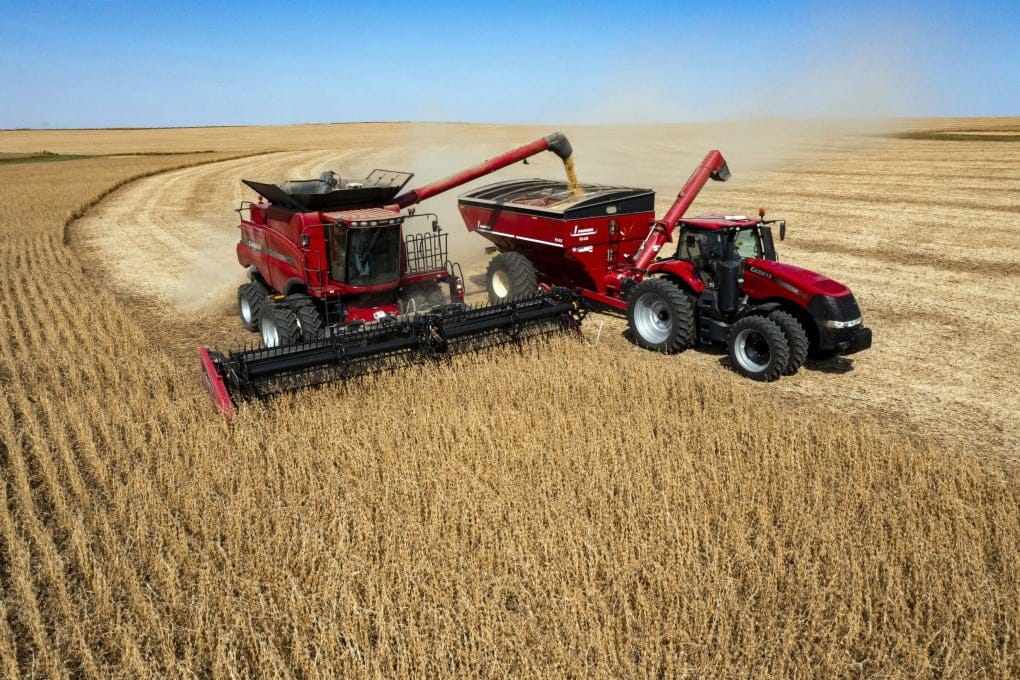
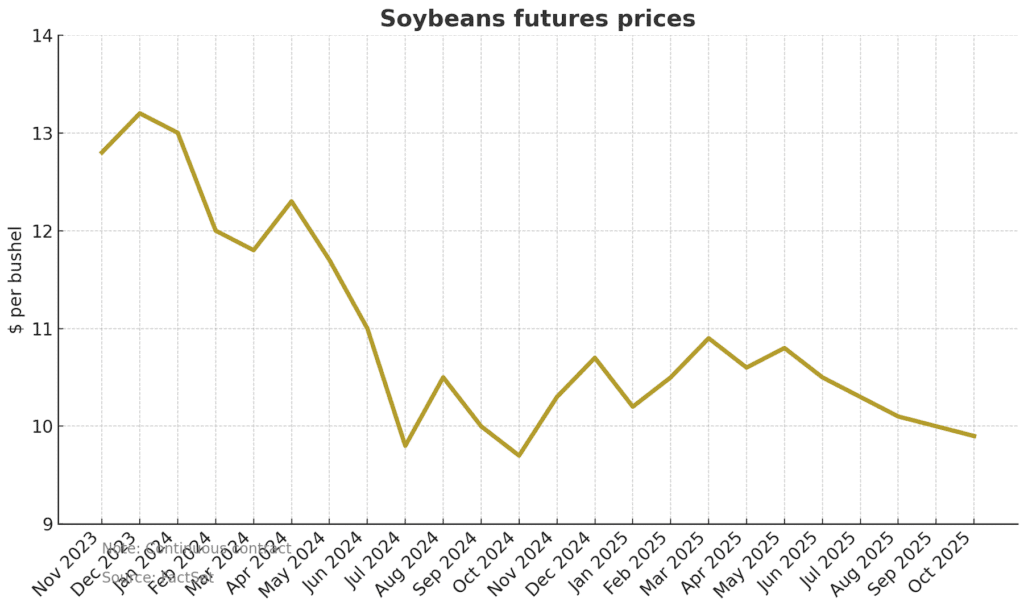
    In the heart of the Midwest, where golden fields stretch toward the horizon under a crisp autumn sky, the hum of combines should signal prosperity. Instead, for America’s soybean farmers, harvest season has become a grim countdown to financial ruin. As they reap what the U.S. Department of Agriculture (USDA) projects to be a record 4.2 billion bushel crop this year, their largest buyer—China—has vanished from the market, leaving silos overflowing and prices plummeting to five-year lows around $9.50 per bushel.

    China hasn’t booked any U.S. soybean purchases in months; farmers warn of ‘bloodbath’

    The trade war between the United States and China, now in its second year under President Donald Trump’s renewed tariff regime, has turned soybeans into collateral damage. Beijing’s retaliatory 25% tariffs on U.S. agricultural imports have priced American beans out of the Chinese market, where they once commanded over half of the $24.5 billion in annual U.S. soybean exports. From January through August 2025, Chinese imports of U.S. soybeans totaled a mere 200 million bushels—down from nearly 1 billion bushels in the same period of 2024, according to USDA trade data. That’s a 80% plunge, robbing Midwestern farmers of billions in revenue and forcing a scramble for alternative markets that may never fully compensate.

    “We’ll see the bottom drop out if we don’t get a deal with China soon,” warns Ron Kindred, a veteran farmer managing 1,700 acres of corn and soybeans in central Illinois. Halfway through his harvest, Kindred has locked in contracts for just 40% of his crop at prices already eroding below $10 per bushel in local elevators. The remaining 60% sits in limbo, a high-stakes bet on a breakthrough in Washington-Beijing negotiations. “There’s no urgency on China’s side, and the farm community’s clock is ticking louder every day,” he adds.
    Screenshot 2025 10 08 at 9.30.50 PM

    Kindred’s plight echoes across the soybean belt, from Illinois prairies to Iowa’s rolling hills. Rising input costs—fertilizer up 20-30% year-over-year, equipment maintenance strained by inflation, and a glut of both corn and soybeans flooding domestic markets—were squeezing margins even before the trade spat escalated. Now, with China’s boycott, the USDA estimates average losses of up to $64 per acre for Illinois growers alone, the nation’s top soybean-producing state with 6.2 million acres planted this year. University of Illinois Extension economists project total state-level shortfalls could exceed $400 million if export volumes don’t rebound by spring 2026.

    Enter the Trump administration’s lifeline: a proposed $10-14 billion farmer aid package, building on December 2024’s $10 billion relief bill. The Wall Street Journal reported last week that President Trump, speaking at the White House on October 6, vowed to “do some farm stuff this week” to cushion the blow. Aides say he’s slated to huddle with Agriculture Secretary Brooke Rollins as early as Friday to finalize funding sources, leaning heavily on the $215 billion in tariff revenues collected during fiscal 2025 (October 2024-September 2025), per U.S. Treasury figures. “The president is deploying every tool in the toolbox to keep our farmers farming,” a USDA spokesman told Reuters.

    Yet for many in the heartland, the aid feels like a temporary fix for a structural crisis. Soybean farmers, who backed Trump overwhelmingly in 2024 (with 62% of rural voters in key swing states like Iowa and Wisconsin casting ballots for him, per Edison Research exit polls), are voicing frustration laced with loyalty. “We voted for strong trade deals, not handouts,” says Scott Gaffner, a third-generation farmer in southern Illinois tending 600 acres. His crop, typically destined for Chinese ports, now languishes in on-farm silos as he frets over fixed costs like diesel fuel and seed that have surged 15% since planting. “We’re not just anxious; we’re angry. When the administration’s jetting off to Spain for TikTok talks while our harvest rots, it feels like we’re the last priority.”

    Gaffner’s son, Cody, the would-be fourth generation on the land, echoes the generational stakes. “If I return after college, it’ll be with a second job just to make ends meet,” the 22-year-old says. Their story underscores a broader ripple: Rural economies, where agriculture drives 20-25% of GDP in states like Illinois and Iowa, are buckling. Tractor sales at CNH Industrial, a Decatur, Illinois-based giant, plunged 20% in the first half of 2025, CEO Gerrit Marx revealed in an August interview at the Farm Progress Show. “The good news only flows when China places orders,” Marx said, a sentiment that hung heavy over the event in the self-proclaimed “soy capital of the world”—a title now whispered to be shifting south to Brazil.

    Dean Buchholz, a DeKalb County, Illinois, peer of Gaffner’s, is already waving the white flag. After decades in the fields, skyrocketing fertilizer bills and sub-$10 soybean futures have convinced him to retire. “I figured I’d farm till they buried me,” the 58-year-old says. “But with debt piling up and health acting up, it’s time to rent out the acres. This trade war’s the final straw.”

    Desperate Diplomacy: Chasing Markets in Unlikely Corners

    With China—home to the world’s largest hog herd and importer of 61% of global traded soybeans over the past five years, per the American Soybean Association—off the table, U.S. agribusiness is on a global charm offensive. Trade missions to Nigeria, memorandums with Vietnam, and a 50% surge in sales to Bangladesh (up to 400,000 metric tons through July 2025) highlight the scramble. Yet these “base hits,” as Iowa farmer Robb Ewoldt calls them, pale against China’s home-run demand.
    Screenshot 2025 10 08 at 9.37.03 PM

    Ewoldt, who farms 2,000 acres near Des Moines, jetted to Rome in January to woo a Tunisian poultry giant. “They grilled me: Can we count on steady U.S. supply, or will you switch crops and jack up prices?” he recalls. Tunisia’s imports, while growing, total under 100,000 tons annually—barely a blip. “It helps long-term, but right now, we’re cash-strapped. My operation burns a million bucks a year; without sales, we’re dipping into reserves just to cover debt service.”

    Across the Mississippi, Morey Hill has logged thousands of miles this year, from Cambodia’s fish ponds to Morocco’s chicken coops. In Phnom Penh last week, the Iowa grower evangelized to importers about swapping low-protein “fish meal” for U.S. soybean meal, touting yields that could fatten local aquaculture 20-30%. “We’ve got success stories—Vietnam’s up 25% year-over-year to 1.2 million tons,” Hill says. But even aggregated, the EU and Mexico (combined $5 billion in sales) plus risers like Egypt, Thailand, and Malaysia can’t fill the void: Total U.S. soybean exports dipped 8% to 18.9 million metric tons through July, USDA Census Bureau data shows.

    Industry lobbies are pulling levers too. The U.S. Soybean Export Council sponsored a June Vietnam mission yielding $1.4 billion in MOUs for ag products, including soy. August brought Latin American buyers to Illinois for farm tours, though exports to Peru and Nicaragua remain negligible. In Nigeria, a modest 64,000 tons shipped last year hasn’t translated to 2025 bookings yet. And Secretary Rollins’ September tweet hailing Taiwan’s “$10 billion” four-year ag commitment? It’s a rebrand of existing $3.8 billion annual flows, not new money, USDA clarifications confirm.

    “There’s talk of India, Southeast Asia, North Africa as future markets,” says Ryan Frieders, a 49-year-old Waterman, Illinois, farmer who joined a February trek to Turkey and Saudi Arabia. “But nothing explodes overnight to replace China.” Frieders, facing $8-10 per acre losses per University of Illinois models, plans to bin most of his harvest, gambling on futures prices rebounding above $11 by Q1 2026.

    The Shadow of South America and Tariff Games

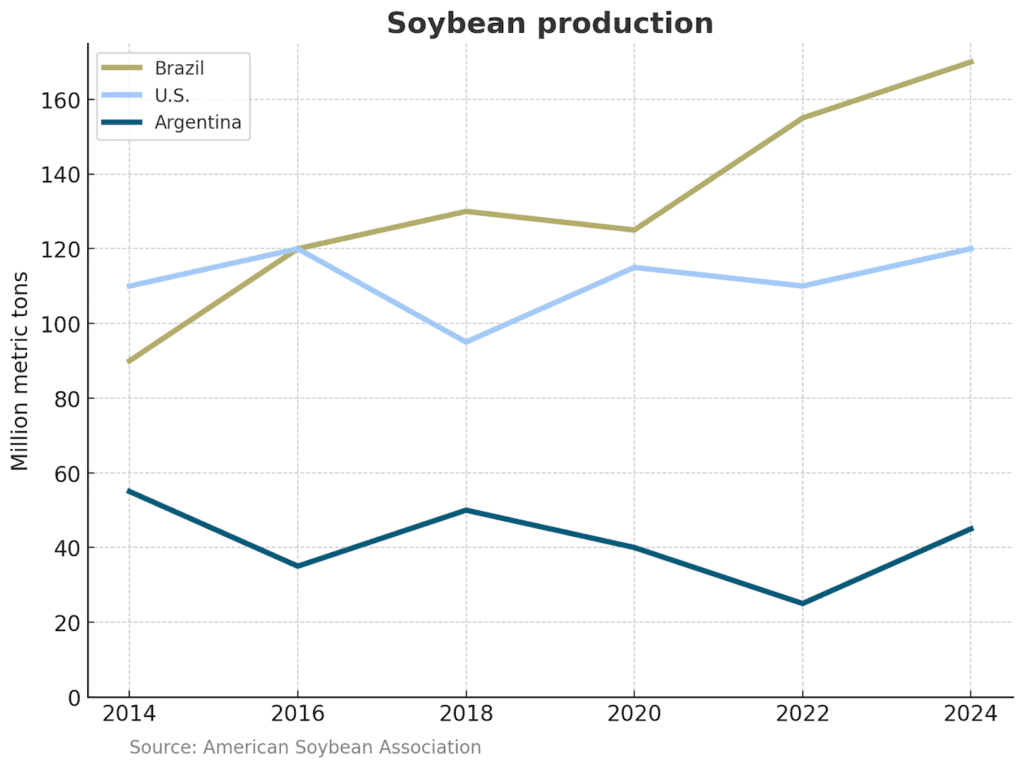
    As U.S. beans languish, Brazil and Argentina feast. China, pivoting since 2018’s first trade war, now sources 80% of its needs from South America. Last month, Argentine President Javier Milei’s temporary export tax suspension lured $500 million in Chinese cargoes, traders at the Chicago Mercantile Exchange report. U.S. beans traded at $0.80-$0.90 per bushel cheaper than Brazilian equivalents for September-October shipment, but Beijing’s 23% tariff tacks on $2 per bushel—enough to divert 5 million metric tons southward.

    “The frustration is overwhelming,” says Caleb Ragland, 39, Kentucky farmer and American Soybean Association president. On Truth Social Wednesday, Trump himself griped: “Our Soybean Farmers are hurting because China, for ‘negotiating’ reasons, isn’t buying.” He teased soybeans as a centerpiece in his upcoming summit with Xi Jinping in four weeks. Treasury Secretary Scott Bessent, speaking Thursday, promised a Tuesday announcement on aid, potentially including a $20 billion swap line for Milei—irking U.S. growers who see it as subsidizing their rivals.

    On Friday, soybean futures closed at $9.42 per bushel on the CME, down 2% weekly amid harvest pressure and zero Chinese bookings. Analysts at Zaner Ag Hedge forecast a “bloodbath” if no deal materializes by November: Storage costs could add $0.50 per bushel, while on-farm debt—$450 billion industry-wide, per Farm Credit Administration—balloons.

    The trade war’s winners? South American exporters, grinning from bumper crops (Brazil’s output hits 155 million metric tons this year, USDA estimates), and U.S. tariff coffers, flush for bailouts. Losers abound: From Decatur’s processing plants, once buzzing with Chinese-bound shipments, to the 1.2 million farm jobs at risk nationwide, per the American Farm Bureau Federation.

    For Kindred, Gaffner, and their ilk, the math is merciless. “We want trade, not aid,” Gaffner insists. “China’s building routes elsewhere; once they’re hooked on Brazil, we might never claw it back. That’s not just my farm—it’s the next generations, the rural towns, the whole engine of America’s breadbasket.”

    As combines roll on, the Midwest holds its breath. A Xi-Trump handshake could flood elevators with orders; stalemate risks a cascade of foreclosures and fallow fields. In this high-stakes harvest, soybeans aren’t just seeds—they’re the fragile thread binding U.S. farmers to their future.
  • Elon Musk’s ‘retro-futuristic’ Tesla Diner opens in Hollywood, featuring Optimus robots and Cybertruck-themed food boxes

    Elon Musk’s ‘retro-futuristic’ Tesla Diner opens in Hollywood, featuring Optimus robots and Cybertruck-themed food boxes

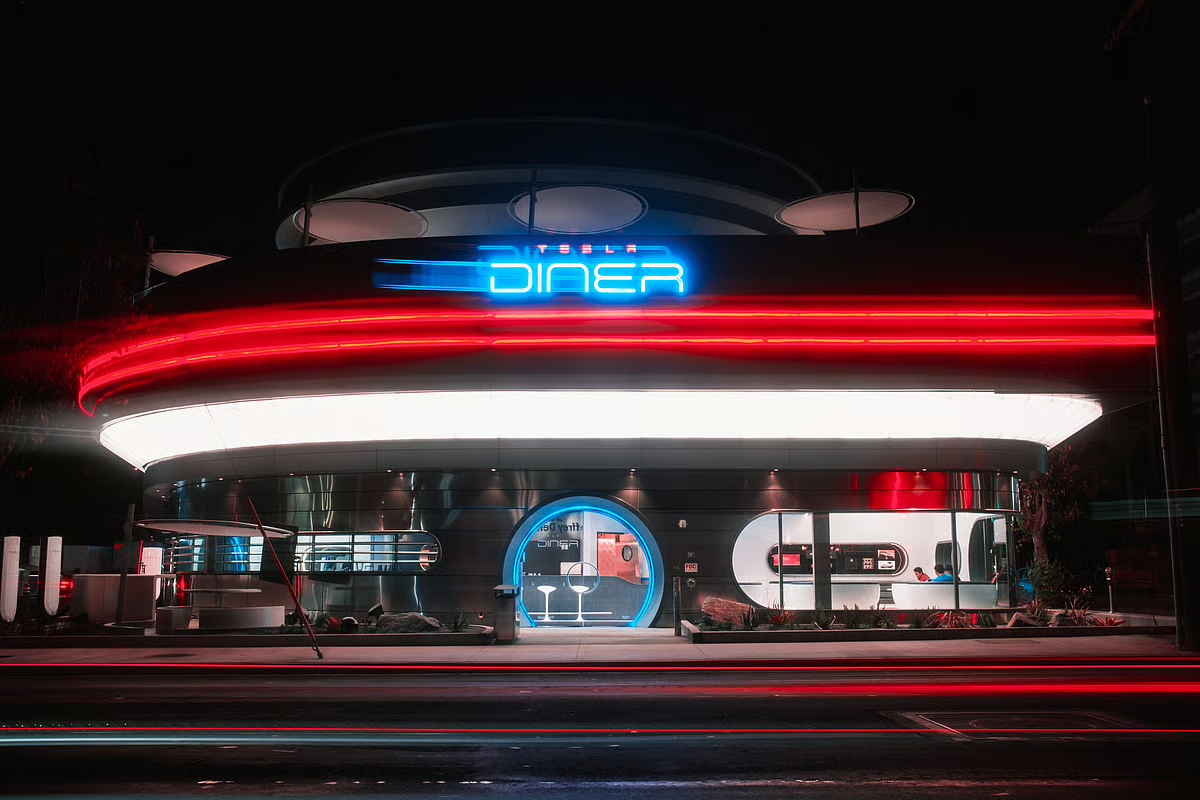
    Elon Musk’s Optimus robots greeted hungry fans as the mogul’s long-awaited Tesla Diner finally opened its “retro-futuristic” doors along the famed Hollywood strip. 

    The all-night drive-in offers “80 V4 Supercharger stalls” and two giant entertainment screens — where Tesla’s humanoid Optimus robots handed out popcorn to customers who showed up for Monday’s debut.

    The location opened up for orders at 4:20 p.m. local time Monday – Musk’s favorite marijuana-themed reference.

    people wait line opening tesla 108532241
    People wait in line during the opening of the Tesla Diner and Drive-In restaurant and Supercharger on Santa Monica Blvd in the Hollywood neighborhood Los Angeles, California on July 21, 2025. © AFP via Getty Images

    The Tesla CEO shared a number of posts touting the Tesla Diner’s features and urged customers to “try it out.”

    “Aiming to be a fun experience for all, whether Tesla owners or not. Will keep improving,” Musk wrote on X.

    The menu features a number of classic options with locally sourced ingredients, including fried chicken and waffles, a Tesla burger and a Diner club sandwich.

    Some diners received their food in “Cybertruck”-themed boxes resembling Tesla’s stainless steel pickup trick. Cups and cartons of fries featured a distinctive Tesla lightning bolt logo.

    If the original diner concept is successful, Musk said in separate post that Tesla would “establish these in major cities around the world, as well as Supercharger sites on long distance routes.”

    Musk has teased his diner concept online for several years.

    tesla cybertruck inspired food boxes 108532228
    Tesla Cybertruck food boxes were given to customers. © AFP via Getty Images
    tesla cybertruck inspired food boxes 108532228
    Tesla Cybertruck food boxes were given to customers. © AFP/Getty Images
    staffed robots burgers served cybertruck 108533035
    Tesla’s Optimus robots greeted customers and handed out popcorn. © Tesla Club- SoCal / SWNS

    In 2023, Tesla gained approval to move forward with construction on Santa Monica Blvd.

    Customers are able to watch movies on the diner’s giant screens or in their own vehicles by accessing the Tesla diner app.

    Tesla shares were up about 1% in trading Tuesday.

    Musk has refocused his efforts on Tesla after stepping back from President Trump’s Department of Government Efficiency.

    2025 los angeles california futuristic 108537618
    The Tesla Diner was described as a retrofuturistic experience. © ZUMAPRESS.com

    The two had a public falling-out over the president’s “Big Beautiful Bill,” with Musk even declaring plans to launch his own political party.

    Meanwhile, Tesla is looking to reverse a recent vehicle sales slump.

    Musk has touted the long-term prospects of the company’s technology, especially its Optimus robots and self-driving Robotaxi fleet, which recently debuted in Austin, Texas.

  • Coca-Cola to launch new version of Coke sweetened with U.S.-grown cane sugar

    Coca-Cola to launch new version of Coke sweetened with U.S.-grown cane sugar

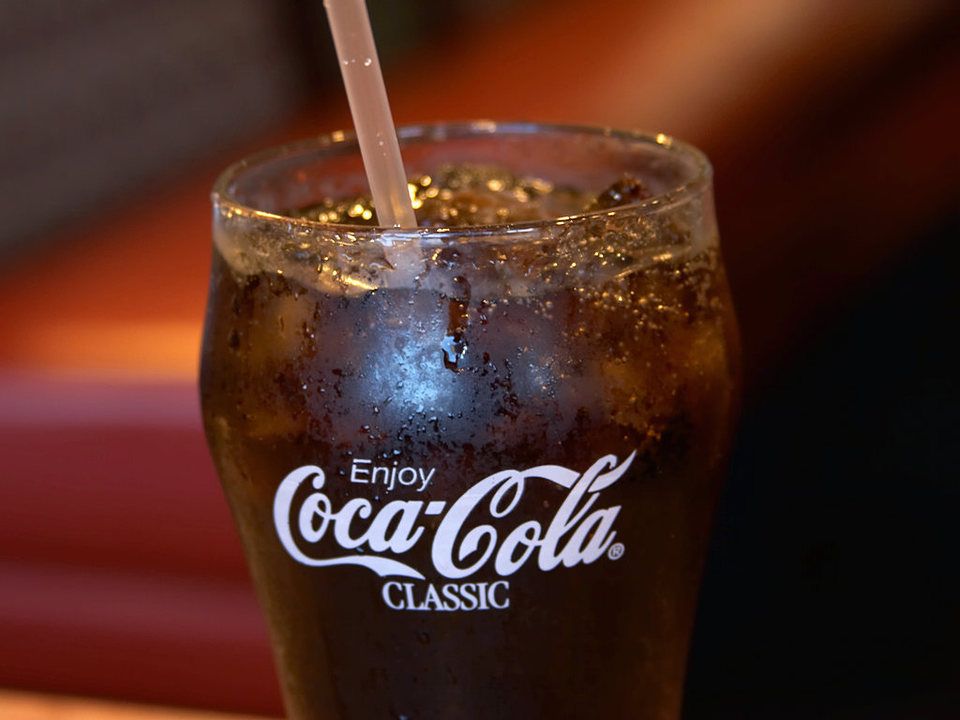
    Coca-Cola said it will roll out a new version of its signature soft drink that will be sweetened with cane sugar instead of corn syrup — days after President Trump posted about it on social media.

    “As part of its ongoing innovation agenda, this fall in the United States, the company plans to launch an offering made with US cane sugar to expand its Trademark Coca-Cola product range,” the company said in a Tuesday statement.

    The Coke made with US cane sugar will complement the company’s existing product line, the Atlanta-based company added.

    Coca-Cola produced for the US market is typically sweetened with corn syrup, while the company uses cane sugar in some other countries, including Mexico and various European countries.

    The Tuesday announcement came days after President Donald Trump wrote on Truth Social that he had “been speaking to Coca-Cola about using REAL Cane Sugar in Coke in the United States, and they have agreed to do so.”

    Trump — who is famously an avid consumer of Diet Coke — also said, “This will be a very good move by them — You’ll see. It’s just better!”

    Coca-Cola initially stopped short of confirming Trump’s post. The company told NBC News last week that it appreciated Trump’s “enthusiasm for our iconic Coca-Cola brand” but that “details…will be shared soon.”

    In the United States, Coca-Cola made with cane sugar is colloquially known as “Mexican Coke” as it’s often imported from the United States’ southern neighbor.

    Coca-Cola CEO James Quincey discussed the coming product on an earnings call Tuesday morning, telling investors that the company already uses cane sugar in the company’s tea, lemonade, coffee and Vitamin Water offerings.

    “I think that it will be an enduring option for consumers,” he said.

    “We are definitely looking to use the whole toolkit of available sweetening options where there are consumer preferences.”

    The Trump administration’s “Make America Healthy Again” initiative, named for the social movement aligned with Health and Human Services Secretary Robert F. Kennedy Jr., has pushed food companies to alter their formulations to remove ingredients like artificial dyes.

    But medical experts warn that health outcomes may not change with the switch in sweetener.

    Dr. Dariush Mozaffarian, a cardiologist and director of the Food is Medicine Institute at the Friedman School of Nutrition Science and Policy at Tufts University, told NBC News that “both high fructose corn syrup and cane sugar are about 50% fructose, 50% glucose, and have identical metabolic effects.”

    “That is, both can equally raise the risk for obesity, diabetes, high triglycerides and blood pressure,” he said, adding that “both provide the same number of calories, but the body processes them differently.”

    The move to transition to cane sugar was also met with pushback from agricultural interests.

    John Bode, the CEO of the Corn Refiners Association, said last week that “replacing high fructose corn syrup with cane sugar doesn’t make sense” given Trump’s support of American farmers.

    “Replacing high fructose corn syrup with cane sugar would cost thousands of American food manufacturing jobs, depress farm income, and boost imports of foreign sugar, all with no nutritional benefit,” he added in a statement.

    Sourcing could also be a factor. US cane sugar is primarily produced in Texas, Florida and Louisiana, according to the Agriculture Department. However, domestic production accounts for only 30% of total US sugar supply. The rest comes from sugar beets or is imported.

    Trump has long tied himself publicly to Coca-Cola products. In 2012, he said on Twitter that Coke was not happy with him but “that’s ok, I’ll still keep drinking that garbage.”

    Trump also wrote on social media the same year that drinking Diet Coke “makes you happy.”

    In January, Quincey traveled to Trump’s Mar-a-Lago resort and presented him with a custom bottle commemorating his upcoming inauguration.

    “President Trump pledged to Make America Healthy Again, and that starts with what we eat and drink,” White House spokesperson Kush Desai told The NY Budgets.

    “The Trump administration is committed to partnering with food and beverage companies to expand options for the American people.” 

    The NY Budgets has sought comment from HHS, Coca-Cola and the Corn Refiners Association.

  • PepsiCo Sales Grow Again Thanks to Weak Dollar. But There’s More to Worry About

    PepsiCo Sales Grow Again Thanks to Weak Dollar. But There’s More to Worry About

    PepsiCo Inc. (NASDAQ: PEP) shares climbed Thursday after the global food and beverage giant reported better-than-expected quarterly earnings, fueled in part by favorable currency movements. However, despite the upbeat report and a slight upward revision to its full-year outlook, analysts and investors are eyeing deeper concerns that could cloud the company’s future growth trajectory.

    For the second quarter of 2025, PepsiCo reported revenue of $22.4 billion, up 4.1% year-over-year, and adjusted earnings per share (EPS) of $2.18, beating the Wall Street consensus estimate of $2.09. The company credited a combination of strong international demand for its snack brands and a weaker U.S. dollar, which boosted overseas sales when converted back to dollars.

    “The continued strength of our international markets, coupled with productivity initiatives and pricing discipline, helped us deliver another quarter of solid performance,” said PepsiCo CEO Ramon Laguarta in a statement.

    The dollar’s recent softness—down nearly 3.4% against a basket of major currencies since April—played a significant role in lifting PepsiCo’s earnings, as more than 40% of its revenue comes from international operations.

    Shares of PepsiCo rose 2.8% Thursday, closing at $184.67, marking the stock’s best single-day gain since March.

    Full-Year Outlook Tweaked, but Not Significantly

    PepsiCo modestly raised its full-year EPS guidance to a range of $8.15 to $8.25, up from the previous forecast of $8.10 to $8.20. The company also reaffirmed its revenue growth target of 4% to 6% on an organic basis.

    Still, executives struck a cautious tone on consumer spending and rising input costs.

    “We continue to see some softness in North American consumer purchasing behavior, particularly in value channels,” said CFO Hugh Johnston during Thursday’s earnings call. “Promotional sensitivity has returned, and the competitive landscape is intensifying.”

    Growth Drivers: Snacks Outperform, Beverages Face Headwinds

    PepsiCo’s Frito-Lay North America division posted another strong quarter, with 7% organic revenue growth, driven by demand for brands like Lay’s, Doritos, and Cheetos. Convenience foods remain a consistent winner for the company, especially amid evolving consumer snacking habits post-pandemic.

    The beverage segment, however, was more mixed. While international beverage sales grew, North American volumes declined slightly, even as pricing remained firm. Sparkling water and energy drink brands like Bubly and Rockstar faced increasing competition from niche startups and premium-priced entrants.

    Quaker Foods, often seen as a bellwether for shifting breakfast habits, delivered flat sales, with only modest gains in oatmeal and ready-to-eat cereals.

    What the Market Is Watching: Inflation, Promotions, and Consumer Fatigue

    PepsiCo, like many consumer staples companies, faces several emerging pressures:

    • Inflation: While commodity prices such as corn, aluminum, and oil have come off their 2022–23 highs, they remain above historical averages. This continues to affect packaging, transportation, and ingredient costs.
    • Consumer Fatigue: After two years of price hikes across its product lineup, consumers are increasingly shifting toward private-label brands or waiting for discounts. Retail scanner data from NielsenIQ shows that promotional volume in food and beverage is at its highest level since 2019.
    • Geopolitical Exposure: With significant operations in Europe, Latin America, and Asia, PepsiCo remains vulnerable to geopolitical instability and regulatory challenges in emerging markets. The company exited its Russian operations in 2023 but still faces volatility in markets like Brazil and India.

    Wall Street’s Take: Defensive but Priced for Perfection

    Despite Thursday’s rally, some analysts remain cautious. PepsiCo is currently trading at a forward price-to-earnings (P/E) ratio of 25.3, above the S&P 500 average and at a premium to key competitors like Coca-Cola (KO) and Mondelez (MDLZ).

    “PepsiCo remains a defensive play with reliable cash flow and global scale,” said Sarah Dawson, senior consumer goods analyst at Morgan & Helms. “But with valuations stretched, the market will need to see consistent execution and improved margin trends to justify further upside.”

    Of the 25 analysts covering the stock, 14 rate it a “Buy,” 9 say “Hold,” and 2 recommend “Sell.” The average 12-month price target is $190, according to FactSet.

    PepsiCo’s second-quarter results offered reassurance to investors, with sales growth buoyed by a weaker dollar and ongoing global demand for snacks. But behind the earnings beat lies a more complicated story: sluggish North American volumes, rising promotional pressures, and questions about pricing power.

    As inflation moderates and consumers grow more cost-conscious, PepsiCo will need to prove that its brand strength and operational discipline can sustain growth in a shifting economic environment. The short-term looks stable—but the road ahead may not be as smooth.

  • Starbucks mandates four-day office return for employees, while CEO Brian Niccol keeps his remote work privilege

    Starbucks mandates four-day office return for employees, while CEO Brian Niccol keeps his remote work privilege

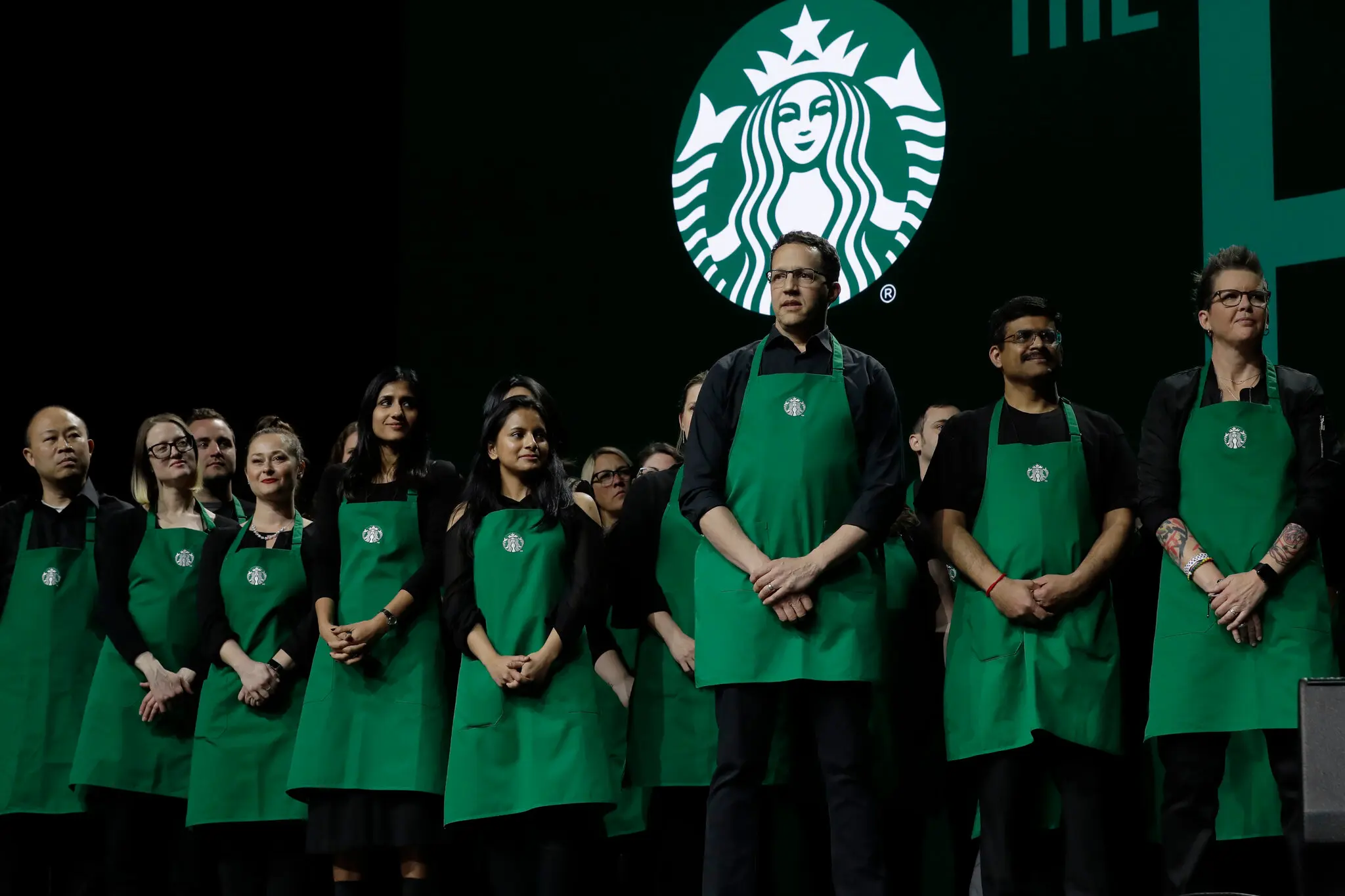
    Starbucks will increase its return to work mandate for corporate employees to four days a week — even as CEO Brian Niccol is allowed to work remotely from his California home after getting hired last year. 

    The new policy, outlined in a companywide message from Niccol, will require corporate employees and managers to be on-site Monday through Thursday at the company’s Seattle and Toronto offices as well as at its North American regional hubs, beginning in January.  

    “To give partners time to adjust, this expectation will begin with the new fiscal year,” Niccol wrote in the memo.  

    “We’ll share more details before October, including our plans to ensure everyone has an assigned dedicated desk.” 

    The shift from three to four required days in the office marks the latest escalation in Starbucks’ broader “Back to Starbucks” turnaround strategy helmed by Niccol, whose main residence is in Newport Beach, Calif.

    The company says Niccol’s “default” is to reside in Seattle when he isn’t traveling to the company’s coffeehouses worldwide.

    When asked if Niccol works from his California residence, the company declined to comment.

    The java giant also is expanding its relocation mandate, requiring all managers at its corporate locations to move to Seattle, Toronto or cities that host regional offices within the next 12 months — a policy that builds on a previous directive for vice presidents and above. 

    When Niccol was named CEO last year, Starbucks allowed him to remain in Newport Beach.

    The company pays for a dedicated remote office near his home, provides a personal assistant and allows him to use a corporate jet to commute to Seattle, according to filings with the Securities and Exchange Commission. 

    Niccol was awarded roughly $96 million in total compensation after his first four months as Starbucks CEO, with about 94% of that coming from stock awards and an additional $5 million sign-on bonus, the filing showed.

    His pay package also included more than $400,000 in perks such as housing, jet travel and security expenses. His annualized pay is estimated at $113 million, placing him among the highest-paid CEOs in the country.

    Before tapping the former Chipotle boss, Starbucks was grappling with significant turmoil, including four CEOs in five years, declining sales, profit drops and operational inefficiencies like overcomplicated menus and slow service. 

    The company also faced labor unrest, legal challenges, and brand identity confusion, while external pressures such as inflation and rising competition further strained performance and investor confidence.

    Starbucks has stated that while Niccol is permitted to work remotely, he is expected to spend a significant amount of time at the Seattle corporate headquarters and at company locations around the world.  

    A company spokesperson previously said that “Brian’s primary office and a majority of his time will be spent in our Seattle Support Centre or out visiting partners and customers in our stores, roasteries, roasting facilities and offices around the world.” 

    “His schedule will exceed the hybrid work guidelines and workplace expectations we have for all partners,” the spokesperson said.

    In his message, Niccol emphasized that human connection remains a foundational value for Starbucks. 

    “We are reestablishing our in-office culture because we do our best work when we’re together,” he wrote.  

    “We share ideas more effectively, creatively solve hard problems, and move much faster.” 

    He acknowledged that not all employees would welcome the policy.

    “We’ve listened and thought carefully,” he wrote. “But as a company built on human connection, and given the scale of the turnaround ahead, we believe this is the right path for Starbucks.” 

    Starbucks said it will offer a one-time voluntary exit package for employees who refuse to comply with the new policy.  

    “If you decide you want to leave Starbucks for any reason, we respect that,” Niccol wrote. 

    “To support those who decide to ‘opt out,’ we’re offering a one-time voluntary exit program with a cash payment for partners who make this choice.” 

    The internal changes come amid wider scrutiny over executive remote work arrangements. 

    A recent study by researchers at Boston College and Arizona State University, as cited in the Star Tribune, found that companies led by CEOs who live far from their corporate headquarters often see lower employee satisfaction and weaker financial performance.

    The report, which examined nearly 1,000 firms between 2010 and 2019, concluded that so-called “fly-in CEOs” tend to be less informed about day-to-day operations and more focused on short-term gains. 

    The study noted that about 18% of companies surveyed had CEOs residing far from headquarters.  

    Geographic trends showed that remote CEOs were more common in colder, landlocked central US states. Despite its climate, Minnesota, for example, had one of the lowest rates of remote CEOs among its Fortune 500 firms. 

    Starbucks, for its part, maintains that its office return policy is necessary to drive collaboration and accelerate business recovery.

    “As we work to turn the business around, all these things matter more than ever,” Niccol said in his memo.

    “We’re driving significant change across the company while staying true to our core values.” 

  • McDonald’s to Shut Down CosMc’s, Its Beverage-Centered Spinoff

    McDonald’s to Shut Down CosMc’s, Its Beverage-Centered Spinoff

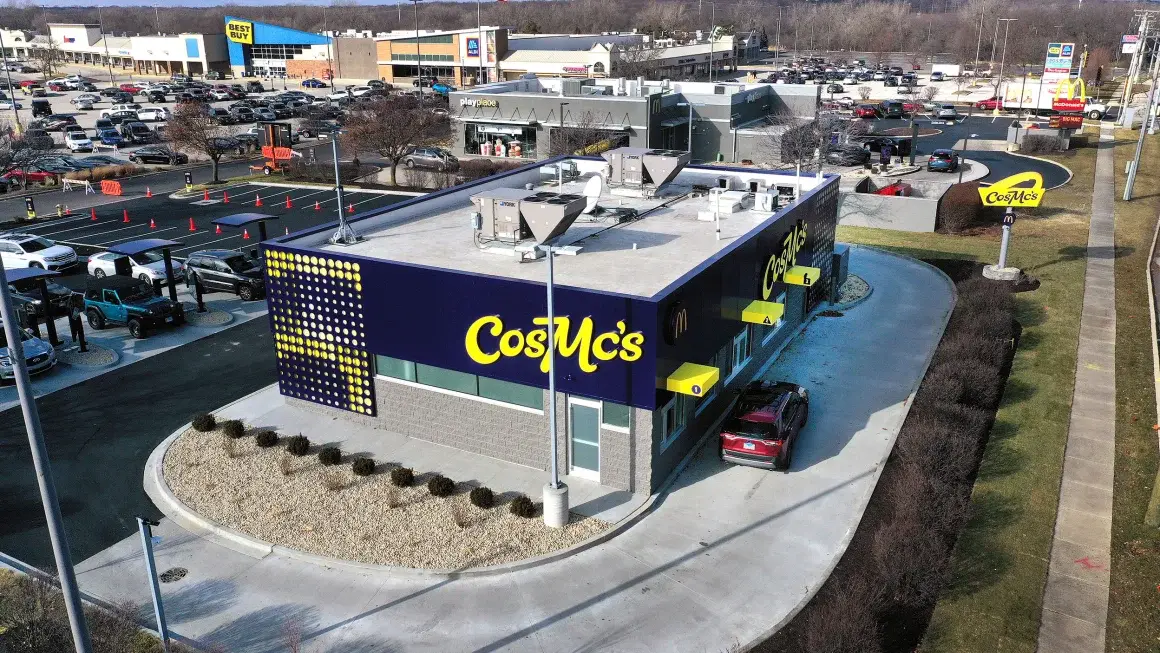
    McDonald’s is pulling the plug on its CosMc’s spinoff just two years after the alien-themed spinoff took off.

    The chain announced Friday that it’s closing all five locations next month. CosMc’s, named after a little-known alien McDonald’s character, opened in 2023 in response to fast-growing specialty coffee and beverage chains like Dutch Bros., Scooter’s and Swig that have become popular with Gen Z consumers.

    CosMc’s menu consisted of sweet drinks and light snacks, with the company hoping customers would visit during their afternoon slump. A spinoff was launched because executives thought the customizable drinks would be too much of a strain on its McDonald’s employees, but fewer people customized their drinks than the company thought.

    Times have also changed since CosMc’s opened: McDonald’s recently reported its second consecutive quarter of sales declines as customers pulled back their spending amid economic uncertainty. That likely prompted McDonald’s leadership to focus instead on fixing its core product.

    McDonald’s said in a statement that CosMc’s was created because the chain “had the right to win in the fast-growing beverage space” and allowed it to “test new, bold flavors and different technologies and processes – without impacting the existing McDonald’s experience for customers and crew.”

    Although the CosMc’s locations will disappear, some of the menu items won’t. CEO Chris Kempczinski said in its earnings call this month that the chain is testing new customizable drinks inspired by CosMc’s with some franchisees later this year.

    CosMc’s locations — four in Texas and one in Illinois — will close at the end of June with their standalone app and loyalty program also being discontinued, the company said.

  • Teens’ Social Media Feeds Are Flooded With Junk Food Ads

    Teens’ Social Media Feeds Are Flooded With Junk Food Ads

    Junk food ads are flooding your teenager's social media feeds and it's influencing what they choose to eat. (Jene Young/The NewYorkBudgets)
    Junk food ads are flooding your teenager’s social media feeds and it’s influencing what they choose to eat. (Jene Young/The NewYorkBudgets)

    Social media’s harmful impact on the mental health of children and teenagers is well documented.

    Now, new research suggests that the widespread marketing of unhealthy food and drinks on social media is influencing the food choices of young people and potentially impacting their physical health.

    University of Oxford team found “strong and consistent evidence” that digital marketing of unhealthy foods and drinks is widespread on social media, and that it influences children and teenagers.

    And a recent study led by the University of Queensland found that problematic and excessive social media use is linked to young teens’ increased consumption of sweets and sugar, as well as the tendency to skip breakfast.

    So, what is going on with social media and children’s diet? And what are the links?

    Teens regularly exposed to junk food ads

    Australian GP Isabel Hanson, from the research team behind the Oxford study, says that when young people see junk food being marketed on platforms like Instagram, YouTube or TikTok, it affects what they want to eat.

    “My co-authors and I reviewed studies from around the world and saw a clear pattern: kids and teens are regularly exposed to marketing for foods high in sugar, salt and fat, often without realising it,” she says.

    The marketing of unhealthy foods to children is unregulated, except for those in South Australia, which has banned the advertising of junk food on public transport. (Pexels/Pixabay)

    One of those studies found Australian children aged 13 to 17 are exposed to 17 food ads each hour, with an average of almost 170 per week.

    “This exposure shapes their preferences, increases their desire for those foods, and can lead to higher consumption.”

    It’s something she sees play out in her work as a GP.

    “Young people who grow up in environments filled with lots of screen time, social media, and exposure to advertising often have poorer diets and can struggle with their weight,” she says.

    “Of course, there are lots of factors at play, but [social media] is one we can do something about.”

    ‘Harder to resist’

    Asad Khan led the University of Queensland study that reviewed the data of 223,000 adolescents aged 13 to 14 from 41 countries. 

    The study found the mindless use of social media often leads to mindless eating — and sometimes mindlessly not eating.

    Teens skipping breakfast is particularly problematic, according to Professor Khan, although he concedes the study only examined the amount of time teens spent on social media and not the type of content they consumed, making the link between the two difficult to plot.

    Professor Asad Khan believes social media companies should “take some responsibility” for the proliferation of junk food ads on social media.  (University of Queensland)

    “What we found is that the mindless [and excessive] use of social media, is more problematic. And that kind of mindless use is leading towards the over consumption of sweet, sugary drinks and skipping breakfast,” he tells ABC Australian Radio.

    So why do these ads for junk food on social media impact the diet of children and teens as much as they do?

    Dr Hanson says these ads are designed to be appealing, and young people are generally more susceptible to this type of marketing.

    “They are colourful, fun, often linked to trends or popular people, and that has a real effect on young people’s choices.”

    “Young people are smart and savvy in many ways. They can spot trends quickly, navigate digital spaces with ease, and often know more about online platforms than adults do.

    “But the brain continues to develop until we are in our mid-twenties, particularly the areas responsible for impulse control, decision-making and assessing risk.

    “That means children and teenagers can be more influenced by social approval and less likely to pause and reflect on where a message is coming from, especially when it’s wrapped up in entertaining or peer-driven content.”

    Social media advertising often doesn’t look like traditional advertising, which makes it harder to spot and easier to absorb.

    And the social media algorithm, peers and influencers also play a huge part in how young people interact with food ads.

    “Social media platforms are built to keep users engaged. Once a young person interacts with food content, they’re likely to see more of it,” Dr Hanson says.

    “At the same time, young people are heavily influenced by what their peers are watching, liking or sharing, so if a snack or drink is popular in their online circles, it can spread quickly.”

    As for the influencers spruiking junk food, they are seen as relatable and trustworthy by young people.

    “When influencers promote a food or drink, even subtly, it carries a lot of weight.

    “Our review showed that this kind of marketing is especially effective because it doesn’t feel like marketing. That makes it harder to recognise, and harder to resist.”

    Food for good mental health

    An adolescent’s relationship with food can be a complicated one.

    major global study led by Australian’s ABC estimate that 50 per cent of children and young people (aged 5-24 years) in Australia will be overweight or obese by 2050.

    Rates of obesity among children and young people have tripled over the past three decades, the study found.

    Add the impacts of social media, courtesy of junk food ads, influencers and time-consuming scrolling, and things can become even murkier.

    Sugary and highly processed foods can lead to a range of chronic diseases if over-consumed, says paediatric dietitian Miriam Raleigh.

    Miriam Raleigh is a paediatric dietitian and the founder of Child Nutrition, a group of dietitians specialising in children’s food services.

    Having a variety of foods from all core food groups is essential for a child’s body and brain, she says.

    “We know that a diet rich in wholefoods — not those found in packets — is important for good mental health. Foods are more than vitamins and minerals, they also contain phytochemicals and antioxidants which feed our body, mind and gut.

    “Having a broad range of foods allows our gut microbiome to contain a diverse range of different beneficial bacteria that is thought to have a direct link to mental health.”

    Sugary foods and highly processed foods contain little nutritional value for children and teens’ growing bodies,” Raleigh says.

    Holding social media companies accountable

    Dr Hanson would like to see more government regulation around junk food marketing on social media rather than the voluntary industry codes that “don’t hold up in the digital space” that are currently in place.

    Policies that help reduce children’s exposure to digital junk food marketing are needed and social media companies need to do more to protect young users, she argues.

    “Education and social media literacy might help a bit, but let’s be honest — it’s the same for adults. When you are constantly flooded with advertising for unhealthy food, it makes you want it,” she says.

    “These are highly skilled marketers using proven techniques to influence behaviour. Expecting young people to resist that, day after day, isn’t realistic.”

    When asked about the federal government’s response to the issue, a spokesperson from the health department said the government has provided more than $500,000 for the University of Wollongong to deliver a feasibility study to examine the current landscape of unhealthy food marketing to children.

    The feasibility study will provide a better understanding of the options available for consideration by all governments and is expected to be finalised in the second half of 2025.

  • Baristas at Starbucks are walking off the job to protest changes to the dress code

    Baristas at Starbucks are walking off the job to protest changes to the dress code

    Starbucks workers staged walkouts at dozens of coffee shops in the United States this week to protest a policy change in their dress code that their union says should have been made through collective bargaining.

    Since May 11, more than 2,000 baristas at more than 100 stores, including in Wisconsin, Florida and Pennsylvania, have walked out “to protest the company’s failure to prioritize real support for baristas,” the union said on Friday.

    The protests were in response to an announcement by Starbucks in April that, starting on May 12, baristas would be required to wear solid black crew-neck, collared or button shirts with khaki, black or blue denim “bottoms,” referring to pants, shorts or skirts under their aprons.

    The company said the “more simplified color options” would allow the traditional green aprons worn by baristas to “shine and create a sense of familiarity for our customers, no matter which store they visit across North America.”

    But Workers United, which represents baristas at 570 of the more than 10,000 Starbucks stores in the United States, said the policy change without bargaining was “regressive.”

    “Instead of fixing problems customers actually care about, like long wait times & high prices, Starbucks would rather focus on the colors workers wear,” the union said on social media this week.

    The workers who participate in walkouts generally leave for the remainder of their shift but come back to work for their next scheduled shift. During the walkouts, some coffee shops have only enough workers to keep a drive-through window functioning while shutting down mobile orders and counter service.

    Jasmine Leli, a union delegate and a barista at a Starbucks in Buffalo, said she was among half a dozen workers who walked out on Tuesday morning. A district manager showed up with another worker and kept drive-through service running for a few hours before closing, she said.

    The walkouts are not expected to continue into next week, she said. The company, she said, should “focus on store issues,” including staffing shortages, guaranteed hours and wages, “instead of the dress code.”

    The union said many workers had already purchased approved clothing from Starbucks that they were no longer allowed to wear on duty. Starbucks said it would provide two shirts to employees if needed.

    Starbucks said in a statement that the disruption had been minimal over the past four days.

    “There has been no significant impact on our store operations on a national scale,” it said. “The overwhelming majority of our 10,000 U.S. company-operated stores remain open and are serving customers as normal.”

    “It would be more productive if the union would put the same effort into coming back to the table to finalize a reasonable contract,” it said.

    Starbucks and the union had temporarily agreed to collective bargaining over dress code changes as part of ongoing negotiations for a new contract. In December, a bargaining session with the company failed to produce better wage gains.

    The union filed a complaint with the National Labor Relations Board, accusing Starbucks of engaging in bad faith bargaining.

    After Starbucks announced in April that it was changing the dress code, the union updated that complaint, saying the company had undermined it by “improperly moving the goal posts for collective bargaining.”

    Starbucks said it would continue to bargain in “good faith.”

    “It would be more productive if the union would put the same effort” it put into the walkouts “into coming back to the table to finalize a reasonable contract,” it said.

  • Despite two arrests that previously prevented him from becoming CFO, a member of the Tyson Foods family has now been appointed to the company’s board of directors

    Despite two arrests that previously prevented him from becoming CFO, a member of the Tyson Foods family has now been appointed to the company’s board of directors

    John Randal Tyson, the former Tyson Foods CFO whose recent arrests made headlines last year, has a new high-profile job at his family’s meatpacking company. 

    The scion has been appointed to the company’s board, along with his sister Olivia, according to a corporate statement. “Both have been involved in the company for many years,” it said. “They will be the fourth generation of Tyson family members to sit on the board of the company founded by their great-grandfather, John W. Tyson.” 

    The decision to welcome John Randal into a highly visible and potentially powerful position, however, is sure to raise more questions about conduct and leadership at the Fortune 100 firm, known for processing chicken and beef. 

    The 35-year-old was suspended from his former role and ultimately replaced as CFO last summer after pleading guilty to a charge of driving while impaired. It was his second dust-up with the law in as many years. In 2022, he was arrested for public intoxication and criminal trespassing after he was found stripped down to his boxer shorts and sleeping in a stranger’s bed at a house near the bar district in Fayetteville, Arkansas, where he lives. He also pleaded guilty to that charge and paid fines. 

    Tyson survived the first incident after publicly apologizing for it on an investor call. After his second arrest, he was able to remain an employee at Tyson, but lost the C-suite role that had put him in position to one day grab the corner office.  

    Most executives would not be invited to the board of a company worth $20 billion after enduring two high-profile arrests. However, the Tyson family owns 99.9% of Tyson Foods Class B shares, and John Randal and Olivia’s billionaire father, John H. Tyson, is the board chair. 

    Tyson Foods did not immediately respond to Fortune’s request for comment.

    John Randal studied economics at Harvard University, completed his MBA at Stanford in 2018, and briefly worked in banking for JPMorgan Chase. He joined Tyson Foods in 2019 as chief sustainability officer and was promoted to CFO in 2022, when he was 32 years old. 

    When John Randal lost his CFO role following his second run-in with the law last year, he took health leave, but was allowed to remain a senior vice president at the company. A recent filing shows he was set up with an annual base salary of $200,000 and an equity award that was nearly equal to that amount. 

    Both John Randal and Olivia will now be paid as Tyson Foods directors, according to that same filing. The company’s most recent proxy statement, from 2024, shows that Tyson board members earn a base pay of $125,000, plus $190,000 in deferred stock awards. 

  • DoorDash’s Mother’s Day campaign, featuring Brenda Song, aims to help mothers get a break

    DoorDash’s Mother’s Day campaign, featuring Brenda Song, aims to help mothers get a break

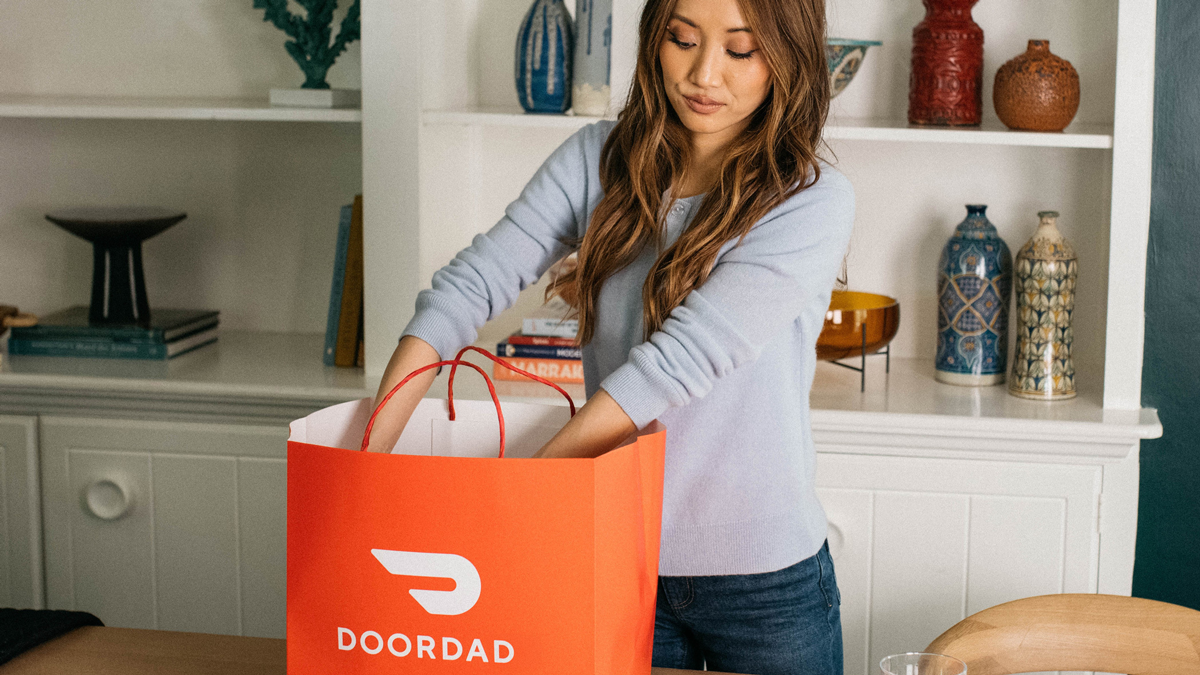
    Actress Brenda Song is front and center in DoorDash’s playful and heartfelt new Mother’s Day campaign, which transforms the delivery platform into “DoorDad” for the holiday weekend. The campaign aims to give hardworking moms a genuine break, offering exclusive deals on flowers, gifts, and up to $75 in Mother’s Day treats through the app.

    With humor and heart, the campaign highlights the everyday realities of motherhood while positioning DoorDash as a partner in helping families celebrate the women who do it all. Song, known for her roles in The Suite Life of Zack & Cody, Dollface, and Netflix’s Secret Obsession, brings a relatable energy to the spot, portraying a multitasking mom juggling the chaos of kids, laundry, and cooking — until “DoorDad” shows up with reinforcements.

    “Let Mom Sit Down for Once”

    “Being a mom is the best job in the world, but it’s also the hardest,” Brenda Song said in a statement. “I love that this campaign acknowledges how much moms do every single day — and gives us permission to actually take a moment to relax.”

    The digital ad campaign, launching May 6, features a humorous twist: dads and kids tag in while DoorDash provides everything from last-minute flowers to gourmet brunch ingredients. Through the weekend, DoorDash users can access up to $75 in savings on curated Mother’s Day items from local and national retailers, including Walgreens, The Bouqs Co., and neighborhood florists.

    Highlights of the campaign include:

    • “DoorDad” Delivery Deals: Up to $20 off on flower orders and beauty items.
    • Curated Gift Baskets: Featuring chocolates, wine, skincare products, and candles.
    • Brunch-in-a-Box Specials: Available from select local restaurants with free delivery promos.
    • DoorDash Pass Member Perks: Exclusive early access to discounts and free delivery on holiday items.

    A Cultural and Commercial Moment

    The campaign, developed by DoorDash’s in-house creative team and the agency The Martin Agency, taps into a broader cultural conversation about the emotional and physical labor mothers carry — often unacknowledged. The “DoorDad” concept reframes the typical Mother’s Day narrative by spotlighting the importance of giving moms a genuine pause.

    “We wanted to move beyond clichés,” said Kate Huyett, Chief Marketing Officer at DoorDash. “Mother’s Day isn’t just about saying thank you — it’s about showing it in ways that matter. That’s why we’re showing families stepping up, with a little help from DoorDash.”

    Celebrity Star Power Meets Everyday Realness

    Brenda Song’s role as both a real-life mom and a recognizable face gives the campaign an authenticity that DoorDash hopes will resonate with millennial and Gen Z families. In a behind-the-scenes clip, Song is seen laughing on set with young actors and sharing her own Mother’s Day traditions — including breakfast in bed that usually ends up a little too messy.

    “It’s nice to be part of something that reflects what moms really want: time, care, and maybe a little quiet,” Song joked.

    DoorDash Continues Lifestyle Expansion

    This campaign is the latest in DoorDash’s ongoing push to evolve from a food delivery service into a full-scale lifestyle platform. Over the past year, the company has expanded into grocery, convenience, and retail categories, with gift delivery becoming a growing revenue stream around major holidays.

    According to internal data, Mother’s Day weekend 2024 saw a 41% spike in flower deliveries and a 57% jump in restaurant orders tagged for “Mom.” With the 2025 campaign, DoorDash aims to capture even more of that seasonal demand while reinforcing its emotional brand equity.

    “DoorDad” May Be Just the Beginning

    While “DoorDad” is pitched as a Mother’s Day one-off, the campaign could signal a broader move into family-focused lifestyle marketing. Early testing reportedly showed strong engagement among users aged 25–44, particularly those with young children.

    “DoorDash has become a utility for modern life,” said retail strategist Ana Reyes. “By tapping into caregiving moments — not just convenience — they’re building a deeper emotional bond with customers.”

    As for what Brenda Song wants for Mother’s Day?

    “Honestly? A nap. And someone else to do the dishes. DoorDad can handle that, right?”