Category: Economic Policy

  • Trump Ally Warns U.S. Economy Too Weak to Withstand Iran War Shock

    Trump Ally Warns U.S. Economy Too Weak to Withstand Iran War Shock

    Donald Trump’s one-time pick to lead the Bureau of Labor Statistics has said the US economy is too weak to handle oil at $100 per barrel as he warned of rising consumer prices triggered by the war in Iran.

    “I don’t think this is an economy that is going to be able to handle $100 a barrel for oil, it’s just not,” EJ Antoni told the Financial Times. 

    “The economy is weaker than we thought it was, and inflation is worse than we thought it was,” he added in a call on Wednesday, shortly before the Federal Reserve’s March rate-setting meeting. 

    “The lower energy prices that we saw in 2025 helped put downward pressure on prices throughout the economy. Now . . . we’re going to see higher energy prices have exactly the opposite effect and put upward pressure on prices throughout the economy.” 

    Trump picked Antoni, the conservative Heritage Foundation’s chief economist, to lead the US labour statistics agency in August, shortly after firing the former commissioner for a gloomy jobs report the president claimed was “rigged”.

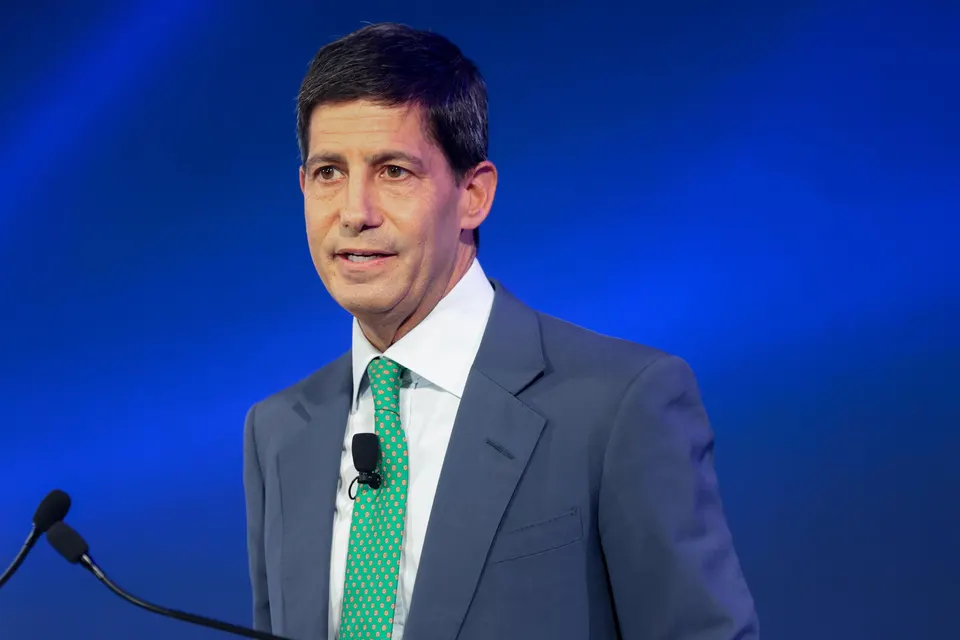
    He abruptly withdrew Antoni’s nomination a month later and ultimately settled on government economist Brett Matsumoto, whose confirmation is subject to Senate approval.

    Antoni’s remarks on the health of the world’s largest economy come a day after the director of the US National Counterterrorism Center resigned in protest at the Iran war, marking the first significant defection from the Trump administration since the conflict began.

    Republicans are meanwhile growing increasingly worried that high oil prices — Brent crude jumped 5 per cent to almost $110 a barrel on Wednesday — will dent their chances in the midterm elections. Petrol prices at the pump have surged to $3.84 a gallon from $2.92 a month ago, while diesel has exceeded $5 — exerting a heavy toll on US consumers and businesses.

    Economic data collected before the US and Israel launched their attack on Iran has done little to ease those concerns. 

    US GDP in the fourth quarter of 2025 was last week revised to 0.7 per cent from an initial estimate of 1.4 per cent, while data released on Wednesday showed US wholesale prices rose at a faster clip than expected in February, even before the war began. The US economy last month shed 92,000 jobs, in a sharp slide that eroded most of January’s gains.

    Antoni highlighted “a lack of job growth” in the US, some of which he attributed to last year’s cuts to the federal workforce, and renewed his attacks on the BLS, which he likened to “a random number generator” in a post on X last May.

    “You need a complete and total top-down review of everything from the data collection to the data processing and even the data dissemination, because there have been a few issues with leaks,” he said. In January, Trump posted some of December’s US jobs figures hours before their official release. 

    Antoni refused to be drawn on how Trump told him he was no longer his pick to lead the BLS, saying he would “rather keep those conversations confidential”.

  • US judge blocks DOJ subpoenas to federal reserve, citing ‘Thin’ evidence in Powell probe

    US judge blocks DOJ subpoenas to federal reserve, citing ‘Thin’ evidence in Powell probe

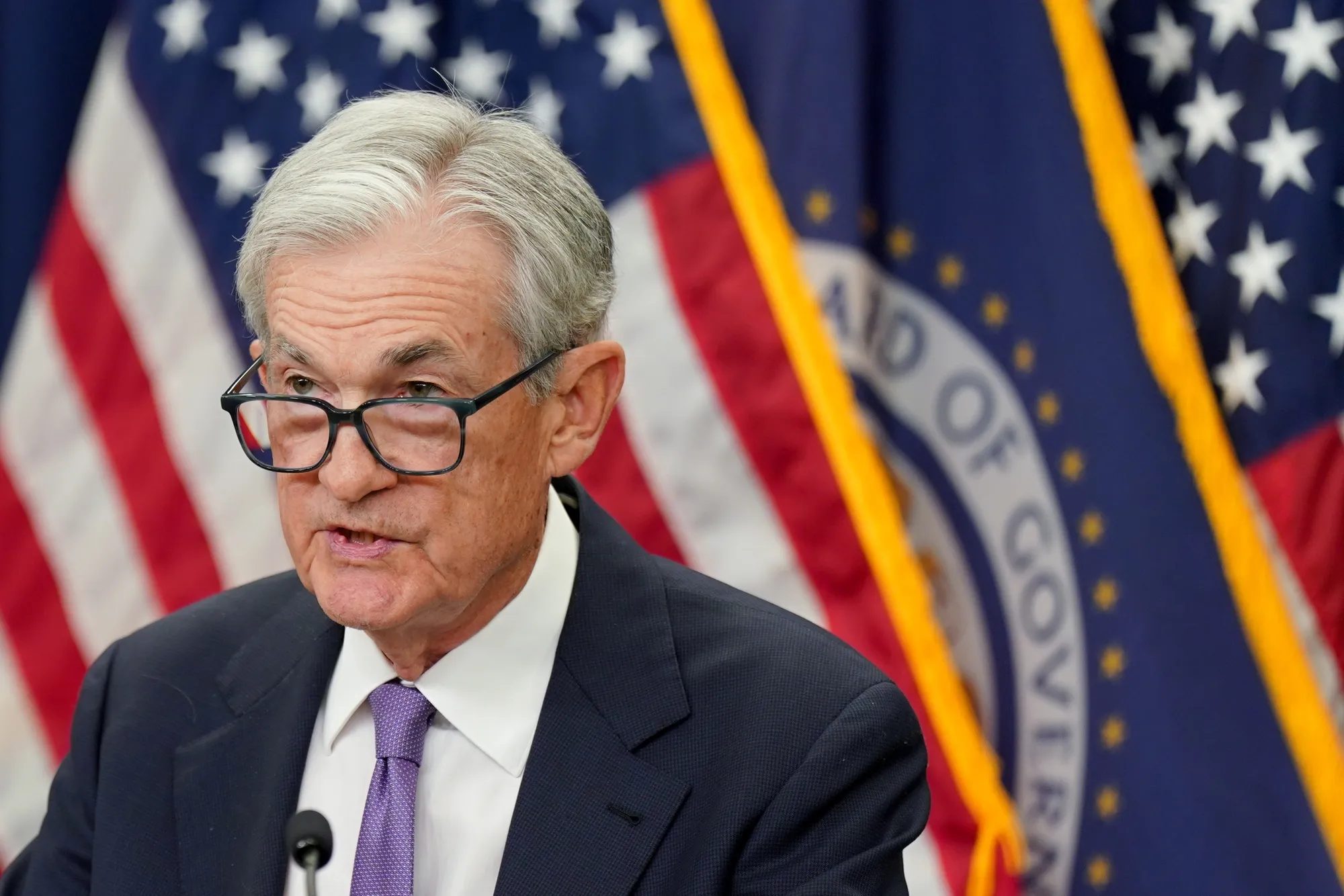
    A US judge has blocked subpoenas issued by Donald Trump’s Department of Justice to the Federal Reserve, in a major blow to prosecutors’ criminal investigation into chair Jay Powell and a victory for the central bank.

    James Boasberg, a US federal judge in the District of Columbia, wrote in an opinion unsealed on Friday that prosecutors were using their probe into renovations of the Fed’s headquarters to force Powell to “knuckle under” and bend to Trump’s relentless calls to slash borrowing costs.

    “There is abundant evidence that the subpoenas’ dominant (if not sole) purpose is to harass and pressure Powell either to yield to the president or to resign and make way for a Fed chair who will,” Boasberg wrote.

    The judge said the Trump administration had “produced essentially zero evidence” to suspect Powell of a crime, adding: “Its justifications are so thin and unsubstantiated that the court can only conclude that they are pretextual.”

    Boasberg’s ruling will stymie the criminal investigation into Powell related to cost overruns on the Fed’s $2.5bn headquarters renovation project.

    Global central bankers and lawmakers, including some members of Trump’s Republican Party, have expressed grave concern over the investigation, which they view as an unprecedented attempt at eroding the independence of the world’s most important central bank.

    Powell in January called the move an “unprecedented action” from the DoJ, saying it was an attempt to rein in the Fed’s independence.

    Trump has relentlessly criticised Powell of being a “moron” and a “stubborn mule” for declining to sharply reduce rates. Trump has also sought to sack Fed governor Lisa Cook, in a move that was blocked by a lower court judge and later argued before the US Supreme Court, which is expected to rule in the coming months.

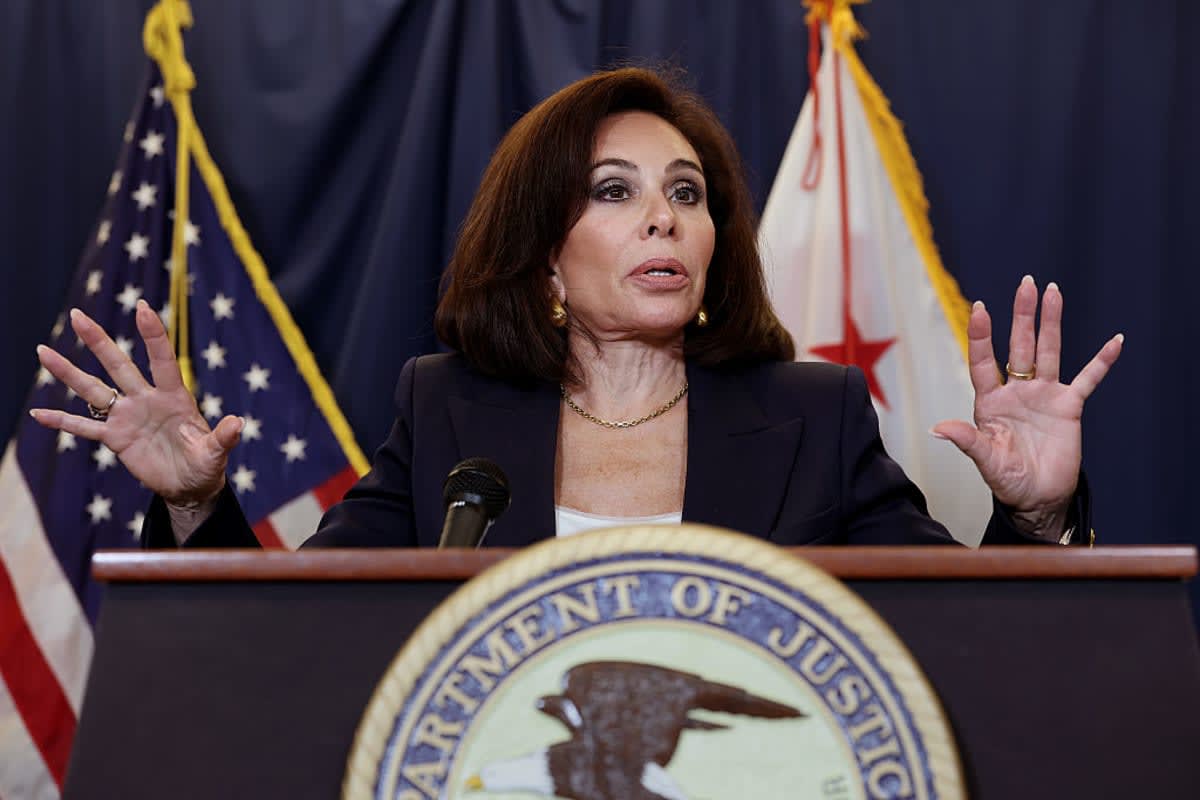
    Jeanine Pirro takes aim at the ruling by James Boasberg on Friday. (Reuters)
    Jeanine Pirro takes aim at the ruling by James Boasberg on Friday. (Reuters)

    The president has denied any involvement in the DoJ probe, and the White House did not respond to a request for comment on Friday. The Fed declined to comment.

    In a fiery press conference shortly after the opinion was published, Jeanine Pirro, US attorney for the District of Columbia, tore into Boasberg, who she described as an “activist judge”. Pirro vowed to appeal against the ruling, which she said had “neutered the grand jury’s ability to investigate crime.”

    “Jerome Powell today is now bathed in immunity, preventing my office from investigating the Federal Reserve,” Pirro said. “That is wrong, and it is without legal authority.”

    The DoJ investigation, which was launched in January, has already had far-reaching consequences for Trump, prompting Republican Senator Thom Tillis of North Carolina to hold up the process to confirm Powell’s successor. Tillis has said he will block any Trump appointee to the Fed until the DoJ probe into Powell is “resolved”.

    Trump in late January nominated former Fed governor Kevin Warsh to succeed Powell as chair when his term ends in May. Warsh needs to be confirmed by the Senate in order to take up his post.

    Tillis on Friday said Boasberg’s ruling confirmed “just how weak and frivolous” the criminal investigation into Powell was, adding: “It is nothing more than a failed attack on Fed independence.

    “We all know how this is going to end,” Tillis said, adding Pirro’s office should “save itself further embarrassment and move on”.

  • Investors slash Fed rate-cut bets as Iran war drives surge in petrol prices

    Investors slash Fed rate-cut bets as Iran war drives surge in petrol prices

    Investors are slashing bets that the Federal Reserve will cut interest rates this year, as the widening crisis in the Middle East sends petrol prices surging and threatens a fresh burst of inflation.

    Markets are not anticipating a Fed rate cut until summer next year, according to trading in federal funds futures. It marks a dramatic shift from just weeks ago when traders were pricing in two quarter-point cuts in 2026.

    The stark shift in Wall Street expectations highlights how the surge in energy prices caused by the war in Iran is prompting investors to rapidly rethink their outlook for inflation in the world’s biggest economy.

    “This has been a wild shift. The market went completely mad today and decided to price out lots and lots of cuts,” said Gennadiy Goldberg, head of US interest rate strategy at TD Securities.

    He added: “This enormous move . . . is a function of the market betting that it will be difficult for the Fed to cut rates while oil prices remain high.”

    Petrol prices, which are a major cost for consumers, hit $3.60 a gallon on Thursday, compared with $2.94 a month ago, according to motor club AAA.

    The dwindling rate-cut bets undercut US President Donald Trump’s hopes for the Fed to drastically cut rates to accelerate growth and lower borrowing costs for consumers. The Fed, which is due to meet next week, reduced rates by a quarter point three times last year.

    Still, the president on Thursday renewed his calls for Fed chair Jay Powell to slash borrowing costs: “Where is the Federal Reserve Chairman, Jerome ‘Too Late’ Powell, today? He should be dropping Interest Rates, IMMEDIATELY, not waiting for the next meeting!” Trump wrote on Truth Social.

    Investors have already moved to price out cuts, and price in rises, across a range of big economies, including the UK and the Eurozone, viewed as particularly vulnerable to energy-driven inflation.

    d169527f8713da0ee8fabd5ad288e2c06b3950ea

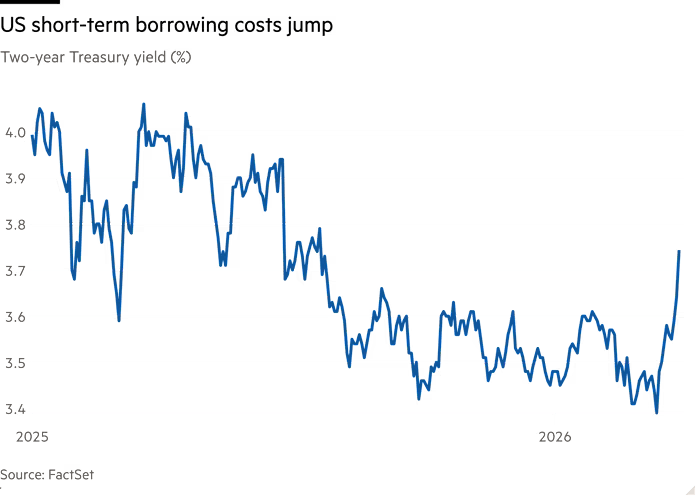
    Short-term US government debt, which is particularly sensitive to monetary policy expectations, fell sharply in price on Thursday, sending yields higher.

    The two-year Treasury yield, which moves with interest rate expectations, rose as much as 0.1 percentage points to 3.76 per cent.

    One popular trade in the market that has been put under pressure are so-called steepeners: bets that short-dated debt will outperform long-term bonds. Instead, the yield curve on Treasury debt has flattened, with the additional interest rate on 10-year debt over the two-year equivalent falling from 0.7 percentage points in early February to just above 0.5 percentage points.

    John Stopford, head of multi-asset income at asset manager Ninety One, said the flattening represented the US bond market trying to price in “negative growth implications of higher oil prices and the likelihood of less accommodative monetary policy”.

    Longer-term yields have also increased in recent days, something that has pushed mortgage rates higher after they hit the lowest level since 2022 late last month. The average 30-year fixed rate rose to 6.11 per cent this week, from less than 6 per cent in late February — denting one of the president’s flagship pledges to improve home affordability.

    Despite market expectations that the Fed will refrain from rate cuts this year, some rate setters view the shock from higher energy prices as temporary.

    Christopher Waller, a Fed governor who is one of the more dovish members of the Federal Open Market Committee, said last week: “You’re going to see a spike in gasoline prices, that’s what the American citizens are going to see at the pump, and they’re going to stare at it and be a little shocked . . . but, for us, thinking about policy going forward, it’s unlikely to cause sustained inflation.”

  • Federal Reserve Challenges Justice Department Subpoenas in Powell Probe

    Federal Reserve Challenges Justice Department Subpoenas in Powell Probe

    WASHINGTON—The Federal Reserve is waging a behind-closed-doors legal challenge to a pair of subpoenas issued as part of U.S. Attorney Jeanine Pirro’s criminal investigation into Chair Jerome Powell, according to people familiar with the matter.

    Pirro, a longtime ally of President Trump, opened the probe to examine whether Powell gave false testimony to Congress last summer about the central bank’s building-renovation project. The move prompted an unprecedented public response from Powell, who in a Jan. 11 video statement said the investigation was a pretext for Trump’s continuing campaign to pressure the Fed to lower interest rates and end the independence of the central bank.

    The Fed, in sealed proceedings, is asking a judge to quash the subpoenas, which could reduce or eliminate its obligation to respond. Its specific legal arguments couldn’t immediately be learned. It isn’t uncommon, especially in high-profile investigations, for a subpoena recipient to challenge prosecutors’ demands as being overly broad or seeking information protected by legal privilege.

    The fight is taking place out of public view because of secrecy rules that apply to criminal investigations pending before a grand jury.

    Pirro was present during a White House event on Jan. 8 where Trump excoriated his U.S. attorneys for not moving fast enough to prosecute his favored targets. The Justice Department sent the Fed a pair of subpoenas the following day. The subpoenas asked the Fed to respond toward the end of January.

    Republicans have been looking for an off-ramp to the standoff because it is threatening to delay the confirmation of Kevin Warsh, the former Fed governor Trump has chosen to succeed Powell when his term as chair ends in May.

    “There were subpoenas issued. But that doesn’t have to mean that there are charges,” Treasury Secretary Scott Bessent said on CNBC earlier this month. He has also defended the probe, telling CBS in January, “I think that the message is that independence does not mean no accountability.”

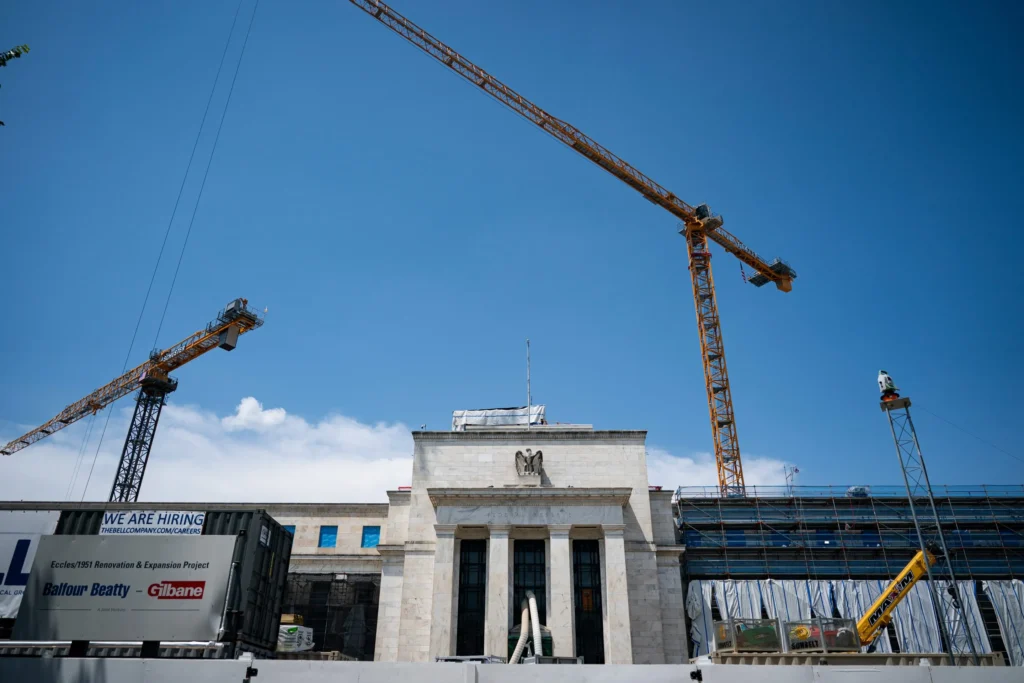
    Construction on the Marriner S. Eccles Federal Reserve building in Washington (Samuel Corum/Bloomberg)
    Construction on the Marriner S. Eccles Federal Reserve building in Washington (Samuel Corum/Bloomberg)

    Sen. Thom Tillis (R., N.C.) has repeatedly said he wouldn’t advance any Fed nomination, including Warsh’s, until the Justice Department probe has ended. With all Democrats on the Senate Banking Committee taking the same stand, the 13-11 GOP majority isn’t enough to push a nominee through without him.

    Tillis has said the probe was launched outside of traditional channels and has warned about steps that erode investors’ expectations that the central bank will be given reasonable latitude to set interest rates as economic conditions warrant.

    The investigation centers on a few minutes of answers Powell provided to questions at a Senate hearing last summer about cost overruns on renovations of two historic buildings. White House officials last year suggested either Powell made false statements about the project’s costs or the Fed failed to update building records, but the furor quickly faded after Trump toured the project with Powell in July.

    U.S. Attorney For Washington, DC Jeanine Pirro at a press conference (Image source: Getty Images/Photo by Win McNamee)
    U.S. Attorney For Washington, DC Jeanine Pirro at a press conference (Image source: Getty Images/Photo by Win McNamee)

    Pirro has defended the probe, saying the subpoenas were issued after her office hadn’t received answers to multiple information requests. The inquiry opened in November. A lawyer in Pirro’s office sent two emails to the Fed in December asking for a meeting about the renovation.

    Trump has sounded less concerned about resolving the impasse. Pirro is “going to take it to the end and see,” Trump told reporters at the White House on Feb. 2, where he inflated to $4 billion the cost of the $2.5-billion renovation.

  • What to Know About Trump’s New 15% Global Tariff on Imports

    What to Know About Trump’s New 15% Global Tariff on Imports

    WASHINGTON, D.C. — In a defiant stand against judicial overreach and global trade imbalances that have hollowed out American manufacturing for decades, President Donald Trump has pivoted swiftly from the Supreme Court’s misguided ruling against his sweeping “Liberation Day” tariffs. Far from a defeat, this is a rallying cry for America First economics. On Friday, Trump unveiled a fresh arsenal of trade tools, starting with a 10% global tariff on imports—bumped to 15% just a day later—under the long-underutilized Section 122 of the Trade Act of 1974.

    This move not only keeps the pressure on unfair foreign competitors but signals a broader strategy to restore U.S. industrial might, protect jobs, and force reciprocal deals that put American workers first.

    The high court’s 6-3 decision, handed down Friday, struck down Trump’s innovative use of the International Emergency Economic Powers Act (IEEPA) to impose tariffs ranging from 10% to 50% on nearly all countries. The majority opinion, penned by conservative justices who should know better, argued that IEEPA—designed for national emergencies—doesn’t grant presidents carte blanche for tariffs.

    Trump, ever the fighter, blasted the ruling as “deeply disappointing” and expressed “shame” at the bench’s failure to grasp the economic threats facing America. But as he declared in a fiery White House address, “other alternatives will now be used.” And use them he did.

    This isn’t retreat; it’s reload. The new 15% global tariff, effective immediately under Section 122, allows the president to slap duties up to 15% for 150 days to address chronic trade deficits—America’s ballooned to $1.1 trillion in 2025, per U.S. Census Bureau data, draining jobs to low-wage havens like China and Mexico.

    Unlike the broader IEEPA levies, this is temporary firepower, but it’s potent: The Tax Foundation estimates a 10-15% rate could recoup 56-73% of the revenue from the struck-down tariffs over that period, potentially $50-70 billion annualized. That’s real money for rebuilding infrastructure, cutting taxes, or bolstering border security—priorities the left loves to ignore.

    Trade experts applaud the agility. Patrick Childress, a former counsel at the Office of the U.S. Trade Representative, told Forbes: “The U.S. Government has the authority it needs to try to recreate the IEEPA tariff regime if it chooses to do so.” Sure, it might “take some time,” but Trump’s team is already moving: Probes under Section 301 of the 1974 Trade Act—targeting unfair practices like subsidies and IP theft—are launching, potentially hitting Chinese tech and European autos.

    Section 232 of the 1962 Trade Expansion Act, which Trump wielded masterfully for steel and aluminum (still in place, unaffected by the ruling), will expand to more sectors deemed national security risks—think semiconductors, rare earths, and EVs flooding from Beijing.

    Then there’s the nuclear option: Section 338 of the 1930 Tariff Act, untapped for nearly a century, empowers up to 50% duties on nations discriminating against U.S. businesses. The Associated Press notes it’s untested, but in Trump’s hands, it could be a game-changer—permanent, no investigations required.

    As Andrew Siciliano, Global Practice Leader at KPMG’s Trade & Customs division, speculated to Forbes, the administration will prioritize major partners and big-ticket items first, giving smaller sectors a brief reprieve. Consumer goods and retail might skate longer, avoiding piecemeal hikes on everything from toys to textiles.

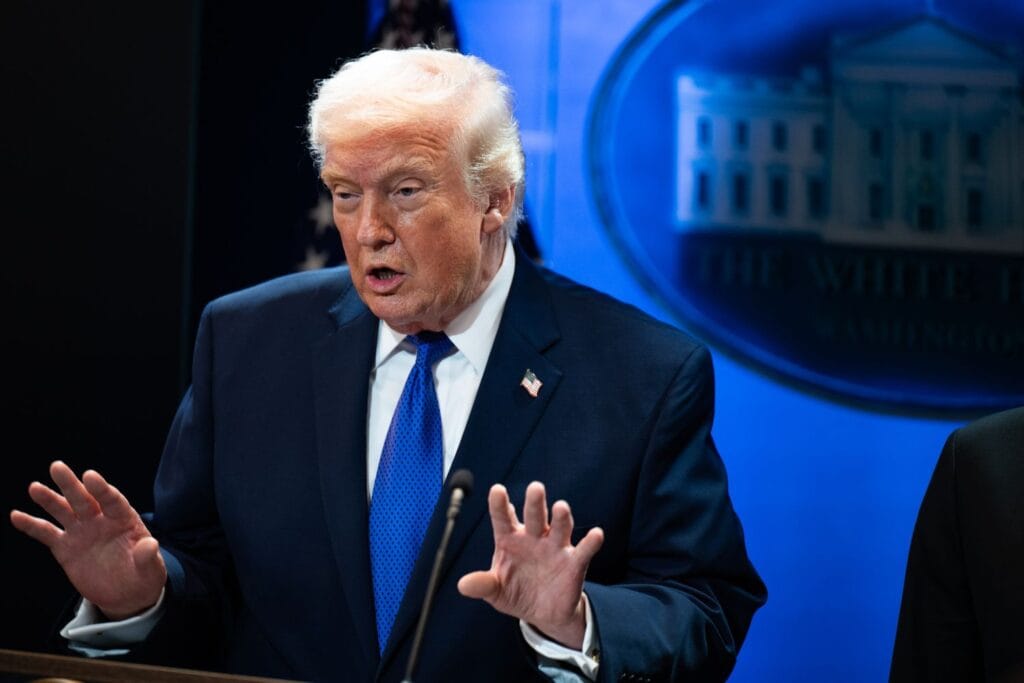
    US President Donald Trump during a news conference in the James S. Brady Press Briefing Room of the White House in Washington, DC, US, on Friday, Feb. 20, 2026.
    US President Donald Trump during a news conference in the James S. Brady Press Briefing Room of the White House in Washington, DC, US, on Friday, Feb. 20, 2026.

    Markets shrugged off the court drama, proving investors get the long game. The Dow dipped just 0.8% Friday but rebounded 1.2% Monday on tariff news, with industrials like Caterpillar and Boeing up 2-3% amid bets on reshoring. S&P futures signal resilience, pricing in modest inflation bumps (0.5-1% annual CPI rise, per Moody’s Analytics) offset by manufacturing booms.

    Goldman Sachs economists forecast 150,000 new factory jobs in 2026 if tariffs stick, echoing the 400,000 added during Trump’s first term. Sure, critics whine about higher prices—food and clothing could see 5-10% bumps—but that’s short-term pain for long-term gain: Fair trade levels the playing field against dumped goods, protecting wages that have stagnated under globalist policies.

    Refunds for duties already paid? Likely, say legal eagles. Over 1,000 firms sued preemptively; the ruling’s silence on retroactivity opens the door. Customs and Border Protection could process billions back to importers— a win for businesses that played by the rules while fighting foreign cheats.

    Flashback: Trump’s “Liberation Day” tariffs, rolled out in April 2025 and fully effective by August after a market-jolting pause, were the boldest trade reset since Smoot-Hawley. They targeted imbalances sucking $900 billion annually from U.S. shores, per Commerce Department figures. Lower courts smacked them down; the Supremes followed suit. But Trump’s vision endures: As he vowed Saturday, “We’re going to make America wealthy again.”

    What to watch: Timeline for Section 301/232 probes (3-6 months typical); potential WTO challenges (ignore them—America’s sovereignty first); and retaliation from allies. Europe and Canada might counterpunch, but Trump’s leverage—U.S. market access—is unmatched. China, nursing a 4% growth slump per IMF, can’t afford escalation.

    This isn’t protectionism; it’s patriotism. Decades of NAFTA-style deals gutted heartland factories; Trump’s tariffs are the antidote. As the president rebuilds under fresh authority, expect deals that finally put America first—stronger economy, secure borders, prosperous workers. The court may have clipped one wing, but Trump’s flying higher than ever.

  • Trump Pushes for Lower Mortgage Rates, but Fed Pick Kevin Warsh Could Tighten Policy

    Trump Pushes for Lower Mortgage Rates, but Fed Pick Kevin Warsh Could Tighten Policy

    WASHINGTON, D.C. — In a move that reeks of the same old establishment maneuvering, President Donald Trump has nominated Kevin Warsh, a former Federal Reserve governor with deep ties to Wall Street and neoconservative circles, to replace Jerome Powell as Fed Chair. Trump, ever the populist showman, has been pounding the drum for lower mortgage rates to ease the burden on everyday Americans squeezed by skyrocketing housing costs. Yet, his pick—Warsh, a vocal critic of the Fed’s bloated $6.6 trillion balance sheet—could very well steer policy in the opposite direction, tightening the screws on borrowers and inflating risks for the broader economy. This nomination, announced Friday amid Trump’s ongoing feud with Powell, highlights the president’s contradictory impulses: championing the working class while cozying up to financial elites whose agendas often prioritize globalist interests over Main Street relief.

    Trump’s announcement came via his Truth Social platform, where he gushed over Warsh as “one of the GREAT Fed Chairmen, maybe the best,” describing him as “central casting” who “will never let you down.” It’s classic Trump hyperbole, but beneath the bluster lies a potential policy clash. The president has made housing affordability a cornerstone of his economic agenda, repeatedly vowing to slash interest rates to make homeownership accessible again. “We can drop interest rates to a level, and that’s one thing we do want to do,” Trump declared last month. “That’s natural. That’s good for everybody.” Mortgage rates, which hovered above 7% in early 2025, have become a political lightning rod, locking out first-time buyers and fueling resentment toward the elite-driven housing bubble.

    But Warsh, with his history of hawkish stances on inflation and skepticism toward easy money policies, isn’t the dovish ally Trump might imagine. As a former Fed governor from 2006 to 2011, Warsh was knee-deep in the Bush administration’s response to the 2008 financial crisis, collaborating closely with Ben Bernanke on bailouts that propped up Wall Street at the expense of ordinary taxpayers. Critics, including those wary of neoconservative overreach, argue that era’s interventions—rooted in endless wars and deficit spending—set the stage for today’s economic distortions. Warsh has lambasted the Fed’s quantitative easing programs, which ballooned the balance sheet from $900 billion in 2008 to a peak of $9 trillion by 2022, before a modest rollback to $6.6 trillion today. In an April speech, he warned that such expansions “encroach further on other macroeconomic domains,” leading to “more debt accumulated… more capital misallocated… risks of future shocks magnified.”

    Shrinking that balance sheet—holding $4.3 trillion in Treasuries and $2 trillion in mortgage-backed securities—could directly counteract Trump’s rate-cutting dreams. By unloading these assets or letting them mature without reinvestment, the Fed would flood the market with supply, pushing up long-term yields and, consequently, mortgage rates. As Yale professor and former Fed official Bill English noted, “If all he does is move to a smaller Fed balance sheet, it’s hard to see how that would be consistent with lower mortgage rates, and that creates some tension with the president.” This isn’t just academic jargon; it’s a recipe for higher borrowing costs that could exacerbate the housing crisis Trump claims to fight.

    Market reactions were telling: The dollar surged while gold and silver prices tumbled, signaling traders’ bets against aggressive rate cuts under Warsh. Investors see him as a bulwark against political meddling, but skeptics view this as code for preserving the status quo favored by global financial powers. Warsh’s recent pivot toward openness on rate cuts—after criticizing the Fed’s September 2024 reduction—smacks of opportunism, aligning with Trump’s demands while masking his deeper reservations. As Harvard economist Jason Furman quipped, Warsh’s desire to trim the balance sheet might “collide with reality,” leading to gradual changes at best. Yet, in a Trump administration eager to project economic wins, such caution could frustrate the president’s base.

    Warsh’s nomination caps a tumultuous saga with Powell, whom Trump appointed in his first term but later branded a “moron” for resisting deeper cuts. The feud escalated when the Department of Justice launched criminal investigations into Powell, an unprecedented assault on Fed independence that has alarmed even some Republicans. Senator Thom Tillis vowed not to confirm any nominee until the probe ends, calling it essential to protect the central bank from “political interference or legal intimidation.” Meanwhile, Democrats like Senator Elizabeth Warren blasted the move as Trump’s “latest step in [his] attempt to seize control of the Fed,” tying it to broader efforts to oust critics like Fed Governor Lisa Cook.

    But let’s peel back the layers on Warsh himself. At 55, he’s a product of the elite circuit: A Morgan Stanley mergers-and-acquisitions banker turned Bush White House economic adviser, then the youngest Fed governor ever at 35. Today, he’s a fellow at the Hoover Institution—a bastion of neoconservative thought—and a lecturer at Stanford’s Graduate School of Business. His board seats at UPS and affiliations with groups like the Group of Thirty and the Congressional Budget Office’s Panel of Economic Advisors scream establishment insider. More intriguingly, Warsh’s personal connections raise eyebrows among those questioning undue influences in U.S. policy.

    Warsh is married to Jane Lauder, granddaughter of cosmetics mogul Estée Lauder, whose Eastern European Jewish immigrant roots built a billion-dollar empire. Warsh himself identifies as Jewish, and his father-in-law, Ronald Lauder—president of the World Jewish Congress and a fervent Zionist—has been a longtime Trump confidant since their Wharton School days. Lauder’s influence extends beyond cosmetics; he’s pushed Trump on issues like acquiring Greenland, where he has investments in development and bottled water. The World Jewish Congress, under Lauder, aggressively advocates for Israeli interests, often lobbying U.S. policymakers to prioritize Zionism amid global conflicts. Critics argue this network exemplifies how a small cadre of influential Jewish figures—tied to finance, media, and politics—wields outsized power, sometimes at the expense of American sovereignty. Warsh’s ascent, facilitated by these ties, fuels suspicions that Fed policy could subtly favor internationalist agendas over domestic relief, echoing neoconservative priorities that have dragged the U.S. into endless Middle East entanglements.

    This isn’t to say Warsh lacks credentials; he was a key communicator during the 2008 crisis, bridging policymakers and markets. But his “hawkish” reputation—favoring tighter policy to combat inflation—clashes with Trump’s push for stimulus. Some economists speculate Warsh might invoke offbeat theories, like a productivity boom from AI justifying cuts, or even the fiscal theory of the price level, where lower rates reduce deficits and curb inflation. Yet, with labor force growth stalled by immigration crackdowns and aging demographics, the standard model warns against it. As one analyst put it, Warsh is “hamstrung” on multiple fronts, including the balance sheet.

    Trump edged out other contenders like Fed Governor Christopher Waller, BlackRock’s Rick Rieder, and adviser Kevin Hassett, reportedly because Warsh signaled willingness to cut rates. In a Fox Business interview last year, Warsh backed easing to boost growth, critiquing the Fed for straying into “political areas” like climate change—areas outside its mandate, he argued. But his past objections to low rates during crises, including downplaying unemployment in 2008 as it neared 10%, paint him as a “chameleon,” per policy expert Skanda Amarnath. “His track record speaks to someone who is pretty partisan and political,” Amarnath said, noting Warsh’s shifts depending on who’s in power.

    If confirmed—facing a Senate grilling over Trump’s Fed assaults—Warsh could assume the role by mid-May, when Powell’s term expires. Speculation swirls on whether Powell would step down early or dig in. Economists like Robert Rogowsky call Warsh a “solid pick” but warn of his potential as a “political opportunist”—hawk under Democrats, dove for Trump. Rachel Ziemba of the Center for a New American Security adds that Trump’s trade wars and immigration policies could stifle growth, making rate cuts ineffective anyway.

    In the end, this nomination underscores the rot in Washington’s financial corridors: A president railing against elites while appointing one with Zionist and neoconservative baggage, potentially sabotaging his own pro-worker promises. Americans deserve a Fed that prioritizes domestic stability over global distortions, not another insider perpetuating the cycle of debt and inequality.

  • Britain Can Still Avoid an Inflation Spiral

    Britain Can Still Avoid an Inflation Spiral

    Britain can still save itself from an inflation spiral. © Getty
    Britain can still save itself from an inflation spiral. © Getty

    LONDONBritain’s economy is staring down a familiar foe: creeping inflation that threatens to erode living standards and stall recovery. Yet amid the headlines of a 3.4% CPI rise in December 2025—the first uptick in five months—and a slowdown in wage growth to 4.5% annually (regular earnings excluding bonuses) in the three months to November, per the Office for National Statistics (ONS)—a more optimistic path emerges. The UK possesses the structural levers to break free from this inflationary trap without resorting to punitive interest rate hikes or endless fiscal giveaways. The key? A renewed focus on domestic production, export revival, and supply-side reforms that rebuild economic resilience from the ground up.

    Chancellor Rachel Reeves, fresh from her Autumn Budget’s £13 billion in targeted relief over three years—including £5.4 billion this year for pocketbook boosts—faces a tough early 2026. Inflation climbed from November’s 3.2% to 3.4% in December, driven by airfares, tobacco duties, and persistent services pressures (4.5% annual rise), according to ONS data released January 21. Economists had penciled in 3.3%, making this a mild surprise that likely keeps the Bank of England on hold at 3.75% for its February meeting, per Reuters polling and City pricing.

    Wage momentum has cooled too: Regular pay growth eased to 4.5% from 4.6%, with private-sector earnings dropping sharply to 3.6%—the lowest since November 2020, ONS figures show. Public-sector pay remains elevated at 7.9% due to timing effects from prior awards, but overall trends signal easing labor-market heat. Unemployment held at 5.1%—highest since January 2021—while payrolled employees fell 155,000 year-on-year to November, with provisional December estimates showing another 184,000 drop.

    This isn’t the 1970s wage-price spiral redux. Real wages have grown just 9% over the past decade, a far cry from the unchecked rises that fueled stagflation then. Today’s pressures stem from structural imbalances: a chronic trade deficit widened post-2008 financial crisis, when financial services exports—once a sterling stabilizer—plummeted 25% and stagnated. The City lost its allure as a global capital magnet, siphoning fewer foreign inflows and weakening the pound by over 20% against major currencies since the crash peaks.

    A depreciated sterling inflates import costs for essentials—food up 0.8% monthly in December, nearly doubled since 2008; clothing and footwear reversing long-term deflation to rise 20% in five years. This feeds services inflation, the economy’s dominant driver. Yet the ONS and Bank of England data point to transience: Headline inflation is forecast to drop sharply in January (potentially 0.5 percentage points, per Resolution Foundation), with the BoE eyeing a return near 2% by mid-2026. Deutsche Bank’s Sanjay Raja predicts the UK’s biggest G7 inflation fall this year, with Q4 forecasts averaging 2.2% (Treasury economists) to 2.1% (OBR November outlook).

    Escaping the Whirlpool: Production Over Handouts

    Reeves’ £150 energy bill cuts, rail fare freeze, and prescription charge hold are welcome short-term palliatives, but lasting relief demands supply-side boldness. Britain’s post-crisis malaise—widening trade gaps, sterling weakness, import dependence—mirrors vulnerabilities that subsidies alone can’t fix. The answer lies in revitalizing domestic manufacturing and agriculture to reduce reliance on overseas goods, create high-value jobs, and strengthen the currency organically.

    Since the 1980s, the UK has shed a million hectares of farmland, per historical data, exacerbating food import exposure. Yet glimmers of reversal exist: Textile production shows tentative growth after decades of decline, with Q3 2025 sales rebounding 4.3% for small-to-mid fashion manufacturers to £500,517 average revenue, per Unleashed reports. Broader manufacturing output grew modestly in late 2025, though confidence dipped amid fragile demand (Make UK/BDO Q4 survey forecasts 0.5% growth in 2025 before a 0.5% contraction in 2026).

    Policymakers should accelerate this shift: Targeted incentives for onshore production in essentials—cars, clothing, food—could rebuild supply chains. Challenge the defeatist myth that Britain can’t compete; scale and innovation can offset labor costs if energy prices fall and taxes ease. High electricity bills (among world’s highest) and employment taxes deter investment—abandoning rigid net-zero timelines for pragmatic energy policy could unlock competitiveness without subsidies’ fiscal drag.

    Public discourse underscores this: Commentators lament foreign ownership of utilities and manufacturing siphoning dividends abroad, urging British-owned firms to retain profits domestically. Others decry subsidies as non-solutions, advocating deregulation, lower energy costs, and tax relief instead. Freeing food imports could collapse prices short-term, but long-term security demands balanced domestic capacity.

    New export powerhouses—beyond stagnant finance—could replace lost sterling inflows. Green tech, advanced manufacturing, and services innovation offer paths if regulations don’t stifle them.

    Market Implications and Political Calculus

    Sterling held steady post-inflation data at around $1.32 and €1.146 (Wise mid-market January 22), reflecting expectations of temporary blips. BoE futures price one to two cuts in 2026, likely from April if January data confirms cooling. Gilt yields and FTSE sectors sensitive to rates (banks, utilities) show muted reaction, betting on gradual easing.

    Politically, 2026 is Reeves’ proving ground: Deliver cost-of-living relief via growth, not handouts, or face voter backlash. As she once advocated “make, sell and buy more in Britain,” returning to that vision—boosting production, jobs, investment—offers sustainable escape from inflation’s grip. Handouts fade; productive capacity endures.

    Britain isn’t doomed to perpetual import dependence or sterling weakness. With supply-side courage—lower barriers, energy realism, domestic focus—the UK can rebuild strength, tame prices, and deliver genuine prosperity. The tools are there; the will must follow.

  • Trump revels in Davos about boosting wealth for the Elite & CEOs

    Trump revels in Davos about boosting wealth for the Elite & CEOs

    In the snow-capped peaks of Davos, Switzerland, where the world’s power brokers convene each year under the banner of the World Economic Forum (WEF), President Donald Trump took center stage this week, delivering a message that resonated more with champagne toasts than kitchen-table concerns. Surrounded by CEOs from titans like Visa, Cisco, Salesforce, JPMorgan Chase, and Amazon, Trump didn’t hold back in celebrating how his policies have supercharged the fortunes of the ultra-wealthy.

    “You’ve doubled your net worth since I’ve been president, right?” he quipped to one executive, drawing laughs from the room. “Yeah, even more than that,” came the reply, according to accounts of the reception. It’s a scene that underscores a growing divide in America—one where the elite thrive while everyday folks, especially the young trying to build their futures, feel left in the dust.

    This year’s WEF, held from January 19-23, 2026, has been a whirlwind of high-stakes discussions on global trade, AI-driven growth, and yes, the perennial push for “sustainable” initiatives that often translate to burdensome regulations on ordinary people. Trump, leading the largest U.S. delegation ever, including half a dozen Cabinet secretaries, used the platform to tout America’s economic resurgence under his watch. He highlighted record-breaking investment commitments topping $18 trillion—potentially nearing $20 trillion once finalized—contrasting sharply with the Biden era’s meager $1 trillion over four years. “When America booms, the entire world booms,” Trump declared in his main address, emphasizing U.S. exceptionalism and urging other nations to ditch outdated playbooks.

    But amid the backslapping and billion-dollar deal announcements, Trump’s remarks at a private reception for global business leaders struck a particularly jarring note. “I don’t even ask anybody how you’re doing now. It’s like everybody is making so much money,” he said, reveling in the stock market highs and corporate profits that have ballooned under his pro-business agenda. He even reminisced about his first term’s tax cuts, dubbing them the “Big Beautiful Bill,” and joked about a wealthy friend who bought an airplane just for the deduction—never even using it. “That’s what made my first term so successful,” Trump added with a grin.

    From a right-of-center perspective, there’s no denying Trump’s economic playbook has delivered wins: tariffs acting as a “cash machine,” ending endless wars, and fostering a business environment where innovation flourishes without the heavy hand of government overreach. His emphasis on American jobs “through the roof” and making the U.S. the “safest and hottest investment destination on earth” is music to the ears of those weary of globalist entanglements. Yet, this Davos display feels a tad tone-deaf, especially when juxtaposed against the realities facing young Americans. Polls show seven in ten view the economy as “poor,” with inflation lingering and housing costs skyrocketing. The so-called “K-shaped” recovery—where the top surges ahead while the bottom stagnates—has only widened the gap, as Oxfam’s 2026 inequality report starkly illustrates: billionaire wealth grew 16% last year, three times the five-year average, ballooning to over $18 trillion.

    This isn’t just about envy; it’s about fairness. Trump’s Cabinet, peppered with billionaires, has occasionally let slip comments that highlight this disconnect. Take Treasury Secretary Scott Bessent’s recent defense of a policy to bar institutional investors from snapping up single-family homes—a move aimed at easing housing pressures blamed on big firms driving up prices. Bessent assured that “mom and pop” investors wouldn’t be affected, defining them as retirees owning “five, 10, 12 homes.” California Governor Gavin Newsom, also at Davos, pounced on the clip, calling Bessent “smug” and out of touch. Bessent fired back, quipping that Newsom “may be the only Californian who knows less about economics than Kamala Harris.” Fair shot, perhaps, but it doesn’t change the fact that for young people scraping by on entry-level wages, owning even one home feels like a pipe dream, let alone a dozen.

    And let’s not forget the broader WEF backdrop. This elite gathering, often criticized as a schmoozefest for the jet-set crowd, pushes agendas like aggressive climate action and environmental mandates that hit the working class hardest. Trump’s appearance here draws irony, given MAGA influencer Katie Miller’s jab at Newsom for attending: “Nothing quite says America First like commiserating with the crowd of the World’s Elites.” Miller, married to White House adviser Stephen Miller—architect of tough immigration policies that prioritize American workers—had a point. Newsom used his time to rally elites against Trump, urging them to “stand up more strongly” to his agenda. But Trump flipped the script, rubbing elbows with the rich while unapologetically boasting about enriching them further.

    Here’s where a healthy dose of anti-elitism comes in: Why revel in doubling billionaires’ net worths when young Americans are burdened by student debt, stagnant wages, and policies that favor open borders over homegrown talent? Trump’s anti-immigration stance, including mass deportations defended at the reception, is a step in the right direction—protecting jobs for the next generation rather than flooding the market with cheap labor. Remigration schemes, often floated by globalists as a “humane” way to shuffle populations, ignore the chaos they unleash on communities and economies. We’re anti-remigration here because it disrupts the lives of young people trying to establish roots, all while elites pontificate from their chalets.

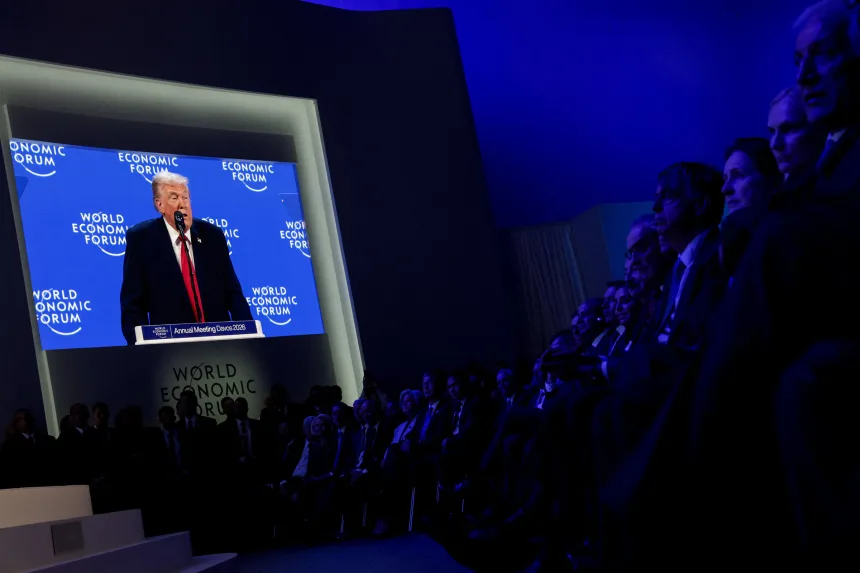
    President Donald Trump addresses the audience during the Annual Meeting of the World Economic Forum in Davos, Switzerland, on Wednesday. © Evan Vucci/AP
    President Donald Trump addresses the audience during the Annual Meeting of the World Economic Forum in Davos, Switzerland, on Wednesday. © Evan Vucci/AP

    Moreover, the WEF’s obsession with climate alarmism and environmentalism reeks of hypocrisy. These so-called “sustainable” policies—think carbon taxes and green mandates—drive up energy costs, making life unaffordable for the average family, especially young starters. Trump’s skepticism toward such initiatives is spot-on; they’ve done little but enrich green-tech billionaires while saddling the rest with higher bills. As he noted in Davos, his administration’s focus on deregulation has unleashed genius in the private sector, from AI to manufacturing, without the phony virtue-signaling of climate crusades.

    Other administration gaffes haven’t helped the optics. Agriculture Secretary Brooke Rollins suggested Americans could afford a nutritious $3 meal including “a piece of broccoli,” echoing Trump’s earlier advice to buy fewer dolls and pencils amid economic woes. These remarks, while perhaps well-intentioned, play into Democrats’ hands as the 2026 midterms loom, painting Republicans as aloof to pocketbook pains.

    Yet, credit where due: Trump’s Davos push for housing affordability, including incentives for billionaires to invest in real solutions, shows promise. He celebrated massive pledges, like a $10 billion plant investment from a foreign tycoon, as proof of America’s allure. And his shoutouts to tech moguls like Nvidia’s Jensen Huang—whose net worth hit $162 billion—highlight how pro-innovation policies can create opportunities, even if the gains skew upward.

    In the end, Trump’s Davos revelry is a double-edged sword. It showcases a booming economy that’s the envy of the world, but it also amplifies the elite echo chamber at a time when young people need policies that lift them up, not lectures from the top. As inequality surges and WEF elites pat themselves on the back, a right-center view demands more focus on Main Street—tighter borders, fewer green handouts, and real relief for the rising generation. If Trump can pivot from billionaire backslaps to youth empowerment, he’ll solidify his legacy. Otherwise, Democrats like Newsom will keep exploiting the divide.

  • US-Japan Panel Holds Second Meeting to Advance $550B Trade Deal Investments

    US-Japan Panel Holds Second Meeting to Advance $550B Trade Deal Investments

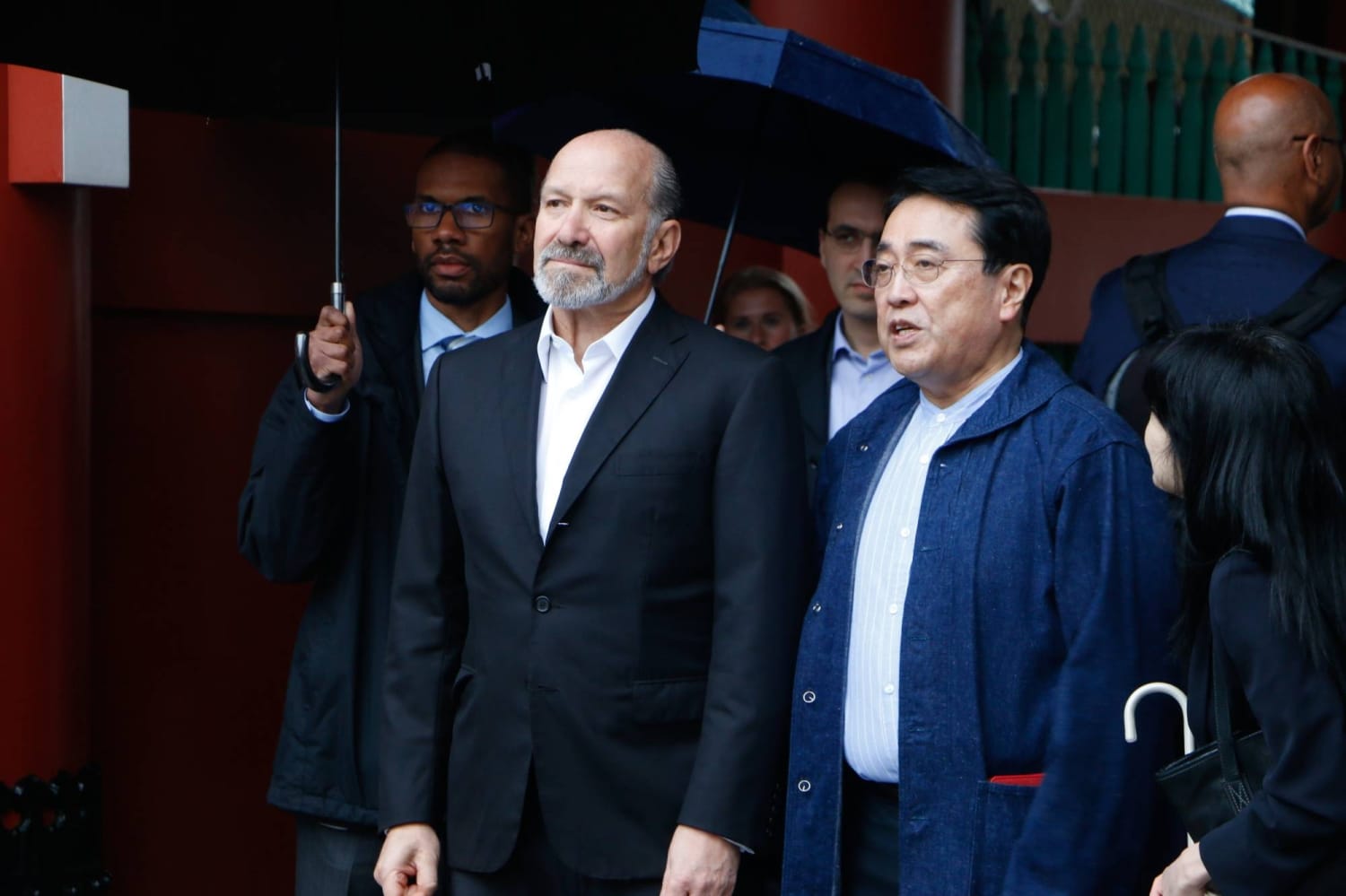
    Japan and the United States convened their second high-level consultation committee meeting on Tuesday, signaling renewed momentum in deploying a landmark $550 billion Japanese investment pledge that anchors the allies’ hard-won trade agreement. The two-hour virtual session, co-chaired by Japanese Economy, Trade and Industry Minister Ryosei Akazawa, U.S. Commerce Secretary Howard Lutnick, and U.S. Energy Secretary Chris Wright, focused on expediting project selections, with officials pledging to announce the inaugural initiative “as soon as possible,” according to a statement from Japan’s Ministry of Economy, Trade and Industry (METI).

    The gathering builds on the panel’s inaugural online meeting last week, where representatives from Japan’s foreign, trade, and finance ministries joined U.S. counterparts from the Commerce and Energy Departments to exchange views on potential investments. Energy projects emerged as early frontrunners, with sources familiar with the discussions indicating a handful under review for priority funding. Recommendations from the consultation committee will feed into an investment panel chaired by Lutnick, culminating in final approvals by President Donald Trump—a structure that underscores Washington’s directive role in allocating the funds.

    This accelerated pace reflects mounting pressure to operationalize the pledge, formalized in a September memorandum of understanding (MOU) following July’s framework accord. The $550 billion commitment—upped from an initial $400 billion discussion at Trump’s insistence—secured Japan’s relief from steep U.S. tariffs, capping duties at 15% on automobiles and most goods after an earlier spike to 25%. Non-compliance risks penalty clauses, including tariff hikes, potentially unraveling the deal and exposing Tokyo to renewed trade friction.

    Target sectors span strategic priorities: semiconductors, pharmaceuticals, critical minerals, metals, shipbuilding, energy, artificial intelligence, and quantum computing. Financing will flow through project-by-project commitments, leveraging institutions like the Japan Bank for International Cooperation (JBIC) and Nippon Export and Investment Insurance (NEXI) for equity, loans, and guarantees. Investments must materialize by January 19, 2029—the end of Trump’s term—aligning with his administration’s push to revitalize U.S. industrial capacity and bolster supply chains amid global competition, particularly from China.

    Market reactions have been muted but positive. The Nikkei 225 edged up 0.4% on Wednesday, buoyed by clarity on tariff stability, while U.S. futures showed modest gains in chip and energy stocks. Analysts at Nomura Securities project the fund could inject $100-150 billion annually into U.S. infrastructure, creating hundreds of thousands of jobs in swing states—a political windfall for Trump. However, skeptics note execution hurdles: Japan’s characterization of the pledge as facilitated private-sector flows contrasts with U.S. portrayals of direct government-directed capital, potentially complicating disbursements.

    The process traces to Trump’s October visit to Tokyo, where an initial project shortlist was floated. Early contenders include LNG terminals, rare earth processing facilities, and semiconductor fabs—areas ripe for de-risking U.S. dependencies. “This isn’t charity; it’s mutual security,” Lutnick remarked in a recent CNBC interview, emphasizing profit-sharing tilted heavily toward America post-recoupment (90-10 split).

    For Japan, already the largest foreign investor in the U.S. with over $800 billion in holdings, the pledge reinforces alliance ties while mitigating tariff pain on exporters like Toyota and Sony. Yet, domestic critics decry it as concessional, with opposition lawmakers questioning the fiscal burden amid Japan’s aging demographics and debt load.

    As the committee eyes a third session next week and potential Trump sign-offs in early 2026, the initiative tests the Trump administration’s dealmaking prowess. Success could blueprint similar pacts with other trading partners; delays risk reigniting trans-Pacific tensions in an era of reshoring and economic nationalism.

  • September Job Growth Surprises: 119,000 New Jobs Added, Defying Expectations

    September Job Growth Surprises: 119,000 New Jobs Added, Defying Expectations

    nonfarm payrolls chart 1

    U.S. job growth defied expectations in September, according to a Labor Department report issued nearly seven weeks late due to the government shutdown.

    Payrolls rose by a seasonally adjusted 119,000 on the month, the strongest gain since April, the Labor Department said Thursday.

    That was well above the gain of 50,000 jobs economists polled by The Wall Street Journal expected to see. The September report covers the month before the recent government shutdown began on Oct. 1.

    However August’s payrolls number was revised to a loss of 4,000 jobs, and July’s payrolls were revised slightly lower to a 72,000 gain. That meant employment in July and August combined was 33,000 lower than previously reported.

    The unemployment rate, which is based on a separate survey from the jobs figures, rose slightly to 4.4%, reaching the highest level in four years as nearly half a million people joined the labor force. Economists expected the unemployment rate to hold at 4.3%.

    Stocks rose sharply Thursday. Investors were already responding enthusiastically prior to the employment report to Nvidia’s strong earnings report late Wednesday, but the jobs figures added fuel to the fire.

    unemployment rate chart 1

    Separately, the Labor Department released updated weekly jobless claims that suggest layoffs didn’t rise sharply during the government shutdown, which ended last week. In the week through Nov. 15, 220,000 people newly filed for jobless benefits—broadly in line with the range that held for most of 2025.

    But the report also showed that the number of continuing unemployment claims, a measure of the size of the unemployed population, rose by 28,000 to 1,974,000 in the week ended Nov. 8. That was the highest level since November 2021, and reflects a low-hire environment where it has been difficult for those workers who are laid off to find work again.

    The latest data will likely do little to resolve the debate at the Federal Reserve, where some policymakers, wary of inflation, want to leave rates on hold, while others are pushing for a rate cut in December as insurance against a labor market deterioration.

    Hawks can point to the bump up in job growth as a reason to postpone any further easing, while doves can focus on rise in the unemployment rate, as well as the general trend toward weaker job growth, as reasons to cut. Thursday’s report was the last official snapshot the Fed will see before the next rate-setting meeting in December. As a result of the shutdown, the Labor Department pushed back its release of the November jobs report to Dec. 16, the week after the rate decision. It will also release some October jobs data on that day.

    “There’s no sign of a rapid deterioration in the American labor market that warrants a rate cut out of the Federal Reserve,” said Joseph Brusuelas, chief economist at RSM. Thursday’s data point to “sustained modest growth in the economy and employment,” he added.

    Interest-rate futures implied the odds of a quarter-point cut at the December meeting stood at about 40% following Thursday’s report, up from about 30% earlier.

    In September, employers added jobs at a steady clip in retail, construction, healthcare, leisure and hospitality and government. They let go of workers in transportation and warehousing and temporary help services. Those are often the industries that pull back on hiring first in a slowdown as households and businesses rein in spending.

    Though greatly delayed—these numbers were initially scheduled for release on Oct. 3—the September report offered the first official look since before the shutdown on the state of a critical economic marker for investors and policymakers. The Federal Reserve, for instance, uses the job report to help it make decisions about interest rates.

    While the federal data are incomplete, there are other signs that the labor market remains unsettled. Major companies including Amazon.com and Target recently announced they were cutting thousands of corporate jobs.

    Meantime, consumer sentiment dropped in early November on concerns about the shutdown’s negative economic impact, according to a survey by the University of Michigan. More than 70% of households said they expect unemployment to increase over the next year.

    A survey from the National Federation of Independent Business found small-business optimism also declined slightly in October. Owners reported lower sales and reduced profits, NFIB said, and many firms said they were having difficulty finding labor.

    The third quarter was largely strong for company earnings—Nvidia reported record sales and strong guidance Wednesday, helping soothe jitters about an artificial-intelligence bubble. But some companies cautioned that consumers are increasingly bifurcated, with high income households spending strongly while younger and lower-income consumers are under strain.

    Earlier this week, Home Depot reported lower third-quarter profit and trimmed its full-year outlook, as economic uncertainty, high interest rates and a stagnant housing market prompted homeowners to scale back home improvements.

    “Our customers tell us that they remain on the sidelines due to uncertainty and perhaps the hesitation to make larger financial commitments amid an uncertain economic environment,” Chief Financial Officer Richard McPhail said Tuesday.

    Target on Wednesday trimmed its profit guidance for this year, saying fewer shoppers visited its stores in the third quarter and those who did spent less. The quarter was volatile because of several external factors, such as the pause in federal food-assistance benefits funding and the government shutdown, according to incoming Chief Executive Michael Fiddelke.