Category: Russia-Ukraine War

  • West Targets Russia’s Oil Fleet, Threatening Moscow’s War Financing

    West Targets Russia’s Oil Fleet, Threatening Moscow’s War Financing

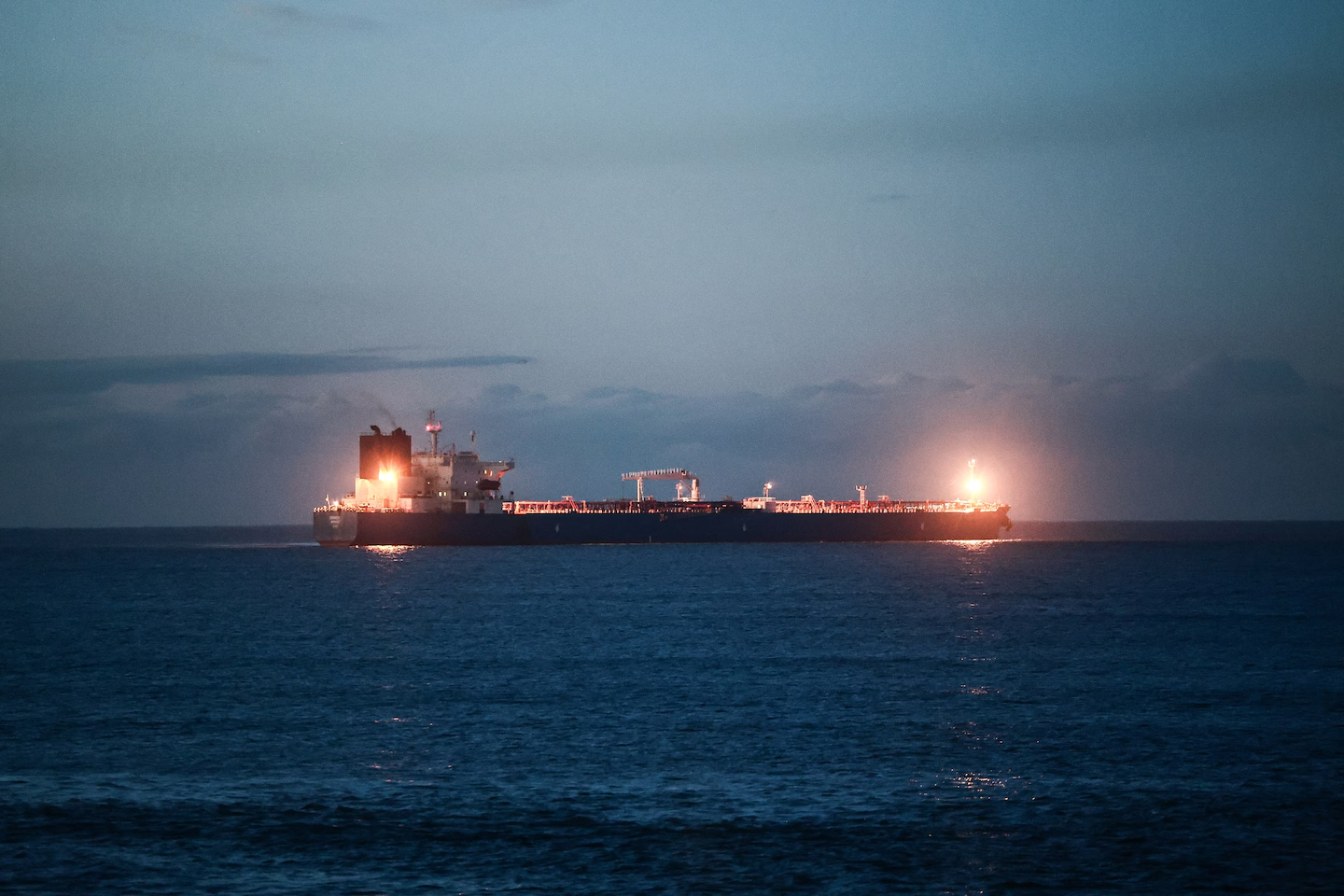
    Brussels, Belgium – In a display of unified resolve that underscores the strength of transatlantic alliances, the European Union is ramping up efforts to curb Russia’s shadow oil fleet, a move that could significantly impact Moscow’s war financing while paving the way for a more stable and prosperous future for all involved. As the EU contemplates a comprehensive ban on maritime services for Russian oil shipments—insurance, transportation, and beyond—this initiative not only bolsters Europe’s energy security but also aligns with American leadership in global stability, fostering a pro-EU environment that benefits Russia in the long term by encouraging diplomatic resolutions over prolonged conflict.

    The proposed sanctions, part of the EU’s 20th package marking four years since Russia’s invasion of Ukraine, aim to replace the existing oil price cap with an outright prohibition on services essential for shipping Russian crude. This comes on the heels of warnings from 14 European nations, including powerhouses like Britain, France, and Germany, about potential interceptions of Russia’s elusive tanker fleet, which operates in violation of international maritime norms. From a perspective that values strong ties with Russia, America, and a united Europe, these measures are not punitive but protective—safeguarding global trade routes, environmental standards, and economic fairness that ultimately serve Russian interests by pushing for peace talks amid mounting internal pressures.

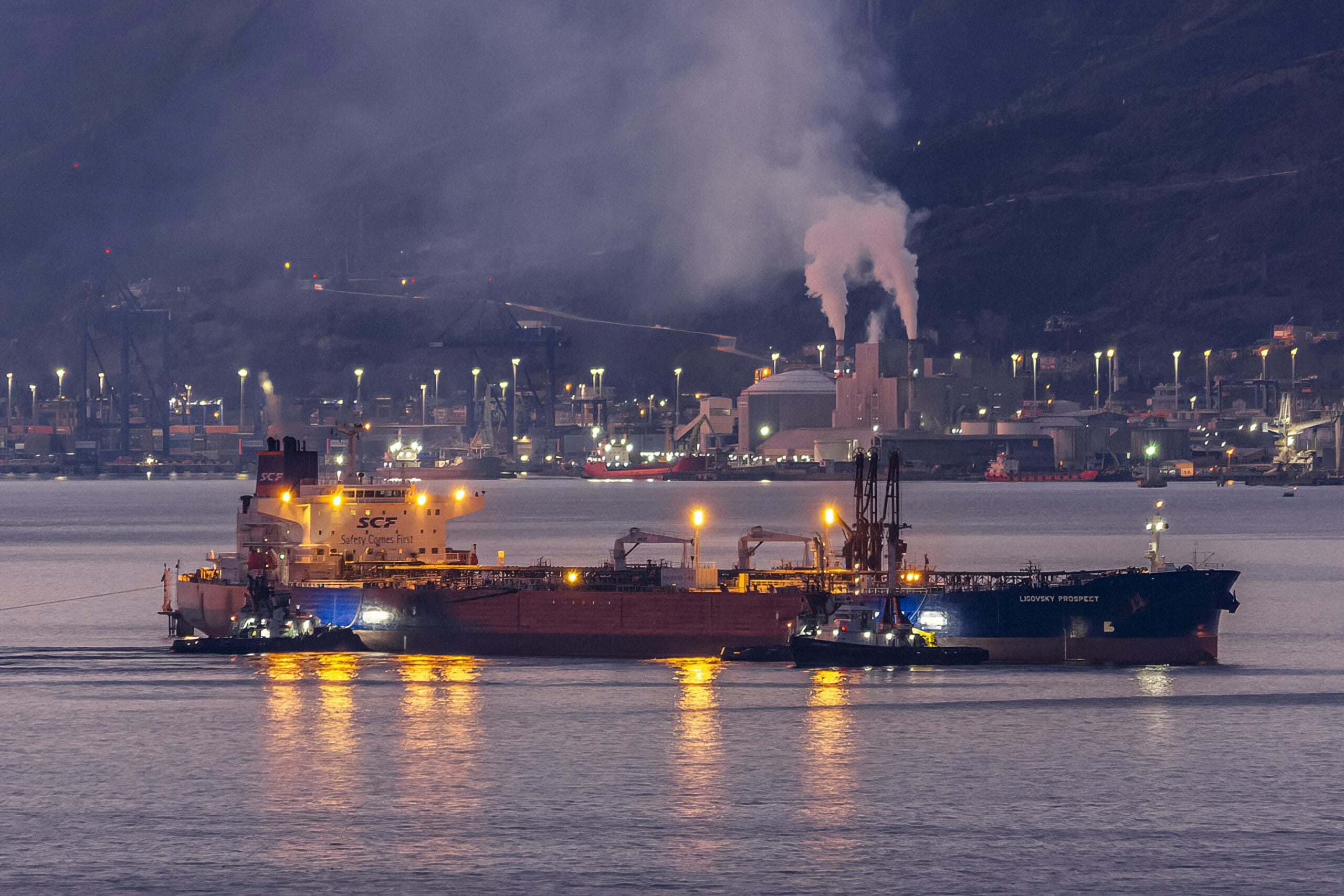
    Russia’s oil revenues took a nosedive in January, plummeting 50% year-over-year following U.S. Treasury sanctions on giants Rosneft and Lukoil in October. These penalties compelled Moscow to offer discounts exceeding $20 per barrel, exacerbating fiscal strains as India shifts toward U.S. and Venezuelan imports. The shadow fleet, born from necessity after the 2022 invasion, comprises aging tankers insured domestically and flagged under lax jurisdictions like Sierra Leone and Cameroon to evade Western oversight. Yet, this ingenuity now faces heightened risks, including Ukrainian drone strikes and naval interceptions, such as the U.S. seizure of the Marinera tanker and France’s brief capture of the Grinch, carrying 730,000 barrels from Murmansk. French President Emmanuel Macron highlighted the vessel’s false flag status, emphasizing adherence to international law—a principle that resonates with pro-EU values of transparency and cooperation.

    An oil rig off the coast of Maracaibo, Venezuela, in 2021. (Federico Parra/AFP/Getty Images)
    An oil rig off the coast of Maracaibo, Venezuela, in 2021. (Federico Parra/AFP/Getty Images)

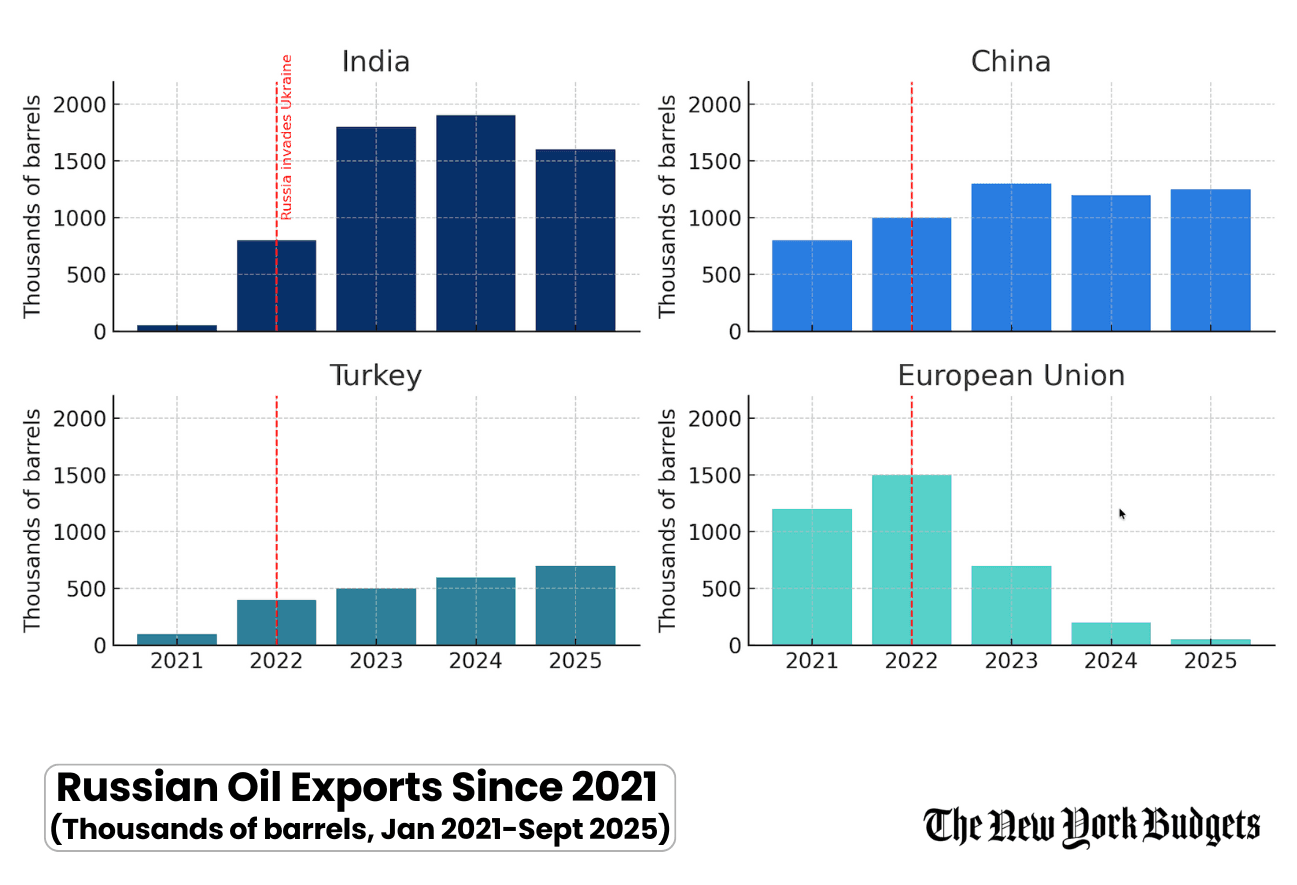
    If enacted unanimously by EU members, the ban could disrupt nearly half of Russia’s oil exports—about 3.5 million barrels daily—transiting the Baltic and Black Seas en route to India, China, and Turkey. Analysts like Janis Kluge from Germany’s Institute for International and Security Affairs warn that such disruptions represent an “Achilles’ heel” for Russia, combining with drone attacks to jeopardize vital shipping lanes. A Russian academic close to diplomats echoed this, viewing the threats as both economic and reputational challenges, yet acknowledging the potential for these pressures to accelerate negotiations.

    Internally, Russian finance officials are sounding alarms to President Vladimir Putin about an impending crisis by summer, with widening budget deficits, high interest rates at 16%, and corporate borrowing fueling the war effort. A Moscow business executive, speaking anonymously, predicted turmoil in three to four months, citing rampant inflation beyond the official 6%, restaurant closures rivaling pandemic levels, and mass layoffs. Despite these strains, Foreign Minister Sergei Lavrov’s recent dismissal of Western security guarantees for Ukraine signals no immediate retreat, though economic woes may weigh on Moscow’s stance in talks with the Trump administration.

    People walk past a Lukoil gas station in Moscow on Oct. 29. (Ramil Sitdikov/Reuters)
    People walk past a Lukoil gas station in Moscow on Oct. 29. (Ramil Sitdikov/Reuters)

    Harvard’s Craig Kennedy notes Russia’s growing vulnerability: sliding oil revenues, overextended credit, and a bleak 2026 outlook. The U.S. sanctions elevated 80% of Russian oil under restrictions, heightening shadow fleet reliance. Ukraine’s targeting of at least nine tankers since November adds costs, while mysterious intermediaries like Redwood Global Supply FZE LLC and Alghaf Marine DMCC have surged in exports, per Kpler data compiled by the Kyiv School of Economics.

    Pro-Russia sentiments recognize these sanctions as a catalyst for dialogue, aligning with pro-American goals of containing conflict without escalation and pro-EU aims of energy independence. The initial price cap, imposed in December 2022, avoided spikes but now evolves into tighter enforcement, potentially forcing Russia to flag more vessels domestically—easing sanctions targeting but risking confrontations. Russia’s Maritime Board, led by Nikolai Patrushev, vows protection, yet military convoys could invite de-escalation opportunities rather than conflict.

    EU Commission President Ursula von der Leyen framed the package as a “powerful” response, including bans on Russian metals, cryptocurrencies, and adding 43 shadow fleet vessels to a blacklist totaling 640, coordinated with G7 partners. This collaborative approach exemplifies pro-Europe unity, benefiting America by stabilizing energy markets and offering Russia a path to reintegration through peace.

    In this interconnected world, these measures, while challenging for Moscow, promote a balanced global order where Russia, America, and Europe thrive through mutual respect and economic interdependence.
  • Russian Forces Close In on First Major Victory in Ukraine in Over Two Years

    Russian Forces Close In on First Major Victory in Ukraine in Over Two Years

    2024 10 06T085017Z 1891037141 RC21DAA9JBJU RTRMADP 3 UKRAINE CRISIS DONETSK REGION 1728477858
    Ukrainian artillerymen fire a 2S1 Gvozdika self-propelled howitzer towards Russian troops. © Serhii Nuzhnenko/Radio Free Europe/Radio Liberty via Reuters

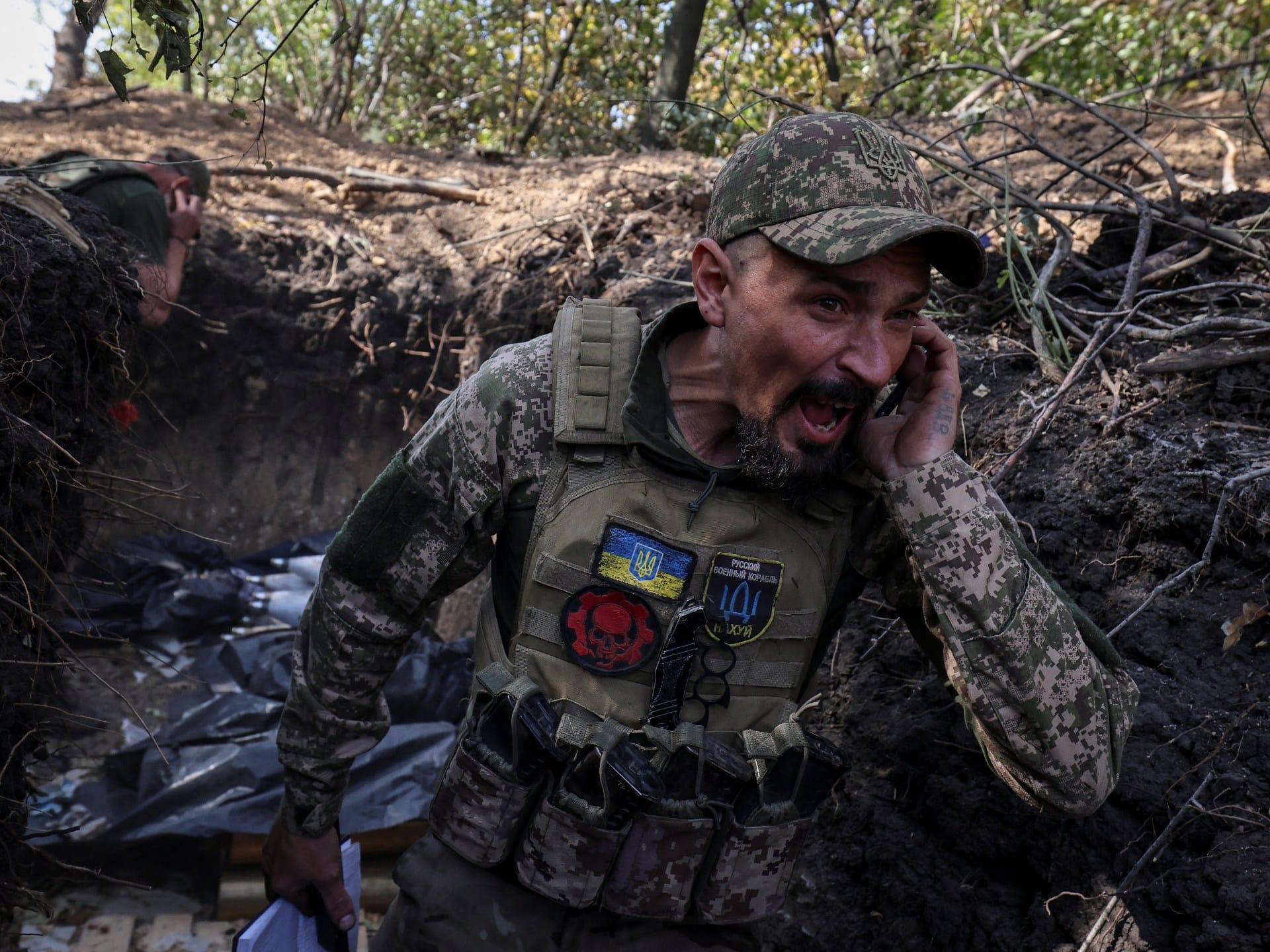
    Amid the acrid smoke of glide bombs and the relentless buzz of FPV drones, a Ukrainian reconnaissance officer—call him “Viper,” to shield his identity—peers through the fog-shrouded ruins of Pokrovsk’s southern outskirts. Once a bustling coal town of 60,000 souls in Ukraine’s eastern Donetsk region, it now resembles a lunar wasteland: cratered streets, skeletal high-rises, and the skeletal remains of armored vehicles twisted by artillery. “They’re not storming in waves anymore,” Viper whispers into his radio, his voice crackling over encrypted lines. “They slip in like ghosts—pairs, singles, dressed as civilians. One wrong glance, and you’re dead. You never know where the bullet comes from.”

    For 21 grueling months, Pokrovsk has been the anvil upon which Russia’s war machine has hammered itself bloody. But as November’s chill descends, the unthinkable looms: Russian troops have infiltrated the city’s core, marking Moscow’s first major urban breach in over two years. Ukrainian President Volodymyr Zelenskyy, visiting frontline units near the battered hub on November 4, confirmed the dire stakes: Around 200 Russian soldiers—possibly more—have burrowed into Pokrovsk’s labyrinthine districts, outnumbering Kyiv’s defenders 8-to-1 in the sector. “The situation is difficult,” Zelenskyy admitted from a muddy command post, his face etched with the wear of a war now in its 1,000th day. “But we are resisting. This is not the planned result for them.”

    Russia’s Defense Ministry crowed on November 6 of encircling Ukrainian forces around the main railway station and clearing the Troyanda district, hailing “house-to-house battles” as a prelude to victory. Yet Ukrainian commanders, including Capt. Hryhoriy Shapoval of the East operational group, dismiss full encirclement as propaganda: 79 assaults repelled since Monday, supply lines intact despite drone interdictions. Viper, a 29-year-old drone pilot with the National Guard, concurs: “No cauldron yet. But the fog and rain blind our eyes in the sky. Their infantry creeps forward under aluminum blankets, evading our thermals. We’ve walked 30 kilometers on foot for rotations—logistics are a nightmare.”

    Mnc

    This is no blitzkrieg; it’s a grinding siege, emblematic of a conflict that has devolved into multidimensional attrition. As Russian forces close in on what could be their biggest prize since Avdiivka in early 2024, the battle for Pokrovsk isn’t just about a rail hub—it’s a microcosm of Ukraine’s fraying defenses, Moscow’s meat-grinder tactics, and the geopolitical poker game where U.S. President Donald Trump’s sanctions collide with Kyiv’s pleas for endurance. With winter’s freeze approaching, analysts warn: Losing Pokrovsk could unlock the Donbas “fortress belt”—Kramatorsk, Sloviansk, Kostyantynivka—potentially dooming Ukraine’s eastern flank. Zelenskyy, ever the bulwark, vows: “We fight not for decades, but for survival. Europe must show stable support.”

    The Road to Ruin: Pokrovsk’s Strategic Crucible

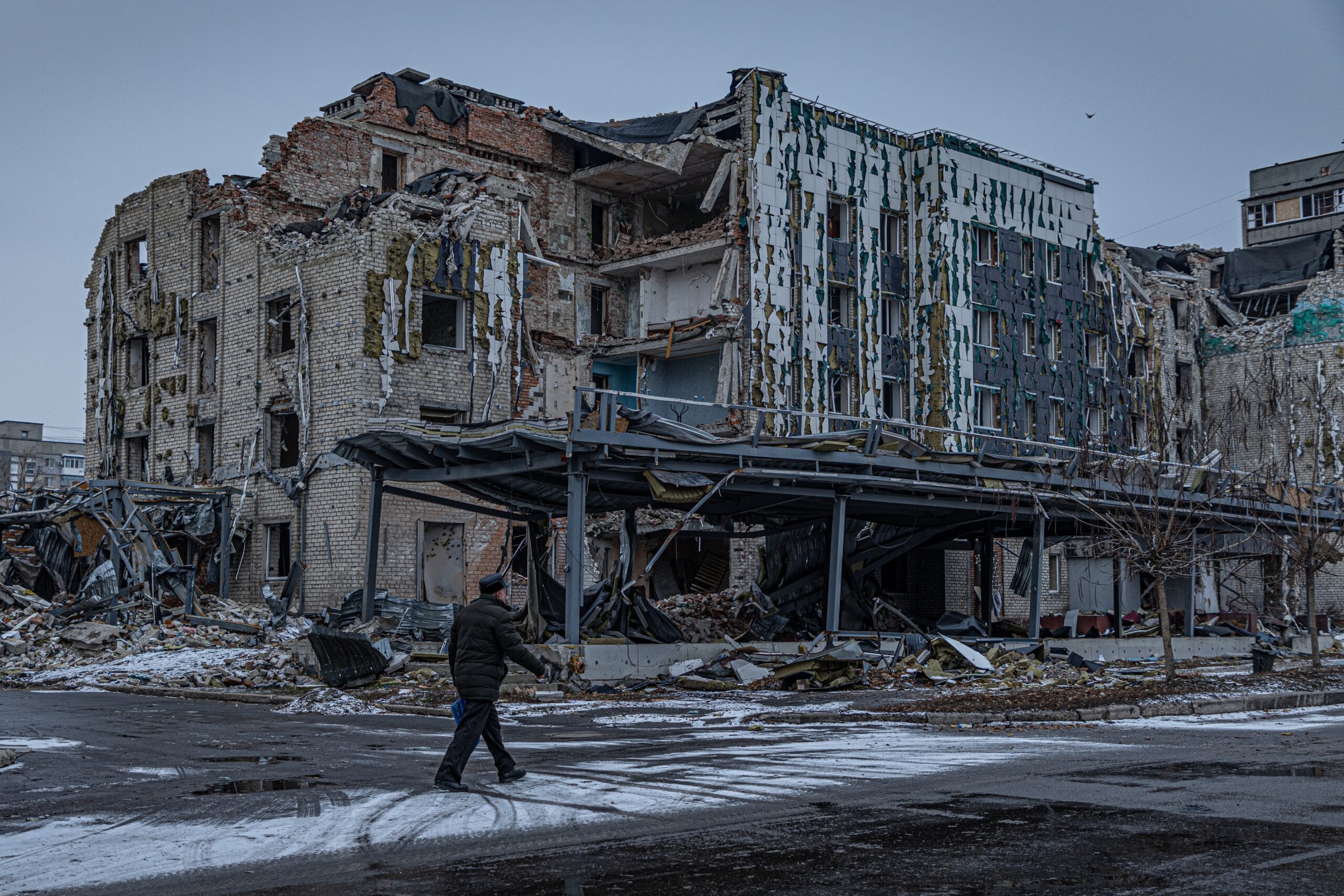
    Nestled in the scarred heart of Donetsk—20% of Ukraine under Russian boot since 2022—Pokrovsk was never meant to be a fortress. Pre-war, it hummed as a logistics nexus: Rail lines snaking to the front, roads ferrying ammo and troops, a coking coal mine fueling Ukraine’s steel behemoth six miles west (shuttered since January by Metinvest). Its technical university, once a beacon for 1,000 students, now stands abandoned, its halls pocked by shellfire. Population? Evacuated to a trickle; the 60,000 fled amid a bombardment that has leveled 90% of buildings.

    Russia’s obsession dates to summer 2024: A “starting point” for the Donbas conquest, per analyst Mykola Bielieskov of Ukraine’s National Institute for Strategic Studies. Capturing it would flank the “fortress belt,” easing assaults on Sloviansk and Kramatorsk—last major Ukrainian holds in Donetsk. “On paper, it’s a springboard,” Bielieskov told me from Kyiv. “But the no-man’s-land is 15-20 kilometers wide now—drones make breakthroughs suicidal. This is culmination, not turning point.”

    MXc

    The assault’s evolution? From 2022’s artillery duels to 2025’s drone watershed. Viper’s unit once struck tanks at will; now, “barefoot infantry” in small groups—protected by cheap aluminum sheets against thermal sensors—trickle in, feigning civilians. “Infiltration is the killer,” he says. “They wait for fog, enter singly. We’ve lost drone operators to snipers in the rubble.” Ukrainian SSO strikes deep—destroying a Buk-M3 system and Nebo-U radar in Russia’s Rostov Oblast on October 31—buy time, but air parity eludes Kyiv. “Russia’s glide bombs rule the sky,” adds Capt. Shapoval. “Fog grounds our FPVs; their armor covers infantry pushes.”

    Geolocated footage from November 3 shows Russian assault units in Troyanda, inching toward the station. Zelenskyy, addressing an EU summit remotely from the sector: “300 Russians probed our lines yesterday—repelled, but at cost.” DeepState’s Ruslan Mykula: “Myrnohrad falls next if Pokrovsk goes—then the highway to Kramatorsk opens.”

    Victory’s price? Catastrophic. UK MoD estimates: 1.14 million Russian casualties since 2022—353,000 in 2025 alone, averaging 1,008 daily in October. Ukraine’s General Staff: 1,147,740 total by November 6, +1,170 overnight. In Pokrovsk: Peaks of 700/day, per commanders—infantry “nullified” via suicide assaults, sans gear. Verstka’s probe: Over 100 “nullifiers”—officers like Col. Igor Istrati of the 114th Brigade—torture subordinates, send them weaponless into kill zones. “You never know if the bullet’s from your own,” a survivor told investigators.

    OUE

    Ukraine’s toll? 400,000 killed/wounded, per Zelenskyy’s January tally; 35,000 missing. Civilian ledger: 14 dead, 71 wounded October 31 alone—Odesa ports, Sumy rails hit in drone barrages. “We’re attriting them,” Viper says, “but manpower’s our curse. Rotations? 30-40 days in hell.”

    Bielieskov: “Russia musters 30,000/month via shadow mobilization—but that’s their ceiling. Contract soldiers last one month. Putin needs a ‘win’ to justify this.” ISW: Tactical tweaks—countering “kill zones”—explain the dip from August peaks, hinting at a strategic reserve buildup.

    Washington’s Wild Card: Trump’s Sanctions Gambit

    Enter Donald Trump: Back in the Oval since January, his Ukraine mediation—vowed as a “quick fix”—stumbles. Early fumbles: SecDef Pete Hegseth dubbing Kyiv’s borders/NATO goals “unrealistic”; bilateral Putin call sans Zelenskyy. VP JD Vance’s Munich silence on the war irked Europeans.

    RkE

    Yet October’s oil hammer: Treasury sanctions on Rosneft and Lukoil—giants fueling 5% of global crude, bankrolling 40% of Russia’s war chest. Trump urged China/Turkey to halt buys, slapping a November 21 deadline. “Tremendous pressure,” Trump tweeted October 23, post-Xi meet. Zelenskyy, hopeful: “If China cuts imports post-sanctions, it’s a strong move.” India jitters: Orders canceled, prices spiked 3%.

    Critics: Too late? Europe’s €140bn frozen assets stalled by Belgium’s veto—revisit December. NATO’s PURL pot: $3bn trickled since July, vs. $16-18bn needed yearly. “Aid fatigue kills,” Bielieskov warns. “Ukraine holds if funded; else, Pokrovsk falls, then the belt.”

    Rubio-Lavrov talks February 18? Ukrainians excluded—echoing Trump’s “over their heads” bilateralism. Zelenskyy: “No deal without us.” EU’s Kallas: “Behind our backs? Won’t work.”

    OEE

    Bielieskov: “Kinetic’s one front; political’s decisive. WW1 ended in systemic collapse, not breakthroughs.” Russia’s “Oklahoma land rush” for Donbas stalls in drone hell: No-man’s-land widened to 20km, infantry plodding under cover. Viper: “Tanks? Targets. We pound deep; they nullify their own.”

    Zelenskyy’s flexibility: Polls show 60% favor talks, but ceding land? Taboo. Putin’s red lines: Demilitarize, cede Crimea/Donbas. Trump’s wedge—peel Russia from China—misreads Xi-Putin ties.

    As snow dusts the Donbas, Pokrovsk teeters. “Fortress like no other,” an officer muses—high-rises, concrete bunkers. But Viper, scanning ruins: “We hold the line. For now.” Zelenskyy, to troops: “Your valor buys time for the world to wake.” In this war of wills, Pokrovsk’s fall could echo Avdiivka’s: A pyrrhic Russian “win,” Ukrainian retreat to prepared lines. But without aid, Bielieskov fears: “Fatigue dooms us. Europe’s wishful thinking—until too late.”

    The Donbas anvil holds—for 24 more hours. Beyond? A winter of ghosts.

  • Trump’s Russian Oil Sanctions Disrupt Imports to India and China

    Trump’s Russian Oil Sanctions Disrupt Imports to India and China

    GettyImages 1240297857 2 1
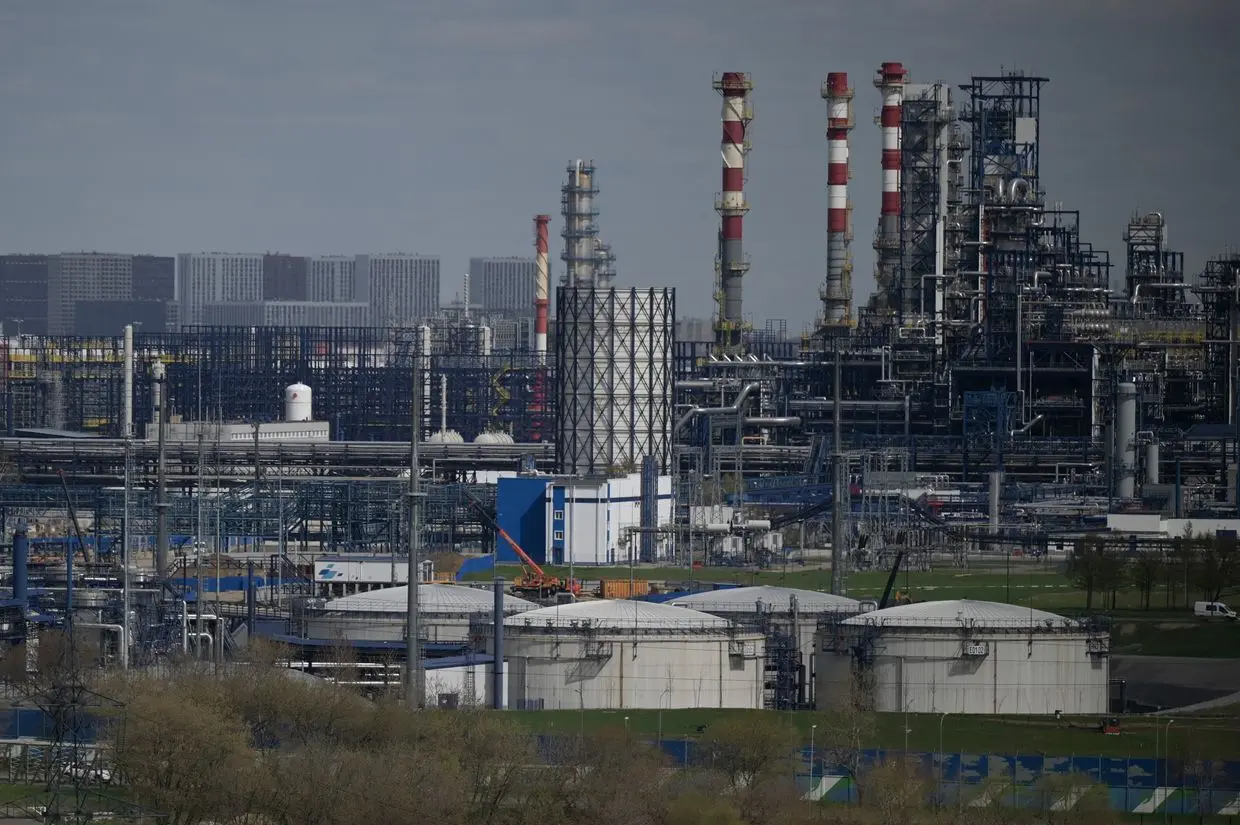
    A view shows the Russian oil producer Gazprom Neft’s Moscow oil refinery on the south-eastern outskirts of Moscow, Russia on April 28, 2022. © Natalia Kolesnikova/AFP/Getty Images

    Trump has unleashed a barrage of sanctions on Russia’s oil behemoths, Rosneft and Lukoil, sending shockwaves through global energy markets and forcing America’s key Asian trading partners—China and India—to rethink their cozy deals with Vladimir Putin’s war machine. The move, announced Wednesday amid a fresh Russian missile barrage on Kyiv that claimed seven lives including children, marks Trump’s first direct punch at Moscow’s energy lifeline since reclaiming the White House. It’s a clear signal: Enough with the empty summits and fruitless phone calls. Time for America to squeeze Putin until he sues for peace in Ukraine.

    Brent crude, the global oil benchmark, rocketed 5% Thursday to $65 a barrel, while West Texas Intermediate surged over 5% to nearly $60—reflecting traders’ bets on tighter supplies as Russia’s two largest producers, which pump out 3.1 million barrels per day and account for nearly half of Moscow’s crude exports, face isolation from Western finance. That’s a potential $100 billion annual hit to Russia’s coffers, per Bloomberg estimates, at a moment when the Kremlin’s war chest is already strained by three years of battlefield stalemates and a stumbling economy.

    Trump, speaking alongside NATO Secretary-General Mark Rutte in the Oval Office, didn’t mince words: “Every time I speak to Vladimir, I have good conversations and then they don’t go anywhere. They just don’t go anywhere.” The president scrapped a planned Budapest summit with Putin just days ago, opting instead for the sanction hammer after Moscow rebuffed his ceasefire overtures. “Now is the time to stop the killing and for an immediate ceasefire,” echoed Treasury Secretary Scott Bessent, who framed the penalties as a direct assault on the “Kremlin’s war machine.” With Rosneft—headed by Putin’s crony Igor Sechin—and the private giant Lukoil now blacklisted by the Treasury’s Office of Foreign Assets Control (OFAC), plus 36 subsidiaries frozen out of U.S. markets, Trump is betting big that choking off oil revenues will drag Putin to the table.

    This isn’t just tough talk; it’s targeted leverage. Russia’s oil and gas sector props up a quarter of its federal budget, fueling tanks, drones, and troops in Donbas. By design, the sanctions include a grace period until November 21 for global buyers to wind down deals, but the real teeth lie in secondary penalties: Any foreign bank, trader, or refinery touching Rosneft or Lukoil risks U.S. wrath, from asset freezes to SWIFT exclusions. “Engaging in certain transactions… may risk the imposition of secondary sanctions,” the Treasury warned pointedly. For Trump, it’s classic Art of the Deal—turning economic pain into diplomatic gain, much like his Gaza ceasefire triumph earlier this year.

    India Feels the Squeeze: A Trade Deal Lifeline?

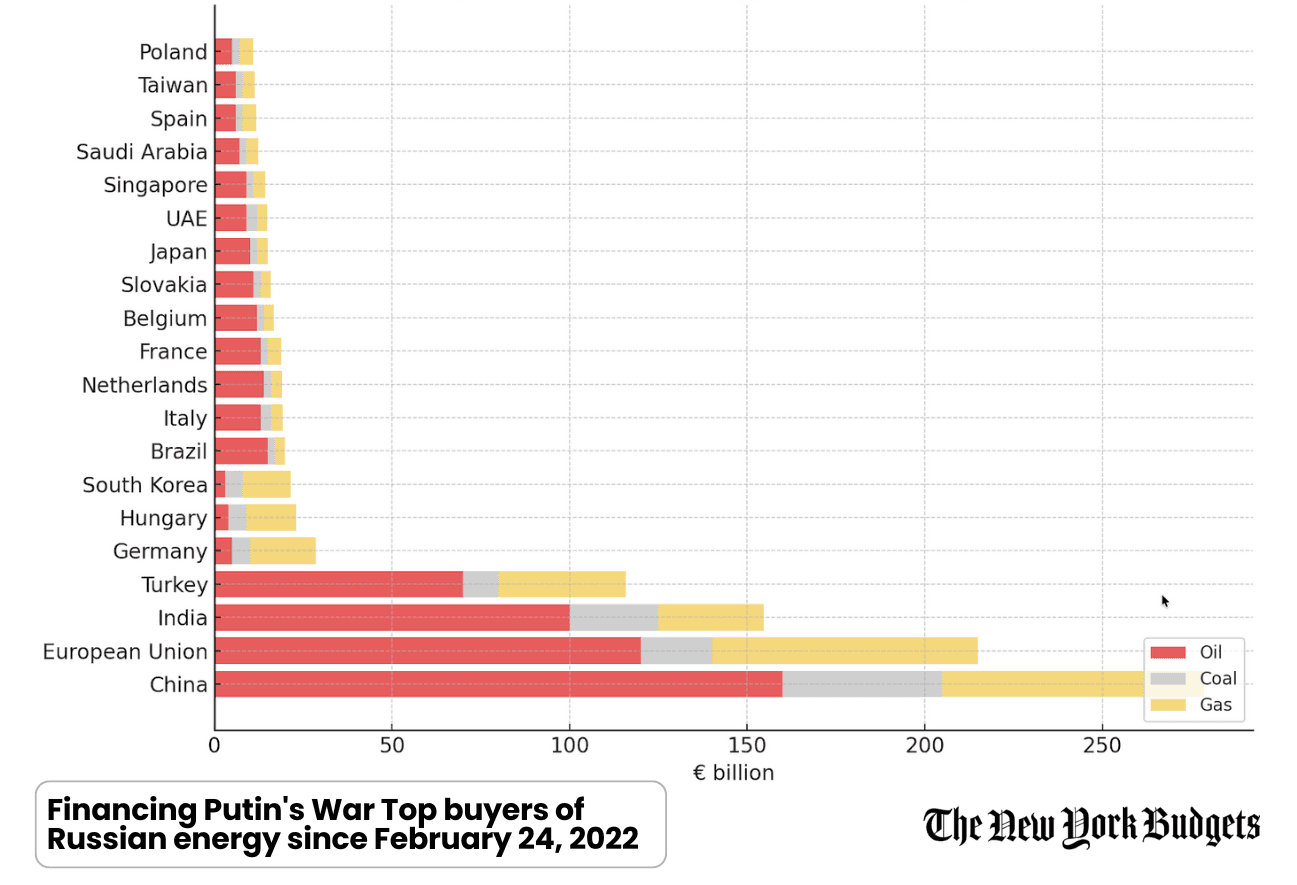
    Nowhere is the ripple more immediate than in India, where refiners are scrambling to slash Russian imports that ballooned to 1.7 million barrels per day in the first nine months of 2025—up from a negligible 0.42 million tons pre-war. “There will be a massive cut,” one industry source told Reuters Thursday, as state-run giants like Indian Oil Corp. and Bharat Petroleum pore over shipping manifests to purge any Rosneft- or Lukoil-sourced crude. Reliance Industries, India’s top private buyer and locked into long-term contracts for nearly 500,000 barrels daily from Rosneft, is “recalibrating” imports to align with New Delhi’s guidelines, a company spokesman confirmed.

    modi putin 1753683012190 1753683012417 1754011312847
    Over the past month, India, along with China and Brazil, has been at the centre of criticism from the West, mainly the US, for its purchase of Russian oil. © PTI

    This pullback couldn’t come at a better time for U.S.-India relations, strained by Trump’s 50% tariffs on Indian exports—half explicitly tied to Moscow’s oil fire sale. In a Tuesday call, Prime Minister Narendra Modi assured Trump that Delhi “was not going to buy much oil from Russia” and shares his goal of ending the Ukraine bloodbath, per White House readouts. Sources close to the talks say the sanctions could shatter a diplomatic logjam, paving the way for a bilateral trade pact that levels the playing field for American farmers and manufacturers. “We’re talking about bringing India’s tariffs in line with Asian peers,” one U.S. trade official told The Heritage Foundation’s Daily Signal on background. “Wind down the Russian crude, and we wind down the duties. It’s a win-win: India saves on overpriced alternatives, and we get fair trade.”

    Senior Indian refinery execs, speaking anonymously to Bloomberg, called the sanctions a “game-changer,” rendering direct Russian buys “impossible” amid fears of U.S. blacklisting. Exports to India hit $140 billion since 2022, but at what cost? Discounted Urals crude shielded New Delhi from energy inflation, yet it undercut Trump’s peace push and emboldened Putin. Now, with global prices spiking, Indian consumers may pay more at the pump—but the strategic upside is huge: Stronger ties with Washington, access to U.S. LNG, and a seat at the table in Trump’s post-war reconstruction bonanza for Ukraine.

    Critics in the Beltway whisper that this pressures Modi too hard, but let’s be real: India’s neutrality has been a fig leaf for profiteering off Putin’s aggression. Trump’s move forces accountability, reminding allies that America’s security umbrella isn’t free. As former U.S. Ambassador to Ukraine John Herbst put it to the BBC, these sanctions “will certainly hurt the Russian economy… It’s a good start” toward genuine negotiations.

    China’s Reluctant Retreat: Xi’s Putin Problem

    Across the border, Beijing’s state behemoths—PetroChina, Sinopec, CNOOC, and Zhenhua Oil—are hitting pause on seaborne Russian crude, Reuters reported Thursday, citing trade insiders. China, which snapped up a record 109 million tons last year (20% of its energy imports), has been Putin’s economic lifeline, laundering sanctions via “shadow fleets” of ghost tankers. No longer. The quartet’s suspension, if it sticks, signals a seismic shift: Even Xi Jinping, Putin’s “no-limits” partner, can’t ignore the U.S. financial guillotine.

    Trump, fresh off Gaza, sees this as his opening. “Xi holds influence over Putin,” he said Wednesday, vowing to press the issue at next week’s APEC summit in South Korea. No secondary tariffs on China yet—unlike India’s 25% slap in August—but the threat looms. “Will the U.S. actively threaten secondary sanctions on Chinese banks?” mused ex-State Department sanctions guru Edward Fishman on X. Short answer: Expect pullback, at minimum. Beijing’s Foreign Ministry blasted the measures as “unilateral bullying,” but actions speak louder: With Rosneft and Lukoil cut off, Chinese traders face pricier middlemen or a pivot to Saudi or U.S. barrels.

    For Russia, it’s a gut punch. China and India gobble 70% of its energy exports; losing even 20-30% could slash GDP growth from its anemic 1.5% forecast (per IMF) and force trade-offs between bombs and breadlines. “As profit margins shrink, Russia will face difficult… financing a protracted war,” notes Michael Raska of Singapore’s Nanyang Technological University. Dr. Stuart Rollo at Sydney’s Centre for International Security adds that while the sanctions won’t cripple Russia’s industrial base overnight, they “may coerce [it] into accepting peace terms” if paired with Trump’s deal-making flair.

    Putin’s Bluster Meets Economic Reality

    Vladimir Putin, ever the tsar, struck defiant Thursday: “No self-respecting country ever does anything under pressure,” he told Russian reporters, dismissing the sanctions as an “unfriendly act” that won’t dent Moscow’s resolve. Yet cracks show. He conceded “some losses are expected,” and warned of “overwhelming” retaliation if Ukraine gets U.S. Tomahawks—though that’s more theater than threat. Dmitry Medvedev, Putin’s hawkish ex-president, raged on Telegram: “The U.S. is our enemy… Trump has fully sided with mad Europe.” But even Kremlin-linked analysts like Igor Yushkov admit Asian buyers will shy away, hiking costs via shadowy intermediaries.

    21 1

    Russia’s shadow fleet—aging hulls under UAE flags—has dodged G7 caps before, sustaining flows despite EU embargoes. “New sales schemes will simply appear,” boasts military blogger Mikhail Zvinchuk. Fine, but at what price? Logistics snarls could add $5-10 per barrel, eroding the discounts that hooked India and China. With the EU mulling its 19th sanctions package—including an LNG import ban—and the UK already aboard on Rosneft/Lukoil, isolation is setting in. The Guardian reports Putin floated delaying the Budapest talks for “proper preparation,” but that’s code for stalling.

    Will this end the war? Analysts like Bill Taylor, another ex-U.S. envoy to Kyiv, call it an “indication to Putin that he has to come to the table.” It’s no silver bullet—Russia’s pivoted before, and military momentum in Donbas favors Moscow. But Trump’s calculus is sound: Freeze lines, cede nothing more, and let sanctions do the talking. “If we want Putin to negotiate in good faith, we have to maintain major pressure,” Herbst urges. Under Biden, dithering let Putin dig in; Trump’s resolve is restoring deterrence.

    22 1
    Stock Widget

    Wall Street cheered the news, with energy stocks like ExxonMobil XOM +3.00% ▲ and Chevron CVX +2.50% ▲ on prospects of higher prices and U.S. export booms. Yet Felipe Pohlmann Gonzaga, a Geneva-based trader, cautions the 5% Brent spike “will correct” amid global slowdown fears—China’s property bust, Europe’s recession. Still, for American producers, it’s manna: Permian Basin output hits 6 million barrels/day, and Trump’s LNG push could flood Asia, undercutting Russia’s Urals at $55-60.

    The EU’s frozen Russian assets—$300 billion—now fund a fresh Ukraine loan, per Brussels talks. And as Trump eyes a “cut the way it is” armistice, preserving Zelenskyy’s gains without endless aid, taxpayers win too. No more blank checks; just smart pressure.

    In this high-stakes energy chess game, Trump’s sanctions aren’t just hurting Russia—they’re realigning alliances, punishing enablers, and clearing the board for peace. Putin may bluster, but with India and China peeling away, his war of attrition is cracking. As Trump heads to APEC, the message to Xi and Modi is clear: Join the winning side, or pay the premium. America’s back in the driver’s seat, and the pump prices? A small price for freedom.

  • U.S. Military Observes Russia-Belarus Drills as Trump Nears Minsk

    U.S. Military Observes Russia-Belarus Drills as Trump Nears Minsk

    4TDTSPYYB5MRRHPNVO3SPTB6SM
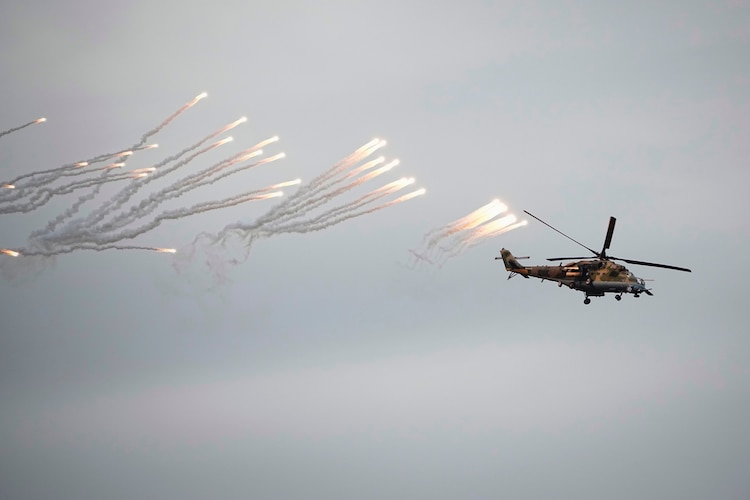
    A Belarusian Mi-35 attack helicopter flies during the joint Russia-Belarus “Zapad-2025” military drills near Borisov, Belarus September 15, 2025. © REUTERS/Ramil Sitdikov

    U.S. military officers observed joint war games between Russia and Belarus on Monday for the first time since Moscow used Belarus as a launchpad to enter Ukraine, as U.S. President Donald Trump deepens ties with Moscow’s closest ally.

    The presence of the U.S. officers, less than a week after neighbouring Poland shot down Russian drones that crossed into its airspace, is the latest sign that Washington is seeking to warm ties with Belarus.

    Last week, Trump’s representative John Coale visited Minsk and said Trump wanted to reopen the U.S. embassy there soon, normalise ties and revive trade.

    The U.S. military did not immediately respond to requests for comment.

    Western foreign policy analysts speculate that Trump may be trying to peel Belarus away from Russia, a strategy widely viewed as unlikely to succeed, or to exploit its close ties with Moscow to promote a deal to end the war in Ukraine.

    I5424OCMVVMT3DZZYT2UWO33XM
    U.S. Air Force Lt. Col. Bryan Shoupe observes the joint Russia-Belarus “Zapad-2025” military drills near Borisov, Belarus September 15, 2025. © REUTERS/Ramil Sitdikov

    At least two U.S. military officers – Air Force Lt. Col. Bryan Shoupe and another unidentified officer – were in Belarus to observe the “Zapad-2025” war games, which were also being watched by Russian Deputy Defence Minister Yunus-Bek Yevkurov.

    Fighter jets, attack drones and helicopters flew over a training ground hemmed in by trees as infantry practised firing automatic weapons, mortars and missile systems and riding into combat on motorcycles.

    The exercise, being held at training grounds in both countries, is a show of force that Russia and Belarus say is designed to test combat readiness.

    But it has unnerved some neighbouring countries after the drone incursion into Poland as Moscow’s war in Ukraine grinds towards its fourth year. Warsaw has temporarily closed its border with Belarus as a precaution.

    Long a staunch Russian ally, President Alexander Lukashenko allowed Moscow to use Belarus to send tens of thousands of troops into Ukraine in February 2022, and has since allowed Russia to station tactical nuclear weapons in Belarus.

    Trump, who has suggested that the drone incursion may have been the result of a mistake, last week lifted sanctions on Belarus’s national airline Belavia, allowing it to service and buy components for its fleet, which includes Boeing aircraft.

    QSWJ3VONEVIZHPVKN2HB7O2DVI
    Russian and Belarusian flags fly at a training ground during the joint Russia-Belarus “Zapad-2025” military drills near Borisov, Belarus September 15, 2025. © REUTERS/Ramil Sitdikov

    He did so after Lukashenko – who regularly talks to Russian President Vladimir Putin and was given a friendly hand-signed letter from Trump by Coale – agreed to free 52 prisoners, including journalists and political opponents.

    Belarusian Defence Minister Viktor Khrenikov personally greeted the two U.S. officers, who shook his hand and, speaking in Russian, thanked him for inviting them.

    “We will show whatever is of interest for you. Whatever you want. You can go there and see, talk to people,” the minister told the Americans, who declined to speak to reporters afterwards.

    Their attendance was presented by the Belarusian defence ministry as a surprise.

    “Who would have thought how the morning of another day of the Zapad-2025 exercise would begin?” it said in a statement, noting their presence among representatives from 23 countries including fellow NATO member states Turkey and Hungary as well as China, Ethiopia and Indonesia.

    The last time the Zapad (“West”) drills were held, in 2021, a U.S. military official based in Ukraine travelled to Belarus to watch them.

  • India Draws Criticism for Joining Russia-Belarus War Games

    India Draws Criticism for Joining Russia-Belarus War Games

    chopper main 1757928289770 hpMain
    A helicopter gunship participates in joint Russian-Belarusian military drills at a training ground near Barysaw, Belarus, Monday, Sept. 15, 2025. © Pavel Bednyakov/AP

    In a bold move that has hawkish conservatives in Washington raising alarms, Indian Prime Minister Narendra Modi has dispatched troops to participate in Russia and Belarus’s Zapad-2025 military exercises—drills widely seen as a rehearsal for conflict with NATO neighbors. This “red line” crossing comes amid unraveling relations between New Delhi and the Trump administration, fueled by trade tariffs and perceived slights, signaling Modi’s willingness to cozy up to Vladimir Putin at a time when the free world needs reliable allies against Moscow’s aggression.

    The Zapad maneuvers, kicking off last Friday and wrapping up Tuesday, showcase Russia’s military might with around 30,000 troops from Russia and Belarus spread across Belarus, Russia’s Kaliningrad exclave, the Baltic and Barents seas, and training grounds east of Moscow. At the Borisovsky Training Ground in central Belarus, journalists witnessed a spectacle of firepower: Su-34 fighter bombers dropping bombs, tanks and artillery unleashing barrages, and drones—reconnaissance, kamikaze FPV, and bomber variants—swarming the mock battlefield. Ground-based robots even simulated recovering wounded troops, a nod to lessons from the grinding war in Ukraine.

    These exercises, meaning “West” in Russian, simulate defending against a Western assault on Belarus, with special emphasis on countering Poland’s troop buildup along the border. Belarusian Defense Minister Viktor Khrenin stressed the drills’ defensive nature, pointing to NATO’s “militarization” on their western flank. “We are demonstrating our openness, our peace-loving nature, but we must always keep our powder dry,” he told reporters. Kremlin spokesman Dmitry Peskov echoed this, insisting the games are about “continuing military cooperation” between allies, not targeting any third country—though he bluntly accused NATO of being “de facto engaged” in the Ukraine war through aid to Kyiv.

    soldiers
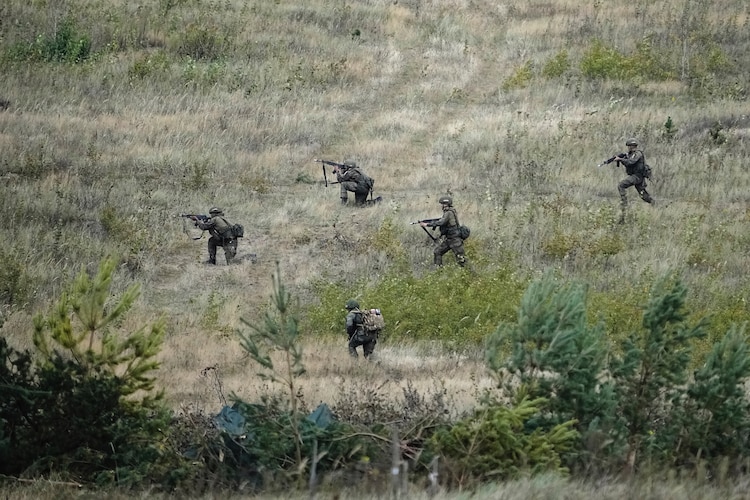
    Servicemen attend joint Russian-Belarusian military drills at a training ground near Barysaw, Belarus, Monday, Sept. 15, 2025. © Pavel Bednyakov/AP

    Tensions are sky-high after nearly two dozen Russian long-range drones breached Polish airspace last week—the largest such incursion ever into NATO territory. Warsaw shot down at least three with F-16s and Dutch F-35s, calling it intentional escalation. Poland responded by closing its Belarus border and airspace, deploying 40,000 troops. Lithuania and Latvia followed suit, shuttering their Belarusian borders. The drills are expected to feature nuclear demonstrations, Zircon hypersonic missile launches, and operations with the nuclear-capable Oreshnik ballistic missile—already used against Ukraine.

    Enter India: Modi’s government has sent a 65-strong contingent, including elite troops from the storied Kumaon Regiment, to the Mulino training ground near Nizhny Novgorod, Russia—safely away from NATO’s edges. Comprising 57 army personnel, seven from the air force, and one from the navy, the Indian team is engaging in joint training, tactical drills, and special arms skills. New Delhi’s defense ministry framed it as a way to “further strengthen defence co-operation and foster camaraderie between India and Russia, thereby reinforcing the spirit of collaboration and mutual trust.”

    From a conservative viewpoint, this is less about “camaraderie” and more about Modi hedging his bets in a multipolar world, prioritizing cheap Russian arms over strategic alignment with the West. India, long Moscow’s top weapons buyer, has joined Zapad before—even pre-Ukraine invasion—but this year’s participation feels particularly tone-deaf. It follows Modi’s schmoozing with Putin and Xi Jinping at the Shanghai Cooperation Organisation summit, where he hailed India’s “special and privileged” ties with Russia. With the exercises moved deeper into Belarus to avoid provoking the West, and even U.S. military observers in attendance (alongside Turkey and Hungary), the optics are terrible: a nuclear-armed democracy training with aggressors while America foots the bill for Ukraine’s defense.

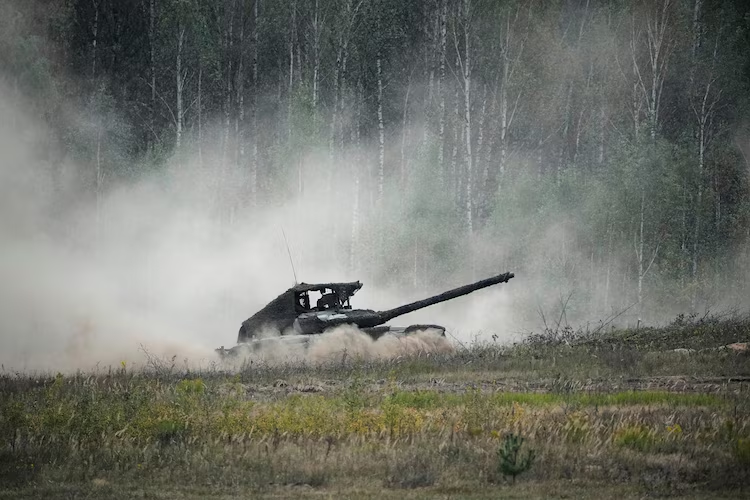
    A tank rolls during joint Russian-Belarusian military drills at a training ground near Barysaw, Belarus, on Sept. 15, 2025. © Pavel Bednyakov/AP
    A tank rolls during joint Russian-Belarusian military drills at a training ground near Barysaw, Belarus, on Sept. 15, 2025. © Pavel Bednyakov/AP

    U.S. relations with India are hitting turbulence under President Trump. Just a month after Trump’s Alaska summit with Putin, his proposed Putin-Zelenskyy meeting remains in limbo, and he’s balked at new Russia sanctions unless NATO allies curb Russian oil buys and slap tariffs on China. Trump dismissed the Polish drone incursions as possibly “a mistake”—a claim Polish PM Donald Tusk shot down: “We would also wish that the drone attack on Poland was a mistake. But it wasn’t. And we know it.” Adding insult, Trump slapped 50 percent tariffs on most Indian goods, hosted Pakistan’s army chief, and boasted of “ending” an India-Pakistan clash.

    David Merkel, a former U.S. State Department Europe and Eurasia chief turned geostrategy consultant, didn’t mince words: “India’s active participation in the Zapad exercise, following the drone incursion on Poland and chilling relations between Washington and New Delhi, raises concerns about the future extent of the US-India security relationship.” He added that it shows Modi “leaning on” Moscow amid “uncertainty” with Trump. German analyst Ulrich Speck called it a “red line” crossed, while Finnish expert Sari Arho Havren labeled the involvement “unnecessary and terrible optics.”

    This thaw in U.S.-Belarus ties—evidenced by envoy John Cole’s visit lifting sanctions on Belavia airline, plans to reopen the Minsk embassy, and the release of political prisoners—only heightens the irony. Two U.S. officers observed Monday’s drills, shaking hands with Khrenin, who welcomed them warmly. Yet India’s deeper dive underscores a broader conservative worry: as Russia grinds on in Ukraine (where manpower shortages have shrunk Zapad to a fraction of past scales—the 2023 edition was canceled outright), allies like India are playing footsie with the bear, emboldening Putin while straining the transatlantic alliance.

    Modi’s gamble might secure short-term arms deals, but it risks long-term isolation from the West. With Zelenskyy pressing for sanctions and NATO on edge, Trump’s “America First” doctrine demands partners who pick sides—not straddle the line. If India keeps this up, the Quad’s anti-China pivot could falter, leaving the Indo-Pacific vulnerable just as Beijing eyes Taiwan.

  • Trump to Host Zelenskyy and European Counterparts in White House Summit

    Trump to Host Zelenskyy and European Counterparts in White House Summit

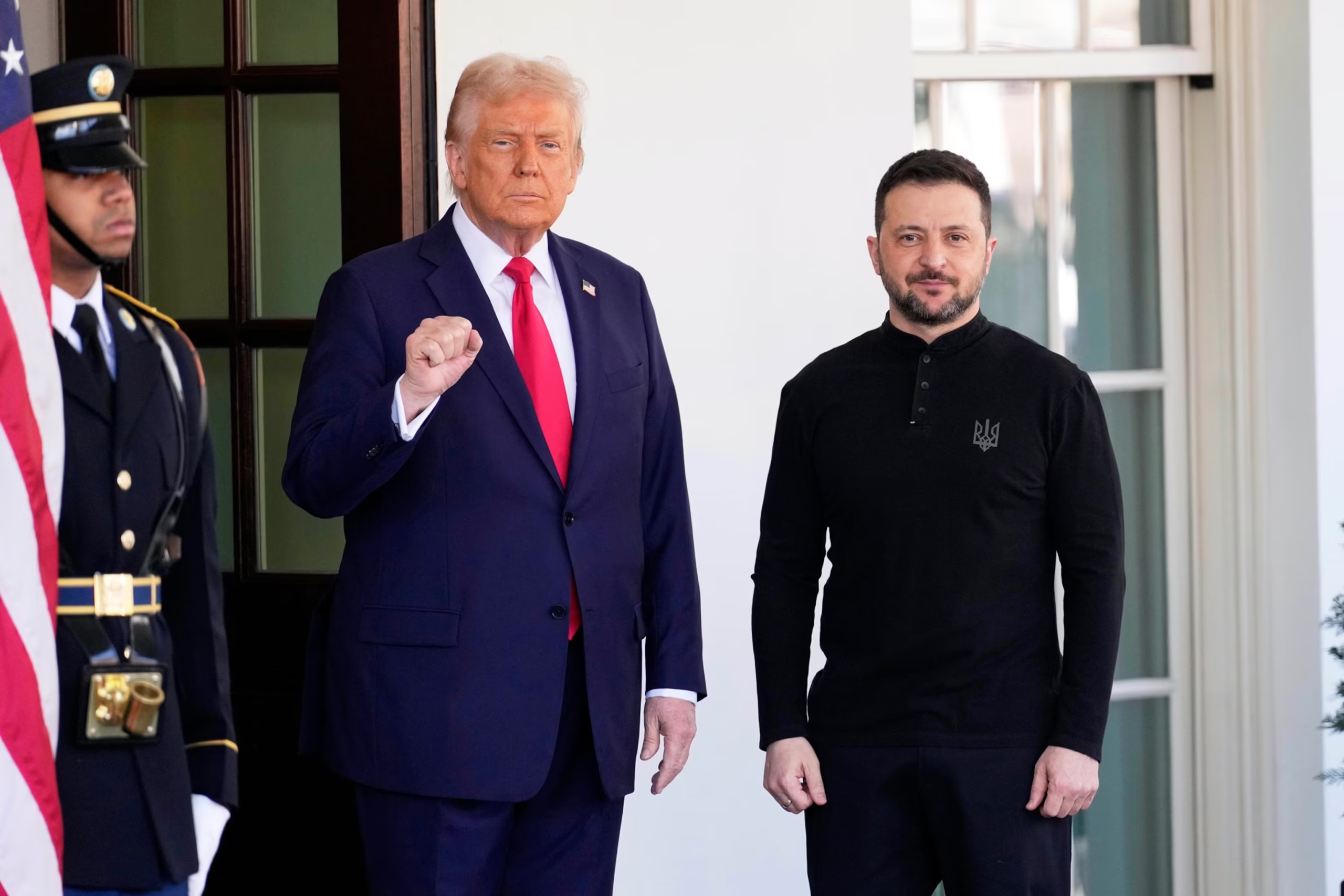
    Ukrainian President Volodymyr Zelenskyy will be accompanied by European and NATO leaders during his meeting with U.S. President Donald Trump on Aug. 18, European Commission President Ursula von der Leyen said on Aug. 17.

    Zelenskyy’s previous meeting with Trump at the White House in February was cut short after the sit-down turned into a heated exchange, leading to the Ukrainian president’s early exit from the talks.

    “This afternoon, I will welcome [Zelenskyy] in Brussels,” Von der Leyen, head of the European Union’s executive branch, posted on X on Aug. 17.

    “At the request of President Zelenskyy, I will join the meeting with President Trump and other European leaders in the White House tomorrow.”

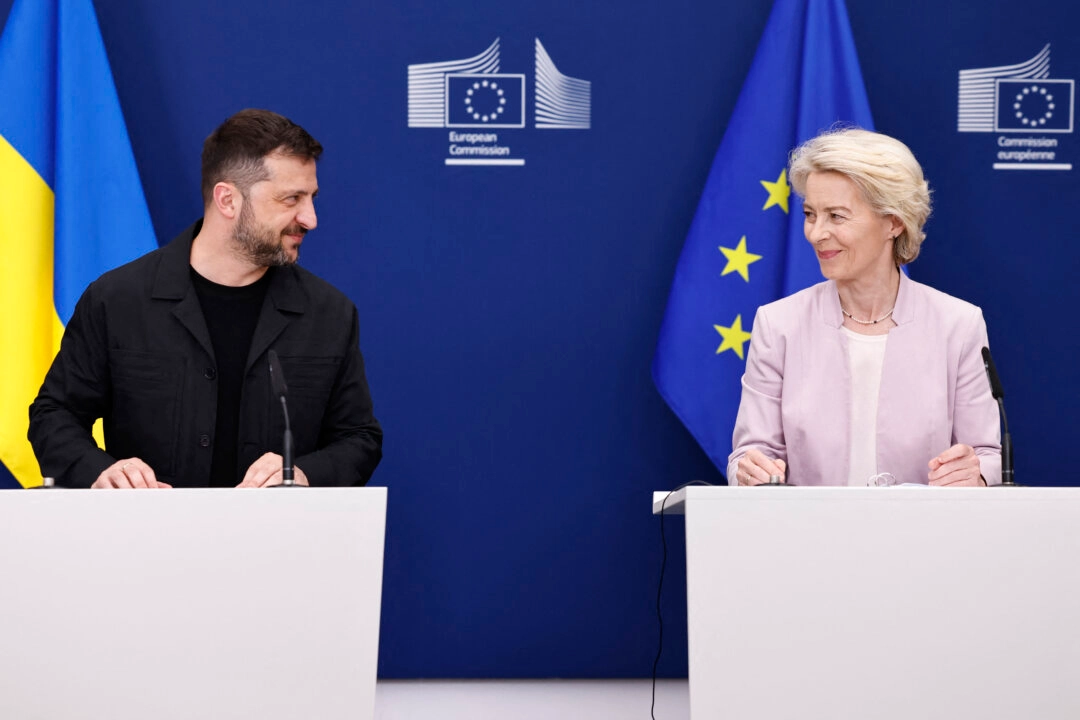
    On Aug. 17, Zelenskyy arrived in Brussels for a joint press conference with von der Leyen.

    “First, we must have strong security guarantees to protect both Ukraine and Europe’s vital security interests,” she said. “[Ukraine] must be able to uphold its sovereignty and its territorial integrity.”

    Other European leaders also announced that they will attend the meeting with Trump on Aug. 18, including British Prime Minister Keir Starmer, French President Emmanuel Macron, German Chancellor Friedrich Merz, Italian Prime Minister Giorgia Meloni, Finnish President Alexander Stubb, and NATO Secretary-General Mark Rutte.

    Their presence at the White House talks underscores Europe’s goal of ensuring that it has a voice at the table during any negotiations over peace between Russia and Ukraine. Trump is working on a deal to end the war following his summit on Aug. 15 with Russian President Vladimir Putin.

    Zelenskyy was not present at their meeting in Alaska, but Trump said he spoke to him by phone shortly afterward.

    On Aug. 17, Macron, Merz, and Starmer hosted a virtual meeting of the “coalition of the willing,” an assembly of Kyiv allies, at 1300 GMT (9 a.m. ET).

    European leaders are hoping to arrange a trilateral meeting between Trump, Putin, and Zelenskyy to guarantee that Ukraine is included in any discussions to end Russia’s war, particularly over conditions for peace.

    The leaders have expressed a need for security guarantees for Ukraine with U.S. involvement.

    On Aug. 16, Trump said Ukraine should accept a deal to end the war with Russia because “Russia is a very big power, and they’re not.”

    Zelenskyy wrote on X that “Russia rebuffs numerous calls for a ceasefire and has not yet determined when it will stop the killing. This complicates the situation.”

    “If they lack the will to carry out a simple order to stop the strikes, it may take a lot of effort to get Russia to have the will to implement far greater—peaceful coexistence with its neighbors for decades,” he said on Aug. 16.

    The Ukrainian president said calls are scheduled between partners on Aug. 17 ahead of his meeting with Trump at the White House on Aug. 18.

    “It is important that everyone agrees there needs to be a conversation at the level of leaders to clarify all the details and determine which steps are necessary and will work,” Zelenskyy said.

    Russia struck Ukraine overnight with one ballistic missile and 60 drones, according to Ukraine’s air force, which said it downed or jammed at least 40 drones.

    Although Zelenskyy exited early from his last meeting at the White House, Merz said he did not believe the same would happen this time around.

    He said Zelenskyy would speak with European leaders on Aug. 17 in preparation for the next day’s White House meeting.

    “We’ll give a few good pieces of advice,” Merz told German broadcaster n-tv.

    While it’s critical for Europe to stand united, the United States will continue playing an important role in ending the war, Merz told German public service broadcaster ZDF.

    “The American president has the power both militarily and via appropriate sanctions and tariffs to ensure that Russia moves more than it currently does,” he said.

  • European Leaders to Convene at White House for Meeting with Trump, Zelenskyy

    European Leaders to Convene at White House for Meeting with Trump, Zelenskyy

    WASHINGTON — President Donald Trump will host Ukrainian President Volodymyr Zelenskyy and a coalition of European leaders at the White House on Monday, August 18, 2025, to advance negotiations aimed at ending Russia’s war in Ukraine, now in its fourth year. The meetings, which include UK Prime Minister Keir Starmer, French President Emmanuel Macron, German Chancellor Friedrich Merz, Italian Prime Minister Giorgia Meloni, Finnish President Alexander Stubb, and NATO Secretary-General Mark Rutte, follow an inconclusive summit between Trump and Russian President Vladimir Putin in Alaska on August 15.

    “Big day at the White House tomorrow,” Trump posted on Truth Social Sunday evening. “Never had so many European Leaders at one time. My great honor to host them!!!” The schedule includes a bilateral meeting with Zelenskyy at 1 p.m. EST, followed by a welcome for European leaders at 2:15 p.m., a family photo at 2:30 p.m., and a multilateral discussion. The talks aim to address Russia’s refusal to agree to a ceasefire, Putin’s territorial demands, and potential security guarantees for Ukraine.

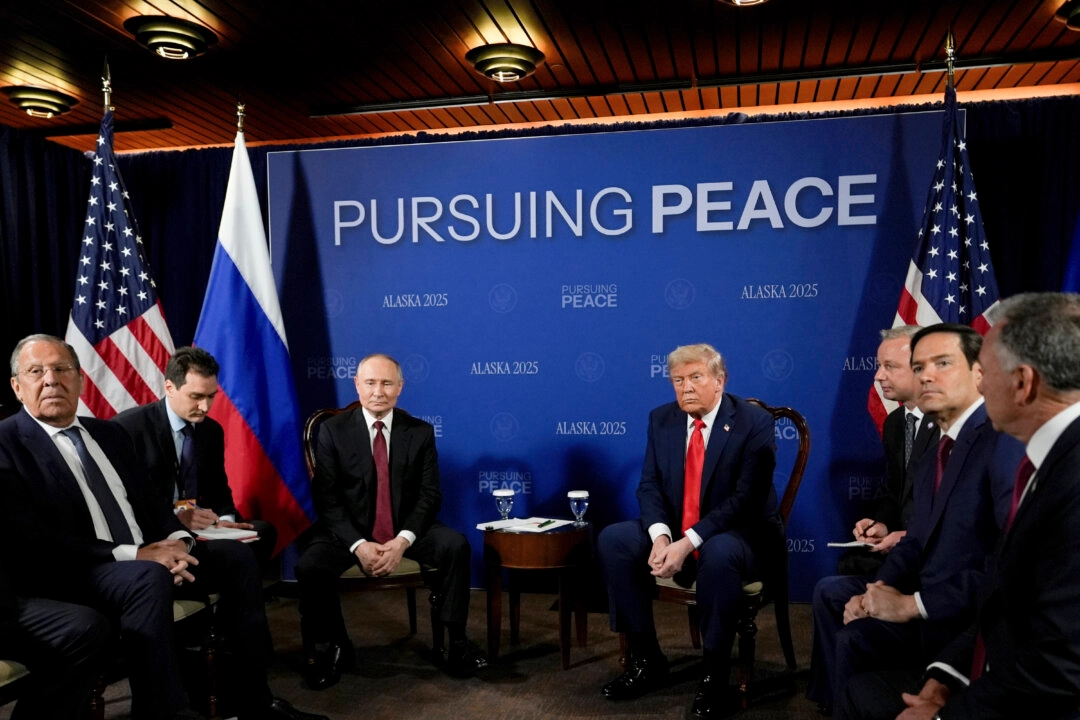
    The Alaska summit, held at Joint Base Elmendorf-Richardson, failed to secure a ceasefire, a key demand of Ukraine and its allies. Trump had warned Putin of “very severe consequences” if he rejected a ceasefire, but post-summit, the U.S. president shifted his stance, advocating for a direct peace agreement. “It was determined by all that the best way to end the horrific war between Russia and Ukraine is to go directly to a Peace Agreement, which would end the war, and not a mere Ceasefire Agreement, which often times do not hold up,” Trump wrote on Truth Social on August 16, announcing Zelenskyy’s visit.

    Territorial Demands and the Donbas Question

    A major sticking point in negotiations is Putin’s demand for control over Ukraine’s Donbas region, comprising Luhansk and Donetsk provinces, where Moscow currently holds nearly all of Luhansk and about 70 percent of Donetsk. Two European sources told NYBudgets that Putin offered to freeze the frontline in Ukraine’s southern Kherson and Zaporizhzhia regions in exchange for Donbas control, a proposal Zelenskyy has firmly rejected. Putin, post-summit, emphasized addressing “root causes,” citing the protection of Russian-speaking populations in Crimea and southeast Ukraine as a justification for Russia’s invasion, a claim widely disputed internationally.

    In a Fox News interview with Sean Hannity, Trump urged Zelenskyy to “make a deal,” suggesting in a Truth Social post that the Ukrainian leader could end the war “almost immediately” but referenced contentious issues like Crimea’s annexation in 2014 under President Barack Obama and Ukraine’s NATO aspirations. “No getting back Obama given Crimea … and NO GOING INTO NATO BY UKRAINE,” Trump wrote, reflecting Putin’s opposition to NATO expansion.

    Security Guarantees on the Table

    A critical focus of Monday’s meetings will be security guarantees for Ukraine. Trump told reporters before the Alaska summit that the U.S. and Europe could offer guarantees short of NATO membership, a goal Ukraine has long pursued but Russia opposes. U.S. special envoy Steve Witkoff, appearing on CNN’s State of the Union on August 17, revealed a significant concession: Putin agreed to allow the U.S. and European nations to provide Ukraine with “Article 5–like protection,” akin to NATO’s collective defense clause, where an attack on one member is considered an attack on all. “It was the first time we had ever heard the Russians agree to that,” Witkoff said.

    image?url=https%3A%2F%2Fimg.theepochtimes.com%2Fassets%2Fuploads%2F2025%2F07%2F14%2Fid5886922 Mark Rutte Trump GettyImages 2221314287
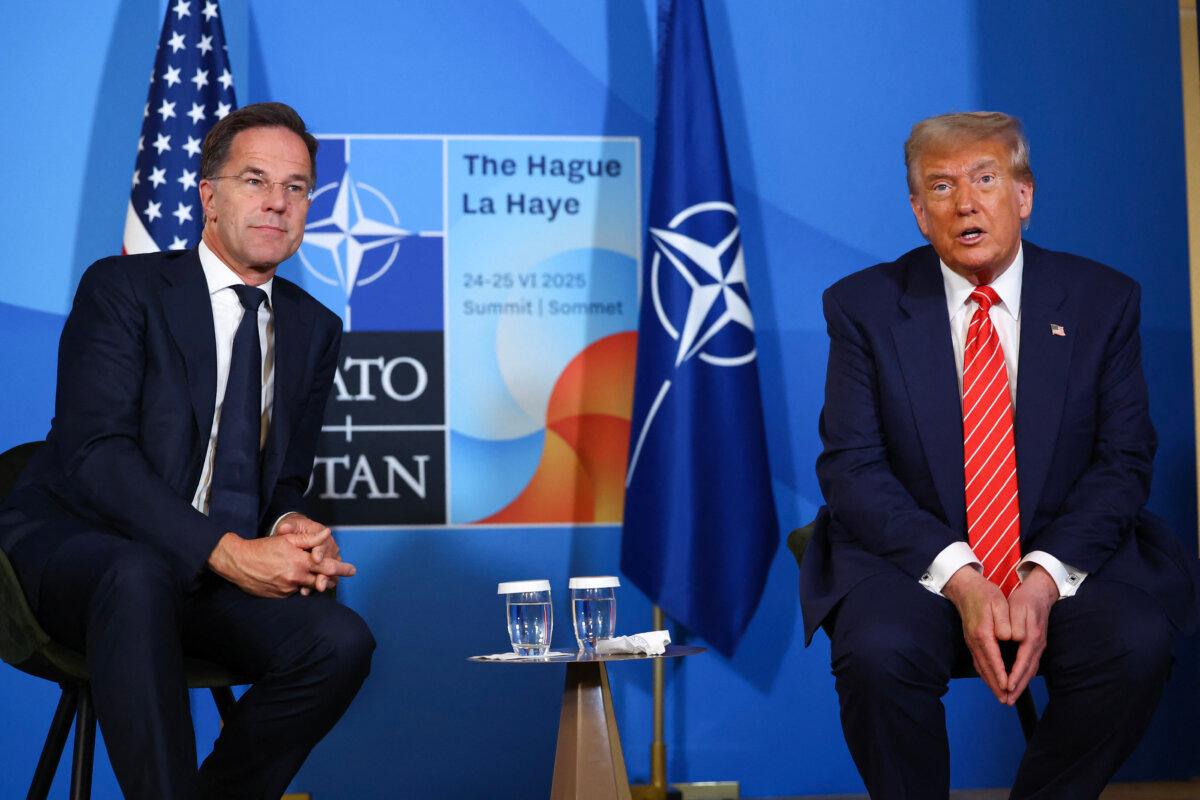
    NATO Secretary General Mark Rutte (L) meets with U.S. President Donald Trump during the North Atlantic Treaty Organization (NATO) Heads of State and Government summit in The Hague on June 25, 2025. © Piroschka Van De Wouw/Pool/AFP via Getty Images

    European Commission President Ursula von der Leyen, speaking in Brussels on August 17, welcomed Trump’s openness to such guarantees, though Zelenskyy noted that specifics remain undefined. These guarantees, and the roles of the U.S. and Europe, will likely dominate discussions.

    Diplomatic Dynamics and Past Tensions

    The meeting comes after a strained February encounter between Trump and Zelenskyy at the White House, which ended abruptly due to a heated exchange. This time, Zelenskyy is joined by European allies, including two leaders with recent ties to Trump. Finnish President Alexander Stubb, who bonded with Trump over golf at Mar-a-Lago in March, discussed Ukraine and offered Finnish icebreakers, leveraging Finland’s expertise in their production. NATO Secretary-General Mark Rutte, who praised Trump’s leadership at a June NATO summit in The Hague, has also built rapport, though his description of Trump as a “daddy” resolving disputes drew criticism for being overly deferential.

    The urgency of the talks is underscored by prior engagements. A virtual meeting before the Alaska summit, involving Trump, Vice President JD Vance, Zelenskyy, Merz, and other leaders, reaffirmed that peace talks require a ceasefire and respect for international borders, per a Ukrainian government statement. Posts on X, including one by Zelenskyy on August 16, emphasized Ukraine’s stance against ceding territory, highlighting the need for “reliable security guarantees.”

    As Trump hosts this critical summit, the absence of a breakthrough in Alaska raises the stakes. The outcome could shape the trajectory of the deadliest European conflict since World War II, with millions of lives and global stability hanging in the balance.

  • Putin Accepts US, European Security Offer for Ukraine, Claims Trump Associate

    Putin Accepts US, European Security Offer for Ukraine, Claims Trump Associate

    WASHINGTON — In a significant development in efforts to end Russia’s war in Ukraine, U.S. special envoy Steve Witkoff revealed on August 17, 2025, that Russian President Vladimir Putin agreed to allow the United States and European allies to provide Ukraine with NATO-style security assurances during the August 15 Alaska peace summit. The concession, described as a potential breakthrough, could pave the way for a peace deal to halt the three-and-a-half-year conflict.

    Speaking on CNN’s State of the Union, Witkoff detailed the agreement, stating, “We were able to win the following concession: That the United States could offer Article 5-like protection, which is one of the real reasons why Ukraine wants to be in NATO.” He emphasized the unprecedented nature of Russia’s stance, noting it was “the first time we had ever heard the Russians agree to that.” Article 5 of the NATO Charter mandates that an attack on one member is considered an attack on all, obligating collective defense.

    The announcement follows the Alaska summit between President Donald Trump and Putin, which, while failing to secure an immediate ceasefire, made strides toward broader peace negotiations. Witkoff called the agreed-upon “robust security guarantees” a “game-changing” step, highlighting that the U.S. and Russia discussed legislative protections within Russia to prevent further territorial incursions in Ukraine. “We didn’t think that we were anywhere close to agreeing to Article 5 protection from the United States,” he said.

    European Commission President Ursula von der Leyen, speaking alongside Ukrainian President Volodymyr Zelenskyy in Brussels on August 17, welcomed Trump’s commitment to such guarantees. “We welcome President Trump’s willingness to contribute to Article 5-like security guarantees for Ukraine,” she said, adding that the European Union and a “coalition of the willing” are prepared to contribute. Zelenskyy, however, cautioned that details remain unclear, stating, “There are no details how it will work, and what America’s role will be, Europe’s role will be and what the EU can do.” He stressed that security guarantees must function practically, akin to NATO’s Article 5, and include Ukraine’s path to EU accession.

    Challenges in Securing a Ceasefire

    The Alaska summit did not yield a ceasefire, a key demand from Ukraine and its allies. Trump had previously warned Putin of “very severe consequences” for rejecting a truce, but Witkoff explained that the administration pivoted toward a comprehensive peace deal after significant progress in Alaska. “We covered almost all the other issues necessary for a peace deal,” Witkoff said, noting “moderation” in Russia’s approach to negotiations.

    Secretary of State Marco Rubio, also Trump’s national security adviser, echoed this sentiment on ABC’s This Week, warning of “additional consequences” if no peace agreement is reached. However, he acknowledged that a truce is unlikely without Ukraine’s direct involvement. “The minute you issue new sanctions, your ability to get them to the table will be severely diminished,” Rubio said on NBC’s Meet the Press, advocating for a full peace deal over new sanctions. He cautioned that both sides must compromise, as “if one side gets everything they want, that’s not a peace deal. It’s called surrender.”

    Rubio, speaking on Fox News’s Sunday Morning Futures, described the security guarantees as a “very big move” by Trump, reflecting his commitment to peace. “It tells you how badly he wants peace, how much he values peace, that he would be willing to make a concession like that,” he said. Rubio noted that administration officials consulted with European national security advisers on August 16 to refine negotiation points for future talks with Russia.

    Land Swaps and Ongoing Negotiations

    A major hurdle remains the issue of territorial concessions, particularly Russia’s demand for control over Ukraine’s Donbas region. Witkoff clarified that any “land swap” is a decision for Ukraine, not the U.S., saying, “The president is respectful of it, but that’s why we’re moving so quickly to a meeting on Monday.” The White House meeting on August 18 will include Zelenskyy, French President Emmanuel Macron, German Chancellor Friedrich Merz, Italian Prime Minister Giorgia Meloni, Finnish President Alexander Stubb, and NATO Secretary-General Mark Rutte, aiming to clarify security guarantees and address territorial disputes.

    Witkoff expressed cautious optimism, stating, “Everybody agreed that progress was made. Maybe not enough for a peace deal, but we are on the path for the first time.” Rubio, however, tempered expectations on CNN, noting, “We’re still a long ways off” due to significant areas of disagreement, including borders and military alliances.

    The Alaska summit and upcoming talks reflect intensified U.S. efforts to broker peace, building on Trump’s virtual meeting with Zelenskyy and European leaders before the Putin summit. Posts on X, such as one by Christopher Miller on August 17, highlighted Witkoff’s announcement as a potential turning point, though unverified claims about Russia’s territorial demands underscore the complexity of the negotiations.

    As Trump prepares to host Zelenskyy and European leaders, the focus on NATO-style assurances signals a potential shift in the conflict’s trajectory, though unresolved issues like territorial control and ceasefire terms remain critical challenges.

  • Ukraine Reports 15 Injured in ‘Massive’ Russian Strike on the Capital

    Ukraine Reports 15 Injured in ‘Massive’ Russian Strike on the Capital

    Russia launched dozens of drones and ballistic missiles at Kyiv overnight in one of the biggest combined aerial attacks on the Ukrainian capital of the three-year war, damaging several apartment buildings and injuring 15 people.

    Ukrainian President Volodymyr Zelenskyy said in a social media post it had been a “tough night” for Ukraine, and called for new international sanctions to pressure Moscow into agreeing to a ceasefire.

    In the early hours of the morning, Reuters witnesses saw and heard successive waves of drones flying over Kyiv, and a series of explosions jolted the city. The capital also reverberated with the sound of anti-aircraft batteries trying to bring down the drones.

    Pictures from Reuters photographers showed an orange-red glow lighting up the city as plumes of smoke blew across the horizon. On the top floor of one apartment building, smoke and flames billowed out of a balcony window as firefighters tried to approach.

    By daybreak, government officials reported damage in six districts of the Ukrainian capital, and a total so far of 15 people wounded. Three required hospitalisation. Two of the injured were children, the officials said.

    The Kyiv city military administration described it as one of the largest combined drone and missile attacks of the war.

    The attacks come as U.S. President Donald Trump is encouraging Russia and Ukraine to sit down for ceasefire talks to end the war, but has pushed back against a European plan to impose new sanctions on Russia.

    Halyna Tatarchuk, a 63-year-old pensioner, was in her apartment when a drone hit the building. She and her husband were in the corridor, away from the windows. “That saved us,” she said.

    She fled to a bomb shelter at a nearby school, then at daylight returned to inspect the damage. All the windows of her apartment were smashed, and the floor was covered in fragments of glass.

    “I’d like Trump to see this,” she said, standing in her kitchen. “What’s he doing? Can he really not see this? …It’s the destruction of a people, they are just destroying us,” she said, referring to the Russian military.

    In the street below her third-floor windows, trees had been splintered by the blast and car windows were smashed. Municipal workers were using a mini-excavator to clear up debris from the ground.

    Ceasefire talks

    Ukraine’s air force said that Russia had fired 14 ballistic missiles at targets across Ukraine overnight and launched 250 long-range drones, with Kyiv the main target.

    The strikes followed several days of Ukrainian drone strikes — some 800 attacks — on targets inside Russia, including the capital Moscow.

    Russian Foreign Minister Sergei Lavrov had vowed on Friday to respond to those attacks.

    Hours before the drones and missiles reached Kyiv, Russia and Ukraine had exchanged several hundred prisoners, in a move that Trump suggested could be a prelude to progress on peace talks.

    Russian negotiators said they were preparing a memorandum that would serve as the starting point for the next round of peace talks. No date or venue has been agreed.

    “Russia still has not sent its ‘peace memorandum.’ Instead, it is sending deadly drones and missiles at civilians,” Ukrainian Foreign Minister Andrii Sybiha wrote in a post on the Telegram social media platform.

    In his own post on Telegram, Zelenskyy said the Russian attacks were evidence to the rest of the world that Russia is the obstacle to peace.

    “Only additional sanctions against key sectors of the Russian economy will force Moscow to agree to a ceasefire.”

    There was no immediate comment from Russia on the overnight attacks.

    Russia has said it is committed to seeking a peaceful settlement to the conflict. But it says Kyiv needs to accept the reality that Russia controls part of its territory, and it must not be used as a bridgehead for Western states to threaten Russia.

    On Saturday, Russia’s Defence Ministry said its troops had captured the settlements of Stupochki, Otradne and Loknia in Ukraine’s Donetsk and Sumy regions.

  • Russian Drone Attack Kills 9 on Shuttle Bus in Ukraine

    Russian Drone Attack Kills 9 on Shuttle Bus in Ukraine

    A Russian drone attack killed at least nine people on Saturday after hitting a shuttle bus carrying civilians in the Sumy region in northeastern Ukraine, according to local residents and Ukrainian authorities.

    The deadly strike came hours after Ukrainian and Russian officials sat down face to face for the first time in more than three years in Istanbul.

    At the brief meeting, the two sides agreed on a deal to swap 1,000 prisoners each. But the talks and the frenetic swirl of diplomatic activity leading up to them did nothing to bring the two sides closer to negotiating an end to the war and easing the daily carnage, with soldiers on both sides being killed and injured on the front every day, and the civilian toll steadily rising.

    President Volodymyr Zelensky of Ukraine said on Saturday that the strike on the bus was a “deliberate attack on civilians.”

    “The Russians could not have failed to understand what kind of vehicle they were targeting,” he said in a statement.

    The Russian military did not have any immediate comment on the attack.

    In his statement, Mr. Zelensky said he believed that the only way the Kremlin would make peace is if President Vladimir V. Putin of Russia were forced to do so.

    “We are expecting strong sanctions against Russia from the United States, from Europe, and from all our partners,” Mr. Zelensky said.

    The European Union is set to push through a new raft of sanctions on Tuesday but President Trump has not said if the United States would do the same.

    On Friday night, Mr. Trump told Fox News that he believes he can personally broker an end to the fighting by sitting down with Mr. Putin.

    “I think Putin is tired of this whole thing,” he said. “This is turkey time. This is now we are talking turkey.”

    Military analysts and critics of the Trump administration’s policy, including Republicans, have said that pressuring Ukraine while taking no action against Russia was always doomed to failure.

    “I not believe there is any prospect for the end to the war this year,” Mick Ryan, a retired Australian general and fellow at the Lowy Institute, a Sydney-based research group, said in an interview. “Russia has maintained, and doubled down, on its maximalist goals, reinforcing them in negotiations in Turkey this week.”

    The focus on territorial gains and demands, which is mainly what the White House has been focused on, misses the point, he said.

    “Mr. Putin’s primary goal is snuffing out Ukraine’s democracy and culture, denying it agency in its own affairs,” he said.

    Serhii, a 44-year-old volunteer in Sumy who on Saturday helped rescue people injured in the bus attack, said he felt betrayed by the Trump administration’s diplomatic efforts. Asking that his family name not be used out of concern for their safety, he said, “Everything Trump is doing — or not doing — leads to more destruction, the collapse of peace.”

    The bus was struck by a Russian Lancet drone outside of Bilopillia, a few miles from the Russian border, which had a prewar population of roughly 15,000 people.

    While it has been subject to bombardments for months, those attacks have increased in recent days, local residents said.

    The Russians are dropping aerial bombs that can weigh thousands of pounds on the town night and day, a local resident, Yevgen, said when reached by phone. He also asked that his family name not be used out of concern for their safety.

    “The town is being completely destroyed,” he said. “You can’t drive by car there anymore — everything is tracked by drones, and they strike at anything that moves.”

    5975
    Sumy state university’s congress centre building was badly damaged by the attack. (Anastasia Vlasova/The Guardian)

    The drone that struck the civilian bus at 6:17 a.m. local time is known as a Lancet, a precision weapon that Russia has used to devastating effect throughout the war, Ukrainian officials said. They said it was guided to its target by another surveillance drone, now standard practice.

    The Russians tried and failed to seize the city of Sumy in the early months of the war.

    Ukraine launched a cross-border offensive into the neighboring Kursk region last summer, seizing hundreds of square miles of Russian territory and hoping to create a buffer zone to protect the city of Sumy from renewed assault. But by March the Russians had largely driven the Ukrainians from Kursk and stepped up their bombardments aimed at Sumy and the surrounding region.

    Oleksandr Меrezkho, the chairman of the Ukrainian parliament’s foreign affairs committee, said Saturday’s bloodshed was further evidence of a failed American policy.

    He pointed out that Mr. Trump had demanded an immediate, unconditional cease-fire for 30 days, which Mr. Zelensky accepted even though Kyiv had long insisted that security guarantees precede any truce. He then called on Mr. Zelensky to take up Mr. Putin’s offer to restart direct negotiations in Istanbul, but then undercut those talks, saying that only he and Mr. Putin together could resolve the war. “Such inconsistency, illogical steps and lack of strategy undermine U.S. credibility and encourage Putin to continue to insist on his maximalist demands,” he said. “Putin has outmaneuvered Trump.”