Category: Retail

  • Sainsbury’s Confirms Talks to Offload Argos to China’s JD.com

    Sainsbury’s Confirms Talks to Offload Argos to China’s JD.com

    3112536 sainsburysedinburgh 96047

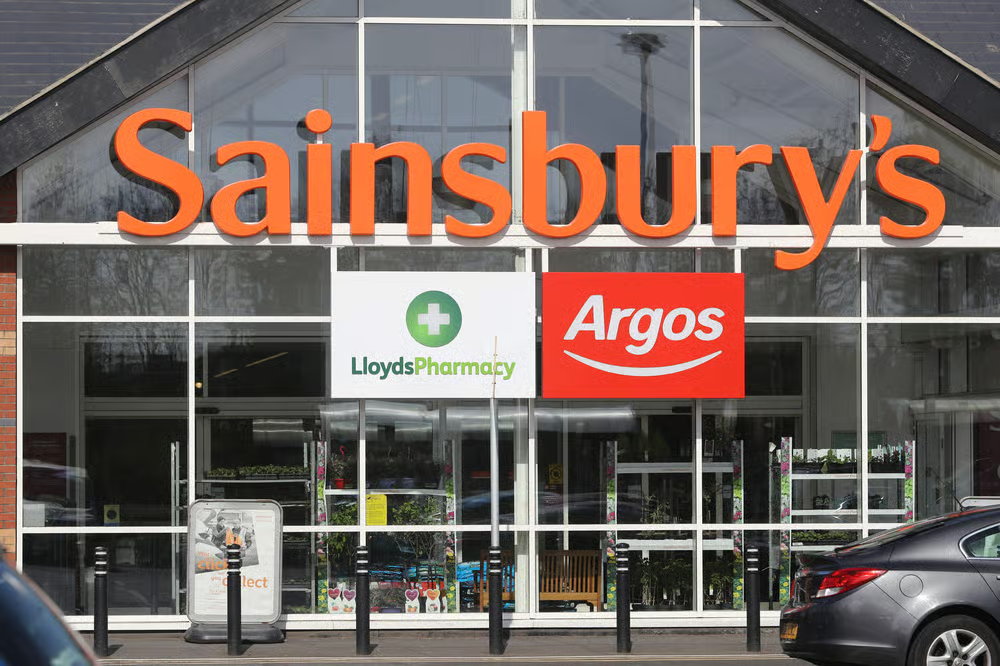
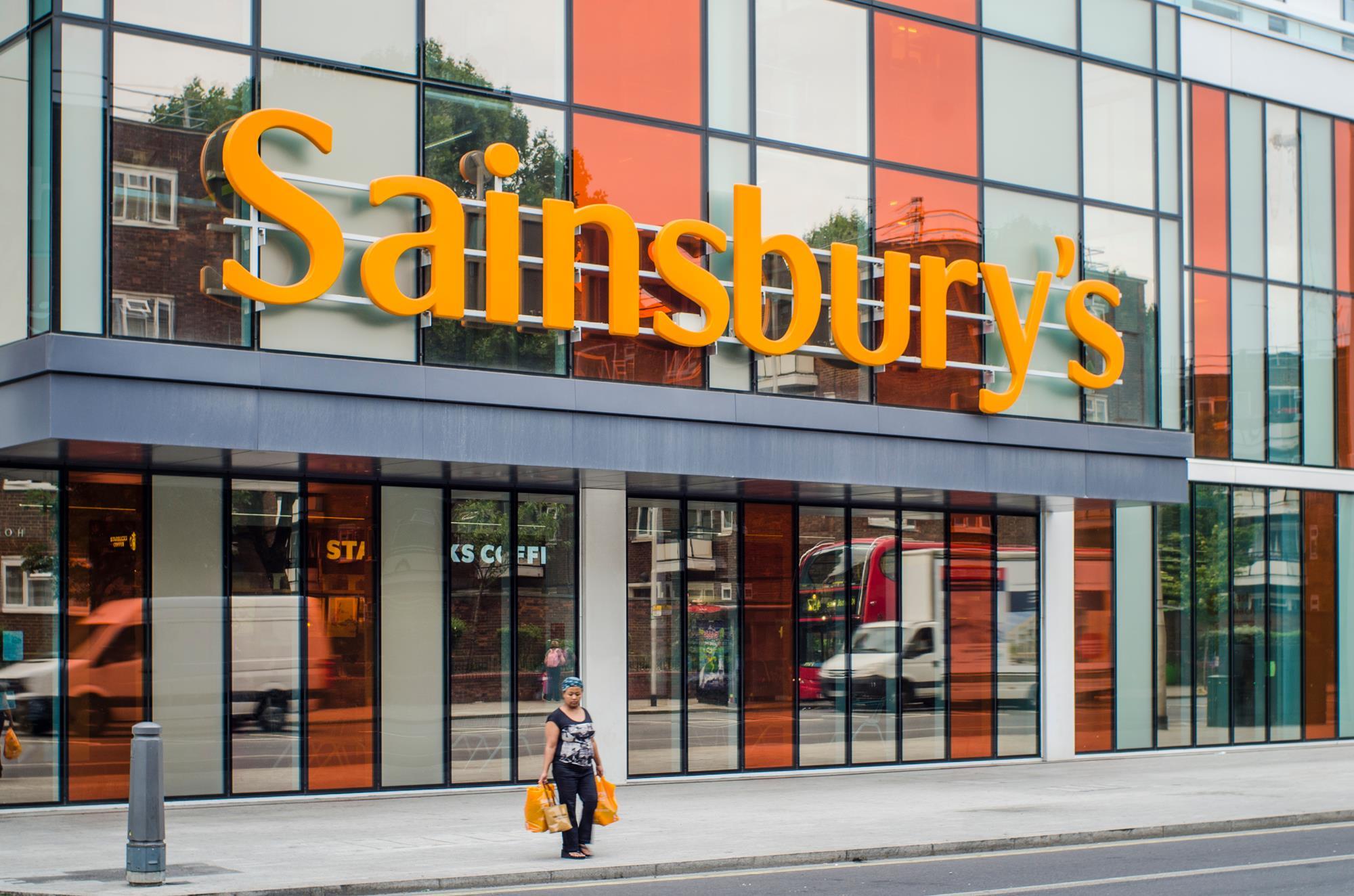
    LONDON – In a move that has sparked fresh debates over British economic sovereignty, Sainsbury’s, the iconic high street supermarket chain, has confirmed it is in advanced talks to offload its subsidiary Argos to JD.com, one of China’s burgeoning e-commerce behemoths. The potential deal, announced on Saturday, comes at a time when UK businesses are under increasing scrutiny for their vulnerability to foreign acquisitions, particularly from state-influenced enterprises in Beijing.

    Sainsbury’s, a cornerstone of British retail for over 150 years, acquired Argos in a £1.4 billion deal back in 2016 as part of a strategy to bolster its non-food offerings and compete in the digital age. Now, just eight years later, the company appears poised to hand over the keys to what it describes as the UK’s second-largest general merchandise retailer. Argos boasts the third most visited retail website in the country and operates more than 1,100 collection points, making it a vital player in everyday British shopping habits.

    In an official statement released over the weekend, Sainsbury’s emphasized its commitment to Argos’ future while framing the potential sale as a strategic accelerator. “Sainsbury’s is committed to delivering the strongest and most successful future for Argos customers and colleagues and the group’s ‘More Argos, more often’ transformation strategy is delivering solid progress,” the statement read. It went on to highlight the purported benefits of partnering with JD.com: “A transaction with JD.com would accelerate Argos’ transformation. JD.com would bring world-class retail, technology and logistics expertise and invest to drive Argos’ growth and further transform the customer experience.”

    The statement also included assurances about protections for stakeholders, noting that “the terms of any possible transaction would include commitments from JD.com in relation to Argos for the benefit of customers, colleagues and partners.” However, Sainsbury’s was quick to temper expectations, adding that “no deal has currently been struck and there is no certainty at this stage that any transaction will proceed.”

    Critics from the conservative wing of British politics have already voiced alarm, viewing the talks as symptomatic of a broader erosion of UK control over key retail assets in the post-Brexit era. With China’s economic footprint expanding aggressively across Europe, there are fears that JD.com’s involvement could expose sensitive consumer data and supply chains to Beijing’s oversight. “This isn’t just a business deal; it’s a question of who controls the high street,” said one Tory MP speaking off the record. “We fought for sovereignty outside the EU, only to watch it slip into the hands of a regime that doesn’t play by the same rules.”

    JD.com, founded in 2004 and listed on the Nasdaq in 2014 as the first major Chinese e-commerce firm to do so, positions itself as a “leading supply chain-based technology and service provider which integrates traditional industry features with cutting-edge digital technology and capabilities,” according to its official website. The company has grown into a formidable rival to Alibaba, boasting a vast logistics network and investments in AI-driven retail innovations. Yet, its ties to the Chinese Communist Party—through mandatory state collaborations and data-sharing requirements—have long raised eyebrows among Western regulators.

    For Sainsbury’s, the sale aligns with a broader pivot under CEO Simon Roberts, who has been steering the company toward a food-first focus amid slumping profits in general merchandise. Argos has been integral to Sainsbury’s digital expansion, with in-store collection points driving foot traffic and online sales surging during the pandemic. But with e-commerce giants like Amazon dominating the market, the retailer may see JD.com’s expertise as a lifeline—albeit one that comes with geopolitical strings attached.

    The discussions come against a backdrop of heightened UK-China tensions, including recent blocks on Chinese investments in critical infrastructure and ongoing probes into tech transfers. If the deal proceeds, it would likely face rigorous scrutiny from the Competition and Markets Authority (CMA) and possibly the National Security and Investment Act, which empowers the government to intervene in foreign takeovers deemed risky.

    As Britain grapples with balancing economic growth and national interests, the fate of Argos could serve as a litmus test for how far Conservative policymakers are willing to go in protecting domestic icons from overseas predators. For now, Sainsbury’s insists the talks are exploratory, but the mere prospect has reignited calls for tougher safeguards on British assets.
  • Iconic Retailer Slashes Footprint, Closing 80% of Stores

    Iconic Retailer Slashes Footprint, Closing 80% of Stores

    Stock Widget

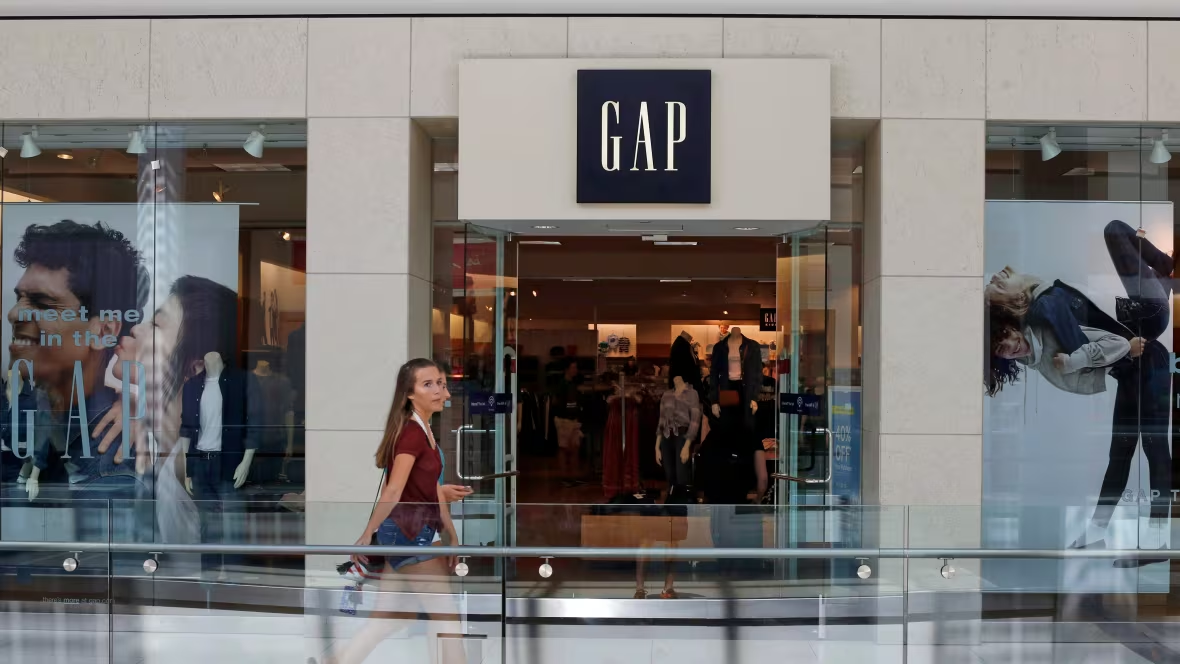
    For generations of Americans, The Gap GPS -3.20% ▼ evoked the essence of effortless style—the crisp white tees, slim khakis, and relaxed jeans that defined casual Fridays and weekend wardrobes from the 1980s through the early 2000s. Nestled in the heart of bustling indoor malls, Gap stores were more than retailers; they were cultural touchstones, symbolizing an accessible American aesthetic. But in a retail landscape reshaped by e-commerce, fast fashion, and shifting consumer habits, the once-mighty chain has quietly shuttered over 80% of its locations, shrinking from a global peak of more than 2,500 stores in 2000 to just 472 worldwide today. This dramatic downsizing, accelerated by the COVID-19 pandemic and years of strategic missteps, reflects not just The Gap’s struggles but broader challenges facing brick-and-mortar apparel giants.

    The company’s transformation—or contraction—has been underway for over two decades, but recent disclosures from CEO Richard Dickson underscore a pivotal moment. Speaking at the Goldman Sachs 32nd Annual Global Retailing Conference on September 4, 2025, Dickson detailed the “heavy lifting” of fleet rationalization, including the closure of over 350 stores since 2020. “We had declining top line. We had brands that were losing share. We had an aging fleet. We had bloated inventory. We had a lot of margin pressure. We had bloated costs. We had low morale,” he said, painting a picture of a company in dire need of reinvention. While the namesake Gap brand has borne the brunt of the cuts, the overall Gap Inc. portfolio—encompassing Old Navy, Banana Republic, and Athleta—now operates around 3,500 stores across 35 countries, with 2,486 company-operated.

    This isn’t the first time Gap Inc. has pivoted. Founded in 1969 in San Francisco as a purveyor of Levi’s jeans for teens and young adults, the retailer evolved under visionary CEO Millard “Mickey” Drexler in the 1980s. Drexler shifted the focus to everyday essentials like khakis, tees, and button-downs, fueling explosive growth. By 1990, Gap had about 1,100 stores; a decade later, that number ballooned to 2,548, including the launches of value-oriented Old Navy in 1994 and upscale Banana Republic. As of October 2000, the Gap brand alone boasted 2,002 U.S. stores (including 133 outlets) and 503 international locations, making it one of the world’s largest apparel chains with annual sales topping $13 billion.

    Drexler’s era marked The Gap’s zenith, but his 2002 departure ushered in turbulence. Subsequent leaders grappled with fast fashion disruptors like H&M and Zara, which offered trendy, low-cost alternatives mimicking Gap’s signature looks. Big-box behemoths Walmart and Target also encroached, expanding affordable apparel lines that drew budget-conscious shoppers away from malls. A infamous 2010 rebranding fiasco—dubbed “Gapgate”—saw the company briefly abandon its iconic blue square logo for a bland Helvetica font, sparking online backlash and a swift reversal that cost millions in lost goodwill.

    Compounding these woes was the seismic shift in consumer behavior. The rise of online shopping via Amazon and Shein eroded mall traffic long before the pandemic. Indoor malls, once Gap’s prime real estate, had been declining since Walmart’s national expansion in the 1980s and 1990s, which hastened the demise of anchors like Sears and Kmart (the latter merged with Sears in 2005, leading to bankruptcy in 2018). By 2019, Placer.ai data showed annual visits to indoor malls flatlining, only to plunge 41.1% in 2020 amid COVID lockdowns—a “rip-the-band-aid” moment that forced retailers to reassess.

    The pandemic amplified these trends, with Gap Inc. temporarily closing all North American stores in March 2020. In October that year, then-CEO Sonia Syngal announced plans to shutter 220 Gap and 130 Banana Republic stores, citing “hyper casualization” favoring athleisure brands like Lululemon. This was part of a broader “Power Plan 2023” to streamline operations and prioritize high-performers like Old Navy and Athleta. By fiscal 2024, the company revised closure plans downward, expecting only about 35 net store reductions for the year, a sign of stabilization.

    The toll on the Gap brand has been stark: From 2,505 worldwide stores in 2000, it’s down to 472 as of 2023, an 81% reduction. Globally, Gap Inc.’s store count hovered around 3,569 in early 2025, but the namesake brand now represents a fraction of the portfolio, with Old Navy at 1,173 locations and Athleta at 225. These closures have right-sized the fleet, closing underperformers in oversaturated malls and focusing on experiential formats like outlet centers and standalone shops.

    Financially, the strategy is showing glimmers of success. Gap Inc. reported second-quarter fiscal 2025 results on August 28, with net sales flat at $3.73 billion year-over-year, marking the sixth consecutive quarter of positive comparable sales. Diluted earnings per share rose 6% to $0.57, with net income climbing nearly 5% to $216 million. Gross margins expanded 360 basis points to 41.2%, driven by lower markdowns and supply chain efficiencies, though merchandise margins dipped slightly due to tariff pressures.

    Foot traffic data from Placer.ai corroborates the mixed recovery. Overall Gap Inc. visits surged 3.6% year-over-year in Q2 2025, led by Old Navy’s 4.8% gain as middle-income shoppers returned. The Gap brand saw a modest 1.4% uptick in the quarter, front-loaded by a 5.3% jump in April for stores open at least a year. However, momentum waned, with visits declining 5.4% in June and 5.1% in July amid seasonal softness. Company-wide, same-store visits dipped just 1.9% in June and 0.7% in July, buoyed by Old Navy’s resilience ahead of back-to-school.

    Dickson, who assumed the CEO role in 2024 after stints at Mattel and Gap’s beauty ventures, is optimistic about the pared-down footprint. At the Goldman Sachs conference, he highlighted the “portfolio of brands that were iconic and recognized,” emphasizing IP value over sheer size. Store sales for the Gap brand fell 1% in Q2, but the remaining locations are more productive, with a focus on premium real estate.

    Looking ahead, Gap Inc. is doubling down on revitalizing the Gap brand without expanding its store count aggressively. Dickson outlined a “flywheel” marketing playbook, including collaborations like the “Get Loose” campaign with singer Tyla and Jungle, followed by Gen Z-targeted efforts featuring Troye Sivan and a retro nod with Parker Posey. The company is betting on nostalgic trends, such as low-rise denim reminiscent of Y2K fashion, and expanding into high-margin categories like fragrances and beauty. At the conference, Dickson announced strategic pushes into accessories and personal care, including curated beauty assortments in 150 Old Navy stores and Gap’s first fragrance line.

    These moves aim to “attract a new generation” while leveraging the brand’s heritage. Beauty, Dickson noted, is “one of the fastest growing and most resilient” segments, with accessories offering similar upside. Online sales, which now account for about 40% of revenue, complement the physical footprint, blending e-commerce with in-store experiences like personalized styling.

    Yet, challenges persist. Tariffs on imports from key suppliers like Vietnam and China—escalating under recent trade policies—could squeeze margins further, as noted in Q2 earnings. Competition remains fierce, with Shein and Temu capturing Gen Z’s attention through social media-driven trends. And while Old Navy and Athleta thrive, the Gap brand’s identity crisis lingers; its Q1 2025 same-store sales grew 5%, but investors remain cautious, with shares up 52% year-to-date yet trading below historical highs.

    The Gap’s story is a cautionary tale of retail evolution: From mall monarch to a leaner, digital-savvy survivor. As Dickson put it, the company is no longer “underperforming significantly,” but sustaining momentum will require nailing cultural relevance in a fragmented market. With fewer stores but sharper focus, The Gap may yet reclaim its casual crown—just don’t expect to find one in every mall anytime soon.

  • Real estate tycoon battles Canadian pension funds for control of a mall

    Real estate tycoon battles Canadian pension funds for control of a mall

    1x 1
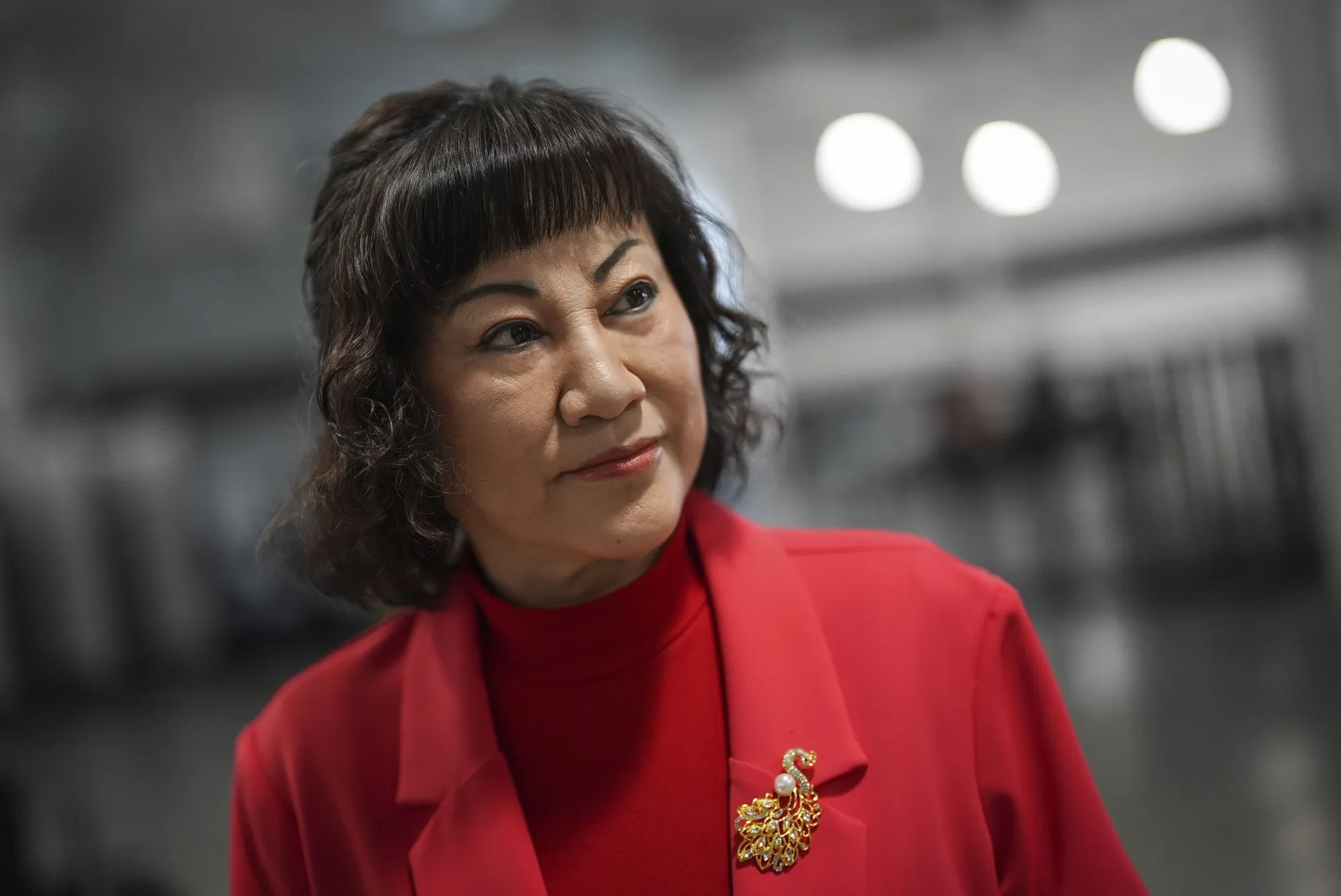
    Ruby Liu © Darryl Dyck/The Canadian Press/AP Photo

    Few people in Canada had heard of Ruby Liu when she emerged this year with an ambitious plan to reinvent dozens of shuttered Hudson’s Bay Co. outlets, the remnants of a bankrupt department store chain that’s played an outsize role in the country’s history.

    The owner of three shopping centers and a golf course in British Columbia, Liu said she reaped $1 billion building and selling a mall in China. She now intends to spend about C$450 million ($325 million) buying the leases of 25 Hudson’s Bay stores for a new retail chain. 

    But Liu’s prospective landlords, which include some of Canada’s biggest pension funds, bitterly oppose having Liu as a tenant after a series of disastrous in-person meetings. Accounts of these discussions reveal a titanic clash of styles.

    One executive from Ontario Teachers’ Pension Plan testified in a sworn affidavit that when asked for her business plan, Liu said she was “not allowed to share it” until they struck a deal — after which the pension executives walked out while Liu tried to block the door.

    At another meeting, executives inquired about Liu’s progress in securing inventory for her proposed store network. She replied: “Relax, lay back and do not worry,” according to a statement filed in court by a vice-president from the real estate arm of Ontario Municipal Employees Retirement System. 

    For her part, Liu said she believes the landlords always opposed her tenancy because the underlying real estate is more valuable for development than as department stores.

    The case is back before the court Thursday. Whatever the judge decides, the saga has added a notable postscript to the history of North America’s oldest corporation. 

    Granted its charter by the British crown in the 17th century, Hudson’s Bay evolved from a fur trader that facilitated European settlement in North America into Canada’s most iconic department store chain. 

    Now, the battle for its afterlife is pitting the personalized entrepreneurship that made Liu rich in China against the business-school polish of Canadian real estate executives. The result has seemingly been mutual incomprehension. But what the two camps are really arguing about are the changes to the retail business that sunk Hudson’s Bay after 355 years, and how best to adapt. 

    “Unlike many, I do not regard in-person shopping as a dying industry,” Liu said in her submissions to the court. “The landlords’ concerns are misguided and suggest that I am not prepared to do what is necessary to make the venture successful.”

    A spokesperson for Liu declined a request for an interview. The property arm of Omers declined to comment while the matter is before the court, and a spokesperson for Ontario Teachers’ did not respond to an email requesting comment.

    1x 1
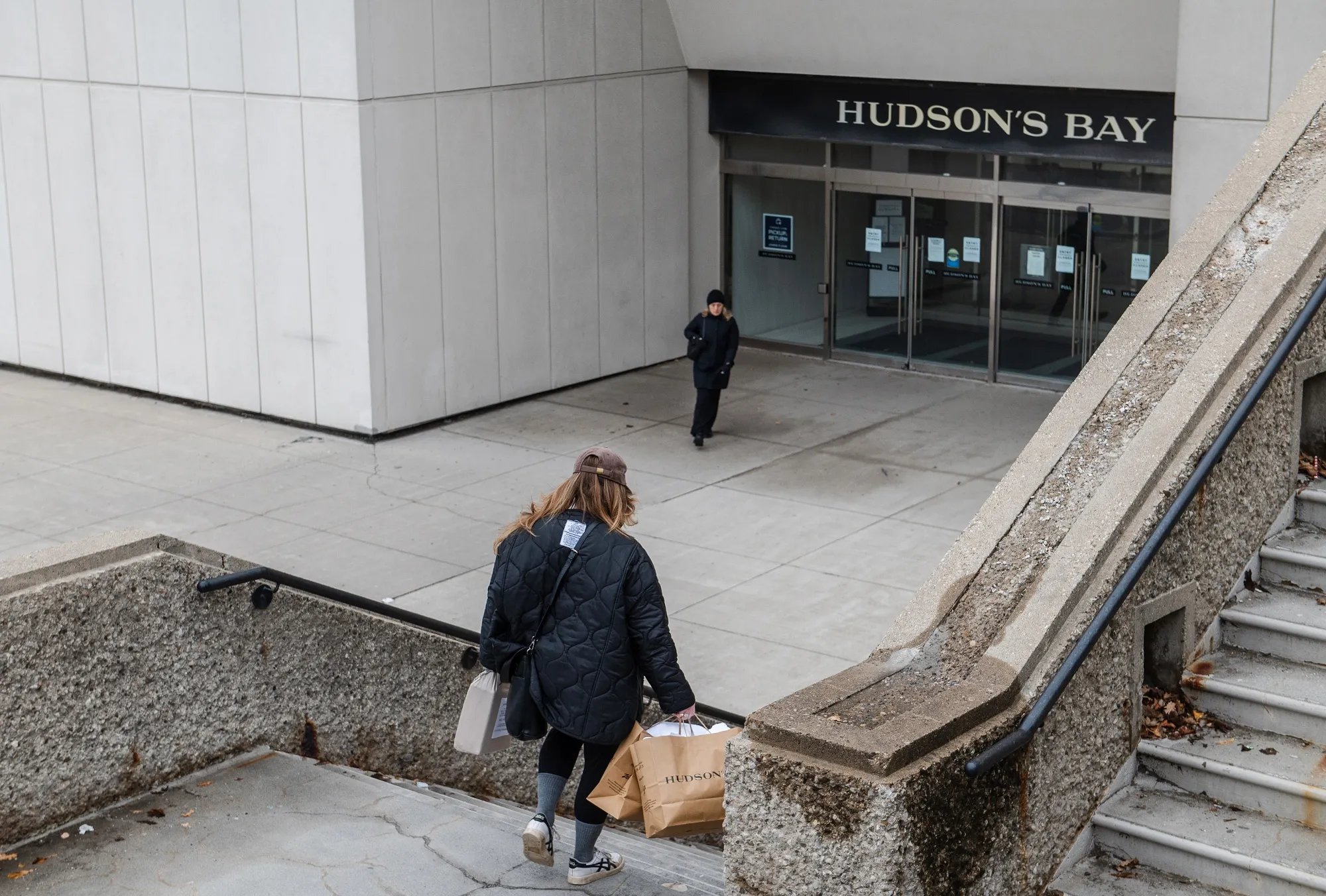
    A Hudson’s Bay store in Toronto before it closed. © Laura Proctor/Bloomberg

    The circumstances that tipped Hudson’s Bay into liquidation include factors that killed storied names like Eaton’s and Lord & Taylor in Canada and the US. Increased competition from e-commerce and from specialized retailers led to declining foot traffic, which then collapsed during the Covid-19 pandemic and didn’t recover anywhere fast enough amid the spike in inflation that followed.

    Liu emerged this year with a plan to turn the tide. Born in 1966 in northeastern China, she started her first business, a clothing wholesaler, when she left school at 16 to help support her family, according to a court submission. 

    After moving to the boomtown of Shenzhen in southeastern China, she began investing in commercial real estate and developed a mall, Yijing Central Walk. After moving to Canada, Liu and her brothersold that mall in 2019, and she and her family began buying properties in British Columbia.

    When Hudson’s Bay filed for court protection from creditors in March, Liu saw another opportunity to deploy her fortune. Initially she wanted to bid for the stores’ intellectual property as well as the leases, which would have allowed her to operate under the Hudson’s Bay brand. 

    Inline Stock

    But when big-box retailer Canadian Tire Corp. CTC.A +2.10% ▲ beat her to the trademarks, Liu went after 25 HBC store leases, which she won in late May, promising to give C$69 million to the defunct company and its creditors, and then spend C$375 million to reopen the stores. She spent another C$6 million buying the leases of the Hudson’s Bay stores at the three malls she owned herself.

    1x 1
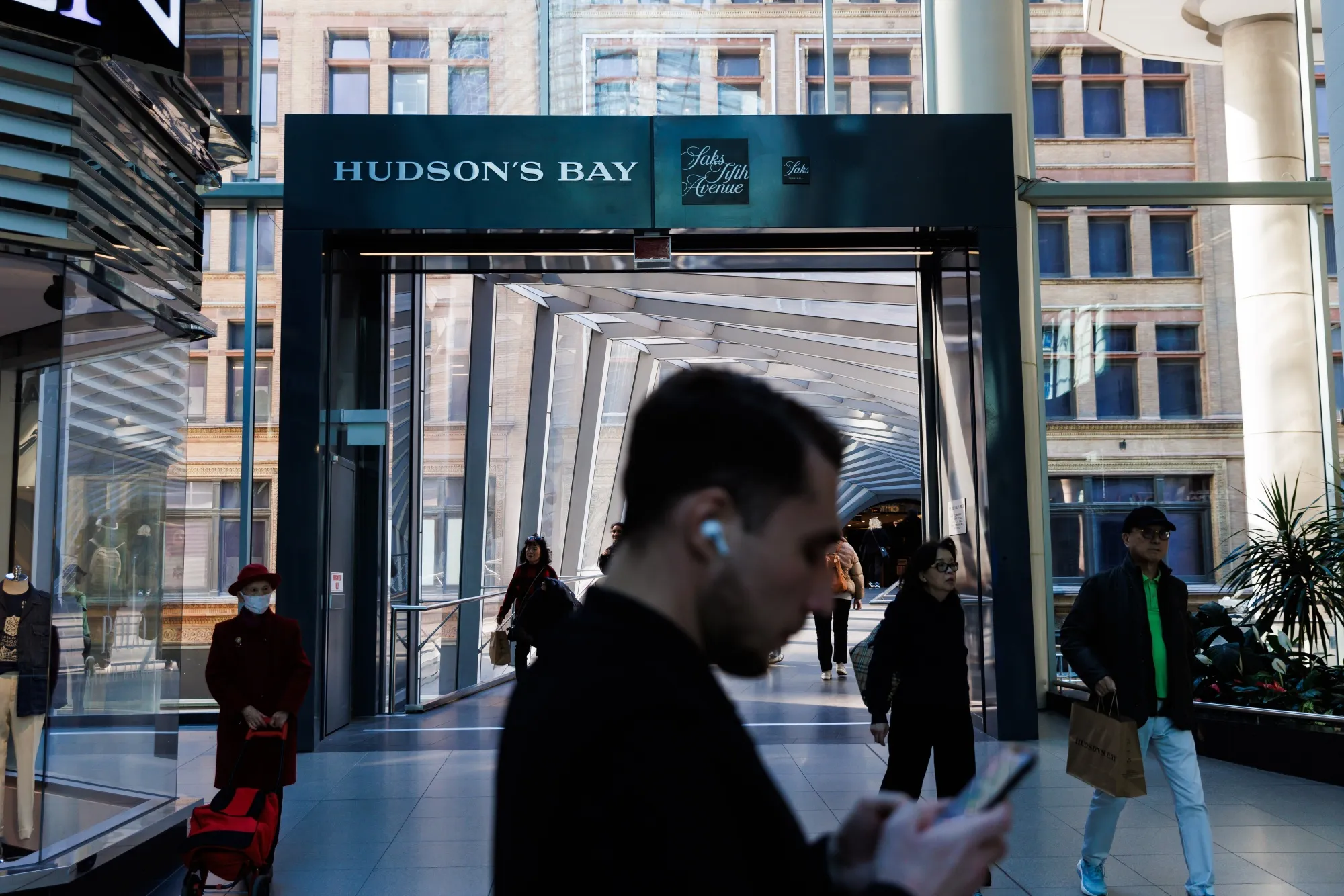
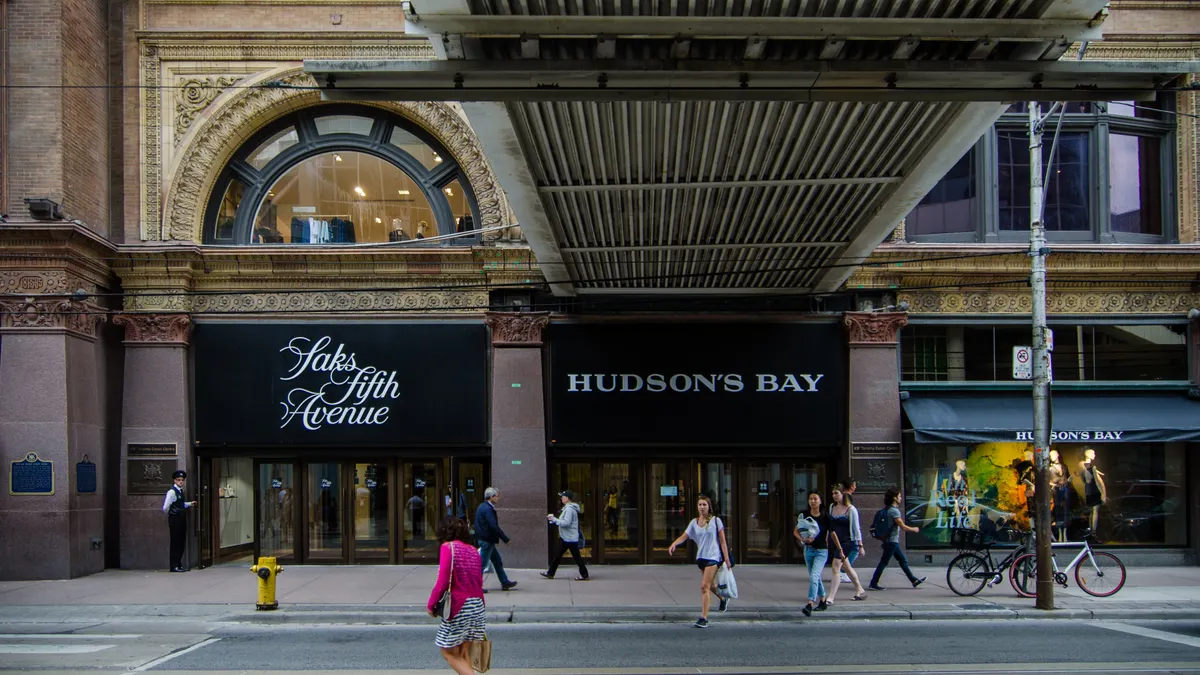
    The entrance to a Hudson’s Bay and Saks Fifth Avenue store in March, shortly before HBC was liquidated. © Cole Burston/Bloomberg

    But then she met with her prospective landlords. These included some of the biggest investors in Canada, including the real estate arm of the Caisse de Depot et Placement du Quebec, real estate firm KingSett Capital Inc. and a pair of public real estate investment trusts. That’s when the opposition began. 

    The landlords’ main complaint after these meetings was Liu’s lack of a detailed plan. Hudson’s Bay stores were typically the largest tenant in a shopping center, so the spaces can make or break the whole property’s success. But the mall owners said they did not come away with any of the information they would typically require to accept such an important tenant.

    “I believed — and continue to believe — that Ms. Liu was improvising her presentation,” Rory MacLeod, a real estate executive at Ontario Teachers’, said in his affidavit.

    Liu later gave the landlords more details, culminating in a business plan at the end of July. But the landlords said many of the targets were unrealistic — from the budget for store repair, to the six-to-12 month timeline for reopening, to the projected sales after that. 

    The fact that Liu’s chain would be launching under a completely new brand — first she suggested The New Bay, before settling on calling the chain Ruby Liu, after herself — made them more leery.

    In social media posts and interviews with Canadian media, Liu shared ideas for the stores that the landlords thought were at odds with their lease terms, including subletting space to run a “mall within a mall,” opening restaurants that might compete with the food court, and introducing children’s playgrounds or exercise studios. 

    Her statements made the landlords doubt Liu intended to follow through on the department-store plans she was presenting, according to court filings. 

    “This was a transparent attempt to obtain landlords’ consent for a concept that Ms. Liu had no intention of pursuing given her prior statements,” Teachers’ MacLeod said. “Ms. Liu had no intention or capability of running a department store.”

    Liu said she made her statements before formalizing her business plan, and the strategy she presented in court was what she intended. Her team also asserted the real reason for the landlords’ objections was that the leases would become void if her bid was rejected, transferring the stores back to them for nothing. 

    Canada is in the midst of a housing crunch that’s sparked an apartment building boom, and some of the country’s major mall owners are converting parts of their properties to residential uses. Liu’s supporters contended the landlords wanted the Hudson’s Bay sites to pursue similar redevelopment. 

    In the years before Hudson’s Bay’s bankruptcy, two of the landlords, La Caisse and the British Columbia Investment Management Corp., paid the retailer tens of millions of dollars to relax lease restrictions and proceed with redevelopment projects at two of their malls, according to submissions by supporters of Liu. The real estate divisions of Ontario Teachers’ and Omers have submitted plans to redevelop a total of four malls at issue in the bankruptcy case, according to the filings.

    Amid this back and forth, Liu received a reprimand from the court for emailing the judge directly. In one message, she praised his “grace,” “dignity,” and “quiet but commanding presence,” and asked, “Is this what I have read of in books — true nobility?” before recounting her own life story.

    Last week, the court-appointed monitor for the bankruptcy process recommended rejecting Liu’s application to buy the leases, meaning the real estate would revert to the landlords. Liu’s plan to launch a new national chain had little chance of success given neither she nor her team had experience in the retail business directly, it said, and another failure would hurt the malls and their owners.

    Ultimately, the judge will decide. In a response to the monitor’s recommendation, Liu said she’s in the process of hiring executives, including former Hudson’s Bay staff, to lead the stores, as well as a consultant to stock them. She said it’s unreasonable to expect these contracts to be signed when she doesn’t know if she’ll get the stores, and that her time building and running malls counts as retail experience. 

    And if the project costs more than she has already committed, Liu said she’s prepared to spend it. 

    “I would not have undertaken this process, expended the time and several million dollars that I have to date, committed my considerable wealth going forward, and proceeded despite the objections of the landlords if I was not fully prepared to fund this venture,” she said in her court filings. “I have no intention to invest C$400 million into a business and then have it fail.”

  • Elon Musk’s ‘retro-futuristic’ Tesla Diner opens in Hollywood, featuring Optimus robots and Cybertruck-themed food boxes

    Elon Musk’s ‘retro-futuristic’ Tesla Diner opens in Hollywood, featuring Optimus robots and Cybertruck-themed food boxes

    Elon Musk’s Optimus robots greeted hungry fans as the mogul’s long-awaited Tesla Diner finally opened its “retro-futuristic” doors along the famed Hollywood strip. 

    The all-night drive-in offers “80 V4 Supercharger stalls” and two giant entertainment screens — where Tesla’s humanoid Optimus robots handed out popcorn to customers who showed up for Monday’s debut.

    The location opened up for orders at 4:20 p.m. local time Monday – Musk’s favorite marijuana-themed reference.

    people wait line opening tesla 108532241
    People wait in line during the opening of the Tesla Diner and Drive-In restaurant and Supercharger on Santa Monica Blvd in the Hollywood neighborhood Los Angeles, California on July 21, 2025. © AFP via Getty Images

    The Tesla CEO shared a number of posts touting the Tesla Diner’s features and urged customers to “try it out.”

    “Aiming to be a fun experience for all, whether Tesla owners or not. Will keep improving,” Musk wrote on X.

    The menu features a number of classic options with locally sourced ingredients, including fried chicken and waffles, a Tesla burger and a Diner club sandwich.

    Some diners received their food in “Cybertruck”-themed boxes resembling Tesla’s stainless steel pickup trick. Cups and cartons of fries featured a distinctive Tesla lightning bolt logo.

    If the original diner concept is successful, Musk said in separate post that Tesla would “establish these in major cities around the world, as well as Supercharger sites on long distance routes.”

    Musk has teased his diner concept online for several years.

    tesla cybertruck inspired food boxes 108532228
    Tesla Cybertruck food boxes were given to customers. © AFP via Getty Images
    tesla cybertruck inspired food boxes 108532228
    Tesla Cybertruck food boxes were given to customers. © AFP/Getty Images
    staffed robots burgers served cybertruck 108533035
    Tesla’s Optimus robots greeted customers and handed out popcorn. © Tesla Club- SoCal / SWNS

    In 2023, Tesla gained approval to move forward with construction on Santa Monica Blvd.

    Customers are able to watch movies on the diner’s giant screens or in their own vehicles by accessing the Tesla diner app.

    Tesla shares were up about 1% in trading Tuesday.

    Musk has refocused his efforts on Tesla after stepping back from President Trump’s Department of Government Efficiency.

    2025 los angeles california futuristic 108537618
    The Tesla Diner was described as a retrofuturistic experience. © ZUMAPRESS.com

    The two had a public falling-out over the president’s “Big Beautiful Bill,” with Musk even declaring plans to launch his own political party.

    Meanwhile, Tesla is looking to reverse a recent vehicle sales slump.

    Musk has touted the long-term prospects of the company’s technology, especially its Optimus robots and self-driving Robotaxi fleet, which recently debuted in Austin, Texas.

  • Walmart intends to increase the cost of goods for shoppers due to import taxes

    Walmart intends to increase the cost of goods for shoppers due to import taxes

    Walmart Inc. (NYSE: WMT), the world’s largest retailer, announced on Tuesday that it will begin raising prices on a broad range of consumer goods in the coming months, citing the intensifying impact of U.S. tariffs on Chinese imports and other global supply chain disruptions. The announcement marks a pivotal shift for the retail giant, which has long absorbed tariff-related costs to protect its price-sensitive customer base.

    The move comes as the Biden administration recently expanded tariffs on key Chinese goods—including electric vehicles, semiconductors, and solar components—adding $380 billion in new levies and pushing the average U.S. tariff rate to its highest level in decades. Walmart executives now say the “buffer period” is ending.

    “We’ve managed to shield our customers from much of the trade war’s fallout over the last five years,” said John Furner, President and CEO of Walmart U.S., during the company’s Q1 2025 earnings call. “But with the latest round of tariffs and persistent supply chain inflation, we expect to pass through more costs to consumers.”

    Walmart sources a significant portion of its merchandise—especially electronics, apparel, and home goods—from Asia, with China historically representing over 25% of its import base. While the company has diversified its supply chain in recent years, new tariffs and retaliatory measures by trading partners are making global procurement increasingly expensive.

    “The global tariff environment has changed materially,” said Chief Financial Officer John David Rainey. “These are not short-term headwinds. They are structurally altering input costs, shipping dynamics, and product margins.”

    Walmart indicated that categories likely to see the sharpest price increases include:

    • Consumer Electronics: Affected by 25% tariffs on Chinese-made components such as microchips and lithium-ion batteries.
    • Home Appliances: Including air conditioners and washing machines, many of which rely on Chinese steel and circuit boards.
    • Seasonal Goods and Apparel: Where production has been slower to move away from China or Vietnam.

    Company officials declined to specify the exact price increases but confirmed that in-store and online pricing adjustments will begin rolling out by mid-summer.

    Walmart’s announcement underscores what many economists have long warned: that while large corporations initially absorbed much of the tariff shock, the cumulative effect is eventually borne by consumers.

    “Tariffs function like a hidden tax on the American middle class,” said Beth Ann Bovino, U.S. Chief Economist at S&P Global. “For years, retailers buffered the impact. But the dam is breaking.”

    Consumer watchdog groups are now bracing for inflationary pressures to accelerate again. The Consumer Price Index (CPI) rose 0.4% in April—driven largely by food, energy, and household goods—and economists say a wave of retail price hikes could fuel another surge.

    At Walmart, average basket prices are still up 7% year-over-year, even before the new tariffs fully hit shelves.

    The price hikes are also expected to become a flashpoint in the 2024 presidential race, with both parties accusing the other of mismanaging trade policy.

    While President Biden has defended the tariffs as “strategic economic tools” to counter unfair practices and promote U.S. manufacturing, Republicans have blasted the levies as regressive and inflationary.

    “Every time Washington escalates a trade war, working families pay the price,” said Senator Josh Hawley (R-MO). “Walmart’s warning is just the beginning.”

    At the same time, labor unions and domestic manufacturers have welcomed the tariffs, arguing they level the playing field and create American jobs. The CHIPS Act and Inflation Reduction Act, for example, have spurred billions in U.S. investment.

    To its credit, Walmart has so far navigated geopolitical turbulence better than most. It expanded sourcing in Mexico, India, and Vietnam, invested heavily in automation, and secured long-term logistics contracts to buffer freight volatility. Analysts have praised its supply chain agility and price discipline.

    But the latest wave of tariffs, especially those targeting raw materials and components used in American-assembled products, has created what executives call an “inescapable cost environment.”

    “We’re not just importing finished goods anymore,” said Rainey. “Tariffs now hit upstream components that show up in U.S.-made items, too.”

    Despite the challenges, Walmart reiterated its commitment to affordability, especially as U.S. consumers become more price-conscious. The retailer reported better-than-expected Q1 earnings, with revenue rising 5.1% year-over-year to $162 billion, but cautioned that margins will tighten in the coming quarters.

    Walmart’s decision to raise prices marks a turning point in America’s tariff-era economy. For years, the retailer’s scale and supply chain muscle helped mute the impact of trade wars. But with tariff walls rising and inflationary pressure mounting, even the strongest players are signaling that the burden is shifting—to consumers.

    Whether these hikes are short-term adjustments or a new normal remains to be seen. But for millions of Walmart shoppers, the checkout line is about to become the frontline of U.S. trade policy.


    Data Snapshot:

    • Tariff Exposure: Over 30% of Walmart’s imports originate from countries impacted by new U.S. tariffs.
    • Consumer Price Impact: Walmart basket prices have increased 7% YoY; projected to rise another 3–5% by Q3 2025.
    • U.S. Tariff Revenue: $92 billion in 2023 (U.S. Treasury), triple 2016 levels.
    • Top Categories at Risk: Electronics, home goods, small appliances, and apparel.
    • Sourcing Shift: 12% increase in India and Mexico sourcing since 2022.
  • M&S says customer data stolen in cyber attack

    M&S says customer data stolen in cyber attack

    Marks & Spencer has revealed that some personal customer data was stolen in the recent cyber attack, which could include telephone numbers, home addresses and dates of birth.

    The High Street giant said the personal information taken could also include online order histories, but added the data theft did not include useable payment or card details, or any account passwords.

    M&S was hit by the cyber attack three weeks ago and is struggling to get services back to normal, with online orders still suspended.

    The retailer said customers would be prompted to reset account passwords “for extra peace of mind”.

    The ongoing problems are costing the retailer £43m a week in lost sales, according to analysis from Bank of America Global Research.

    M&S chief executive Stuart Machin said the company was writing to customers to inform them that “unfortunately, some personal customer information has been taken”.

    “Importantly, there is no evidence that the information has been shared,” he added.

    However, it is understood that the hackers could yet share or sell on the stolen data as part of their attempts to extort M&S, which still represents a risk of identity fraud.

    The retailer has not revealed how many of its customers have had their data stolen, but said it had emailed all website users to inform them, reported the case to the relevant authorities and was working with cyber security experts to monitor any developments.

    According to its last full-year results, the company had some 9.4 million active online customers in the year to 30 March.

    Mr Machin said M&S was “working around the clock to get things back to normal” as quickly as possible.

    Marks and Spencer was not the only retailer to suffer a cyber incident of this nature.

    The Co-op, which experienced a similar attack, is expected to resume online ordering services for its suppliers, on Wednesday.

    Media reports, first cited in The Grocer magazine, say the retailer has told suppliers to prepare for some “volatility”..

    What has been taken?

    M&S confirmed the contact information stolen could include:

    • name
    • date of birth
    • telephone number
    • home address
    • household information
    • email address
    • online order history

    The retailer added any card information taken would not be useable as it does not hold full card payment details on its systems.

    What should you do?

    M&S has said people do not need to take any action, but has also said:

    • users will be prompted to reset their password for their online account
    • customers should be cautious as they “might receive emails, calls or texts claiming to be from M&S when they are not”
    • M&S will never contact you and ask for personal account information like usernames or passwords

    Lisa Barber, tech editor at consumer group Which?, said it was concerning that criminals had gained access to information that could be used for identity fraud.

    “It’s always a good idea to change your password as soon as possible if there’s been a security breach and to ensure your new password is unique from any other online accounts,” she said.

    Matt Hull, head of threat intelligence at cyber security company NCC Group, said attackers who have stolen personal information can use it to “craft very convincing scams”.

    “If you’re unsure about an email’s authenticity, don’t click any links. Instead, visit the company’s website directly to verify any claims.”

    How did the hack happen?

    Problems at M&S began over the Easter weekend when customers reported problems with Click & Collect and contactless payments in stores.

    The company confirmed it was dealing with a “cyber incident” and while in-store services have resumed, its online orders on its website and app have been suspended since 25 April.

    There is still no word on when online orders will resume.

    M&S’ announcement that customer data had been stolen as part of the ongoing cyber attack was expected due to the nature of the attack.

    The hackers behind it, who also recently targeted Co-op and Harrods, used the DragonForce cyber crime service to carry out the attacks.

    DragonForce operates an affiliate cyber crime service on the darknet for anyone to use their malicious software and website to carry out attacks and extortions.

    The group is known to use a double extortion method, which means they steal a copy of their victim’s data as well as scramble it to make it unusable.

    They can then effectively ask for a ransom for both unscrambling the data and deleting their copy.

    However, if the person or business hacked does not want to pay a ransom, criminals can in some cases start leaking the stolen data to other cyber criminals, who could look to carry out further attacks to gain more sensitive data.

    At the moment, DragonForce’s darknet website does not have any entries about M&S.

    ‘It’s costing them fortunes’

    Jackie Naghten, a business consultant who has worked with big retailers including M&S, Arcadia and Debenhams, told the BBC that the hierarchy at M&S would be taking the data breach “very seriously”, but warned modern logistics in retail were “massively complex”.

    “I feel they have been keeping their powder dry. If they have not got anything positive to say then they are not saying anything,” she said.

    Ms Naghten said on the whole customers were showing a lot of support and sympathy to the retailer.

    But she added it was likely M&S had “another week” before it would have to provide information on when normal service would resume.

    “It’s absolutely costing them fortunes,” she said.

    Shares in M&S are down some 12% over the past month.