Category: Store

  • Sainsbury’s Confirms Talks to Offload Argos to China’s JD.com

    Sainsbury’s Confirms Talks to Offload Argos to China’s JD.com

    3112536 sainsburysedinburgh 96047

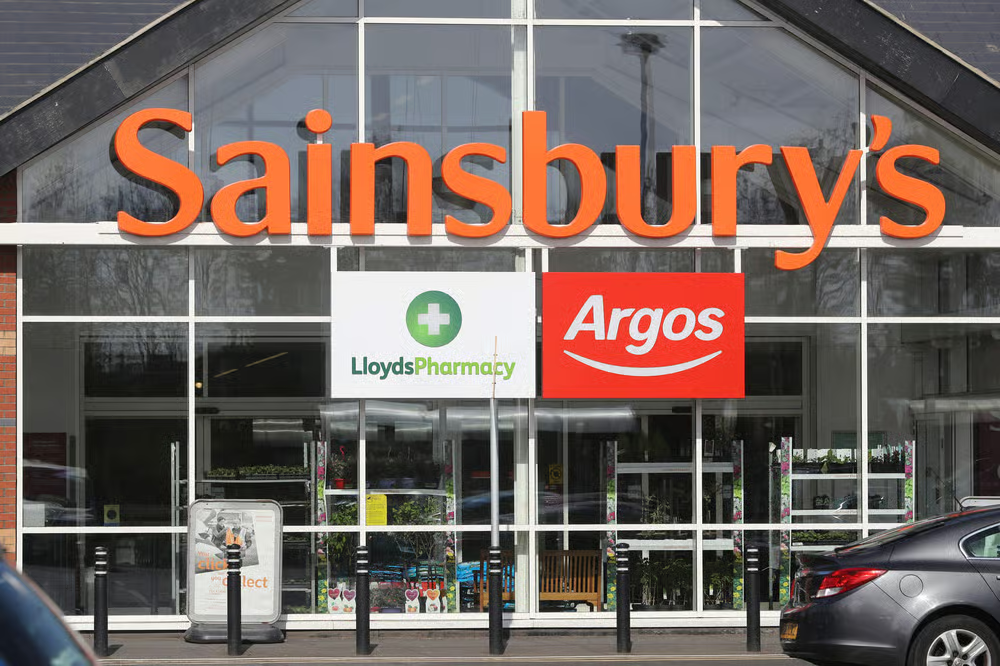
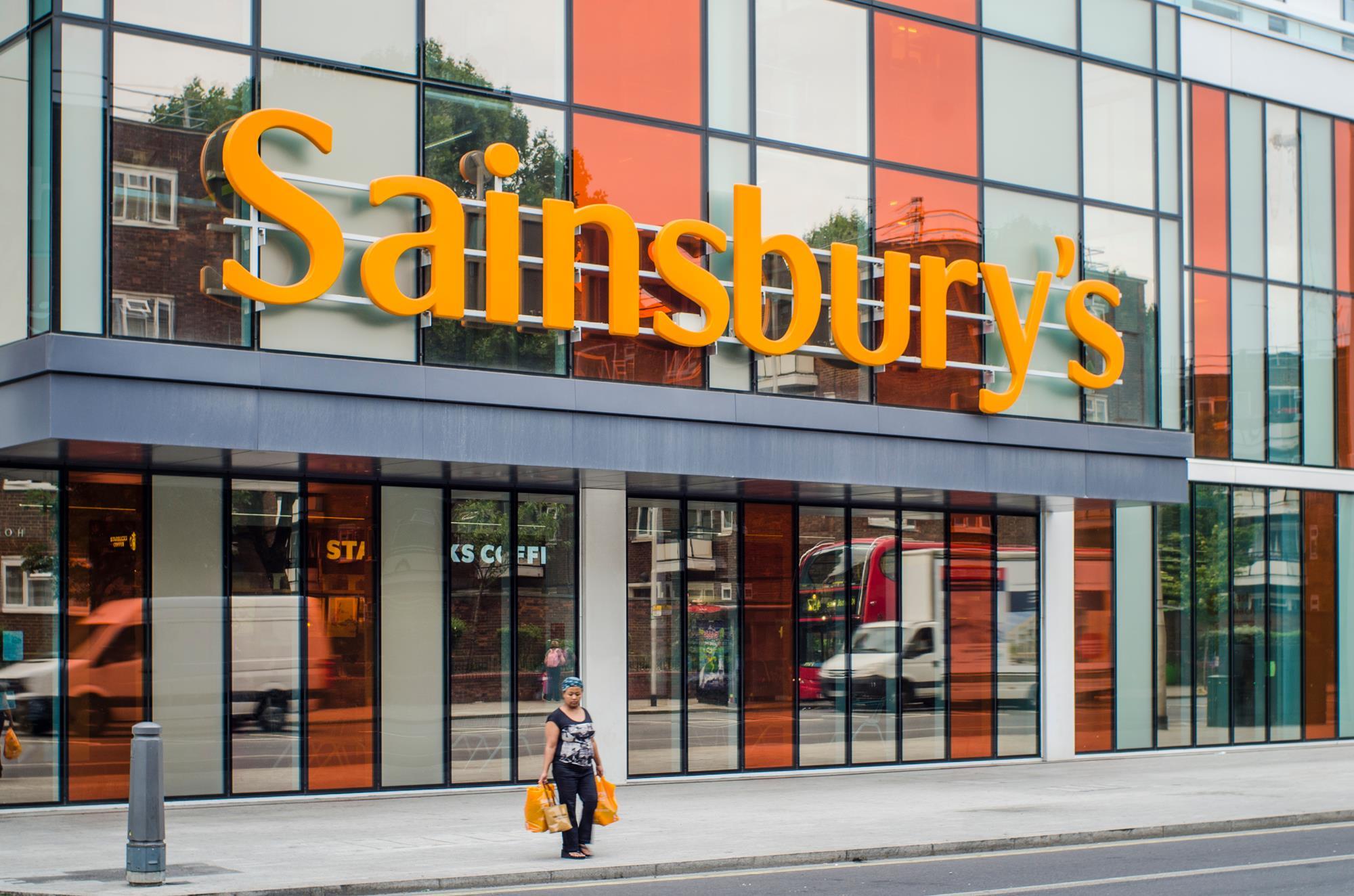
    LONDON – In a move that has sparked fresh debates over British economic sovereignty, Sainsbury’s, the iconic high street supermarket chain, has confirmed it is in advanced talks to offload its subsidiary Argos to JD.com, one of China’s burgeoning e-commerce behemoths. The potential deal, announced on Saturday, comes at a time when UK businesses are under increasing scrutiny for their vulnerability to foreign acquisitions, particularly from state-influenced enterprises in Beijing.

    Sainsbury’s, a cornerstone of British retail for over 150 years, acquired Argos in a £1.4 billion deal back in 2016 as part of a strategy to bolster its non-food offerings and compete in the digital age. Now, just eight years later, the company appears poised to hand over the keys to what it describes as the UK’s second-largest general merchandise retailer. Argos boasts the third most visited retail website in the country and operates more than 1,100 collection points, making it a vital player in everyday British shopping habits.

    In an official statement released over the weekend, Sainsbury’s emphasized its commitment to Argos’ future while framing the potential sale as a strategic accelerator. “Sainsbury’s is committed to delivering the strongest and most successful future for Argos customers and colleagues and the group’s ‘More Argos, more often’ transformation strategy is delivering solid progress,” the statement read. It went on to highlight the purported benefits of partnering with JD.com: “A transaction with JD.com would accelerate Argos’ transformation. JD.com would bring world-class retail, technology and logistics expertise and invest to drive Argos’ growth and further transform the customer experience.”

    The statement also included assurances about protections for stakeholders, noting that “the terms of any possible transaction would include commitments from JD.com in relation to Argos for the benefit of customers, colleagues and partners.” However, Sainsbury’s was quick to temper expectations, adding that “no deal has currently been struck and there is no certainty at this stage that any transaction will proceed.”

    Critics from the conservative wing of British politics have already voiced alarm, viewing the talks as symptomatic of a broader erosion of UK control over key retail assets in the post-Brexit era. With China’s economic footprint expanding aggressively across Europe, there are fears that JD.com’s involvement could expose sensitive consumer data and supply chains to Beijing’s oversight. “This isn’t just a business deal; it’s a question of who controls the high street,” said one Tory MP speaking off the record. “We fought for sovereignty outside the EU, only to watch it slip into the hands of a regime that doesn’t play by the same rules.”

    JD.com, founded in 2004 and listed on the Nasdaq in 2014 as the first major Chinese e-commerce firm to do so, positions itself as a “leading supply chain-based technology and service provider which integrates traditional industry features with cutting-edge digital technology and capabilities,” according to its official website. The company has grown into a formidable rival to Alibaba, boasting a vast logistics network and investments in AI-driven retail innovations. Yet, its ties to the Chinese Communist Party—through mandatory state collaborations and data-sharing requirements—have long raised eyebrows among Western regulators.

    For Sainsbury’s, the sale aligns with a broader pivot under CEO Simon Roberts, who has been steering the company toward a food-first focus amid slumping profits in general merchandise. Argos has been integral to Sainsbury’s digital expansion, with in-store collection points driving foot traffic and online sales surging during the pandemic. But with e-commerce giants like Amazon dominating the market, the retailer may see JD.com’s expertise as a lifeline—albeit one that comes with geopolitical strings attached.

    The discussions come against a backdrop of heightened UK-China tensions, including recent blocks on Chinese investments in critical infrastructure and ongoing probes into tech transfers. If the deal proceeds, it would likely face rigorous scrutiny from the Competition and Markets Authority (CMA) and possibly the National Security and Investment Act, which empowers the government to intervene in foreign takeovers deemed risky.

    As Britain grapples with balancing economic growth and national interests, the fate of Argos could serve as a litmus test for how far Conservative policymakers are willing to go in protecting domestic icons from overseas predators. For now, Sainsbury’s insists the talks are exploratory, but the mere prospect has reignited calls for tougher safeguards on British assets.

  • Real estate tycoon battles Canadian pension funds for control of a mall

    Real estate tycoon battles Canadian pension funds for control of a mall

    1x 1
    Ruby Liu © Darryl Dyck/The Canadian Press/AP Photo

    Few people in Canada had heard of Ruby Liu when she emerged this year with an ambitious plan to reinvent dozens of shuttered Hudson’s Bay Co. outlets, the remnants of a bankrupt department store chain that’s played an outsize role in the country’s history.

    The owner of three shopping centers and a golf course in British Columbia, Liu said she reaped $1 billion building and selling a mall in China. She now intends to spend about C$450 million ($325 million) buying the leases of 25 Hudson’s Bay stores for a new retail chain. 

    But Liu’s prospective landlords, which include some of Canada’s biggest pension funds, bitterly oppose having Liu as a tenant after a series of disastrous in-person meetings. Accounts of these discussions reveal a titanic clash of styles.

    One executive from Ontario Teachers’ Pension Plan testified in a sworn affidavit that when asked for her business plan, Liu said she was “not allowed to share it” until they struck a deal — after which the pension executives walked out while Liu tried to block the door.

    At another meeting, executives inquired about Liu’s progress in securing inventory for her proposed store network. She replied: “Relax, lay back and do not worry,” according to a statement filed in court by a vice-president from the real estate arm of Ontario Municipal Employees Retirement System. 

    For her part, Liu said she believes the landlords always opposed her tenancy because the underlying real estate is more valuable for development than as department stores.

    The case is back before the court Thursday. Whatever the judge decides, the saga has added a notable postscript to the history of North America’s oldest corporation. 

    Granted its charter by the British crown in the 17th century, Hudson’s Bay evolved from a fur trader that facilitated European settlement in North America into Canada’s most iconic department store chain. 

    Now, the battle for its afterlife is pitting the personalized entrepreneurship that made Liu rich in China against the business-school polish of Canadian real estate executives. The result has seemingly been mutual incomprehension. But what the two camps are really arguing about are the changes to the retail business that sunk Hudson’s Bay after 355 years, and how best to adapt. 

    “Unlike many, I do not regard in-person shopping as a dying industry,” Liu said in her submissions to the court. “The landlords’ concerns are misguided and suggest that I am not prepared to do what is necessary to make the venture successful.”

    A spokesperson for Liu declined a request for an interview. The property arm of Omers declined to comment while the matter is before the court, and a spokesperson for Ontario Teachers’ did not respond to an email requesting comment.

    1x 1
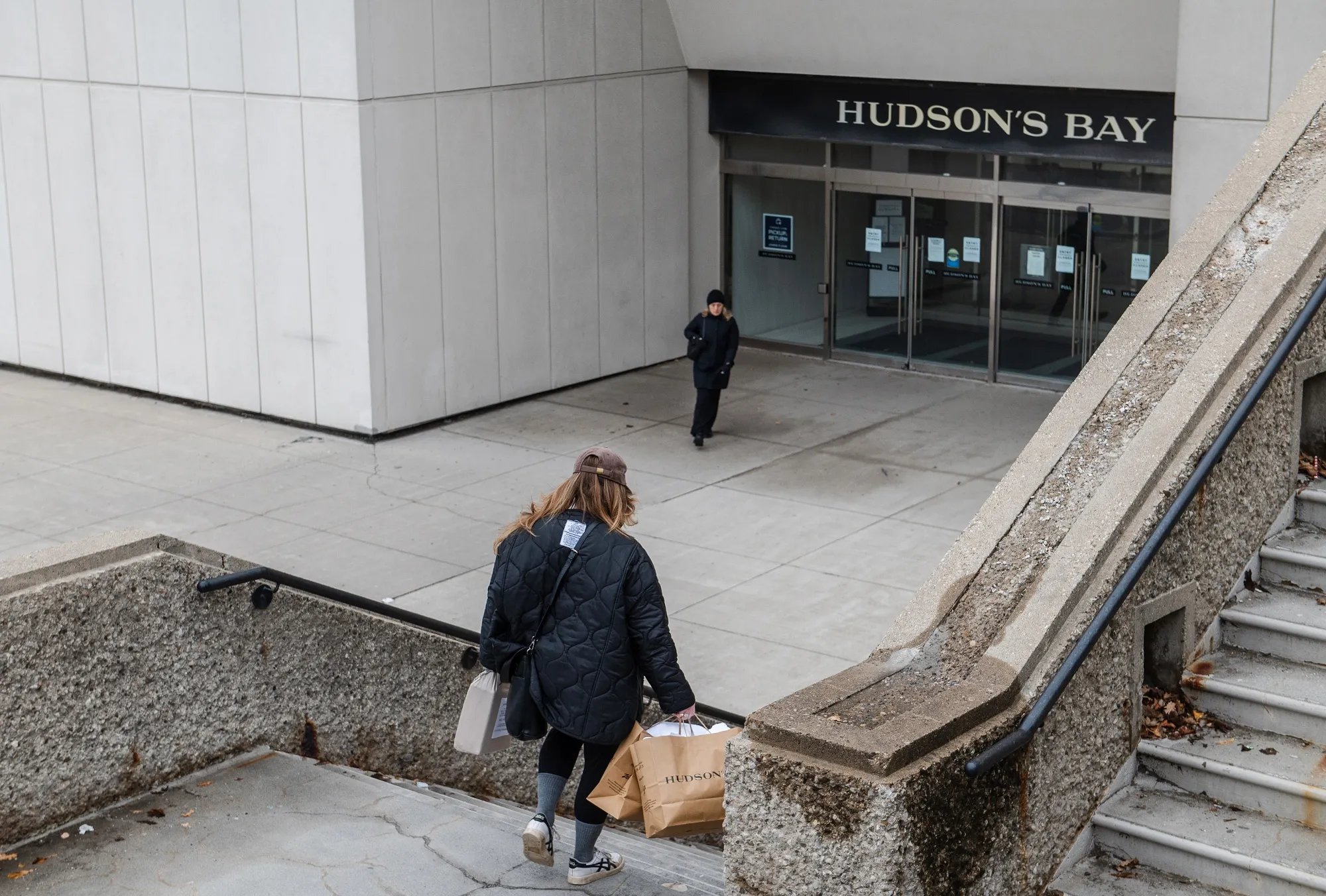
    A Hudson’s Bay store in Toronto before it closed. © Laura Proctor/Bloomberg

    The circumstances that tipped Hudson’s Bay into liquidation include factors that killed storied names like Eaton’s and Lord & Taylor in Canada and the US. Increased competition from e-commerce and from specialized retailers led to declining foot traffic, which then collapsed during the Covid-19 pandemic and didn’t recover anywhere fast enough amid the spike in inflation that followed.

    Liu emerged this year with a plan to turn the tide. Born in 1966 in northeastern China, she started her first business, a clothing wholesaler, when she left school at 16 to help support her family, according to a court submission. 

    After moving to the boomtown of Shenzhen in southeastern China, she began investing in commercial real estate and developed a mall, Yijing Central Walk. After moving to Canada, Liu and her brothersold that mall in 2019, and she and her family began buying properties in British Columbia.

    When Hudson’s Bay filed for court protection from creditors in March, Liu saw another opportunity to deploy her fortune. Initially she wanted to bid for the stores’ intellectual property as well as the leases, which would have allowed her to operate under the Hudson’s Bay brand. 

    Inline Stock

    But when big-box retailer Canadian Tire Corp. CTC.A +2.10% ▲ beat her to the trademarks, Liu went after 25 HBC store leases, which she won in late May, promising to give C$69 million to the defunct company and its creditors, and then spend C$375 million to reopen the stores. She spent another C$6 million buying the leases of the Hudson’s Bay stores at the three malls she owned herself.

    1x 1
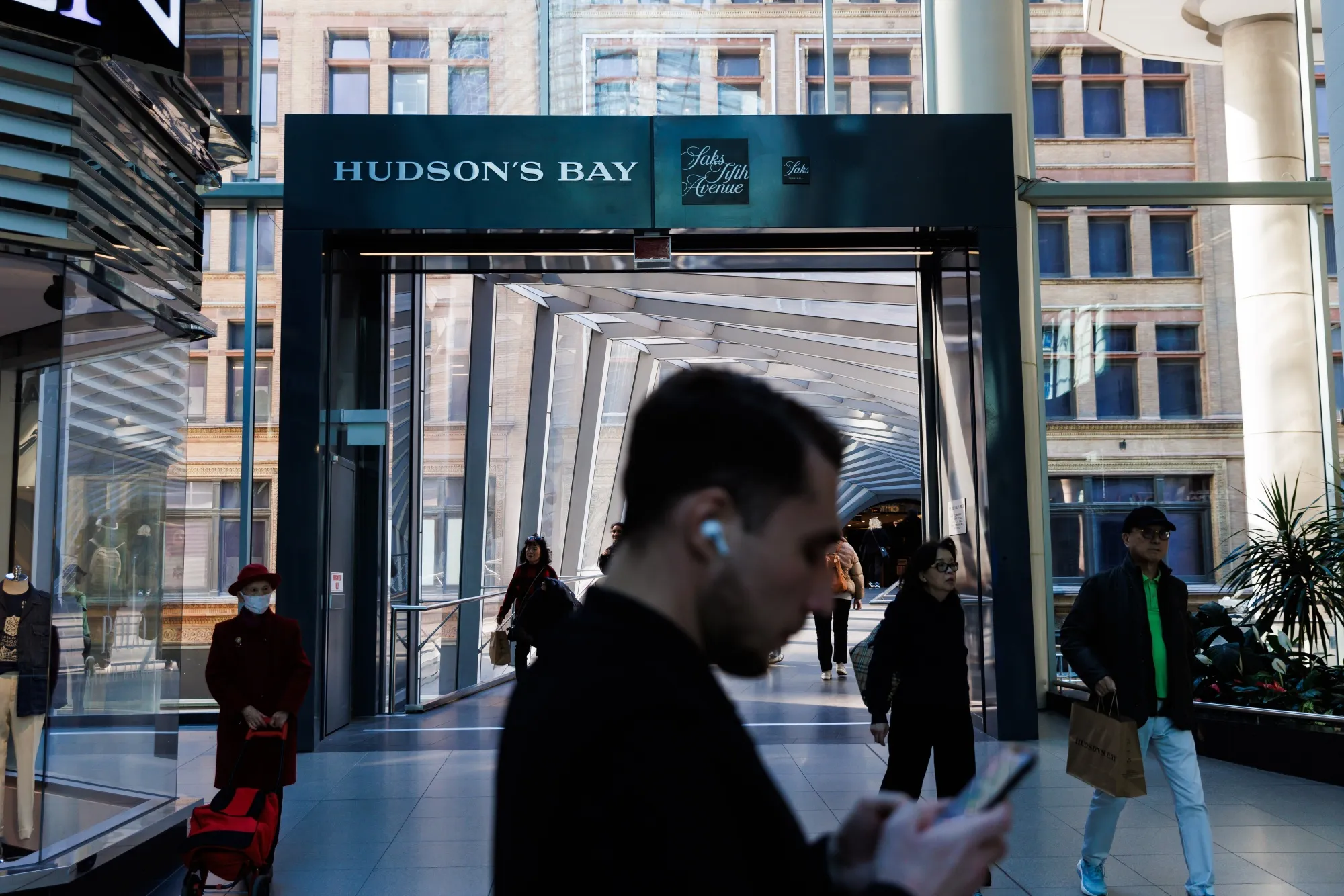
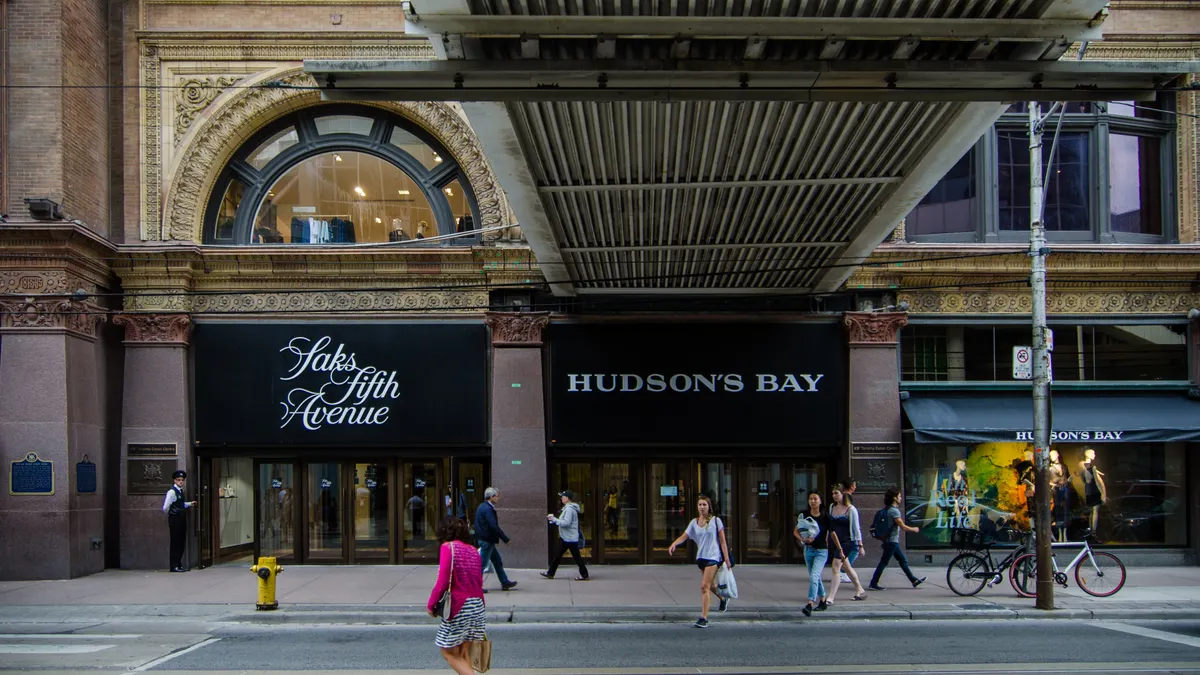
    The entrance to a Hudson’s Bay and Saks Fifth Avenue store in March, shortly before HBC was liquidated. © Cole Burston/Bloomberg

    But then she met with her prospective landlords. These included some of the biggest investors in Canada, including the real estate arm of the Caisse de Depot et Placement du Quebec, real estate firm KingSett Capital Inc. and a pair of public real estate investment trusts. That’s when the opposition began. 

    The landlords’ main complaint after these meetings was Liu’s lack of a detailed plan. Hudson’s Bay stores were typically the largest tenant in a shopping center, so the spaces can make or break the whole property’s success. But the mall owners said they did not come away with any of the information they would typically require to accept such an important tenant.

    “I believed — and continue to believe — that Ms. Liu was improvising her presentation,” Rory MacLeod, a real estate executive at Ontario Teachers’, said in his affidavit.

    Liu later gave the landlords more details, culminating in a business plan at the end of July. But the landlords said many of the targets were unrealistic — from the budget for store repair, to the six-to-12 month timeline for reopening, to the projected sales after that. 

    The fact that Liu’s chain would be launching under a completely new brand — first she suggested The New Bay, before settling on calling the chain Ruby Liu, after herself — made them more leery.

    In social media posts and interviews with Canadian media, Liu shared ideas for the stores that the landlords thought were at odds with their lease terms, including subletting space to run a “mall within a mall,” opening restaurants that might compete with the food court, and introducing children’s playgrounds or exercise studios. 

    Her statements made the landlords doubt Liu intended to follow through on the department-store plans she was presenting, according to court filings. 

    “This was a transparent attempt to obtain landlords’ consent for a concept that Ms. Liu had no intention of pursuing given her prior statements,” Teachers’ MacLeod said. “Ms. Liu had no intention or capability of running a department store.”

    Liu said she made her statements before formalizing her business plan, and the strategy she presented in court was what she intended. Her team also asserted the real reason for the landlords’ objections was that the leases would become void if her bid was rejected, transferring the stores back to them for nothing. 

    Canada is in the midst of a housing crunch that’s sparked an apartment building boom, and some of the country’s major mall owners are converting parts of their properties to residential uses. Liu’s supporters contended the landlords wanted the Hudson’s Bay sites to pursue similar redevelopment. 

    In the years before Hudson’s Bay’s bankruptcy, two of the landlords, La Caisse and the British Columbia Investment Management Corp., paid the retailer tens of millions of dollars to relax lease restrictions and proceed with redevelopment projects at two of their malls, according to submissions by supporters of Liu. The real estate divisions of Ontario Teachers’ and Omers have submitted plans to redevelop a total of four malls at issue in the bankruptcy case, according to the filings.

    Amid this back and forth, Liu received a reprimand from the court for emailing the judge directly. In one message, she praised his “grace,” “dignity,” and “quiet but commanding presence,” and asked, “Is this what I have read of in books — true nobility?” before recounting her own life story.

    Last week, the court-appointed monitor for the bankruptcy process recommended rejecting Liu’s application to buy the leases, meaning the real estate would revert to the landlords. Liu’s plan to launch a new national chain had little chance of success given neither she nor her team had experience in the retail business directly, it said, and another failure would hurt the malls and their owners.

    Ultimately, the judge will decide. In a response to the monitor’s recommendation, Liu said she’s in the process of hiring executives, including former Hudson’s Bay staff, to lead the stores, as well as a consultant to stock them. She said it’s unreasonable to expect these contracts to be signed when she doesn’t know if she’ll get the stores, and that her time building and running malls counts as retail experience. 

    And if the project costs more than she has already committed, Liu said she’s prepared to spend it. 

    “I would not have undertaken this process, expended the time and several million dollars that I have to date, committed my considerable wealth going forward, and proceeded despite the objections of the landlords if I was not fully prepared to fund this venture,” she said in her court filings. “I have no intention to invest C$400 million into a business and then have it fail.”

  • UK Stores Halt Sales of Viral Plush Toy Labubu Following Reports of Fights

    UK Stores Halt Sales of Viral Plush Toy Labubu Following Reports of Fights


    Labubu, a palm-sized plush toy with sharp teeth and a cult following, has become a toy too popular to sell.

    After chaotic scenes of queueing, crowd surges and reported fights, distributor Pop Mart has suspended all in-store sales of the collectible across the United Kingdom.

    “Due to the increasing demand for our beloved Labubus, we’ve seen a significant rise in customer turnout on restock days — with long queues forming outside our stores and Roboshops (self-service stores),” the Chinese-based toy company wrote in an Instagram post Tuesday.

    “To ensure the safety and comfort of everyone, we will temporarily pause all in-store and roboshop sales of THE MONSTERS plush toys until further notice.” Online sales, however, will continue as usual, it added.

    f webp
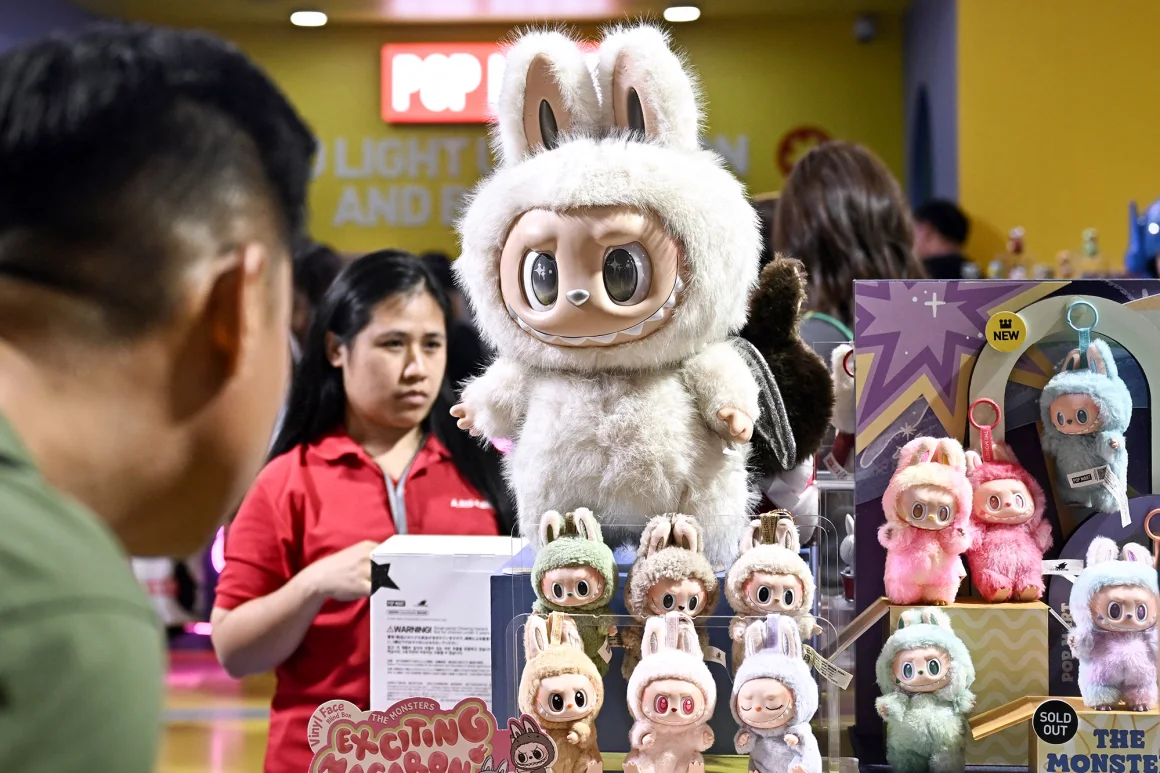
    Labubu toys at a Pop Mart pop-up store in Siam Center shopping mall in Bangkok, seen on May 6, 2025. (Lillian Suwanrumpha/AFP/Getty Images)

    Labubu is the brainchild of Hong Kong-born illustrator Kasing Lung, and it has quietly built a loyal following since its 2015 debut.

    But in recent months, the bunny-bodied, elf-faced creature — equal parts grotesque and adorable — has soared in popularity. Stars including Rihanna, Dua Lipa, and Lisa from Blackpink have worn the toys like charms, and they were were even spotted at Paris Fashion Week this year.

    The effect is evident in the numbers, as Pop Mart is enjoying meteoric growth both at home in China and overseas.

    In 2024, Pop Mart’s revenue outside China skyrocketed 375.2% to 5.07 billion yuan ($700 million). Labubus alone generated 3 billion yuan ($420 million) of the company’s 13.04 billion yuan ($1.8 billion) total revenue last year.

    Across TikTok, content featuring Labubus ranges from euphoric unboxings to clips of brawls outside stores. The hashtag “Labubu” now carries more than 1.4 million posts, and on resale platforms such as StockX the plushies are fetching hundreds of dollars, compared with a standard retail price of up to $85.

    For some, the frenzy has tipped into absurdity.

    “Don’t risk your life for a Labubu,” read the caption on one TikTok video from Victoria Calvert. The video — now viewed more than 100,000 times — captured the escalating chaos at a Pop Mart location in London.

    “There’s people in balaclavas running to the front,” she said in the video, warning others to stay away.

    Calvert told CNN that she “left pretty quickly” when people “started to shout names to each other and fight.”

    “That’s when I realized it was a dangerous situation,” she added.

    While some describe such scenes of chaos with a hint of disbelief, others see an upside for Pop Mart in the mayhem.

    Sarah Johnson, founder and director of UK-based retail consultancy Flourish Retail, told CNN the suspension of in-store sales may be about more than just crowd control.

    “Pop Mart pulling Labubus from UK stores seems like a precautionary move to de-escalate the in-store frenzy and protect both their brand and customers,” she told CNN. “At the same time, this kind of decision keeps the product in the spotlight and adds to the sense of scarcity, which only drives further interest and attention online.”

    And nowhere is that more visible than on TikTok, Johnson added, where “a single video showing a long queue, an unboxing or someone finding a ‘rare’ item can go viral in minutes and suddenly everyone wants it.”

    In today’s market, she said, “TikTok has essentially become the new high street window — except it’s open 24/7 and has global reach.”

    A contestant from the ITV reality show “Love Island” revealed Tuesday that she had ended up “in a fight” with a woman in a shop over the sought-after plushies.

    Mal Nicol said she had queued up at a London branch of Pop Mart to bag a Labubu for her 11-year-old cousin’s birthday.

    But Nicol, who has two of the toys herself, was left enraged by a customer nearby.

    “This b*tch, she bought five, she bought five. It’s actually ridiculous,” Nicol said on TikTok.

    “Did I really just get in a fight with someone at Pop Mart? Yes, I did. Yes, I did,” she said.

  • Discount retailer Gabe’s is negotiating a transfer of control to its lenders

    Discount retailer Gabe’s is negotiating a transfer of control to its lenders

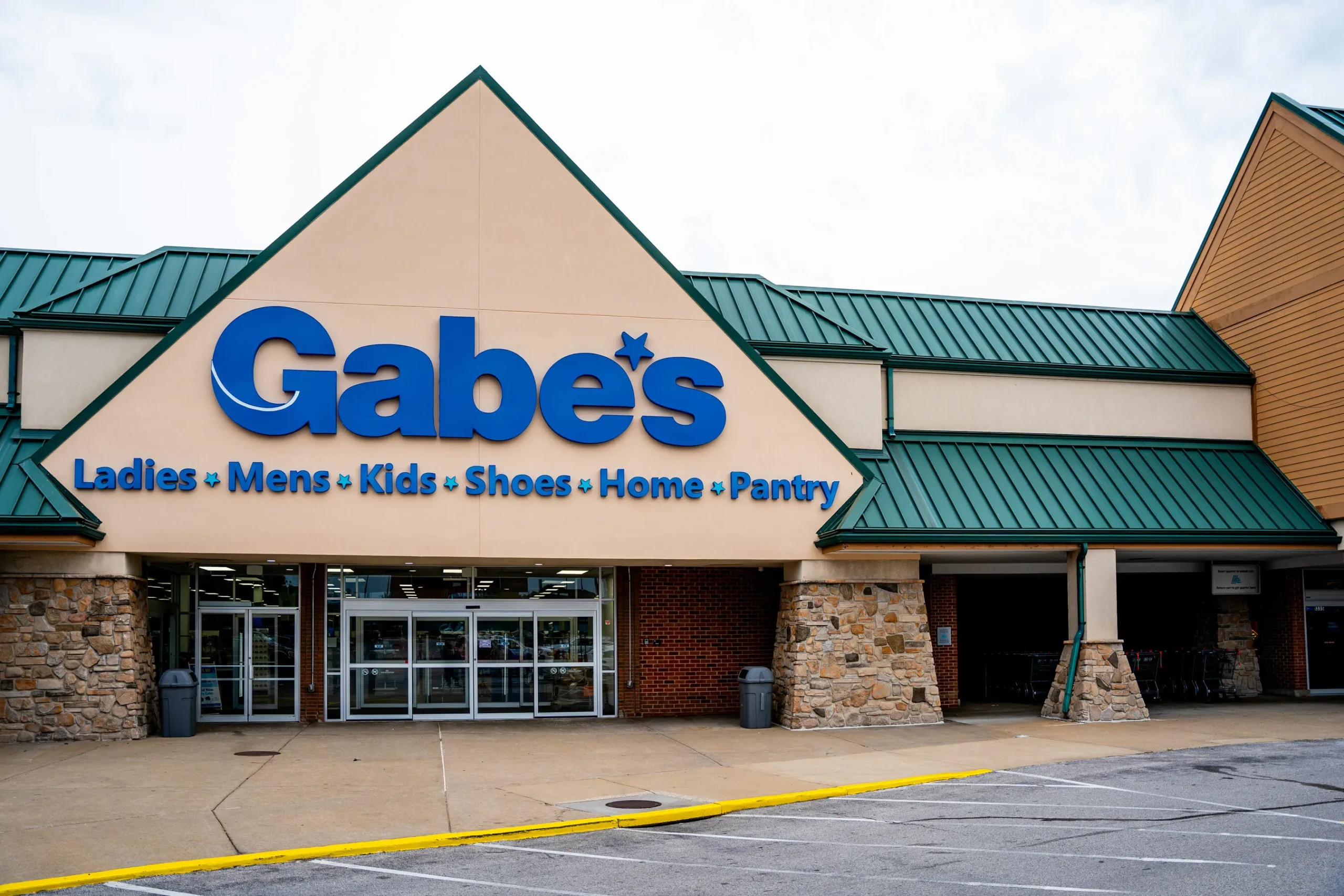
    NEW YORK — Discount retail chain Gabe’s, a popular off-price department store operating over 160 locations across the Mid-Atlantic and Southeast, is in advanced negotiations to hand over control of the company to its lenders, according to people familiar with the matter. The move comes as the company, owned by private equity firm Warburg Pincus, struggles to manage a growing debt load and softening sales in a highly competitive retail environment.

    The potential debt-for-equity swap would give creditors significant ownership in the company, signaling a major shift in the retailer’s structure and potentially marking the end of Warburg Pincus’s majority stake in Gabe’s.

    Founded in 1961 and headquartered in Morgantown, West Virginia, Gabe’s built its reputation on steeply discounted apparel, home goods, and seasonal merchandise. In 2020, the company expanded its footprint by acquiring Old Time Pottery, a Tennessee-based home décor retailer. Combined, Gabe’s and Old Time Pottery operate more than 160 stores in 20 states, serving budget-conscious shoppers in both urban and rural areas.

    But even deep discounts haven’t been enough to shield the company from the dual pressures of inflation-strapped consumers and heightened competition from giants like Dollar General, Burlington, and Walmart. Industry sources say traffic and margins at Gabe’s stores have weakened over the past 18 months.

    Gabe’s is currently carrying hundreds of millions of dollars in debt, much of it dating back to leveraged buyouts and expansion efforts funded under Warburg Pincus’s ownership. People close to the matter say interest costs and operational overheads have significantly eroded free cash flow, leaving the company with limited flexibility to reinvest in store upgrades or digital infrastructure.

    Warburg Pincus, which acquired Gabe’s in 2017, has declined to comment publicly, though sources suggest the firm has been seeking an exit or restructuring solution since late 2023. The private equity firm manages over $80 billion in assets globally.

    Talks with lenders, which include major institutional credit investors and private debt funds, are said to be ongoing but constructive. According to two sources familiar with the process, the restructuring could include:

    • A debt-for-equity conversion that significantly reduces the company’s interest burden
    • A potential injection of fresh capital to support working capital and store operations
    • Operational changes to focus on core markets and divest or shutter underperforming locations

    No final decision has been made, and restructuring outcomes could vary depending on lender consensus and macroeconomic conditions. A Chapter 11 filing is not imminent, according to people briefed on the talks, but remains a backup plan if an out-of-court deal falls apart.

    Gabe’s situation reflects broader challenges in the discount and off-price retail sector. Once seen as recession-resistant, the industry is now facing thinning margins due to supply chain costs, rising minimum wages, and shifting consumer behavior.

    “Off-price retailers used to thrive in uncertain economies,” said retail analyst Caroline Myles of Piper Sandler. “But now, they’re caught in a squeeze—consumers are stretched thin, and many of these chains are underinvested in e-commerce, which is where price-savvy shoppers are increasingly going.”

    Myles noted that many discount retailers owned by private equity firms have faced similar financial pressures, with some opting for restructurings or distressed asset sales in recent years.

    If Gabe’s can successfully restructure its debt and stabilize operations, the company could retain a significant footprint in its key regions, where it still enjoys brand loyalty among deal-seeking customers. Analysts say the company’s strength lies in its low-overhead model, real estate flexibility, and regional appeal.

    But challenges remain. With over 160 stores, Gabe’s must now determine how many of those locations are sustainable long-term. Store closures, layoffs, or liquidation sales could be part of the path forward if lenders push for rapid cost-cutting.

    For now, Gabe’s stores remain open, and the company continues to promote new merchandise and in-store deals on its website and circulars.

    Lenders are expected to reach a consensus on the restructuring framework by early summer. A formal announcement could follow shortly thereafter. If successful, the transition could allow Gabe’s to avoid bankruptcy and regain financial footing—albeit under a new ownership structure.

    Whether Gabe’s can adapt in a rapidly evolving retail market remains to be seen. But one thing is clear: the deep-discount chain that once grew quietly in America’s small towns is now facing the full weight of a new retail reality.

  • Rite Aid’s second bankruptcy filing comes surprisingly soon, less than a year after the company’s previous emergence from Chapter 11

    Rite Aid’s second bankruptcy filing comes surprisingly soon, less than a year after the company’s previous emergence from Chapter 11

    Rite Aid filed for bankruptcy protection Monday for the second time, less than a year after the embattled drugstore chain emerged from Chapter 11 as a private company.

    Rite Aid said in a news release that it’s looking for a buyer and is in “active discussions” with multiple prospects. The Chapter 11 filing in U.S. Bankruptcy Court in New Jersey gives Rite Aid access to $1.94 billion in new financing to fund the sale process, during which it plans to keep stores open.

    The company did not respond to The Washington Post’s request for comment.

    Rite Aid first filed for bankruptcy in October 2023 and received $3.45 billion in new financing to support its reorganization. The company emerged from Chapter 11 in September after slashing almost $2 billion in debt and closing hundreds of stores.

    Despite this downsizing, Rite Aid has “continued to face financial challenges” that have intensified as the retail and health-care sectors evolve, chief executive Matt Schroeder said in a statement, adding that the retailer will focus on keeping pharmacy service uninterrupted.

    Rite Aid’s October 2023 bankruptcy filing also allowed the company to resolve hundreds of lawsuits alleging that it unlawfully filled opioid prescriptions, a practice that fueled the nation’s opioid crisis, according to allegations by several cities, counties and states.

    The flood of litigation, which also targeted CVS and Walgreens, has resulted in more than $50 billion in settlements with state and local governments — upending the country’s three major pharmacy retailers.

    Those settlements come as traditional pharmacy companies also face rising competition from e-commerce giants such as Walmart and Amazon, which offer same-day prescription delivery. Walgreens announced last year that it would close a “significant portion” of its almost 9,000 U.S. locations and agreed last March to take itself private as part of an acquisition by private-equity firm Sycamore Partners.

    Meanwhile, CVS, the country’s largest national chain, announced in 2021 that it would shutter 900 stores over three years and outlined plans last October to lay off almost 3,000 employees to cut costs.

    Rite Aid, the third-largest national stand-alone pharmacy chain, has about 1,200 stores, according to its website. The Philadelphia-based retailer has closed more than 1,000 stores since its 2023 bankruptcy filing. Most recently, it said it would shutter all of its stores in Michigan and all but four stores in Ohio by the end of September.

    Rite Aid is the latest in a string of retail bankruptcies in the past year, with Forever 21, Joann, Party City and Big Lots all recently filing for Chapter 11 protection. Coresight Research in December projected that more than 7,300 store locations would shutter by the end of 2024, compared with about 5,500 in 2023. Bankruptcies in the sector this past year almost doubled.

  • With a tax loophole now closed, the price of your online orders could go up

    With a tax loophole now closed, the price of your online orders could go up


    Starting Friday, the Trump administration is shelving a nearly century-old tax loophole that saved companies from paying tens of billions of dollars in fees on cheap imports, most of which come from China. The move stems from the sweeping tariffs President Donald Trump announced last month on most U.S. trading partners, and it will affect businesses from Etsy sellers and family-run footwear companies to e-commerce behemoths.

    In fiscal 2022, 83 percent of all U.S. e-commerce imports used the “de minimis” loophole, according to a government report.

    Trump initially did away with the de minimis exemption in February, but the move quickly overwhelmed U.S. Customs and Border Protection workers and prompted the U.S. Postal Service to briefly suspend inbound shipments from China and Hong Kong. The administration then reinstated the loophole to allow the Commerce Department to craft a way to collect the levy. The agency now has “adequate systems … in place to collect tariff revenue” on these low-value goods, the White House had said.

    According to an executive order last month, imports from China that previously qualified for the exemption now face a duty of at least 145 percent if they arrive via commercial shipping. Shipments through the Postal Service are subject to a fee of $100 per package — rising to $200 next month — or 120 percent of the import value.

    “If a retailer is really reliant on manufacturing or shipping directly from China, this is going to be really painful for them,” Jess Meher, a senior vice president at the returns-management software company Loop, told The Post.

    Ultimately, such costs generally filter down to consumers. Here’s why.

    What is the de minimis exception?

    In Latin, “de minimis” means something that is too small or insignificant to be considered. The rule, passed by Congress in the 1930s and amended over the years, spares merchandise worth less than $800 from import taxes.

    E-commerce sites Shein and Temu have thrived off this loophole, allowing them to avoid paying billions of dollars in duties. Some trade experts contend that these retailers have fueled a surge in imports since fiscal 2015, when the number of de minimis entries hovered at about 139 million, according to CBP data. Between that fiscal year and 2023, the number of de minimis exceptions swelled over 600 percent. By 2024, they had surged to 1.36 billion, worth about $66 billion, said Gary Hufbauer, a nonresident senior fellow at the Peterson Institute for International Economics, a nonpartisan think tank based in Washington.

    While those volumes represent a mere fraction of U.S. imports — now totaling more than $3 trillion annually — they help boost margins for small- to medium-size businesses in the United States, said Maggie Barnett, chief executive of LVK, a third-party logistics company with warehouses in the U.S. and Canada.

    Many of these companies have about “30 percent of their revenue in retail, but the other 70 percent is leveraging the de minimis,” she said. If they’re not shipping directly from China, they often ship their items in bulk from manufacturers in China or Southeast Asia to warehouses in Canada or Mexico and “ship them over [to the U.S.] one by one when the orders come in,” she said.

    So far, only items originating from China are prohibited from using the de minimis loophole, according to Trump’s executive order.

    What does this have to do with Trump’s tariffs?

    Killing the de minimis loophole is part of Trump’s broader strategy to boost domestic production. On April 2, he ordered a 10 percent tariff on all U.S. imports starting April 5, as well as additional taxes that would bring levies of as much as 50 percent on goods from certain countries starting April 9. Since then, Trump said he was pausing and lowering tariffs on goods from most nations for 90 days while simultaneously imposing a minimum tariff of 145 percent on all Chinese imports. Beijing responded with a 125 percent blanket levy.

    Opposition to the de minimis loophole largely has been bipartisan, with some critics arguing that it has enabled illicit drugs, such as fentanyl, to be sent through the mail into the U.S. President Joe Biden, in his final days in office, issued limitations on the loophole, excluding certain imports from circumventing tariffs.

    How will this affect my orders from Shein, Temu and Amazon Haul?

    Without de minimis, prices on those orders could rise much as 30 percent, costing consumers about $22 billion annually, Hufbauer said.

    A good chunk of that applies to Temu and Shein orders, which are responsible for an estimated 30 percent of packages shipped into the U.S. each day, according to a report from the Peterson Institute. Nearly half of all de minimis shipments originate in China, according to a report by House Republicans.

    In a statement Friday, Temu said it is moving to a “local fulfillment model,” with U.S. orders handled by sellers in the U.S.

    The vast majority of products for sale on Temu now have a green “local” sticker, indicating that they are already located in the U.S. at purchase. Shoppers took to social media this week to lament that a slew of items had been removed from their Temu shopping carts because they did not have that “local” tag. At one point last month, the company also displayed tariff-related costs to consumers by adding a charge at checkout for any imported item.

    Shortly after Trump’s executive order ending de minimis, Shein said it would start making price adjustments on April 25. The retailer doesn’t break down import costs at checkout, but its website displays a message telling consumers that all tariff costs get included in the price they pay.

    Also affected is Amazon, which launched its own platform in November called Haul that similarly sells cheap goods directly from China. Trump chastised the e-commerce giant this week after a news report said it planned to display tariff costs to consumers. An Amazon spokesperson previously told The Washington Post that the team that runs Haul “has considered listing import charges on certain products” but later added that “this was never approved and is not going to happen.”

    With the tax loophole going away, brands that rely on sourcing low-cost goods, especially from China, “are going to have a really tough time because their margins are already really thin,” Meher said.

    Shein, Temu and Amazon did not immediately respond to The Washington Post’s request for comment. (Amazon founder Jeff Bezos owns The Post.)

    Who are the winners and losers?

    American companies that haven’t been able to take advantage of the exemption could be the biggest winners, UBS analyst Jay Sole wrote in a February note after Trump initially revoked the loophole. He pointed to U.S. “fast fashion” retailers, specialty retailers, off-price retailers, department stores and kids’ clothing companies that have lost customers to these foreign e-commerce sites.

    The flip side is that budget-seeking consumers, who have turned to these companies for cheap apparel and housewares, will bear the brunt of any price changes, Hufbauer said.

    The same goes for small- and medium-size businesses, Barnett said. They have less cash on hand, less flexibility on inventory, fewer options to diversify their supply chain and less leverage to negotiate fair prices with major retailers selling their product.

    “It’s going to be hard for those medium-sized businesses to maintain in this chaotic environment,” she said.

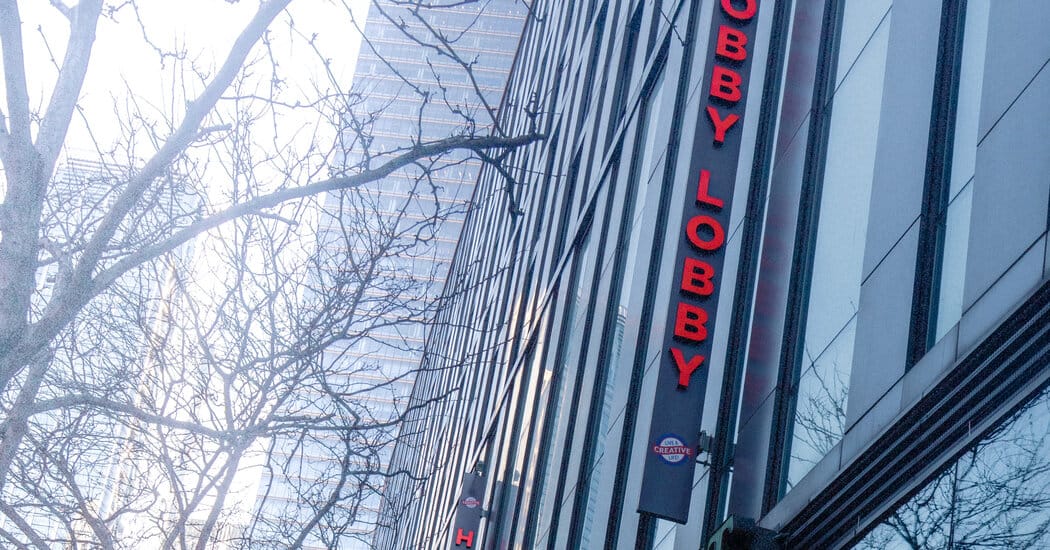
  • Hobby Lobby to Open First Store in Manhattan — But It’s Stirring Controversy.

    Hobby Lobby to Open First Store in Manhattan — But It’s Stirring Controversy.

    In the Lower Manhattan neighborhood of TriBeCa, known for its liberal politics and sky-high rents, a new retailer, known for its conservative Christian convictions, rock-bottom prices and steadfast customers in rural America, is moving in.

    Now the question is, can this retailer, Hobby Lobby, make it in Manhattan?

    The retailer, which is expected to open this spring and is taking over 75,000 square feet that used to be a Bed Bath & Beyond and Barnes & Noble for its first Manhattan store, should have prompted an enthusiastic response given the surge of Americans who picked up crafts hobbies during the pandemic.

    Instead, the reaction has been mixed, with some residents feeling affronted that Hobby Lobby is opening in their neighborhood. Local groups and forums that are protesting the company’s arrival in TriBeCa point to Hobby Lobby’s work with organizations that oppose gay and transgender rights. They haven’t forgotten the private company’s lawsuit in 2014 to fight against having to provide insurance coverage for contraception for employees.

    Over a decade later, it remains to be seen whether low prices and a staggering selection of products are enough to make residents in an area that has long been a liberal stronghold look past the company’s conservative bent. The neighborhood, known for cobblestone streets and converted loft buildings that are now home to affluent families and A-list celebrities, is solidly Democratic, but, like much of New York, it shifted to the right during the 2024 election.

    Heide Fasnacht, an artist who has lived and worked in TriBeCa for five decades, said she felt “angry” about the arrival of a company that promotes the evangelical Protestant convictions of its founder.

    “I moved to New York to get away from things like that,” said Ms. Fasnacht, who was calling for a boycott of the store.

    00Hobby Lobby 05 pgwz superJumbo
    “There are probably a lot of people here who do crafts, I’m sure,” says Heide Fasnacht, an artist who lives in TriBeCa. While she appreciates increased access to materials, she strongly opposes the new store.Credit…Oliver Farshi for The New York Times

    Madeline Lanciani, the owner of Duane Park Patisserie, a couple of blocks from Hobby Lobby’s location in TriBeCa, also considers herself part of the resistance. “I will gladly go out of my way to shop somewhere else,” she said.

    Hobby Lobby is no stranger to protests against its business. Its owners, David and Barbara Green, are outspoken about their Christian faith, which has infused the culture of the retailer. The company has said its guiding principle is “honoring the Lord in all we do by operating the company in a manner consistent with biblical principles.” The stores remain closed on Sunday and sell Christian-themed goods.

    Despite backlash from residents like Ms. Fasnacht and Ms. Lanciani, Hobby Lobby is making inroads in New York at what appears to be an opportune time: One of its main competitors, Joann, which sold fabrics and crafts supplies for over 80 years, said in February that it was going out of business and closing all of its roughly 800 stores, including 30 in New York. Another competitor, Michaels, went through a leveraged buyout in 2021.

    Hobby Lobby, by contrast, has been the model of stability. The company, which has about 1,040 stores across the country, including 28 in New York State, brought in $8 billion in revenue and opened 37 new stores last year.

    Visits to its stores increased nearly 17 percent from 2019 to 2024, according to an analysis of foot traffic by Placer.ai, a data provider, while Michaels had a decline of over 9 percent and Joann a loss of over 5 percent.

    Hobby Lobby opened its first store in New York City last year, in Staten Island, the most suburban and conservative-leaning of the city’s boroughs, and is eyeing possible locations in other neighborhoods.

    As for the TriBeCa location, just blocks from the World Trade Center site, which attracts millions of visitors annually, Neil Saunders, managing director at GlobalData, a research and consulting firm, said, “There will be some people who boycott it and some who adore it and people in the middle who just want a ball of yarn.”

    Lidia Curto, a Staten Island resident who was indeed loading blue yarn in her car after shopping at the store there on a recent afternoon, said Hobby Lobby’s low prices were why she shopped there.

    Hobby Lobby did not respond to requests for comment for this article.

    The reaction to the retailer’s coming to TriBeCa harks back to Chick-fil-A’s arrival in Lower Manhattan in 2018 on Fulton Street, not far from Hobby Lobby’s new space. The purveyor of fried-chicken sandwiches — with an ethos that has also been colored by its Christian founder, who has publicly maligned same-sex marriage — had caused its own uproar.

    Protesters greeted Chick-fil-A when it opened there, but were soon replaced by long lines of customers who seem to have since put aside their political concerns for a crispy, well-seasoned chicken sandwich.

    Chick-fil-A did not respond to requests for sales figures for the Fulton Street store, but the chain’s non-mall locations generated average revenues of $9.3 million in 2023, according to the company’s 2024 franchise disclosure document, an 8.1 percent increase over 2022. Chick-fil-A has 26 stores in New York City, according to its website.

    00Hobby Lobby 07 pgwz superJumbo
    Chick-fil-A, which opened on Fulton Street in 2018 near the new Hobby Lobby, similarly embeds its founder’s Christian faith into aspects of its corporate identity.Credit…Oliver Farshi for The New York Times

    Jonnie Weeden called the food he had just bought at the Fulton Street restaurant on a recent afternoon “a guilty pleasure.” He said he was aware of what he called the founder’s “homophobic views,” which he said didn’t align with his own, but pointed out that “many other companies have flawed world views, and people turn a blind eye.”

    Founded in 1972, Hobby Lobby started as a 300-square-foot space in Oklahoma City, an outgrowth of a miniature picture frame business that the Greens had started in their home. They later added crafts supplies, home goods and seasonal decorations to their offerings.

    Mr. Green, 83, is still Hobby Lobby’s chief executive. One of his sons is president of the retailer, and another started an affiliate company that sells Christian books and church supplies.

    Today, Hobby Lobby stores are as big as 90,000 square feet and filled with tens of thousands of items.

    00Hobby Lobby 02 pgwz superJumbo
    At Hobby Lobby’s Staten Island location, shoppers can browse a wide selection of crosses. Credit…Oliver Farshi for The New York Times

    The retailer’s Christian principles may seem like an odd fit for Manhattan, let alone TriBeCa. Hobby Lobby, like Joann and Michaels, has typically favored suburban and rural areas.

    But Steven Soutendijk, an executive managing director and retail specialist at the real estate firm Cushman & Wakefield, said he thought Hobby Lobby’s lease in TriBeCa had less to do with the neighborhood than with the space itself, a rarity in Manhattan.

    “There are very few superlarge-format big boxes that actually even physically exist” in the borough, he said.

    00biz HOBBYLOBBY street jvph superJumbo
    An executive at the real estate firm Cushman & Wakefield said he thought Hobby Lobby’s lease in TriBeCa had less to do with the neighborhood than with the space itself.Credit…Oliver Farshi for The New York Times

    The company’s real estate strategy involves leasing big-box facilities previously occupied by another retailer, avoiding the high costs of new construction. Its 42,000-square-foot space in Staten Island was a former Babies “R” Us. It also typically funds its own renovations, unlike many other retailers that rely on their landlords to help cover those costs and are thus locked into higher rents, said Daniel Taub, the national director of retail at Marcus & Millichap, a commercial real estate brokerage.

    As to what extent Hobby Lobby’s politics might affect how well the store performs, James Cook, the senior director of Americas retail research for JLL, a real estate services company, said, “At the end of the day, I don’t think it matters.”

    00Hobby Lobby 03 pgwz superJumbo
    Chris Panayiotou, the owner of the Gee Whiz Diner in TriBeCa just across from the Hobby Lobby building on Greenwich Street, said he was hoping to benefit from the foot traffic the retailer would bring.Credit…Oliver Farshi for The New York Times

    Chris Panayiotou, the owner of the Gee Whiz Diner, a TriBeCa mainstay just across from the Hobby Lobby building on Greenwich Street, said he was hoping to benefit from the foot traffic the retailer would bring and possibly make up for the customers he lost when Bed Bath & Beyond and Barnes & Noble closed.

    “People, once they’re done shopping, they’re going to be tired,” Mr. Panayiotou said. “Once they pop out and see us on the corner, they might want a cup of coffee or something to eat.”