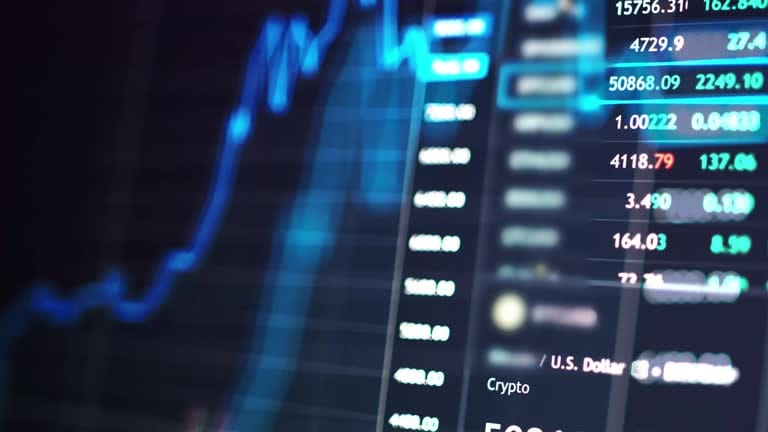
S&P 500 futures and crude oil contracts on the Chicago Mercantile Exchange (CME) at approximately 6:50 a.m. ET Monday—mere minutes before President Donald Trump posted on Truth Social that the United States and Iran had held “very good and productive conversations” toward resolving hostilities in the Middle East.
The timing has raised eyebrows across trading desks and prompted quiet scrutiny from market participants, even as the White House forcefully denies any impropriety.
According to Bloomberg data reviewed by multiple outlets, roughly 6,200 Brent and West Texas Intermediate (WTI) futures contracts traded in a single minute around 6:50 a.m., representing a notional value of approximately $580 million.
At virtually the same instant, S&P 500 e-mini futures recorded an isolated burst of activity that stood out against an otherwise subdued pre-market session. Both oil and equity futures then moved dramatically once Trump’s post appeared at 7:05 a.m.
More Middle East
WTI crude plunged nearly 12% to around $83–$88 per barrel by the close, while Brent fell below $100 for the first time since early March. S&P 500 futures, by contrast, jumped more than 2.5% in the minutes following the announcement, reflecting investor relief that planned U.S. strikes on Iranian energy infrastructure had been postponed for five days.
The volume anomalies occurred during thin early-morning liquidity, when even modest order flow can create noticeable spikes. Still, veteran traders described the coordinated moves—aggressive selling or shorting of oil while buying equity futures—as unusually prescient.
“It’s hard to prove causality… but you have to wonder who would have been relatively aggressive at selling futures at that point, 15 minutes before Trump’s post,” one senior market strategist at a major U.S. broker told the Financial Times. Another hedge-fund portfolio manager with 25 years of experience called the pattern “really abnormal” for a quiet Monday morning with no scheduled data releases or Fed speakers.
The SEC and CME Group declined to comment. White House spokesperson Kush Desai rejected any suggestion of insider activity, stating: “The only focus of President Trump and Trump administration officials is doing what’s best for the American people… any implication that officials are engaged in such activity without evidence is baseless and irresponsible reporting.”
Markets React to De-Escalation — For Now
Trump’s Truth Social post described “productive conversations” with Iran and ordered the postponement of strikes on Iranian power plants and energy infrastructure for five days, subject to continued talks. Iran’s parliament speaker, Mohammad-Bagher Ghalibaf, quickly denied that any negotiations were underway, calling the claim “fake news” designed to manipulate oil and financial markets.
Oil prices, which had climbed aggressively in recent sessions on fears of supply disruption through the Strait of Hormuz, reversed sharply. WTI settled down roughly 10–12% at $83–$88 per barrel, while Brent dropped 11–13% to just under $100. European natural gas (TTF) also fell sharply.
The moves provided temporary relief to risk assets but highlighted how fragile sentiment remains. Morgan Stanley analysts warned that a sustained rise to $120 per barrel oil could shave 20–30 basis points off Asian GDP growth and force rate hikes in several emerging economies later this year.
A Pattern of Well-Timed Trades?
This is not the first instance of unusually prescient trading ahead of major Trump administration announcements in recent months. Hedge funds and energy consultants have privately noted several large block trades that appeared well-timed relative to official statements on Iran and Venezuela.
While such patterns are difficult to prove as improper without concrete evidence, they have generated “a level of frustration” among institutional investors, according to one portfolio manager.
Algorithmic and macro strategies can produce rapid cross-asset flows, especially in thin pre-market hours, but the scale and precision of Monday’s moves—selling oil and buying equities just before a de-escalation announcement—left many questioning whether non-public information circulated.
Political and Market Context
The episode unfolds against a backdrop of heightened geopolitical tension and domestic political pressure on the Trump administration’s aggressive posture toward Iran. While Trump framed the postponement as a sign of progress, critics argue the administration’s brinkmanship has already inflicted economic pain through elevated energy prices and market volatility.
For now, the market appears to be pricing in cautious optimism that a wider conflict can be avoided. Yet with Iran denying talks and both sides continuing information operations, the “fog of war” remains thick.
Investors would be wise to treat headline-driven moves with skepticism—especially when large, well-timed trades precede them.
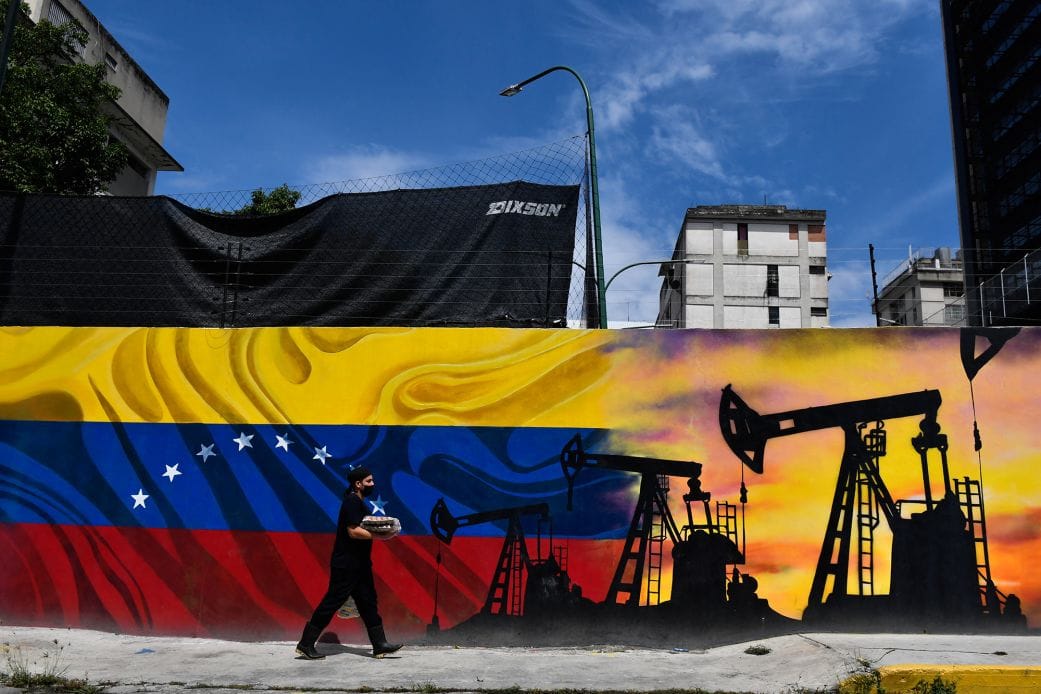
he US has relaxed its sanctions on Venezuela’s energy sector by granting two general licences and allowing several global energy companies to resume operations and negotiate new contracts in the South American country. This decision follows the capture and removal of Venezuelan President Nicolas Maduro by US forces in early January 2026, reported Reuters.
The US Treasury Department’s Office of Foreign Assets Control (OFAC) issued general licences to companies such as Chevron, bp, Eni, Shell and Repsol, enabling them to operate oil and gas projects in Venezuela. These companies are major partners of Venezuela’s state-run company PDVSA and maintain offices and stakes in Venezuelan projects.
The licences require payments for royalties and taxes to be routed through a US-controlled fund.
A separate licence allows international companies to engage with PDVSA for new investments.
However, these agreements necessitate additional permits from the OFAC and exclude transactions with entities in Russia, Iran or China.
A spokesperson of Chevron was quoted by the news agency as saying: “The new General Licenses, coupled with recent changes in Venezuela’s Hydrocarbons Law, are important steps towards enabling the further development of Venezuela’s resources for its people and for advancing regional energy security.”
Additionally, in a separate development, as reported by Reuters, India’s Reliance Industries has secured a general licence from the US, allowing it to purchase Venezuelan oil directly without breaching sanctions.
(Photograph: Reuters)
This move is expected to expedite Venezuela’s oil exports while helping Reliance replace Russian crude with discounted Venezuelan oil.
The issuance comes amid reports that India is shifting away from Russian oil purchases following President Donald Trump’s removal of a 25% tariff on Indian imports.
Earlier this year, Reliance acquired two million barrels of Venezuelan oil from trader Vitol, which also received US licences alongside Trafigura.
The relaxation of sanctions is part of a broader strategy to support economic recovery in Venezuela and foster responsible investment.
The US aims to revitalise Venezuela’s oil industry through a $100bn reconstruction plan and strengthen ties between Caracas and Washington.
The proceeds from Venezuelan oil sales are directed through a fund in Qatar before reaching the interim Venezuelan Government.
ExxonMobil and ConocoPhillips are currently evaluating potential re-entry into Venezuela after having their assets expropriated in 2007 under then-President Hugo Chavez.
While ExxonMobil considers Venezuela “uninvestable” at present, talks with the government continue while data is being gathered on the sector.
Last month, Venezuela reached an agreement with the US to export up to $2.8bn (1.1tn bolivars) worth of oil, according to President Trump.
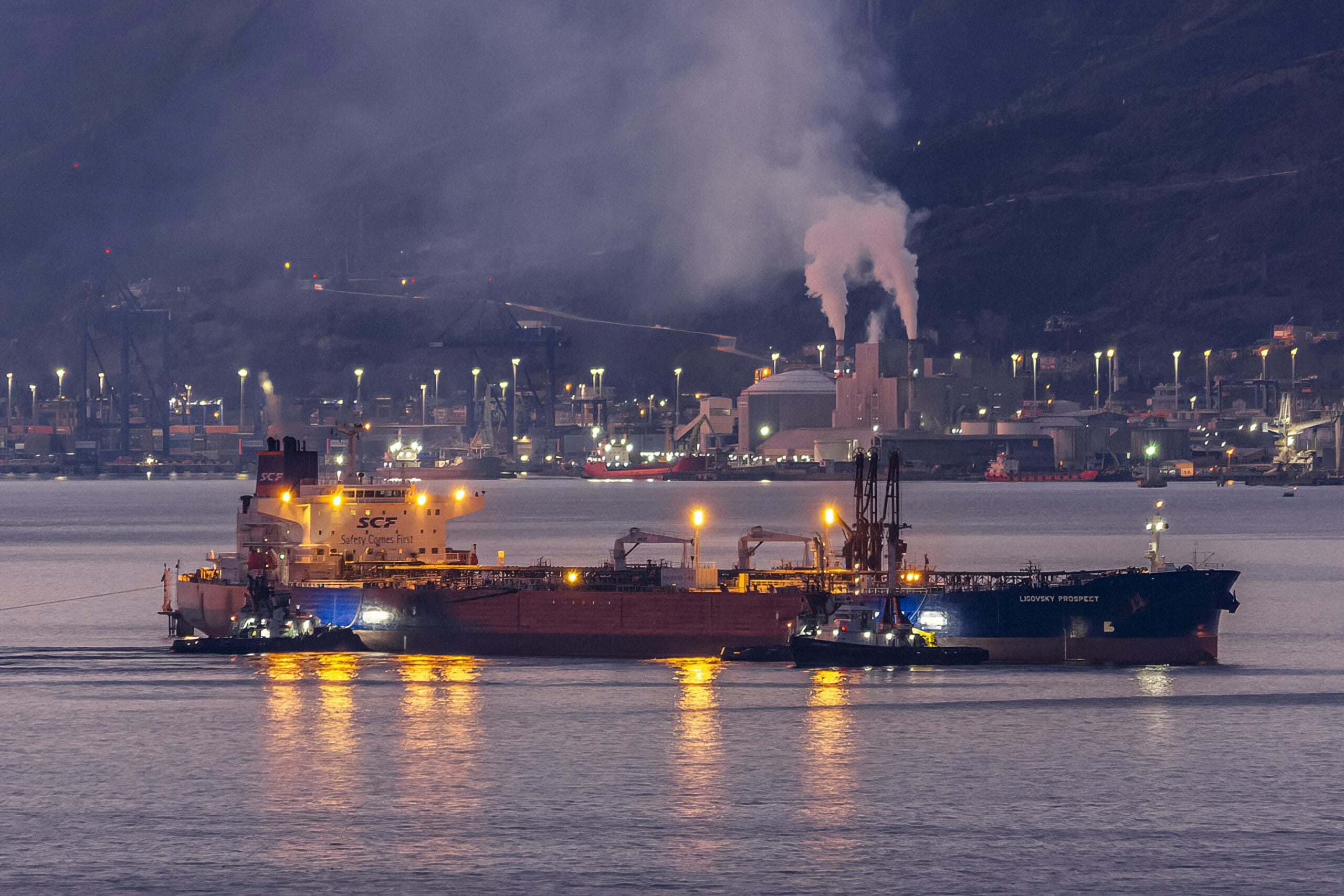
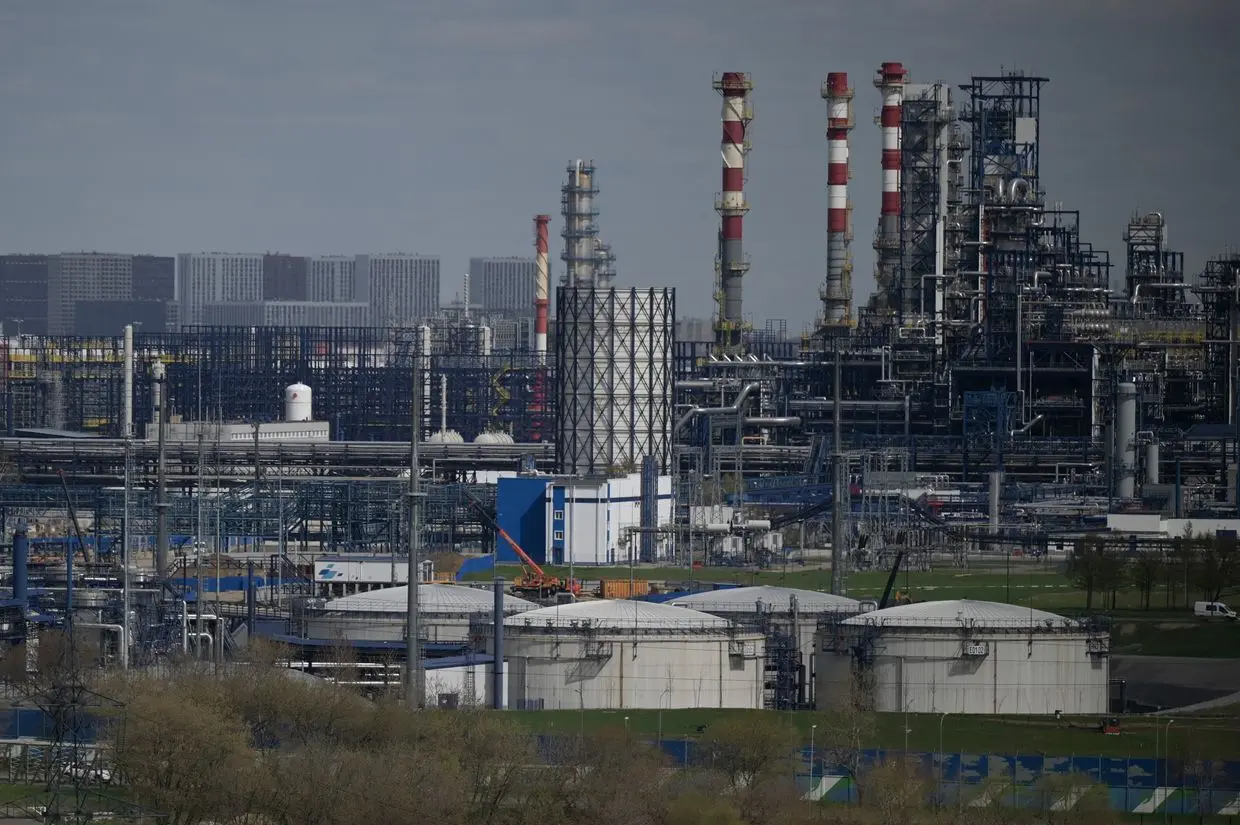
Trump has unleashed a barrage of sanctions on Russia’s oil behemoths, Rosneft and Lukoil, sending shockwaves through global energy markets and forcing America’s key Asian trading partners—China and India—to rethink their cozy deals with Vladimir Putin’s war machine. The move, announced Wednesday amid a fresh Russian missile barrage on Kyiv that claimed seven lives including children, marks Trump’s first direct punch at Moscow’s energy lifeline since reclaiming the White House. It’s a clear signal: Enough with the empty summits and fruitless phone calls. Time for America to squeeze Putin until he sues for peace in Ukraine.
Brent crude, the global oil benchmark, rocketed 5% Thursday to $65 a barrel, while West Texas Intermediate surged over 5% to nearly $60—reflecting traders’ bets on tighter supplies as Russia’s two largest producers, which pump out 3.1 million barrels per day and account for nearly half of Moscow’s crude exports, face isolation from Western finance. That’s a potential $100 billion annual hit to Russia’s coffers, per Bloomberg estimates, at a moment when the Kremlin’s war chest is already strained by three years of battlefield stalemates and a stumbling economy.
Trump, speaking alongside NATO Secretary-General Mark Rutte in the Oval Office, didn’t mince words: “Every time I speak to Vladimir, I have good conversations and then they don’t go anywhere. They just don’t go anywhere.” The president scrapped a planned Budapest summit with Putin just days ago, opting instead for the sanction hammer after Moscow rebuffed his ceasefire overtures. “Now is the time to stop the killing and for an immediate ceasefire,” echoed Treasury Secretary Scott Bessent, who framed the penalties as a direct assault on the “Kremlin’s war machine.” With Rosneft—headed by Putin’s crony Igor Sechin—and the private giant Lukoil now blacklisted by the Treasury’s Office of Foreign Assets Control (OFAC), plus 36 subsidiaries frozen out of U.S. markets, Trump is betting big that choking off oil revenues will drag Putin to the table.
This isn’t just tough talk; it’s targeted leverage. Russia’s oil and gas sector props up a quarter of its federal budget, fueling tanks, drones, and troops in Donbas. By design, the sanctions include a grace period until November 21 for global buyers to wind down deals, but the real teeth lie in secondary penalties: Any foreign bank, trader, or refinery touching Rosneft or Lukoil risks U.S. wrath, from asset freezes to SWIFT exclusions. “Engaging in certain transactions… may risk the imposition of secondary sanctions,” the Treasury warned pointedly. For Trump, it’s classic Art of the Deal—turning economic pain into diplomatic gain, much like his Gaza ceasefire triumph earlier this year.
India Feels the Squeeze: A Trade Deal Lifeline?
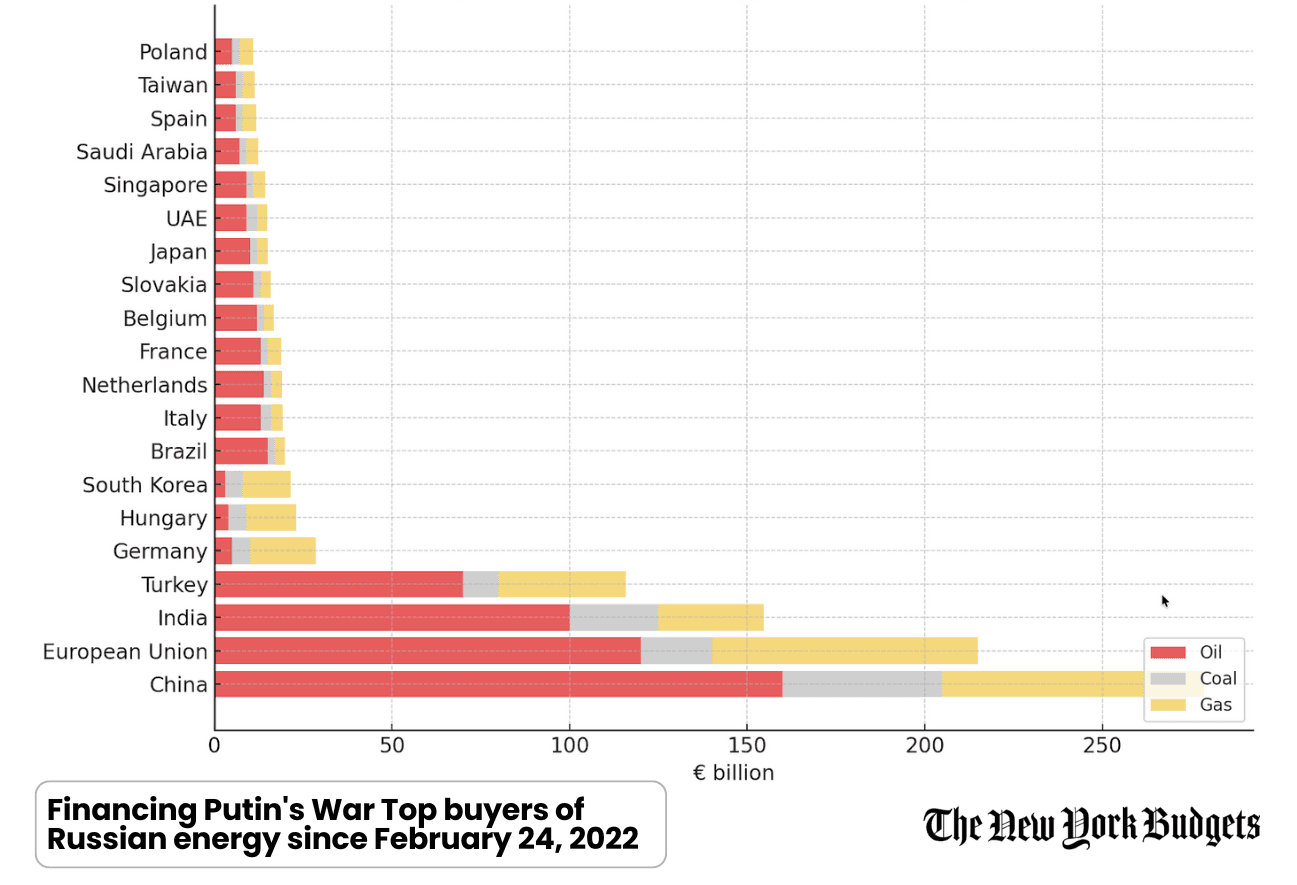
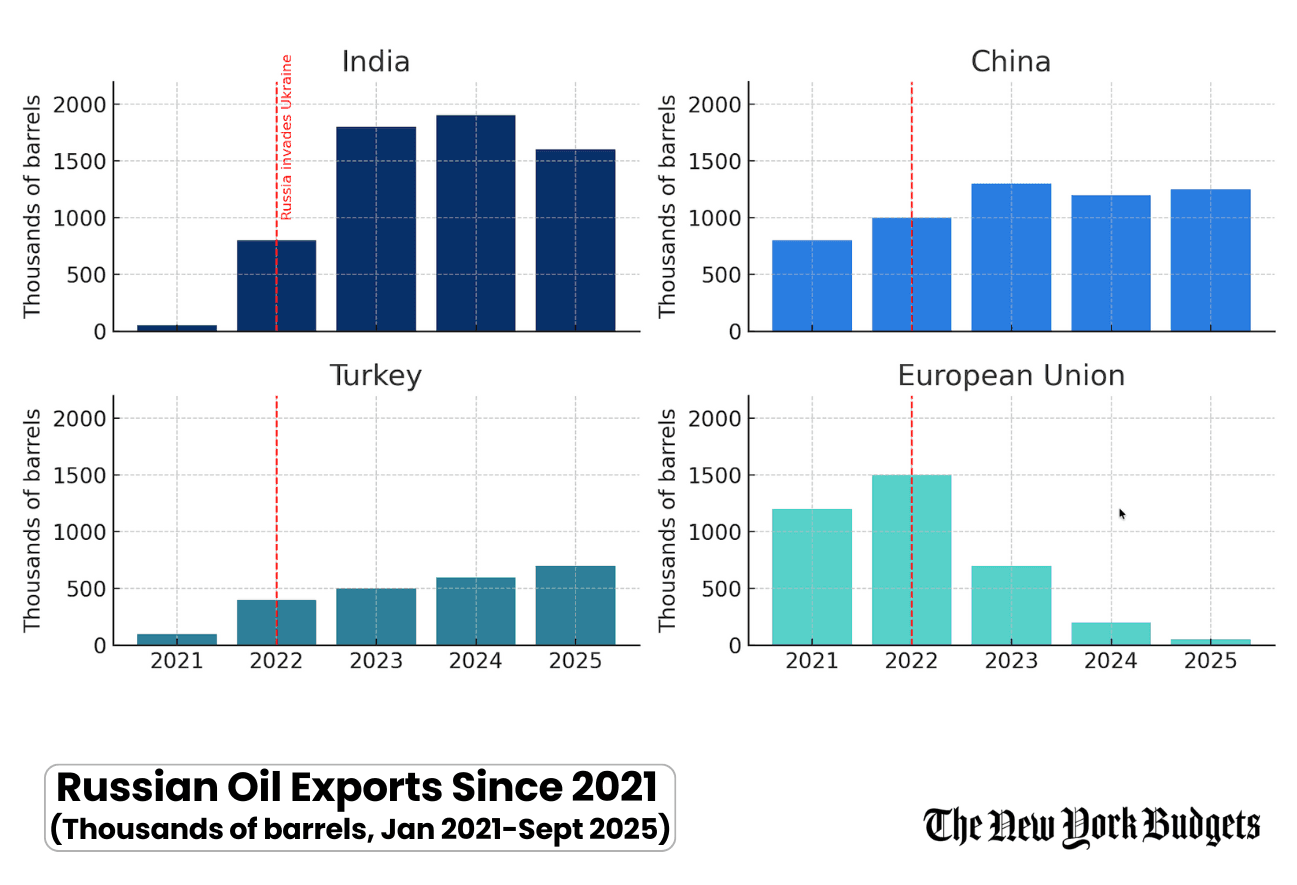
Nowhere is the ripple more immediate than in India, where refiners are scrambling to slash Russian imports that ballooned to 1.7 million barrels per day in the first nine months of 2025—up from a negligible 0.42 million tons pre-war. “There will be a massive cut,” one industry source told Reuters Thursday, as state-run giants like Indian Oil Corp. and Bharat Petroleum pore over shipping manifests to purge any Rosneft- or Lukoil-sourced crude. Reliance Industries, India’s top private buyer and locked into long-term contracts for nearly 500,000 barrels daily from Rosneft, is “recalibrating” imports to align with New Delhi’s guidelines, a company spokesman confirmed.
This pullback couldn’t come at a better time for U.S.-India relations, strained by Trump’s 50% tariffs on Indian exports—half explicitly tied to Moscow’s oil fire sale. In a Tuesday call, Prime Minister Narendra Modi assured Trump that Delhi “was not going to buy much oil from Russia” and shares his goal of ending the Ukraine bloodbath, per White House readouts. Sources close to the talks say the sanctions could shatter a diplomatic logjam, paving the way for a bilateral trade pact that levels the playing field for American farmers and manufacturers. “We’re talking about bringing India’s tariffs in line with Asian peers,” one U.S. trade official told The Heritage Foundation’s Daily Signal on background. “Wind down the Russian crude, and we wind down the duties. It’s a win-win: India saves on overpriced alternatives, and we get fair trade.”
Senior Indian refinery execs, speaking anonymously to Bloomberg, called the sanctions a “game-changer,” rendering direct Russian buys “impossible” amid fears of U.S. blacklisting. Exports to India hit $140 billion since 2022, but at what cost? Discounted Urals crude shielded New Delhi from energy inflation, yet it undercut Trump’s peace push and emboldened Putin. Now, with global prices spiking, Indian consumers may pay more at the pump—but the strategic upside is huge: Stronger ties with Washington, access to U.S. LNG, and a seat at the table in Trump’s post-war reconstruction bonanza for Ukraine.
Critics in the Beltway whisper that this pressures Modi too hard, but let’s be real: India’s neutrality has been a fig leaf for profiteering off Putin’s aggression. Trump’s move forces accountability, reminding allies that America’s security umbrella isn’t free. As former U.S. Ambassador to Ukraine John Herbst put it to the BBC, these sanctions “will certainly hurt the Russian economy… It’s a good start” toward genuine negotiations.
China’s Reluctant Retreat: Xi’s Putin Problem
Across the border, Beijing’s state behemoths—PetroChina, Sinopec, CNOOC, and Zhenhua Oil—are hitting pause on seaborne Russian crude, Reuters reported Thursday, citing trade insiders. China, which snapped up a record 109 million tons last year (20% of its energy imports), has been Putin’s economic lifeline, laundering sanctions via “shadow fleets” of ghost tankers. No longer. The quartet’s suspension, if it sticks, signals a seismic shift: Even Xi Jinping, Putin’s “no-limits” partner, can’t ignore the U.S. financial guillotine.
Trump, fresh off Gaza, sees this as his opening. “Xi holds influence over Putin,” he said Wednesday, vowing to press the issue at next week’s APEC summit in South Korea. No secondary tariffs on China yet—unlike India’s 25% slap in August—but the threat looms. “Will the U.S. actively threaten secondary sanctions on Chinese banks?” mused ex-State Department sanctions guru Edward Fishman on X. Short answer: Expect pullback, at minimum. Beijing’s Foreign Ministry blasted the measures as “unilateral bullying,” but actions speak louder: With Rosneft and Lukoil cut off, Chinese traders face pricier middlemen or a pivot to Saudi or U.S. barrels.
For Russia, it’s a gut punch. China and India gobble 70% of its energy exports; losing even 20-30% could slash GDP growth from its anemic 1.5% forecast (per IMF) and force trade-offs between bombs and breadlines. “As profit margins shrink, Russia will face difficult… financing a protracted war,” notes Michael Raska of Singapore’s Nanyang Technological University. Dr. Stuart Rollo at Sydney’s Centre for International Security adds that while the sanctions won’t cripple Russia’s industrial base overnight, they “may coerce [it] into accepting peace terms” if paired with Trump’s deal-making flair.
Putin’s Bluster Meets Economic Reality
Vladimir Putin, ever the tsar, struck defiant Thursday: “No self-respecting country ever does anything under pressure,” he told Russian reporters, dismissing the sanctions as an “unfriendly act” that won’t dent Moscow’s resolve. Yet cracks show. He conceded “some losses are expected,” and warned of “overwhelming” retaliation if Ukraine gets U.S. Tomahawks—though that’s more theater than threat. Dmitry Medvedev, Putin’s hawkish ex-president, raged on Telegram: “The U.S. is our enemy… Trump has fully sided with mad Europe.” But even Kremlin-linked analysts like Igor Yushkov admit Asian buyers will shy away, hiking costs via shadowy intermediaries.
Russia’s shadow fleet—aging hulls under UAE flags—has dodged G7 caps before, sustaining flows despite EU embargoes. “New sales schemes will simply appear,” boasts military blogger Mikhail Zvinchuk. Fine, but at what price? Logistics snarls could add $5-10 per barrel, eroding the discounts that hooked India and China. With the EU mulling its 19th sanctions package—including an LNG import ban—and the UK already aboard on Rosneft/Lukoil, isolation is setting in. The Guardian reports Putin floated delaying the Budapest talks for “proper preparation,” but that’s code for stalling.
Will this end the war? Analysts like Bill Taylor, another ex-U.S. envoy to Kyiv, call it an “indication to Putin that he has to come to the table.” It’s no silver bullet—Russia’s pivoted before, and military momentum in Donbas favors Moscow. But Trump’s calculus is sound: Freeze lines, cede nothing more, and let sanctions do the talking. “If we want Putin to negotiate in good faith, we have to maintain major pressure,” Herbst urges. Under Biden, dithering let Putin dig in; Trump’s resolve is restoring deterrence.
Stock Widget
Wall Street cheered the news, with energy stocks like ExxonMobil XOM +3.00% ▲ and Chevron CVX +2.50% ▲ on prospects of higher prices and U.S. export booms. Yet Felipe Pohlmann Gonzaga, a Geneva-based trader, cautions the 5% Brent spike “will correct” amid global slowdown fears—China’s property bust, Europe’s recession. Still, for American producers, it’s manna: Permian Basin output hits 6 million barrels/day, and Trump’s LNG push could flood Asia, undercutting Russia’s Urals at $55-60.
The EU’s frozen Russian assets—$300 billion—now fund a fresh Ukraine loan, per Brussels talks. And as Trump eyes a “cut the way it is” armistice, preserving Zelenskyy’s gains without endless aid, taxpayers win too. No more blank checks; just smart pressure.
In this high-stakes energy chess game, Trump’s sanctions aren’t just hurting Russia—they’re realigning alliances, punishing enablers, and clearing the board for peace. Putin may bluster, but with India and China peeling away, his war of attrition is cracking. As Trump heads to APEC, the message to Xi and Modi is clear: Join the winning side, or pay the premium. America’s back in the driver’s seat, and the pump prices? A small price for freedom.
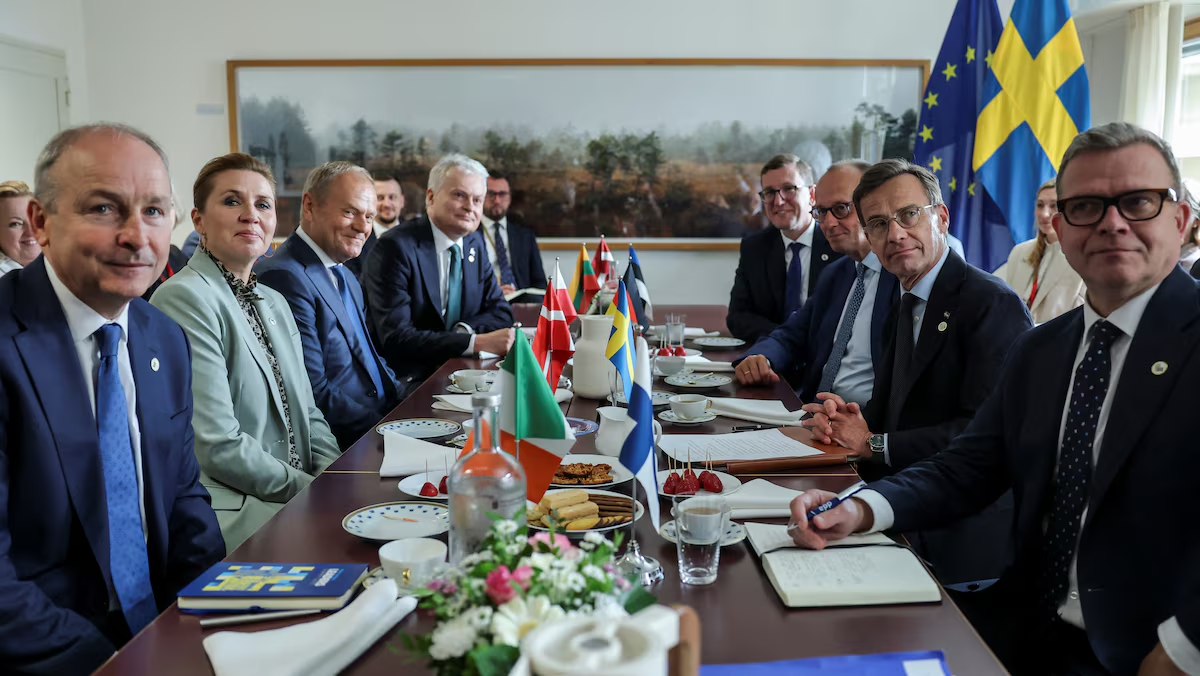
Former U.S. President Donald Trump is intervening in current transatlantic trade negotiations to bolster American oil giants by pressuring the European Union to relax its landmark climate regulations—moves that threaten to weaken global environmental commitments.
In recent trade discussions ahead of the July 9 deadline, Trump officials have floated proposals aimed at diluting the EU’s Corporate Sustainability Due Diligence Directive (CSDDD) and methane emissions mandates, both central to Brussels’ aggressive climate stance. These rules impose rigorous environmental and human rights oversight on companies and require verified methane caps for fossil fuel imports by 2030—a move the U.S. energy sector says could drive them out of the European market.
Executives from ExxonMobil, including CEO Darren Woods, explicitly lobbied Trump to use trade leverage against Brussels. Private sources confirm U.S. negotiators are now urging the EU to soften or delay these regulations in exchange for tariffs relief.
Trump has dangled a steep 50% tariff threat on EU exports if the EU doesn’t step back on its climate rules—a key tactic in forcing concessions. Meanwhile, Brussels, eager to avert a damaging tariff spike, is considering trade-off proposals such as increasing imports of U.S. LNG and adjusting methane oversight frameworks to qualify U.S. gas under equivalency schemes.
This duel underscores a broader conflict between climate ambition and trade power: Trump’s approach aims to fuse energy dominance with economic leverage, while the EU seeks to uphold its Green Deal principles.
Following reports of these contentious trade maneuvers, European carbon credit futures slipped approximately 1.2%, signaling investor anxiety over potential dilution of climate policy. Analysts caution that even talk of loosening methane or sustainability rules could erode confidence in the EU’s green market framework—while bolstering U.S. oil and gas margins temporarily.
Environmental groups have sounded the alarm, labeling the U.S. push “a direct attack on the Paris Agreement,” warning that any weakening of EU standards could unravel global climate governance.
EU Commission President Ursula von der Leyen has reaffirmed the EU’s “sovereign right” to set its own environmental rules and cautioned against ceding core Green Deal elements just to avert U.S. tariffs.
Yet internal EU divisions bite: some leaders argue for flexibility to secure broader trade benefits, while others—like France’s Stéphanie Yon-Courtin—warn that concessions risk setting a dangerous precedent on environmental sovereignty.
EU negotiators will decide whether to carve out limited flexibilities—such as pragmatic methane measurement standards or delayed rollout of the CSDDD—to soften U.S. trade pressure. If no deal is struck, Brussels is reportedly readying retaliatory tariffs worth up to €95 billion. This clash may redefine transatlantic relations—showing whether trade imperatives outweigh climate leadership at a critical geopolitical juncture.
Trump’s alignment with Big Oil in EU trade talks reveals more than one-off bargaining—it spotlights a strategic confrontation over whether commercial leverage can override environmental clarity. The outcome will signal how far Washington and Brussels are willing to bend in balancing market access against the planet’s future.
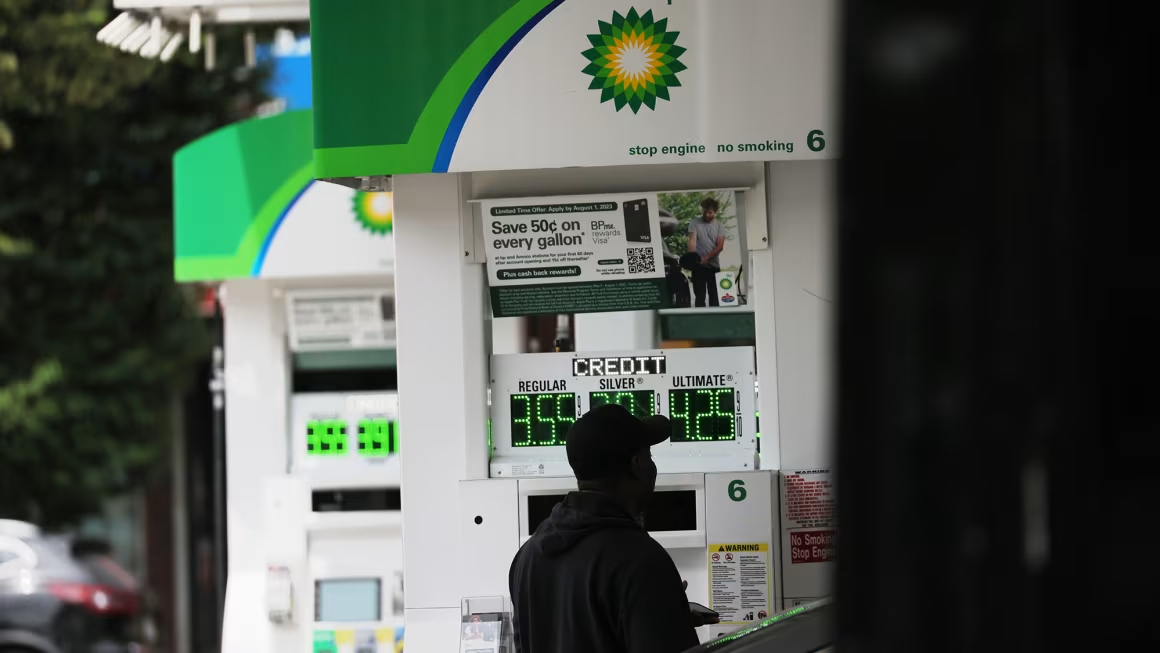
Shell rebuffed a Wall Street Journal report that said the oil giant was in early talks to take over rival company BP.
“This is further market speculation. No talks are taking place,” the company said in a statement Wednesday.
An agreement between the two rival oil corporations would be the largest oil deal in modern times, with BP valued around $80 billion, the WSJ reported. The report about a potential deal comes as geopolitical tensions threaten to jeopardize the broader oil and gas market.
“As we have said many times before we are sharply focused on capturing the value in Shell through continuing to focus on performance, discipline and simplification,” Shell said in adifferent statement. BP declined to comment.
BP stock had risen as much as 10.5% Wednesday after news of prospective talks, though the rise has tapered.
Bloomberg first reported on the speculation of a takeover in May. BP has been struggling, underperforming Shell by 17% over the past year and 84% over the past 5 years, according to a RBC research report last month. But Shell stands to benefit from BP’s liquified natural gas portfolio, and the RBC report said Shell still needs to work on its energy transition strategy as well as the longevity of its crude oil and natural gas portfolio.
BP axed thousands of jobs in January and cut its investments in clean energy a month later, aiming to grow its oil and gas production instead. The company’s stock plummeted almost 16% over 2024 as it floundered and attempted to ease investors’ concerns over its energy transition strategy.
The two largest U.S. oil companies reported their lowest first-quarter profits in years on Friday as they braced for the economic fallout from President Trump’s trade war, which has weakened consumer confidence and pushed oil prices down.
U.S. crude prices slipped below $60 a barrel this week, a threshold below which many companies cannot make money drilling new wells. Crude oil is now about $20 a barrel cheaper than it was just before Mr. Trump took office. Not only is oil fetching less, companies are paying more for steel and other materials because of tariffs the president has imposed.
There are signs that some companies are already pulling back as a result.
As of last week, the number of rigs drilling wells in the Permian Basin, the largest U.S. oil field, had fallen 3 percent in a month, according to Baker Hughes, an oil field service provider. That company’s customers have been putting off discretionary expenses, and spending across the industry is likely to fall this year, Baker Hughes executives said last week.
Chevron, the second-largest U.S. oil company, said months ago that it would spend less in 2025, and it has not changed its annual production or capital spending forecasts since. However, the company said that it would pare its spending on share buybacks in the second quarter, compared with the first three months of the year.
“We’re comfortable with where we are right now,” Eimear Bonner, the company’s chief financial officer, said in an interview. “We’ve navigated cycles before. We know what to do.”
The financial results that Chevron and Exxon Mobil, the largest U.S. oil and gas company, reported on Friday reflect the market before Mr. Trump announced his latest round of tariffs. Around the same time, members of the producers cartel known as OPEC Plus surprised the market by saying its members would speed up plans to pump more oil.
Chevron’s first-quarter profit fell more than a third to $3.5 billion, missing analyst expectations, as the company earned less for each barrel of oil it produced. Lower margins in refining also hurt earnings.
Exxon’s profit of $7.7 billion in the first three months of the year also came up shy of analyst forecasts collected by FactSet. Earnings fell around 6 percent from a year earlier.
“In this uncertain market, our shareholders can be confident in knowing that we’re built for this,” Darren Woods, Exxon’s chief executive, said in a statement.
Chevron’s stock price fell more than 2 percent in premarket trading. Exxon’s rose about 1 percent.
The question for many companies is how long oil prices will remain around $60 a barrel or less. If they slip to $50, domestic production could fall roughly 8 percent in a year, according to S&P Global Commodity Insights. The United States is the world’s largest oil producer.
Companies are cutting costs where they can as they wait for greater clarity on U.S. trade policy, said Joseph Esteves, chief executive of Maine Pointe, a consulting firm that specializes in operations and supply chain issues.
“It’s getting to the point of no rock unturned, no couch cushion unexplored,” Mr. Esteves said.
Ms. Bonner said Chevron was experiencing a “limited direct impact” from tariffs. The company has been working to mitigate the effects by buying supplies such as steel locally, she said.
Chevron faces a late-May deadline to wind down activity in Venezuela after Mr. Trump took steps to reverse a Biden-era policy that allowed more oil to be produced in the country. The new rules are already having an effect. The company has been unable to load oil onto ships to be exported because of changes to its license, Ms. Bonner said.
“We’re just continuing to engage with the administration on the topic,” she said.
Cookie Consent
We use cookies to improve your experience on our site. By using our site, you consent to cookies.
Contains information related to marketing campaigns of the user. These are shared with Google AdWords / Google Ads when the Google Ads and Google Analytics accounts are linked together.
90 days
__utma
ID used to identify users and sessions
2 years after last activity
__utmt
Used to monitor number of Google Analytics server requests
10 minutes
__utmb
Used to distinguish new sessions and visits. This cookie is set when the GA.js javascript library is loaded and there is no existing __utmb cookie. The cookie is updated every time data is sent to the Google Analytics server.
30 minutes after last activity
__utmc
Used only with old Urchin versions of Google Analytics and not with GA.js. Was used to distinguish between new sessions and visits at the end of a session.
End of session (browser)
__utmz
Contains information about the traffic source or campaign that directed user to the website. The cookie is set when the GA.js javascript is loaded and updated when data is sent to the Google Anaytics server
6 months after last activity
__utmv
Contains custom information set by the web developer via the _setCustomVar method in Google Analytics. This cookie is updated every time new data is sent to the Google Analytics server.
2 years after last activity
__utmx
Used to determine whether a user is included in an A / B or Multivariate test.
18 months
_ga
ID used to identify users
2 years
_gali
Used by Google Analytics to determine which links on a page are being clicked
30 seconds
_ga_
ID used to identify users
2 years
_gid
ID used to identify users for 24 hours after last activity
24 hours
_gat
Used to monitor number of Google Analytics server requests when using Google Tag Manager