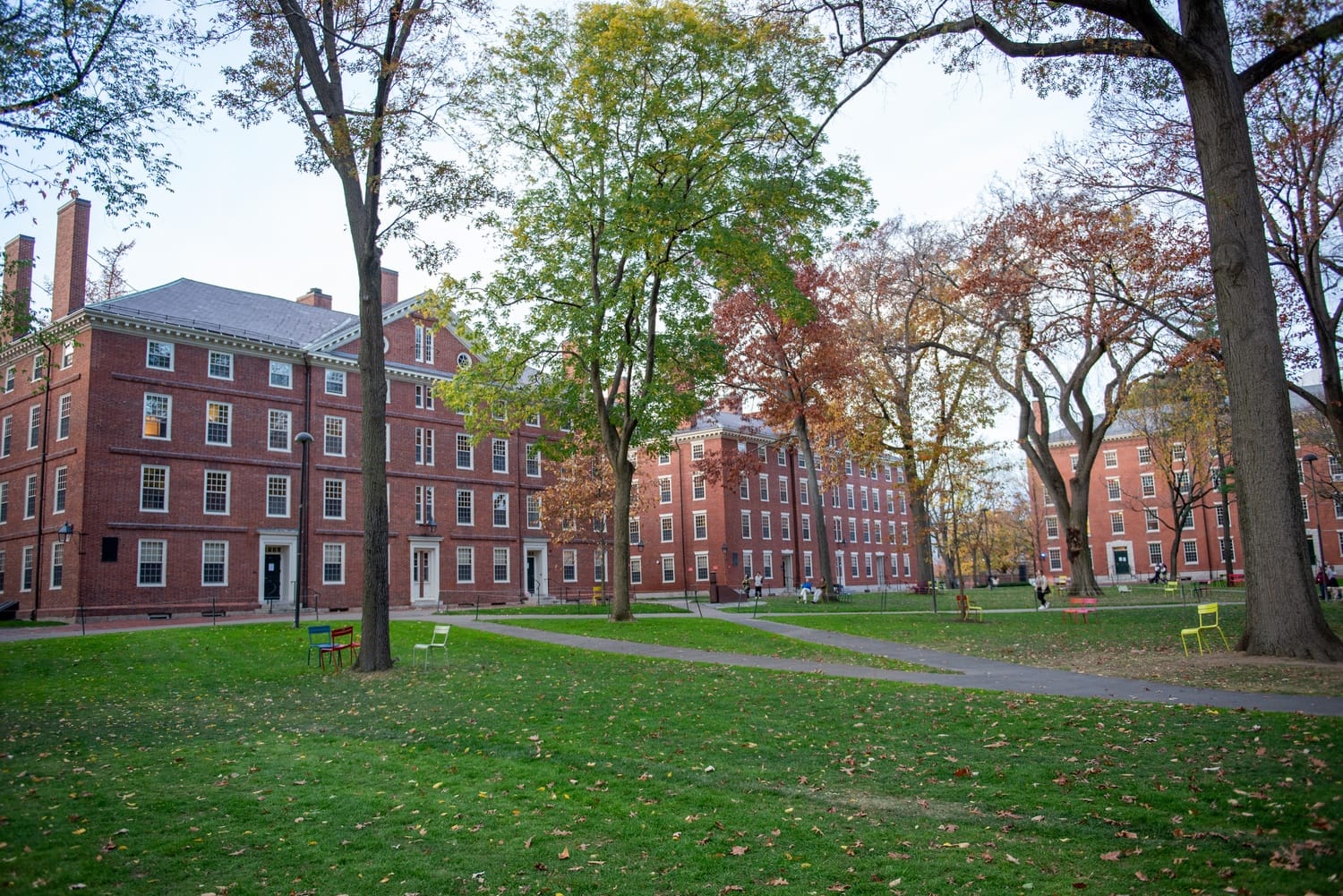
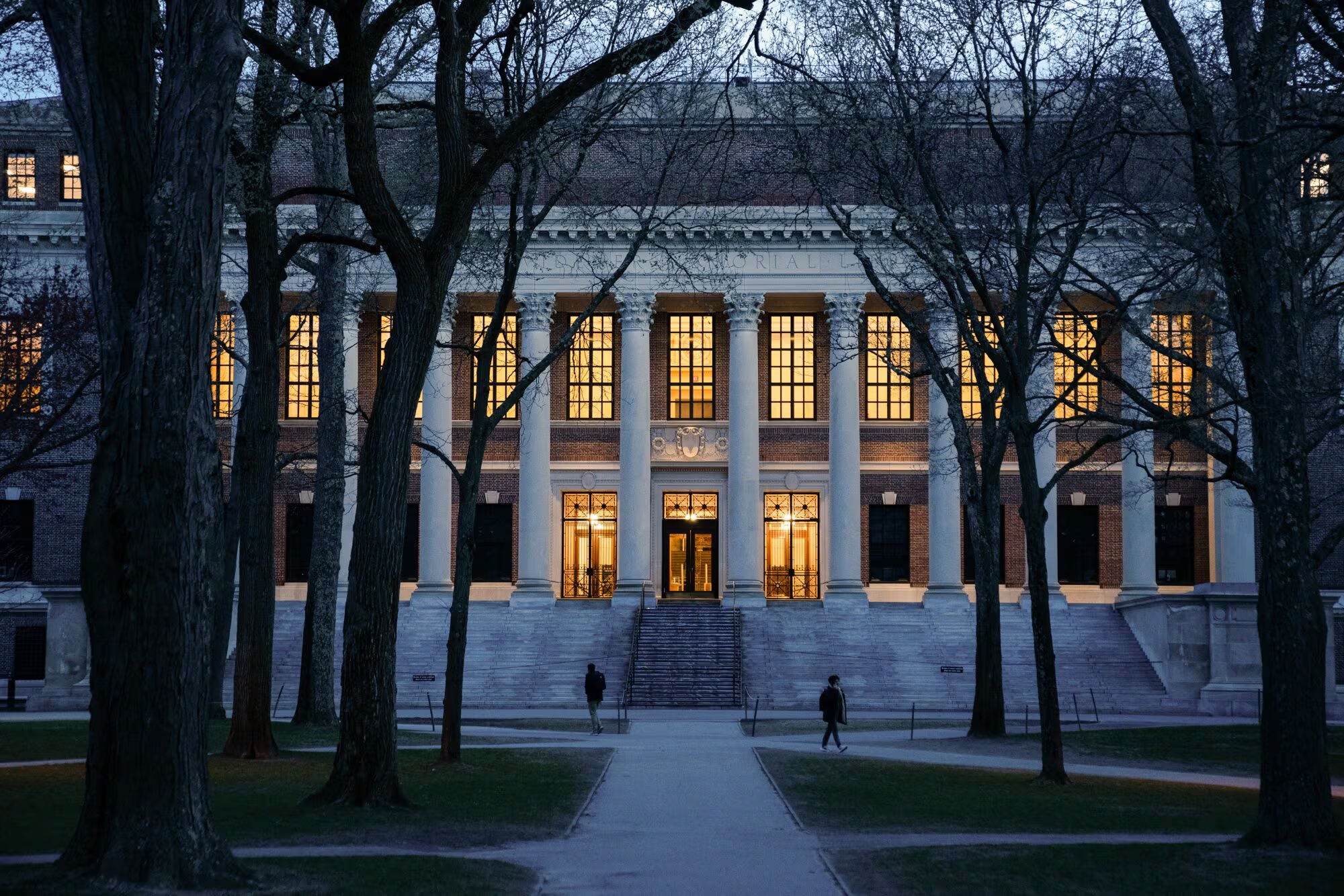
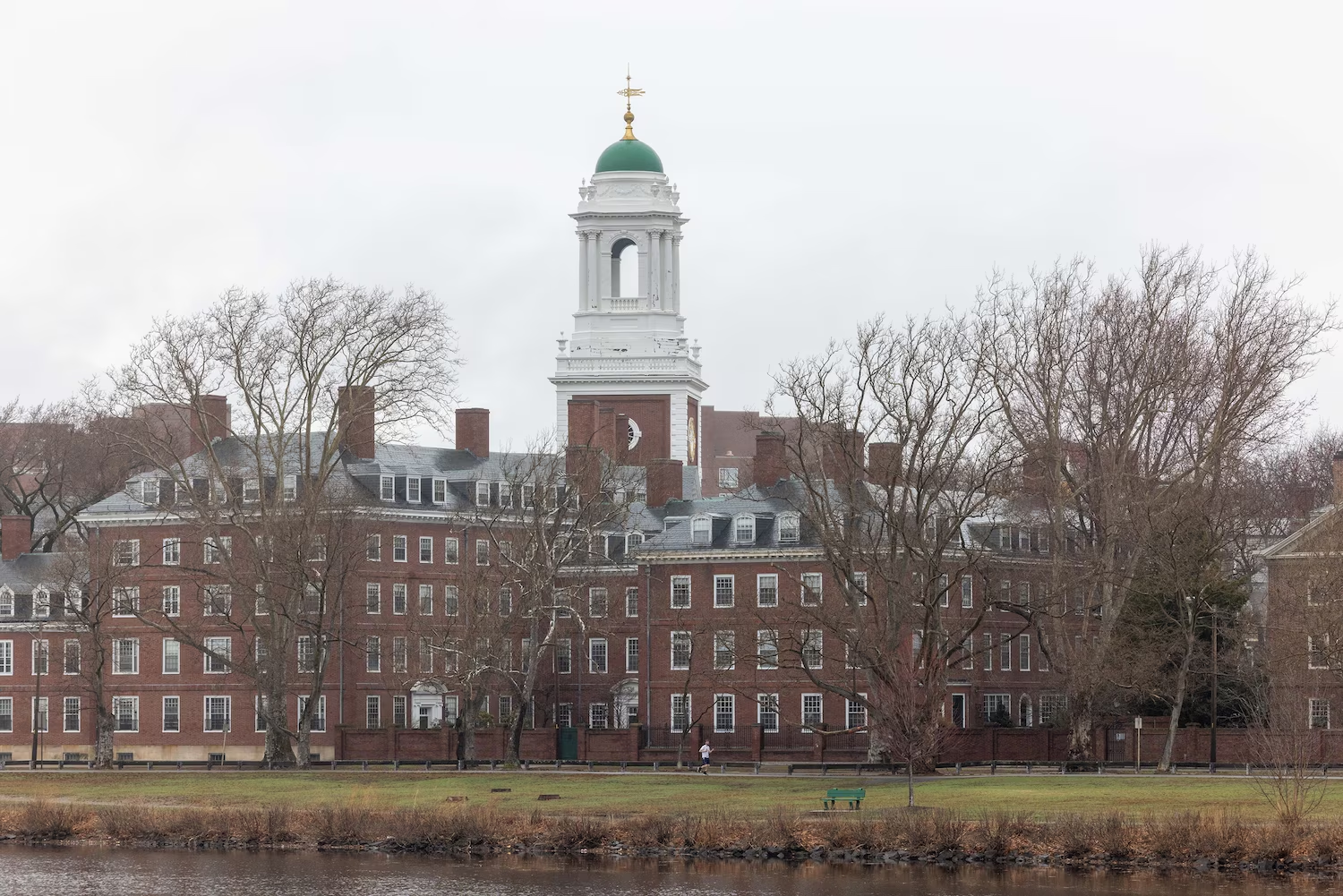
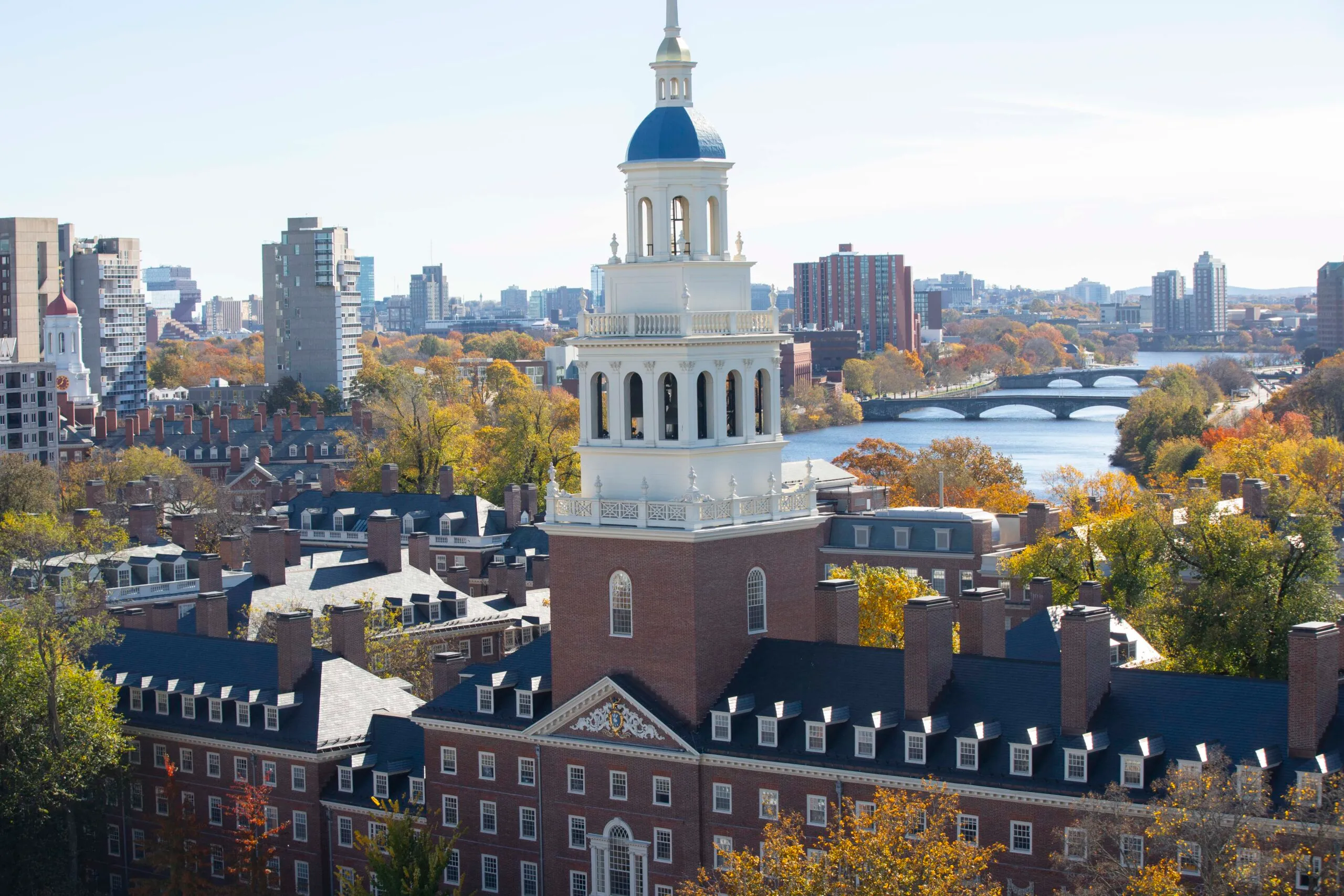
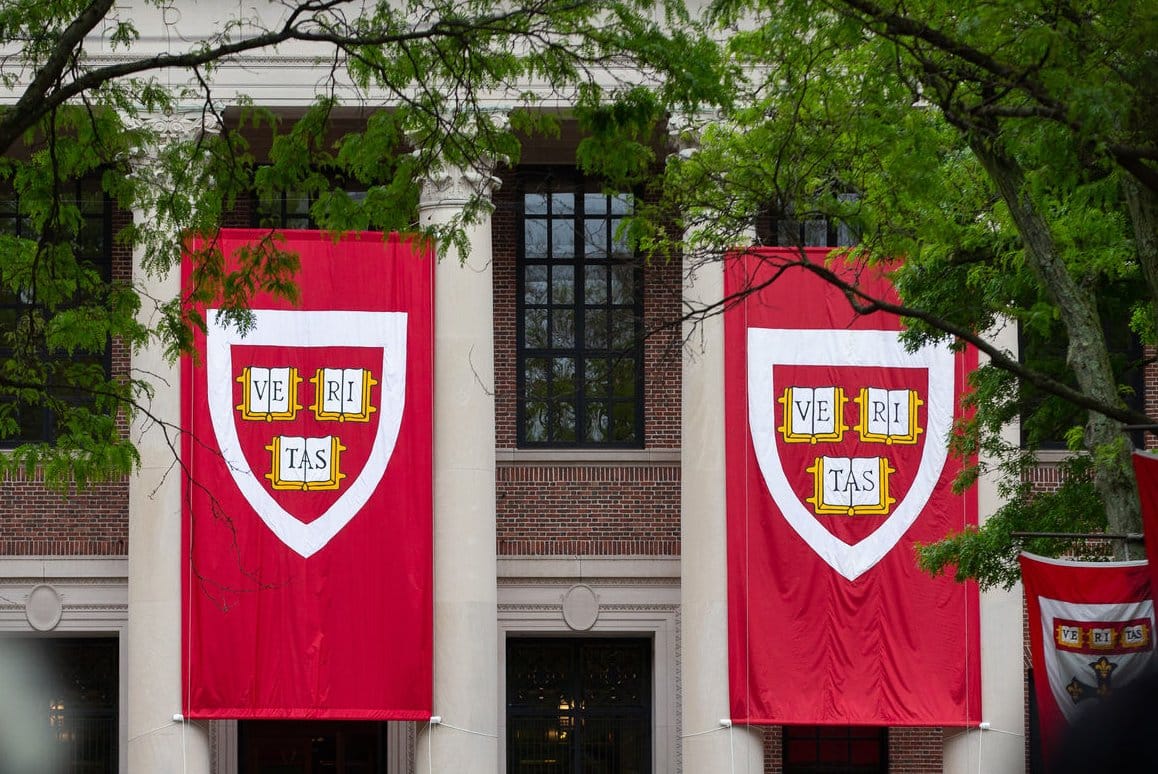
Harvard University is considering launching a major Center for Conservative Scholarship, a move many see as a strategic effort to counter escalating pressure from the Trump administration over allegations of liberal bias and campus antisemitism. The proposal, under discussion among top university leadership and potential donors, aims to bolster “viewpoint diversity” without becoming overtly partisan.
What’s Being Proposed
The envisioned center, modeled on Stanford’s Hoover Institution, could cost between $500 million and $1 billion. Harvard officials—including President Alan Garber and Provost John Manning—have discussed the initiative with major donors, emphasizing that it would prioritize evidence-based, rigorous debate and showcase a spectrum of perspectives. The center is intended to address growing concerns that students and faculty are self-censoring; a 2024 Harvard survey revealed just one-third of graduates felt comfortable engaging controversial topics, and a separate poll showed only 3% of professors identified as conservative.
The move comes amid rising tensions with the Trump administration, which has frozen over $2.2 billion in federal research grants and threatened to revoke tax-exempt status, citing alleged antisemitism and discriminatory institutional practices. Harvard is suing the government to contest funding freezes; a court hearing is set for later this month. White House officials contend that a conservative center represents little more than symbolic appeasement and not a solution to deeper ideological concerns .
The dispute has drawn national attention to academic stewardship and ideological balance in elite institutions.
While there’s no direct market reaction, the freeze on federal funding may affect Harvard’s capacity to finance research and student aid.
If established, Harvard’s center would mark a notable expansion in conservative academic infrastructure, potentially influencing curricula and hiring patterns—not unlike Stanford’s Hoover Institution, but distinct in its explicitly nonpartisan intent .
Policy analysts and scholars view Harvard’s effort as part of a broader movement to institutionalize intellectual pluralism on campuses:
“This is a national reform movement,” noted Paul Carrese of Arizona State University, speaking on similar programs at public universities.
However, critics warn that such initiatives risk tokenism, unless they’re accompanied by measurable shifts in faculty diversity and academic culture .
Harvard’s exploration of a Conservative Scholarship Center reflects mounting pressures at the intersection of education, politics, and funding. As it braces for federal scrutiny and internal debate, the university may redefine how academic openness is operationalized—not through compliance alone, but via concrete institutional commitments to viewpoint diversity.
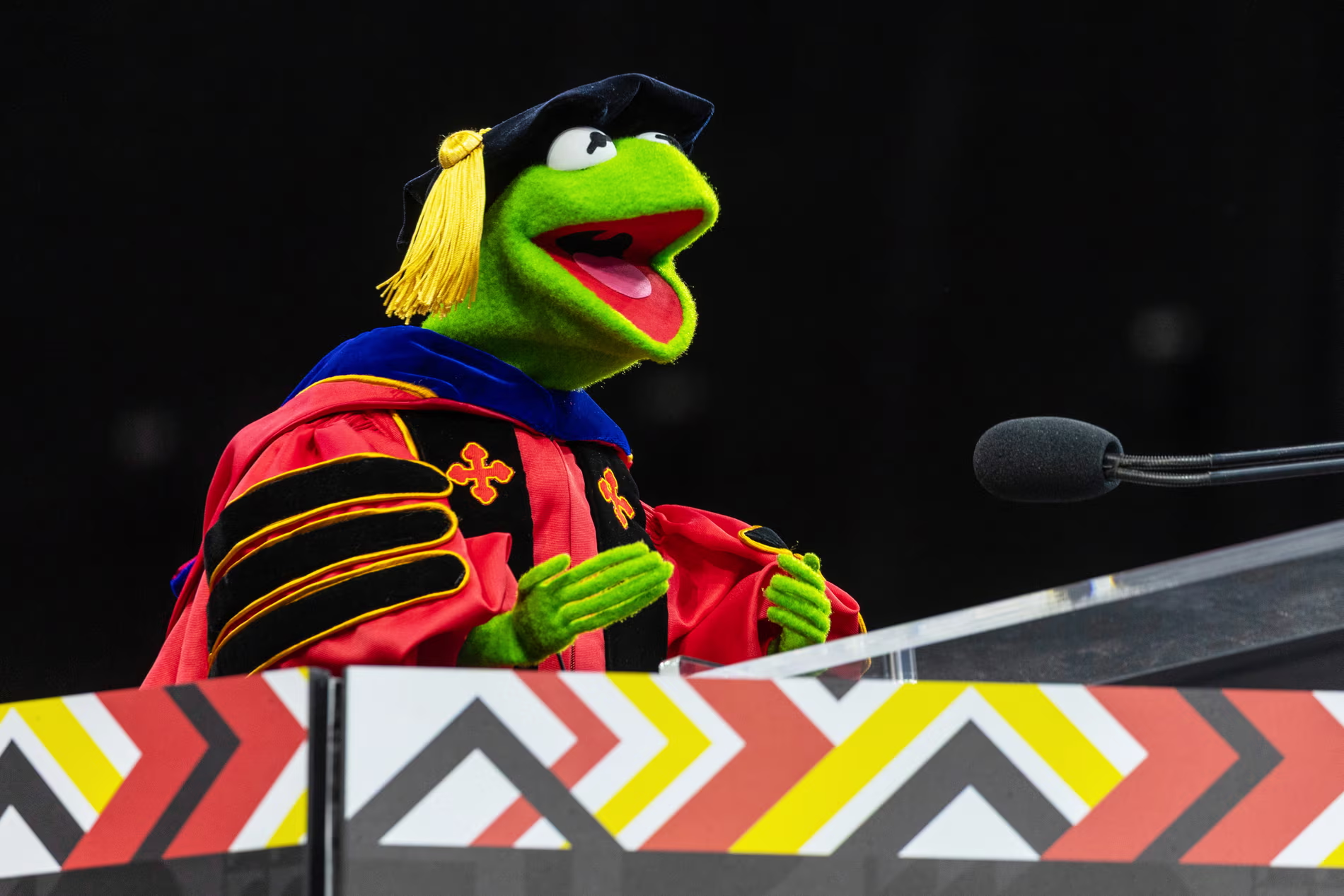
Miss Piggy would surely agree that Kermit the Frog looked dapper in his red robe and graduation cap as he delivered his cheery commencement speech to the University of Maryland’s graduating class on Thursday.
The iconic green Muppet encouraged the graduates to “take big leaps” in life and to always “stay connected to your families, your friends and your dreams.”
“Life’s like a movie,” he told the crowd. “Write your own ending. Keep believing. Keep pretending. You’ve all done just what you set out to do. And you’re just getting started!”
The speech — written and spoken by puppeteer Matt Vogel, who has performed Kermit since 2017 — paid tribute to the late Jim Henson, creator of “The Muppet Show” and a graduate of the University of Maryland class of 1960.
“In the early days, he had a hand in literally everything I did,” Kermit said at one point, eliciting laughter from the crowd.
“Jim believed that everyone had a place,” he continued. “Jim thought of that and he made us believe it. And so, my whole life I tried to appreciate people for exactly who they are. … Life is not a solo act. No, it’s not. It’s a big, messy, delightful ensemble piece, especially when you’re with your people.”
He added, “So as you prepare to take this big leap into real life, here’s a little advice, if you’re willing to listen to a frog. Rather than jumping over someone to get what you want, consider reaching out your hand and taking the leap side by side. Because life is better when we leap together.”
And if those sweet remarks weren’t enough to inspire, Kermit wrapped his speech with a “Rainbow Connection” sing-along, reminding everyone of the prism of opportunities before them.
Kermit’s speech begins around the 2:04:00 mark below. Click here for a transcript of his remarks.
A federal judge on Friday granted Harvard University’s emergency motion to block the Trump administration from revoking its ability to enroll international students, as litigation on the matter continues.
In her order, U.S. District Judge Allison Burroughs said Harvard showed “it will sustain immediate and irreparable injury” if the Trump administration is allowed to implement its revocation notice before “there is an opportunity to hear from all parties.”
The order allows Harvard to maintain its “status quo” in enrolling international students for now. Burroughs has scheduled another hearing for May 27.
Homeland Security Secretary Kristi Noem notified Harvard a day earlier that the government would be terminating its student visa program, marking a major escalation in the administration’s pressure campaign against the Ivy League university.
This development is extraordinary, but it does not appear out of the blue: In mid-April, while canceling nearly $3 million in DHS grants to Harvard, Noem simultaneously demanded that the university turn over records on foreign students alleged to have engaged in “illegal and violent activities.” Failure to cooperate would jeopardize Harvard’s Student and Exchange Visitor Program (SEVP) certification — which allows schools to admit international students. Evidently, Noem has now followed through on that threat.
“The government’s action is unlawful,” the university said in a statement on Thursday, adding: “This retaliatory action threatens serious harm to the Harvard community and our country, and undermines Harvard’s academic and research mission.”
In a dramatic expansion of its long-running conflict with elite academic institutions, the Trump administration—through ongoing legal proxies and influence networks—has extended its scrutiny of Harvard University, moving beyond affirmative action in admissions to now challenge the university’s faculty hiring practices. The escalation signals a broader campaign to reshape how elite schools approach diversity, equity, and institutional autonomy.
The development stems from a complaint filed in late April with the U.S. Department of Justice’s Office of Civil Rights (OCR), which alleges that Harvard’s faculty recruitment and hiring decisions discriminate against white and Asian-American applicants in favor of candidates from underrepresented racial groups. The complaint is backed by conservative legal advocacy group America First Legal, co-founded by former Trump senior advisor Stephen Miller.
The Trump administration first took aim at Harvard in 2018, when the Department of Justice intervened in a lawsuit filed by Students for Fair Admissions (SFFA), accusing the university of discriminating against Asian-American students in its undergraduate admissions process. That case, Students for Fair Admissions v. Harvard, eventually reached the U.S. Supreme Court, which ruled in 2023 that race-conscious admissions policies at Harvard and the University of North Carolina were unconstitutional.
Now, conservative legal forces are leveraging that precedent to argue that similar race-based considerations are influencing faculty selection—an area traditionally shielded by broader academic freedom protections.
“The Supreme Court has made clear that racial balancing has no place in American institutions,” said Gene Hamilton, general counsel at America First Legal. “That includes who teaches our students—not just who gets admitted.”
According to internal documents reviewed by New York Budget, the complaint singles out hiring patterns in Harvard’s humanities and social science departments, where over the past five years, approximately 60% of tenure-track hires were individuals identifying as Black, Hispanic, or Native American—groups that represent less than 15% of PhD graduates nationally in those fields.
In a statement, Harvard strongly rejected the allegations, stating its hiring practices are “guided by academic excellence, scholarly potential, and a commitment to advancing knowledge and pedagogy—not by racial quotas.”
“We are proud of our faculty’s diversity, which enhances the quality of teaching, learning, and research,” said university spokesperson Jonathan Swain. “Harvard follows all applicable laws in its employment practices and will vigorously defend itself against any unfounded legal claims.”
University officials also noted that faculty search committees conduct holistic evaluations and often include external peer reviewers, with final decisions approved by a faculty council and the president’s office.
While President Biden’s Department of Justice has officially distanced itself from the latest probe, legal experts say the infrastructure built under Trump—particularly within OCR and other regulatory bodies—continues to influence investigations under conservative pressure.
“This is a textbook example of regulatory capture through the courts and complaints process,” said Professor Lorraine Feldman, a constitutional law scholar at NYU. “It’s not technically the Trump administration anymore, but the ecosystem it built is alive and well.”
Several Republican-led states—including Florida, Texas, and Missouri—have joined the legal pressure campaign, with their attorneys general filing amici curiae briefs supporting a formal investigation into Harvard’s faculty diversity programs.
The hiring probe is part of a larger effort by conservative groups to challenge diversity, equity, and inclusion (DEI) initiatives across sectors. Since 2023, more than 25 states have proposed or passed legislation banning DEI offices in public universities, and private institutions are increasingly targeted through litigation.
In a public appearance on Newsmax, former President Donald Trump praised the latest development, calling it a “patriotic effort to save American education from the radical left.”
“It’s not about race—it’s about merit,” Trump said. “Harvard should be hiring the best people, not the most ‘woke’ candidates.”
Higher education advocates worry that the probe could have a chilling effect on university hiring and threaten the principle of institutional autonomy.
“This isn’t just about Harvard,” warned Irene Bautista, director of the American Association of University Professors (AAUP). “It’s about whether colleges and universities can make independent decisions to build faculties that reflect the world we live in.”
Others note that the increased legal scrutiny may discourage qualified scholars of color from entering the academic job market, further narrowing pipelines that are already under strain.
As Harvard braces for another protracted legal fight, the battle over race in higher education is shifting from lecture halls to hiring committees. For conservative activists, it’s an extension of a broader cultural war. For universities, it’s an existential challenge to their autonomy, values, and ability to define excellence on their own terms.
The Department of Education has not confirmed whether it has formally opened an investigation, but internal sources suggest preliminary inquiries are underway.
Whether this new front will result in significant legal action—or a Supreme Court ruling on faculty hiring—remains to be seen. But what’s clear is that in the post-affirmative action era, the conflict over diversity in higher education is far from over.
ALCATRAZ ISLAND, Calif. — The barred cell doors are so rusted they can’t close. Century-old lead paint is peeling off the walls. Concrete is crumbling, and the old rec yard is caked in seagull guano. This is no longer a fearsome prison. Not a working one, anyway.
Alcatraz the penitentiary shut down in 1963, but Alcatraz the idea has lived on, a permanent part of the American mythology, a timeless symbol of ruthless and unforgiving incarceration. It’s a potent image, inspired by tales of both fact and fiction, and it has captured the world’s imagination — including, apparently, that of President Donald Trump.
To Trump, who in a social media post announced his intention to “REBUILD AND OPEN ALCATRAZ,” the island is peak prison. “The ultimate,” he said, explaining his rationale to reporters.
Visitors enter D Block as other visitors are silhouetted as they walk through the cell block on Alcatraz Island in San Francisco on Monday. (Lea Suzuki/San Francisco Chronicle/AP)
But on “The Rock” — the nickname for this craggy piece of land a mile from the San Francisco waterfront — the president’s proposal looked like a long shot. Visitors to the site, now a popular tourist attraction, said it seemed like an outlandish idea as they surveyed the prison’s remaining buildings, all in varying states of disrepair. Locals took it as yet another attack on the legendarily liberal city, long one of Trump’s favorite punching bags. And elected officials treated it as both dangerous and distracting, vowing to either impede or ignore the plan.
“The chances of Alcatraz being repurposed as a prison are about as large as landing a man on Pluto,” said Aaron Peskin, a former member of the San Francisco Board of Supervisors, who regularly swims in the frigid bay waters surrounding the island. “If I had my way, there would only be one prisoner in that place, and it would be Donald Trump.”
Trump, continuing to claim that the country is overrun by violent crime despite evidence to the contrary, first said he would direct his administration to “reopen a substantially enlarged and rebuilt” Alcatraz to house America’s “most ruthless and violent” offenders. He has sent mixed signals about the plan since, appearing to walk it back as “just an idea I’ve had” in one set of comments before doubling down in another.
William K. Marshall III, the director of the Bureau of Prisons, said in a statement that he had “ordered an immediate assessment to determine our needs and the next steps” to reopen Alcatraz.
But much remains unclear about the project, which would be astronomically expensive and extraordinarily difficult to enact.
As Trump worked to finesse his plan, tourists continued flocking to the island, lining up to take the 15-minute ferry ride from San Francisco’s Pier 33 to the decommissioned prison, which is now managed by the National Park Service.
Nearly all were skeptical of Trump’s proposal.
“He’s not going to get it approved,” said Ashley Macey, a 27-year-old Brit and true crime devotee who said a chance to visit Alcatraz was the main motivation for her transatlantic trip. Trump’s statements, she said, were “wishy-washy.”
A visitor is framed by broken glass while touring Alcatraz Island in San Francisco on Monday. (Jed Jacobsohn/AP)
Others, like 29-year-old Kevin Sumlin, worried about the message such a move would send.
“I think it would put a dirt cloud back over the prison,” said Sumlin, in town from Connecticut, as he waited to board the ferry.
Yesenia Valencia, an 18-year-old from California’s Central Valley, was visiting the prison on a high school class field trip. She and her fellow students left home before sunrise Mondayto make the journey and saw Trump’s comments while en route.
“We watched it on the way to San Francisco and thought, ‘What the heck?’” she said. “It’s crazy. I feel like he shouldn’t be doing that.”
Another visitor, a 46-year-old from Iowa, said reopening Alcatraz would be “a waste of money.” She spoke on the condition of anonymity to avoid a dispute with her husband, a Trump voter.
A child takes a close look at some prison bars during a visit to Alcatraz Island in San Francisco Bay. (Fred Greaves/Reuters)
And several international tourists — from Argentina, Poland and the Netherlands — declined to speak on the record out of fear that they would not be allowed to travel freely in the United States or obtain visas to live here if they were quoted disagreeing with the president.
“It’s like a horror movie,”a 70-year-old Dutch traveler said of Alcatraz, adding that it would be “insane” to reopen it.
One visitor interviewed, Marivic Hammari, a 43-year-old from nearby Sausalito, said she agreed with Trump’s mission, despite the cost, because “it would be nice to use the building.”
Several state and local Democrats issued muted reactions, dismissing Trump’s plan as a lark meant to divert attention from other negative headlines, including the ongoing ripple effects of his tariff regime.
A spokesperson for California Gov. Gavin Newsom said, “Looks like it’s distraction day again in Washington, D.C.” And San Francisco Mayor Daniel Lurie said it was “not a serious proposal.”
But state Sen. Scott Wiener, who represents San Francisco, said Trump in his second term has shown more follow-through than in his first and leaders cannot afford to write off even his far-out musings.
“It’s a combination of ridiculously stupid and scary,” Wiener said. “If he does this, he’s literally setting taxpayer money on fire.”
A visitor views pictures of famous inmates at the former prison on Alcatraz Island in San Francisco. (Jed Jacobsohn/AP)
A constellation of local small businesses relies on revenue generated by the nearly 1.5 million tourists who visit Alcatraz each year, from tour guides to ferry companies and restaurants along the water. The island, along with the Golden Gate Bridge, is one of San Francisco’s biggest draws, a boon especially as the city looks to recover from a pandemic-induced malaise.
This week marks the second time this year Trump has targeted an iconic San Francisco property under federal jurisdiction. In February, the president moved to make cuts to the Presidio Trust, which oversees the Presidio national park, a beloved swath of green space at the city’s northernmost tip.
“He clearly doesn’t like San Francisco,” Wiener said. Of the Alcatraz plan, he added: “If there’s any way for us to gum this up, we will try to gum it up.”
But logistical, financial and bureaucratic hurdles may be gummy enough on their own.
When Alcatraz closed in 1963, it was in such bad shape that the federal government ruled it would be more cost-effective to abandon it and open another prison elsewhere. It was nearly three times as expensive to run as the average federal facility, and it needed millions of dollars in renovations.
“It hasn’t gotten any better,” said John A. Martini, an Alcatraz historian who worked on the island as a Park Service ranger when the agency took over its operations in the 1970s. “If this were a TV show, like on Home and Garden, the prison would be a teardown.”
The island lacks basic utilities: no running water or sewage system and spotty electricity that relies on fuel shipped in by boat.
“It has essentially become a stabilized ruin,” Martini said.
During its stint as a prison, ancient sewers beneath the facility pumped waste directly into San Francisco Bay, pollution that would be outlawed under modern environmental laws. Nowadays, the park’s septic tank is transported to the mainland for disposal. And the island’s electrical system would need massive revamping to support a population of prisoners and staff that could number in the hundreds.
If prison structures were demolished and rebuilt, the government would face a legion of other challenges, since construction materials would need to be ferried to the island — a problem that would be compounded if the country is still battling high building costs associated with Trump’s trade war.
And then there’s the problem of the ferrying itself. The only boats to Alcatraz currently leave from a city dock owned by the Port of San Francisco. The port is overseen by a group of mayoral appointees, who could spark a standoff with the federal government if they refuse to cooperate with Trump’s changes. A spokesperson for the port did not respond to a request for comment.
Ranger Matt Connelly greets visitors arriving to tour Alcatraz Island. (Lea Suzuki/San Francisco Chronicle/AP)
The Trump administration could also look to build a new dock elsewhere on the mainland, but options are limited. Before its closure, the prison used a pier at Fort Mason, now home to a thriving cultural center. In 2022, the pier burned down.
“All these things would have to be tackled to make Alcatraz a prison,” Martini said. “It would be dauntingly expensive.”
What’s more, Martini said, reopening the site as a prison and closing it off from public access would mean fewer Americans learning about the island’s rich cultural history — from its time as a Civil War fort to the key role it played in Indigenous activism — and its surprisingly abundant wildlife and lush gardens.
Trump officials have argued that the president’s proposal is real, feasible and necessary. In an interview on Fox News, White House Deputy Chief of Staff Stephen Miller said Alcatraz would be “easily refurbished” and would hark back to “a time when this country was strong.”
Trump, addressing reporters on Monday, acknowledged the prison was “a big hulk that’s sitting there rusting and rotting” but that it nonetheless “represents something very strong, very powerful, in terms of law and order.”
With San Francisco in the background, Alcatraz Island is pictured on Monday. (Noah Berger/AP)
When pressed on how he came up with the idea, Trump said he “was supposed to be a moviemaker,” alluding to silver screen depictions of the prison, which served as the backdrop for 1979’s “Escape From Alcatraz” starring Clint Eastwood and 1962’s “Birdman of Alcatraz” with Burt Lancaster.
Gone unmentioned in the Oval Office was a more recent Alcatraz film, a 1996 blockbuster called “The Rock,” which earned some $335 million and was mostly shot on location. David Weisberg, who co-wrote the screenplay, couldn’t believe what he was reading when he saw Trump’s plan.
Weisberg, who attended the premiere of “The Rock” on Alcatraz, said the prison “was a crumbling wreck 30 years ago,” and it was only through Hollywood magic that it was for one night transformed into a movie theater.
Asked if he thought his movie may have inspired the move, Weisberg laughed.
“It beggars my imagination that somebody would think this was a good idea,” he said. “I have no idea who put this idea into his head.”
The Trump administration resumed collection efforts on defaulted student loans Monday after a roughly five-year hiatus — and affected borrowers could begin feeling the financial consequences sooner than experts expected.
The U.S. Department of Education released new details on what actions it plans to take, when.
Here’s what to know.
Federal benefits could be garnished by June
The Education Department said it began this week alerting around 195,000 student loan borrowers in default that their federal benefits will be subject to garnishment in 30 days.
Borrowers could have their benefits, including Social Security retirement checks, seized by the government as soon as June, the Education Department said.
Wages at risk over the summer
The Treasury Department will send notices to 5.3 million defaulted borrowers about the collection activity of their wages “later this summer,” the Education Department wrote in the Monday press release.
How student loan collection efforts have changed
Since the pandemic began in March 2020, collection activity on federal student loans has mostly been paused. The Biden administration focused on extending relief measures to struggling borrowers in the wake of the Covid pandemic and helping them to get current.
The Trump administration’s aggressive collection activity is a sharp turn away from that strategy, experts say.
“Borrowers should pay back the debts they take on,” said U.S. Secretary of Education Linda McMahon in a video posted on X on April 22.
But in the past, student loan borrowers were usually given 65 days’ notice before the garnishment of their federal benefits, said higher education expert Mark Kantrowitz.
“Odd that they say a 30-day notice,” Kantrowitz said.
Historically, the offsets to people’s retirement and disability benefits were also “a last resort,” Kantrowitz said, “occurring a year after wage garnishment and other attempts at collection had failed.”
“Given the timing, it sounds like they are not pursuing the normal due diligence schedule for collecting defaulted federal student loans,” Kantrowitz added.
The Education Department provided borrowers with federal student loans in default the required notice, a spokesperson for the agency said in an emailed statement.
“Before an offset begins, a notice of intent to offset is sent to borrowers last known address to inform them their offset is scheduled to begin in 65 days,” they told CNBC. “The notice may be sent only once, and borrowers may have received this notice before COVID.”
Social Security garnishments may hurt retirees
Carolina Rodriguez, director of the Education Debt Consumer Assistance Program in New York, recently told CNBC that she was especially concerned about the consequences of resumed collections on retirees.
“Losing a portion of their Social Security benefits to repay student loans could mean not having enough for food, transportation to medical appointments or other basic necessities,” Rodriguez said in an April interview.
There are some 2.9 million people ages 62 and older with federal student loans, as of the first quarter of 2025, according to Education Department data. That’s a 71% increase from 2017, when there were 1.7 million such borrowers.
How to avoid collection activity
Borrowers in default will receive emails making them aware of the new policy, the Education Department said. You can contact the government’s Default Resolution Group and pursue a number of different avenues to get current on your loans, including enrolling in an income-driven repayment plan or signing up for loan rehabilitation.
Some borrowers may also be eligible for deferments or a forbearance, which are different ways to pause your payments, Rodriguez said.
“We’re advising clients to request a retroactive forbearance to cover missed payments, and a temporary forbearance until they can get enrolled in an income-driven repayment plan,” she said.
There it was for all to see, President Trump’s tangled relationship with the Ivy League, delivered in a burst at his rally in Michigan on Tuesday night.
“He’s the top,” the president said of Dr. Mehmet Oz, the TV celebrity doctor he chose to oversee Medicare and Medicaid. “I mean, he went to Harvard.” But then: “I shouldn’t even mention that anymore because that used to be a good thing. Today it doesn’t mean much.”
There was this about Gen. Mark A. Milley, the president’s first-term choice as chairman of the Joint Chiefs of Staff: “You know, he went to Princeton,” Mr. Trump said in 2019. “And he went to Columbia.” But then: “I’m not sure, was that a good thing or a bad? Did I like it or not?” The president never answered, although he called General Milley, whom he has since reviled, a “smart cookie.”
And on Justice Brett Kavanaugh: “He was, I believe, No. 1 at Yale,” Mr. Trump said in 2018 of his Supreme Court nominee. “Is that a correct statement?” It was not, since Yale does not calculate class rank.
What is correct is that the president’s war on academia has focused intensely on the Ivy League, the richly endowed collection of eight schools, most founded in the colonial era, that cost $90,000 or more a year, send a disproportionate number of graduates into America’s leadership class and accounted for less than 1 percent of the nation’s undergraduate enrollment in the fall of 2022.
Mr. Trump’s attacks on this elite group — Harvard, Yale, Princeton, Columbia, Cornell, Brown, Dartmouth and the University of Pennsylvania — have endeared him to his political base. He is withholding, or threatening to withhold, billions of dollars in federal funding from six of the eight schools because, he says, they are citadels of antisemitism and liberal indoctrination. Officials in higher education acknowledge failures, but call the president’s crackdown a perilous threat to academic freedom.
The Trump administration has targeted many other colleges and universities for potential antisemitism, some 60 in all. And yet the eight Ivies are cultural touchstones for Mr. Trump. Beyond the politics is a complex brew of resentment and reverence that the president, an Ivy League graduate himself, has long harbored for a club that has never really accepted him.
“They don’t return the love to him,” said Alan Marcus, a business and political consultant who oversaw Mr. Trump’s public relations from 1994 to 2000. After the president’s companies went through multiple bankruptcies in the 1990s, Mr. Marcus said that as part of an attempted comeback for his client he tried to get Mr. Trump to deliver a college commencement address or receive an honorary degree.
“I called a few people I knew on boards,” Mr. Marcus said. “But I got essentially laughed at.”
Timothy L. O’Brien, a biographer of Mr. Trump, said the president’s ire about the upper echelon of academia was not surprising. “He has a long track record of criticizing elites that he desperately wants to be accepted by,” Mr. O’Brien said. As far as the Ivy League, he said, “he could barely wait to get in himself.”
(Mr. O’Brien, a former New York Times reporter and editor, faced a $5 billion defamation lawsuit from Mr. Trump after Mr. O’Brien’s 2005 book, “Trump Nation: The Art of Being the Donald,” put Mr. Trump’s wealth at $150 million to $250 million rather than the billions of dollars claimed by the president. The case was dismissed in 2009.)
On Friday, Mr. Trump renewed his recent threats to revoke Harvard’s tax-exempt status, even though federal law prevents the president from ordering the I.R.S. to conduct tax investigations. White House officials have said the I.R.S. would make its own determination about Harvard. In an interview with The New York Times last week, Harvard’s president, Dr. Alan Garber, said the university had “problems that we needed to address” but added that the Trump administration’s oversight demands had “gone too far.”
Earlier in the week, it was Mr. Trump’s alma mater, the University of Pennsylvania, that was in the cross-hairs. The Department of Education’s Office of Civil Rights ruled on Monday that the school had violated Title IX by allowing a transgender swimmer to compete on the women’s team, and threatened referral to the Justice Department if Penn did not restore all honors to female athletes that had been “misappropriated by male athletes competing in female categories.”
The Trump administration had already suspended $175 million in federal funding to the university over the issue.
University of Pennsylvania officials have not commented.
Mr. Trump’s relationship with his alma mater is complicated. He has never delivered a commencement address there, although former President Joseph R. Biden Jr. and Hillary Clinton have. Penn has also not awarded Mr. Trump an honorary degree.
Mr. Trump was admitted in 1966 as a transfer student from Fordham University in the Bronx to Penn’s undergraduate Wharton School, where he focused on studying real estate, the family business. James T. Nolan, a close friend of the president’s older brother, interviewed him for admission.
“He answered my questions,” Mr. Nolan, now 86, said in an interview. “He wasn’t particularly outgoing.” Mr. Nolan recalled that Mr. Trump had a “high B average, maybe something of that sort” from Fordham, and that a more senior member of Penn’s admissions staff reviewed Mr. Trump’s transcripts and made the decision to accept him.
“People think of how difficult it is to get into the Ivy League schools now,” Mr. Nolan said. “But this was 1966. It wasn’t that difficult.’’
Mr. Nolan remembered Mr. Trump as something of a loner on campus. “He seemed to me to be rather isolated,” he said. “I don’t recall seeing him with people. I do recall that he went home every weekend to New York to do some work with his dad.”
In the years since his 1968 graduation, Mr. Trump has regularly cited his Penn degree as evidence of his intelligence. “I went to the Wharton School of Finance,” he said in 2015 in typical remarks in Phoenix. “I’m, like, a really smart person.” Mr. Trump has also claimed that he was first in his class, although the program from the 1968 Penn commencement does not list him among those students with academic honors. He has never made his grades public.
Michael D. Cohen, Mr. Trump’s former lawyer and fixer, said in testimony to Congress in 2019 that the president had instructed him to send threatening letters to his alma maters, warning of jail time for anyone who released his transcripts.
“I’m talking about a man who declares himself brilliant but directed me to threaten his high school, his colleges and the College Board to never release his grades or SAT scores,” Mr. Cohen told the House Oversight Committee.
Mr. Marcus, Mr. Trump’s former public relations man, recalled a conversation he once had with Mr. Trump. “He said to me, ‘You’re really smart. What’s your IQ?’ Well, who knows what your IQ is? So I made up a number, 190. And he said, ‘That’s pretty good. Mine’s higher.’”
Mr. Trump has fewer Ivy Leaguers in his current cabinet than at the start of his first term, and fewer than other recent presidents. But he does have them — five out of 23, including himself.
Vice President JD Vance, who has degrees from Yale Law School and Ohio State, has attacked elite academia as vigorously as Mr. Trump, notably in a 2021 speech when he was running for Senate in Ohio.
“If any of us want to do the things that we want to do for our country and for the people who live in it, we have to honestly and aggressively attack the universities in this country,” he told the National Conservatism Conference, drawing applause. He concluded with a rallying cry citing former President Richard M. Nixon: “He said, and I quote, ‘The professors are the enemy.’”
And yet, Mr. Trump highlighted the academic pedigrees of the Ivy Leaguers in his cabinet in the announcements of their nominations, which is something he did not always do for those who attended less elite schools.
Defense Secretary Pete Hegseth got a shout-out for his degrees from Princeton and Harvard, for example. But there was no mention of Linda McMahon’s degree from East Carolina University or Commerce Secretary Howard Lutnick’s diploma from Haverford College.
There are some exceptions to Mr. Trump’s view that an Ivy League diploma is a mark of intelligence.
Consider John R. Bolton, one of Mr. Trump’s ousted first-term national security advisers and a graduate of Yale College and Yale Law School. Mr. Bolton wrote a book about his time working for Mr. Trump that enraged the president, who retaliated early this year by revoking Mr. Bolton’s Secret Service protection, despite death threats that Mr. Bolton faces from Iran.
Mr. Bolton said his degrees never seemed to impress the president very much.
“He likes to insult me with how dumb I am,” said Mr. Bolton, who pointed out that his 17-month tenure still makes him Mr. Trump’s longest serving national security adviser.
Harvard University stands to lose billions in federal funding,but the government’s actionsagainst one of the world’s top research institutions were applied with vague accusations and no proof of specific legal violations, documents show.
The Trump administration’s decision Monday to freeze $2.2 billion to Harvard after the school announced it would not yield to demands to change admissions, hiring and governance practices did not follow procedures set out in civil rights law, a Post review found.
Trump administration officials have publicly said that Harvard has violated students’ civil rights and mentioned Title VI, which is the federal law that says any school found to violate civil rights is not eligible for federal funding. Harvard, according to the letter the administration sent the school on April 11, was not keeping Jewish and pro-Israel students safe and allowed antisemitism on campus. The letter also said the university had diversity, equity and inclusion (DEI) programs that could not stand.
But the government’s notice did not list or explain the specific violations that occurred at Harvard.
The administration’s action skipped over requirements that say the government must identify and list violations, offer a hearing, notify Congress and then wait 30 days before applying penalties.
The actions against Harvard and several other elite colleges reflect the manner in which the administration is handing out other harsh penalties across the government, such as the growing number of undetailed student visa revocations, as well as how President Donald Trump is applying the Alien Enemies Act to deport immigrants.
The Trump administration’s alleged disregard for federal procedure is part of the basis for separate lawsuits filed by the faculty unions at Harvard and Columbia University.
“These procedures exist because Congress recognized that allowing federal agencies to hold funding hostage, or to cancel it cavalierly, would give them dangerously broad power in a system in which institutions depend so heavily upon federal funding,” attorneys for the American Association of University Professors wrote in the Harvard faculty union lawsuit.
Harvard, the White House and the three government agencies with representatives who signed the demand letter to Harvard did not immediately respond to a request for comment Wednesday about the punitive measures.
The funding freeze at Harvard was the biggest salvo in the Trump administration’s actions against elite universities that it seesas bastions of “woke” ideology and anti-Israel sentiment. Trump signed an executive order to combat antisemitism in the wake of pro-Palestinian protests that roiled campuses last year and left some Jewish students complaining of antisemitism.
Trump has shown his willingness to punish, without detailed explanation, institutions for their embrace of social policies with which he disagrees. In March, he announced on social media that he was freezing $175 million meant for the University of Pennsylvania because the institution allowed a transgender athlete to compete on a women’s swim team. The athlete graduated in 2022.
Universities use federal funds to,among other things, produce cutting-edge medical research and technological advancements that make the United States a leader in many lucrative fields.
The five-page letter to Harvard did not specify which DEI initiatives the administration wanted eliminated, only that it mustshutter all such programs and “demonstrate that it has done so to the satisfaction of the federal government.”
The demands, written by officials at the Education Department, the Department of Health and Human Services, and the General Services Administration, were relatively vague. The administration wants the school to hire an external auditor to evaluate the “viewpoint diversity” of the university’s students and faculty, make “meaningful governance reform and restructuring,” and allow for “reducing the power held by students and untenured faculty,” the letter said.
The letter also demanded admission changes to “prevent admitting students hostile to the American values and institutions inscribed in the U.S. Constitution and Declaration of Independence, including students supportive of terrorism or anti-Semitism.”
Then, on Monday, the multiagency Joint Task Force to Combat Anti-Semitism housed under the Justice Department froze $2.2 billion in grants and $60 million worth of multiyear contracts to Harvard and its affiliates after the school refused to comply.
Trump in recent weeks has shocked powerful universities by freezing billions of dollars — leaving them to find out through social media or simple emails. Some still have no idea why.
A Harvard spokesperson on Tuesday said the university has only received three letters from the antisemitism task force— on March 31, April 3 and April 11 — none of which listed specific violations. A separate letter on March 10 from the Education Department’s Office for Civil Rights warned Harvard, and 59 other schools, of potential enforcement actions if they failed to comply with Title VI.
Harvard President Alan Garber wrote Monday in a letter to the campus community that the April 11 demands violate the university’s First Amendment rights and overstep the statutory limits of the government’s authority under federal civil rights law. “No government — regardless of which party is in power — should dictate what private universities can teach, whom they can admit and hire, and which areas of study and inquiry they can pursue,” he wrote.
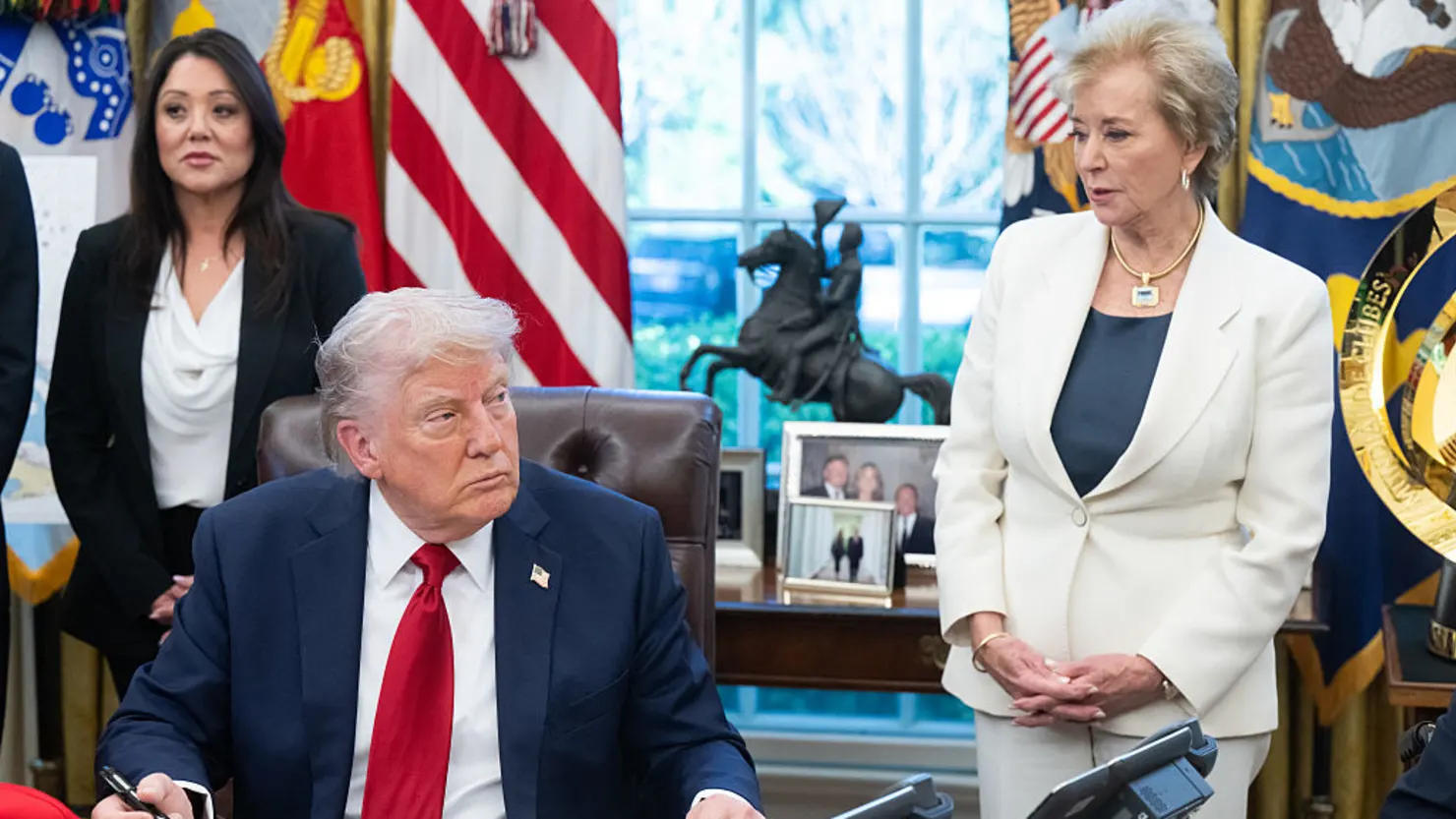
Education Secretary Linda McMahon shot back, saying the funding freeze was a reflection of taxpayers not wanting their dollars to support campuses she says allow antisemitism on their grounds.
“Let me be clear,” McMahon said Tuesday on Newsmax. “We’re not talking about First Amendment rights at all. I think that on college campuses, there should be open debate, there should be room for disagreement and all of that. What I’m talking about are civil rights violations and safety for these students who are on campus.”
Harvard says it has taken several steps to try to ensure the safety of Jewish and pro-Israel students: Harvard clarified campus policies regarding discrimination to include Jewish and Israeli identities, strengthened discipline for infractions and expanded Kosher dining options on campus.
Andrea Baccarelli, dean of the Harvard T.H. Chan School of Public Health, in March announced he had “appointed a faculty working group to review processes and criteria for appointing and renewing instructors.” He also said he ended the school’s formal collaboration with Birzeit University, located in the West Bank.
But it was not enough.
“Harvard has in recent years failed to live up to both the intellectual and civil rights conditions that justify federal investment,” according to the Trump administration’s April 11 letter. “But we appreciate your expression of commitment to repairing those failures and welcome your collaboration in restoring the University to its promise.”
The Internal Revenue Service is weighing whether to revoke Harvard’s tax exemption, according to three people familiar with the matter, which would be a significant escalation of the Trump administration’s attempts to choke off federal money and support for the leading research university.
President Trump on Tuesday publicly called for Harvard to pay taxes, continuing a standoff in which the administration has demanded the university revamp its hiring and admissions practices and its curriculum.
Some I.R.S. officials have told colleagues that the Treasury Department on Wednesday asked the agency to consider revoking Harvard’s tax-exempt status, according to two of the people, who spoke on the condition of anonymity to describe internal conversations.
An I.R.S. spokeswoman declined to comment. The Treasury Department did not respond to a request for comment. CNN first reported that the I.R.S. was looking at potentially rescinding Harvard’s tax-exempt status.
Federal law bars the president from either directly or indirectly requesting the I.R.S. to investigate or audit specific targets. The I.R.S. does at times revoke tax exemptions from organizations for conducting too many political or commercial activities, but those groups can appeal the agency’s decision in court. Any attempt to take away Harvard’s tax exemption would be likely to face a legal challenge, which tax experts expect would be successful.
Harrison Fields, a White House spokesman, said the I.R.S.’s scrutiny of Harvard began before the president’s social media post.
“Any forthcoming actions by the I.R.S. are conducted independently of the President, and investigations into any institution’s violations of their tax status were initiated prior to the President’s TRUTH,” Mr. Fields said in a statement, referring to Mr. Trump’s website Truth Social.
In a statement, Harvard said there is no legal basis for rescinding its tax status.
“Such an unprecedented action would endanger our ability to carry out our educational mission,” the university said. “It would result in diminished financial aid for students, abandonment of critical medical research programs, and lost opportunities for innovation. The unlawful use of this instrument more broadly would have grave consequences for the future of higher education in America.”
Even an attempt at changing Harvard’s tax status would signify a drastic breach in the independence of the I.R.S. and its historical insulation from political pressure.
The Trump administration has cleared out much of the agency’s senior leadership in the last few months, installing allies to temporarily serve as the commissioner and its top lawyer. Its newest acting commissioner, Gary Shapley, was an I.R.S. agent who has said that the investigation into the taxes of Hunter Biden, former President Joseph R. Biden Jr.’s son, was not aggressive enough.
Not only does Harvard’s tax-exempt status allow it to forgo paying income and property taxes, but it also means that donations to the university are tax deductible. That helps attract huge donations from ultrawealthy Americans.
The university is already under intense financial pressure. The Trump administration has said it is cutting off $2.2 billion in federal funding for Harvard after it refused to comply with a list of the government’s demands.
On Wednesday, the homeland security secretary, Kristi Noem, canceled nearly $3 million in agency grants to Harvard, according to a statement from the Department of Homeland Security.
Ms. Noem also wrote a letter to university officials requesting “detailed records on Harvard’s foreign student visa holders’ illegal and violent activities” by the end of the month, according to the agency statement. Without a response, the university could lose the “privilege of enrolling foreign students,” the statement said.
The intensifying standoff between the Trump administration and Harvard is part of a broad pressure campaign against some of the nation’s most elite universities. Led by top White House aides and senior officials from agencies across the government, the effort is part of a bid by conservatives to realign the liberal tilt of academia.
The strategy has roiled higher education as the Trump administration scrutinizes dozens of schools over their handling of antisemitism allegations, diversity practices and policies on transgender athletes. At stake are billions of dollars in federal funding that the White House is threatening to pull from universities that do not comply.
In recent weeks, Harvard has had to weigh whether to rely on its endowment of $53 billion, the largest in higher education, to withstand backlash from the federal government.
But the bulk of its endowment is “restricted,” or earmarked for causes specified by donors. Universities are loath to use even the free parts of their endowments — about $10 billion in Harvard’s case — viewing them more like retirement accounts they rely on for yearly operating expenses than rainy-day funds.
Harvard University is 140 years older than the United States, has an endowment greater than the G.D.P. of nearly 100 countries and has educated eight American presidents. So if an institution was going to stand up to the Trump administration’s war on academia, Harvard would be at the top of the list.
Harvard did that forcefully on Monday in a way that injected energy into other universities across the country fearful of the president’s wrath, rejecting the Trump administration’s demands on hiring, admissions and curriculum. Some commentators went so far as to say that Harvard’s decision would empower law firms, the courts, the media and other targets of the White House to push back as well.
“This is of momentous, momentous significance,” said J. Michael Luttig, a prominent former federal appeals court judge revered by many conservatives. “This should be the turning point in the president’s rampage against American institutions.”
Michael S. Roth, who is the president of Wesleyan University and a rare critic of the White House among university administrators, welcomed Harvard’s decision. “What happens when institutions overreach is that they change course when they meet resistance,” he said. “It’s like when a bully is stopped in his tracks.”
Within hours of Harvard’s decision, federal officials said they would freeze $2.2 billion in multiyear grants to the university, along with a $60 million contract.
That is a fraction of the $9 billion in federal funding that Harvard receives, with $7 billion going to the university’s 11 affiliated hospitals in Boston and Cambridge, Mass., including Massachusetts General, Boston Children’s Hospital and the Dana-Farber Cancer Institute. The remaining $2 billion goes to research grants directly for Harvard, including for space exploration, diabetes, cancer, Alzheimer’s disease and tuberculosis.
It was not immediately clear what programs the funding freeze would affect.
Harvard, the nation’s richest as well as oldest university, is the most prominent object of the administration’s campaign to purge “woke” ideology from America’s college campuses. The administration’s demands include sharing its hiring data with the government and bringing in an outside party to ensure that each academic department is “viewpoint diverse.”
Columbia University, which faced a loss of $400 million in federal funding, last month agreed to major concessions the government demanded, including that it install new oversight of its Middle Eastern, South Asian and African Studies Department.
Columbia University faculty at a rally on Monday against federal funding cuts. The university last month agreed to major concessions that the Trump administration demanded. Credit…Graham Dickie/The New York Times
In a letter on Monday, Harvard’s president, Alan M. Garber, refused to stand down. “Neither Harvard nor any other private university can allow itself to be taken over by the federal government,” he wrote.
The administration’s fight with Harvard, which had an endowment of $53.2 billion in 2024, is one that President Trump and Stephen Miller, a powerful White House aide, want to have. In the administration’s effort to break what it sees as liberalism’s hold on higher education, Harvard is big game. A high-profile court battle would give the White House a platform to continue arguing that the left has become synonymous with antisemitism, elitism and suppression of free speech.
Steven Pinker, a prominent Harvard psychologist who is also a president of the Council on Academic Freedom at Harvard, said on Monday that it was “truly Orwellian” and self-contradictory to have the government force viewpoint diversity on the university. He said it would also lead to absurdities.
“Will this government force the economics department to hire Marxists or the psychology department to hire Jungians or, for that matter, for the medical school to hire homeopaths or Native American healers?” he said.
Harvard has not escaped the problems that roiled campuses nationwide after the Hamas-led attacks in Israel on Oct. 7, 2023. In his letter, Dr. Garber said the university had taken steps to address antisemitism, support diverse viewpoints and protect free speech and dissent.
Those same points were made in a letter to the administration from two lawyers representing Harvard, William A. Burck and Robert K. Hur.
Mr. Burck is also an outside ethics adviser to the Trump Organization and represented the law firm Paul, Weiss, Rifkind, Wharton & Garrison LLP in the deal it recently reached with the Trump administration.
Mr. Hur, who worked in the Justice Department in Mr. Trump’s first term, was the special counsel who investigated President Joseph R. Biden Jr.’s handling of classified documents and termed him “an elderly man with a poor memory,” enraging Mr. Biden.
Both lawyers understand the legal workings of the current administration, an expertise of benefit to Harvard.
“Harvard remains open to dialogue about what the university has done, and is planning to do, to improve the experience of every member of its community,” Mr. Burck and Mr. Hur wrote in the letter, addressed to the acting general counsels of the Departments of Education and Health and Human Services and to a commissioner within the General Services Administration. “But Harvard is not prepared to agree to demands that go beyond the lawful authority of this or any administration.”
Cookie Consent
We use cookies to improve your experience on our site. By using our site, you consent to cookies.
Contains information related to marketing campaigns of the user. These are shared with Google AdWords / Google Ads when the Google Ads and Google Analytics accounts are linked together.
90 days
__utma
ID used to identify users and sessions
2 years after last activity
__utmt
Used to monitor number of Google Analytics server requests
10 minutes
__utmb
Used to distinguish new sessions and visits. This cookie is set when the GA.js javascript library is loaded and there is no existing __utmb cookie. The cookie is updated every time data is sent to the Google Analytics server.
30 minutes after last activity
__utmc
Used only with old Urchin versions of Google Analytics and not with GA.js. Was used to distinguish between new sessions and visits at the end of a session.
End of session (browser)
__utmz
Contains information about the traffic source or campaign that directed user to the website. The cookie is set when the GA.js javascript is loaded and updated when data is sent to the Google Anaytics server
6 months after last activity
__utmv
Contains custom information set by the web developer via the _setCustomVar method in Google Analytics. This cookie is updated every time new data is sent to the Google Analytics server.
2 years after last activity
__utmx
Used to determine whether a user is included in an A / B or Multivariate test.
18 months
_ga
ID used to identify users
2 years
_gali
Used by Google Analytics to determine which links on a page are being clicked
30 seconds
_ga_
ID used to identify users
2 years
_gid
ID used to identify users for 24 hours after last activity
24 hours
_gat
Used to monitor number of Google Analytics server requests when using Google Tag Manager