Category: Bankruptcy

  • Critical American Manufacturing Firm Seeks Chapter 11 Protection

    Critical American Manufacturing Firm Seeks Chapter 11 Protection

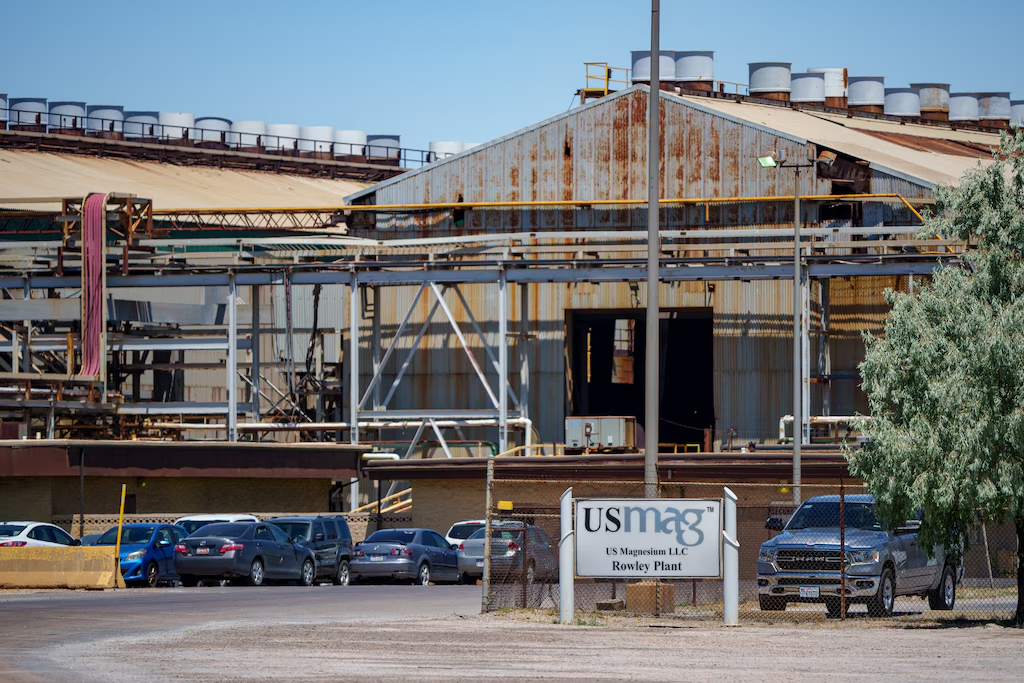
    In a blow to U.S. industrial self-sufficiency and national security, U.S. Magnesium LLC, the nation’s sole primary producer of magnesium metal, filed for Chapter 11 bankruptcy protection on September 10, 2025. The filing, lodged in the U.S. Bankruptcy Court for the District of Delaware, stems from escalating regulatory disputes with the state of Utah over alleged environmental pollution from its Rowley facility along the shrinking Great Salt Lake. With assets and liabilities estimated between $100 million and $500 million, the company—wholly owned by billionaire Ira Rennert’s Renco Group Inc.—is seeking to restructure through a going-concern sale, warning that its collapse could force America to rely almost entirely on adversarial nations like China and Russia for critical minerals essential to defense and high-tech manufacturing.

    U.S. Magnesium’s predicament highlights the fragile intersection of environmental regulation, economic viability, and geopolitical strategy. Operating since 2002, the facility extracts magnesium, lithium, and other chemicals from the Great Salt Lake’s brine, supplying industries from aerospace to electric vehicles. But years of operational setbacks, including global price crashes, equipment failures, and the COVID-19 pandemic, have compounded tensions with Utah regulators. The state’s Division of Forestry, Fire & State Lands recently moved to terminate the company’s leases, citing persistent pollution linked to a 2017 academic study that implicated the refinery in up to 25% of the Salt Lake Valley’s notorious winter “brown clouds.”

    In a statement released shortly after the filing, U.S. Magnesium emphasized its role as a vital domestic supplier. “This decision, reached after careful consideration, reflects our ongoing commitment to responsibility, integrity, and long-term sustainability as we navigate an accumulation of significant challenges,” the company said. It plans to use the bankruptcy process under Sections 363 and 365 of the Bankruptcy Code to resolve disputes, facilitate a sale, and “preserve the value of our business, honor our commitments to employees and partners, [and] continue our longstanding commitment to environmental stewardship while being a key domestic supplier of critical minerals for many years to come.”

    Environmental Flashpoint: Pollution Allegations Ignite Regulatory Battle

    The bankruptcy filing arrives amid a heated standoff with Utah authorities, who accuse U.S. Magnesium of exacerbating air quality issues in the densely populated Wasatch Front region. The controversy traces back to a 2017 study by the Cooperative Institute for Research in Environmental Sciences (CIRES), a joint University of Colorado Boulder and National Oceanic and Atmospheric Administration (NOAA) program. Conducted during a severe winter inversion episode, the research modeled emissions from the Rowley refinery and found that chlorine and bromine—halogenated compounds released during magnesium production—contributed 10-25% of the fine particulate matter (PM 2.5) forming the persistent brown clouds that blanket Salt Lake City.

    PM 2.5, microscopic particles smaller than 2.5 microns, pose severe health risks by penetrating deep into the lungs and bloodstream, potentially causing respiratory diseases, heart problems, and premature deaths. The study noted that winter pollution levels in the Salt Lake Valley exceed national air quality standards on an average of 18 days per year, with the refinery’s plume playing a “significant” role. Lead author Carrie Womack, now with NOAA, confirmed in recent interviews that chlorine emissions have shown “no significant decline” over the past five years, despite company claims of mitigation efforts.

    Utah officials, citing the aging report and ongoing monitoring, argue the facility’s operations threaten public health and the ecologically fragile Great Salt Lake, which has lost over 50% of its volume since 1980 due to drought and diversions. In August 2025, the state demanded the company halt massive water pumping—up to 400,000 acre-feet annually—from the lake, further straining relations. Environmental groups like Friends of Great Salt Lake have long criticized U.S. Magnesium for noncompliance with water and air protection laws, including potential contamination of groundwater with heavy metals.

    U.S. Magnesium counters that the 2017 data is outdated and doesn’t reflect upgrades, including a $400 million investment in lithium production infrastructure. The company idled its magnesium operations in 2020 due to force majeure from COVID and a major customer closure (Allegheny Technologies’ Rowley plant), pivoting to lithium carbonate—the first such plant in the U.S.—using advanced direct lithium extraction (DLE) technology. However, an 80% plunge in lithium prices since 2022, coupled with operational hurdles and regional water policies, forced a pause in lithium output in late 2024.

    The bankruptcy filing, a voluntary petition, lists Renco as the 100% equity holder. Renco, which has poured over $400 million into the venture without dividends for a decade, pledges to recapitalize the buyer and assume environmental liabilities. “We’re not walking away—we’re buying the assets and assuming environmental liabilities to rebuild,” the statement reads, hoping the process fosters “constructive dialogue” with Utah to avoid inheriting cleanup costs.

    The Strategic Imperative: Magnesium and Lithium as National Security Linchpins

    U.S. Magnesium’s plight extends far beyond Utah’s borders, striking at the heart of America’s push for mineral independence. Magnesium, designated a critical mineral by the U.S. Geological Survey in 2022, is indispensable for national defense and economic resilience. As the lightest structural metal, it alloys with aluminum to create high-strength, lightweight components used in military aircraft, missiles, helicopters, and vehicle armor—reducing weight by up to 30% for better fuel efficiency and maneuverability.

    The Pentagon has repeatedly flagged magnesium’s vulnerabilities: The U.S. imports over 54% of its needs, with China dominating 85% of global production. Russia, another key supplier, faces sanctions that could disrupt flows amid ongoing conflicts. Without domestic capacity, supply chains for F-35 jets, submarines, and munitions become precarious. “Magnesium is one of the identified critical minerals… very much come to the forefront with all of the geopolitical froth,” said Barry Baim, director at West High Yield Resources, underscoring demand from government and industry.

    Former President Donald Trump echoed these concerns in a 2020 executive order, declaring reliance on “hostile foreign powers” an acute threat to national and economic security. The Biden administration’s Inflation Reduction Act and Defense Production Act investments further prioritize onshore production, with magnesium essential for electric vehicles (enhancing EV range), wind turbines, and lithium-ion batteries—where U.S. Magnesium’s dual expertise in magnesium and lithium positions it uniquely.

    Lithium, another critical mineral, powers the green energy transition and defense electronics. U.S. Magnesium’s mothballed plant, developed with partners like International Battery Metals (IBAT), aimed to produce 5,000 metric tons annually using modular DLE on waste brines— a first for the U.S. But idling it amid low prices (down 80% since peaks) and water restrictions has left a void, as domestic lithium supply lags behind surging EV demand.

    Experts warn of dire consequences if the sale falters. “If U.S. Magnesium fails, the United States would need to buy key products from China and Russia,” amplifying risks from trade wars, tariffs, and sanctions. The Defense Logistics Agency lists magnesium among strategic materials, and GAO reports highlight seawater and brine extraction as potential alternatives—but scaling them could take years.

    Path Forward: Restructuring Amid Uncertainty

    The Chapter 11 process offers U.S. Magnesium breathing room to operate while marketing its assets. With 186 employees laid off in 2024 during the lithium idle, the filing prioritizes payroll and vendor obligations. Renco’s commitment to bid signals intent to retain operations, potentially resolving Utah’s lease termination threat—valued positively by the state as it avoids cleanup burdens estimated in the tens of millions.

    Yet, challenges abound. Global magnesium oversupply and “offshore dumping” have depressed prices to historic lows, while equipment woes and the 2016 Allegheny closure eroded revenue. Utah’s evolving water policies, including a 2025 plan to curb Great Salt Lake diversions, add pressure. A conciliatory tone in the statement aims to “catalyze constructive dialogue,” but environmental advocates remain skeptical, pushing for stricter oversight.

    For the broader economy, the stakes are high. Reviving U.S. Magnesium aligns with federal incentives under the CHIPS and Science Act, potentially injecting capital for restarts. As one analyst noted, “This is an opportunity to finalize agreements… continuing to produce critical minerals in the United States, as the administration has been urging as a national priority.”

    U.S. Magnesium’s saga underscores the tensions in America’s quest for secure supply chains: Balancing environmental imperatives with industrial needs in a resource-scarce world. If the restructuring succeeds, it could bolster domestic resilience; if not, it risks deepening U.S. vulnerabilities to foreign powers.

  • U.S. Judge Raises Concerns About Tight-Knit Relationships Among Law Firms in Bankruptcy Ethics Scandal

    U.S. Judge Raises Concerns About Tight-Knit Relationships Among Law Firms in Bankruptcy Ethics Scandal

    A federal judge overseeing several high-profile bankruptcy cases has raised pointed concerns about potential ethical conflicts and the appearance of collusion among prominent law firms, in the wake of the scandal surrounding former U.S. Bankruptcy Judge David R. Jones’s abrupt resignation last year.

    During a hearing in Houston on Friday, U.S. District Judge Lee H. Rosenthal described the ongoing revelations as “deeply troubling” and said that the overlapping personal and professional relationships among lawyers and firms involved in major Chapter 11 cases could erode public trust in the bankruptcy system.

    “This court must ensure that bankruptcy professionals are held to the highest ethical standards,” Judge Rosenthal said. “What we are seeing now raises questions about transparency, disclosure, and the closeness of a professional world that may be too small for its own good.”

    The scrutiny stems from the fallout of Judge David R. Jones’s October 2024 resignation, following reports that he had for years presided over cases involving the law firm Jackson Walker LLP while secretly living with a partner at the firm, Elizabeth Freeman. Jones did not disclose the relationship, despite the firm’s appearance in dozens of multimillion-dollar corporate bankruptcies over which he ruled.

    The revelation—first brought to light through court filings by U.S. Trustee Kevin Epstein, a Justice Department official charged with oversight of bankruptcy cases—sparked national outrage and prompted an internal review by the Fifth Circuit.

    In April 2025, an ethics panel found that Jones’s failure to recuse himself “created an appearance of impropriety” and recommended systemic changes to prevent similar conflicts. Meanwhile, litigation from creditors and corporate debtors continues to mount, as parties seek to undo decisions in cases where conflicts were not disclosed.

    “Too Cozy”: Questions Mount Over Law Firm Networks

    At Friday’s hearing, Judge Rosenthal reviewed submissions from several parties in the Serta Simmons Bedding and JCPenney bankruptcies—two major Chapter 11 cases previously handled by Judge Jones in which Jackson Walker played a key legal role. She asked whether the same attorneys were “cycling between firms” and questioned the rigor of conflict checks and disclosures.

    “It appears there is a revolving door of sorts,” Rosenthal said. “When the same lawyers are involved in case after case—personally and professionally intertwined—it risks undermining the objectivity that the bankruptcy process demands.”

    The judge stopped short of making formal findings but signaled that she may order independent reviews of certain fee arrangements and firm affiliations. She also expressed frustration that some law firms, including Jackson Walker and Kirkland & Ellis, had yet to fully comply with disclosure requirements regarding the extent of their ties to Freeman and Jones.

    Several creditor groups have filed motions in recent weeks seeking to reopen cases and reassess outcomes rendered by Judge Jones. In one instance, creditors in the Whiting Petroleum bankruptcy argue that rulings favoring Kirkland & Ellis and Jackson Walker should be vacated due to the judge’s undisclosed conflict.

    Meanwhile, corporate clients are reconsidering fee arrangements. “The legal integrity of these cases has been compromised,” said Martin Greenbaum, an attorney representing a group of unsecured creditors. “Billions of dollars changed hands in decisions that may have been tainted by ethical lapses.”

    The U.S. Trustee’s office has backed calls for independent examination of several past rulings and proposed a new policy that would require all bankruptcy judges to file annual disclosures about personal relationships with professionals appearing before them.

    In a statement, Jackson Walker said it had “fully cooperated with all investigations” and denied any wrongdoing. “We remain committed to the highest standards of professional conduct,” the firm said. Kirkland & Ellis echoed that view, stating that its attorneys “acted in good faith” and “followed all rules regarding disclosure and conflicts.”

    Privately, however, many in the bankruptcy bar acknowledge that the scandal has shaken confidence in the process.

    “It’s always been a tight-knit world,” said a restructuring lawyer at a top Manhattan firm, who requested anonymity. “But what’s coming to light makes clear we need more sunlight and stricter oversight.”

    The Judicial Conference of the United States is now considering reforms that could include mandatory recusal reviews, limits on how often firms can appear before the same judges, and the use of third-party ethics monitors in major cases. The Senate Judiciary Committee has scheduled a hearing in June to explore the issue further.

    Some judges have already begun recusing themselves preemptively from cases involving firms with which they have even minor personal ties. In the Southern District of Texas, where Judge Jones once reigned as the court’s top bankruptcy jurist, colleagues are reportedly reviewing case assignments and disclosure protocols.

    What began as a personal ethics scandal has now grown into a broader reckoning for America’s bankruptcy courts. Judge Rosenthal’s remarks suggest that the era of “business as usual” in corporate restructurings may be coming to an end, with greater demands for transparency, accountability, and reform.

    “The appearance of fairness is just as important as fairness itself,” she said. “And right now, the public has reason to doubt both.”


    Key Points:

    • Judge David R. Jones resigned in Oct. 2024 amid ethics allegations.
    • Jackson Walker LLP under scrutiny for undisclosed personal ties with Judge Jones.
    • $50B+ in corporate bankruptcy cases may be impacted.
    • New reforms and oversight measures are being considered by courts and Congress.
    • Judge Rosenthal signals possible independent audits and increased transparency.

  • Oaktree in Acquisition Talks With Superior Industries

    Oaktree in Acquisition Talks With Superior Industries

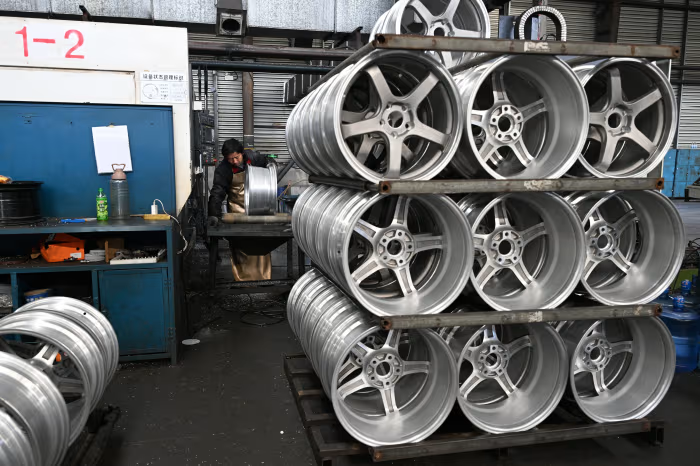
    Oaktree Capital Management, the Los Angeles-based investment firm known for distressed-debt turnarounds, is in advanced talks to take control of Superior Industries International Inc., the aluminum wheel manufacturer battered by U.S. and international auto parts tariffs, according to people familiar with the matter.

    The talks mark a potential turning point for Superior (NYSE: SUP), one of the last major American-based suppliers of cast aluminum wheels to global automakers. The company, long plagued by rising raw material costs and trade headwinds, is reportedly nearing a restructuring deal that could see Oaktree convert its debt holdings into a controlling equity stake.

    The negotiations are being led by Oaktree’s distressed-debt team and advised by powerhouse law firm Paul, Weiss, Rifkind, Wharton & Garrison LLP. According to sources, the transaction could be finalized as early as next month, pending board approvals and regulatory reviews.

    Superior Industries has struggled since 2018, when the Trump administration imposed a 10% tariff on imported aluminum and broader levies on Chinese-made auto parts. The company, which sources raw materials globally and supplies General Motors, Stellantis, and BMW, saw its cost base surge amid rising trade barriers.

    In its most recent earnings report, Superior posted a net loss of $58 million for 2024, down from a modest profit the prior year. Revenue slipped 6% year-over-year to $1.1 billion, as automakers shifted to lower-cost suppliers in Mexico and Asia.

    Company executives have repeatedly warned that continued U.S. and EU tariffs on imported components—including aluminum billet, magnesium alloys, and precision dies—have “crippled the competitiveness” of North American suppliers.

    “We’re at the mercy of geopolitical crossfire,” CEO Majdi Abulaban said on an earnings call in February. “Tariffs are squeezing margins, reducing OEM orders, and threatening our long-term viability.”

    Superior’s stock has declined more than 72% in the past 12 months and currently trades below $1.25—a sign of growing investor concern about its solvency.

    Oaktree, a leading creditor with over $180 billion in assets under management, began accumulating Superior debt in late 2023, purchasing discounted senior secured bonds and term loans. Insiders say Oaktree now holds over 60% of Superior’s outstanding debt, positioning it as the key player in any out-of-court restructuring or pre-packaged bankruptcy.

    The firm is reportedly seeking to exchange its debt for equity, with a view to installing new management and streamlining Superior’s global operations. If a deal is reached, Oaktree could gain majority control without requiring a formal Chapter 11 filing—a path that may preserve customer contracts and vendor relationships.

    “This is classic Oaktree,” said Joshua Cohen, an analyst at CreditSage Research. “They’re moving in as a lender of last resort, flipping the capital stack, and positioning themselves to own the upside if the business stabilizes.”

    Paul Weiss, a firm with deep experience in complex restructurings, is advising Oaktree on deal structure and regulatory clearance. Superior is reportedly working with PJT Partners and law firm Latham & Watkins on its end of the discussions.

    Superior’s woes are emblematic of broader stresses in the U.S. auto parts sector. As the Biden administration maintains and expands trade restrictions on Chinese EV parts and critical materials, suppliers are being squeezed by inflation, regulatory shifts, and changing consumer demand.

    The U.S. Department of Commerce estimates that tariffs have added 9–15% to the cost of aluminum wheels since 2022, with suppliers struggling to pass those costs to automakers already under price pressure.

    “You have a supply chain inversion,” said Maria Estevez, a trade economist at the Brookings Institution. “Legacy U.S. suppliers like Superior are caught between trade nationalism and the electrification pivot—many are barely hanging on.”

    Several smaller suppliers, including Shiloh Industries and Horizon Global, have filed for bankruptcy in the past two years. Oaktree’s potential takeover of Superior may serve as a litmus test for how private capital navigates the sector’s ongoing transformation.

    According to those close to the talks, both parties are working toward a “creditor-led restructuring agreement” that could be announced in June. The proposed deal would:

    • Restructure over $320 million in senior debt;
    • Inject fresh working capital of $75–100 million from Oaktree;
    • Appoint new board members and evaluate strategic divestitures, including Superior’s German operations.

    If the deal goes through, Superior would likely pivot toward high-margin EV wheel components and lightweight alloys, capitalizing on automaker shifts toward electric fleets. Oaktree is also said to be exploring the consolidation of regional production facilities to cut costs and increase automation.

    Oaktree’s potential takeover of Superior Industries underscores how tariff policy and industrial reshoring efforts are reshaping America’s manufacturing landscape. For Superior, once a symbol of U.S. automotive ingenuity, survival may now depend not on Washington or Detroit—but on Wall Street’s appetite for high-risk, high-reward turnarounds.


    Key Figures:

    • Superior 2024 Revenue: $1.1 billion
    • 2024 Net Loss: $58 million
    • Oaktree Debt Holdings in Superior: Estimated 60%+
    • Superior Stock Price: Down 72% YTD, trading at ~$1.25
    • Tariff Impact: Aluminum part costs up 9–15% since 2022
    • Deal Value: Estimated $320M debt-for-equity swap + $75–100M cash injection

    Companies Involved:

    • Oaktree Capital Management (Potential acquirer)
    • Superior Industries International Inc. (Target)
    • Paul Weiss (Oaktree’s legal advisor)
    • PJT Partners & Latham & Watkins (Advising Superior)
  • New York Fed Official Says Overnight Lending Facility Will Play a Bigger Role

    New York Fed Official Says Overnight Lending Facility Will Play a Bigger Role

    As the Federal Reserve continues to wind down its balance sheet and navigate a changing interest rate landscape, the central bank’s standing overnight lending tool—the Standing Repo Facility—is poised to play a bigger role in stabilizing short-term borrowing costs, a top New York Fed official said Monday.

    Roberto Perli, the manager of the System Open Market Account (SOMA) at the Federal Reserve Bank of New York, told an audience at a fixed-income conference in Manhattan that the Standing Repo Facility (SRF) will likely take on greater prominence as a backstop for overnight funding markets as excess reserves in the banking system continue to decline.

    “As the Fed’s balance sheet normalizes, and reserves become less abundant, we expect the Standing Repo Facility to be increasingly important in maintaining control over short-term interest rates,” Perli said. “It provides a ceiling on overnight borrowing costs and supports the effective transmission of monetary policy.”

    A Quiet Corner of Monetary Policy Grows Louder

    The Standing Repo Facility, launched in July 2021, allows eligible counterparties—primarily large banks and primary dealers—to borrow overnight cash from the Fed in exchange for high-quality collateral, such as Treasurys, agency debt, and agency mortgage-backed securities. The facility effectively acts as a cap on overnight interest rates by offering liquidity at a fixed rate—currently set at 5.5%, the upper bound of the federal funds target range.

    Though underutilized for much of its existence, the SRF is now expected to play a critical role as the Fed continues reducing its holdings of Treasurys and agency MBS, a process known as quantitative tightening (QT). The Fed’s balance sheet has declined to just under $7.4 trillion, down from a peak of nearly $9 trillion in 2022.

    As QT progresses, bank reserves are gradually declining, increasing the risk of stress in overnight funding markets—a risk the SRF is designed to mitigate.

    “The SRF helps avoid spikes in repo rates that could spill over into broader funding markets,” Perli explained. “It’s not just a tool of last resort—it’s a structural part of the post-pandemic monetary policy framework.”

    Fed officials are keen to avoid a repeat of the September 2019 repo market turmoil, when a sudden shortage of bank reserves caused overnight lending rates to spike above 10%. That episode, which occurred before the pandemic-era balance sheet expansion, prompted the Fed to eventually launch the SRF as a standing facility.

    Perli emphasized that the Fed is aiming for a “minimally ample” reserve regime—enough reserves to support smooth market functioning without flooding the system. In such an environment, the SRF would serve as a safety valve, absorbing fluctuations in liquidity demand.

    Wall Street analysts see the Fed’s messaging as a clear signal that short-term repo markets will become a key battleground in monetary policy implementation.

    “The SRF is no longer just a theoretical backstop—it’s becoming a live tool in rate control,” said Priya Misra, head of global rates strategy at TD Securities. “As QT reduces excess liquidity, we’re going to see more frequent use of this facility, especially in periods of tax payments, bill issuance, or market stress.”

    In recent months, repo market participants have seen growing usage of the reverse repo (RRP) facility decline, while demand for SRF remains near zero—but that dynamic could change quickly if reserves fall too far.

    “The Fed is trying to thread a needle,” said Joseph Abate, repo market expert at Barclays. “They want to shrink the balance sheet without triggering another funding squeeze. The SRF is their insurance policy.”

    Perli also noted that an active SRF helps the Fed maintain the integrity of its interest rate corridor, ensuring that market rates do not drift too far from the policy rate. With the federal funds target range currently at 5.25%–5.50%, the SRF ensures that no institution pays more than the upper bound for overnight funds.

    Moreover, the SRF could take on additional importance if future geopolitical shocks, debt issuance surges, or year-end liquidity pressures push up repo rates.

    “This facility helps the Fed maintain monetary control without needing to keep reserves excessively high,” said Julia Coronado, president of MacroPolicy Perspectives. “It’s part of a more flexible, responsive monetary toolkit.”

    Fed officials are widely expected to slow the pace of QT later this year, especially as money market funds shift from the Fed’s reverse repo facility into higher-yielding T-bills. Perli declined to speculate on when QT might end but reiterated that money market stability remains a core priority.

    The next major test for the SRF could come during the mid-June tax payment period, when Treasury cash balances surge and drain reserves from the system.

    For now, the SRF’s mere presence is helping anchor market confidence—but as the Fed walks a tightrope between inflation control and liquidity management, that backstop could soon become a front-line tool.


    Key Facts:

    • Standing Repo Facility Rate: 5.5% (as of May 2025)
    • Fed Balance Sheet Size: $7.4 trillion (down from $9 trillion in 2022)
    • Launch Date of SRF: July 2021
    • Usage: Currently near zero, but expected to increase as reserves decline
    • Eligible Collateral: Treasurys, agency debt, agency MBS
    • Fed Funds Target Range: 5.25%–5.50%
  • Wolfspeed Expected to File for Bankruptcy in the Coming Weeks

    Wolfspeed Expected to File for Bankruptcy in the Coming Weeks

    Wolfspeed Inc., a once high-flying U.S. semiconductor company known for its silicon carbide technology, is preparing to file for bankruptcy protection within weeks after months of failed out-of-court negotiations with creditors, according to people familiar with the matter.

    The Durham, North Carolina-based chipmaker is working with legal and financial advisers on a prepackaged Chapter 11 filing, a move that would allow the company to continue operating while restructuring more than $2.1 billion in debt. The filing could come as early as mid-June, barring a last-minute breakthrough with lenders, sources said.

    The company’s preparations mark a dramatic turn for a business that had been central to the U.S. push for domestic semiconductor manufacturing, especially in the high-voltage components needed for electric vehicles, data centers, and renewable energy systems.

    Creditors, led by Apollo Global Management and BlackRock, have made several attempts over the past two months to restructure Wolfspeed’s debt out of court, including debt-for-equity swaps and maturity extensions, but those efforts were rejected by the company’s board, sources said.

    Instead, Wolfspeed is pursuing a prepackaged bankruptcy that would allow it to eliminate a large portion of its unsecured debt while preserving day-to-day operations and shielding critical assets like its Mohawk Valley chip fabrication facility in upstate New York.

    “Wolfspeed believes a court-supervised process is the most efficient path forward to stabilize its capital structure and protect its long-term strategic goals,” a person familiar with the matter said.

    The company has reportedly secured debtor-in-possession (DIP) financing from existing lenders, which would provide short-term liquidity during the restructuring process.

    Wolfspeed, formerly known as Cree Inc., had been riding a wave of enthusiasm for its silicon carbide semiconductors, which enable more efficient power conversion in EVs and industrial applications. The company signed supply deals with Tesla, General Motors, and other automakers, and received over $1.2 billion in federal and state incentives to expand U.S. production.

    But aggressive expansion, cost overruns at its Mohawk Valley facility, and global supply chain disruptions have strained its finances. Wolfspeed burned through $800 million in free cash flow in fiscal 2024, and recent earnings showed declining gross margins and ballooning losses.

    As of March 31, Wolfspeed reported $280 million in cash and $2.1 billion in total debt, including $1.3 billion in convertible notes and $600 million in term loans maturing in 2026.

    The company’s bonds trade at deeply distressed levels, with some notes quoted at below 40 cents on the dollar, signaling widespread investor skepticism about recovery prospects.

    A Wolfspeed bankruptcy could reverberate beyond Wall Street. The company was a flagship recipient of U.S. CHIPS Act incentives, touted by the Biden administration as part of efforts to reduce reliance on Chinese suppliers and on traditional silicon-based chips.

    The Department of Commerce awarded Wolfspeed a $500 million grant in 2023, and New York State pledged nearly $750 million in subsidies to support its factory expansion. A bankruptcy could trigger clawback provisions or lead to political scrutiny of how CHIPS Act funds were deployed.

    “This would be a blow to U.S. semiconductor reshoring ambitions,” said Stacy Rasgon, chip analyst at Bernstein Research. “Wolfspeed was seen as a homegrown solution to China’s dominance in power semiconductors.”

    News of the pending filing sent Wolfspeed shares down nearly 22% in after-hours trading, wiping out more than $400 million in market capitalization. The stock, which traded above $130 in 2021, closed Monday at $14.35 and is now down over 85% year-to-date.

    The news also weighed on shares of other silicon carbide suppliers, including ON Semiconductor and STMicroelectronics, though both companies have broader product lines and more diversified customer bases.

    Private equity firms and strategic buyers have reportedly expressed interest in acquiring parts of Wolfspeed’s operations in bankruptcy, including its device packaging business and legacy LED lighting unit.

    Wolfspeed is expected to file its Chapter 11 plan in the U.S. Bankruptcy Court for the District of Delaware. The plan will likely include a debt-to-equity conversion that hands control of the company to its senior lenders, while wiping out existing equity holders.

    The filing could also prompt labor negotiations and contract revisions at its New York plant, which employs more than 900 workers.

    Until then, Wolfspeed continues to ship product and fulfill customer orders, though some automakers have reportedly begun diversifying their sourcing amid the uncertainty.

    Wolfspeed’s pending bankruptcy underscores the risks of capital-intensive industrial bets in a volatile macroeconomic and geopolitical environment—even when backed by federal dollars.


    Wolfspeed at a Glance

    • Headquarters: Durham, NC
    • Founded: 1987 (as Cree Inc.)
    • Specialty: Silicon carbide semiconductors
    • Debt Load: $2.1 billion
    • Cash Reserves: $280 million (as of March 2025)
    • Federal/State Subsidies: $1.2 billion+
    • Planned Bankruptcy Filing: June 2025 (expected)
    • Key Customers: Tesla, GM, Lucid Motors
  • Bayer Pursues New Roundup Settlement as It Considers Monsanto Bankruptcy

    Bayer Pursues New Roundup Settlement as It Considers Monsanto Bankruptcy

    Bayer AG is pursuing a new multibillion-dollar settlement over claims that its Roundup weedkiller causes cancer—and is preparing to place its U.S. subsidiary Monsanto into bankruptcy if talks with tort plaintiffs collapse, according to people familiar with the matter.

    The German pharmaceutical and agricultural conglomerate, which acquired Monsanto for $63 billion in 2018, has been mired in litigation ever since. More than 54,000 plaintiffs remain active in U.S. courts, alleging that exposure to Roundup, which contains glyphosate, caused them or their loved ones to develop non-Hodgkin lymphoma and other cancers.

    Bayer is reportedly working with legal advisors from Sullivan & Cromwell and financial consultants from Lazard to structure a revised global settlement. The company has floated a package in the range of $6 billion to $8 billion, people briefed on the discussions said.

    However, if negotiations fail to gain broad support among plaintiffs’ lawyers and judges, Bayer is prepared to file Chapter 11 bankruptcy for Monsanto, a legal maneuver that could pause litigation and channel claims into a court-supervised resolution process.

    “We remain committed to resolving Roundup litigation in a fair and efficient manner,” a Bayer spokesperson said. “All options remain on the table to protect our business and stakeholders.”

    The renewed push for settlement follows a wave of courtroom defeats for Bayer in recent months. Since late 2023, juries in Missouri, Pennsylvania, and California have awarded over $4 billion in damages to individual plaintiffs, including a landmark $2.25 billion verdict in January—the largest to date in Roundup litigation.

    Though Bayer has won several cases on appeal and maintains that glyphosate is safe when used as directed, the inconsistency in jury outcomes has fueled investor anxiety and legal uncertainty.

    The litigation risk has become a drag on Bayer’s stock, which has lost more than 35% of its value since 2022. Shareholders have urged management to put the Roundup saga behind them, with some pushing for a spin-off or restructuring of Bayer’s crop science division, which includes Monsanto.

    Filing Monsanto for bankruptcy would allow Bayer to isolate Roundup-related liabilities without exposing the broader group to Chapter 11 proceedings. The company has studied similar strategies used by Johnson & Johnson (over talc) and 3M (over earplugs), though both efforts faced major legal setbacks in federal appeals courts.

    Bayer would likely seek to establish a litigation trust under Section 524(g) of the U.S. bankruptcy code, channeling all current and future glyphosate claims into a single compensation fund.

    Plaintiffs’ attorneys are already split on the idea. Some say bankruptcy could force a more orderly and equitable distribution of funds, while others argue it would suppress jury awards and deny victims their day in court.

    “Monsanto used to be the world’s most powerful agribusiness,” said Brent Wisner, a leading plaintiff’s attorney. “Now it’s trying to hide behind bankruptcy to escape accountability.”

    Bayer still generates robust cash flow from its pharmaceutical and agricultural segments, but the legal overhang has narrowed strategic flexibility. The company faces a €39 billion debt load and has ruled out further dividend hikes or major acquisitions until the litigation is resolved.

    CEO Bill Anderson, who took over in 2023, has pledged to streamline operations and improve transparency. He has also hinted that the company may consider selling or spinning off Monsanto once Roundup liabilities are addressed.

    “The Roundup issue is not just a legal matter—it’s a reputational and strategic challenge,” said Johannes Thormählen, an analyst at DZ Bank. “A clean break may be the only path forward.”

    Bayer continues to cite regulatory findings that glyphosate is not carcinogenic when used properly. The U.S. Environmental Protection Agency (EPA), European Food Safety Authority (EFSA), and other regulators have reaffirmed the herbicide’s safety.

    But the International Agency for Research on Cancer (IARC), a unit of the World Health Organization, classified glyphosate as “probably carcinogenic” in 2015, triggering the first wave of lawsuits and billions in damages.

    Bayer announced in 2021 that it would replace glyphosate in its residential products by 2023. However, commercial versions of Roundup—used on millions of acres of corn, soybeans, and cotton—remain widely sold.

    If Bayer proceeds with the bankruptcy plan, Monsanto could file as early as this summer. The filing would pause all current litigation under the automatic stay provisions of Chapter 11, while the company negotiates a trust structure with creditors and plaintiffs’ counsel.

    Courts would then need to determine whether Monsanto’s bankruptcy was filed in good faith and whether claimants can be compelled to accept trust payouts instead of jury trials.

    Meanwhile, Bayer’s board faces intensifying scrutiny from shareholders and policymakers in Germany, where the Monsanto acquisition has become a cautionary tale of deal-driven risk.

    Bayer is racing against time—and public pressure—to settle thousands of Roundup cancer claims. If talks collapse, a bankruptcy filing for Monsanto may be the company’s last resort to contain a legal wildfire that has already cost billions.


    Roundup Litigation Snapshot

    • Plaintiffs Remaining: ~54,000
    • Largest Verdict: $2.25 billion (CA, Jan 2025)
    • Total Legal Costs to Date: ~$13 billion
    • Current Settlement Talks: $6–8 billion range
    • Bankruptcy Option: Chapter 11 for Monsanto only
    • Lead Legal Counsel: Sullivan & Cromwell (Bayer), Kirkland & Ellis (creditors)
    • Potential Filing Date: Summer 2025 (tentative)
  • Discount retailer Gabe’s is negotiating a transfer of control to its lenders

    Discount retailer Gabe’s is negotiating a transfer of control to its lenders

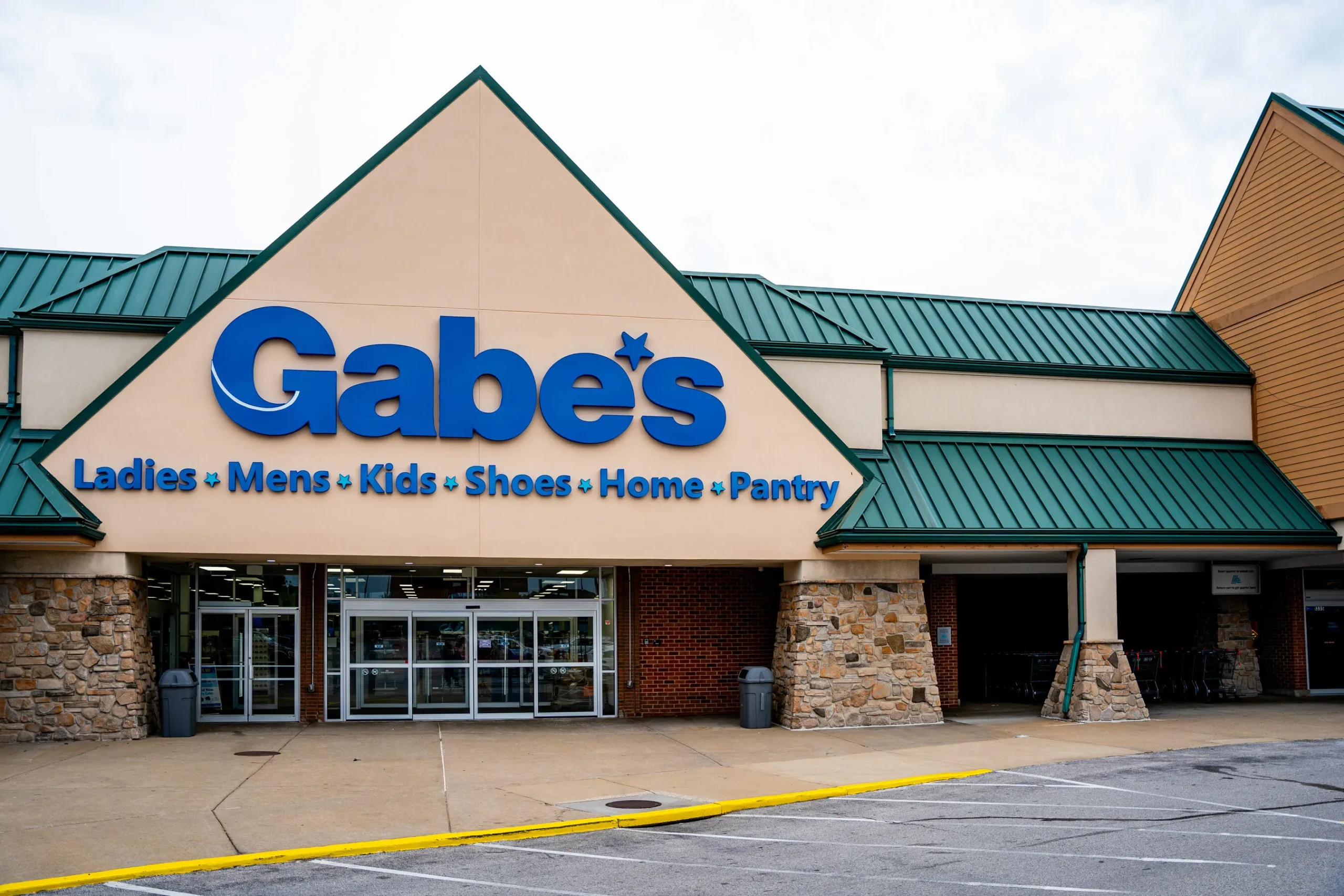
    NEW YORK — Discount retail chain Gabe’s, a popular off-price department store operating over 160 locations across the Mid-Atlantic and Southeast, is in advanced negotiations to hand over control of the company to its lenders, according to people familiar with the matter. The move comes as the company, owned by private equity firm Warburg Pincus, struggles to manage a growing debt load and softening sales in a highly competitive retail environment.

    The potential debt-for-equity swap would give creditors significant ownership in the company, signaling a major shift in the retailer’s structure and potentially marking the end of Warburg Pincus’s majority stake in Gabe’s.

    Founded in 1961 and headquartered in Morgantown, West Virginia, Gabe’s built its reputation on steeply discounted apparel, home goods, and seasonal merchandise. In 2020, the company expanded its footprint by acquiring Old Time Pottery, a Tennessee-based home décor retailer. Combined, Gabe’s and Old Time Pottery operate more than 160 stores in 20 states, serving budget-conscious shoppers in both urban and rural areas.

    But even deep discounts haven’t been enough to shield the company from the dual pressures of inflation-strapped consumers and heightened competition from giants like Dollar General, Burlington, and Walmart. Industry sources say traffic and margins at Gabe’s stores have weakened over the past 18 months.

    Gabe’s is currently carrying hundreds of millions of dollars in debt, much of it dating back to leveraged buyouts and expansion efforts funded under Warburg Pincus’s ownership. People close to the matter say interest costs and operational overheads have significantly eroded free cash flow, leaving the company with limited flexibility to reinvest in store upgrades or digital infrastructure.

    Warburg Pincus, which acquired Gabe’s in 2017, has declined to comment publicly, though sources suggest the firm has been seeking an exit or restructuring solution since late 2023. The private equity firm manages over $80 billion in assets globally.

    Talks with lenders, which include major institutional credit investors and private debt funds, are said to be ongoing but constructive. According to two sources familiar with the process, the restructuring could include:

    • A debt-for-equity conversion that significantly reduces the company’s interest burden
    • A potential injection of fresh capital to support working capital and store operations
    • Operational changes to focus on core markets and divest or shutter underperforming locations

    No final decision has been made, and restructuring outcomes could vary depending on lender consensus and macroeconomic conditions. A Chapter 11 filing is not imminent, according to people briefed on the talks, but remains a backup plan if an out-of-court deal falls apart.

    Gabe’s situation reflects broader challenges in the discount and off-price retail sector. Once seen as recession-resistant, the industry is now facing thinning margins due to supply chain costs, rising minimum wages, and shifting consumer behavior.

    “Off-price retailers used to thrive in uncertain economies,” said retail analyst Caroline Myles of Piper Sandler. “But now, they’re caught in a squeeze—consumers are stretched thin, and many of these chains are underinvested in e-commerce, which is where price-savvy shoppers are increasingly going.”

    Myles noted that many discount retailers owned by private equity firms have faced similar financial pressures, with some opting for restructurings or distressed asset sales in recent years.

    If Gabe’s can successfully restructure its debt and stabilize operations, the company could retain a significant footprint in its key regions, where it still enjoys brand loyalty among deal-seeking customers. Analysts say the company’s strength lies in its low-overhead model, real estate flexibility, and regional appeal.

    But challenges remain. With over 160 stores, Gabe’s must now determine how many of those locations are sustainable long-term. Store closures, layoffs, or liquidation sales could be part of the path forward if lenders push for rapid cost-cutting.

    For now, Gabe’s stores remain open, and the company continues to promote new merchandise and in-store deals on its website and circulars.

    Lenders are expected to reach a consensus on the restructuring framework by early summer. A formal announcement could follow shortly thereafter. If successful, the transition could allow Gabe’s to avoid bankruptcy and regain financial footing—albeit under a new ownership structure.

    Whether Gabe’s can adapt in a rapidly evolving retail market remains to be seen. But one thing is clear: the deep-discount chain that once grew quietly in America’s small towns is now facing the full weight of a new retail reality.

  • Babcock & Wilcox Partners With Experts to Find Solutions for its Debt

    Babcock & Wilcox Partners With Experts to Find Solutions for its Debt

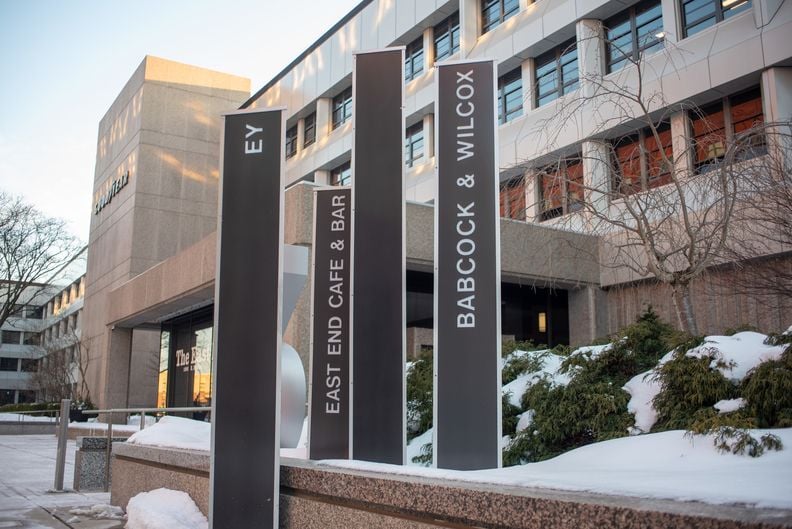
    Babcock & Wilcox Enterprises Inc. (NYSE: BW), a 158-year-old energy technology firm, is actively working with investment bank Evercore and law firm O’Melveny & Myers to address its substantial debt obligations, which total nearly $500 million. This strategic move comes as the company faces declining stock prices, potential delisting from the New York Stock Exchange (NYSE), and legal challenges stemming from past liabilities.

    The company is in advanced discussions with bondholders to restructure its liabilities, potentially through a bond swap.Additionally, Babcock & Wilcox has completed a minor asset sale and is pursuing a larger transaction to raise funds.These steps are part of a broader strategy to manage its debt and improve financial stability.

    A significant portion of the company’s debt includes $300 million in senior unsecured notes due in 2026. Failure to refinance or restructure these notes could lead to bankruptcy, as indicated in the company’s 2024 annual report.

    On April 10, Babcock & Wilcox received a notice from the NYSE warning of potential delisting due to its share price falling below the $1 minimum threshold. The company has six months to regain compliance to avoid being removed from the exchange.

    Complicating matters, a recent court ruling could make Babcock & Wilcox liable for damages related to a 2019 refinery explosion at a facility owned by the now-defunct Philadelphia Energy Solutions. The explosion was caused by a part manufactured by Babcock & Wilcox in the 1970s. Although the company argued that any liability was discharged in its 2000 bankruptcy, a judge ruled that it could still be held responsible. This potential liability could be on par with the company’s existing unsecured debt.

    In response to these challenges, Babcock & Wilcox is undertaking a strategic realignment to focus on more predictable revenue streams, particularly from its aftermarket businesses. The company aims to utilize these cash flows to strengthen its balance sheet and reduce debt. As part of this strategy, Babcock & Wilcox sold its Denmark-based renewable parts and services subsidiary to Hitachi Zosen Inova AG for $87 million in June 2024. The proceeds from this sale are intended to reduce long-term debt and optimize the company’s capital structure.

    Despite these efforts, Babcock & Wilcox faces liquidity challenges, primarily due to losses recognized on its B&W Solar loss contracts. As of December 31, 2023, the company had total debt of $379.5 million and a cash balance of $71.3 million. These factors have raised substantial doubt about the company’s ability to continue as a going concern.

    Babcock & Wilcox’s engagement with financial and legal advisers marks a critical step in addressing its financial challenges. The company’s ability to successfully restructure its debt, manage legal liabilities, and realign its business strategy will be pivotal in determining its future viability. Investors and stakeholders will be closely monitoring developments as the company navigates this complex financial landscape.

  • WeightWatchers has filed for bankruptcy

    WeightWatchers has filed for bankruptcy

    WeightWatchers, the 62-year-old program that revolutionized dieting for millions of people around the world, has filed for bankruptcy.

    The company announced Tuesday it has entered Chapter 11, which “will bolster its financial position, increase investment flexibility in its strategic growth initiatives, and better serve its millions of members around the world.”

    The company, now known as WW International, has struggled with about $1.5 billion in debt and has failed to keep pace with more convenient weight loss options, including GLP-1 drugs like Ozempic, over counting points and calories.

    During the bankruptcy process, its massive amount of debt will be eliminated, and it expects to emerge in about 40 days as a publicly traded company. Operations for its members will continue as normal, it said.

    “The decisive actions we’re taking today, with the overwhelming support of our lenders and noteholders, will give us the flexibility to accelerate innovation, reinvest in our members, and lead with authority in a rapidly evolving weight management landscape,” said CEO Tara Comonte in a release.

    WW International has a had rough few years after a turnaround plan from its former CEO, Sima Sistani, failed. She was forced out of her position in September 2024 after a two-and-a-half-year stint.

    Sistani bought a telehealth platform that connected patients with doctors who can prescribe weight-loss and diabetes drugs, representing a radical change for a service that made its name for in-person meetings and portion control. But the pivot didn’t work, and the stock has plummeted.

    Sistani was replaced by Comonte, a former chief financial officer at fast food chain Shake Shack. Its most recent earnings release in February revealed a 12% decline in members and that its $100 million in interest payments on debt is a “a significant ongoing burden for the company.”

    WW took another hit last year when star investor Oprah Winfrey announced she was leaving the company’s board after nearly a decade holding that position and donated all of her stock to a museum.

    The former talk show host credited the program for help losing 40 pounds in 2016 but later revealed that she had also used an unnamed weight loss drug to lose more.

    WW’s history

    The company was founded in 1963 by Jean Nidetch, a self-described “overweight housewife obsessed with cookies” who was fed up with fad diets and pills.

    She began hosting weekly meetings at her home with friends to discuss their difficulties with dieting and exercise. “Compulsive eating is an emotional problem,” Nidetch told Time magazine in 1972, “and we use an emotional approach to its solution.”

    f webp
    Founder and director of Weight Watchers Inc. Jean Nidetch in 1965. (Michael Ochs Archives/Getty Images)

    Abiding by her philosophy — “It’s choice, not chance, that determines your destiny” —Nidetch lost more than 70 pounds and kept it off.

    Part of its success can be attributed to its points system, where one number represents each food and drink’s calories, saturated fat, sugar and protein. The company had 3.3 million subscribers at the end of 2024.

    WW’s shares have devolved into a penny stock, a far cry from when it was trading at its peak at around $100 in 2018.

  • Rite Aid’s second bankruptcy filing comes surprisingly soon, less than a year after the company’s previous emergence from Chapter 11

    Rite Aid’s second bankruptcy filing comes surprisingly soon, less than a year after the company’s previous emergence from Chapter 11

    Rite Aid filed for bankruptcy protection Monday for the second time, less than a year after the embattled drugstore chain emerged from Chapter 11 as a private company.

    Rite Aid said in a news release that it’s looking for a buyer and is in “active discussions” with multiple prospects. The Chapter 11 filing in U.S. Bankruptcy Court in New Jersey gives Rite Aid access to $1.94 billion in new financing to fund the sale process, during which it plans to keep stores open.

    The company did not respond to The Washington Post’s request for comment.

    Rite Aid first filed for bankruptcy in October 2023 and received $3.45 billion in new financing to support its reorganization. The company emerged from Chapter 11 in September after slashing almost $2 billion in debt and closing hundreds of stores.

    Despite this downsizing, Rite Aid has “continued to face financial challenges” that have intensified as the retail and health-care sectors evolve, chief executive Matt Schroeder said in a statement, adding that the retailer will focus on keeping pharmacy service uninterrupted.

    Rite Aid’s October 2023 bankruptcy filing also allowed the company to resolve hundreds of lawsuits alleging that it unlawfully filled opioid prescriptions, a practice that fueled the nation’s opioid crisis, according to allegations by several cities, counties and states.

    The flood of litigation, which also targeted CVS and Walgreens, has resulted in more than $50 billion in settlements with state and local governments — upending the country’s three major pharmacy retailers.

    Those settlements come as traditional pharmacy companies also face rising competition from e-commerce giants such as Walmart and Amazon, which offer same-day prescription delivery. Walgreens announced last year that it would close a “significant portion” of its almost 9,000 U.S. locations and agreed last March to take itself private as part of an acquisition by private-equity firm Sycamore Partners.

    Meanwhile, CVS, the country’s largest national chain, announced in 2021 that it would shutter 900 stores over three years and outlined plans last October to lay off almost 3,000 employees to cut costs.

    Rite Aid, the third-largest national stand-alone pharmacy chain, has about 1,200 stores, according to its website. The Philadelphia-based retailer has closed more than 1,000 stores since its 2023 bankruptcy filing. Most recently, it said it would shutter all of its stores in Michigan and all but four stores in Ohio by the end of September.

    Rite Aid is the latest in a string of retail bankruptcies in the past year, with Forever 21, Joann, Party City and Big Lots all recently filing for Chapter 11 protection. Coresight Research in December projected that more than 7,300 store locations would shutter by the end of 2024, compared with about 5,500 in 2023. Bankruptcies in the sector this past year almost doubled.