Category: Real Estate

  • Zohran Mamdani Seeks $21 Billion Federal Backing for Massive Queens Housing Project.

    Zohran Mamdani Seeks $21 Billion Federal Backing for Massive Queens Housing Project.

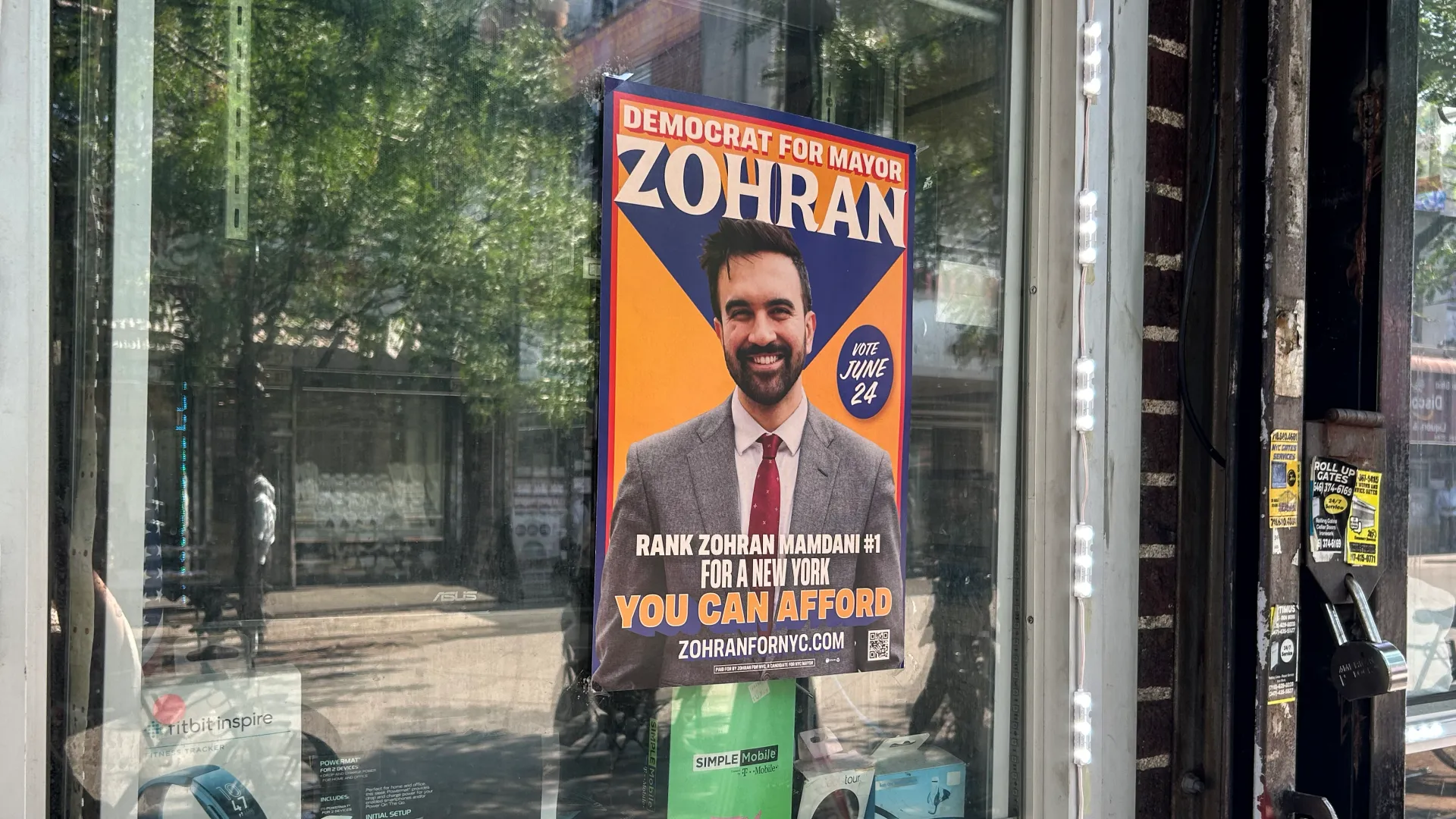
    New York City Mayor Zohran Mamdani met with President Donald Trump at the White House on Thursday, February 26, to pitch a ambitious $21 billion federal investment in a long-dormant housing project over Sunnyside Yard in Queens.

    The Democratic socialist mayor, known for his progressive stance on housing affordability, described the meeting as “productive” and expressed optimism about partnering with the Republican president to address the city’s acute housing crisis. This development marks a potential revival of a project first proposed under former Mayor Bill de Blasio, which could deliver 12,000 affordable homes—the largest such initiative in New York City since the 1970s.

    Mamdani, 34, shared a photo on Instagram capturing the moment: Trump smiling broadly while holding two mock New York Daily News front pages. One was the infamous 1975 headline “Ford to City: Drop Dead,” referencing President Gerald Ford’s refusal to bail out a near-bankrupt New York. The other, a custom creation from Mamdani’s team, proclaimed “Trump to City: Let’s Build,” with subheadings touting “Backs New Era of Housing” and “Trump Delivers 12,000+ Homes; Most Since 1973.” Anna Bahr, a spokesperson for City Hall, confirmed that Mamdani presented these printouts to symbolize a shift from historical federal neglect to collaborative progress.

    “He came to the president today with a couple of pitches that would produce and construct more housing in a handful of projects than has happened in 50 years,” Bahr told reporters. The White House has not yet committed to funding, but sources familiar with the discussions indicate Trump was receptive, particularly given his Queens roots and lifelong ties to New York real estate.

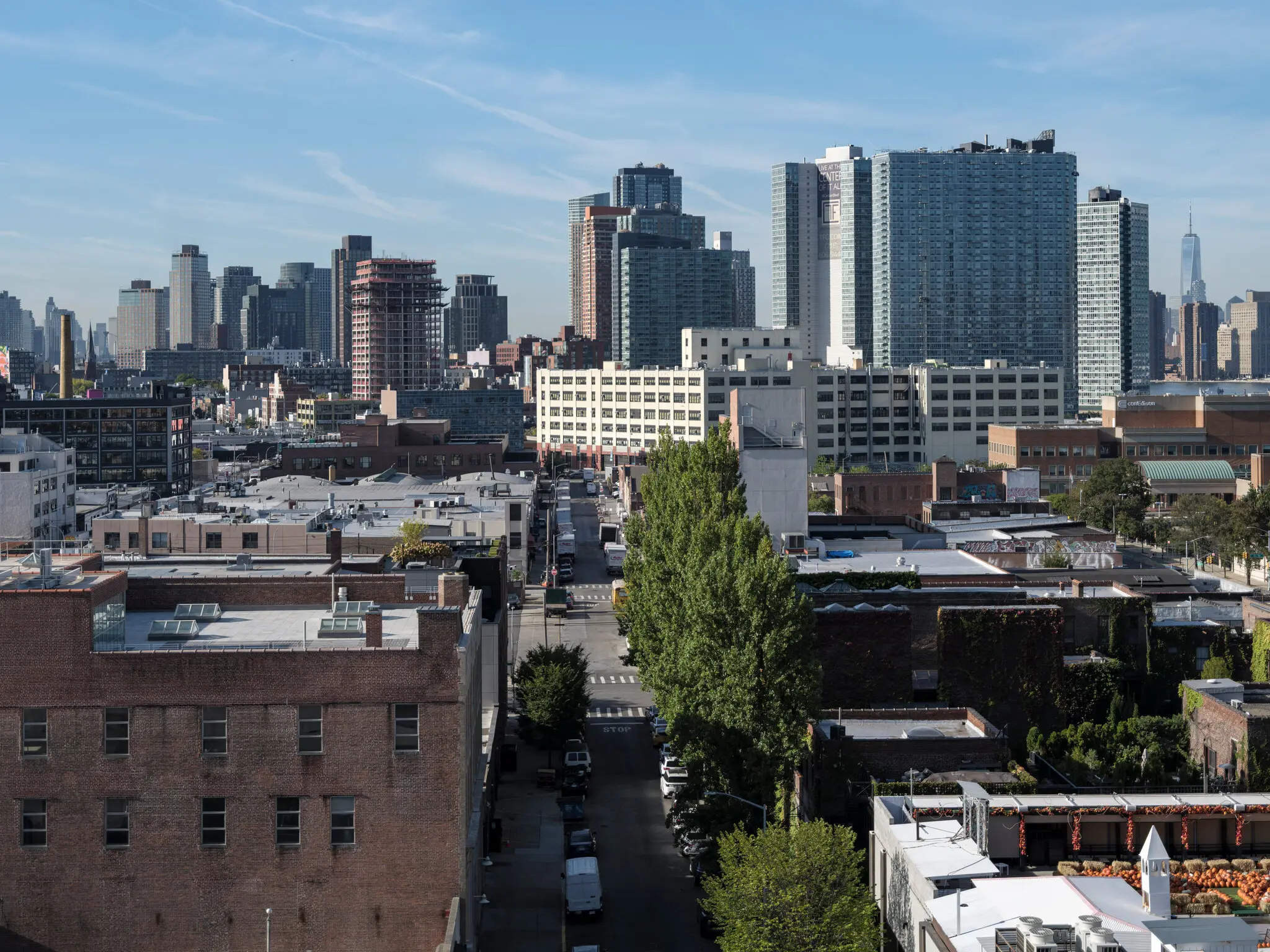
    At the heart of the proposal is Sunnyside Yard, a sprawling 180-acre active rail yard in western Queens, often called the busiest in North America. Owned jointly by Amtrak, the Metropolitan Transportation Authority (MTA), and other entities, the site serves as a critical hub for Amtrak, Long Island Rail Road, and New Jersey Transit trains.

    The plan involves constructing what Mamdani’s office describes as “the world’s largest deck” over the yard—a massive platform to support development without disrupting rail operations below.

    If funded, the project would yield 12,000 affordable housing units, including 6,000 modeled after the Mitchell-Lama program, which provides subsidized rentals and cooperatives for moderate- and middle-income families.

    Beyond housing, the development promises 30,000 good-paying union jobs during construction, along with new parks, schools, and healthcare clinics to serve the surrounding communities. Senior city housing official Cea Weaver, director of the Mayor’s Office to Protect Tenants, highlighted the project’s potential to unify neighborhoods divided by the rail yard.

    “It’s a barrier between some of the most diverse neighborhoods in Queens,” Weaver said. “And so I think it’s important that we’re able to connect neighborhoods.” However, she acknowledged the challenges: “It’s extraordinarily expensive, and we need federal support in order to be able to do it.”

    The Sunnyside Yard concept isn’t new. It traces back to urban planning ideas from the 1960s, but gained traction under de Blasio in 2015, with a 2020 master plan estimating costs at $14 billion for a mixed-use development including housing, offices, and public spaces.

    The Economic Development Corporation (EDC) led the effort, incorporating public input to prioritize affordable housing, jobs, transportation improvements, and sustainability. The COVID-19 pandemic halted progress, and successor Eric Adams did not revive it. Earlier versions faced opposition from local figures like Rep.

    Alexandria Ocasio-Cortez and community groups concerned about density, environmental impacts, and displacement. Mamdani’s pitch escalates the scale, focusing heavily on affordability amid escalating costs.

    New York City’s housing woes provide the urgent backdrop. Elected on promises to tackle affordability, Mamdani faces a crisis where renters spend 54.52% of their median income on housing—the highest in the nation, per a 2025 WalletHub report.

    Over the past two decades, inflation-adjusted wages for renters rose less than 15%, while average rents surged nearly 40%. The city’s rental vacancy rate dipped to 1.41% in 2023, far below the 5% needed to ease rent regulations under state law. A 2024 Regional Plan Association analysis pegged the housing shortage at 540,000 units, a gap that stifles mobility and forces many into substandard living.

    Recent 2026 data paints an even grimmer picture. Manhattan’s vacancy rate hovered just above 2% in 2025, with average rents exceeding $5,400 monthly—a 6% jump from the prior year. Citywide, nearly half of renters are rent-burdened, spending over 30% of income on housing. Evictions in subsidized housing spiked, with 43,000 of 120,000 filings in 2024 occurring in such units, per a New York Housing Conference report. Meanwhile, thousands of rent-stabilized apartments sit vacant due to economic disincentives under current laws, exacerbating the crunch.

    The project’s revival could be transformative. Drawing parallels to Hudson Yards—a 28-acre decked development in Manhattan—Sunnyside Yard’s 180 acres offer exponentially more space for mid-rise buildings, greenways, and community amenities. Proponents argue it aligns with “Keeping it Queens” ethos, blending sustainability, pedestrian-friendly design, and workforce development. Mamdani’s office called it a “once-in-a-generation opportunity to confront the city’s housing crisis at the scale it demands,” potentially the largest infrastructure investment since Co-op City’s completion in 1973.

    Yet hurdles abound. Beyond securing federal funds—requiring Amtrak’s approval and congressional buy-in—the project faces technical complexities, like building over active tracks without service interruptions. Local stakeholders, including City Council members and residents, may revive past concerns over gentrification and environmental risks. Mamdani acknowledged the timeline: “many, many years” ahead. Trump, while interested, has not committed, and his administration’s priorities lean toward deregulation and private-sector involvement.

    This meeting underscores Mamdani’s pragmatic approach, despite ideological differences with Trump. As Joe Calvello, Mamdani’s press secretary, noted, the mayor seized Trump’s invitation to “do just that” on housing. If successful, it could reshape Queens, alleviate the housing squeeze, and set a precedent for federal-city partnerships in urban renewal. For now, New Yorkers watch as this bold vision inches toward reality.


  • Big Apple Affordability Crisis Convert Politics

    Big Apple Affordability Crisis Convert Politics

    Stakeholders can’t agree on how to solve New York City’s housing crisis. © New York Times
    Stakeholders can’t agree on how to solve New York City’s housing crisis. © New York Times

    NEW YORK CITY — In the shadow of gleaming skyscrapers that symbolize American capitalism’s triumph, a quiet revolution is brewing—and it’s not the kind Wall Street cheers. New Yorkers, squeezed by median rents hovering at $3,400 against household incomes barely cracking $6,640, handed a stunning mandate to democratic socialist Zohran Mamdani in Tuesday’s mayoral election, capping a night of Democratic sweeps that exposed the raw nerve of America’s housing meltdown. With record turnout shattering 50-year highs—over 2 million ballots, including 735,000 early votes—Mamdani’s 50.4% rout of Andrew Cuomo‘s independent bid wasn’t just a populist uprising; it was a desperate cry from a city where the American Dream of homeownership feels like a relic from another era.

    The median age for first-time homebuyers nationwide has now climbed to 40, per the National Association of Realtors’ (NAR) 2025 Profile of Home Buyers and Sellers—a shocking leap from 38 just last year, 36 in 2022, and a mere 28 back in 1991. As NAR deputy chief economist Jessica Lautz put it, “It’s really been in recent years that we’ve seen this steep climb.” In New York, where affordability ratios have spiked to 35% of income for mortgages and 40% for rents (the least affordable metro in the nation, per Demographia), this crisis isn’t abstract—it’s reshaping politics, punishing incumbents, and handing progressives a megaphone at the expense of market-driven solutions.

    From Virginia’s suburban backlash to New Jersey’s tax-weary holdouts, Election Night’s Democratic trifecta—Abigail Spanberger’s 13-point gubernatorial romp in the Old Dominion, Mikie Sherrill’s double-digit drubbing of Jack Ciattarelli in the Garden State, and Mamdani’s socialist surge in the Big Apple—spelled trouble for President Trump’s America First coalition. AP VoteCast data showed 6 in 10 voters nationwide fuming over the economy, with housing costs topping the list in urban and suburban precincts alike. Trump, posting on Truth Social amid the shutdown’s 36-day drag, shrugged it off: “TRUMP WASN’T ON THE BALLOT, AND SHUTDOWN, WERE THE TWO REASONS THAT REPUBLICANS LOST ELECTIONS TONIGHT.” Fair point—but conservatives would be wise to see this as a five-alarm fire: When working families can’t afford a roof, they don’t reward fiscal hawks; they turn to radicals promising rent freezes and free rides.

    Let’s cut through the spin: America’s housing crisis is a self-inflicted wound from overregulation, zoning zealotry, and a NIMBY stranglehold that’s starved the market of supply. The U.S. faces a 5.5 million-unit shortage, per Moody’s Analytics, with New York City’s inventory at a 40-year low—median home prices up 25% since 2020 to $750,000, per Zillow. First-time buyers? A pathetic 21% of purchases, down 50% from 2007, per NAR. That’s not just numbers; it’s lost equity. Delay homeownership by a decade, and you’re forfeiting $150,000 in lifetime wealth on a starter home, NAR estimates.

    Young New Yorkers embody this despair. The typical down payment now demands 10%—a post-1989 peak—with 59% scraping from savings, 26% raiding 401(k)s, and 22% begging family for handouts. Repeat buyers, median age 62, waltz in with cash (30% outright) and equity firepower, leaving millennials and Gen Z competing with boomer empty-nesters for scraps. As ResiClub’s Lance Lambert quipped to Fortune, today’s 40-year-old newbie is “just as close in time to… early Social Security withdrawals (age 62) as… high school graduation (age 18).” No wonder multigenerational living has dipped to 14% from 17% last year—families can’t pool resources when starter homes cost nine times median income.

    Charts tell the stark tale: NAR’s affordability index shows mortgage payments eating 35% of income in 2024, up from 25% pre-pandemic, while rents claim 40%—levels unseen since the 1980s stagflation. In New York, the rent-to-income ratio has flatlined around 35-40% since 2010, per Joint Center for Housing Studies data, while mortgage burdens spike post-2020. Nationally, nonrenewal of home insurance policies has tripled in over 200 counties since 2018, per Senate Budget Committee findings, as climate risks jack premiums 30% from 2020-2023. Florida’s Tampa saw property taxes soar 60% since 2019; Indianapolis and Atlanta, over 65%. Even “low-tax” havens like Hawaii (0.32% effective rate) can’t offset $963,000 medians.

    Homeowners, meanwhile, are shell-shocked: Two-thirds report bills exceeding estimates, per a 2025 CoreLogic survey, with medians at $3,018 nationally—but $10,333 in New Jersey, $7,355 in New Hampshire. Nearly half (48%) contest assessments as inflated, yet 78% never appeal—53% unaware they can. In high-cost California (0.70% rate, $5,502 median bill), insurers are fleeing wildfire zones, forcing “non-admitted” policies up 27.5% last year. Result? Delinquencies spike 4 percentage points post-disaster, prepayments 16 points, per UC Berkeley research—149,000 extra defaults from premium hikes alone in 2022-2023.

    This “perfect storm”—undersupply, soaring taxes, insurance Armageddon—isn’t Mother Nature; it’s policy malpractice. Zoning laws inflate land costs 30-50% in metro areas, per Urban Institute; the Great Recession’s construction plunge never recovered. Now, with homes median age 40 (oldest ever), climate hits amplify: Severe storms, floods, heat—pushing maintenance 20-30% higher. TCW’s Sustainable Insights warns of a “housing-insurance gap” eroding stability, with GSEs like Fannie Mae dodging destroyed-home guarantees.

    Mamdani’s Mandate: Populism Over Pragmatism?

    Enter Zohran Mamdani, the 34-year-old Queens assemblyman whose TikTok-fueled blitz—millions of views on subway rants and rent audits—propelled him from DSA obscurity to history’s youngest NYC mayor since 1892, first Muslim and South Asian leader. Born in Uganda to Indian parents (filmmaker Mira Nair, academic Mahmood Mamdani), he naturalized in 2018 and railed as a renter against inequality. His platform? Rent freezes on 1 million stabilized units, fare-free buses, millionaire taxes, universal childcare—echoing Sanders’ 13.2 million-vote 2016 haul, but wallet-first.

    Wall Street recoiled, unleashing $28 million via super PACs like Defend New York—Bloomberg ($13.3 million), Ackman ($1.75 million), Gebbia ($3 million), Lauder ($1.75 million). Their doomsday ads warned of exodus to Miami; Ackman quipped on Flagrant about a “hot commie summer.” It flopped: Mamdani won Queens and Brooklyn by landslides, flipping Bronx margins with renter turnout. Cuomo’s scandals (2021 harassment exit) and Sliwa’s Guardian Angels schtick couldn’t compete. Post-win, Mamdani quipped to Trump barbs: “Turn the volume up!” His transition team—five women, including Lina Khan and Grace Bonilla—signals equity; retaining NYPD’s Jessica Tisch nods to evolved policing (no more “defund” echoes).

    But here’s the conservative rub: Mamdani’s socialism isn’t salvation—it’s accelerant. Freezing rents distorts markets, breeding black markets and decay (witness 1970s NYC). Taxing millionaires? Albany vetoes loom, per Gov. Hochul’s history. His Gaza stance—vowing Netanyahu’s arrest—risks alienating Jewish voters (though he pledged outreach). Trump threatens federal cuts; NRCC eyes 2026 ads tying Dems to this “far-left mob.” As Vivek Ramaswamy posted: “Focus on affordability… cut identity politics.” Mamdani’s win, amid Spanberger’s VA pragmatism and Sherrill’s NJ centrism, shows Dems’ big tent: Radicals in cities, moderates in burbs. Yet AP polls reveal fury—6 in 10 “angry,” half blaming economy—stems from shutdown optics, not Trumpism.

    Broader Ripples: From Suburbs to States, a Call for Market Fixes

    Virginia’s Spanberger, ex-CIA, crushed Winsome Earle-Sears by 13 points in shutdown-furloughed NoVA, where 800,000 feds missed pay amid budget brinkmanship. “Pragmatism over chaos,” she thundered—resonating as 60% cited economy per AP. Jersey’s Sherrill, Navy vet, hammered Ciattarelli on taxes ($10,333 median) and bills, extending Dems’ three-term streak. Down-ballot: Ghazala Hashmi (first Muslim LG in VA), Jay Jones ousting scandal-tainted AG Jason Miyares.

    Bright spots for right? California’s Prop 50 empowers Dem redistricting (five House flips eyed); Maine’s red-flag guns passed sans voter ID; Colorado taxes rich for meals. But Texas affirmed parental rights; urban Dem holds (Buffalo’s Sean Ryan, Pittsburgh’s Corey O’Connor) show blue fortresses intact.

    Nationally, this is GOP’s wake-up: Housing trumps culture wars. Obama’s “brighter future” crow? Hype. Shutdown ends soon; tout manufacturing (1.2 million jobs since 2024), drill baby drill for energy costs. Blame NIMBY Dems for supply choke—streamline zoning, cut regs, incentivize builds. As NAR’s Shannon McGahn urges: Unlock inventory, modernize construction. Without it, 40 becomes 45 for buyers, and Mamdani clones sprout nationwide.

    New York’s saga isn’t progressive destiny—it’s market failure’s revenge. Trump’s coalition—diverse, ascendant—rebounds by delivering: Deregulate, build, tax less. Midterms loom; govern boldly, or watch affordability fury fuel the far left. The heartland’s watching—and the ballot box bites back.


    Adding to the pressure is a flurry of recent AI deals structured using what critics have dubbed “circular” funding mechanisms—broadly referring to suppliers like Nvidia making large capital investments in the businesses of the customers who buy their products. Just a few months ago, investors viewed such deals with enthusiasm, pumping up shares for a variety of AI-related companies, but this week one such deal—between Nvidia, Microsoft and Anthropic—was greeted warily.

    This week, 45% of global fund managers surveyed by Bank of America said that an AI stock-market bubble was one of the biggest risks facing the market.

    A number of bearish moves by high-profile investors have also rattled tech markets. Last week, Masayoshi Son’s SoftBank Group sold its entire $5.8 billion stake in Nvidia to divert that money to other AI investments, while a hedge fund run by influential billionaire venture capitalist Peter Thiel unloaded its entire $100 million Nvidia stake in the third quarter.

  • Housing Stock Soars on Unexpected Market Shift

    Housing Stock Soars on Unexpected Market Shift

    The housing market seems to be stuck in second gear.

    Mortgage rates eased out to 6.35% this week, though the lowest it has been in nearly a year, but affordability remains mostly tight.

    Moreover, July existing-home sales ran at 4.01 million SAAR, with around 4.6 months’ supply and a $422,400 median price. August list price held around the $429,990 mark while homes sat 60 days on market, up seven days year-over-year. 

    That mix mostly points to cautious buyers, along with a thin supply, despite a small rate break.

    Stock Widget

    Against that backdrop, one housing stock has gone near-vertical. Opendoor Technologies OPEN +269.00% ▲ has surged close to 269% in the past month.

     Surprisingly, the incredible activity in the stock isn’t about a sudden macro tailwind. It’s about a company-specific pivot that has Wall Street back on the bandwagon.

    What is Opendoor Technologies?

    Opendoor is a tech-heavy homebuyer that makes efficient use of data and algorithms to make instant cash offers on homes. It also resells them with the aim to swap the long listing process for clarity and speed.

    Think of it like trading in a car, which you can sell directly to Opendoor for cash and then pick your closing date, while the company handles repairs/resale on its side.

    It’s important to note that Opendoor went public via a shell company when it merged with Social Capital Hedosophia II (IPOB). The deal closed mid-December 2020, with the combined company trading as OPEN on Dec. 21, 2020.

    Opendoor stock reached an all-time high closing price of $35.88 on Feb. 11, 2021, which was a period fueled by record-low mortgage rates (2.65% in January 2021 to be precise), along with a red-hot housing market that strengthened its iBuying business model.

    Challenges for Opendoor’s business and stock in past few years

    • Mortgage rates jumped from 2021 lows, which effectively killed affordability and turnover.
    • Existing-home sales tanked to multi-decade lows in 2024, crippling Opendoor’s deal flow.
    • Large losses and inventory write-downs (its massive net loss of $1.4 billion in 2022, for instance) pressured capital and sentiment.
    • iBuyer model credibility hit when one of its competitors (Zillow Offers) exited in 2021, on the back of price-forecasting issues.

    Opendoor stock surges on founder-led reset

    Opendoor has clearly been one of the hottest stocks of late. It’s up 269% in the past month, 650% over six months, and an eye-catching 467% year to date on the back of its “founder-led” reset.

    That reset had everything to do with former Shopify’s COO Kaz Nejatian assuming the role of CEO, while cofounders Keith Rabois (as chair) and Eric Wu returned to the board. 

    Alongside the critical leadership changes, there was a $40 million equity injection from Khosla Ventures and Wu.

    Nejatian laid out the vision clearly:

    “It’s a privilege to become Opendoor’s leader… With AI, we have the tools to make [home buying/selling] radically simpler, faster, and more certain.” Also, incentives are designed to match ambition, with his base pay being $1, plus performance-tied equity grants.

    The Fresh capital extends the runway as the founder-mode philosophy expands oversight while tightening governance, with early signals pointing to aggressive cost discipline.

    Rabois called the company overstaffed, resulting in sharp opex cuts in the upcoming quarters. That will efficiently reset unit economics, support margins, and strengthen long-term viability.

  • Real estate tycoon battles Canadian pension funds for control of a mall

    Real estate tycoon battles Canadian pension funds for control of a mall

    1x 1
    Ruby Liu © Darryl Dyck/The Canadian Press/AP Photo

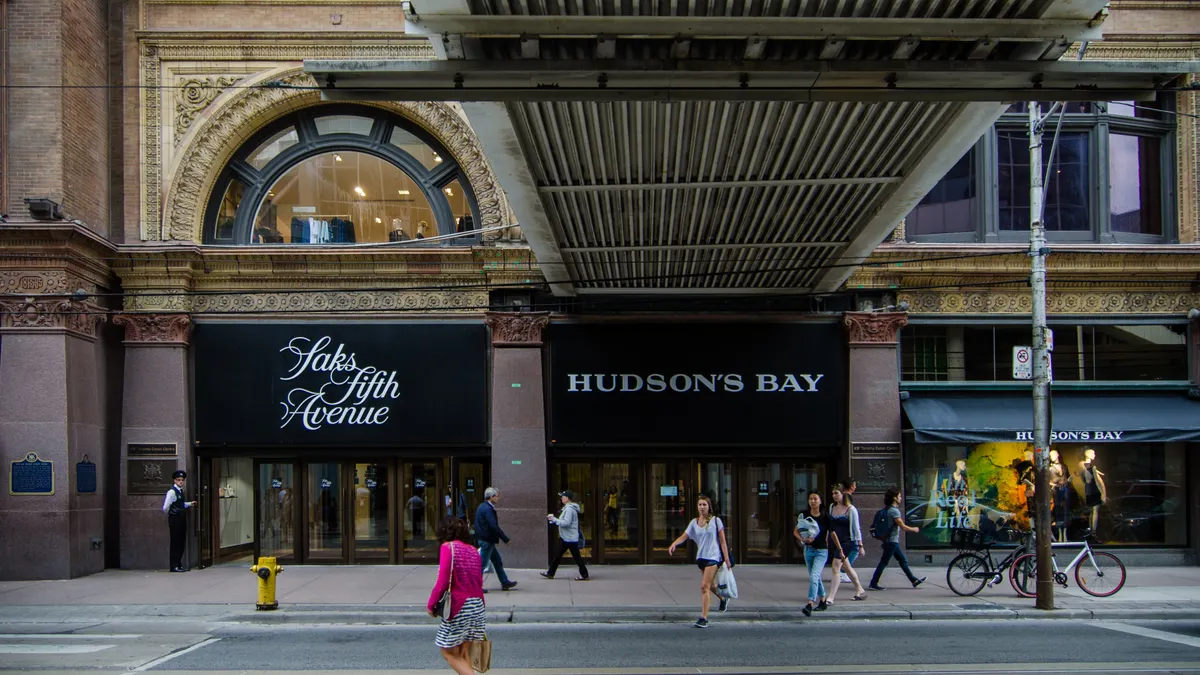
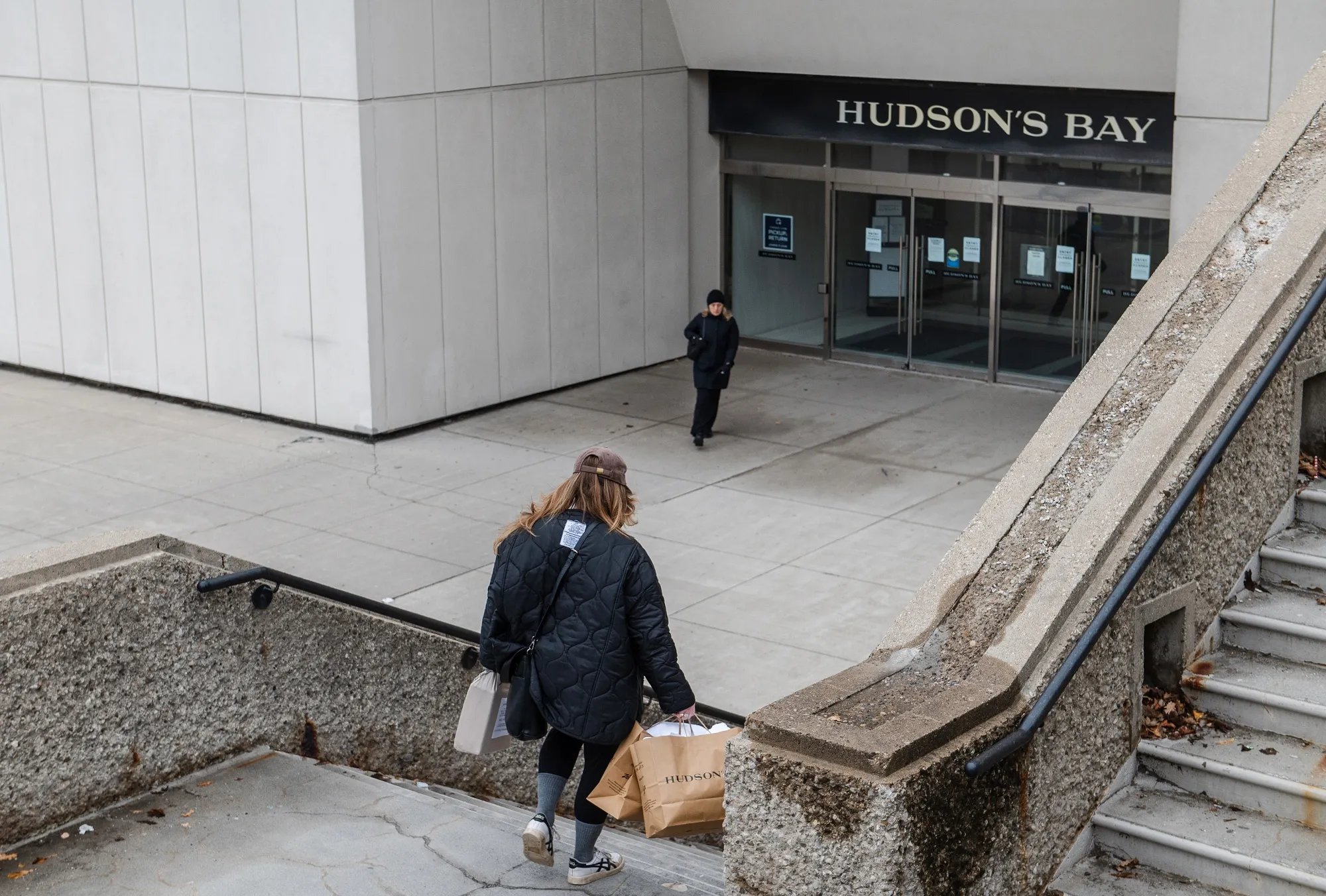
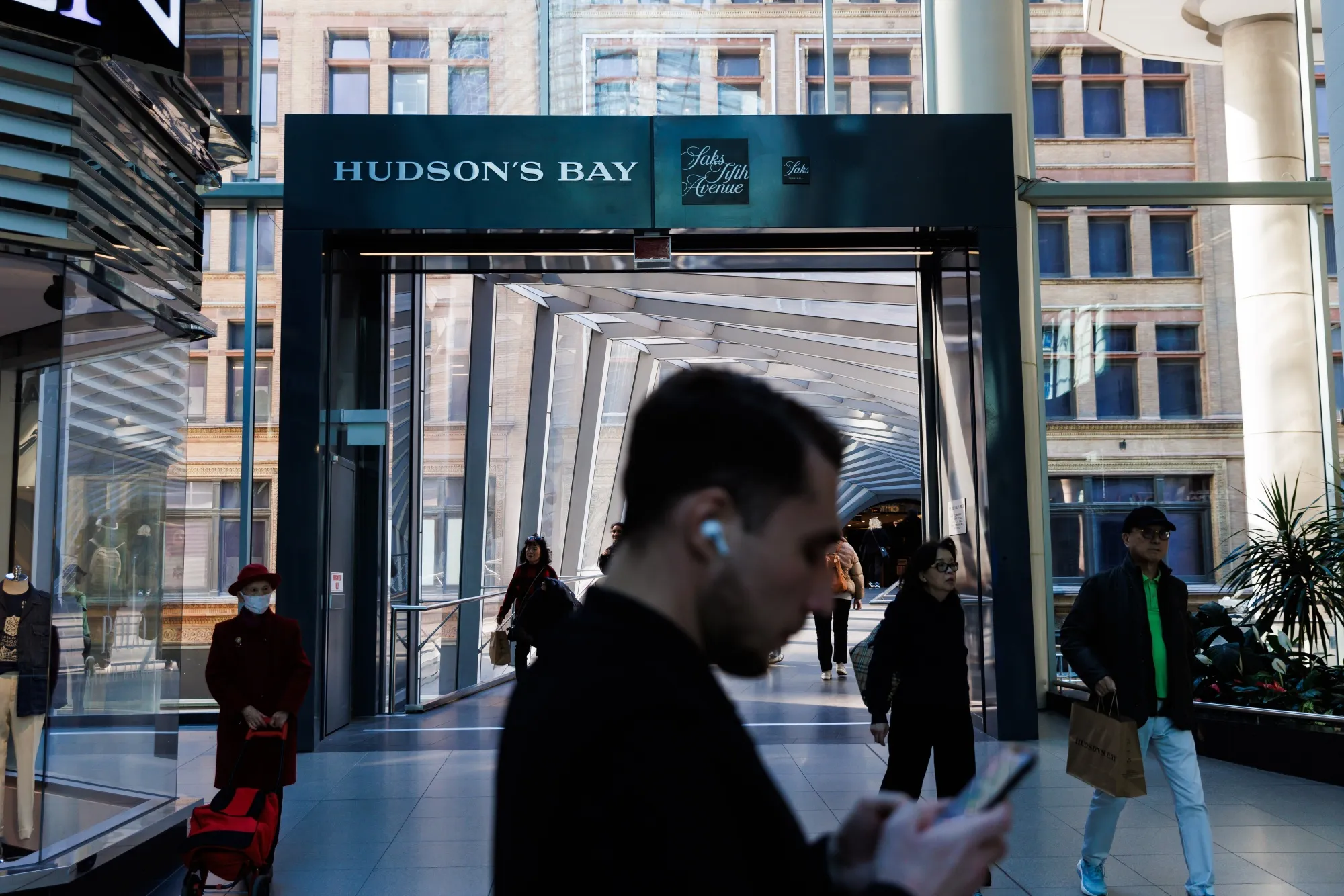
    Few people in Canada had heard of Ruby Liu when she emerged this year with an ambitious plan to reinvent dozens of shuttered Hudson’s Bay Co. outlets, the remnants of a bankrupt department store chain that’s played an outsize role in the country’s history.

    The owner of three shopping centers and a golf course in British Columbia, Liu said she reaped $1 billion building and selling a mall in China. She now intends to spend about C$450 million ($325 million) buying the leases of 25 Hudson’s Bay stores for a new retail chain. 

    But Liu’s prospective landlords, which include some of Canada’s biggest pension funds, bitterly oppose having Liu as a tenant after a series of disastrous in-person meetings. Accounts of these discussions reveal a titanic clash of styles.

    One executive from Ontario Teachers’ Pension Plan testified in a sworn affidavit that when asked for her business plan, Liu said she was “not allowed to share it” until they struck a deal — after which the pension executives walked out while Liu tried to block the door.

    At another meeting, executives inquired about Liu’s progress in securing inventory for her proposed store network. She replied: “Relax, lay back and do not worry,” according to a statement filed in court by a vice-president from the real estate arm of Ontario Municipal Employees Retirement System. 

    For her part, Liu said she believes the landlords always opposed her tenancy because the underlying real estate is more valuable for development than as department stores.

    The case is back before the court Thursday. Whatever the judge decides, the saga has added a notable postscript to the history of North America’s oldest corporation. 

    Granted its charter by the British crown in the 17th century, Hudson’s Bay evolved from a fur trader that facilitated European settlement in North America into Canada’s most iconic department store chain. 

    Now, the battle for its afterlife is pitting the personalized entrepreneurship that made Liu rich in China against the business-school polish of Canadian real estate executives. The result has seemingly been mutual incomprehension. But what the two camps are really arguing about are the changes to the retail business that sunk Hudson’s Bay after 355 years, and how best to adapt. 

    “Unlike many, I do not regard in-person shopping as a dying industry,” Liu said in her submissions to the court. “The landlords’ concerns are misguided and suggest that I am not prepared to do what is necessary to make the venture successful.”

    A spokesperson for Liu declined a request for an interview. The property arm of Omers declined to comment while the matter is before the court, and a spokesperson for Ontario Teachers’ did not respond to an email requesting comment.

    1x 1
    A Hudson’s Bay store in Toronto before it closed. © Laura Proctor/Bloomberg

    The circumstances that tipped Hudson’s Bay into liquidation include factors that killed storied names like Eaton’s and Lord & Taylor in Canada and the US. Increased competition from e-commerce and from specialized retailers led to declining foot traffic, which then collapsed during the Covid-19 pandemic and didn’t recover anywhere fast enough amid the spike in inflation that followed.

    Liu emerged this year with a plan to turn the tide. Born in 1966 in northeastern China, she started her first business, a clothing wholesaler, when she left school at 16 to help support her family, according to a court submission. 

    After moving to the boomtown of Shenzhen in southeastern China, she began investing in commercial real estate and developed a mall, Yijing Central Walk. After moving to Canada, Liu and her brothersold that mall in 2019, and she and her family began buying properties in British Columbia.

    When Hudson’s Bay filed for court protection from creditors in March, Liu saw another opportunity to deploy her fortune. Initially she wanted to bid for the stores’ intellectual property as well as the leases, which would have allowed her to operate under the Hudson’s Bay brand. 

    Inline Stock

    But when big-box retailer Canadian Tire Corp. CTC.A +2.10% ▲ beat her to the trademarks, Liu went after 25 HBC store leases, which she won in late May, promising to give C$69 million to the defunct company and its creditors, and then spend C$375 million to reopen the stores. She spent another C$6 million buying the leases of the Hudson’s Bay stores at the three malls she owned herself.

    1x 1
    The entrance to a Hudson’s Bay and Saks Fifth Avenue store in March, shortly before HBC was liquidated. © Cole Burston/Bloomberg

    But then she met with her prospective landlords. These included some of the biggest investors in Canada, including the real estate arm of the Caisse de Depot et Placement du Quebec, real estate firm KingSett Capital Inc. and a pair of public real estate investment trusts. That’s when the opposition began. 

    The landlords’ main complaint after these meetings was Liu’s lack of a detailed plan. Hudson’s Bay stores were typically the largest tenant in a shopping center, so the spaces can make or break the whole property’s success. But the mall owners said they did not come away with any of the information they would typically require to accept such an important tenant.

    “I believed — and continue to believe — that Ms. Liu was improvising her presentation,” Rory MacLeod, a real estate executive at Ontario Teachers’, said in his affidavit.

    Liu later gave the landlords more details, culminating in a business plan at the end of July. But the landlords said many of the targets were unrealistic — from the budget for store repair, to the six-to-12 month timeline for reopening, to the projected sales after that. 

    The fact that Liu’s chain would be launching under a completely new brand — first she suggested The New Bay, before settling on calling the chain Ruby Liu, after herself — made them more leery.

    In social media posts and interviews with Canadian media, Liu shared ideas for the stores that the landlords thought were at odds with their lease terms, including subletting space to run a “mall within a mall,” opening restaurants that might compete with the food court, and introducing children’s playgrounds or exercise studios. 

    Her statements made the landlords doubt Liu intended to follow through on the department-store plans she was presenting, according to court filings. 

    “This was a transparent attempt to obtain landlords’ consent for a concept that Ms. Liu had no intention of pursuing given her prior statements,” Teachers’ MacLeod said. “Ms. Liu had no intention or capability of running a department store.”

    Liu said she made her statements before formalizing her business plan, and the strategy she presented in court was what she intended. Her team also asserted the real reason for the landlords’ objections was that the leases would become void if her bid was rejected, transferring the stores back to them for nothing. 

    Canada is in the midst of a housing crunch that’s sparked an apartment building boom, and some of the country’s major mall owners are converting parts of their properties to residential uses. Liu’s supporters contended the landlords wanted the Hudson’s Bay sites to pursue similar redevelopment. 

    In the years before Hudson’s Bay’s bankruptcy, two of the landlords, La Caisse and the British Columbia Investment Management Corp., paid the retailer tens of millions of dollars to relax lease restrictions and proceed with redevelopment projects at two of their malls, according to submissions by supporters of Liu. The real estate divisions of Ontario Teachers’ and Omers have submitted plans to redevelop a total of four malls at issue in the bankruptcy case, according to the filings.

    Amid this back and forth, Liu received a reprimand from the court for emailing the judge directly. In one message, she praised his “grace,” “dignity,” and “quiet but commanding presence,” and asked, “Is this what I have read of in books — true nobility?” before recounting her own life story.

    Last week, the court-appointed monitor for the bankruptcy process recommended rejecting Liu’s application to buy the leases, meaning the real estate would revert to the landlords. Liu’s plan to launch a new national chain had little chance of success given neither she nor her team had experience in the retail business directly, it said, and another failure would hurt the malls and their owners.

    Ultimately, the judge will decide. In a response to the monitor’s recommendation, Liu said she’s in the process of hiring executives, including former Hudson’s Bay staff, to lead the stores, as well as a consultant to stock them. She said it’s unreasonable to expect these contracts to be signed when she doesn’t know if she’ll get the stores, and that her time building and running malls counts as retail experience. 

    And if the project costs more than she has already committed, Liu said she’s prepared to spend it. 

    “I would not have undertaken this process, expended the time and several million dollars that I have to date, committed my considerable wealth going forward, and proceeded despite the objections of the landlords if I was not fully prepared to fund this venture,” she said in her court filings. “I have no intention to invest C$400 million into a business and then have it fail.”

  • This NYC Suburb Is Lowering Rents Here’s How

    This NYC Suburb Is Lowering Rents Here’s How

    im 38505149?width=1280&size=1
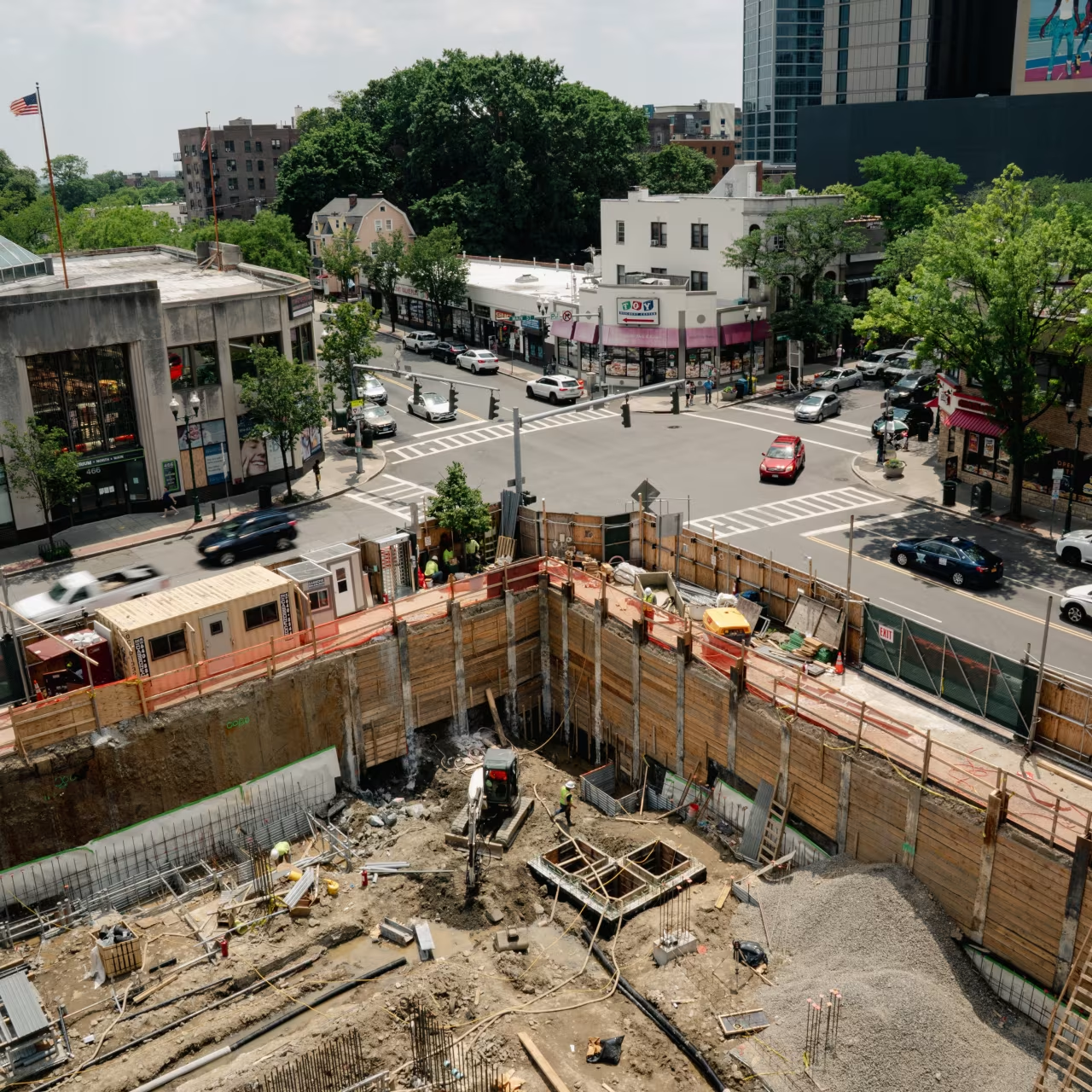
    A new building under construction in New Rochelle, N.Y. © WSJ

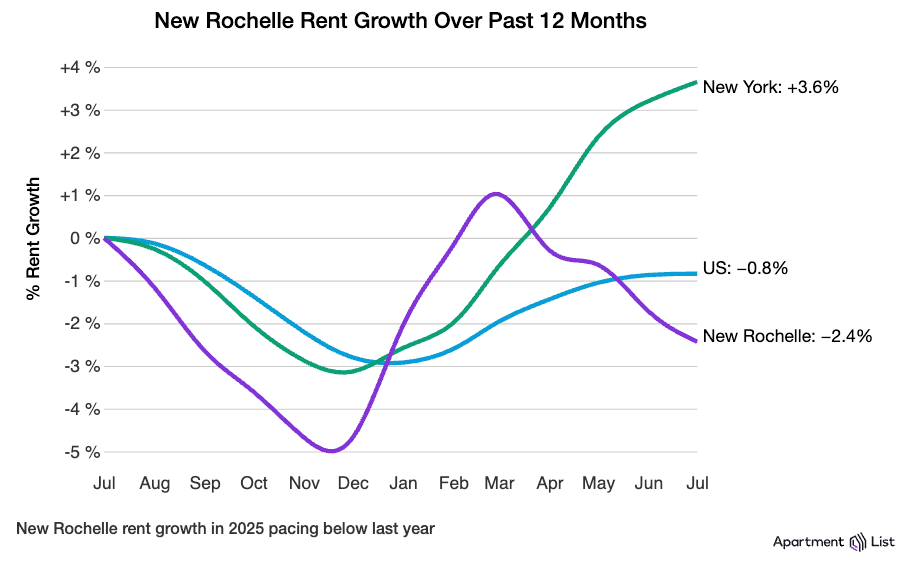
    About 20 miles north of Midtown Manhattan, the city of New Rochelle, NY—home to roughly 85,000 residents—has quietly rewritten the housing playbook, making it a rare example of a suburb where added supply has actually stabilized and even reduced rents. While the broader New York metro and much of the nation grapple with surging rent inflation, New Rochelle has kept rent growth to 1.6% since 2020, and rents have declined slightly from 2020 to 2023.

    According to The Wall Street Journal, New Rochelle added 4,500 new housing units over the past decade, with another 6,500 in the pipeline—a 37% expansion in the city’s housing stock. This surge stands in stark contrast to many U.S. cities, where supply hasn’t kept pace with demand.

    That growth isn’t just in numbers. A range of developers, anchored by RXR as master developer, have led the charge on large projects like One Clinton Park, ThreeHThirty3, and Encore, part of a $2.5 billion redevelopment effort.

    City officials adopted a five-part framework starting in 2015 that paved the way for this transformation:

    A form-based zoning code that specifies building size and design but allows flexibility in use. A single, generic environmental review for an entire redevelopment zone, reducing per-project red tape. A master agreement with a lead developer (RXR) managing multiple publicly owned sites. Tax and financial incentives calibrated to attract investment while protecting taxpayers.

    A thorough fiscal impact analysis to address concerns around schools and municipal services.

    New Rochelle officials guarantee a 90-day approval timeline for qualifying residential projects—far quicker than in New York City or neighboring suburbs.

    Evidence shows these policies paid off. According to Pew Charitable Trusts, from 2017–2021, New Rochelle added housing over twice as fast as the U.S. average. Meanwhile, rents rose just 7% from 2017 to 2023, compared to 31% nationally.

    Apartment List data reinforces that trend: By September 2024, New Rochelle’s median rent had fallen 3% year-over-year and stood 7.2% below the broader New York metro average.

    Developers must set aside 10% of units as affordable housing, with identical features to market-rate units—an effort to promote equity and inclusion.

    In highrise projects like Highgarden Tower, fully affordable buildings offer two-bedrooms for $1,800–$2,500/month, versus market rents of $4,100+ per two-bedroom. This mix has spurred transit-oriented downtown growth and pulled price pressure off older housing.

    Local officials also reinvest developer fee revenues into infrastructure, food services, and down payment assistance programs to support longtime residents.

    New luxury towers like Encore, which opened in late 2023, reached 95% leased by April 2025 with studio rents starting around $2,070/month, one-bedrooms at $2,615, and two-bedrooms at $4,350. These prices remain below many Manhattan equivalents and attractive for professionals pricing out of NYC.

    Screenshot 2025 08 06 at 8.08.58 PM

    Despite success, not everyone is thrilled. Longtime residents have voiced concerns about construction noise, loss of parking, and a changing community fabric. A local resident described new arrivals as “sleepers”—those who live but don’t fully participate in downtown life.

    Investor sentiment is cautious too: At recent real estate panels, multiple brokers warned that thousands of units flooding the local market could pressure rents in the coming years—though most of that pipeline is still planned or under construction.

    New Rochelle’s model—streamlining environmental reviews, standard zoning, developer partnerships, and mixed-income mandates—is drawing attention nationwide. States such as California and Oregon, and even proposals in Washington, D.C., are exploring similar federal incentives and review reforms to ease regional housing shortages.

    By pushing thousands of new apartments through with predictability and speed, while preserving affordability and reinvesting in services, New Rochelle has displayed a rare suburban success story in containing rents. For city and state policymakers nationwide wrestling with affordability crises, it’s a living blueprint for how development can be part of the fix—not the problem.

  • Ex-Google CEO Eric Schmidt Buys Aaron Spelling’s Former L.A. Mansion for $110 Million

    Ex-Google CEO Eric Schmidt Buys Aaron Spelling’s Former L.A. Mansion for $110 Million

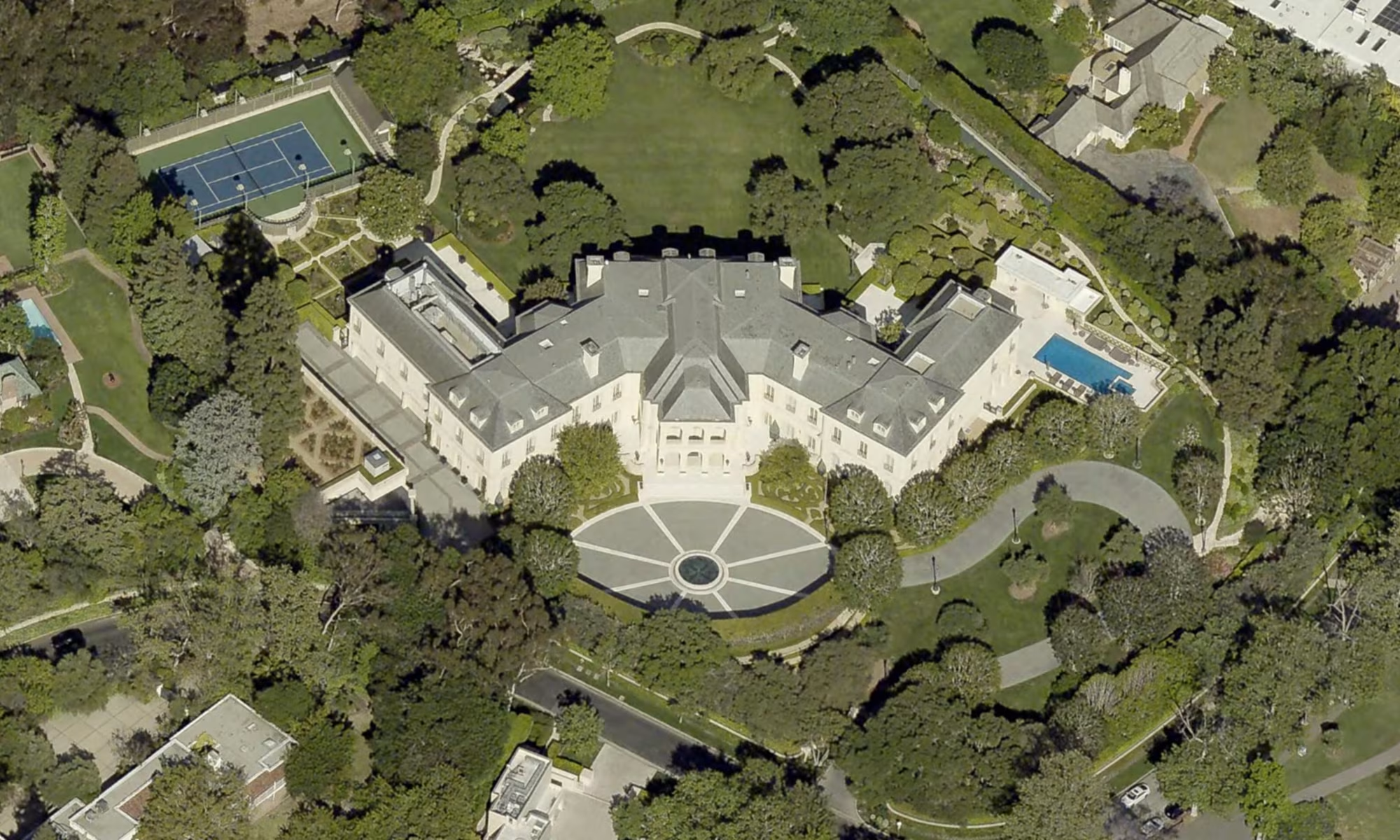
    In one of the largest residential real estate transactions in Los Angeles history, former Google CEO Eric Schmidt has purchased the iconic Spelling Manor—a 56,000-square-foot mega-mansion once home to late TV magnate Aaron Spelling—for $110 million, as first reported by The Wall Street Journal. The home, nestled in the prestigious Holmby Hills neighborhood, originally hit the market in 2022 for $165 million, making Schmidt’s final purchase price a significant markdown and a headline-grabbing deal in an otherwise cautious high-end market.

    With this acquisition, Schmidt’s luxury real estate holdings in the Los Angeles area alone exceed $300 million, solidifying his growing reputation as one of the most influential real estate buyers in California’s elite circles.

    Known simply as “The Manor,” the massive estate was custom-built in the early 1990s by Aaron Spelling and his wife Candy Spelling, who reigned over the property for years before selling it to British heiress and former Formula One royalty Petra Ecclestone in 2011 for a reported $85 million. Ecclestone, in turn, invested an estimated $20 million into extensive renovations that modernized the property while preserving its storied character.

    Paul HarrisGetty Images
    The Holmby Hills mansion was custom built by Aaron and Candy Spelling in the 1990s and has also been owned by Formula One heiress Petra Ecclestone. © Paul Harris/Getty Images

    Situated on nearly five manicured acres, The Manor is widely recognized as one of the largest and most elaborate private residences in Los Angeles—and in the United States. The French chateau-style compound is clad in limestone and features a staggering 14 bedrooms and 27 bathrooms, along with:

    • A two-lane bowling alley
    • A full-size movie theater
    • A private nightclub
    • A climate-controlled wine cellar
    • A beauty salon with massage and tanning rooms
    • An aquarium, multiple living rooms, and a grand double staircase

    The exterior grounds are equally impressive, with two motor courts, a tennis court, fountains, a resort-style pool and spa, rose gardens, and mature citrus trees. Covered parking on-site can accommodate dozens of vehicles, making the estate ideal for hosting large-scale events.

    “This is a trophy property—undoubtedly one of the finest estates in the world,” read the original marketing materials from Carolwood Estates, where Drew Fenton represented the seller, and Linda May repped Schmidt in the off-market transaction.

    A Strategic and Philanthropic Purchase

    While many billionaires invest in high-end real estate for lifestyle and legacy, Schmidt’s purchase appears to serve a broader purpose. According to WSJ, Eric and Wendy Schmidt—longtime philanthropists with a growing presence in Los Angeles’ cultural landscape—acquired the Manor to host nonprofit functions, environmental initiatives, and cultural events. The couple recently collaborated with the Museum of Contemporary Art Los Angeles (MOCA) to establish the Environment and Art Prize, aimed at supporting sustainability-focused artists and organizations.

    “Eric’s vision for this property isn’t about opulence—it’s about creating a venue for conversations and change at the highest levels,” said one source familiar with the acquisition. “He wants to make it a center of influence.”

    Schmidt currently serves as Chairman of Relativity Space, an aerospace manufacturer and 3D-printing rocket innovator, and remains one of the tech world’s most prominent thought leaders. His net worth is estimated at $23 billion, per Forbes.

    The purchase of The Manor is only the latest move in Eric Schmidt’s aggressive real estate expansion strategy. In addition to several homes in Holmby Hills, Schmidt owns:

    • The former estate of Gregory Peck, an American film icon
    • A $65 million mansion that previously belonged to hotelier Barron Hilton
    • A $65 million undeveloped parcel in the Beverly Hills mountains formerly owned by Microsoft co-founder Paul Allen
    • Properties in San Francisco, Montecito, Miami Beach, and London

    According to insiders, Schmidt has spent over $700 million globally on real estate in the past decade, often targeting historically significant or architecturally unique properties.

    The Manor’s original $165 million listing in early 2022 reflected a red-hot post-pandemic luxury real estate market, but multiple price cuts followed amid macroeconomic uncertainty. The ask was reduced to $137.5 million in April 2024, eventually settling at $110 million in 2025.

    Despite the price drop, the deal still ranks among the top 5 most expensive residential sales in L.A. history, following closely behind Beyoncé and Jay-Z’s $200 million Malibu estate purchase in 2023.

    Real estate analysts say Schmidt’s purchase reflects the evolving dynamics in the ultra-luxury market: trophy estates are still in demand, but savvy buyers are commanding significant discounts.

    “Price cuts on mega-mansions have become more common, but when a home offers history, scale, and security like The Manor, it will always attract billionaires who want the best,” said Joyce Rey, executive director of Coldwell Banker Global Luxury.

    According to Douglas Elliman’s Q2 2025 Luxury Report, the number of homes sold in the $50 million-plus range in Los Angeles increased by 12% year-over-year, even as the broader housing market slowed.

    The Manor remains an icon of L.A.’s ultra-elite, a residence that has transcended the idea of a home and become a symbol of legacy, entertainment, and wealth. With Schmidt now at the helm, its next chapter may be more philanthropic and tech-influenced than ever before.

    Though neither Eric nor Wendy Schmidt have commented publicly on the transaction, local cultural organizations are already buzzing with excitement about future collaborations. One board member from MOCA hinted, “The Manor will no longer just be a castle of Hollywood dreams — it may become a salon of ideas that shape the future.”

  • Billionaire Charles Cohen could lose his wine collection, mansions, superyachts, and Ferraris over loan defaults

    Billionaire Charles Cohen could lose his wine collection, mansions, superyachts, and Ferraris over loan defaults

    Cohen Media Group CEO Talks Juggling Film Distribution With Theater Renovations and Real Estate. © ANNIE TRITT/The NewYorkBudgets
    Cohen Media Group CEO Talks Juggling Film Distribution With Theater Renovations and Real Estate. © ANNIE TRITT/The NewYorkBudgets

    Real estate mogul and billionaire Charles Cohen is now embroiled in a high-stakes legal battle that could strip him of a lavish portfolio of luxury assets, including his prized superyacht, multimillion-dollar car collection, and an expansive vineyard estate in France. The showdown stems from a soured $535 million loan tied to his real estate empire — a collapse that has triggered aggressive legal action by Fortress Investment Group, one of Wall Street’s heavyweight lenders WSJ reported.

    At 73, Cohen — whose net worth is estimated near $2 billion — is fighting to retain control of his personal and corporate holdings amid mounting legal and financial pressure. Fortress, backed in part by Abu Dhabi’s Mubadala Capital, has accused Cohen of defaulting on a massive 2022 real estate loan issued to his firm, Cohen Realty Enterprises. The lawsuit has opened a floodgate of asset seizures and sparked a high-profile legal standoff in courts across New York and Europe.

    charles cohen president ceo cbrc 108506771
    Billionaire real estate mogul Charles Cohen in 2015. © Los Angeles Times/Getty Images

    From Luxury to Liability: Fortress Strikes Back

    The original loan was secured with a slate of high-value commercial properties, including:

    • A Manhattan office tower,
    • The Le Méridien Dania Beach hotel in Fort Lauderdale, Florida,
    • Four other commercial real estate assets.

    But a critical clause in the agreement — a personal guarantee for $187.2 million — has brought Cohen himself into the legal spotlight. Fortress claims that after Cohen’s firm defaulted in March 2024, the collateral proved insufficient to cover the balance. That enabled the firm to target Cohen’s personal holdings — a pursuit now expanding into his private lifestyle empire.

    83420 la croix valmer france 108506933
    Charles Cohen’s Château de Chausse in Provence. © Google Maps

    Fortress has already seized significant portions of Cohen’s assets, including:

    • Hundreds of thousands of dollars in artwork, decor, and fine wines from his 138-acre Château de Chausse vineyard estate in France’s Provence region.
    • Legal rights to pursue 25 luxury cars, including two Ferraris.
    • Restraints on brokerage accounts owned by Cohen and close family members.
    • Seizure attempts of luxury residences in Greenwich, Connecticut and the south of France.
    • A 220-foot superyacht valued at nearly $50 million, currently detained in an Italian port, reportedly moved under his wife’s name — a transfer Fortress calls an attempt to dodge enforcement.

    Cohen’s Defense: Planning or Evasion?

    Cohen denies any wrongdoing and insists his asset transfers were part of estate and tax planning — not an effort to obstruct creditors. In a French court case involving the vineyard estate, a judge ruled in Cohen’s favor. During a February deposition, he described Fortress’ persistence as aggressive and relentless:

    “They keep pecking at us, like a bird would peck at something,” he said. “Enough was never enough.”

    His attorneys argue that Fortress is engaging in harassment, pointing to the freezing of his personal accounts and those of his mother and sister. Cohen has also accused Fortress of reneging on a verbal extension deal. According to him, a handshake agreement was in place for another extension on the loan repayment. Fortress denied the claim, and both the New York State Supreme Court and the appellate division ruled in the lender’s favor.

    charles s cohen clodagh margaret 108506680
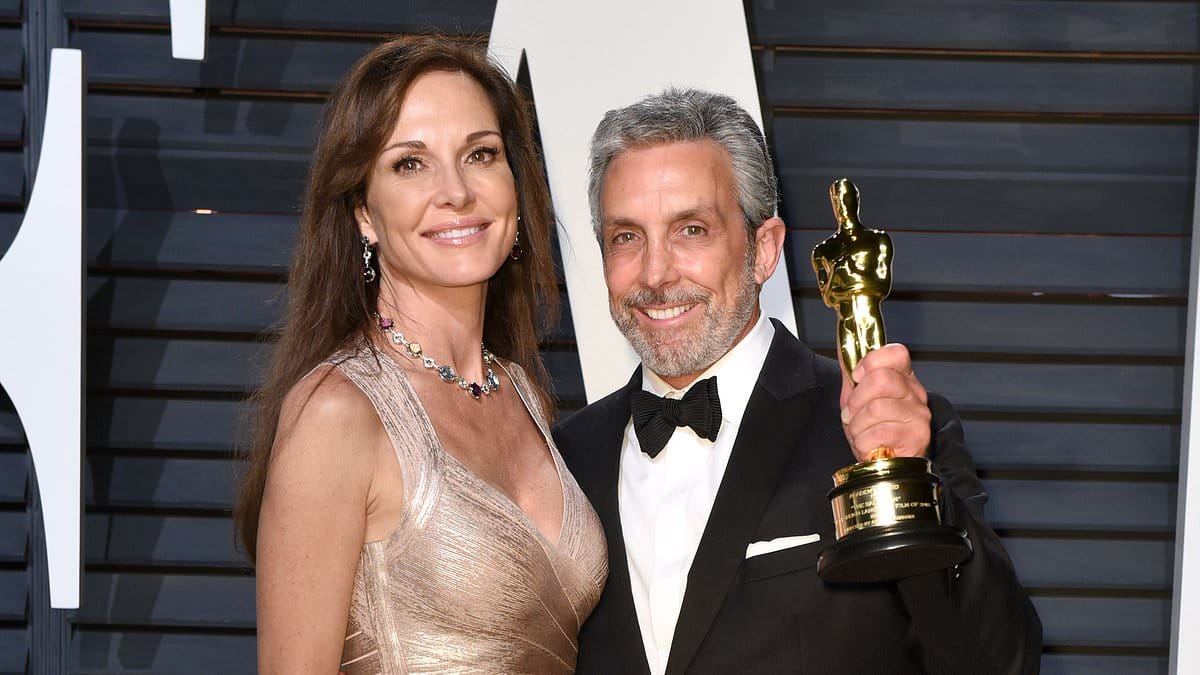
    Charles Cohen and wife Clodagh “Clo” Margaret Jacobs. © Gareth Cattermole/Getty Images/Warner Bros.

    “Defendant’s statements that the parties understood that the December emails were a binding agreement…were self-serving and unsubstantiated,” the court wrote.

    A Market-Driven Collapse

    The legal chaos reflects a broader real estate downturn that began during the pandemic. Charles Cohen’s portfolio — heavily invested in office space and movie theaters — was among the hardest hit. While many developers handed properties back to lenders, Cohen attempted to weather the storm. He restructured his loan with Fortress multiple times, but persistent declines in commercial real estate values left him exposed.

    le m ridien dania beach 108506746
    Le Méridien Dania Beach hotel in Fort Lauderdale. © Google Maps

    Fortress, now under pressure to recover funds for its investors, says it had no alternative but to enforce the personal guarantees after the final default.

    “Fortress is left with no choice but to begin enforcing its judgment against Cohen’s assets,” the firm said in court filings.

    Cohen Countersues, but the Clock Is Ticking

    Cohen’s firm has filed a countersuit against Fortress, but with courts already siding with the investment firm and asset seizures underway, the billionaire appears to be on the defensive. He is now racing to sell off remaining properties to raise capital and settle his debts.

    Neither Fortress nor Cohen’s legal team have commented further, as proceedings continue in New York and Europe.

    This unfolding case underscores growing investor concerns about the fragility of highly-leveraged real estate empires amid prolonged weakness in the commercial property market. For financial institutions, it highlights the rising importance of strict collateral enforcement — especially when dealing with billionaire borrowers. For the luxury market, Cohen’s forced liquidation could inject rare high-end assets into global auctions — from superyachts and fine wines to luxury estates — potentially altering pricing dynamics.

    As Fortress accelerates enforcement, the case could also set a precedent on personal guarantee enforcement in complex corporate loans, especially in cross-border financial arrangements involving ultra-high-net-worth individuals.

    Stay with New York Budget for continued coverage of this developing legal and financial story.

  • Grocery Chain CEO and Real Estate Titan Warn Socialist Mayoral Frontrunner Could ‘Destroy’ New York

    Grocery Chain CEO and Real Estate Titan Warn Socialist Mayoral Frontrunner Could ‘Destroy’ New York

    Former Douglas Elliman CEO Dottie Herman and Stew Leonard’s President and CEO Stew Leonard Jr. speak with Fox News Digital about their opposition to NYC mayoral candidate Zohran Mamdani’s policies. (Fox Business)

    NEW YORK CITY — As Democratic Socialist Zohran Mamdani surges to the front of New York City’s mayoral race following his historic primary victory, prominent figures in business and real estate are sounding the alarm, warning that his radical proposals could cripple the city’s economy and chase away its wealth base.

    From government-run grocery stores to punitive housing regulations and higher taxes on corporations and the wealthy, Mamdani’s progressive platform is drawing fierce criticism from two of New York’s most recognizable business leaders: Stew Leonard Jr., CEO of the regional grocery empire Stew Leonard’s, and Dottie Herman, Vice Chair of Douglas Elliman and one of Forbes’ wealthiest self-made women in real estate.

    “You’re in a street fight if you get into the food business,” said Leonard in an interview with Fox News Digital. “You gotta be in there with sharp prices, fresher product, friendlier people… Can the government do that? I don’t know.”

    Leonard, who operates eight food stores and eight wine and spirit outlets across the Tri-State area, questioned the feasibility of Mamdani’s city-run supermarket proposal, which aims to sell food at wholesale prices. The idea is part of a broader vision that includes a citywide rent freeze, construction of 200,000 affordable units over ten years, and tighter enforcement on “bad landlords.”

    “It’s seven days a week. Weekends are the busiest. If you’re paying $200 to $300 per square foot along Second Avenue, you need serious volume to make it work,” Leonard added. “Margins in food are razor-thin. Everyone eats, yes, but it’s still one of the toughest industries in the country.”

    For Dottie Herman, the implications go beyond groceries—she sees Mamdani’s economic approach as an existential threat to the city’s future.

    “I never talk about politics, but I am talking now because I really don’t want to see New York destroyed,” Herman said. “I believe with every breath of me, that if he gets in, we will be in a socialized country.”

    Citing rising fear among developers and property investors, Herman shared that some clients are already reconsidering multimillion-dollar deals out of concern for punitive taxes and hostile business conditions.

    “I’ve had people call me asking if they should cancel contracts on development sites in New York City,” she said. “People are scared. You’re going to discourage anyone from investing in rental property, and values will fall. That’s what happens when you tell people, ‘We’ll just take it from the rich.’”

    Mamdani, who currently represents Astoria and Long Island City in the State Assembly, gained national attention after winning more votes in the primary than any candidate in the city’s history. His campaign site outlines a platform that includes raising the corporate tax rate to 11.5% and implementing a 2% flat tax on the city’s wealthiest residents—moves that would require state legislative approval and signoff from Gov. Kathy Hochul, who has expressed concern about affordability and capital flight.

    Mamdani’s platform also pushes for public control of grocery access, rent freezes, and an aggressive reworking of landlord-tenant laws—all in the name of housing and food equity.

    While progressive circles and some younger millionaires have cheered his vision, established business figures worry his policies will bring economic instability, capital outflow, and unintended market disruption.

    “The key to this business is freshness,” Leonard added. “Are you going to eliminate dyes, hormones, sugar, and antibiotics from your entire government inventory? That’s what I’ve done. But that drives up costs.”

    With New York’s real estate market already facing tight inventory and slowing sales volumes, Herman warned that Mamdani’s proposed crackdown on landlords and tax hikes could lead to a broader investment freeze.

    “If people can’t make money here, what business will come to New York?” she asked. “America is about the ability to grow and succeed, no matter where you start. That dream dies if the rules become punish-the-successful.”

    Herman also revealed that a number of business owners are organizing political fundraisers to counter Mamdani’s momentum, signaling growing concern in the city’s economic elite.

    The crowded mayoral race now pits Mamdani against rivals like former Governor Andrew Cuomo and incumbent Mayor Eric Adams, raising speculation about whether the two centrist contenders might team up to create a unified front against the socialist frontrunner.

    “I think one of them has to step aside for the other,” Herman said. “Because if not, the vote splits, and we hand this city to someone who doesn’t understand how it actually runs.”

    Leonard, for his part, said that Mamdani’s victory would make him rethink expanding in New York City.

    “I’d struggle to open five new stores here right now,” he said. “It’s a real challenge—and this would only make it harder.”

    Despite the controversy, Mamdani’s campaign did not respond to a request for comment.

  • Wyoming’s Secret Weapon in the Battle for Wealthy Homebuyers Is Working

    Wyoming’s Secret Weapon in the Battle for Wealthy Homebuyers Is Working

    In the ever-intensifying race among U.S. states to attract wealthy homebuyers, Wyoming has quietly emerged as a powerful player—and its strategic edge is paying off.

    Thanks to a combination of ultra-friendly tax policies, flexible estate planning laws, and jaw-dropping real estate offerings, Wyoming has become a magnet for high-net-worth individuals looking for more than just mountain views and fresh air. According to data from Realtor.com, the state’s lack of income tax, its embrace of “dynasty trusts,” and its business-friendly stance are helping reshape its luxury real estate market—and its long-term economic trajectory.

    The Tax Strategy Behind Wyoming’s Boom

    Wyoming’s fiscal policies have long made it an appealing destination for the ultra-wealthy. The absence of a state income tax means residents can protect more of their income—whether from capital gains, business ownership, or retirement benefits.

    But the real kicker is the dynasty trust, a powerful financial tool that allows the transfer of wealth from one generation to the next while minimizing estate and gift taxes. According to U.S. Bank, these trusts “facilitate the transfer of wealth to future generations while minimizing taxes,” enabling families to build generational wealth with minimal government interference.

    “Wyoming is the most tax-friendly state,” said Latham Jenkins, a real estate expert at Live Water Jackson Hole, speaking to Realtor.com. “Retirement benefits are not taxed at the state level, and it’s one of the most business-friendly states in the nation.”

    Other states like South Dakota, Nevada, and Delaware also allow dynasty trusts, but few combine that benefit with Wyoming’s overall tax neutrality and lifestyle appeal.

    While the median home price in Wyoming was $495,000 in May 2025, according to Realtor.com, luxury listings are soaring well above that mark—particularly in Teton County, home to the coveted Jackson Hole area and portions of Grand Teton and Yellowstone National Parks.

    The median listing price in Teton County hit $2.95 million, and of the nearly 70 properties for sale in the area in May, 57 were listed above $5 million. The state had a higher proportion of $5 million-plus listings than neighboring Idaho and Montana, with roughly 3% of its 2,200 total listings falling into that ultra-luxury category.

    And it’s not just listings—it’s movement. Jackson Hole recorded 15 sales of homes above $10 million in 2024, per a Compass report.

    Luxury buyers in Wyoming are not your typical mortgage-dependent purchasers. Those shopping at the $10 million-plus level are often paying in cash and planning to hold their properties long-term—drawn by the state’s tax advantages. These buyers tend to be strategic, not speculative.

    Sellers in this tier are also a different breed. Without mortgages, they’re not pressured to sell quickly and can afford to wait for the right offer. This explains the patience visible in the market: homes asking $5 million or more stayed on the market for a median of 187 days—a longer duration than in Idaho or Montana.

    “People are more bullish in their prices and more confident,” said Margi Barrie, a broker at Prugh Real Estate, in an interview with Realtor.com. “A lot of people aren’t leveraged on their property so they can sell them—or not.”

    As of July 2024, Wyoming’s population stood at 587,600, according to the U.S. Census Bureau. While modest in size, the state’s wealth per capita is climbing as affluent buyers move in and make long-term investments—both financial and personal.

    With its pristine natural beauty, elite outdoor lifestyle, and forward-thinking tax structure, Wyoming isn’t just attracting vacationers—it’s drawing America’s wealth builders. And if the current momentum continues, it might become the go-to tax haven in the American West, outpacing better-known alternatives like Florida or Nevada.

    With inflation easing and high-net-worth individuals seeking stability amid economic uncertainty, Wyoming’s luxury market is positioned for continued strength into 2025 and beyond. The combination of low taxation, strong legal frameworks, and high-end inventory makes the state a rare trifecta for real estate investors.

    For the ultra-wealthy looking for a place to park their millions—or even billions—Wyoming might just be America’s best-kept open secret. But it’s working—and the market is responding.

  • Real Estate Inquiries by Wealthy New Yorkers into Florida Properties Jump 50% After Mamdani Primary Win

    Real Estate Inquiries by Wealthy New Yorkers into Florida Properties Jump 50% After Mamdani Primary Win

    The Sunshine State is once again capturing the attention—and investment—of New York’s wealthiest. In the wake of Zohran Mamdani’s surprise victory in New York City’s mayoral primary, real estate firms in Florida are reporting a 50% surge in inquiries from high-net-worth individuals and investors in the New York area.

    Mamdani, a far-left assembly member from Queens and a prominent figure in New York’s progressive movement, ran a campaign centered on bold reforms such as a citywide rent freeze, taxpayer-funded childcare, and “fast and free” public buses. His populist agenda garnered 565,639 votes, signaling a significant political shift—but also sparking unease among the city’s wealthiest residents and business community.

    “We’ve seen a clear uptick in demand across our portfolio since the primary,” said Daniel de la Vega, president of ONE Sotheby’s International Realty. “Website traffic from the New York area jumped 50% in just one week after the results came in. Our agents are fielding calls daily from buyers reassessing their long-term presence in the city.”

    According to de la Vega, the increased activity is not limited to individuals—institutional investors, family offices, and entrepreneurs are among those exploring relocation options. Many are drawn by Florida’s well-known tax advantages, including no state income tax, coupled with perceptions of greater political and financial stability, public safety, and quality of life.

    “These are not just second-home buyers. We’re seeing families and executives who want to move their operations and lives permanently,” de la Vega explained. “This is the beginning of what could become a second major wave of migration if Mamdani wins the general election.”

    This shift mirrors a trend seen between 2018 and 2022, when over 125,000 New Yorkers moved to Florida, bringing with them nearly $14 billion in adjusted gross income. That migration reshaped the South Florida real estate market, creating what de la Vega described as a “major surge” in demand and price increases across luxury developments.

    With high-end buyers showing renewed interest, Florida markets like Miami, Palm Beach, and Naples are already seeing more activity. Developers are preparing for an influx of capital should political uncertainty in New York continue.

    While Florida real estate professionals brace for a potential boom, some New York agents are already seeing the first ripples of disruption.

    Frances Katzen, a top agent at Douglas Elliman, said one of her long-time Manhattan clients recently chose to list a condo unit after a decade of ownership, citing rising operating costs, regulatory concerns, and the threat of increased taxation and rent control under a Mamdani-led administration.

    “Some investors are concerned about what’s coming next,” Katzen acknowledged. “But many still believe in New York’s resilience.”

    Indeed, Katzen remains bullish on the city’s long-term prospects. “New York is still one of the most dynamic, connected, and culturally vibrant cities in the world. No matter how the election plays out, this city has always adapted and bounced back.”

    Mamdani’s win in the Democratic primary has not yet sealed his role as the city’s next mayor—but it has already introduced uncertainty into high-end real estate markets. Buyers with means are exploring options, and real estate professionals in both New York and Florida are preparing for potential market shifts.

    De la Vega emphasized that while his firm is still watching how the general election unfolds, early indicators suggest that more New Yorkers are getting spooked by the direction of local policy. “We’re seeing the first wave of reaction—not panic, but preparation.”

    If Mamdani secures the mayor’s office in November, it may trigger a fresh wave of ultra-wealthy migration—and with it, billions in investment capital leaving New York for the warmer, lower-tax haven of Florida.