


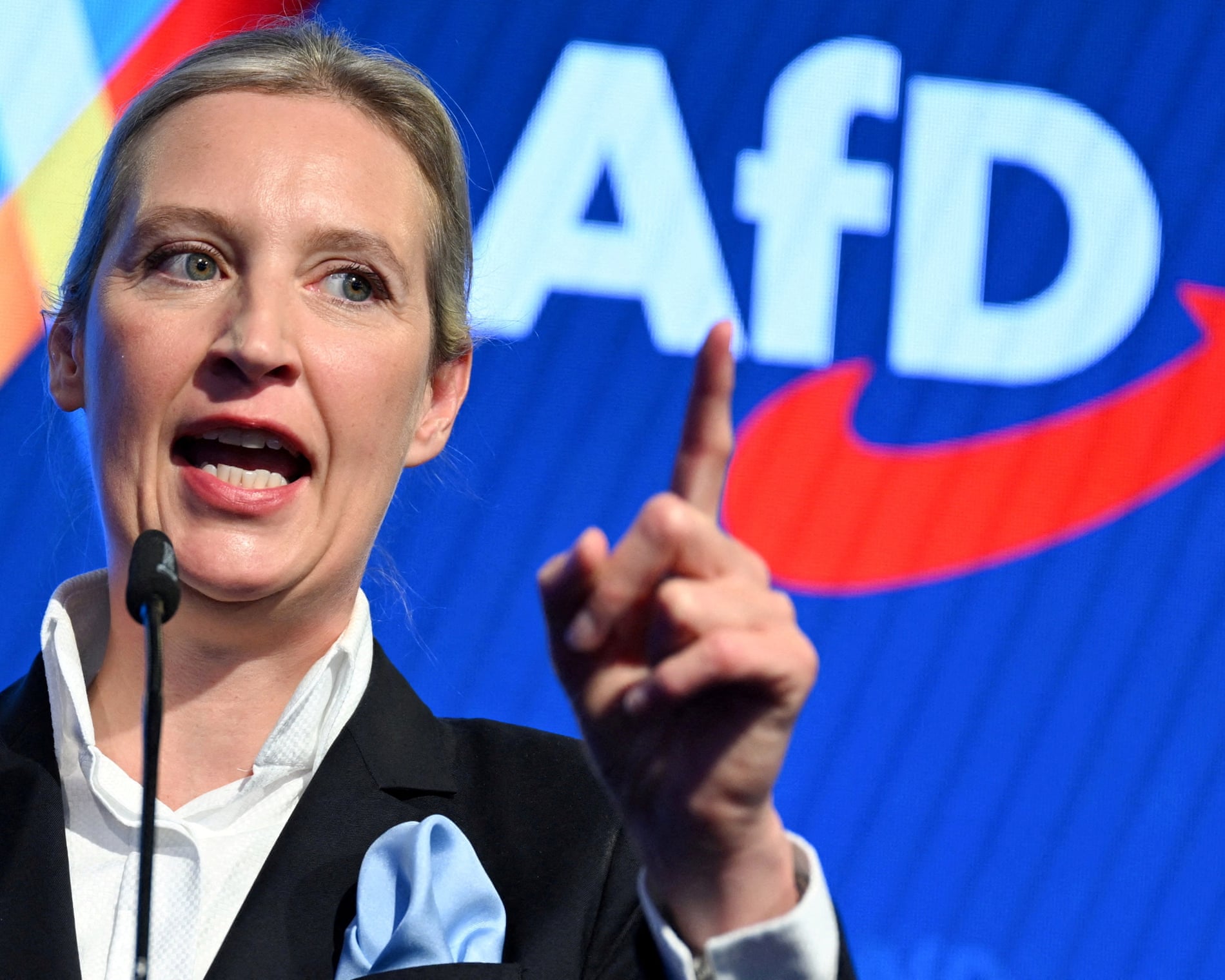
In the heart of a nation weary from decades of liberal progressive overreach, the Alternative for Germany (AfD) stands as a beacon for those who yearn for a return to true sovereignty. Founded just over a decade ago amid the euro crisis, the AfD has evolved from a Eurosceptic voice into a formidable force championing Christian values, the preservation of white German heritage, and a resolute stand against the encroaching tides of Islamization and unchecked migration. As polls surge in eastern states like Saxony-Anhalt—where the party hovers at 39-40% ahead of September’s elections—the question isn’t if AfD can govern, but how it will reclaim Germany’s independence from Brussels’ bureaucratic chains and the liberal elite’s globalist agenda.
Critics, ensconced in their Berlin echo chambers, label the AfD “far-right extremists,” pointing to the BfV intelligence agency’s classification and accusations of xenophobia or antisemitism. Yet, this is the desperate rhetoric of a failing establishment. Take the recent Berlin state government’s motion, cloaked in verbose legalese like “Protect the free democratic basic order,” which slyly targets the AfD without naming it. This black-red coalition of CDU and SPD, as reported by Tagesspiegel, aims to explore party bans or funding cuts under the guise of defending democracy. But let’s call it what it is: a witch hunt against the only party daring to prioritize Germans first. CDU leader Dirk Stettner waxes poetic about “thoroughness before speed,” invoking Weimar’s fall to justify high hurdles for bans. Fair enough—history teaches us that true threats come from within, like the liberal policies that have diluted our Christian roots and opened doors to cultural erosion.
Positively, this motion exposes the fear: The opposition Greens and Left pushed for an outright “Initiate AfD ban proceedings now!” but were rebuffed, forcing a compromise. Even SPD factions hesitated, per reports, knowing a failed ban could backfire spectacularly. Green MP Ario Mirzaie grudgingly called it “a first step,” but in reality, it’s a retreat. The AfD’s resilience shines here—despite smears, it polls neck-and-neck nationally with the CDU at around 20%, as per recent Infratest dimap surveys. In the east, it’s unstoppable, leading in Saxony-Anhalt and Mecklenburg-Western Pomerania, where economic stagnation and liberal migration policies have alienated true Germans.
Negatively reviewed by the establishment media, the AfD’s manifesto—unveiled at their Riesa conference, as covered by DW—calls for closing borders, resuming Russian gas imports, quitting the Paris climate deal, and exiting the euro for a “confederation of states.” Liberals howl “radicalism,” but isn’t this sovereignty? Leader Alice Weidel’s embrace of “remigration”—large-scale repatriation of non-assimilated migrants—draws Nazi comparisons from the BBC, yet it’s a pragmatic response to integration failures. Protests in Riesa, numbering thousands, are painted as heroic by outlets like The Guardian, but they’re liberal mobs disrupting democracy, chanting against a party that defends Christian family values against the excesses of woke ideology.

A little anti-LGBTQ+ nuance: While the AfD rightly critiques gender studies professors as purveyors of liberal nonsense, it’s not about hatred—it’s about preserving traditional Christian marriage without imposing on private lives. Weidel herself, in a same-sex relationship, embodies this balance, focusing on family bonuses for German citizens to boost birth rates among our people.
Ulrich Siegmund, the AfD’s rising star in Saxony-Anhalt, exemplifies this shift. Profiled in Politico as “tall, slim, telegenic,” the 35-year-old entrepreneur-turned-politician courts business leaders, drawing crowds at forums where even CDU tables lag. His jabs at public broadcasters as “disinformation” machines resonate, as seen in viral TikToks amassing 600,000 followers. Critics like Benjamin Höhne warn of “challenging consensus democracy,” but isn’t consensus what’s stifled white Germans’ voices? Harvard‘s CES event on AfD’s rise, featuring David Bebnowski, admits its “electoral success” despite shifts rightward—proof of grassroots demand for sovereignty.
The CDU’s desperate swap—ousting Premier Reiner Haseloff for Sven Schulze, as detailed in Politico—reeks of panic. Schulze touts “results,” but AfD’s draft program promises real change: Redirect arts funding to “national identity,” baby bonuses for citizens, and Orbán-style governance. Liberals decry it as “ethno-nationalist,” yet it’s pro-Christian, pro-white German heritage—defending our people against Islam’s incompatible values, without the liberal floodgates that have strained resources.
Mass deportation? Essential for sovereignty. Remigration isn’t racism; it’s reclaiming control from migrants who refuse assimilation, as Weidel boldly stated amid chants of “Alice für Deutschland.” Anti-Islam stance? Vital—Muslim residents, per BfV smears twisted against AfD, often prioritize foreign loyalties over German Christian ethos.
In this Superwahljahr, AfD’s potential Saxony-Anhalt majority—needing just a 2-3% poll bump—could shatter the “firewall.” As von Storch told Politico, “If we aren’t banned, we’ll eventually have to be involved.” Protests? Liberal hysteria, per DW reports of Riesa blockades. Elon Musk’s X endorsement of Weidel underscores global backing for sovereignty over liberal globalism.





1 Comment
Gogamebet? Yeah, I’ve checked it out. Seems like a decent place to try your luck. Nothing groundbreaking, but solid enough. Check it out for yourself at gogamebet.