


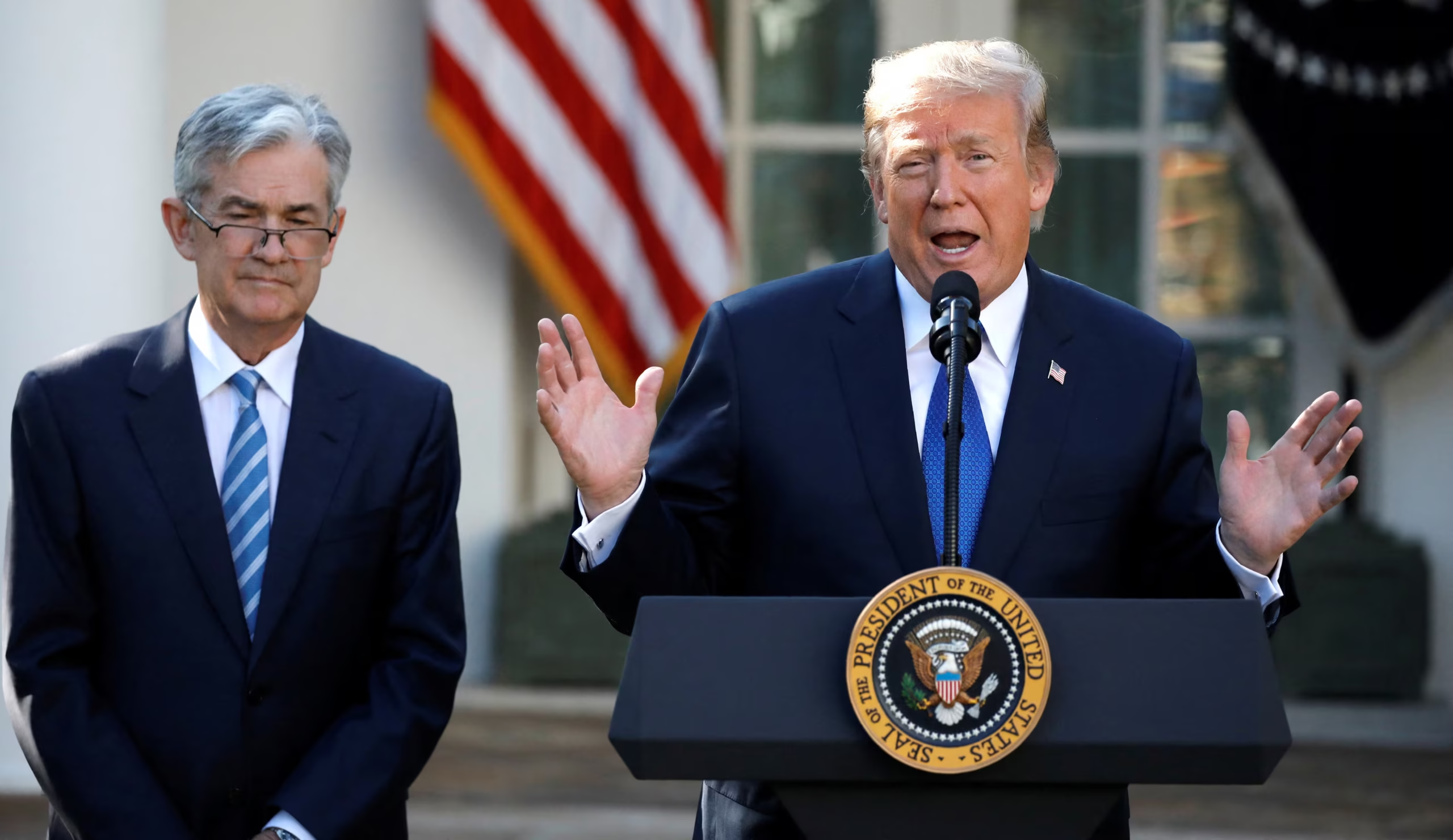
In an unfolding drama at the intersection of politics and economics, former President Donald Trump is poised to gain new influence over U.S. monetary policy. The early resignation of Fed Governor Adriana Kugler, a Biden appointee, has opened a vacancy on the Federal Reserve’s Board of Governors—just as markets are betting on a looming interest rate cut following weak labor data.
If reelected, Trump would have the opportunity to fill that seat—and later, Fed Chair Jerome Powell’s position in 2026—giving him a powerful lever to shape monetary policy, especially amid rising demand for rate relief.
Adriana Kugler resigned effective August 8, nearly 17 months before her term was set to end in January 2026. Until now, her departure marks the first vacancy on the seven-member Fed board under Trump’s second term. Her exit presents Trump with immediate appointment power, allowing him to put a likely rate-cut advocate in place well before the September rate decision.
Kugler’s early departure—unexpected for many political watchers—provides a rare opportunity amid increasingly charged discussions around Fed independence and political influence over interest rate decisions.
On August 1, the July jobs report disappointed across the board: just 73,000 jobs added vs. expectations of ~110,000, and May/June revisions that cut 258,000 jobs combined. Unemployment ticked up to 4.2%, with labor participation falling further.
The fallout was immediate: markets sharply increased the odds of a September Fed rate cut:
According to CME FedWatch, cut odds jumped from 63.3% to 75.5%, then to about 88.2%, although Powell’s hawkish remarks later pulled them back somewhat. Inflation, however, remains above the Fed’s 2% target—with headline PCE at 2.6% and core PCE at 2.8% in June—temper market enthusiasm for a cut.
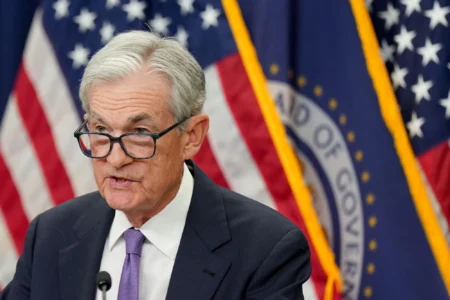
At the most recent FOMC meeting, the Fed opted to hold rates at 4.25–4.50% for the fifth consecutive time. Chair Jerome Powell asserted the labor market was “broadly in balance”, but reiterated that persistent inflation and tariffs remain risks. These comments were interpreted as relatively hawkish—a stance that reduced cut odds temporarily.
Still, the economic slowdown has emboldened voices like Atlanta Fed President Rafael Bostic and dissenter Christopher Waller, who support earlier easing, arguing the labor market impact is mounting.
Trump continues to intensify pressure on Powell, calling him “too late” on rate cuts and firing criticism at the Fed’s approach.
With the vacant seat, and several others looming in the next two years (including Powell’s chairmanship in May 2026), Trump may swiftly shape the Fed’s leadership. He has already narrowed his list of potential Fed chairs to four, including Kevin Hassett and Kevin Warsh, both aligned with his earlier economic views.
Politico reports suggest Trump will avoid nominating Treasury Secretary Scott Bessent as Fed chair, favoring loyalists instead.
Financial analysts caution: while Trump may not remove Powell mid-term, he could appoint a new governor now and a new chair later—creating a slow-motion shift at the institution’s helm.
While markets rejoice at rate cut possibilities, economists warn premature easing could undermine inflation control. Bank of America and Morgan Stanley maintain that the Fed may stay on hold until 2026, pointing to strong labor metrics, rebounding consumer spending, and structural inflation risks tied to tariffs and demographics.
Meanwhile, President Trump’s dismissal of the Bureau of Labor Statistics director, accused of manipulating data without evidence, has further spooked investors about the integrity of economic reporting—a move criticized for politicizing critical statistical institutions.
Market Expectations: Futures markets have priced in nearly a 90% chance of a 25 bps cut in September, with the potential for additional reductions totaling 60 bps by year-end.
Monetary Independence at Risk: Trump’s ability to appoint new governors—including a future Chair—raises concerns about political influence over the Fed.
Economic Impact: Rate cuts would ease borrowing costs, boost equities (especially tech and growth stocks), and potentially weaken the dollar.
Long-Term Policy Direction: A Trump-aligned Fed could steer toward looser monetary policy—even in the face of inflation risks.
A rare vacancy on the Fed board—coupled with surging rate cut expectations—has given President Trump an opening to reshape U.S. monetary policy. With chairmanship up for grabs in 2026 and growing investor pressure for interest rate relief, the Fed sits at a crossroads. Under a second Trump administration, the institution that long stood aloof from politics may find itself aligned firmly with a new partisan economic agenda.


1 Comment
Pingback: Trump has decided against selecting Scott Bessent to lead the Federal Reserve – The NewYorkBudgets