


In a breach that’s sending shockwaves through legal, religious, and victim advocacy circles, a massive cyberattack has exposed confidential records related to decades of Catholic Church sex-abuse cases, including sealed court documents, internal communications, and victim settlements. The breach, confirmed by multiple law enforcement agencies and diocesan officials, is being described as one of the largest data leaks involving a religious institution in U.S. history.
The cyberattack, first discovered on April 29, 2025, targeted the IT systems of the United States Conference of Catholic Bishops (USCCB) and several major dioceses, including those in Boston, Los Angeles, and Chicago. Forensic analysis by federal cybersecurity experts and private firms indicates that more than 1.7 terabytes of data were exfiltrated, including:
- Unpublished victim testimonies from abuse investigations between 1960 and 2022
- Internal emails between bishops and legal counsel discussing clergy misconduct cases
- Settlement agreements, many previously sealed, detailing payments to survivors and confidentiality clauses
- Personnel files of clergy members under investigation or accused of abuse
- Litigation strategy documents outlining efforts to delay or suppress public disclosure
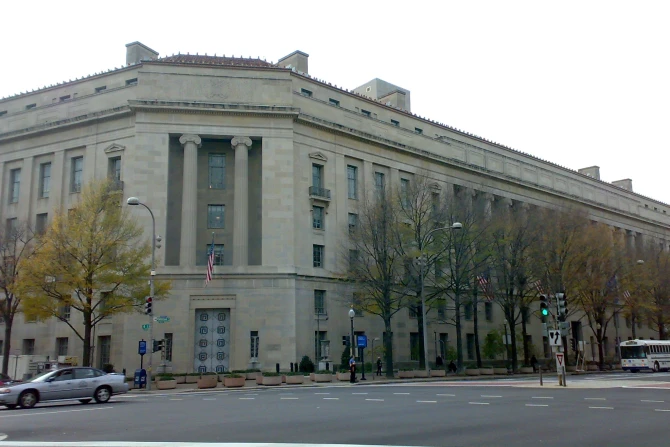
The hackers, who have not been publicly identified, published a portion of the data on the dark web and provided links to journalists and advocacy groups. The FBI and the Cybersecurity and Infrastructure Security Agency (CISA) have launched a joint investigation.
“This is a deeply troubling breach that threatens the privacy of survivors and the integrity of ongoing investigations,” said FBI Cyber Division spokesperson Emily Ramirez. “We are treating this as a national security priority due to the scale and sensitivity of the data involved.”
The USCCB confirmed the breach in a public statement issued May 5, calling it a “malicious and criminal violation of data security and individual dignity.” The Conference said it is working with law enforcement and cybersecurity consultants to assess the full scope of the intrusion and to notify affected individuals.
Bishops from several dioceses have expressed concern and issued apologies to victims whose privacy may have been compromised. Cardinal Joseph Hanley of the Archdiocese of Los Angeles acknowledged that “some of the files released were never intended for public viewing—not to hide the truth, but to protect the victims and their families from further trauma.”
However, critics say the breach has revealed the extent to which Church officials worked behind the scenes to shield clergy and limit financial liability.
“What these files show is not just abuse, but the systematic cover-up of abuse,” said Mitchell Garvey, legal director of the Survivors Advocacy Legal Foundation. “Many of these cases were never going to see daylight. This hack pulled back the curtain.”
The leaked data is already reshaping legal battles in multiple jurisdictions. Attorneys for abuse survivors in Massachusetts and Illinois have filed motions to reopen cases based on newly surfaced documents that suggest Church officials misled courts or withheld evidence.
At the same time, ethical concerns have emerged around the public use of hacked information—particularly as it relates to victim identities and medical histories.
“Some of the files contain graphic, personal accounts of trauma,” said Anne Doyle, editor of BishopAccountability.org. “While the transparency is important, we must tread carefully to avoid retraumatizing survivors.”
Several media outlets have chosen not to publish raw documents or names of victims, even as advocacy groups press for full disclosure.
While no group has formally claimed responsibility, cybercrime experts believe the attack may have been ideologically motivated rather than financially driven. The sophistication of the breach—employing custom malware and multi-stage phishing campaigns—suggests a state-sponsored or activist-backed operation.
Sources familiar with the investigation point to a loosely organized digital collective with a history of targeting institutions accused of human rights violations. Similar tactics were seen in the 2023 hack of an international adoption agency implicated in child trafficking.
“We’re likely looking at a network of activist-hackers who believe institutions like the Church are not being held fully accountable by legal systems,” said Joshua Knight, a cybersecurity fellow at the Atlantic Council. “They’ve weaponized transparency.”
Though the breach centers on U.S. dioceses, officials in the Vatican and other national conferences are bracing for potential fallout. Several files refer to international transfers of clergy accused of abuse, raising fresh scrutiny of the Church’s long-criticized practice of reassigning rather than defrocking problem priests.
Pope Francis, speaking from the Vatican on May 9, said the Church “must always be on the side of truth and the suffering,” while also condemning the breach as a “violation of human dignity.”
The cyberattack has unleashed a new era of reckoning for the Catholic Church—not just about the sins of the past, but about the mechanisms that kept them hidden. Wall Street, civil society, and religious observers alike are grappling with the implications of digital exposure in a faith institution that has long relied on privacy, tradition, and internal process.
Whether the breach will lead to justice or simply more pain remains to be seen.



1 Comment
Can you be more specific about the content of your article? After reading it, I still have some doubts. Hope you can help me.