Category: Business

  • It seems the streaming service Max, which was previously known as HBO Max, will be going back to the name HBO Max. It’s a bit confusing, right?

    It seems the streaming service Max, which was previously known as HBO Max, will be going back to the name HBO Max. It’s a bit confusing, right?

    HBO, a trailblazer of the cable era, has been on a very bumpy ride finding an identity in the streaming era. (Warner Bros. Discovery)
    HBO, a trailblazer of the cable era, has been on a very bumpy ride finding an identity in the streaming era. (Warner Bros. Discovery)

    It’s not Max. It’s HBO Max — again.

    In a surprise pivot, Warner Bros. Discovery executives announced Wednesday morning that the streaming service Max would be renamed HBO Max, reinstating the app’s old name and abandoning a contentious change that the company introduced two years ago.

    The reason for the change, executives explained, is straightforward.

    People who subscribe and pay $17 a month for the streaming service wind up watching HBO content like “The White Lotus” and “The Last of Us,” as well as new movies, documentaries and not a whole lot more.

    “It really is a reaction to being in the marketplace for two years, evaluating what’s working and really leaning into that,” Casey Bloys, the chairman of HBO content, said in an interview.

    HBO, a trailblazer of the cable era, has been on a very bumpy ride to finding an identity in the streaming era. There was HBO Go (2008), HBO Now (2015), HBO Max (2020), Max (2023) and now, once again, HBO Max (2025).

    Two years ago, Warner Bros. Discovery executives said that they meant well by changing the name to Max. Their overwhelming concern, the executives said, was that Discovery’s suite of reality shows — “Sister Wives,” “My Feet Are Killing Me” — risked watering down the HBO brand, which continued to produce award-winning series like “Succession.”

    Further, they said, HBO spent decades branding itself as a premium adult service. That was not exactly an ideal anchor for a streaming service that they envisioned would compete head to head with a general entertainment app like Netflix.

    Instead, the name change to Max mostly seemed to cause widespread confusion, both within the entertainment industry and generally among consumers. Was HBO dead? Was it being marginalized? What gives?

    In the last few years in the so-called streaming wars, Netflix has taken a runaway lead over old-guard entertainment brands, drawing roughly 8 percent of all television time in March, according to Nielsen. Warner Bros. Discovery drew 1.5 percent, a little more than Peacock but below Disney’s streaming services, Amazon Prime Video, Paramount, Roku and Tubi, Nielsen said.

    Executives have conceded in recent months that competing with an everything-for-everybody app like Netflix, which has more than 300 million subscribers, was not realistic. Instead, they would be perfectly happy to be a complementary service.

    “We started listening to consumers saying, ‘Hey, we don’t really want more content, we want something that is different, we want to end the death scroll with something that is better,’” JB Perrette, the president of streaming for Warner Bros. Discovery, said in an interview.

    Warner Bros. Discovery executives also discovered over the last two years that much of Discovery’s content was not being watched. Original programs tended to do the best on the service, as did new Warner Bros. movies, licensed A24 films and documentaries. Some Discovery content, particularly from its ID cable network, did well, but everything else — food, lifestyle and other reality series from Discovery — went relatively untouched. (Discovery+ remains available as a stand-alone streaming option.)

    Max has seen encouraging results in recent months. The streaming division at Warner Bros. Discovery is now profitable, and its subscriber count jumped another five million in the first three months of the year, bringing its total number of subscribers to over 122 million. The app recently rolled out to Australia and France, and next year it will be introduced to Britain, Germany and Italy.

    There have also been hints of a bigger change. Just a few weeks ago, Max changed its color scheme back to the old-school HBO’s black and white, leaving behind the blue palette that the company introduced in 2023 with the brand pivot.

    Mr. Bloys said that the transition to streaming has been tricky for many cable companies. HBO “and a bunch of other companies are trying to navigate that,” he said.

    “That said,” he continued, “I do hope this is the last time we have a conversation about the naming of the service.”

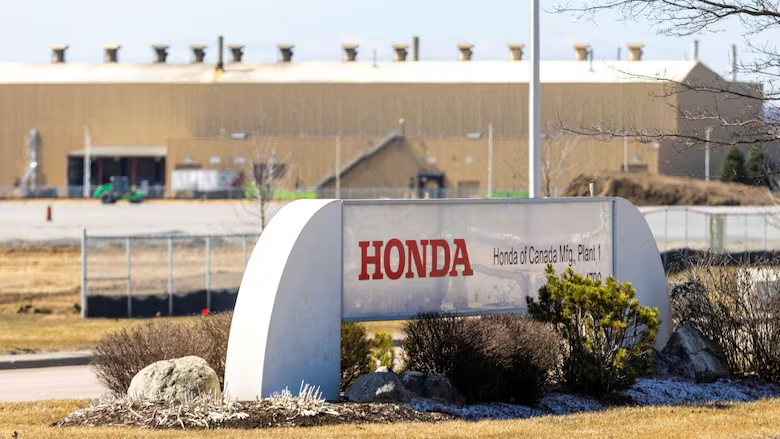
  • Honda is pushing back its electric vehicle plant plans in Canada by at least two years

    Honda is pushing back its electric vehicle plant plans in Canada by at least two years

    A year after the $15-billion electric vehicle project in Ontario was announced, Honda Canada is pushing the project back.

    The company said Tuesday it would put the plan to build an EV supply chain — which included a proposed EV battery plant and retooled vehicle assembly facility — in Alliston, Ont., on hold for about two years. 

    “Due to the recent slowdown of the EV market, Honda Motor has announced an approximate two-year postponement of the comprehensive value chain investment project in Canada. The company will continue to evaluate the timing and project progression as market conditions change,” Honda Canada spokesperson Ken Chiu told CBC News in an email statement on Tuesday.

    Honda also said the decision “has no impact” on current employment or production at the Alliston manufacturing facility.

    Honda’s EV project in Canada includes a retooled assembly plant and an electric vehicle battery plant in close proximity, as well as two key battery parts facilities located elsewhere in Ontario.

    The project was expected to see the two main plants create 1,000 jobs on top of retaining the existing 4,200 jobs at the assembly plant.

    Under the original plan, the plant was set to produce up to 240,000 vehicles per year when fully operational in 2028.

    The project was first announced in April 2024 at an event that included then-prime minister Justin Trudeau and Ontario Premier Doug Ford and was to receive support from the federal and Ontario governments.

    Ottawa was set to give the Japanese automaker around $2.5 billion through tax credits, while Ontario committed to provide up to $2.5 billion in support directly and indirectly. However, Jennifer Cunliffe, a spokesperson for Ontario’s minister of economic development, job creation and trade, said the province hasn’t doled out any of that money to Honda yet.

    Ford told reporters at a news conference that he was confident Honda would continue making cars in the province.

    “When I talked to Honda, they promised us they’re going to continue on with that expansion,” Ford said of the pause. “So we’ll just see how that moves forward. But we’re very confident that we’ll continue producing Honda vehicles here in Ontario.”

    The premier also said he would hold automakers that pull out of Ontario “accountable,” should that happen.

    Richard Norcross, the mayor of New Tecumseth, which Alliston is part of, said he was still optimistic the project will come online, even though that day is further in the future now.

    “Obviously a two-year delay, that’s not desirable, but understandable [given] what’s going on in the world today,” Norcross said. “I think the process is slowing down, but I don’t think they’ll walk away from the process. I believe [and] they believe that the EV battery is the way to go and that will be the future.”

    Tariffs and smaller appetite for EVs having an impact

    Flavio Volpe, president of the Automotive Parts Manufacturers’ Association, said Tuesday’s decision shows how U.S. tariffs continue to be felt in the auto industry.

    “We hope to find a solution for Canada soon that restores the confidence Honda had when it made its historic EV expansion decision here,” Volpe wrote in an email statement.

    In reporting its latest financial results Tuesday, Honda Motor Co. said its profit for the financial year through March fell 24.5 per cent from the previous year and warned that U.S. President Donald Trump’s tariffs will worsen its earnings. 

    The Tokyo-based automaker said its annual profit totalled 835.8 billion yen (around $8 billion Cdn), down from 1.1 trillion yen in the previous year. Annual sales edged up 6.2 per cent to nearly 21.69 trillion yen (around $205 billion Cdn).

    Officials stressed major uncertainties remain, but said they felt it was important to give a realistic projection, no matter how pessimistic it might be.

    Chief executive Toshihiro Mibe said Honda will do its best to minimize the impact from tariffs. In the long term, Honda will transfer auto production to U.S. plants and rethink its investment plans. All decisions will be made “very carefully,” Mibe told reporters.

    David Adams, president and CEO of Global Automakers of Canada, says that while tariffs were a factor in today’s announcement, the slower than expected uptake of EVs also likely played a big role.

    “Is electrification moving forward? Sure, it is. Are consumers continuing to buy EVs? Yes,” Adams said. “But we’re not seeing the sort of [rapid] uptake of EVs that … environmentalists and some in government anticipated.”

    Despite that, Adams says EVs are still the way of the future — he says trillions have been spent globally to transition from traditional internal combustion engines to battery electric instead, and carmakers won’t simply walk away from those commitments. “But those investments might not just come to fruition as quickly as maybe originally anticipated.”

    Gal Raz, a professor of operations management and sustainability at Western University’s Ivey Business School, agrees that today’s news comes as a result of tariffs and softer-than-expected demand for electric cars.

    He says while governments in Canada have made big investments in getting more EVs built — including investments in this paused Honda project — there hasn’t been as much work done to address issues with demand.

    Consumers are still worried about the upfront cost of battery EVs and the lack of charging facilities to keep these cars running. Raz says the latter has been a particular barrier.

    “That’s where I feel that the government has not done enough,” Raz said. He points to countries like Norway, where the network of charging infrastructure is extensive. Electric cars now outnumber gas-powered ones in Norway.

    Adams says he hopes the federal government will pause its zero-emission vehicle sales target, which aims to achieve 100 per cent zero-emission vehicle sales by 2035, given the amount of flux the industry is going through with U.S. tariffs and the slower uptake of EVs by consumers.

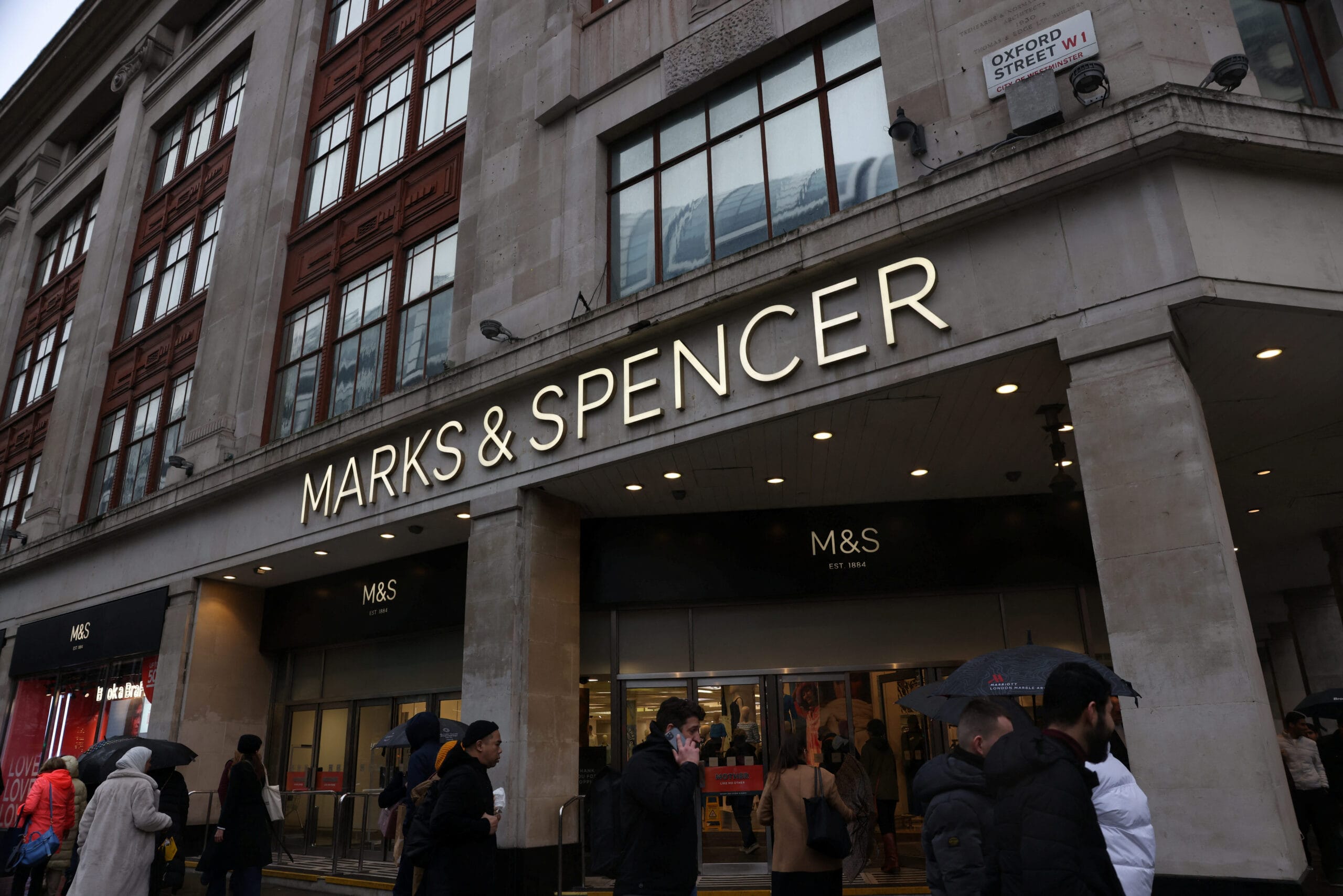
  • M&S says customer data stolen in cyber attack

    M&S says customer data stolen in cyber attack

    Marks & Spencer has revealed that some personal customer data was stolen in the recent cyber attack, which could include telephone numbers, home addresses and dates of birth.

    The High Street giant said the personal information taken could also include online order histories, but added the data theft did not include useable payment or card details, or any account passwords.

    M&S was hit by the cyber attack three weeks ago and is struggling to get services back to normal, with online orders still suspended.

    The retailer said customers would be prompted to reset account passwords “for extra peace of mind”.

    The ongoing problems are costing the retailer £43m a week in lost sales, according to analysis from Bank of America Global Research.

    M&S chief executive Stuart Machin said the company was writing to customers to inform them that “unfortunately, some personal customer information has been taken”.

    “Importantly, there is no evidence that the information has been shared,” he added.

    However, it is understood that the hackers could yet share or sell on the stolen data as part of their attempts to extort M&S, which still represents a risk of identity fraud.

    The retailer has not revealed how many of its customers have had their data stolen, but said it had emailed all website users to inform them, reported the case to the relevant authorities and was working with cyber security experts to monitor any developments.

    According to its last full-year results, the company had some 9.4 million active online customers in the year to 30 March.

    Mr Machin said M&S was “working around the clock to get things back to normal” as quickly as possible.

    Marks and Spencer was not the only retailer to suffer a cyber incident of this nature.

    The Co-op, which experienced a similar attack, is expected to resume online ordering services for its suppliers, on Wednesday.

    Media reports, first cited in The Grocer magazine, say the retailer has told suppliers to prepare for some “volatility”..

    What has been taken?

    M&S confirmed the contact information stolen could include:

    • name
    • date of birth
    • telephone number
    • home address
    • household information
    • email address
    • online order history

    The retailer added any card information taken would not be useable as it does not hold full card payment details on its systems.

    What should you do?

    M&S has said people do not need to take any action, but has also said:

    • users will be prompted to reset their password for their online account
    • customers should be cautious as they “might receive emails, calls or texts claiming to be from M&S when they are not”
    • M&S will never contact you and ask for personal account information like usernames or passwords

    Lisa Barber, tech editor at consumer group Which?, said it was concerning that criminals had gained access to information that could be used for identity fraud.

    “It’s always a good idea to change your password as soon as possible if there’s been a security breach and to ensure your new password is unique from any other online accounts,” she said.

    Matt Hull, head of threat intelligence at cyber security company NCC Group, said attackers who have stolen personal information can use it to “craft very convincing scams”.

    “If you’re unsure about an email’s authenticity, don’t click any links. Instead, visit the company’s website directly to verify any claims.”

    How did the hack happen?

    Problems at M&S began over the Easter weekend when customers reported problems with Click & Collect and contactless payments in stores.

    The company confirmed it was dealing with a “cyber incident” and while in-store services have resumed, its online orders on its website and app have been suspended since 25 April.

    There is still no word on when online orders will resume.

    M&S’ announcement that customer data had been stolen as part of the ongoing cyber attack was expected due to the nature of the attack.

    The hackers behind it, who also recently targeted Co-op and Harrods, used the DragonForce cyber crime service to carry out the attacks.

    DragonForce operates an affiliate cyber crime service on the darknet for anyone to use their malicious software and website to carry out attacks and extortions.

    The group is known to use a double extortion method, which means they steal a copy of their victim’s data as well as scramble it to make it unusable.

    They can then effectively ask for a ransom for both unscrambling the data and deleting their copy.

    However, if the person or business hacked does not want to pay a ransom, criminals can in some cases start leaking the stolen data to other cyber criminals, who could look to carry out further attacks to gain more sensitive data.

    At the moment, DragonForce’s darknet website does not have any entries about M&S.

    ‘It’s costing them fortunes’

    Jackie Naghten, a business consultant who has worked with big retailers including M&S, Arcadia and Debenhams, told the BBC that the hierarchy at M&S would be taking the data breach “very seriously”, but warned modern logistics in retail were “massively complex”.

    “I feel they have been keeping their powder dry. If they have not got anything positive to say then they are not saying anything,” she said.

    Ms Naghten said on the whole customers were showing a lot of support and sympathy to the retailer.

    But she added it was likely M&S had “another week” before it would have to provide information on when normal service would resume.

    “It’s absolutely costing them fortunes,” she said.

    Shares in M&S are down some 12% over the past month.

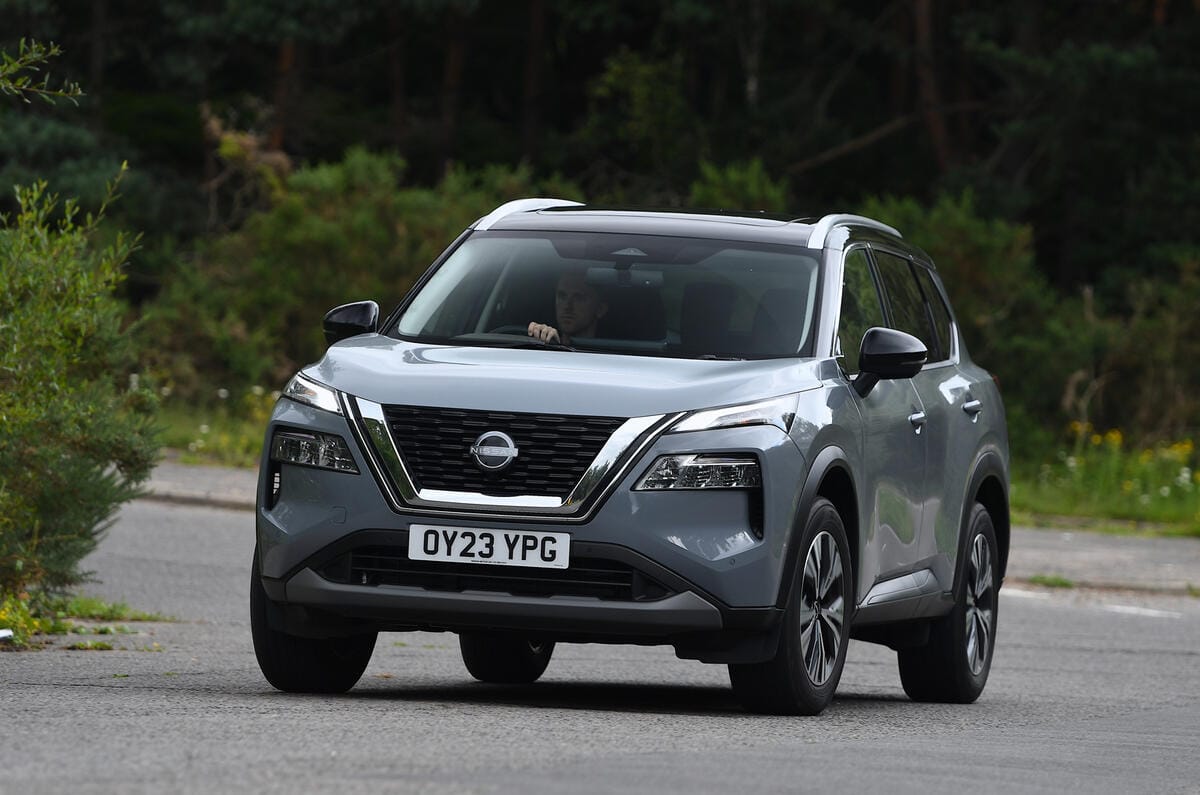
  • Nissan will eliminate another 11,000 jobs and close seven plants

    Nissan will eliminate another 11,000 jobs and close seven plants

    Japanese carmaker Nissan has said it will cut another 11,000 jobs globally and shut seven factories as it shakes up the business in the face of weak sales.

    Falling sales in China and heavy discounting in the US, its two biggest markets, have taken a heavy toll on earnings, while a proposed merger with Honda and Mitsubishi collapsed in February.

    The latest cutbacks bring the total number of layoffs announced by the company in the past year to about 20,000, or 15% of its workforce.

    It was not immediately clear where the job cuts will be made, or whether Nissan’s plant in Sunderland will be affected.

    The government said the plant was of “vital importance” to the north east of England, and that it would “engage closely” with Nissan over its restructuring plans.

    Nissan employs about 133,500 people globally, with about 6,000 workers in Sunderland.

    Two-thirds of the latest job cuts will come from manufacturing, with the rest from sales, administration jobs, research and contract staff, said the company’s chief executive, Ivan Espinosa.

    The latest layoffs come on top of 9,000 job cuts Nissan announced in November as part of a cost saving effort that it said would reduce its global production by a fifth.

    In February, talks between Nissan and its larger rival Honda collapsed after the firms failed to agree on a multi-billion-dollar tie-up.

    The plan had been to combine their businesses to fight back against competition from rival firms, especially in China.

    The merger would have created a $60bn (£46bn) motor industry giant, the fourth largest in the world by vehicle sales after Toyota, Volkswagen and Hyundai.

    After the failure of the negotiations, then-chief executive Makoto Uchida was replaced by Mr Espinosa, who was the company’s chief planning officer and head of its motorsports division.

    Nissan also reported an annual loss of 670 billion yen ($4.5bn; £3.4bn), with US President Donald Trump’s tariffs putting further pressure on the struggling firm.

    Mr Espinosa said that the previous financial year had been “challenging”, with rising costs and an “uncertain environment”, adding that the results were a “wake-up call”.

    The car giant did not give a forecast for income in the coming year due to the “uncertain nature of US tariff measures”.

    It said it expected flat profit this year even without accounting for the impact of tariffs.

    Last week, Nissan announced it had scrapped plans to build a battery and electric vehicle factory in Japan as it cuts back on investment.

    The firm has been in trouble in key markets, including China where growing competition has led to falling prices.

    In China, many foreign carmakers have struggled to compete with homegrown firms such as BYD.

    China has become the world’s biggest producer of electric vehicles, with some established car-making nations having failed to anticipate demand for the new technology.

    In the US, another major market for Nissan, inflation and higher interest rates have hit new vehicle sales, although Nissan retail sales rose slightly last year.

    But sales fell 12% in China, and also dropped in Japan and Europe.

  • Who’s Winning the Podcast Game on YouTube? A New List Offers Some Surprises

    Who’s Winning the Podcast Game on YouTube? A New List Offers Some Surprises

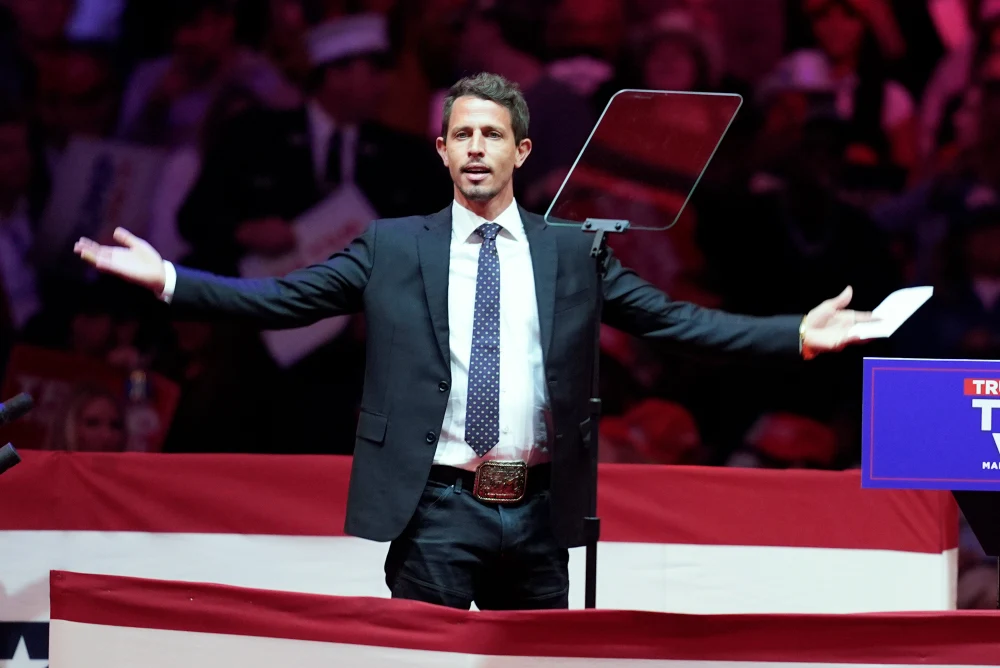
    You may remember Tony Hinchcliffe as the stand-up comedian who, last fall, maligned the island of Puerto Rico in an inflammatory set during a rally in New York for the Trump presidential campaign.

    Despite the criticism for those comments, Mr. Hinchcliffe landed a Netflix deal in March for three specials based on his long-running live comedy podcast, “Kill Tony.” That show is ranked modestly at No. 51 on Spotify and No. 178 on Apple Podcasts’ top charts, which track the most popular podcasts in the United States based on a combination of various factors: streams, downloads, subscribers and other mystery metrics.

    Yet a new chart, released Thursday, offers new hints about Mr. Hinchcliffe’s mass appeal. For the first time, YouTube has published its ranking of top podcasts in the United States, offering a fresh perspective on a sprawling landscape.

    There, “Kill Tony” is ranked No. 2, just below the reigning king of podcasts, Joe Rogan.

    Top Podcasts by Platform

    Top Podcasts by Platform

    Data as of May 15 · Source: Platform listings · By The New York Times

    Another major difference from the Spotify and Apple charts: Many popular and well-established podcasts did not make YouTube’s top 100 ranking, which is based on overall watch time. Among the missing: “Call Her Daddy,” “Crime Junkie,” “SmartLess,” “The Daily” and “New Heights,” all frequently in the top 10 of various quarterly or annual lists.

    There were familiar names on YouTube’s list, including MeidasTouch, Shannon Sharpe and Theo Von in the top 10. But when compared with the existing charts, YouTube’s version sometimes seems like a fun house mirror. While the hit podcast “Dateline NBC,” for example, was absent — it does not regularly upload episodes to YouTube — the CBS true-crime newsmagazine “48 Hours” appeared at No. 4.

    15biz youtube chart 02 mthf superJumbo
    Theo Von and Donald J. Trump last year on an episode of Mr. Von’s “This Past Weekend” podcast show. (Theo Von/YouTube)
    ben meiselas variety power of law 2
    Ben Meiselas, co-founder of MeidasTouch. (Michael Lewis/Variety)
    15biz youtube chart 04 mthf superJumbo
    Shannon Sharpe, a former N.F.L. player, is among podcast hosts with spots in the top 10 on YouTube. (Sean Gardner/Getty Images)

    Despite its roots in video, YouTube has come to dominate podcasting. It is the preferred service for one-third of weekly podcast listeners in the United States, capturing more users than Spotify or Apple Podcasts, according to Edison Research. But that happened only in recent years, in conjunction with the growing popularity of video podcasts.

    “They saw something other people didn’t in video,” said Brett Meiselas, a founder of MeidasTouch, comparing YouTube against the other platforms, which are now trying to attract more video creators and viewers. Mr. Meiselas, who said the chart was “a long time coming,” was pleased but not entirely surprised by his show’s No. 5 spot: “It means our work is getting out there.”

    As podcasts broadly continue to rise in influence — helping to sell products, find voters and spread hot-button ideas — YouTube’s chart represents another tool for understanding who holds sway with American consumers.

    It is a way to “help audiences and podcasters alike understand who is shaping that conversation,” said Brandon Feldman, the director of news, civics and podcast partnerships at YouTube. The chart can also serve as “inspiration,” or “a guide” to success for other podcasters looking to increase their audience size, he added. The ranking will be updated every Wednesday.

    Mr. Hinchcliffe’s success, for example, embodies the “cultural zeitgeist,” Mr. Feldman said: “The audience is showing us what they’re looking for.” (Anti-woke comedy is Mr. Hinchcliffe’s specialty.)

    The chart also comes as podcast platforms inch toward some more transparency in their metrics.

    Spotify recently announced a feature that reveals how many times a podcast episode has been played. But historically, podcast platforms and producers have closely guarded their streaming and download numbers. YouTube is an exception, having published view counts long before it became a podcast destination. (It now claims to reach one billion podcast users per month.)

    The big shows missing from YouTube’s chart could still join in the coming weeks. But for some podcasts, this may require a deeper investment in video — or, at the very least, ensuring their videos are correctly organized into YouTube playlists, which is critical to the ranking, Mr. Feldman said.

    15biz youtube chart sub wtfc superJumbo
    Joe Rogan at President Trump’s inauguration in January. (Pool photo/Saul Loeb)

    Charts are imperfect measuring sticks, susceptible to manipulation, lacking in transparency and calibrated more as snapshots of current popularity rather than overall popularity.

    Mr. Rogan, for example, moves up and down the rankings, but no show has ever come close to drawing his total audience. (Hosts who have managed to unseat his position on the charts include Kylie Kelce, who does not appear on YouTube’s top 100 list, and Mel Robbins, who is ranked at No. 76.)

    250327 kylie kelce 2024 ac 534p 415f47
    Kylie Kelce attends an Eagles Autism Foundation event in Philadelphia, on June 13, 2024. (Michael Simon / Getty Images for HP Inc. file)
    GettyImages 1273650887 e1744647478995
    The millionaire TV personality pointed out that 20-year-olds are living through a recession, workforce changes, and unfair scrutiny from leaders. (Heidi Gutman / Getty Images)

    But platforms benefit when new names rise to the top, said Melissa Kiesche, senior vice president of Edison Research, which has built its own list of podcast rankings based on surveys. “They don’t want to see Joe Rogan at No. 1 every single week forever,” she said. Discovery drives more listening hours.

    Sometimes that discovery applies to household names, too. YouTube’s top 50 included podcasts from legacy television brands such as “NBC Nightly News,” “60 Minutes” and “Late Night With Seth Meyers.”

    Mr. Feldman characterized the chart, where Gen Z social media stars sit alongside cable figures who rose to prominence in the 1990s, like Nancy Grace or Tucker Carlson, as a “good testament to how those worlds can coexist and hopefully thrive together.”

  • Fox will launch its new streaming service, Fox One, this fall, before the start of the NFL season

    Fox will launch its new streaming service, Fox One, this fall, before the start of the NFL season

    Fox Corp. revealed new details about its streaming service on Monday, including that it would debut this fall and would be called Fox One.

    The announcement came ahead of the company’s upfront, an annual pitch to entice advertisers with a slate of upcoming shows. Lachlan Murdoch, the company’s chief executive and son of the Fox Corp. founder, Rupert Murdoch, previewed the service on a quarterly earnings call. The name Fox One, he said, was a reference to the combined heft of the company’s TV shows, cable channels and broadcast network, including National Football League games.

    “Whether it’s the Super Bowl, the election cycle or the upfront, our company is at its best when we work together as one,” Mr. Murdoch said.

    Mr. Murdoch did not say how much Fox would charge viewers, only that it would not be less than what its cable subscribers pay.

    Unlike Disney or Warner Bros. Discovery, which have put paid streaming services at the center of their businesses, Fox Corp. has until now adopted a more piecemeal approach. The company, which owns the Fox News cable channel and the Fox broadcasting network, operates the Fox Nation streaming service and Tubi, a free ad-supported service with TV shows and movies.

    The Fox Nation streaming service will continue to exist as a stand-alone product within Fox Corporation, but Fox One subscribers will be able to bundle their subscriptions with Fox Nation. Mr. Murdoch also said that Fox had been approached by operators of other streaming services about offering a bundled subscription, though he did not identify them.

    Fox recently announced plans to team up with Disney and Warner Bros. Discovery on a sports-focused streaming service called Venu. That service was canceled before it got off the ground amid legal challenges.

    Like Venu, Fox One is meant to coexist with the company’s lucrative traditional TV business. In his remarks, Mr. Murdoch said that the service was aimed at the “cordless” market, referring to viewers who do not have a pay-TV subscription. Traditional cable customers who already have access to Fox channels will be able to get Fox One free of charge.

    “It would be a failure if we attract more connected subscribers,” Mr. Murdoch said, adding, “We do not want to lose a traditional cable subscriber to Fox One.”

  • CNN is launching a new streaming service in the fall of this year

    CNN is launching a new streaming service in the fall of this year

    CNN is getting ready to launch a streaming service. Again.

    Three years after CNN’s parent company killed the hotly anticipated (and very expensive) CNN+ service shortly after it was released, the news network will introduce a new streaming product this fall that packages live and on-demand programming.

    Mark Thompson, the company’s chief executive, told employees about the service in a meeting on Tuesday afternoon. Some of the details about the service remain unclear, including pricing and an exact release date. But Mr. Thompson said the new service would be tied to the company’s recently introduced subscription product, which gives paying members unlimited access to articles posted on CNN.com.

    CNN is also taking pains to avoid alienating its most valuable customers: traditional cable distributors. Those customers will have free access to CNN’s streaming service.

    Alex MacCallum, CNN’s executive vice president of digital products and services, said in a statement that bundling the video service with CNN’s existing digital subscription product would allow “audiences to get the most out of CNN in one seamless and simple way.”

    Like most other news organizations, CNN is trying to find new sources of revenue as its traditional business declines. Mr. Thompson said in an interview this year that the company’s “future prospects will not be good,” if CNN does not follow its audiences to new platforms “with real conviction and scale.”

    Mr. Thompson, who previously led a digital turnaround at The New York Times, has focused his attention on CNN’s digital business since he joined the company in 2023. Investments in the digital efforts are fueled, in part, by a $70 million investment from Warner Bros. Discovery, its parent company.

    Mr. Thompson hired Ms. MacCallum, a former executive at The Times, to lead the network’s digital push, and is planning to add 200 digital-focused employees this year. The network laid off roughly 200 employees focused on its traditional TV operations this year.

    CNN’s new service won’t look like CNN+, its failed $300 million splashy foray into streaming that was stuffed with well-known news and entertainment personalities. The new service will be more stripped down, resembling the network’s traditional cable experience, although not an exact replica. Subscribers will also have access to a library of original shows and documentaries.

  • Tesla’s Board Chairman Made $198 Million Selling Shares While Profit Dropped

    Tesla’s Board Chairman Made $198 Million Selling Shares While Profit Dropped

    In March, after a steep decline in Tesla’s share price, Elon Musk told employees, “Hang on to your stock.”

    The chair of Tesla’s board, Robyn Denholm, has not heeded his advice. Ms. Denholm has made $198 million in the past six months selling Tesla stock that she earned for serving on the board, according to a New York Times analysis of securities filings.

    That brings her total profit on the sale of Tesla stock to more than $530 million since becoming the board’s leader in late 2018, far more than her peers have made at the most valuable U.S. companies during that time, the analysis shows.

    The share sales raise questions about Ms. Denholm’s confidence in Tesla’s prospects. Her most recent sales, executed under a prearranged trading plan filed last summer, came as Mr. Musk, the company’s chief executive, took a time-consuming role in the Trump administration. Tesla’s car sales have plunged partly because Mr. Musk’s political activities have turned off some car buyers. The company’s quarterly profit fell in the first three months of 2025 to its lowest level in four years.

    Ms. Denholm earned the right to buy those shares, known as stock options, for serving on the board, a part-time position. Tesla granted the options between 2014 and 2020, and its share price has soared since then, giving Ms. Denholm the right to buy shares for a lot less than their current price. Last week, for example, she bought more than 112,000 shares for $24.73 apiece and sold them the same day for more than $270.

    Stock Sales Aligned With Surging Share Prices

    Robyn Denholm filed a stock sale plan soon after Elon Musk endorsed Donald Trump for president. The first sale came the week after Mr. Trump was elected.

    “To dump her stock, it doesn’t send a message that this is a board chair who is invested in the future of the company,” said the New York City comptroller, Brad Lander, who oversees the city’s five public pension funds. As of March, those funds held more than three million Tesla shares, valued at the time at roughly $817 million.

    A spokesman for Ms. Denholm said Tesla paid board members in a manner that was “completely aligned with shareholder interests.”

    “The reason the value of the Tesla directors’ options has increased is because Tesla has outperformed its industry peers and created outsized returns for the owners of the company, the shareholders,” he said in a statement.

    Stock options, which for years made up the bulk of Tesla directors’ compensation, are valuable only if the company’s share price rises, as Tesla’s did. Those who exercise their options to buy company stock can sell or hold on to their new shares.

    Ms. Denholm has sold more than 1.4 million Tesla shares and continues to hold 85,000 of them and roughly 49,000 stock options, according to the Times analysis. Equilar, a compensation research firm, reviewed the methodology. Her latest wave of stock sales were carried out under the plan she set into motion in July, soon after Mr. Musk endorsed Donald J. Trump for president.

    Under securities regulations, executives and other insiders can use such plans to trade shares in their companies. They are not required to disclose many details of their plans, including the reason for them or the conditions under which shares will be sold. They also have a lot of leeway to cancel the plans.

    A native of Australia and veteran technology executive, Ms. Denholm has maintained a low profile and rarely speaks publicly about Tesla or Mr. Musk. She was recruited to the Tesla board in 2014 and appointed chair in 2018 after Mr. Musk agreed to step down from the position under a settlement with the Securities and Exchange Commission.

    She and other board members have been criticized by some investors, activists and a Delaware judge for not serving as counterweights to Mr. Musk, who is widely seen as brash and impulsive. Tesla directors have also been faulted for failing to ensure that he remains focused on Tesla.

    “Musk operates as if free of board oversight,” Chancellor Kathaleen St. J. McCormick of the Delaware Court of Chancery wrote last year when she ruled in favor of a shareholder who had challenged Mr. Musk’s 2018 pay package, valued at around $56 billion. Judge McCormick, in that ruling, described Ms. Denholm’s style of overseeing Mr. Musk as “lackadaisical.”

    Tesla has appealed the decision, which voided Mr. Musk’s pay package, and Ms. Denholm has pushed back on Judge McCormick’s critique.

    “Anybody who knows me, knows that I am not lackadaisical, now that I know what that word means,” Ms. Denholm told The Financial Times last year. “It is probably the furthest from the truth. I am really intense and very diligent in what I do.”

    During the trial over Mr. Musk’s pay, Ms. Denholm described the money she had made from her Tesla board service as “life-changing.” Director pay at Tesla was subject to a separate lawsuit that Ms. Denholm and other board members settled in 2023.

    Mr. Musk, who has long been a part-time chief executive of Tesla, has taken on even more responsibilities over the years. He has become a regular presence in Washington, leading President Trump’s efforts to slash government spending and dismiss federal government employees.

    Mr. Musk said recently he would cut back his time in Washington to one or two days a week. His attention is likely to remain divided, however, because he also leads several other businesses, including SpaceX and X, the social media site he owns.

    Ms. Denholm’s first sales under her recent trading plan took place in November, the week after the presidential election, as Tesla’s share price was climbing. The stock reached a new high a few weeks later, in December. She continued to sell through early May, as the company faced consumer backlash over Mr. Musk’s political activities and the stock price fell.

    The stock is now down around 34 percent from its peak after recovering some of its losses over the last few weeks.

    Mr. Musk acknowledged Tesla’s difficulties during a meeting with company employees in March. “If you read the news it feels like, you know, Armageddon,” he said half-jokingly.

    He went on to advise workers not to sell their stock, saying Tesla would become the most valuable company in the world as it perfected self-driving taxis and robots that resembled and moved like humans. “The future is incredibly bright,” he said.

    Ms. Denholm’s sales have far outstripped those by other Tesla directors, with the exception of Mr. Musk, who remained on the board after stepping down as chair.

    She and other current and former Tesla board members agreed to settle a shareholder lawsuit over their pay in 2023, collectively agreeing to return compensation valued at $735 million. They denied wrongdoing. Stock options valued at more than $130 million were canceled on May 1 to satisfy Ms. Denholm’s obligations under that settlement, securities filings show.

    Board members agreed in June 2021, after that lawsuit was filed, to forgo new equity grants.

    Ms. Denholm also made more money selling her company’s stock than the leaders of other corporate boards during the same period. The Times reviewed stock sales by board chairs at the most valuable U.S. companies who, like Ms. Denholm, are not executives at those companies.

    The nonexecutive chair with the next-highest profit from selling shares in the company he oversees was Stephen Hemsley of UnitedHealth Group. Mr. Hemsley has earned more than $100 million from the sale of UnitedHealth shares since November 2018, though he received all of that stock while he was chief executive of the health care company.

    UnitedHealth Group confirmed the findings, but declined to comment. On Tuesday, the company announced that Mr. Hemsley would retake the chief executive job in addition to serving as chairman.

    Share sales by executives and directors often predict poor performance by the companies they lead, some academic research has found.

    Leaders like Ms. Denholm have access to nonpublic information and a deep understanding of how broader economic forces may affect company performance. That can make their trades especially profitable, according to Nejat Seyhun, a professor of finance at the University of Michigan.

    Insiders “set up plans when they have information,” Professor Seyhun said. If conditions change, “they can cancel those plans.”
  • United CEO Scott Kirby has reassured customers that Newark Airport is safe

    United CEO Scott Kirby has reassured customers that Newark Airport is safe

    United Airlines CEO Scott Kirby on Tuesday moved to calm growing concerns about operational safety at Newark Liberty International Airport (EWR), assuring customers that the facility remains “absolutely safe and fully compliant” despite a recent series of technical disruptions and staffing shortfalls that prompted the airline to reduce its daily flight schedule from the hub.

    In a letter shared with frequent flyers and during remarks at a press conference held at United’s Terminal C, Kirby acknowledged the recent frustrations experienced by passengers traveling through Newark—United’s third-busiest hub—while pushing back on what he called “sensationalist narratives” about safety risks.

    “Let me be very clear: Newark is safe,” Kirby said. “We are facing challenges, yes—but they are operational, not structural. We are proactively scaling back to ensure reliability and safety remain our top priorities.”

    United has cut approximately 14% of its daily departures out of Newark, or about 40 flights, citing a “perfect storm” of FAA staffing constraints, legacy software outages, and an unusual spate of severe weather over the past six weeks that has disproportionately affected Northeast air traffic.

    The reductions are temporary, Kirby emphasized, with most cuts affecting regional and short-haul domestic routes, such as service to upstate New York and parts of New England. Transatlantic flights and major domestic corridors remain largely intact.

    “We’d rather operate fewer flights well than stretch the system too thin,” said Toby Enqvist, United’s Chief Customer Officer.

    According to internal memos obtained by The New York Budget, recent issues at Newark have included:

    • Technology Glitches: A malfunction in United’s gate management software caused widespread delays in late April.
    • Air Traffic Staffing: FAA tower staffing at EWR remains 23% below optimal levels, according to union estimates.
    • Runway Congestion: Construction and overlapping arrival times led to ground delays averaging 65 minutes during peak evening hours.

    The FAA, which oversees air traffic control, acknowledged the staffing shortfall and pledged to accelerate hiring and training efforts. A spokesperson confirmed that Newark is among the agency’s top-priority zones for controller recruitment in 2025.

    Meanwhile, the Port Authority of New York and New Jersey—the operator of EWR—said the airport infrastructure is “not in question,” pointing instead to “national airspace bottlenecks” and rising passenger demand as contributing factors.

    “Our systems passed all recent safety inspections,” said Kevin O’Toole, chairman of the Port Authority. “We are in constant communication with United and federal authorities to minimize disruption.”

    Despite assurances, the disruptions have not gone unnoticed by travelers. On social media, some have labeled EWR the “black hole of East Coast airports,” citing multiple cancellations and missed connections.

    United’s Net Promoter Score (NPS) dropped 7 points in Q2 compared to the same period last year, with the Newark hub cited as the number one complaint area in customer service surveys.

    To win back goodwill, United is offering 5,000-mile travel credits to MileagePlus members who experienced flight disruptions out of EWR between April 10 and May 5. The airline is also deploying additional customer service personnel and rebooking agents at the terminal during peak hours.

    “We owe it to our customers to get this right,” Kirby said. “We’ve made hard choices, and we’re going to be transparent every step of the way.”

    United executives said they expect flight schedules to return to normal by late June, contingent on FAA staffing progress and continued stability in their software systems. The airline has also initiated a $300 million investment in terminal upgrades and digital infrastructure at Newark, set to roll out over the next two years.

    Industry analysts note that while United is not alone in grappling with post-pandemic capacity strains and labor mismatches, its aggressive Northeast footprint makes it particularly vulnerable to chokepoints like Newark.

    “This is about long-term resilience,” said Helane Becker, airline analyst at TD Cowen. “United has taken a short-term reputational hit, but their decision to reduce flights instead of risking bigger meltdowns shows maturity.”

    Newark remains a critical pillar of United’s domestic and international network, and despite current operational headwinds, the airline’s leadership insists safety is not up for compromise. With summer travel season approaching, United’s next challenge is to restore passenger confidence—flight by flight.

  • Changes to the dress code at the Cannes Film Festival are creating controversy

    Changes to the dress code at the Cannes Film Festival are creating controversy

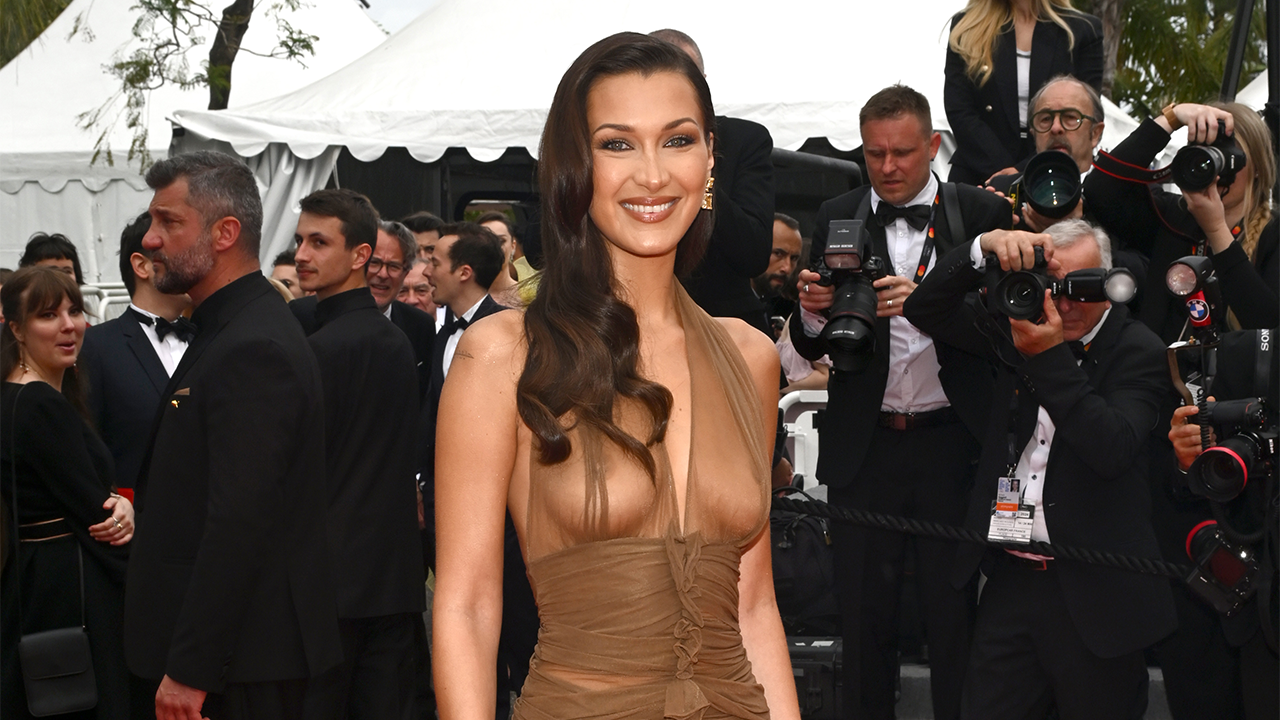
    The Cannes Film Festival is getting more covered-up — and just in time for the opening ceremony honoring the octogenarian Robert De Niro. Bella Hadid, newly blonde, is already in town, and stars expected include Halle Berry, Scarlett Johansson and Emma Stone. But anyone expecting one of the most reliable moves on the red carpet might be disappointed. The new dress code for gala screenings includes the admonition, “for decency reasons, nudity is prohibited on the red carpet, as well as in any other area of the festival.”

    Cue a crisis in the fashion-film industrial complex.

    After all, nowhere has the naked dress been more of a presence than at Cannes, where the combination of Mediterranean, sun and a certain Gallic disdain for prudishness (or at least perceived disdain for prudishness) have conspired to create its own tradition of sartorial liberation.

    And “nudity,” when it comes to celebrity dressing, is a relative term. The idea that it may no longer be a shortcut to the spotlight is even more shocking than the clothing it may be proscribing.

    “Naked dressing,” or that mode of dress in which large swaths of the normally private body are aired for public viewing, has been a tent pole of the publicity machine since long before Marilyn Monroe cooed “Happy birthday, Mr. President” into a microphone in a flesh-colored sheath so tight it left little to the imagination.

    In recent years it has become practically a category unto itself, especially at events like the Met Gala. That’s where Beyoncé played Venus on the half shell in 2015 in sheer Givenchy with strategically placed floral embroidery. Where, in 2024, Rita Ora wore a nude Marni bodysuit covered in what looked like strings, and Kylie Minogue modeled a Diesel dress with a naked torso superimposed on her actual torso. It has been framed as a post-Covid libidinal celebration and a post-#MeToo reclamation of the body. Either way, it is pretty much always a talking point.

    13ST CANNES NAKED DRESSING 03 lftj superJumbo
    La Cicciolina at the Cannes Film Festival in 1988. (Garcia/Gamma-Rapho/Getty Images)
    13ST CANNES NAKED DRESSING 02 lftj superJumbo
    Cameron Diaz at a “Gangs of New York” party in Cannes in 2002. (J. Vespa/WireImage)

    All the way back in 1985, Ilona Staller, or La Cicciolina, the porn star, politician and former wife of Jeff Koons, walked the Cannes red carpet in a white satin … well, what would you call it? An evening version of Rudi Gernreich’s monokini, with breast-baring straps and a long white satin skirt. Madonna dropped her opera cape to reveal her Jean Paul Gaultier bullet bra and undies on the carpet in 1991, and in 2002 Cameron Diaz wore a sheer beaded gown and panties, starting a peekaboo trend that is still going strong.

    Indeed, the dress as scrim, a transparent piece of nothing draped over bare skin or lingerie to suggest clothing without actually covering much of anything, is perhaps the most popular current form of naked dressing. It is more omnipresent than, say, the skirt slit up to here and the top cut down to there that has also been modeled by many on the red carpet. It provides the illusion of clothes while also teasing what is underneath.

    It’s unclear from the wording of the Cannes dress code if the new policy applies only to literal nudity or to clothing that exposes body parts that might reasonably be termed “indecent.” According to Agnès Leroy, the head of press for the festival, the new rules were established to codify certain practices that have been long in effect. The aim, she said, “is not to regulate attire per se, but to prohibit full nudity — meaning the absence of clothing — on the red carpet, in accordance with the institutional framework of the event and French law.” (Even if French law allows toplessness on some beaches, a reality that may add to the confusion around the Cannes rules.)

    Still, that leaves the dictum somewhat open to interpretation, given the general absence of fabric in many evening looks. One person’s vulgarity can be another person’s celebration, and who is to say who gets to police whose body?

    13ST CANNES NAKED DRESSING4 pwcj superJumbo
    Leila Depina at the Cannes Film Festival in 2023. (Yara Nardi/Reuters)
    13ST CANNES NAKED DRESSING 01 lftj superJumbo
    Natasha Poly at the premiere of “Emilia Perez” at Cannes last year. (Vianney Le Caer/Invision/Associated Press)

    (This is reminiscent of the time Melania Trump addressed critics of her naked photo shoots in her memoir, situating them in an artistic tradition that includes John Collier’s “Lady Godiva” and Michelangelo’s “David,” and noting that “we should honor our bodies and embrace the timeless tradition of using art as a powerful means of self-expression.”)

    Perhaps the new code is simply calculated to prevent the sort of attention-grabbing stunt that occurred at the Grammys in February, when Ye, the rapper formerly known as Kanye West, crashed the red carpet with his wife, Bianca Censori, only to have her take off her fur coat to reveal her fully naked body “covered” by an entirely transparent nylon slip that provided no coverage at all. That seemed to have taken the trend to its ultimate, disturbing extreme by breaking the last barrier in naked dressing: genitalia.

    Even though Ye had not actually been invited to the event, he and his wife dominated the headlines the next day more than the actual award ceremony.

    The fact that the Cannes dress code also prohibits “voluminous outfits, in particular those with a large train, that hinder the proper flow of traffic of guests and complicate seating in the theater” suggests that what the organizers were really forestalling was the appearance of dresses that act as their own sort of performance art, grabbing eyeballs and dominating conversations that might otherwise be focused on the films that are the nominal point of the festival.

    13ST CANNES NAKED DRESSING7 mthl superJumbo
    Bella Hadid at the Cannes Film Festival in 2021. (Valery Hache/Agence France-Presse/Getty Images)

    If that was the aim, however, it has somewhat backfired. By officially banning nudity on the carpet, the Cannes organizers simply sparked a raft of pieces (like this one) discussing nudity on the carpet. Most of them focus less on the actual meaning of the term in all its thorny nuance than the opportunity to revisit notorious nude-adjacent moments past.

    You could have seen that one coming.