Category: Business

  • DoorDash’s Mother’s Day campaign, featuring Brenda Song, aims to help mothers get a break

    DoorDash’s Mother’s Day campaign, featuring Brenda Song, aims to help mothers get a break

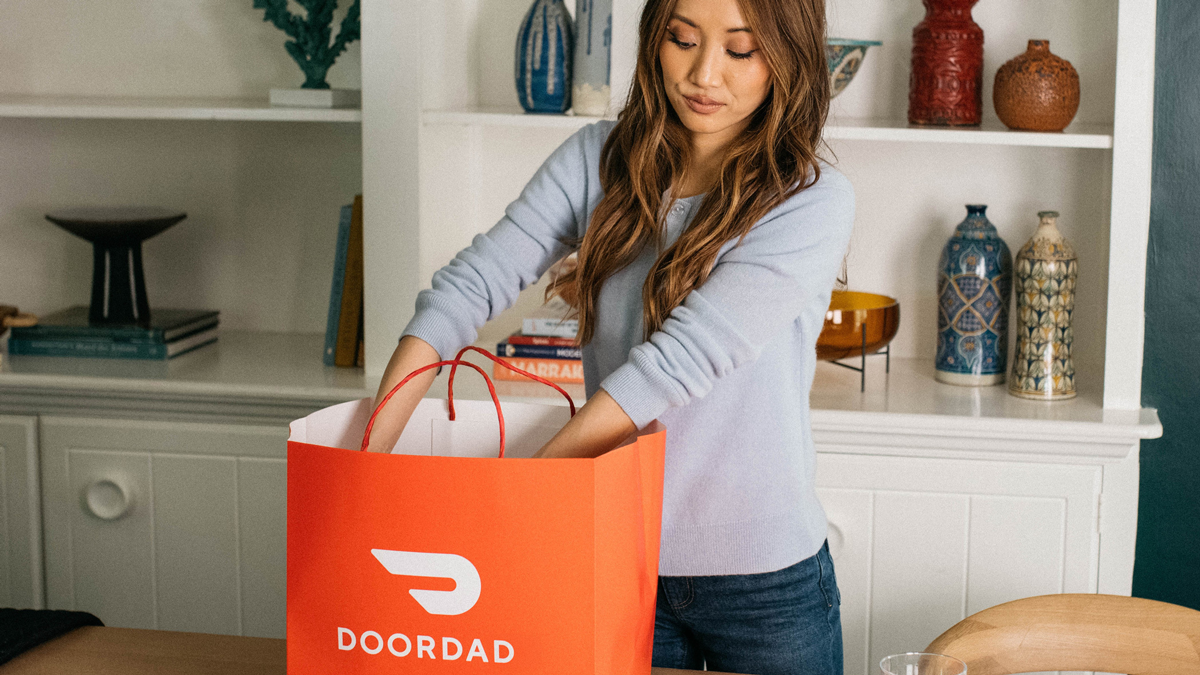
    Actress Brenda Song is front and center in DoorDash’s playful and heartfelt new Mother’s Day campaign, which transforms the delivery platform into “DoorDad” for the holiday weekend. The campaign aims to give hardworking moms a genuine break, offering exclusive deals on flowers, gifts, and up to $75 in Mother’s Day treats through the app.

    With humor and heart, the campaign highlights the everyday realities of motherhood while positioning DoorDash as a partner in helping families celebrate the women who do it all. Song, known for her roles in The Suite Life of Zack & Cody, Dollface, and Netflix’s Secret Obsession, brings a relatable energy to the spot, portraying a multitasking mom juggling the chaos of kids, laundry, and cooking — until “DoorDad” shows up with reinforcements.

    “Let Mom Sit Down for Once”

    “Being a mom is the best job in the world, but it’s also the hardest,” Brenda Song said in a statement. “I love that this campaign acknowledges how much moms do every single day — and gives us permission to actually take a moment to relax.”

    The digital ad campaign, launching May 6, features a humorous twist: dads and kids tag in while DoorDash provides everything from last-minute flowers to gourmet brunch ingredients. Through the weekend, DoorDash users can access up to $75 in savings on curated Mother’s Day items from local and national retailers, including Walgreens, The Bouqs Co., and neighborhood florists.

    Highlights of the campaign include:

    • “DoorDad” Delivery Deals: Up to $20 off on flower orders and beauty items.
    • Curated Gift Baskets: Featuring chocolates, wine, skincare products, and candles.
    • Brunch-in-a-Box Specials: Available from select local restaurants with free delivery promos.
    • DoorDash Pass Member Perks: Exclusive early access to discounts and free delivery on holiday items.

    A Cultural and Commercial Moment

    The campaign, developed by DoorDash’s in-house creative team and the agency The Martin Agency, taps into a broader cultural conversation about the emotional and physical labor mothers carry — often unacknowledged. The “DoorDad” concept reframes the typical Mother’s Day narrative by spotlighting the importance of giving moms a genuine pause.

    “We wanted to move beyond clichés,” said Kate Huyett, Chief Marketing Officer at DoorDash. “Mother’s Day isn’t just about saying thank you — it’s about showing it in ways that matter. That’s why we’re showing families stepping up, with a little help from DoorDash.”

    Celebrity Star Power Meets Everyday Realness

    Brenda Song’s role as both a real-life mom and a recognizable face gives the campaign an authenticity that DoorDash hopes will resonate with millennial and Gen Z families. In a behind-the-scenes clip, Song is seen laughing on set with young actors and sharing her own Mother’s Day traditions — including breakfast in bed that usually ends up a little too messy.

    “It’s nice to be part of something that reflects what moms really want: time, care, and maybe a little quiet,” Song joked.

    DoorDash Continues Lifestyle Expansion

    This campaign is the latest in DoorDash’s ongoing push to evolve from a food delivery service into a full-scale lifestyle platform. Over the past year, the company has expanded into grocery, convenience, and retail categories, with gift delivery becoming a growing revenue stream around major holidays.

    According to internal data, Mother’s Day weekend 2024 saw a 41% spike in flower deliveries and a 57% jump in restaurant orders tagged for “Mom.” With the 2025 campaign, DoorDash aims to capture even more of that seasonal demand while reinforcing its emotional brand equity.

    “DoorDad” May Be Just the Beginning

    While “DoorDad” is pitched as a Mother’s Day one-off, the campaign could signal a broader move into family-focused lifestyle marketing. Early testing reportedly showed strong engagement among users aged 25–44, particularly those with young children.

    “DoorDash has become a utility for modern life,” said retail strategist Ana Reyes. “By tapping into caregiving moments — not just convenience — they’re building a deeper emotional bond with customers.”

    As for what Brenda Song wants for Mother’s Day?

    “Honestly? A nap. And someone else to do the dishes. DoorDad can handle that, right?”
  • Discount retailer Gabe’s is negotiating a transfer of control to its lenders

    Discount retailer Gabe’s is negotiating a transfer of control to its lenders

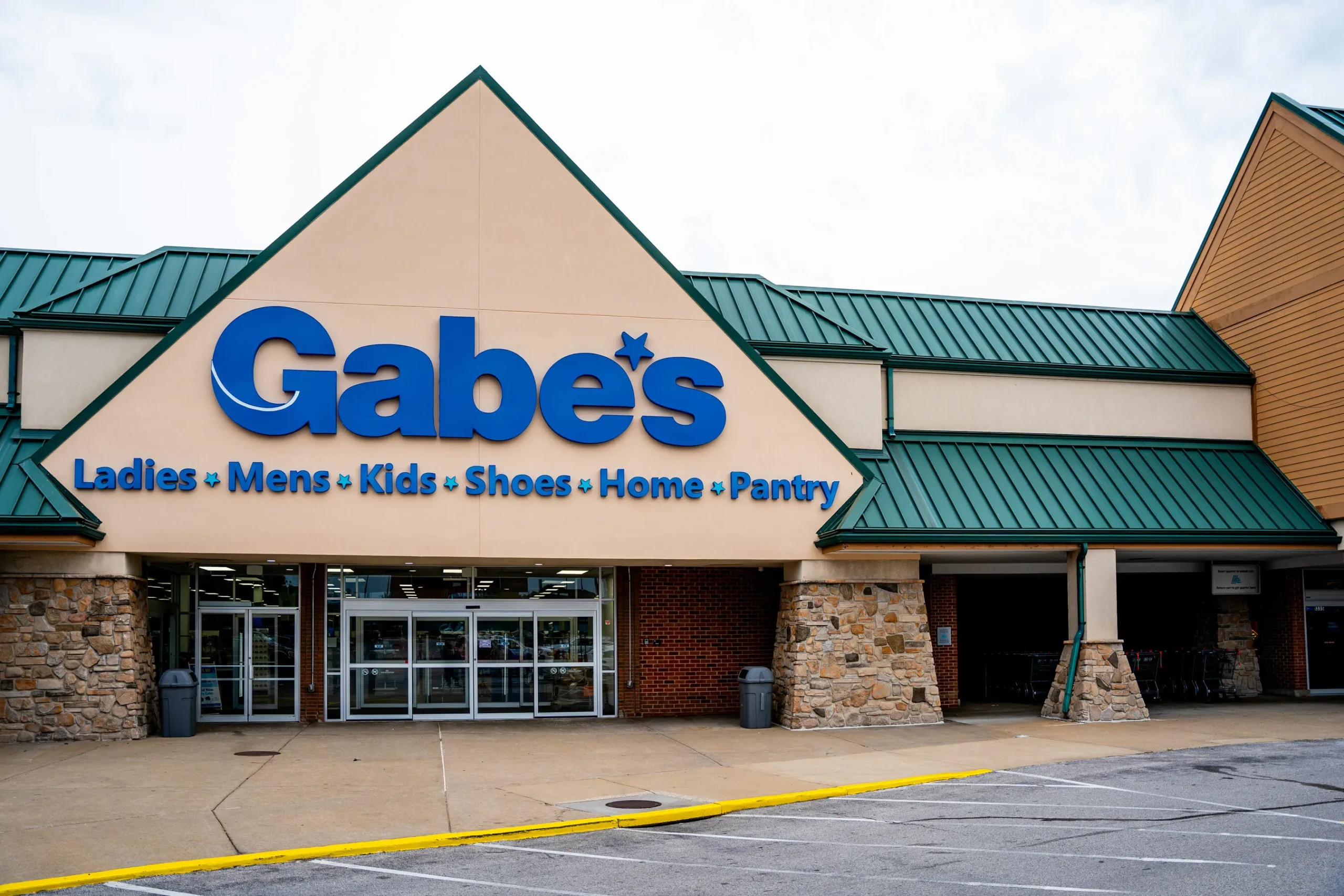
    NEW YORK — Discount retail chain Gabe’s, a popular off-price department store operating over 160 locations across the Mid-Atlantic and Southeast, is in advanced negotiations to hand over control of the company to its lenders, according to people familiar with the matter. The move comes as the company, owned by private equity firm Warburg Pincus, struggles to manage a growing debt load and softening sales in a highly competitive retail environment.

    The potential debt-for-equity swap would give creditors significant ownership in the company, signaling a major shift in the retailer’s structure and potentially marking the end of Warburg Pincus’s majority stake in Gabe’s.

    Founded in 1961 and headquartered in Morgantown, West Virginia, Gabe’s built its reputation on steeply discounted apparel, home goods, and seasonal merchandise. In 2020, the company expanded its footprint by acquiring Old Time Pottery, a Tennessee-based home décor retailer. Combined, Gabe’s and Old Time Pottery operate more than 160 stores in 20 states, serving budget-conscious shoppers in both urban and rural areas.

    But even deep discounts haven’t been enough to shield the company from the dual pressures of inflation-strapped consumers and heightened competition from giants like Dollar General, Burlington, and Walmart. Industry sources say traffic and margins at Gabe’s stores have weakened over the past 18 months.

    Gabe’s is currently carrying hundreds of millions of dollars in debt, much of it dating back to leveraged buyouts and expansion efforts funded under Warburg Pincus’s ownership. People close to the matter say interest costs and operational overheads have significantly eroded free cash flow, leaving the company with limited flexibility to reinvest in store upgrades or digital infrastructure.

    Warburg Pincus, which acquired Gabe’s in 2017, has declined to comment publicly, though sources suggest the firm has been seeking an exit or restructuring solution since late 2023. The private equity firm manages over $80 billion in assets globally.

    Talks with lenders, which include major institutional credit investors and private debt funds, are said to be ongoing but constructive. According to two sources familiar with the process, the restructuring could include:

    • A debt-for-equity conversion that significantly reduces the company’s interest burden
    • A potential injection of fresh capital to support working capital and store operations
    • Operational changes to focus on core markets and divest or shutter underperforming locations

    No final decision has been made, and restructuring outcomes could vary depending on lender consensus and macroeconomic conditions. A Chapter 11 filing is not imminent, according to people briefed on the talks, but remains a backup plan if an out-of-court deal falls apart.

    Gabe’s situation reflects broader challenges in the discount and off-price retail sector. Once seen as recession-resistant, the industry is now facing thinning margins due to supply chain costs, rising minimum wages, and shifting consumer behavior.

    “Off-price retailers used to thrive in uncertain economies,” said retail analyst Caroline Myles of Piper Sandler. “But now, they’re caught in a squeeze—consumers are stretched thin, and many of these chains are underinvested in e-commerce, which is where price-savvy shoppers are increasingly going.”

    Myles noted that many discount retailers owned by private equity firms have faced similar financial pressures, with some opting for restructurings or distressed asset sales in recent years.

    If Gabe’s can successfully restructure its debt and stabilize operations, the company could retain a significant footprint in its key regions, where it still enjoys brand loyalty among deal-seeking customers. Analysts say the company’s strength lies in its low-overhead model, real estate flexibility, and regional appeal.

    But challenges remain. With over 160 stores, Gabe’s must now determine how many of those locations are sustainable long-term. Store closures, layoffs, or liquidation sales could be part of the path forward if lenders push for rapid cost-cutting.

    For now, Gabe’s stores remain open, and the company continues to promote new merchandise and in-store deals on its website and circulars.

    Lenders are expected to reach a consensus on the restructuring framework by early summer. A formal announcement could follow shortly thereafter. If successful, the transition could allow Gabe’s to avoid bankruptcy and regain financial footing—albeit under a new ownership structure.

    Whether Gabe’s can adapt in a rapidly evolving retail market remains to be seen. But one thing is clear: the deep-discount chain that once grew quietly in America’s small towns is now facing the full weight of a new retail reality.

  • Babcock & Wilcox Partners With Experts to Find Solutions for its Debt

    Babcock & Wilcox Partners With Experts to Find Solutions for its Debt

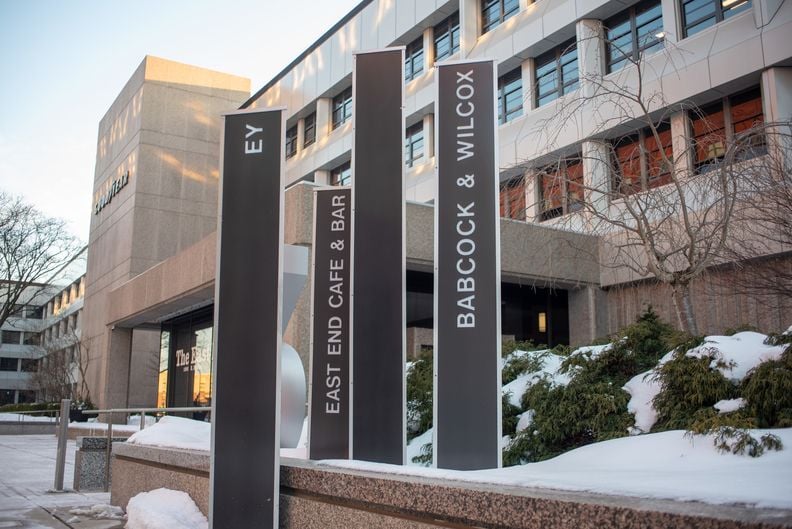
    Babcock & Wilcox Enterprises Inc. (NYSE: BW), a 158-year-old energy technology firm, is actively working with investment bank Evercore and law firm O’Melveny & Myers to address its substantial debt obligations, which total nearly $500 million. This strategic move comes as the company faces declining stock prices, potential delisting from the New York Stock Exchange (NYSE), and legal challenges stemming from past liabilities.

    The company is in advanced discussions with bondholders to restructure its liabilities, potentially through a bond swap.Additionally, Babcock & Wilcox has completed a minor asset sale and is pursuing a larger transaction to raise funds.These steps are part of a broader strategy to manage its debt and improve financial stability.

    A significant portion of the company’s debt includes $300 million in senior unsecured notes due in 2026. Failure to refinance or restructure these notes could lead to bankruptcy, as indicated in the company’s 2024 annual report.

    On April 10, Babcock & Wilcox received a notice from the NYSE warning of potential delisting due to its share price falling below the $1 minimum threshold. The company has six months to regain compliance to avoid being removed from the exchange.

    Complicating matters, a recent court ruling could make Babcock & Wilcox liable for damages related to a 2019 refinery explosion at a facility owned by the now-defunct Philadelphia Energy Solutions. The explosion was caused by a part manufactured by Babcock & Wilcox in the 1970s. Although the company argued that any liability was discharged in its 2000 bankruptcy, a judge ruled that it could still be held responsible. This potential liability could be on par with the company’s existing unsecured debt.

    In response to these challenges, Babcock & Wilcox is undertaking a strategic realignment to focus on more predictable revenue streams, particularly from its aftermarket businesses. The company aims to utilize these cash flows to strengthen its balance sheet and reduce debt. As part of this strategy, Babcock & Wilcox sold its Denmark-based renewable parts and services subsidiary to Hitachi Zosen Inova AG for $87 million in June 2024. The proceeds from this sale are intended to reduce long-term debt and optimize the company’s capital structure.

    Despite these efforts, Babcock & Wilcox faces liquidity challenges, primarily due to losses recognized on its B&W Solar loss contracts. As of December 31, 2023, the company had total debt of $379.5 million and a cash balance of $71.3 million. These factors have raised substantial doubt about the company’s ability to continue as a going concern.

    Babcock & Wilcox’s engagement with financial and legal advisers marks a critical step in addressing its financial challenges. The company’s ability to successfully restructure its debt, manage legal liabilities, and realign its business strategy will be pivotal in determining its future viability. Investors and stakeholders will be closely monitoring developments as the company navigates this complex financial landscape.

  • Reuters is committed to supporting the news industry and incorporating artificial intelligence

    Reuters is committed to supporting the news industry and incorporating artificial intelligence

    Today, I’m talking with Paul Bascobert, who is the president of Reuters, the news and information service you have undoubtedly heard of. This is part of a special Thursday series we’re running this month to explore how leaders at some of the world’s biggest companies make decisions in such a rapidly changing environment. You know, Decoder stuff.

    Reuters is a great company for us to kick off with, because it’s been around basically forever. The company was founded in 1851, when the hot technology enabling new kinds of media was the telegraph, and the entire concept of a “wire service” was a wild new idea.

    Here, today in 2025, the tech driving media has clearly changed more than just a little bit. Distribution in a world full of iPhones and generative AI is a really different proposition than distributing media 50 years before the invention of the radio. It’s even a pretty different proposition now than it was just 20 or 30 years ago, in the web 1.0 era.

    There’s a lot there, and you’ll hear us get deep into basically every Decoder theme there is. For example, Paul and I spent a lot of time talking about how an organization with a legacy as old as Reuters’ can keep finding an audience and being successful in the current age of digital media, which is dominated by social platforms. The audience isn’t reading newspapers anymore, and I’m not even sure the next generation of news consumers will even be visiting websites. So Reuters is doing a lot of work to make sure its work can find and reach new audiences.

    Decoder listeners who are familiar with our other episodes with media leaders know I’m very curious how generative AI is going to change the very business of news. And how big media companies are thinking about licensing their content to AI companies, being in litigation with those same companies, or even working with them to build new kinds of products.

    Paul had a lot of really interesting thoughts here, because Reuters fundamentally has always had licensed content arrangements, because really, that’s just what a wire service is. To Paul, that dovetails neatly into a way to think about AI and AI training data. I pushed really hard to get some hard numbers out of him, so I think you’ll really enjoy the back-and-forth.

  • Wikipedia is opposing the UK’s online safety regulations, calling them ‘flawed’ and ‘burdensome’

    Wikipedia is opposing the UK’s online safety regulations, calling them ‘flawed’ and ‘burdensome’

    The non-profit Wikimedia Foundation is challenging the United Kingdom’s online safety rules in court over concerns they may enable “vandalism, disinformation, or abuse” to go unchecked on its Wikipedia platform.

    Wikimedia announced on Thursday that its legal challenge specifically targets the Online Safety Act’s (OSA) categorization regulations, which the foundation says are written broadly enough to hold Wikipedia to the strictest duties that websites can be subject to. OSA is a set of safety regulations passed in 2023 that aim to protect both children and adults from harmful online content. While it was largely created to hold social media platforms, video sharing platforms, and online communications platforms accountable for user safety, the bill is so broad that services like Wikipedia can also fall under its requirements.

    Platforms designated as a “category 1 service” — which the OSA defines as a platform that attracts over seven million monthly UK users, uses content recommendation algorithms, and allows users to share user-generated content with other users on the service — are required to provide tools that allow users to verify their identity and block other users. Some obvious examples of a category 1 service would be platforms like Facebook, TikTok, and Discord.

    “As a Category 1 service, Wikipedia could face the most burdensome compliance obligations, which were designed to tackle some of the UK’s riskiest websites,” said Wikimedia senior advocacy manager Franziska Putz. “Someone reading an online encyclopaedia article about a historical figure or cultural landmark is not exposed to the same level of risk as someone scrolling on social media.”

    Wikimedia says that even content forwarding Wikipedia features, like allowing users to choose the daily “Picture of the day,” places it at risk of being designated as a category 1 service. While not every Wikipedia user would be required to verify their identity under these rules, Wikimedia says the regulations could enable malicious users to prevent unverified volunteers from fixing or removing any harmful content or disinformation they publish.

    In a larger post on Medium, the Wikimedia Foundation’s lead counsel, Phil Bradley-Schmieg, said enforcing category 1 duties would undermine the privacy and safety of Wikipedia volunteers, and could “expose users to data breaches, stalking, vexatious lawsuits or even imprisonment by authoritarian regimes.”

    Companies can be fined up to £18 million (around $24 million) or ten percent of their global turnover for breaching OSA rules, and risk their services being blocked in the UK in extreme cases. OSA regulations for categorized services are expected to be in effect by 2026. Wikimedia says it has requested to expedite its legal challenge, and that UK communications regulator Ofcom is already demanding the information required to make a preliminary category 1 assessment for Wikipedia.

    “We regret that circumstances have forced us to seek judicial review of the OSA’s Categorisation Regulations,” said Bradley-Schmieg. “Given that the OSA intends to make the UK a safer place to be online, it is particularly unfortunate that we must now defend the privacy and safety of Wikipedia’s volunteer editors from flawed legislation.”

  • President Trump removed Democratic commissioners from the Consumer Product Safety Commission

    President Trump removed Democratic commissioners from the Consumer Product Safety Commission

    President Donald Trump moved late Thursday to fire the three Democratic commissioners on the five-person Consumer Product Safety Commission, his administration’s latest test to the limits of presidential power over independent agencies.

    The move comes as the Supreme Court is expected to weigh in on whether Trump has the authority to remove officials without cause at similar independent agencies, such as the National Labor Relations Board and the Merit Systems Protection Board.

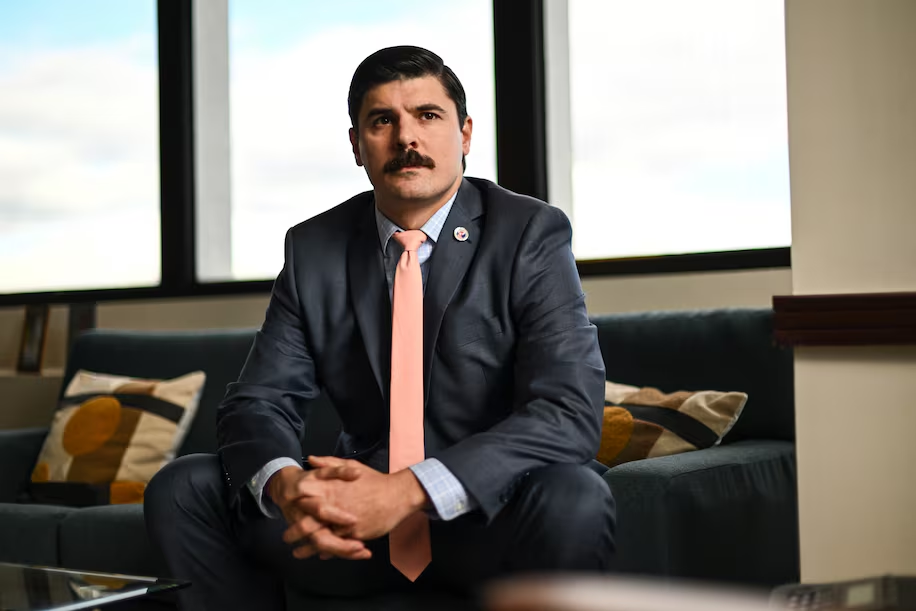
    Democratic Commissioners Mary Boyle, a longtime agency employee before her appointment, and Richard L. Trumka Jr., who gained national attention in 2023 for suggesting that the CPSC could ban gas stoves because of their indoor air pollution, said in statements that they received emails from the White House on Thursday notifying them of their firings. Alex Hoehn-Saric, who had served as the CPSC’s chairman until earlier this year, said that on Friday, CPSC acting chairman Peter Feldman, a Republican, said that the president was also seeking to remove him.

    Trump’s actions leave the safety regulator with just two members on its five member board — Feldman and fellow Republican Douglas Dziak. The White House did not immediately respond to a request for comment.

    The CPSC regulates the safety of everyday consumer products, such as baby toys, strollers, bicycles and even all-terrain vehicles.

    The firings took place shortly after members of the U.S. DOGE Service, which stands for Department of Government Efficiency, visited the agency Thursday. The Democratic commissioners objected to two DOGE employees being formally detailed to the agency, according to Trumka.

    The three Democratic commissioners said in a statement that they planned to oppose their dismissals in court.

    Hoehn-Saric said Trump’s action “is unlawful and is part of this Administration’s efforts to eliminate federal agencies, personnel, and policies that have made Americans safer.”

    Trumka also argued that his firing was illegal.

    “I have a set term on this independent, bipartisan Commission that does not expire until October of 2028, and I will continue protecting the American people from harm through that time,” he wrote. “The President would like to end this nation’s long history of independent agencies, so he’s chosen to ignore the law and pretend independence doesn’t exist. I’ll see him in court.”

    Boyle said she did not intend to back down and planned to continue serving at the CPSC.

    “Until my term as commissioner concludes,” Boyle said in a statement, “I will insist on following these time-tested principles, and I will use my voice to speak out on behalf of safety.”

  • Krispy Kreme is pausing the expansion of its doughnut sales at McDonald’s

    Krispy Kreme is pausing the expansion of its doughnut sales at McDonald’s

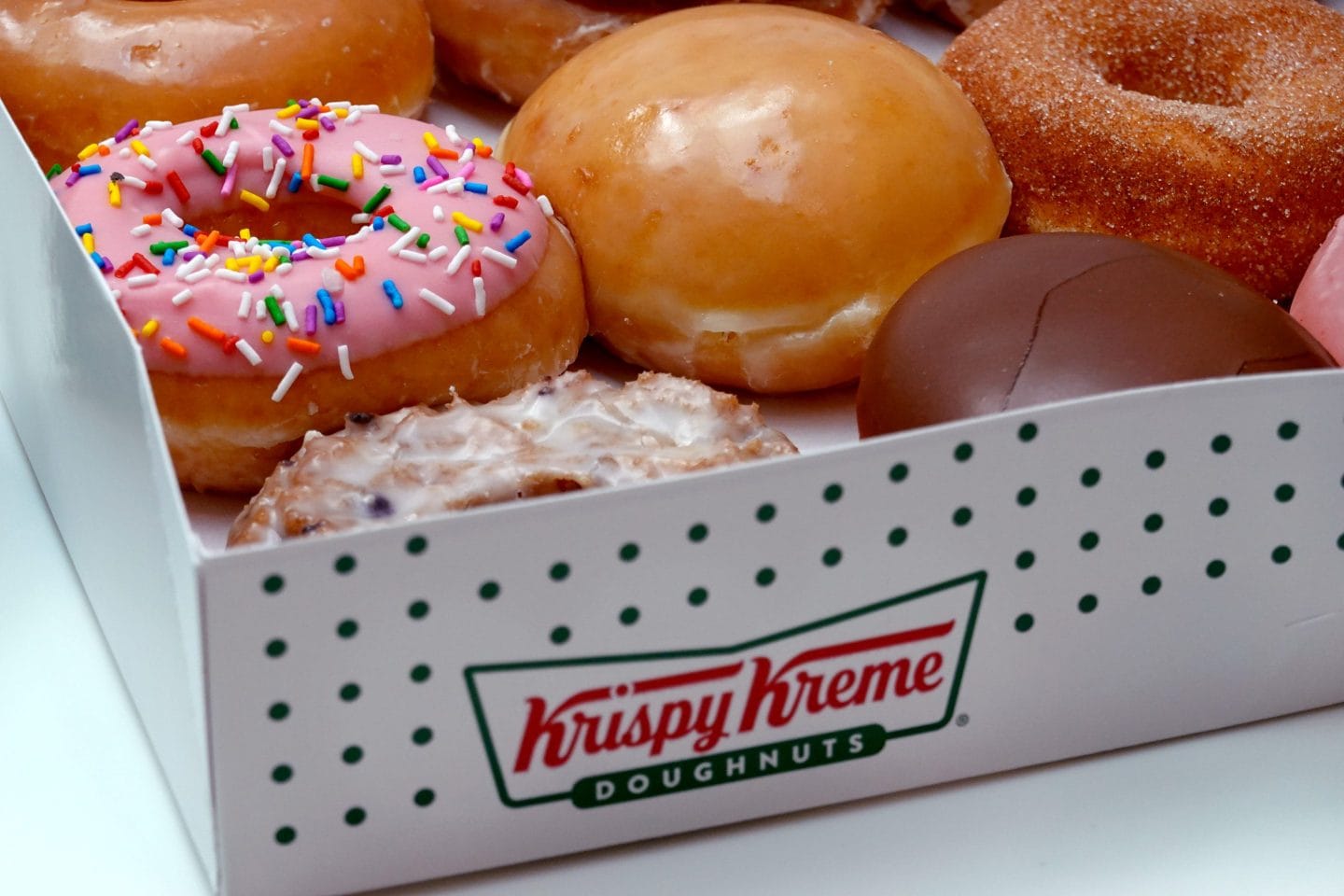
    Krispy Kreme’s partnership with McDonald’s to sell its doughnuts at all of the burger chain’s US restaurants didn’t turn out as sweet as it thought.

    The doughnut chain announced in its earnings release Thursday that it is “reassessing the deployment” of the rollout, temporarily stopping at 2,400 locations. The deal was intended to expand the reach of Krispy Kreme, which has far fewer locations than McDonald’s and relies on grocery and convenience stores for most of its sales.

    The stock slumped 25% after the opening bell on Thursday.

    Last year, Krispy Kreme and McDonald’s announced the unique arrangement, with the intention of the sweet treats being sold at all of McDonald’s roughly 13,000 US restaurants by the end of 2026.

    Krispy Kreme said the hiatus will help the chain “achieve a profitable business model for all parties” and no additional McDonald’s will be added to the partnership in the second quarter of this year.

    “Krispy Kreme continues to believe in the long-term opportunity of profitable growth through the US nationwide expansion including McDonald’s,” the company said.

    Krispy Kreme first began testing the partnership in Kentucky in 2022 and gradually rolled it out to other states. McDonald’s said last year that the “consumer excitement and demand exceeded expectations” prompting the partnership to expand.

    However, the economics of fast food has changed in the past year with both chains struggling. McDonald’s recently registered its worst quarter since the height of Covid-19 as customers rein in their spending.

    Meanwhile, Krispy Kreme (DNUT) has seen its stock lose 73% of its value over the past year. The chain also announced Thursday it will discontinue paying out dividends to its shareholders, saving about $6 million per quarter.

    “Our ability to become a bigger Krispy Kreme requires that we become better, and we are taking swift and decisive action to pay down debt, de-leverage the balance sheet and drive sustainable, profitable growth,” said Krispy Kreme CEO Josh Charlesworth.

  • Gates is accelerating his wealth distribution, with the announcement that his foundation will end in 2045

    Gates is accelerating his wealth distribution, with the announcement that his foundation will end in 2045

    Microsoft co-founder Bill Gates will dramatically speed up his plans togive away most of his wealth, saying he will reduce his estimated $108 billion net worth by 99 percent over 20 years and prepare his eponymous foundation to stop operating by the end of 2045.

    The plan, which Gates announced Thursday in a blog post, calls for the Gates Foundation to spend more than $200 billion in two decades — roughly double the amount it has given away since it was founded by Gates and his former wife Melinda 25 years ago, he wrote.

    The couple divorced in 2021. Melinda French Gates resigned from the foundation in 2024.

    The foundation was originally set to shut down several decades after their deaths, but will now close at the end of 2045, said Gates, 69.

    “I now believe we can achieve the foundation’s goals on a shorter timeline, especially if we double down on key investments and provide more certainty to our partners,” he said.

    The foundation will focus on reducing preventable child deaths, eradicating infectious diseases such as malaria and measles, and increasing graduation rates, among other goals, in its remaining years, Gates said. His announcement comes as the United States is scaling back its commitments abroad, including withdrawing from the World Health Organization.

    Even philanthropic organizations the size of the Gates Foundation — one of the world’s largest — can’t make up the “gulf” in public funding emerging in the U.S. and abroad, he wrote.

    The Gates Foundation is the last of an older archetype of philanthropic organization — similar to the Rockefeller Foundation — that centered on promoting science and trying to apply it to public problems, said Leslie Lenkowsky, an emeritus professor of public affairs and philanthropic studies at Indiana University.

    Most foundations now take a more limited approach, he said. “They are not seeking to tackle big, wicked problems like world poverty,” Lenkowsky said.

    Many philanthropic organizations instead give to institutions within their community or have political ambitions, Lenkowsky said. Others distribute funds to groups that then decide on recipients, a process that he describes as a “critique of the influence of people like Bill Gates identifying priorities.”

    Partly because of its size, Gates Foundation has in the past courted controversy for its outsize role in public health initiatives and education, where it promoted the common core, he said.

    Berkshire Hathaway chief executive Warren Buffett, Bill Gates and Melinda French Gates in 2010 started the Giving Pledge, which encourages wealthy individuals to use the majority of their fortunes for philanthropic causes.

    Buffett has also promised to give away 99 percent of his wealth, which is estimated at around $160 billion. Buffett has donated heavily to the Gates Foundation.

  • You can now file a claim for Apple’s $95 million settlement over Siri spying

    You can now file a claim for Apple’s $95 million settlement over Siri spying

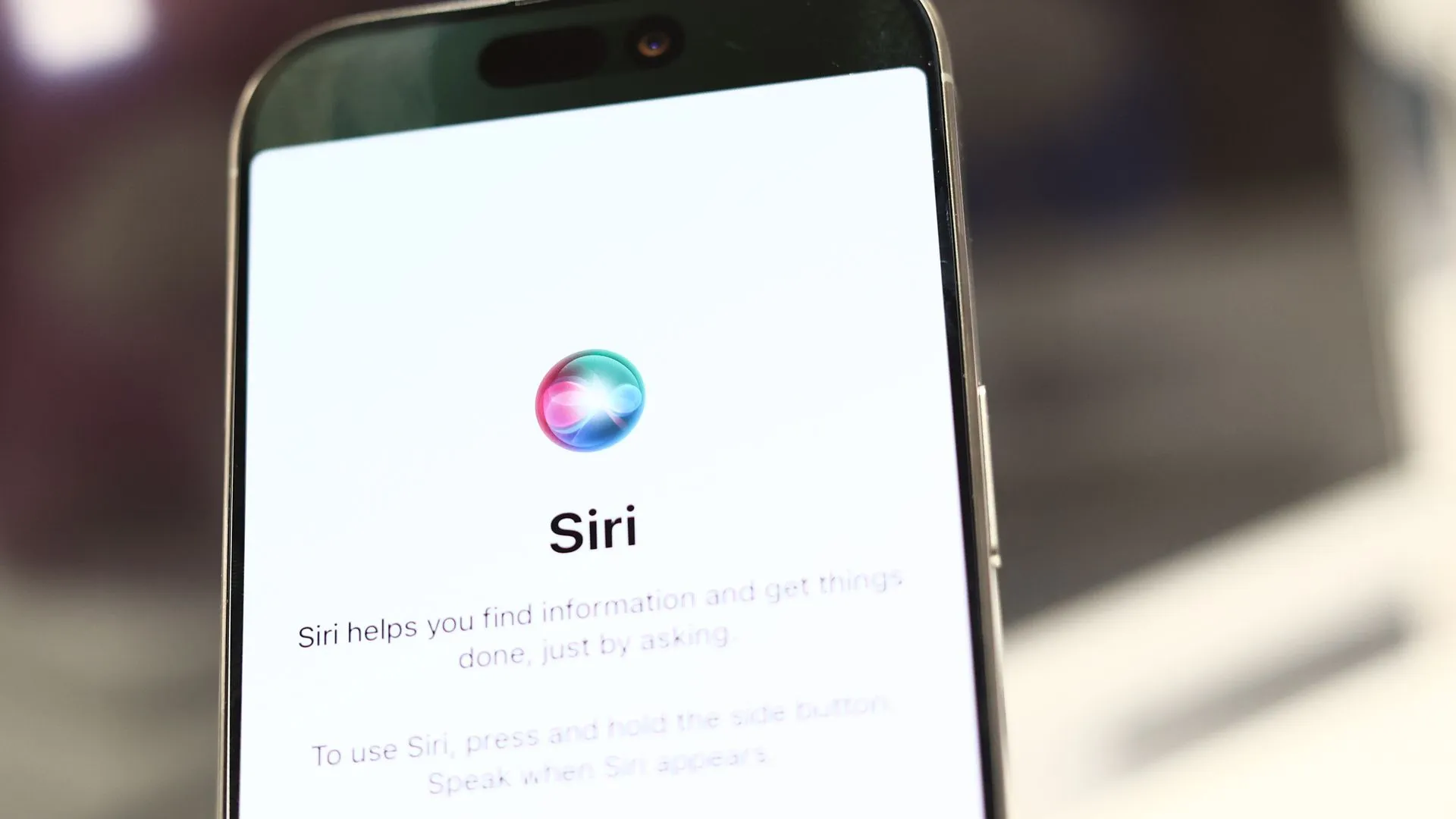
    Eligible Apple customers can now apply for their share of a $95 million Siri snooping payout. A website has been set up to distribute the funds, allowing Apple device owners in the US who experienced an unintended Siri activation during private conversations between September 17th, 2014, and December 31st, 2024, to submit a claim.

    The payout is related to a 2019 class action lawsuit that alleged Apple was infringing on its users’ privacy by capturing conversations overheard by its Siri voice assistant without consent, passing the recordings to third-party quality control contractors. Apple offered a formal apology and pledged it would no longer retain user recordings, but pushed back against additional allegations that it allowed advertisers to target consumers based on Siri recording data. In January 2025, the company agreed to pay $95 million out to impacted users to settle the case.

    Applications are open until July 2nd, 2025. Claims can be submitted for up to five Siri-enabled devices, including iPhone, iPad, Apple Watch, Mac, HomePod, iPod touch, and Apple TV, provided the user swears under oath that the voice assistant was unintentionally activated on each device. If approved, settlement payouts are capped at $20 per device.

    Eligible Apple device owners who already received a Claim Identification Code and Confirmation Code are in the process of being notified about the settlement, but applications can be submitted by anyone who believes they’re eligible, regardless of whether they received a claim notice.

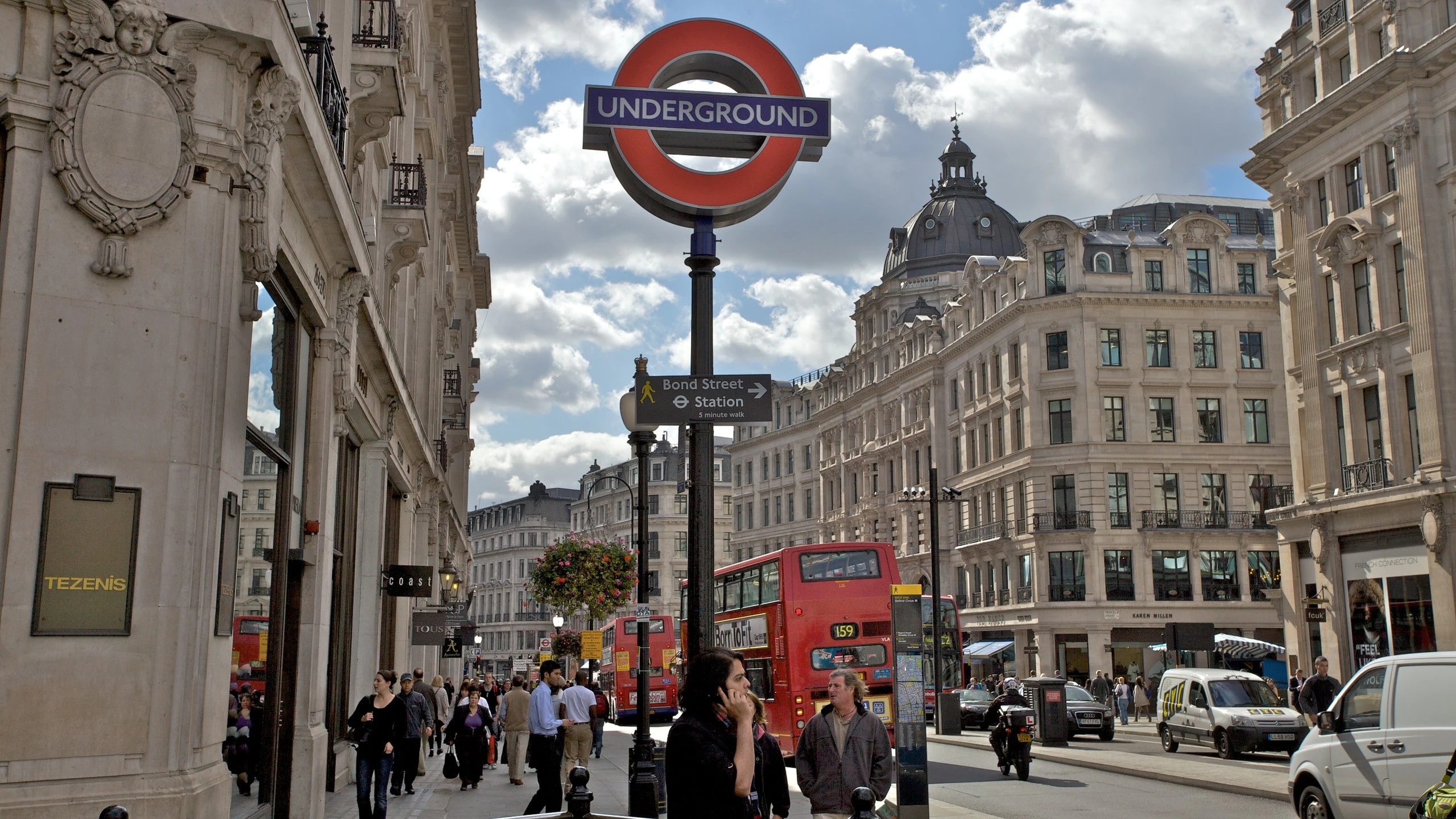
  • While a U.S. trade agreement could boost the U.K. economy, it’s unlikely to be a game-changer

    While a U.S. trade agreement could boost the U.K. economy, it’s unlikely to be a game-changer

    The British government made faster economic growth its No. 1 mission. But efforts to kick-start it have been repeatedly knocked off course by a global economy lurching from one crisis to another.

    On Thursday, British officials secured a win. They announced a trade agreement with the United States, which would lower tariffs on British imports of cars, steel and aluminum.

    They emphasized that the two countries would continue to work closely together on “economic security.” The deal was not final, and other issues would be discussed in coming weeks.

    “We’ve agreed the basis of a historic economic prosperity deal,” said Keir Starmer, the British prime minister, adding that it would protect thousands of jobs.

    The agreement, hailed as the first that the Trump administration has reached since imposing higher tariffs on its trading partners, is limited in scope. While it would reduce tariffs on certain British and American goods, a 10 percent tariff would remain on most other British products. Economists have cautioned that a deal was likely to generate only a small boost for Britain, which is still vulnerable to global economic uncertainty.

    “A still-uncertain global backdrop will continue to act as a drag on U.K. activity,” said Zara Nokes, an analyst at J.P. Morgan Asset Management.

    British officials have been negotiating in Washington for months as they have sought to insulate their country from Mr. Trump’s desire to reshape the global trade order. They also wanted to protect an economy that barely avoided a recession at the end of last year and was on course for a relatively strong recovery later this year.

    However, officials failed to secure exemptions last month when Britain was hit with the 10 percent “base line” tariffs that Mr. Trump imposed on America’s trading partners. Britain was also subject to 25 percent tariffs on cars and steel, and its leaders are concerned about threatened tariffs on pharmaceuticals and films, two important exports. Like other countries, Britain slashed its economic growth forecast because of the trade uncertainty.

    For Mr. Starmer, the deal has helped vindicate overtures he made to the president (including an invitation from King Charles for a state visit) and might overshadow a setback in local elections last week.

    One of key beneficiaries of the agreement is Britain’s auto industry, which was most at risk from high tariffs. The United States is the largest market for British cars, accounting for more than a quarter of Britain’s global car exports. Under Thursday’s agreement, British cars would be subject to a 10 percent tariff, up to a quota of 100,000 cars.

    Many are luxury cars, like Jaguars, Aston Martins and Bentleys, that are made with custom details in Britain. These automakers have found it economically prohibitive to shift production to the United States and have paused shipments there. Mr. Starmer announced the deal and spoke to Mr. Trump from a Jaguar Land Rover factory in England, saying he wanted to be there to tell the workers about it.

    “We were facing imminent announcements of very difficult news” in the automotive sector, said Jonathan Reynolds, the business and trade secretary.

    The agreement would also cut U.S. tariffs on British steel and aluminum to zero. There would be “new reciprocal market access” on beef, though Britain would not lower its food safety standards to allow imported hormone-treated beef.

    A trade deal could lift consumer and business sentiment, which has slumped recently. But there are limits to how much it would lift the overall British economy. Although the United States is an important trading partner, trade flows are heavily skewed toward services, which were not affected by higher tariffs. Britain exported 137 billion pounds’ worth of services to the United States last year, compared with £59.3 billion worth of goods.

    More than 60 percent of businesses expect U.S. tariffs would have no impact in the next month, according to a recent survey by the Office for National Statistics.

    Though Britain and the United States have been in trade negotiations for five years, this agreement is not a full-blown free-trade deal that lowers tariffs across a wide range of goods and increases access to many services, like the pact that Britain and India signed this week.

    A bigger prize for Britain would be a closer relationship with the European Union, which represents about half of British trade. Some progress on an E.U. deal is expected this month at a summit in Britain.

    Trade uncertainty is also weighing on the Bank of England, which cut interest rates a quarter point to 4.25 percent on Thursday.

    British policymakers have cautiously cut rates since last year over concerns about lingering price pressures and a short-term bump in inflation expected this year. But some recently emphasized the risk to economic growth from trade uncertainty, which is expected to dampen business investment and consumer spending.

    Policymakers were divided on Thursday’s rate cut. In an unusual split, five members, a majority, voted for the quarter-point cut, two voted to hold and two voted for a larger cut.

    Economists have said the greater threat to Britain is the uncertainty that Mr. Trump’s trade policy has created globally, rather than tariffs on Britain. And it would take more than one trade deal with Britain to ease that.

    Andrew Bailey, the governor of the Bank of England, said on Thursday, before details were announced, that he welcomed the agreement but added, “I very much hope it’s the first of many.”

    “We need many trade deals” between the United States and other countries to address uncertainty, he said. “The U.K. is only a part of that.” He said there must be a closer look at how trade policy was decided and more confidence in the multilateral process.

    Britain is vulnerable to external shocks, and its economy would suffer if its trading partners, like the European Union and the United States, fell into recession. But there are also homegrown economic issues holding back businesses, such as a concern that taxes might rise again, after an increase last month.

    “The center of the U.K. story is not tariffs; it’s domestic factors,” said Benjamin Caswell, an economist at the National Institute of Economic and Social Research. It downgraded its forecast for Britain’s economic growth to 1.2 percent this year, predicting weak business confidence and higher cost pressures.

    The sluggish outlook means the government could be faced with raising taxes or cutting public spending this year.

    “Tariffs have engendered a lot of uncertainty, but I don’t think that should take the government off the hook,” Mr. Caswell said.