Category: Business

  • Trump Gives TikTok Another 90-Day Extension to Comply With Sale-or-Ban Order

    Trump Gives TikTok Another 90-Day Extension to Comply With Sale-or-Ban Order

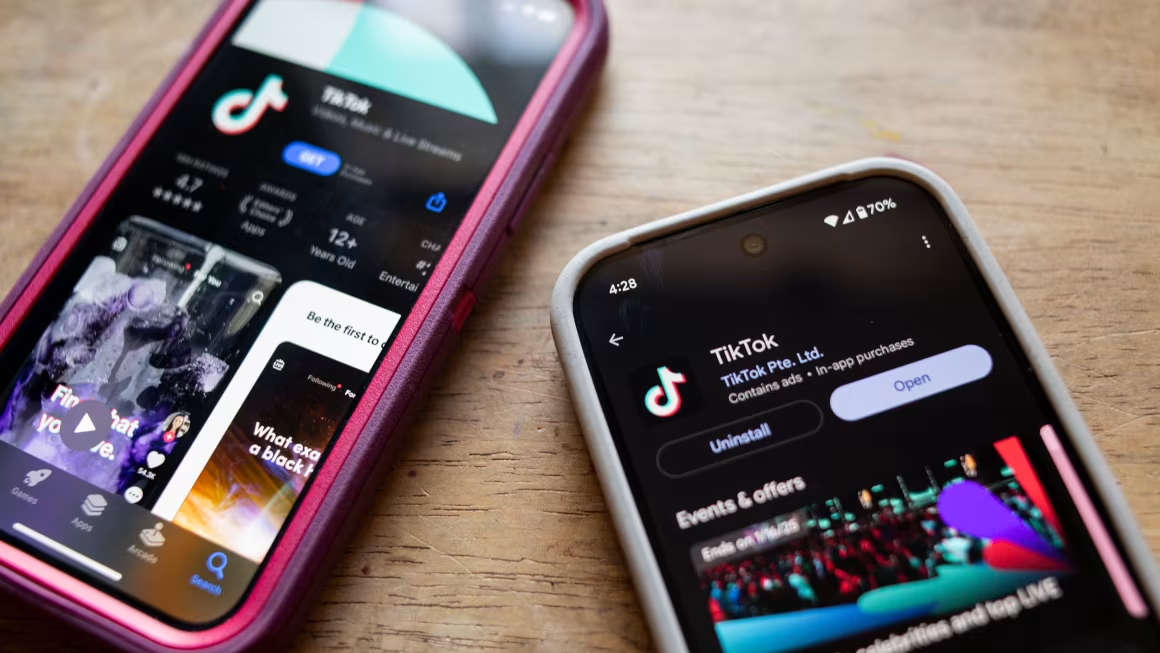
    TikTok just got another lifeline from the White House, with President Donald Trump set to delay enforcement of the sale-or-ban law by another 90 days.

    “President Trump will sign an additional Executive Order this week to keep TikTok up and running,” Karoline Leavitt, White House press secretary, said in a statement on Tuesday. “As he has said many times, President Trump does not want TikTok to go dark. This extension will last 90 days, which the Administration will spend working to ensure this deal is closed so that the American people can continue to use TikTok with the assurance that their data is safe and secure.”

    On Thursday, Trump confirmed that he’d signed an executive order delaying enforcement of the law by 90 days in a Truth Social post. The deadline for TikTok parent company ByteDance to hand over control of TikTok’s US operations is now September 17.

    It’s been about five months since a law requiring TikTok to be banned in the United States unless it’s sold off by its China-based parent company technically went into effect. But thanks to President Donald Trump’s promises not to enforce the law, neither of those things have happened, aside from an approximately 14-hour blackout in January. Tuesday’s announcement marks Trump’s third extension of the ban.

    The announcement means that the app will remain accessible for its 170 million American users despite the legislation that passed last year with bipartisan support over concerns that TikTok’s Chinese ownership poses a US national security risk. And it comes as both the United States and China seek leverage in tense trade talks, in which TikTok appears to have become a bargaining chip.

    The TikTok sale-or-ban law went into effect on January 19 after it was signed by former President Joe Biden last year. TikTok briefly took itself offline, sparking outcry from creators, but quickly came back after Trump signed an order delaying the ban’s enforcement by 75 days. It was one of his first acts as president, made in hopes of reaching a deal to keep the app “alive.”

    In April, a deal that would have transferred majority control of TikTok’s US operations to American ownership was nearly finalized. But it fell apart after Trump announced additional tariffs on China, forcing the president to announce another 75-day delay to keep the app operational in the United States.

    “There are key matters to be resolved. Any agreement will be subject to approval under Chinese law,” TikTok parent company ByteDance said after Trump’s tariff policy stalled progress on the deal in April.

    That pause was set to expire on June 19, before Trump’s Thursday executive order. .

    Trump’s latest enforcement delay raises questions about the status of a deal that could secure TikTok’s long-term future in the United States. The Chinese government has offered little public indication that it would be willing to approve a sale beyond suggesting that any deal could not include TikTok’s “algorithm,” which has been called the app’s secret sauce.

    In a statement on Thursday, TikTok indicated that it is still in talks with the office of Vice President JD Vance — who Trump appointed to oversee the effort — on a deal that would secure the popular short-form video platform’s future in the United States.

    “We are grateful for President Trump’s leadership and support in ensuring that TikTok continues to be available for more than 170 million American users and 7.5 million U.S. businesses that rely on the platform as we continue to work with Vice President Vance’s Office,” TikTok said in a statement.

    The new extension comes after the United States and China agreed on a framework to ease export controls, a move that’s expected to ease tensions and prevent further escalation of export and other restrictions between the two countries. It’s not clear whether a TikTok deal is included in the framework, but cooperation between the two sides could make an agreement to transfer control of the app to a US buyer more likely.

    Earlier on Tuesday, Trump told reporters that a TikTok deal would “probably” require approval by the Chinese government and said, “I think we’ll get it.”

    “I think President Xi will ultimately approve it, yes,” the US president added.

    The deal that had been in the making earlier this year would have involved several American venture capital funds, private equity firms and tech giants investing in a company that would control TikTok’s US operations. TikTok’s China-based owner, ByteDance, would have retained a 20% stake in the spinoff company — a key stipulation of the law.

    Several other high-profile bidders had also put their hands up to acquire the platform, including a group led by billionaire Frank McCourt and “Shark Tank”-famous investor Kevin O’Leary, Amazon, AI firm Perplexity and a separate group of investors that included YouTube and TikTok star Jimmy Donaldson, known online as MrBeast.

    It was Trump who first tried to ban TikTok during his previous administration, but he has said he changed his mind after he “got to use it.” TikTok CEO Shou Chew attended Trump’s inauguration, seated on stage alongside Cabinet secretaries and other tech CEOs.
  • Oracle launches a program aimed at assisting companies in selling technology to the Pentagon

    Oracle launches a program aimed at assisting companies in selling technology to the Pentagon

    Oracle is unveiling a program that it says will help vendors more easily sell technology, including artificial intelligence, to the Department of Defense.

    The program, called the Oracle Defense Ecosystem, is structured to help smaller companies break through the challenges they typically face in selling tech to the Defense Department, said Rand Waldron, Oracle’s vice president of sovereign cloud. 

    “It is far too hard to serve the American defense enterprise,” Waldron said. “We can provide an easy path for these companies to better get access to the defense market.” 

    Oracle said vendors participating in its program will have access to Oracle’s office spaces and be able to tap its expertise on navigating the Pentagon’s procurement processes. Participants also will receive a discount to data-mining company Palantir Technologies’ cloud and AI platform, as well as Oracle’s NetSuite business software. 

    Selling to the Defense Department has long been tricky for smaller businesses that lack the structural advantages major defense contractors have. That hurts not only smaller tech companies but also the Pentagon, which faces challenges in accessing and integrating cutting-edge technologies, Waldron said.

    “We are going to deter and win the next conflict based on how good our technology is,” he said.

    To start, the program will count under a dozen companies as members, including AI firms Blackshark.ai and SensusQ, analytics company Metron, and quantum-security firm Arqit. Member companies won’t pay for access to the program because the tech giant is providing the financial backing, Oracle said.

    The Austin-based company’s latest move comes when it is ramping up its visibility inside the White House. In January, co-founder Larry Ellison joined President Trump in a White House ceremony announcing Stargate, a set of data centers that Oracle alongside global tech investor SoftBank Group is building for generative AI provider OpenAI. The company was also a corporate sponsor of the 250th Army Birthday Parade and Festival on the National Mall.

    Alongside Palantir and defense-technology company Anduril Industries, Oracle has emerged among a wave of tech firms that have aimed to grow their federal defense business. Other tech giants, including Meta Platforms and OpenAI, have recently volunteered their executives to join a new Army innovation corps that will advise on AI and commercial tech acquisition.

    In 2022, the company was part of a collection of cloud providers, including Amazon.com, Google and Microsoft, that were awarded a major cloud services contract with the Pentagon.

    Despite the uncertainty in government contracting wrought by the Department of Government Efficiency, the organization most closely associated with Elon Musk and cutting government spending, Waldron said he expects Oracle’s Defense Ecosystem to fare well under DOGE’s efficiency mandate.

    Eliminating large, status quo contracts, which DOGE has said it would target, opens up more federal dollars for technology innovation from the likes of Oracle’s Defense Ecosystem members, Waldron said. The company is also in direct communication with DOGE, he added.

    A key, underlying goal of Oracle’s Defense Ecosystem is to entrench the company’s cloud-computing platform into the Defense Department, and encourage smaller tech startups to build on its cloud platform.

    “In many cases, these companies are or will become customers of Oracle,” Waldron said. “They will make a sale to the government, and then they will run the system that they have sold to the government on the Oracle Cloud.”

    Now over a decade into its cloud-computing shift, Oracle is still fighting for market share against its rivals, including Amazon Web Services and Microsoft Azure, which dominate the cloud market. But there are signs that with the growth of AI, Oracle is gaining some ground.

    The tech company last week reported that quarterly revenue grew 11% to $15.9 billion, exceeding analyst expectations. Oracle is forecasting that its total cloud growth rate will rise 40% this year, compared with 24% in the year prior.

  • How America’s Hydration Obsession Turned Into a $1.5 Billion Industry

    How America’s Hydration Obsession Turned Into a $1.5 Billion Industry

    “A majority of consumers, Americans and people around the world are chronically dehydrated,” he told CNN News. “They just don’t know it.”

    Even if consumers don’t know if they’re actually suffering from a lack of fluids, they’re still buying electrolyte-filled products like they are. Liquid I.V. has become one of the biggest brands to capitalize on hydration, part of the overall “better for you” wellness trend that’s been percolating within the food and beverage industry over the past several years.

    Hydration, in particular, has been at the center of social media trends — like #WaterTok on TikTok — and buzzy viral products with analysts projecting it growing into a multibillion-dollar market in the next few years.

    “The category has benefited from changing consumption patterns. It’s no longer just about sports recovery, but about maintaining daily wellness, and managing hangovers,” Nate Rosen, a consumer packaged goods expert, told. “A lot of people simply don’t like plain water and really treat these hydration drinks as a way to flavor their water.”

    Liquid I.V. launched in 2012, initially targeted toward hardcore athletes recovering from a tough workout. The flavored powder mix is marketed as a healthier alternative to sugar-filled sports drinks, with the potion containing salt, vitamins and electrolytes that support rapid hydration.

    “The category has been really tired and dusty,” Keech said. “Before, it was a sports person who was sponsored and the idea was, ‘If it’s good enough for them, then it’s good enough for me.’”

    That was initially a successful proposition and sales soared, prompting Unilever to buy Liquid I.V. for an undisclosed price in 2020.

    Under Keech, who became CEO of Liquid I.V. following the acquisition, the brand and his team broadened its “positioning it to a much wider audience,” shifting from just sports stars to “the business person, the mom and the gym bunny.”

    From there, the brand’s distribution doubled and the product has expanded the number of flavors, including a viral firecracker blend, as well as a new sugar-free selection. Liquid I.V. is on track to becoming a $1 billion unit with Unilever labeling it a “power brand” in its most recent earnings report, which has helped its wellbeing category achieve double-digit sales growth.

    “We recognized that hydration is just not for athletes,” Keech said. “That’s where lift-off happened.”

    Powder power

    Hydration has largely been dominated for years by liquids, notably Pedialyte, which is commonly used to prevent or treat dehydration in children. But the drink grew in popularity through the mid-2010s as young people used it as a hangover cure and athletes drank it for recovery.

    Then there’s PepsiCo’s Gatorade, which holds a commanding lead in the sports drink category, plus Mexico-based Electrolit, which is investing $400 million in a new US plant to meet growing demand.

    However, powders have recently become a “success story,” according to Howard Telford, head of soft drinks for analytics company Euromonitor.

    “The big thing is convenience: It’s something that you can have on the kitchen counter, desk drawer at work or in the gym bag. There’s no bulky purchase where you have to allocate space to it in your fridge,” he told. “The flavor profiles are also pretty good for Liquid I.V. as well, which is not nothing.”

    Keech also credits the convenience factor for Liquid I.V.’s growth, pointing toward festival-goers at Coachella, which it sponsors, as an example.

    “You can’t just rock out with all sorts of water bottles,” he said. “That’s helps us hydrate people in ways others can’t.”

    Sales of powdered mixes has achieved double-digit sales growth for the past four consecutive years, most recently growing 20% in 2024, ballooning into a $1.5 billion category, according to Circana, a Chicago-based market research firm.

    The growth has sparked new entrants for portable mixes ranging from Gatorade, who’s sales of enhancers has grown 200% over the last four years, and Coca-Cola’s BodyArmor to smaller startups like diet-friendly LMNT and the Novak Djokovic-backed Waterdrop — all in hopes of emulating market leader Liquid I.V.’s popularity.

    “When one brand achieves significant traction in a space, numerous fast followers emerge, especially when the original doesn’t own anything truly proprietary beyond a great name,” said Rosen, who writes the Express Checkout newsletter. “After all, anyone can produce an electrolyte powder.”

    BodyArmor, which recently relaunched its entire line, has seen a bright spot in growth with its Flash I.V. hydration drinks and powders. Both products generated $120 million in sales in its first year.

    The space “saw a big jump in consumption during Covid because people started to realize how important hydration was. There’s also a very heightened sense for longevity as a well, immunity and also overall addition of vitamins into your body,” BodyArmor CEO Federico Muyshondt told CNN News.

    Does it work?

    Liquid I.V. is “obsessed with science,” Keech said, adding that it spends a “very significant amount of money on clinical studies to make sure that we can stand by the claims we make.”

    A page on Liquid I.V.’s website claims its product has “superior hydration” compared to simply drinking water, proclaiming that if you’re thirsty “then you already may be dehydrated.”

    However, Heidi Skolnik, a senior sports nutritionist at the Hospital for Special Surgery in New York, is skeptical that dehydration is a common problem for people with unrestricted water access and that people being “chronically dehydrated is probably an overstatement.”

    “Athletes and active people can benefit from using electrolyte powder and drinks,” she told The Budgets, but “less active people probably do not need them.”

    Although water itself is sufficient for hydrating the average person, she said flavoring it “helps people drink more, so that is a positive and it elevates their awareness of what and how much they are drinking.”

  • Trump Threatens 25% Tariff on Apple, Says Samsung and Other Tech Firms Could Be Targeted Next

    Trump Threatens 25% Tariff on Apple, Says Samsung and Other Tech Firms Could Be Targeted Next

    President Donald Trump on Friday demanded Apple and other smartphone makers like Samsung make their phones in the United States or face a 25% tariff.

    “I have long ago informed Tim Cook of Apple that I expect their iPhone’s that will be sold in the United States of America will be manufactured and built in the United States, not India, or anyplace else,” Trump posted Friday morning on Truth Social. “If that is not the case, a Tariff of at least 25% must be paid by Apple to the U.S.”

    Speaking to press in the Oval Office on Friday after signing executive orders, Trump said the tariff would apply to any phone maker selling devices in the US.

    “It would be more. It would be also Samsung and anybody that makes that product,” Trump told reporters. “Otherwise it wouldn’t be fair.”

    Trump last week during his Middle East trip said he was displeased with Cook, Apple’s CEO, over the company’s plan to manufacture iPhones set to be sold in the United States at newly built plants in India.

    Over the past several years, Apple had been working to diversify its production capabilities. Some iPhone production had already moved to India, and Cook on Apple’s earnings call with investors earlier this month said he expected “the majority of iPhones sold in the US will have India as their country of origin.”

    On that call, Cook said he expected Apple would face a tariff burden of up to $900 million this quarter. However, it could have been significantly worse: Apple and other US tech companies scored a big win last month when Trump exempted electronics from his massive tariffs on China.

    Unlike Apple, Samsung doesn’t rely on China for smartphone production. The South Korea-based tech giant closed its last phone factory in China in 2019 after losing market share to domestic rivals, though it still has operations there. Sources within Samsung previously told CNN that the vast majority of its smartphone manufacturing takes place in South Korea, Vietnam, India and Brazil.

    Despite lowering his tariff to at least 30% on most Chinese goods — down from 145% earlier this month — a 10% universal tariff remains on the majority of goods entering the United States. Roughly 90% of Apple’s iPhone production and assembly is based in China, according to Wedbush Securities’ estimates.

    Trump met with Cook in Riyadh at the beginning of the president’s Middle East trip last week. In Qatar, he called out Cook for his plan to build US-bound iPhones in India.

    “I had a little problem with Tim Cook,” Trump said last week in Qatar. “I said to him, ‘Tim, you’re my friend. I treated you very good. You’re coming in with $500 billion.’ But now I hear you’re building all over India. I don’t want you building in India.’”

    Cook met with Trump once again at the White House on Tuesday, an administration official told CNN. The official did not divulge the subject matter of the meeting.

    Treasury Secretary Scott Bessent said in an interview with Fox News on Friday morning that Trump is trying to “bring back precision manufacturing to the US.”

    “I think that one of our greatest vulnerabilities are these, is this external production, especially in semiconductors, and a large part of Apple’s components are in semiconductors,” Bessent said. “So we would like to have Apple help us make the semiconductor supply chain more secure.”

    Some of Apple’s chips are already made in the United States, thanks to its partnership with TSMC, which recently opened a chipmaking plant in Arizona. The company did not immediately respond to a request for comment.

    ‘Those jobs aren’t coming back’

    The world’s most valuable publicly traded company is flush with cash and rakes in tremendous profit — more than any company in history. But Apple has long contended that it cannot manufacture iPhones in America.

    Apple has invested billions of dollars training millions of skilled engineers abroad. China and India, with their massive populations, simply have more skilled engineers than the United States does. And it costs Apple significantly less to pay those workers.

    Steve Jobs, Apple’s late CEO, famously brought up the issue during an October 2010 meeting with former President Barack Obama. He called America’s lackluster education system an obstacle for Apple, which needed 30,000 industrial engineers to support its on-site factory workers.

    “You can’t find that many in America to hire,” Jobs told Obama, according to his biographer, Walter Isaacson. “If you could educate these engineers, we could move more manufacturing plants here.”

    In a 2012 interview with tech journalists Kara Swisher and Walt Mossberg, Apple CEO Tim Cook said he agreed with Jobs’ assessment. When asked if the day would ever come when an Apple product is made in the United States, he said: “I want there to be … and you can bet that we’ll use the whole of our influence on this.”

    The notion Apple can reshore iPhone production is a “fictional tale,” Dan Ives, global head of technology research at financial services firm Wedbush Securities.

    US-made iPhones could cost more than three times their current price of around $1,000, he said, because it would be necessary to replicate the highly complex production ecosystem that currently exists in Asia.

    “You build that (supply chain) in the US with a fab in West Virginia and New Jersey, they’ll be $3,500 iPhones,” he said, referring to fabrication plants, or high-tech manufacturing facilities where computer chips that power electronic devices are normally made.

    And even then, it would cost Apple about $30 billion and three years to move just 10% of its supply chain to the US to begin with, Ives told Burnett.

    Ives reiterated that stance in a statement following Trump’s Friday tariff threat, saying, “the concept of Apple producing iPhones in the US is a fairy tale that is not feasible.” He estimated moving all of Apple’s iPhone production to the United States would take five to 10 years.

    An additional 25% tariff on Apple products could result in higher prices for US iPhone buyers. Rumors have already been swirling that Apple is considering raising prices when it releases its new lineup of iPhones in the fall — a move that could further irk Trump, although the company will likely avoid directly attributing the increases to tariffs.

    Gene Munster, managing partner at Deepwater Asset Management, estimates it would be difficult for Apple not to raise iPhone prices if it faces tariffs of 30% or higher.

    “Anything below 30, they will probably carry the vast majority of that increase,” he said. “But I think at some point they’re going to have to start to share it.”

    While moving iPhone production to the United States may not be possible, Apple did announce a $500 billion investment to expand its US facilities earlier this year, in an apparent effort to appease Trump.

    The company said the investment would create a new facility to produce servers — previously made outside the United States — in Houston to support Apple Intelligence, its new brand of artificial intelligence products. It will also expand data center capacity in several states, and plans to invest in corporate facilities and production of Apple TV+ shows in 20 states, among other efforts.

  • McDonald’s to Shut Down CosMc’s, Its Beverage-Centered Spinoff

    McDonald’s to Shut Down CosMc’s, Its Beverage-Centered Spinoff

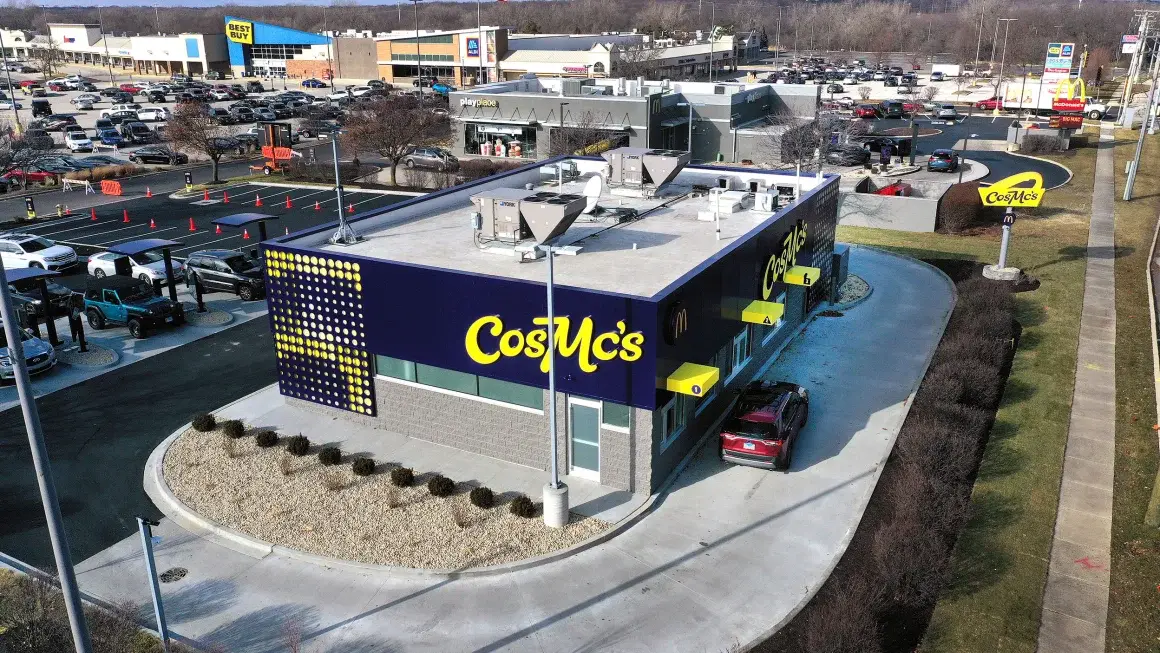
    McDonald’s is pulling the plug on its CosMc’s spinoff just two years after the alien-themed spinoff took off.

    The chain announced Friday that it’s closing all five locations next month. CosMc’s, named after a little-known alien McDonald’s character, opened in 2023 in response to fast-growing specialty coffee and beverage chains like Dutch Bros., Scooter’s and Swig that have become popular with Gen Z consumers.

    CosMc’s menu consisted of sweet drinks and light snacks, with the company hoping customers would visit during their afternoon slump. A spinoff was launched because executives thought the customizable drinks would be too much of a strain on its McDonald’s employees, but fewer people customized their drinks than the company thought.

    Times have also changed since CosMc’s opened: McDonald’s recently reported its second consecutive quarter of sales declines as customers pulled back their spending amid economic uncertainty. That likely prompted McDonald’s leadership to focus instead on fixing its core product.

    McDonald’s said in a statement that CosMc’s was created because the chain “had the right to win in the fast-growing beverage space” and allowed it to “test new, bold flavors and different technologies and processes – without impacting the existing McDonald’s experience for customers and crew.”

    Although the CosMc’s locations will disappear, some of the menu items won’t. CEO Chris Kempczinski said in its earnings call this month that the chain is testing new customizable drinks inspired by CosMc’s with some franchisees later this year.

    CosMc’s locations — four in Texas and one in Illinois — will close at the end of June with their standalone app and loyalty program also being discontinued, the company said.

  • Teens’ Social Media Feeds Are Flooded With Junk Food Ads

    Teens’ Social Media Feeds Are Flooded With Junk Food Ads

    Junk food ads are flooding your teenager's social media feeds and it's influencing what they choose to eat. (Jene Young/The NewYorkBudgets)
    Junk food ads are flooding your teenager’s social media feeds and it’s influencing what they choose to eat. (Jene Young/The NewYorkBudgets)

    Social media’s harmful impact on the mental health of children and teenagers is well documented.

    Now, new research suggests that the widespread marketing of unhealthy food and drinks on social media is influencing the food choices of young people and potentially impacting their physical health.

    University of Oxford team found “strong and consistent evidence” that digital marketing of unhealthy foods and drinks is widespread on social media, and that it influences children and teenagers.

    And a recent study led by the University of Queensland found that problematic and excessive social media use is linked to young teens’ increased consumption of sweets and sugar, as well as the tendency to skip breakfast.

    So, what is going on with social media and children’s diet? And what are the links?

    Teens regularly exposed to junk food ads

    Australian GP Isabel Hanson, from the research team behind the Oxford study, says that when young people see junk food being marketed on platforms like Instagram, YouTube or TikTok, it affects what they want to eat.

    “My co-authors and I reviewed studies from around the world and saw a clear pattern: kids and teens are regularly exposed to marketing for foods high in sugar, salt and fat, often without realising it,” she says.

    The marketing of unhealthy foods to children is unregulated, except for those in South Australia, which has banned the advertising of junk food on public transport. (Pexels/Pixabay)

    One of those studies found Australian children aged 13 to 17 are exposed to 17 food ads each hour, with an average of almost 170 per week.

    “This exposure shapes their preferences, increases their desire for those foods, and can lead to higher consumption.”

    It’s something she sees play out in her work as a GP.

    “Young people who grow up in environments filled with lots of screen time, social media, and exposure to advertising often have poorer diets and can struggle with their weight,” she says.

    “Of course, there are lots of factors at play, but [social media] is one we can do something about.”

    ‘Harder to resist’

    Asad Khan led the University of Queensland study that reviewed the data of 223,000 adolescents aged 13 to 14 from 41 countries. 

    The study found the mindless use of social media often leads to mindless eating — and sometimes mindlessly not eating.

    Teens skipping breakfast is particularly problematic, according to Professor Khan, although he concedes the study only examined the amount of time teens spent on social media and not the type of content they consumed, making the link between the two difficult to plot.

    Professor Asad Khan believes social media companies should “take some responsibility” for the proliferation of junk food ads on social media.  (University of Queensland)

    “What we found is that the mindless [and excessive] use of social media, is more problematic. And that kind of mindless use is leading towards the over consumption of sweet, sugary drinks and skipping breakfast,” he tells ABC Australian Radio.

    So why do these ads for junk food on social media impact the diet of children and teens as much as they do?

    Dr Hanson says these ads are designed to be appealing, and young people are generally more susceptible to this type of marketing.

    “They are colourful, fun, often linked to trends or popular people, and that has a real effect on young people’s choices.”

    “Young people are smart and savvy in many ways. They can spot trends quickly, navigate digital spaces with ease, and often know more about online platforms than adults do.

    “But the brain continues to develop until we are in our mid-twenties, particularly the areas responsible for impulse control, decision-making and assessing risk.

    “That means children and teenagers can be more influenced by social approval and less likely to pause and reflect on where a message is coming from, especially when it’s wrapped up in entertaining or peer-driven content.”

    Social media advertising often doesn’t look like traditional advertising, which makes it harder to spot and easier to absorb.

    And the social media algorithm, peers and influencers also play a huge part in how young people interact with food ads.

    “Social media platforms are built to keep users engaged. Once a young person interacts with food content, they’re likely to see more of it,” Dr Hanson says.

    “At the same time, young people are heavily influenced by what their peers are watching, liking or sharing, so if a snack or drink is popular in their online circles, it can spread quickly.”

    As for the influencers spruiking junk food, they are seen as relatable and trustworthy by young people.

    “When influencers promote a food or drink, even subtly, it carries a lot of weight.

    “Our review showed that this kind of marketing is especially effective because it doesn’t feel like marketing. That makes it harder to recognise, and harder to resist.”

    Food for good mental health

    An adolescent’s relationship with food can be a complicated one.

    major global study led by Australian’s ABC estimate that 50 per cent of children and young people (aged 5-24 years) in Australia will be overweight or obese by 2050.

    Rates of obesity among children and young people have tripled over the past three decades, the study found.

    Add the impacts of social media, courtesy of junk food ads, influencers and time-consuming scrolling, and things can become even murkier.

    Sugary and highly processed foods can lead to a range of chronic diseases if over-consumed, says paediatric dietitian Miriam Raleigh.

    Miriam Raleigh is a paediatric dietitian and the founder of Child Nutrition, a group of dietitians specialising in children’s food services.

    Having a variety of foods from all core food groups is essential for a child’s body and brain, she says.

    “We know that a diet rich in wholefoods — not those found in packets — is important for good mental health. Foods are more than vitamins and minerals, they also contain phytochemicals and antioxidants which feed our body, mind and gut.

    “Having a broad range of foods allows our gut microbiome to contain a diverse range of different beneficial bacteria that is thought to have a direct link to mental health.”

    Sugary foods and highly processed foods contain little nutritional value for children and teens’ growing bodies,” Raleigh says.

    Holding social media companies accountable

    Dr Hanson would like to see more government regulation around junk food marketing on social media rather than the voluntary industry codes that “don’t hold up in the digital space” that are currently in place.

    Policies that help reduce children’s exposure to digital junk food marketing are needed and social media companies need to do more to protect young users, she argues.

    “Education and social media literacy might help a bit, but let’s be honest — it’s the same for adults. When you are constantly flooded with advertising for unhealthy food, it makes you want it,” she says.

    “These are highly skilled marketers using proven techniques to influence behaviour. Expecting young people to resist that, day after day, isn’t realistic.”

    When asked about the federal government’s response to the issue, a spokesperson from the health department said the government has provided more than $500,000 for the University of Wollongong to deliver a feasibility study to examine the current landscape of unhealthy food marketing to children.

    The feasibility study will provide a better understanding of the options available for consideration by all governments and is expected to be finalised in the second half of 2025.

  • Pro-Trump Crypto Advocate Justin Sun Exemplified MAGA-Style Favor-Trading at Trump’s Crypto Gathering

    Pro-Trump Crypto Advocate Justin Sun Exemplified MAGA-Style Favor-Trading at Trump’s Crypto Gathering

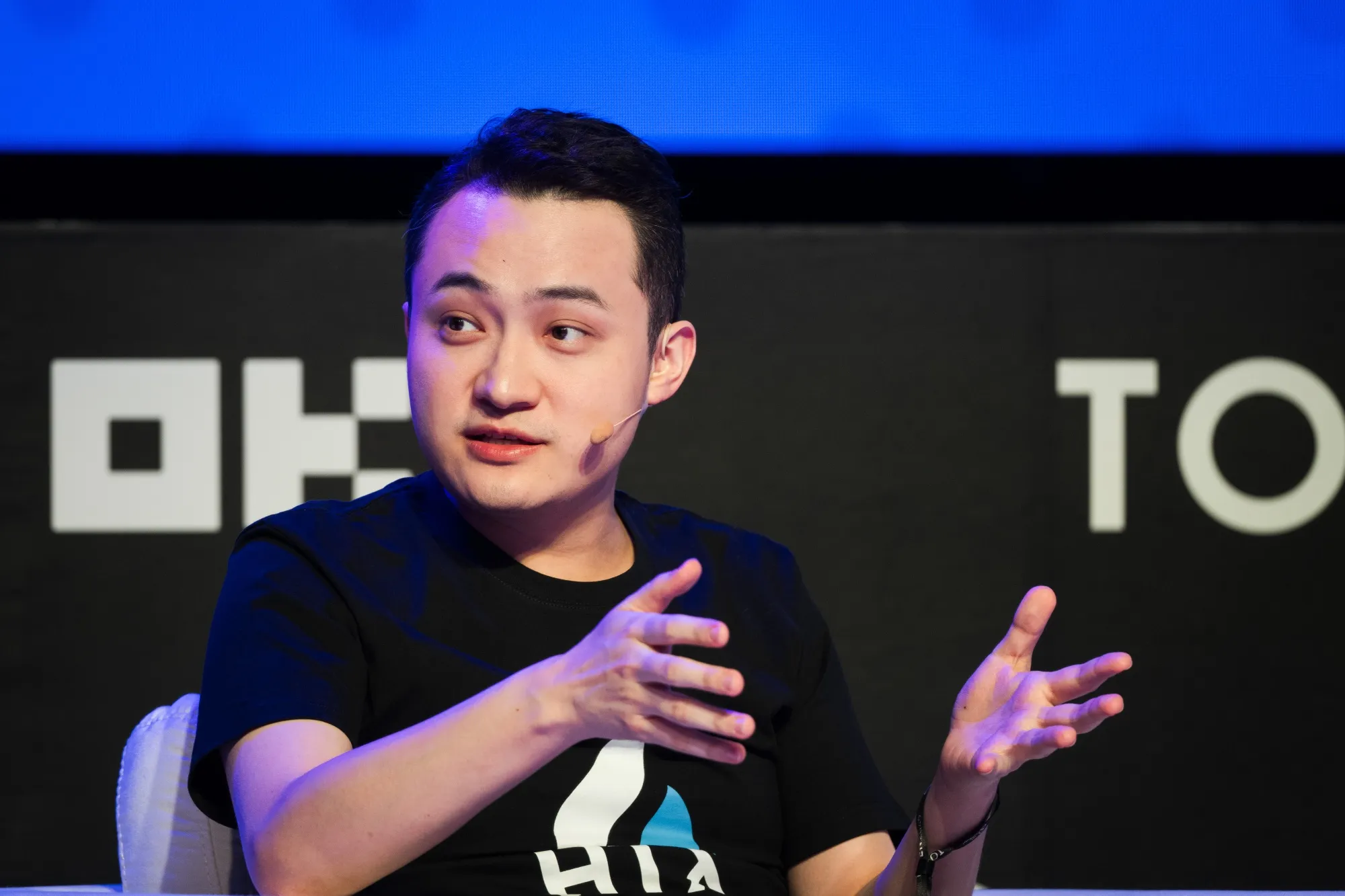
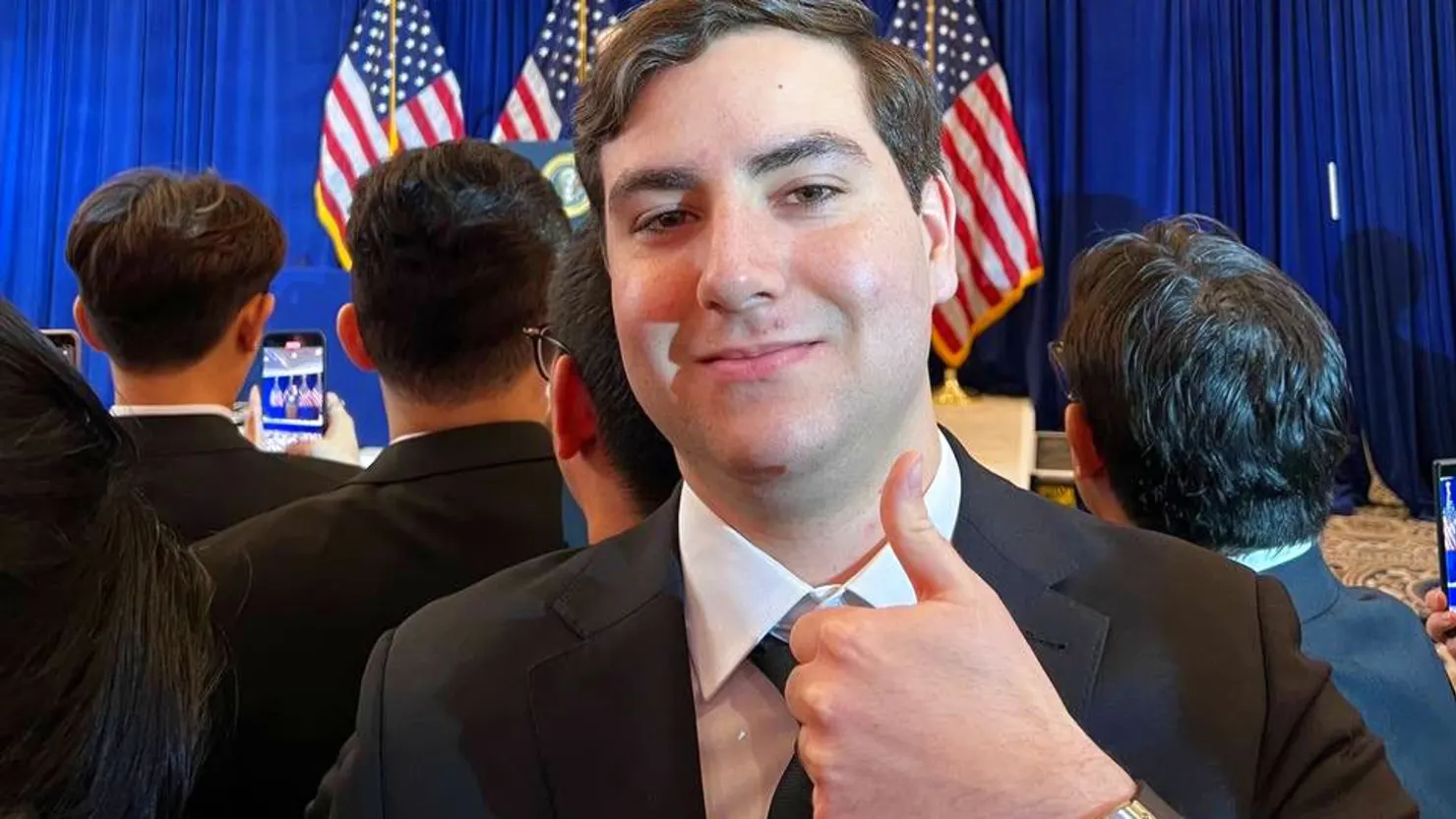
    If you’re looking for one image to summarize the grifter’s paradise that was Donald Trump’s cryptocurrency dinner Thursday night, behold:

    The event was a private dinner with the president at Trump National Golf Club, where “investors spent an estimated $148 million on the $TRUMP meme coin to secure their seats … with the top-25 holders spending more than $111 million,” Reuters reported, citing crypto intelligence firm Inca Digital. Reuters also cited an analysis that found the Trumps have made $320.19 million in fees from their meme coins.

    And the person in the photo is Justin Sun, a MAGA-aligned crypto bro who said he was “awarded” what he identified as a “Trump Gold Tourbillon” (a Trump-branded watch that retails for $100,000). The White House didn’t immediately respond to MSNBC’s question as to whether the president actually gifted this watch to Sun.

    Sun, whose dubious ventures have previously enlisted celebrities such as Lindsay Lohan and Jake Paul, claimed he’s the top holder (that is, the largest investor) of Trump’s meme coin, which has drawn many foreign investors — itself a whole ethical and legal quagmire.

    His investments in Trump have been considerable — but, for him, arguably worthwhile. Sun has been in the news in the last few months because, after he plowed $75 million into Trump family crypto, per NBC News, the SEC put a 60-day pause on the charges of market manipulation and offering unregistered securities it had been pursuing against him since 2023. (Sun did not reply to NBC News’ request for comment, but denied any wrongdoing to The Wall Street Journal in April.)

    NBC News published a dispatch on the president’s event, for a more thorough picture of the various attendees and the MAGA movement’s blatant disregard for ethics.

    But to really catch the flavor of what’s happening, it’s these images of brazen wealth and intolerably open corruption that one would expect from a president dead-set on dragging the United States back to the Gilded Age, an era marked by immense wealth inequality and widespread corruption.

    As Chris Hayes noted on “All In” on Thursday, the contrasting images of Trump that day — whipping votes for a House budget with deep cuts to social programs, such as food aid and health care, in the morning, and in the evening reportedly helicoptering into a ritzy and self-enriching dinner for a few minutes — is too glaring to ignore.

    Watch Hayes’ commentary on what he called the “Met Gala of pay-for-play” here:

  • X Experiences Temporary Outage Affecting Thousands of Users

    X Experiences Temporary Outage Affecting Thousands of Users

    Social media platform X, formerly known as Twitter, was briefly inaccessible for thousands of US users early Saturday, according to Downdetector.com, which tracks internet disruptions.

    The site appears to have resolved the outage, as DownDetector reports are down to 690 as of 11:30 a.m. ET.

    Users in the United States began reporting issues on DownDetector at about 8 a.m. ET on Saturday. By 8:26 a.m. ET, more than 25,000 US users reported issues with the X platform on the mobile app and website. Users also reported issues with the server connection.

    More than 11,000 users in the United Kingdom and hundreds in other countries have also reported issues.

    DownDetector tracks user-reported issues, so the numbers may not reflect the full scale of X’s outage.

    Problems accessing X on Friday stemmed from a data center outage, according to a post by X’s engineering team on Friday at 8:03 p.m. ET. Tech magazine Wired reported there was a fire at a data center leased by X in Hillsboro, Oregon, on Thursday morning.

    According to Downdetector, users began experiencing issues on Thursday at about 2:00 p.m. ET. According to the X developer platform, there was a site-wide outage from Thursday to Friday that has been “resolved.” But logins with X began experiencing “degraded performance” on Friday and the “incident is ongoing.”

    “Our team is working 24/7 to resolve this. Thanks for your patience — updates soon,” X wrote in the post.

    “Back to spending 24/7 at work and sleeping in conference/server/factory rooms. I must be super focused on X/xAI and Tesla (plus Starship launch next week), as we have critical technologies rolling out,” Elon Musk, who acquired the platform in 2022, wrote in response to a post on X Saturday morning which said the outages may stem from the data center fire. “As evidenced by the X uptime issues this week, major operational improvements need to be made. The failover redundancy should have worked, but did not.”

    In late March, X experienced a widespread outage that was due to a “massive cyberattack,” according to Musk.

    X said in 2024 that the site averages about 250 million daily active users. Musk announced on March 28 that he sold X to xAI, his artificial intelligence start-up.

  • U.S. Judge Raises Concerns About Tight-Knit Relationships Among Law Firms in Bankruptcy Ethics Scandal

    U.S. Judge Raises Concerns About Tight-Knit Relationships Among Law Firms in Bankruptcy Ethics Scandal

    A federal judge overseeing several high-profile bankruptcy cases has raised pointed concerns about potential ethical conflicts and the appearance of collusion among prominent law firms, in the wake of the scandal surrounding former U.S. Bankruptcy Judge David R. Jones’s abrupt resignation last year.

    During a hearing in Houston on Friday, U.S. District Judge Lee H. Rosenthal described the ongoing revelations as “deeply troubling” and said that the overlapping personal and professional relationships among lawyers and firms involved in major Chapter 11 cases could erode public trust in the bankruptcy system.

    “This court must ensure that bankruptcy professionals are held to the highest ethical standards,” Judge Rosenthal said. “What we are seeing now raises questions about transparency, disclosure, and the closeness of a professional world that may be too small for its own good.”

    The scrutiny stems from the fallout of Judge David R. Jones’s October 2024 resignation, following reports that he had for years presided over cases involving the law firm Jackson Walker LLP while secretly living with a partner at the firm, Elizabeth Freeman. Jones did not disclose the relationship, despite the firm’s appearance in dozens of multimillion-dollar corporate bankruptcies over which he ruled.

    The revelation—first brought to light through court filings by U.S. Trustee Kevin Epstein, a Justice Department official charged with oversight of bankruptcy cases—sparked national outrage and prompted an internal review by the Fifth Circuit.

    In April 2025, an ethics panel found that Jones’s failure to recuse himself “created an appearance of impropriety” and recommended systemic changes to prevent similar conflicts. Meanwhile, litigation from creditors and corporate debtors continues to mount, as parties seek to undo decisions in cases where conflicts were not disclosed.

    “Too Cozy”: Questions Mount Over Law Firm Networks

    At Friday’s hearing, Judge Rosenthal reviewed submissions from several parties in the Serta Simmons Bedding and JCPenney bankruptcies—two major Chapter 11 cases previously handled by Judge Jones in which Jackson Walker played a key legal role. She asked whether the same attorneys were “cycling between firms” and questioned the rigor of conflict checks and disclosures.

    “It appears there is a revolving door of sorts,” Rosenthal said. “When the same lawyers are involved in case after case—personally and professionally intertwined—it risks undermining the objectivity that the bankruptcy process demands.”

    The judge stopped short of making formal findings but signaled that she may order independent reviews of certain fee arrangements and firm affiliations. She also expressed frustration that some law firms, including Jackson Walker and Kirkland & Ellis, had yet to fully comply with disclosure requirements regarding the extent of their ties to Freeman and Jones.

    Several creditor groups have filed motions in recent weeks seeking to reopen cases and reassess outcomes rendered by Judge Jones. In one instance, creditors in the Whiting Petroleum bankruptcy argue that rulings favoring Kirkland & Ellis and Jackson Walker should be vacated due to the judge’s undisclosed conflict.

    Meanwhile, corporate clients are reconsidering fee arrangements. “The legal integrity of these cases has been compromised,” said Martin Greenbaum, an attorney representing a group of unsecured creditors. “Billions of dollars changed hands in decisions that may have been tainted by ethical lapses.”

    The U.S. Trustee’s office has backed calls for independent examination of several past rulings and proposed a new policy that would require all bankruptcy judges to file annual disclosures about personal relationships with professionals appearing before them.

    In a statement, Jackson Walker said it had “fully cooperated with all investigations” and denied any wrongdoing. “We remain committed to the highest standards of professional conduct,” the firm said. Kirkland & Ellis echoed that view, stating that its attorneys “acted in good faith” and “followed all rules regarding disclosure and conflicts.”

    Privately, however, many in the bankruptcy bar acknowledge that the scandal has shaken confidence in the process.

    “It’s always been a tight-knit world,” said a restructuring lawyer at a top Manhattan firm, who requested anonymity. “But what’s coming to light makes clear we need more sunlight and stricter oversight.”

    The Judicial Conference of the United States is now considering reforms that could include mandatory recusal reviews, limits on how often firms can appear before the same judges, and the use of third-party ethics monitors in major cases. The Senate Judiciary Committee has scheduled a hearing in June to explore the issue further.

    Some judges have already begun recusing themselves preemptively from cases involving firms with which they have even minor personal ties. In the Southern District of Texas, where Judge Jones once reigned as the court’s top bankruptcy jurist, colleagues are reportedly reviewing case assignments and disclosure protocols.

    What began as a personal ethics scandal has now grown into a broader reckoning for America’s bankruptcy courts. Judge Rosenthal’s remarks suggest that the era of “business as usual” in corporate restructurings may be coming to an end, with greater demands for transparency, accountability, and reform.

    “The appearance of fairness is just as important as fairness itself,” she said. “And right now, the public has reason to doubt both.”


    Key Points:

    • Judge David R. Jones resigned in Oct. 2024 amid ethics allegations.
    • Jackson Walker LLP under scrutiny for undisclosed personal ties with Judge Jones.
    • $50B+ in corporate bankruptcy cases may be impacted.
    • New reforms and oversight measures are being considered by courts and Congress.
    • Judge Rosenthal signals possible independent audits and increased transparency.

  • At Trump’s $148 Million Meme Coin Dinner, the Food Was Bad and Security Was Weak, Attendee Says

    At Trump’s $148 Million Meme Coin Dinner, the Food Was Bad and Security Was Weak, Attendee Says

    The price of President Donald Trump’s meme coin plunged 16% as of Friday morning, just hours after he hosted a black-tie gala at his Virginia golf club for its biggest buyers — an elite crowd that spent a combined $148 million on the token for the chance to be there.

    It was billed as “the most exclusive invitation in the world.”

    Among the 220 attendees were crypto influencers, industry executives such as Sandy Carter of Unstoppable Domains, and former NBA star Lamar Odom, who used the occasion to praise Trump as “the greatest president” and promote his own token, $ODOM.

    The top 25 wallets were promised a private reception and guided tour. Others, such as 25-year-old Nicholas Pinto — whose dad drove him to the event in his Lamborghini — left underwhelmed and still hungry.

    “The food sucked,” Pinto said. “Wasn’t given any drinks other than water or Trump’s wine. I don’t drink, so I had water. My glass was only filled once.”

    Trump made only a brief appearance, Pinto said. “He didn’t talk to any of the 220 guests — maybe the top 25,” he said.

    All in, the president was there for 23 minutes, Pinto said. Trump delivered a brief address rehashing old crypto talking points then left on a helicopter before taking any questions or pictures with his meme coin contest winners, he said.

    Phones weren’t locked in RFID pouches, and security was lax, according to Pinto.

    “Once Trump left, they didn’t really worry about anything else,” Pinto added.

    108149905 1748001244197 IMG 7528
    Contest winners who spent the most on $TRUMP meme coins added their signatures to a poster-sized printout of the leaderboard at a gala dinner at Trump National Golf Club in Potomac Falls, Virginia, May 22, 2025. (Nicholas Pinto)

    The crowd’s opulence was on full display.

    “Richard Mille watches weren’t even rare,” Pinto said. “I saw at least 16 people wearing them. I never see that unless I’m at a high-end restaurant in Miami or Dubai.”

    But the vibe was more muted than expected, he said: “Lots of people didn’t even hold the coin anymore. They were checking their phones during dinner to see if the price moved.”

    The Budgets has reached out to Trump representatives for comment on the dinner and attendees.

    Protests

    For lawmakers and regulators, the dinner set off alarm bells.

    The #1 token holder was Chinese-born crypto mogul Justin Sun, who is currently facing Securities and Exchange Commission fraud charges that were recently paused, with the agency citing “the public interest.”

    Sun holds over $22 million in the $TRUMP token and another $75 million in World Liberty Financial’s native token.

    “As the top holder of $TRUMP and proud supporter of President Trump, it was an honor to attend the Trump Gala Dinner,” Sun posted on Friday. “Thank you @POTUS for your unwavering support of our industry!”

    Outside the gates of Trump National Golf Club in Potomac Falls, Virginia, about a hundred protesters gathered, according to NBC News. Sen. Jeff Merkley, D-Ore., joined them, backing a new End Crypto Corruption Act with Senate Minority Leader Chuck Schumer, D-N.Y.

    Signs read “Crypto Corruption” and “Trump is a traitor.”

    Crypto on Capitol Hill

    “The Trump family activity in the memecoin space makes my work in Congress more complicated,” Rep. French Hill, R-Ark., told CNBC News on Friday.

    Hill, who’s leading negotiations on a bipartisan stablecoin regulation bill known as the GENIUS Act, called the gala “a distraction from the good work we need to do.”

    Now, the GENIUS Act is at risk.

    Sen. Josh Hawley, R-Mo., recently added a controversial rider to the bill that would cap credit card late fees — what’s seen as a poison pill that could alienate banking allies and stall final approval.

    108150206 1748032186377 IMG 7535 2
    President Donald Trump speaks at a dinner for meme coin contest winners at Trump National Golf Club in Potomac Falls, Virginia, May 22, 2025. (Nicholas Pinto)

    On Thursday night as the meme coin contest dinner was underway, a bloc of Senate Democrats announced they’d be pushing for a new provision that would ban presidents and senior officials from profiting off crypto ventures while in office — a direct challenge to the Trump-linked stablecoin USD1 that launched in the spring.

    In Washington, there’s growing concern that political infighting over Trump’s crypto ventures could derail the stablecoin bill altogether. That poses an even bigger risk.

    According to The Wall Street Journal, major banks including JPMorganBank of America and Citi are in early talks to issue a unified digital dollar to compete with Tether, the foreign-controlled stablecoin that now commands over 60% of global market share.

    Those plans hinge on legal clarity.

    If the GENIUS Act stalls, the U.S. could lose its window to regain ground in the global race for digital payments.

    The White House has tried to draw a line between Trump the president and Trump the private businessman.

    “The president is attending it in his personal time. It is not a White House dinner,” press secretary Karoline Leavitt told reporters when pressed on attendee transparency.

    The administration declined to release a guest list. But blockchain data — and a patchwork of guest photos — tell part of the story.

    A Bloomberg News analysis found that all but six of the top 25 wallets used foreign exchanges, ostensibly off-limits to U.S. users. More than half of the top 220 wallets were linked to similar offshore platforms.

    One Nasdaq-listed penny stock, Freight Technologies, disclosed in an SEC filing that it spent $2 million on Trump’s token to push U.S.-Mexico trade policy. It didn’t make the cut for the dinner — finishing 250th.

    Since its January debut, the $TRUMP coin has generated more than $324 million in trading fees. Roughly 80% of the $TRUMP token supply is controlled by the Trump Organization and affiliates, according to the project’s website.

    WLFI, the Trump’s parallel token, has sold $550 million in two token sales.

    Still, White House AI and crypto czar David Sacks remained bullish on “significant bipartisan support” for stablecoin legislation.

    “We already have over $200 billion in stablecoins — it’s just unregulated,” Sacks told CNBC’s “Closing Bell Overtime” on Wednesday. “If we provide the legal clarity and legal framework for this, I think we could create trillions of dollars of demand for our Treasurys practically overnight, very quickly.”

    “We have every expectation now that it’s going to pass,” added Sacks, though he didn’t answer a question about concerns from Democrats that there aren’t sufficient safeguards in place to keep the president and his family from profiting from legislation.

    While Sacks sold $200 million in crypto-related holdings before taking his White House job, according to a disclosure filing, Trump and his family have been leaning into building a crypto empire.

    The Trumps are financial backers of World Liberty Financial, which is behind the USD1 stablecoin that is backed by Treasurys and dollar deposits.

    Abu Dhabi’s MGX investment fund recently pledged $2 billion in USD1 to Binance, the world’s largest digital assets exchange. It’s the company’s largest-ever investment made in crypto.