Category: Business

  • How the Mayor of San Jose Is Working to Build an AI Capital

    How the Mayor of San Jose Is Working to Build an AI Capital

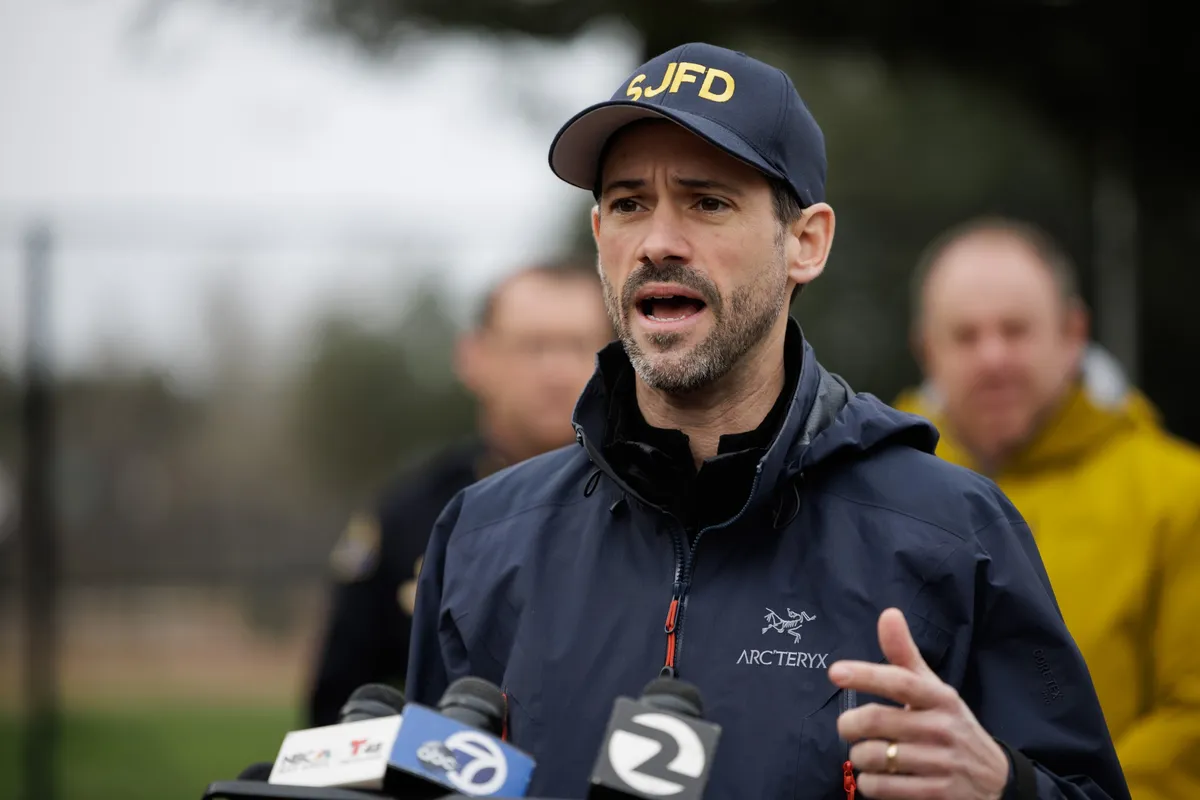
    Nearly 150 stoplights in San Jose, California, are equipped with an artificial intelligence tool aimed at optimizing bus trips. The tech has allowed the buses to run at higher speeds and reduced commute times for riders by 20%, in part by making it more likely buses will reach a green traffic light.

    “We know that what meaningfully drives up ridership levels is the frequency of the service, how often the buses come, and the speed of getting to your destination,” said San Jose Mayor Matt Mahan, noting the program will now be scaled citywide. “A more than 20% improvement in commute times is a big deal.”

    Mahan sees the signal priority technology as one of San Jose’s most successful AI implementation efforts to date. The Silicon Valley city is trying to vastly expand its use of the technology in city hall and across government, Mahan said. It’s part of his administration’s broader push to make the city a hub for using AI tools in government, and a destination for AI companies and talent.

    The city is one of a number of places exploring such initiatives. But San Jose is the founding member of the GovAI Coalition, which includes hundreds of government entities across the US that share information about AI-related projects, safeguards and rules, and procurements. The city has offered up to $50,000 in incentives for early-stage AI startups that relocated there. It’s also rolling out an AI upskilling course for city workers in collaboration with San Jose State University to teach them how to better use the technology.

    The interview has been edited for length and clarity.

    Could you talk to me a bit about the city’s AI ambitions?

    We want to be the most AI-enabled city hall in the country, and we started on this journey before we even really knew what AI was. If you go back about eight, nine years ago, we were starting to look at public safety technologies and realized that there are privacy issues that we need to work on. (The city has used license plate reader technology for nearly two decades, and developed a use policy for the technology in 2017.) And so we really started focusing on data privacy and data security related to applications that had nothing to do with AI, but it gave us the muscle.

    So that was the beginning. About two years ago, we invited some other cities to join us on a very informal monthly Zoom call to just talk about artificial intelligence because it was starting to emerge as essentially a trend. And that blossomed into this platform called the GovAI Coalition, which we host on our city website. And we now convene with partners from over 700 public agencies around the country.

    What are some of the projects you’re working on? 

    We’ve driven some of the leading pilots on object detection. So on roadways, we put sensors on city vehicles. We can very accurately identify emerging potholes, graffiti, illegal dumping, street lights that are out, lived-in vehicles, and a number of streetscape issues where we can automate reporting. 

    Language translation — we actually have the largest Vietnamese population of any city outside of Vietnam in San Jose. So we have a lot of training data that’s native to our city based on our population. We took our training data in Vietnamese, plugged it into Google’s base model for Google Translate, and actually have improved by 8% translation of government websites and government documents into Vietnamese.

    How are you thinking about privacy, especially around law enforcement technologies? 

    There’s been growing skepticism, if not cynicism, that the technology sector wants to own our data to monetize it, even if it’s not in our interest. And so I guess we just culturally felt that if we’re going to bring best-in-class technologies and tools into city hall, we can’t fall into that trap.

    Government can’t afford that kind of violation of trust. A startup can fail. Government really can’t. So we felt that getting that piece right was really important. And I shouldn’t say it that way. There is no getting it right. It’s about ongoing dialogue and transparency.

    We’re rolling out — and this is not a novel technology — red light and speed safety cameras, which there have been some limitations on in California. We’re a pilot city in the state to start rolling out more of what some might consider aggressive surveillance and enforcement tools around traffic safety. We have a Vision Zero plan. We’re trying to make our roads safer, but we have taken the time to get it right. We’re going around to different neighborhoods and having community meetings and, for example, assuring people that we’re not doing facial recognition, assuring people that we’re going to equitably distribute these.

    If you don’t answer thoughtfully and engage people and create a forum for them to ask those hard questions, I think you can really risk creating cynicism and making it harder in the long run to get things done.

    When it comes to the economy, San Jose is a tech and AI hub already. A new Brookings Institution report dubbed San Jose and San Francisco AI “superstars” among US jurisdictions, finding that the two metro areas around these cities have excelled in adoption, talent concentration and innovation. 

    City government is piloting all of these initiatives and at the same time creating new incentives for startups and other new entrants. Is there a point where it could be too much of one industry?

    I do worry a little bit about diversification. At the same time, we’re one of the few big cities in the country that still has a meaningful manufacturing base. So while San Francisco has gotten a lot of headlines around AI related to software applications, we’re really still a hardware town in a lot of ways. So we do robotics, we do vertical takeoff and landing vehicles, batteries. Our history was really in semiconductors.

    I’m trying to think about how we leverage the fact that we’re still a city that makes things — almost one in five workers in our city is in manufacturing— and continue to be a city of economic mobility. And so our challenge is to make sure that we continue to say yes to manufacturing.

    We have this incredible asset in San Jose State University. It’s like the pipeline for young diverse talent in the South Bay. We’ve never had an intentional strategy for helping those graduates start companies and stay local. And so one of my major initiatives is to create a startup cluster in downtown San Jose adjacent to the university so that we can keep more of that young talent there actually build their own economic future. That’s the thing we’re excited about.
  • Starbucks mandates four-day office return for employees, while CEO Brian Niccol keeps his remote work privilege

    Starbucks mandates four-day office return for employees, while CEO Brian Niccol keeps his remote work privilege

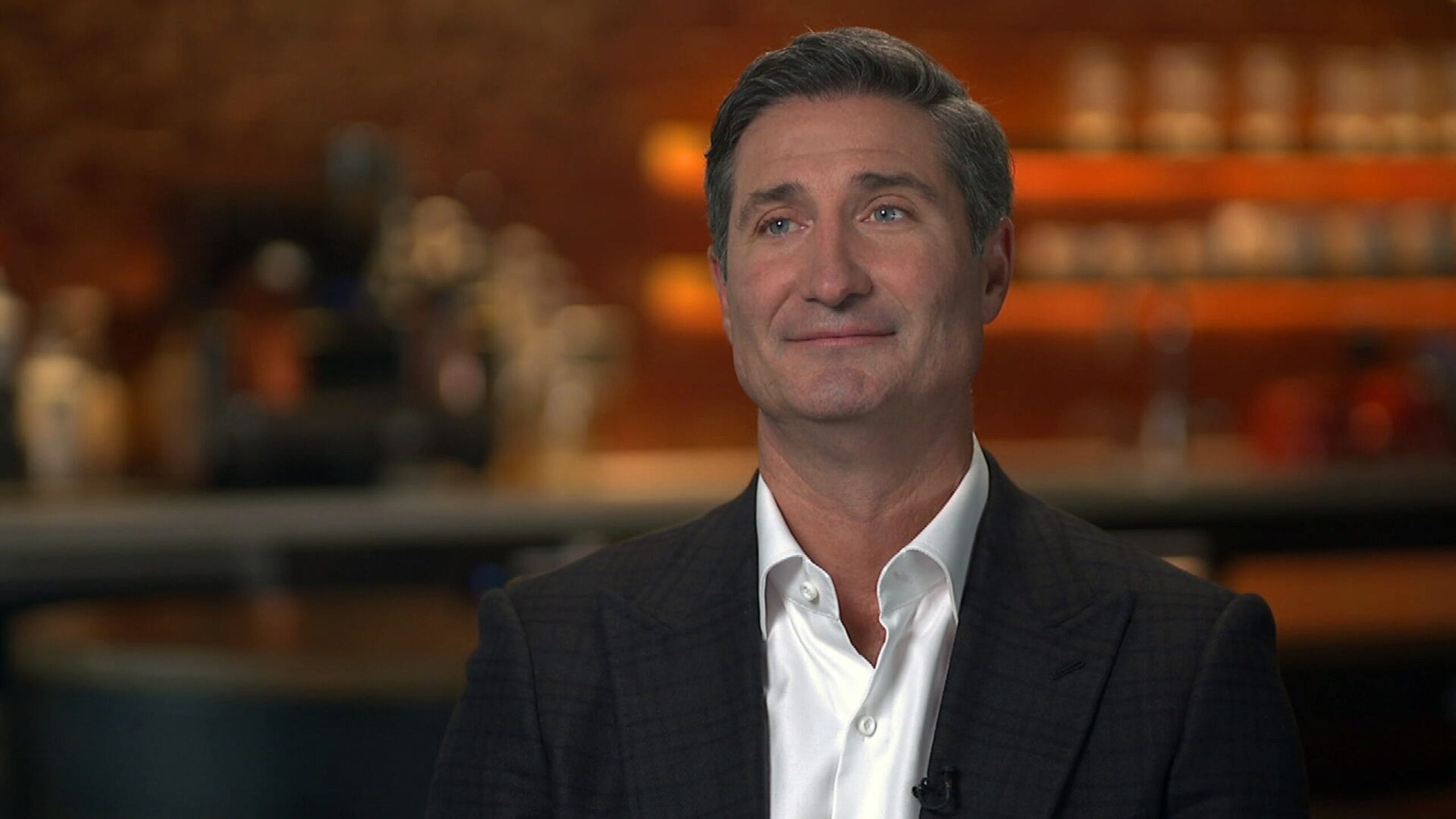
    Starbucks will increase its return to work mandate for corporate employees to four days a week — even as CEO Brian Niccol is allowed to work remotely from his California home after getting hired last year. 

    The new policy, outlined in a companywide message from Niccol, will require corporate employees and managers to be on-site Monday through Thursday at the company’s Seattle and Toronto offices as well as at its North American regional hubs, beginning in January.  

    “To give partners time to adjust, this expectation will begin with the new fiscal year,” Niccol wrote in the memo.  

    “We’ll share more details before October, including our plans to ensure everyone has an assigned dedicated desk.” 

    The shift from three to four required days in the office marks the latest escalation in Starbucks’ broader “Back to Starbucks” turnaround strategy helmed by Niccol, whose main residence is in Newport Beach, Calif.

    The company says Niccol’s “default” is to reside in Seattle when he isn’t traveling to the company’s coffeehouses worldwide.

    When asked if Niccol works from his California residence, the company declined to comment.

    The java giant also is expanding its relocation mandate, requiring all managers at its corporate locations to move to Seattle, Toronto or cities that host regional offices within the next 12 months — a policy that builds on a previous directive for vice presidents and above. 

    When Niccol was named CEO last year, Starbucks allowed him to remain in Newport Beach.

    The company pays for a dedicated remote office near his home, provides a personal assistant and allows him to use a corporate jet to commute to Seattle, according to filings with the Securities and Exchange Commission. 

    Niccol was awarded roughly $96 million in total compensation after his first four months as Starbucks CEO, with about 94% of that coming from stock awards and an additional $5 million sign-on bonus, the filing showed.

    His pay package also included more than $400,000 in perks such as housing, jet travel and security expenses. His annualized pay is estimated at $113 million, placing him among the highest-paid CEOs in the country.

    Before tapping the former Chipotle boss, Starbucks was grappling with significant turmoil, including four CEOs in five years, declining sales, profit drops and operational inefficiencies like overcomplicated menus and slow service. 

    The company also faced labor unrest, legal challenges, and brand identity confusion, while external pressures such as inflation and rising competition further strained performance and investor confidence.

    Starbucks has stated that while Niccol is permitted to work remotely, he is expected to spend a significant amount of time at the Seattle corporate headquarters and at company locations around the world.  

    A company spokesperson previously said that “Brian’s primary office and a majority of his time will be spent in our Seattle Support Centre or out visiting partners and customers in our stores, roasteries, roasting facilities and offices around the world.” 

    “His schedule will exceed the hybrid work guidelines and workplace expectations we have for all partners,” the spokesperson said.

    In his message, Niccol emphasized that human connection remains a foundational value for Starbucks. 

    “We are reestablishing our in-office culture because we do our best work when we’re together,” he wrote.  

    “We share ideas more effectively, creatively solve hard problems, and move much faster.” 

    He acknowledged that not all employees would welcome the policy.

    “We’ve listened and thought carefully,” he wrote. “But as a company built on human connection, and given the scale of the turnaround ahead, we believe this is the right path for Starbucks.” 

    Starbucks said it will offer a one-time voluntary exit package for employees who refuse to comply with the new policy.  

    “If you decide you want to leave Starbucks for any reason, we respect that,” Niccol wrote. 

    “To support those who decide to ‘opt out,’ we’re offering a one-time voluntary exit program with a cash payment for partners who make this choice.” 

    The internal changes come amid wider scrutiny over executive remote work arrangements. 

    A recent study by researchers at Boston College and Arizona State University, as cited in the Star Tribune, found that companies led by CEOs who live far from their corporate headquarters often see lower employee satisfaction and weaker financial performance.

    The report, which examined nearly 1,000 firms between 2010 and 2019, concluded that so-called “fly-in CEOs” tend to be less informed about day-to-day operations and more focused on short-term gains. 

    The study noted that about 18% of companies surveyed had CEOs residing far from headquarters.  

    Geographic trends showed that remote CEOs were more common in colder, landlocked central US states. Despite its climate, Minnesota, for example, had one of the lowest rates of remote CEOs among its Fortune 500 firms. 

    Starbucks, for its part, maintains that its office return policy is necessary to drive collaboration and accelerate business recovery.

    “As we work to turn the business around, all these things matter more than ever,” Niccol said in his memo.

    “We’re driving significant change across the company while staying true to our core values.” 

  • Boston Scientific Stock Is on Pause. Its Earnings Could Get It Moving Higher Again

    Boston Scientific Stock Is on Pause. Its Earnings Could Get It Moving Higher Again

    Boston Scientific Corp. (NYSE: BSX), a leading global medical device manufacturer, is facing an unusual period of stagnation. Known for delivering consistent performance over the years, the company’s stock has treaded water for the last six months. But with the release of its second-quarter earnings scheduled for Wednesday, investors and analysts alike are watching closely for signs of renewed momentum.

    Boston Scientific’s stock has historically been a favorite among long-term investors, with a solid track record of innovation in minimally invasive medical technologies. Over the past five years, BSX has significantly outperformed many of its peers in the medtech sector, driven by robust product pipelines and strategic acquisitions.

    However, since January 2025, the stock has shown little movement—hovering around the $66 to $70 range. This is despite broader market indices, including the S&P 500 and the Nasdaq Composite, reaching new highs fueled by strong tech and healthcare performance.

    Market analysts attribute the recent pause in momentum to a combination of valuation concerns and investor wait-and-see behavior ahead of earnings. “Boston Scientific is not underperforming—it’s consolidating,” said Linda Corrigan, Senior HealthTech Analyst at Fairview Investments. “Investors are waiting for a new catalyst.”

    That catalyst could come in the form of Boston Scientific’s Q2 earnings report, which is expected before the market opens on Wednesday.

    Wall Street consensus estimates forecast revenue of $3.77 billion for the quarter, up 9.3% year-over-year, and earnings per share (EPS) of $0.61, compared to $0.53 in Q2 2024. The company has beaten EPS estimates in 8 of the last 10 quarters, and analysts are optimistic it will continue that trend.

    “The real story will be in the company’s guidance and commentary on growth drivers like the Watchman FLX Pro, Farapulse, and recent expansion in Asia-Pacific markets,” said John Nathan, Equity Research Director at Harding Wealth. “If they deliver a solid beat and raise, BSX could break out of its holding pattern.”

    Boston Scientific continues to benefit from its diversified product offerings across cardiology, urology, neuromodulation, and endoscopy. The Watchman heart device and Farapulse pulsed field ablation system remain two of its most closely watched products, with the latter recently gaining traction in Europe and awaiting wider U.S. adoption.

    Moreover, the company’s $3.7 billion acquisition of Axonics earlier this year has expanded its footprint in sacral neuromodulation and is expected to be accretive to earnings by late 2025.

    In its last earnings call, CEO Mike Mahoney emphasized “strong momentum across our growth platforms” and hinted at further investment in AI-driven diagnostics and robotic-assisted technologies—an area Boston Scientific is expected to ramp up through 2026.

    Despite the flat trading pattern, institutional interest in BSX remains strong. According to Bloomberg data, over 68% of the float is held by institutions, including major players like Vanguard, BlackRock, and T. Rowe Price.

    The stock currently trades at a forward price-to-earnings (P/E) ratio of 24.5, roughly in line with the sector average. Some analysts believe this leaves room for upside if the company can deliver a strong beat and raise guidance.

    Technical analysts note a key resistance level at $71.50. A strong earnings report could push the stock through this ceiling, with bullish targets around $75 to $78 in the near term.

    Boston Scientific is at a critical juncture. While its fundamentals remain strong and its long-term outlook is bright, the next few days could determine whether BSX resumes its upward climb or continues to linger in limbo. Wednesday’s earnings report will be a major inflection point for the stock—and possibly for investors seeking medtech exposure in a high-growth, post-pandemic landscape.

  • Trump’s 200% Tariff Threat Leaves Pharma Firms Scrambling for Contingency Plans

    Trump’s 200% Tariff Threat Leaves Pharma Firms Scrambling for Contingency Plans

    Novartis AG NOVN –.–%
    Sanofi SA SAN –.–%
    Roche Holding AG ROG –.–%
    Eli Lilly and Co LLY –.–%
    Johnson & Johnson JNJ –.–%

    U.S. pharmaceutical companies are racing to assess the fallout from President Donald Trump’s proposal of a 200% tariff on imported pharmaceutical products, a policy that has sent shockwaves through the global drug industry and sparked intense scenario planning among manufacturers and investors.

    Speaking on Tuesday, Trump reiterated that long-delayed, industry-wide tariffs are imminent, following the launch of a Section 232 national security investigation into pharmaceutical supply chains in April. While he hinted that the tariffs wouldn’t take effect immediately — instead offering a grace period of 12 to 18 months — industry analysts and executives warn the impact could be both disruptive and long-lasting.

    “This kind of tariff would inflate production costs, compress profit margins, and risk severe supply chain disruptions, leading to drug shortages and higher prices for U.S. consumers,” analysts at Barclays warned in a research note Wednesday.

    Even with a grace period, the pressure is building. UBS called the delay “insufficient time” for pharmaceutical manufacturers to shift operations back to the U.S., noting that relocating commercial-scale production typically takes four to five years.

    According to Pharmaceutical Research and Manufacturers of America (PhRMA), a mere 25% tariff would already drive up U.S. drug prices by $51 billion annually, translating to as much as a 12.9% increase in consumer prices. The group blasted the proposed 200% levy as “counterproductive” to public health, especially given rising inflation and mounting healthcare costs.

    “A 100% or 200% tariff would be potentially disastrous for every person because we need those pharmaceuticals, and it takes those companies a long time to produce them here in the U.S.,” said Afsaneh Beschloss, founder and CEO of RockCreek Group, speaking on CNBC’s Closing Bell.

    Many of the world’s leading drugmakers — including Roche, Novartis, Sanofi, Bayer, and AstraZeneca — manufacture much of their product outside the U.S., particularly in Europe, India, and Asia, where costs are lower and supply chains more mature.

    In anticipation of potential fallout, global firms are exploring relocation strategies and cost restructuring. Roche, for instance, stated it is “monitoring the situation closely” and advocating for policies that reduce barriers to patient access while continuing to expand its U.S. manufacturing footprint.

    Bayer said it is focused on “securing supply chains and minimizing any potential impact,” while Novartis confirmed no changes to its current U.S. investment strategy but emphasized ongoing collaboration with the U.S. administration and trade associations.

    Other firms — such as Sanofi, AstraZeneca, and Novo Nordisk — have remained largely silent, either declining comment or citing pre-earnings quiet periods.

    Trump’s administration argues that reshoring pharmaceutical production is a national security imperative, especially after the COVID-19 pandemic exposed vulnerabilities in the global medical supply chain. Historically, pharmaceuticals have been exempt from trade tariffs due to their essential nature. But Trump has long criticized the industry for “offshoring profits” while “overcharging American patients.”

    The president’s remarks on Tuesday reinforced this stance, describing the move as a necessary step toward bringing “American-made medicine” back to domestic shelves. Critics, however, argue that such sweeping tariffs could drive up drug costs while placing undue stress on an industry already grappling with R&D inflation, regulatory pressures, and price transparency reforms.

    The pharmaceutical industry had hoped for a carve-out from broad tariffs — a strategy that appears increasingly unlikely. Some optimism has shifted toward future trade negotiations that might soften the blow.

    The recently signed U.S.-U.K. trade agreement, while thin on specifics, includes a provision to negotiate preferential treatment for British pharmaceutical products and ingredients, contingent on the outcome of the Section 232 probe.

    Swiss and EU pharmaceutical exporters may be pursuing similar carve-outs, but progress has been slow. With the final Section 232 report due by the end of July, drugmakers are bracing for a pivotal policy moment — one that could redefine their long-term U.S. market strategy.

  • Tesla Set to Launch in India With Planned Showroom Opening

    Tesla Set to Launch in India With Planned Showroom Opening

    Tesla Inc. TSLA –.–%

    Mumbai, India – Tesla Inc. is set to make its long-awaited debut in India next week, officially entering the world’s third-largest automobile market with the opening of its first showroom in Mumbai.

    The U.S. electric vehicle (EV) pioneer will unveil its new Tesla Experience Center on July 15, located at the upscale Maker Maxity Mall in the Bandra Kurla Complex (BKC), Mumbai’s premier business district. According to an event invitation obtained by The NY Budgets, the launch event will run for approximately 90 minutes, marking a significant milestone for the company and Indian EV enthusiasts alike.

    The new Experience Center will showcase Tesla’s flagship EVs, including the Model 3 and Model Y, and serve as a hub for direct sales, test drives, and customer engagement. Tesla is expected to begin direct sales in India immediately following the launch, offering a fully digital ordering process through its official website and showroom network.

    This is Tesla’s first official presence in India after years of anticipation, regulatory hurdles, and discussions about tariffs and factory investments.

    Tesla CEO Elon Musk has long expressed interest in the Indian market. The company’s momentum picked up after a high-profile virtual meeting between Musk and Indian Prime Minister Narendra Modi in April. The two reportedly discussed cooperation in technology, renewable energy, and innovation.

    During the same month, Tesla’s Chief Financial Officer noted the company had been “very careful” in timing its India entry, signaling strategic caution given India’s complex regulatory and competitive landscape.

    Despite India’s population of over 1.4 billion and growing middle class, EV adoption has been slow due to infrastructure challenges, high upfront costs, and limited availability of premium EVs.

    Tesla will not manufacture locally in India, at least initially. Vehicles sold in India will be imported from its Shanghai Gigafactory in China and the Gigafactory Berlin-Brandenburg in Germany. This means Indian buyers may face import duties of up to 70%, making Tesla’s cars significantly more expensive compared to domestic EVs.

    India has offered incentives to reduce the import duty to 15% — but only for companies that invest $500 million or more in local manufacturing. However, according to Indian Minister of Heavy Industries, H.D. Kumaraswamy, Tesla currently has “no interest” in setting up a local plant.

    This stance may evolve if demand in India proves strong enough to justify local assembly or a full-scale Gigafactory.

    Tesla’s entry into India will put it in direct competition with major players in the local EV scene:

    BYD (Build Your Dreams), the Chinese EV giant, already operates in India with its Atto 3 electric SUV and E6 MPV. Tata Motors, a dominant domestic automaker, leads the Indian EV market with its affordable and widely accepted models like the Nexon EV and Tigor EV. Mahindra Electric and MG Motor India are also expanding their EV portfolios aggressively.

    While Tesla brings brand prestige and advanced software like Autopilot, its premium pricing may be a hurdle in a price-sensitive market.

    Tesla is already staffing up in India. According to LinkedIn job postings, Tesla is hiring in Mumbai for positions such as:

    India’s EV market is growing rapidly. According to industry estimates, EV sales in India surged 160% year-over-year in 2024, reaching over 1.5 million units. However, premium EVs make up less than 5% of total EV sales, indicating Tesla will initially be playing to a niche demographic.

    Still, India’s push for clean energy, rapid urbanization, and growing affluence in metro cities make it a potentially lucrative long-term market. Government-backed incentives under the FAME II scheme (Faster Adoption and Manufacturing of Electric Vehicles in India) have also been expanded to encourage adoption.

    If Tesla successfully navigates India’s tariff structure, infrastructure limitations, and price sensitivity, it could unlock a vast market with significant upside in the coming years.

  • Ford is still struggling to secure enough rare-earth magnets due to a supply shortage

    Ford is still struggling to secure enough rare-earth magnets due to a supply shortage

    Detroit, MI – Ford Motor Co. is facing a persistent supply shortage of rare-earth magnets—critical components for EV motors and various automotive systems—despite a recent U.S.–China agreement intended to ease export restrictions. The situation remains dire, forcing Ford into a “hand-to-mouth” rhythm to keep its production lines running.

    Last May, Ford halted production of its Explorer SUV at the Chicago Assembly plant for several days after its magnet supplier ran dry. These powerful rare-earth magnets—made from metals like neodymium, dysprosium, and terbium—are essential not only for EV motors but also for braking, steering, and seating systems.

    Lisa Drake, Ford’s VP of Industrial Planning for EVs, remarked that the company “still needs to move things around” to avert fresh shutdowns, admitting the operation remains “hand to mouth”. CEO Jim Farley echoed the concern in a recent Bloomberg interview: “It’s day-to-day… We have had to shut down factories. It’s hand-to-mouth right now.”

    Since April, China—which dominates 90% of global rare-earth magnet refinement—has enforced stricter export licensing rules on these metals, requiring detailed disclosures and slowing approval processes, WSJ reported.

    Although a temporary six-month agreement was struck in June to accelerate exports, affected automakers—including Ford—report little meaningful relief. Many export licenses continue to dribble in, primarily favoring larger, state-affiliated firms.

    Ford’s stock slipped nearly 1% on news of the supply disruptions—though year-to-date gains remain near 7%. At the same time, domestic mining and processing firms like MP Materials (NYSE: MP) and Freeport-McMoRan (NYSE: FCX) enjoyed surging stock prices as investors bet on a long-term shift toward U.S. production of critical minerals.

    Ford’s CFO recently disclosed that design improvements could cut annual rare-earth usage by up to 500,000 pounds, and the new hybrid systems already consume 50% less neodymium per vehicle. While the automaker is mapping raw-material sourcing directly back to mines, those efforts will take years to offset immediate shortages.

    Analyst Michelle Krebs of AutoForecast Solutions warns, “Every OEM assumed they could scale battery production linearly. The rare-earth situation proves how quickly geopolitical factors can disrupt those plans”.

    Continued supply volatility; potential further single-shift delays or plant pauses if authorization backlogs persist. Push for non-Chinese magnet sources (Canada, Australia, U.S.) and increased recycling, but industrial-scale capacity remains 2–3 years off. Deep investment in domestic mining and refining will diminish supply chain chokepoints—but remains a strategic and political challenge.

    Ford remains committed to its 2 million EVs-per-year goal by 2026, but acknowledges that resolving this bottleneck is crucial for meeting that target.

    The magnet logjam is more than an automotive hiccup—it’s a flashpoint in global industrial policy. “China’s dominance in rare earths is a geopolitical weapon,” says an analyst at the Center for Strategic and International Studies. “There’s no quick fix—this is a wake-up call”.

    Even with diplomatic progress and asset-light design pivots, Ford remains locked in a daily scramble for magnets that may define its EV production trajectory—and automobile manufacturing’s broader global supply resilience.

  • Delta Airlines is in recovery mode after severe weather messed up weekend travel plans

    Delta Airlines is in recovery mode after severe weather messed up weekend travel plans

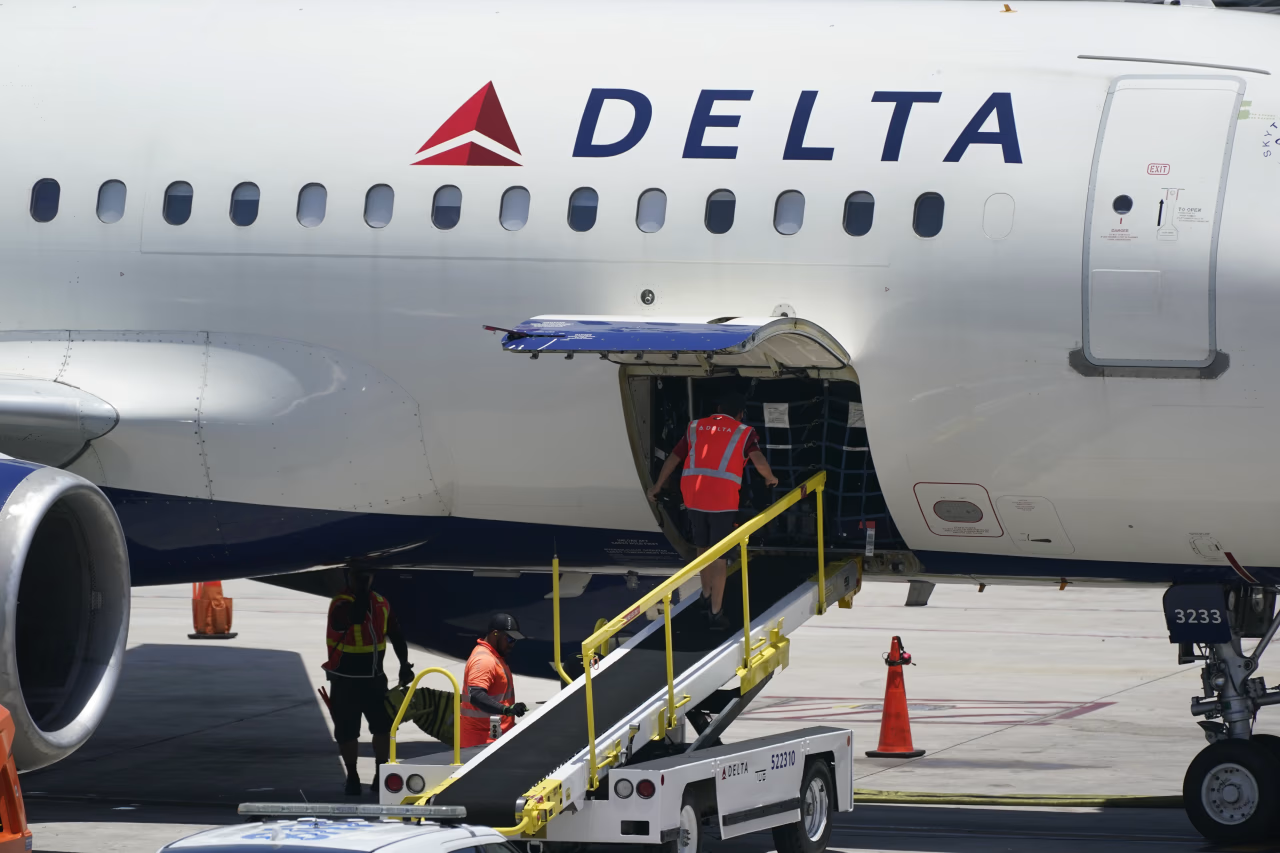
    Delta Air Lines is working around the clock to restore normal service after severe storms hammered its bustling Atlanta hub late Friday, triggering the cancellation of more than 2,800 U.S. flights across multiple carriers since Friday due to widespread weather disruptions.

    On Friday evening, a powerful line of thunderstorms—including intense lightning, quarter-inch hail, microbursts, and flash flooding—forced the evacuation of much of the FAA’s air-traffic-control tower at Hartsfield‑Jackson Atlanta International Airport. Air traffic was ground-stopped temporarily, halting arrivals and departures between 7:11 and 8:30 p.m. ET.

    Delta was forced to divert around 90 flights, cancel 581 mainline flights Saturday, and delay or inspect more than 100 aircraft for hail damage by Sunday, though cancellations dropped sharply to 56 that day.

    As Atlanta handles approximately 900 Delta flights daily, disruptions there rippled through Delta’s national network, compounding delays and cancellations in other East Coast hubs. Regional airports in Boston, New York City, Philadelphia, Washington, and Florida also saw knock-on delays—as did other carriers—pushing the total U.S. flight cancellations past 2,800.

    Delta cautioned customers to expect “several hundred more cancellations” this weekend amid continued recovery efforts.

    Delta’s Chief Customer Experience Officer Erik Snell told passengers via email: “When we fall short, we work around the clock to make it right,” and the airline set up waivers, reimbursements, and travel assistance. He expressed gratitude to the teams working to reset operations ahead of the holiday rush.

    Expedited aircraft inspections: Over 100 planes underwent hail damage checks overnight, allowing most to return to service by Saturday.

    Ground staff mobilization: Delta deployed thousands of employees to rebook passengers, support stranded travelers, and manage logistics.

    Tech-enabled communications: The Fly Delta app was instrumental in issuing real-time travel updates and rebooking options.

    Passengers today report lower wait times, though some described the initial weekend response as slow, citing long app queues and understaffed counters wsj.com.

    Industry observers warn even short-term disruptions ahead of Fourth of July travel can dent customer satisfaction and brand loyalty. In 2025, airlines are already on edge—weather, geopolitical shocks, and tech outages have weighed on revenue forecasts. Delta, for example, slashed Q1 revenue estimates by $500 million amid similar storms .

    Investors remained cautious: Delta stock dipped slightly after the storm reports, though broader industry factors—fuel prices and travel demand—are driving overall valuation .

    This incident adds to a pattern of weather- and tech-related disruptions. Delta and rivals may consider bolstering hub redundancies and weather-resilient infrastructure. This incident adds to a pattern of weather- and tech-related disruptions. Delta and rivals may consider bolstering hub redundancies and weather-resilient infrastructure. Airlines could face higher insurance costs and more pressure on customer service if such storms become more frequent or severe.

    “A single hub disruption at Atlanta cascades across the network,” says aviation analyst Karen Walker at Jane Hughes & Co. “Delta’s rapid recovery is a positive, but frequent weather shocks could force carriers to rethink their hub-and-spoke designs.”

    With the Fourth of July travel surge imminent, Delta faces a critical test: restoring reliability, rebuilding trust, and avoiding further operational hiccups. How swiftly they stabilize service in the next 48 hours will determine both passenger trust and their summer earnings trajectory.

  • Trump is defending the interests of the oil giants concerning climate regulations in EU trade discussions

    Trump is defending the interests of the oil giants concerning climate regulations in EU trade discussions

    Former U.S. President Donald Trump is intervening in current transatlantic trade negotiations to bolster American oil giants by pressuring the European Union to relax its landmark climate regulations—moves that threaten to weaken global environmental commitments.

    In recent trade discussions ahead of the July 9 deadline, Trump officials have floated proposals aimed at diluting the EU’s Corporate Sustainability Due Diligence Directive (CSDDD) and methane emissions mandates, both central to Brussels’ aggressive climate stance. These rules impose rigorous environmental and human rights oversight on companies and require verified methane caps for fossil fuel imports by 2030—a move the U.S. energy sector says could drive them out of the European market.

    Executives from ExxonMobil, including CEO Darren Woods, explicitly lobbied Trump to use trade leverage against Brussels. Private sources confirm U.S. negotiators are now urging the EU to soften or delay these regulations in exchange for tariffs relief.

    Trump has dangled a steep 50% tariff threat on EU exports if the EU doesn’t step back on its climate rules—a key tactic in forcing concessions. Meanwhile, Brussels, eager to avert a damaging tariff spike, is considering trade-off proposals such as increasing imports of U.S. LNG and adjusting methane oversight frameworks to qualify U.S. gas under equivalency schemes.

    This duel underscores a broader conflict between climate ambition and trade power: Trump’s approach aims to fuse energy dominance with economic leverage, while the EU seeks to uphold its Green Deal principles.

    Following reports of these contentious trade maneuvers, European carbon credit futures slipped approximately 1.2%, signaling investor anxiety over potential dilution of climate policy. Analysts caution that even talk of loosening methane or sustainability rules could erode confidence in the EU’s green market framework—while bolstering U.S. oil and gas margins temporarily.

    Environmental groups have sounded the alarm, labeling the U.S. push “a direct attack on the Paris Agreement,” warning that any weakening of EU standards could unravel global climate governance.

    EU Commission President Ursula von der Leyen has reaffirmed the EU’s “sovereign right” to set its own environmental rules and cautioned against ceding core Green Deal elements just to avert U.S. tariffs.

    Yet internal EU divisions bite: some leaders argue for flexibility to secure broader trade benefits, while others—like France’s Stéphanie Yon-Courtin—warn that concessions risk setting a dangerous precedent on environmental sovereignty.

    EU negotiators will decide whether to carve out limited flexibilities—such as pragmatic methane measurement standards or delayed rollout of the CSDDD—to soften U.S. trade pressure. If no deal is struck, Brussels is reportedly readying retaliatory tariffs worth up to €95 billion. This clash may redefine transatlantic relations—showing whether trade imperatives outweigh climate leadership at a critical geopolitical juncture.

    Trump’s alignment with Big Oil in EU trade talks reveals more than one-off bargaining—it spotlights a strategic confrontation over whether commercial leverage can override environmental clarity. The outcome will signal how far Washington and Brussels are willing to bend in balancing market access against the planet’s future.

  • Longtime Musk Aide and “Fixer” Omead Afshar Departs Tesla Amid Sales Slump

    Longtime Musk Aide and “Fixer” Omead Afshar Departs Tesla Amid Sales Slump

    Omead Afshar, a veteran Tesla executive long known as Elon Musk’s personal “fixer,” has quietly exited the company, marking a notable shift in the automaker’s leadership structure.

    Afshar—who joined Tesla in 2017 and rose to prominence by overseeing the Texas Gigafactory construction and serving in the Office of the CEO—had recently been appointed vice president of sales and manufacturing for North America and Europe back in October 2024. However, he has now left amid one of the most challenging periods in Tesla’s recent history: global vehicle deliveries fell by 13% in Q1 2025, European deliveries plunged ~40% in May, and profitability dropped sharply by 71%.

    According to reports, Afshar’s name disappeared from Tesla’s internal directory, and he has ceased all corporate communication channels. The Wall Street Journal and Reuters attribute his departure to the broader struggles Tesla is facing—especially increased competition from Chinese EV makers and scrutiny over Elon Musk’s political entanglements. His exit aligns with other high-profile resignations, including that of North America HR head Jenna Ferrua and Milan Kovac, former VP of Optimus robotics.

    Notably, his departure comes just days after he posted praise for the Austin robotaxi pilot on X: “Absolutely historic day for Tesla… Thank you, Elon, for pushing us all!” .

    Tesla shares, which have fallen roughly 19% year‑to‑date, saw a brief dip following news of Afshar’s exit but stabilized shortly thereafter. Analysts say the move is likely meant to reassure investors that Tesla’s board is taking concrete action to arrest the operational slide.

    Second-quarter delivery results, due next week, will be under intense scrutiny. Equity analysts project a further 10% drop in deliveries—potentially to around 392,800 vehicles globally for Q2—compared to 443,956 units last year.

    Benchmark analyst remarks suggest longer-term confidence remains tied to Tesla’s ambitious pivot toward AI and autonomy, such as the robotaxi program and Optimus humanoid initiative—even as traditional sales sag.

    Tom Zhu, Tesla’s global automotive head, is expected to temporarily absorb Afshar’s duties for North America and Europe—he already heads the Asia‑Pacific operations, reported WSJ.

    Industry watchers view Afshar’s exit as part of a broader restructuring effort that aligns with Tesla’s shift toward AI and robotics.

    With aging legacy models and mounting competition from both Western and Chinese automakers, Tesla is under pressure to roll out new products or aggressive pricing to regain market share.

    Omead Afshar’s departure represents more than a personnel change—it reflects Tesla’s accelerating pivot away from conventional automotive dominance to a future defined by autonomy, robotics, and AI. Whether this signals a rejuvenation or further fragmentation remains to be seen. Q2 delivery results will be a key indicator.

  • Six people have been detained by police outside Palantir’s office during a protest concerning deportations and military contracts

    Six people have been detained by police outside Palantir’s office during a protest concerning deportations and military contracts

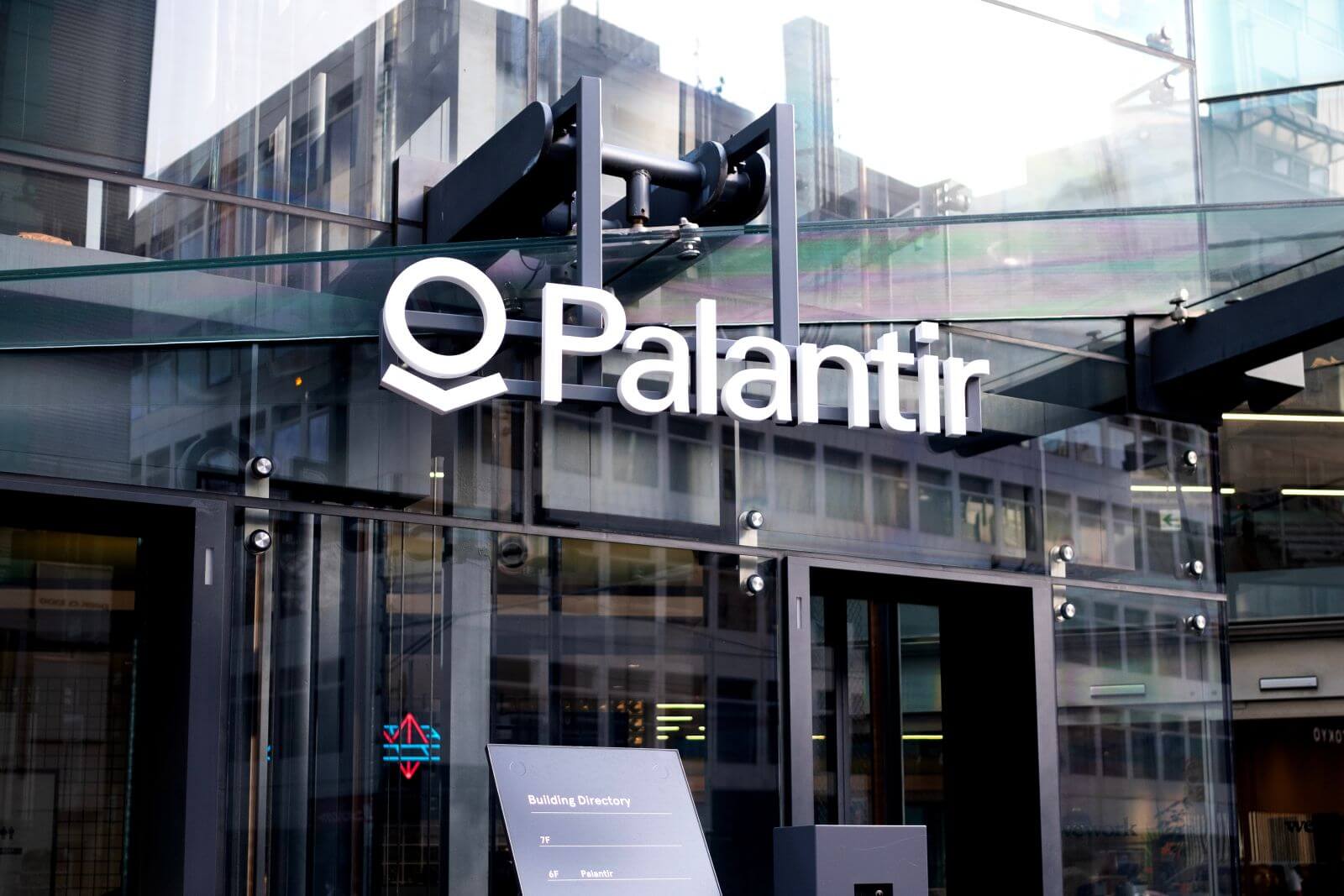
    Six people were taken into custody by police on Thursday as a group blocked the entrance to the New York office of Palantir to protest the tech company’s work for the U.S. Immigration and Customs Enforcement agency, the Israeli military and other efforts.

    More than 30 people participated in the protest, according to Planet Over Profit, the group that organized the demonstration in the Chelsea section of Manhattan.

    The New York Police Department had no immediate comment when asked if the six detained protestors were charged.

    Planet Over Profit said all six were released later in the morning.

    Planet Over Profit, in a statement, said it objected to Palantir’s “turbocharging ICE deportations, complicity in the genocide of Palestinians and plans to massively expand surveillance of every U.S. resident.”

    “Palantir’s tech programs are being used to deport our neighbors, kill civilians in Gaza, enhance oil extraction, and deny health insurance claims,” the group told CNBC.

    “If your company kills for profit, we will disrupt you,” a spokesperson added.

    Palantir did not immediately respond to CNBC’s request for comment.

    Palantir was co-founded by billionaire Peter Thiel and its current CEO Alex Karp, who donated $1 million to President Donald Trump’s inauguration fund. The firm has garnered attention for its defense and software contracts with the government.

    In April, ICE paid the company $30 million to provide the agency with “visibility” on people self-deporting, according to federal documents.

    Karp told CNBC news in March 2024 that some Palantir employees had left the company because of his public support for Israel, and that he expected more would leave for the same reason.

    During an earnings call a month earlier, Karp said he was “exceedingly proud” that Palantir was “on the ground” in Israel on the heels of the Oct. 7, 2023, attacks by Hamas. He also said Palantir was “involved in operationally crucial operations in Israel.”

    Shares of the company have rallied 500% over the past year and hit a new high for the year to date on Wednesday morning.