Category: Business

  • Turns out California’s $20 minimum wage increase cut 18,000 jobs, a study shows

    Turns out California’s $20 minimum wage increase cut 18,000 jobs, a study shows

    A new economic study released this month by the National Bureau of Economic Research (NBER) has found that California’s landmark $20-an-hour minimum wage law for fast food workers has resulted in the loss of approximately 18,000 jobs in the state’s fast-food sector—representing a 3.2% decline compared to similar employment trends nationwide.

    The research, conducted by economists Jeffrey Clemens, Olivia Edwards, and Jonathan Meer, examined employment data before and after the implementation of Assembly Bill 1228 (AB 1228), which was signed into law by Governor Gavin Newsom in April 2024 and took effect on April 1, 2024. Prior to the law, California’s minimum wage for fast food workers stood at $16 per hour.

    “Our median estimate translates into a loss of 18,000 jobs in California’s fast-food sector relative to the counterfactual,” the researchers wrote.

    • Fast-food employment in California fell by 2.3% to 3.9%, depending on the model used.
    • Nationally, fast-food employment grew by approximately 0.10% during the same period.
    • Prior to AB 1228’s enactment, California’s fast-food industry was tracking closely with national employment trends.
    california gov gavin newsom calls 108740141
    California Gov. Gavin Newsom speaks to reporters in Sacramento, Calif. on July 25, 2025. © AP

    The authors concluded that the job losses occurred despite overall economic stability in the state and growth in other employment sectors. The wage hike coincided with a period of expansion in the broader U.S. labor market, making the contraction in California’s fast-food sector more striking.

    In response to rising labor costs, many franchise owners across California have either reduced staff, cut hours, or turned increasingly toward automation and digital kiosks to offset payroll pressures.
    Fast food giants like McDonald’s, Wendy’s, and Jack in the Box have begun piloting AI-drive-thru systems and robotic food preparation stations, according to internal industry reports.

    Private equity firms and hospitality-focused investment funds are now closely watching regulatory movements in California and beyond, with some advising caution before expanding labor-intensive operations in high-wage jurisdictions.

    In the stock market, fast food restaurant chains with a heavy California footprint have experienced mixed performance. While some brands have maintained stability due to menu price adjustments, others have seen narrowing profit margins.

    A Q2 earnings report from a California-based Yum! Brands franchisee cited labor costs increasing by 18% year-over-year, with executives forecasting continued pressure through 2026.

    Critics of the law say the findings validate long-held concerns about minimum wage mandates in highly competitive, low-margin sectors.

    Rachel Greszler, an economic analyst for The Heritage Foundation, wrote in a recent Daily Signal op-ed:

    “When it comes to central planning, history keeps the receipts: Wage controls never work… The consequences of this wage hike should be a warning sign—especially for cities like Los Angeles, which recently passed a $30 wage law for airport and hotel workers.”

    GettyImages 626451280
    McDonald’s employees on strike rally for higher minimum wage in Los Angeles, Calif. on Nov. 29, 2016. © Getty Images

    In a Monday editorial, The Wall Street Journal called the idea that a major wage increase would spur economic growth “magical thinking.” The editorial also criticized New York City mayoral candidates Andrew Cuomo and Zohran Mamdani, both of whom support similarly aggressive wage proposals.

    “These guys will never learn because they don’t want to see the world as it really is,” the WSJ board wrote.

    Tara Gallegos, Deputy Director of Communications for Governor Newsom, dismissed the study’s conclusions, noting its links to the Hoover Institution, which she claims has a record of publishing “misleading information” on labor issues.

    Gallegos pointed to a February 2025 study from UC Berkeley that analyzed employment data from April to December 2024, which found:

    • Wages increased 8–9% for covered workers.
    • No negative effects on non-covered workers or overall fast-food employment.
    • Number of fast-food establishments grew faster in California than elsewhere.
    • Menu prices increased modestly—by only 1.5% on average, or about $0.06 on a $4 hamburger.

    Gallegos also cited an article from the San Francisco Chronicle (Oct. 2024) that said many of the doomsday predictions around AB 1228 “did not materialize.”

    The Fast Food Council, created under AB 1228, has the authority to raise the minimum wage annually beginning January 1, 2025. This has raised new questions from both businesses and economists about the long-term viability of California’s fast-food sector under escalating labor costs.

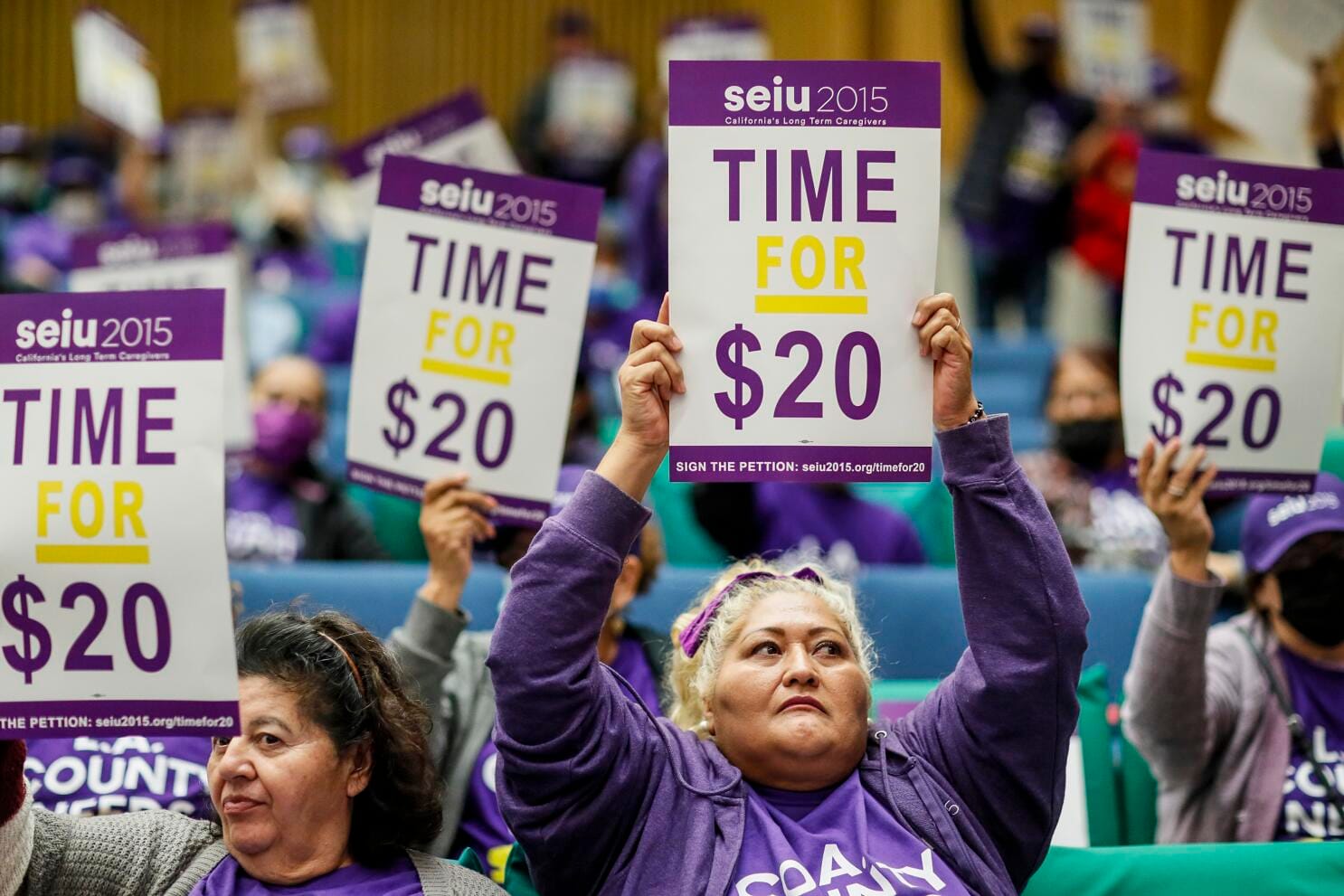
    Labor unions, including the Service Employees International Union (SEIU), maintain that the $20 wage has lifted thousands of workers out of poverty and boosted local economies via increased consumer spending.

    Meanwhile, employers, especially small-business franchisees, warn that without offsetting subsidies, tax breaks, or exemptions, continued hikes may further drive automation and business closures.

    As cities like Los Angeles move toward even higher minimums ($30 by 2028), California appears poised to remain the national battleground in the debate over wage policy and economic trade-offs.
  • Elon Musk’s ‘retro-futuristic’ Tesla Diner opens in Hollywood, featuring Optimus robots and Cybertruck-themed food boxes

    Elon Musk’s ‘retro-futuristic’ Tesla Diner opens in Hollywood, featuring Optimus robots and Cybertruck-themed food boxes

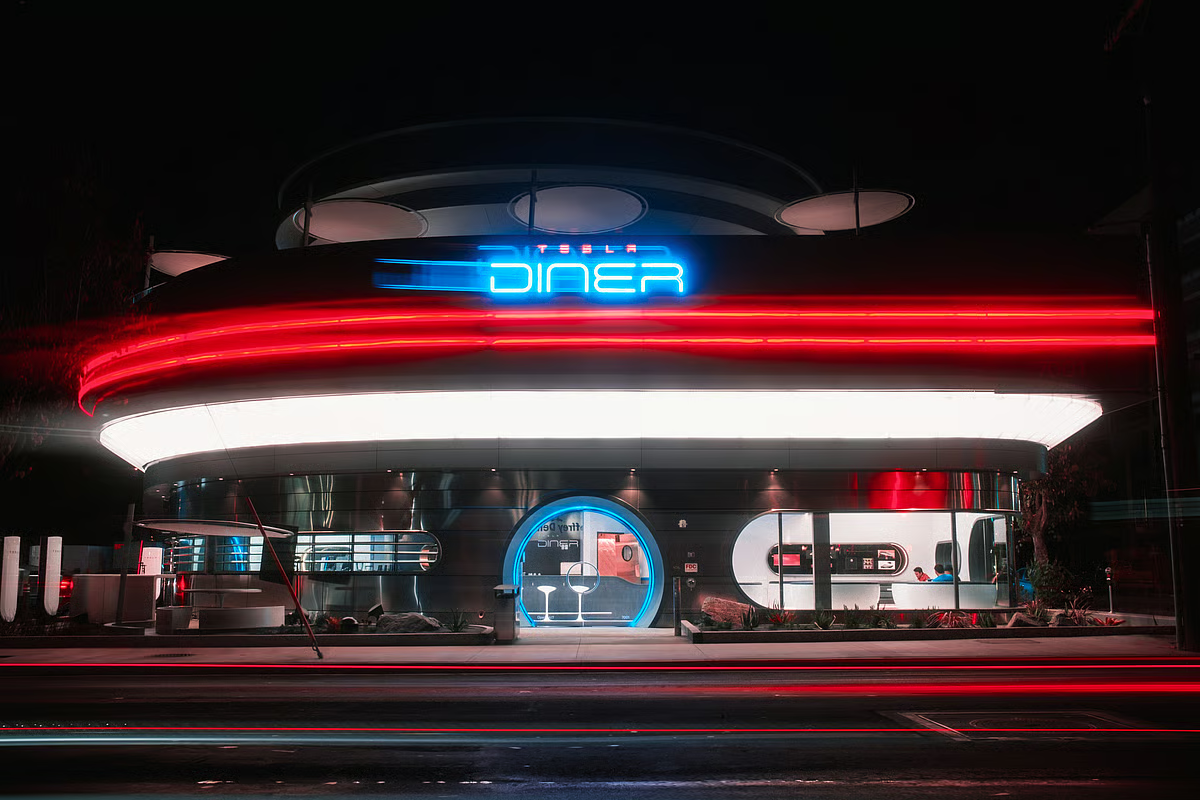
    Elon Musk’s Optimus robots greeted hungry fans as the mogul’s long-awaited Tesla Diner finally opened its “retro-futuristic” doors along the famed Hollywood strip. 

    The all-night drive-in offers “80 V4 Supercharger stalls” and two giant entertainment screens — where Tesla’s humanoid Optimus robots handed out popcorn to customers who showed up for Monday’s debut.

    The location opened up for orders at 4:20 p.m. local time Monday – Musk’s favorite marijuana-themed reference.

    people wait line opening tesla 108532241
    People wait in line during the opening of the Tesla Diner and Drive-In restaurant and Supercharger on Santa Monica Blvd in the Hollywood neighborhood Los Angeles, California on July 21, 2025. © AFP via Getty Images

    The Tesla CEO shared a number of posts touting the Tesla Diner’s features and urged customers to “try it out.”

    “Aiming to be a fun experience for all, whether Tesla owners or not. Will keep improving,” Musk wrote on X.

    The menu features a number of classic options with locally sourced ingredients, including fried chicken and waffles, a Tesla burger and a Diner club sandwich.

    Some diners received their food in “Cybertruck”-themed boxes resembling Tesla’s stainless steel pickup trick. Cups and cartons of fries featured a distinctive Tesla lightning bolt logo.

    If the original diner concept is successful, Musk said in separate post that Tesla would “establish these in major cities around the world, as well as Supercharger sites on long distance routes.”

    Musk has teased his diner concept online for several years.

    tesla cybertruck inspired food boxes 108532228
    Tesla Cybertruck food boxes were given to customers. © AFP via Getty Images
    tesla cybertruck inspired food boxes 108532228
    Tesla Cybertruck food boxes were given to customers. © AFP/Getty Images
    staffed robots burgers served cybertruck 108533035
    Tesla’s Optimus robots greeted customers and handed out popcorn. © Tesla Club- SoCal / SWNS

    In 2023, Tesla gained approval to move forward with construction on Santa Monica Blvd.

    Customers are able to watch movies on the diner’s giant screens or in their own vehicles by accessing the Tesla diner app.

    Tesla shares were up about 1% in trading Tuesday.

    Musk has refocused his efforts on Tesla after stepping back from President Trump’s Department of Government Efficiency.

    2025 los angeles california futuristic 108537618
    The Tesla Diner was described as a retrofuturistic experience. © ZUMAPRESS.com

    The two had a public falling-out over the president’s “Big Beautiful Bill,” with Musk even declaring plans to launch his own political party.

    Meanwhile, Tesla is looking to reverse a recent vehicle sales slump.

    Musk has touted the long-term prospects of the company’s technology, especially its Optimus robots and self-driving Robotaxi fleet, which recently debuted in Austin, Texas.

  • HPE is owed nearly $1 billion by the estate of U.K. tycoon Mike Lynch, who died after his luxury yacht sank

    HPE is owed nearly $1 billion by the estate of U.K. tycoon Mike Lynch, who died after his luxury yacht sank

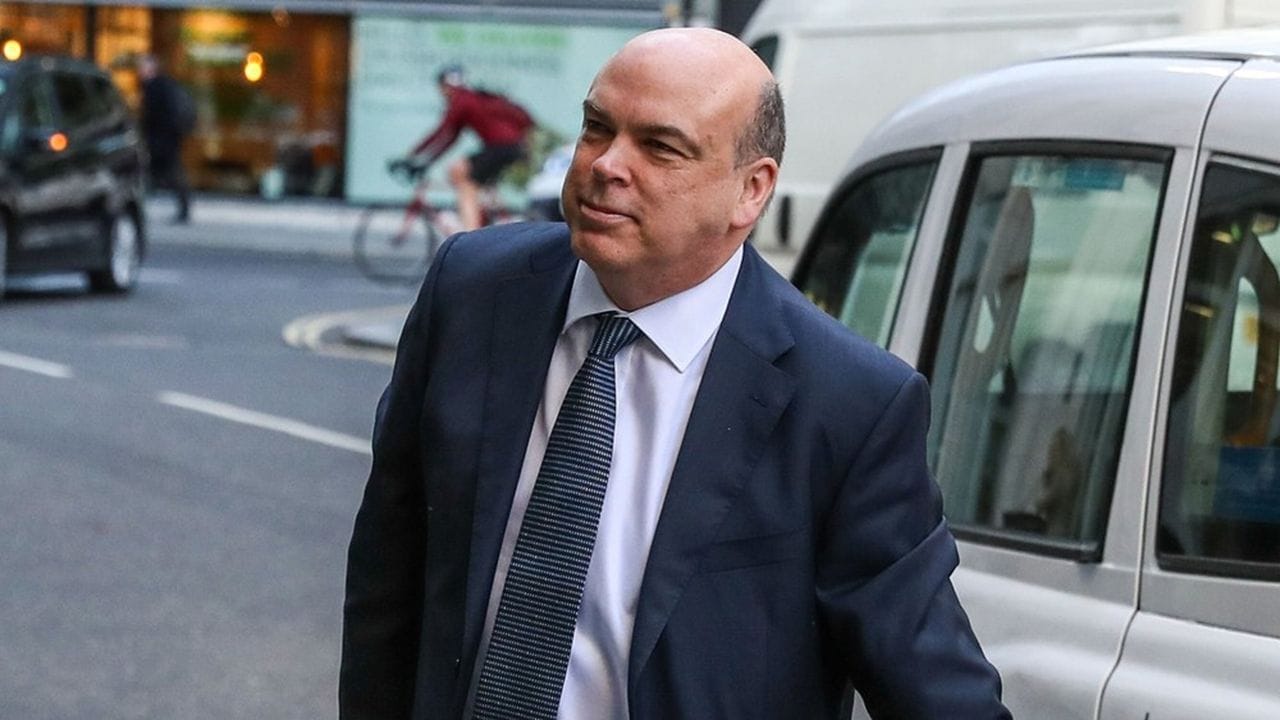
    Hewlett Packard is owed nearly $1 billion by the estate of the late Mike Lynch and his former business partner over HP’s acquisition of their British software firm Autonomy, London’s High Court ruled on Tuesday.

    HP was seeking to recoup its losses from Lynch – who died last year when his luxury yacht sank off Sicily– and Autonomy’s former chief financial officer, Sushovan Hussain.

    The technology giant welcomed Tuesday’s ruling, which said HP was owed $944 million in relation to the difference between the price it paid and the price it would have paid for Autonomy had it known its “true financial position.”

    In addition, HP is entitled to another $47.5 million for losses suffered by Autonomy group companies in relation to hardware sales and other transactions.

    A spokesperson for Lynch’s family released a statement, which the spokesperson said Lynch prepared last year before his death, having seen a draft of Tuesday’s long-delayed ruling. 

    Lynch said in the statement that the judgment showed HP’s initial claim for up to $5 billion was a “wild overstatement.”

    A further hearing will take place in November, to determine any applications for permission to appeal and how damages to be paid will be divided between Lynch’s estate and Hussain, with whom HP settled earlier this year.

    HP sued Lynch and Hussain in 2015, accusing them of masterminding an elaborate fraud to inflate the value of Autonomy, which HP bought for $11.1 billion in 2011.

    The deal spectacularly unraveled in less than a year and HP wrote down Autonomy’s value by $8.8 billion within a year before bringing a $5 billion lawsuit against Lynch and Hussain in London.

    ‘Considerably less’

    The High Court ruled in HP’s favor in 2022, though a judge said the company would receive “considerably less” than $5 billion.

    Lynch, once hailed as Britain’s answer to Bill Gates, had always maintained his innocence and blamed HP for failing to integrate Autonomy into the company.

    He was acquitted of criminal charges over the deal in the US and had intended to appeal the High Court’s 2022 ruling, a process which was on hold pending Tuesday’s decision on damages.

    Judge Robert Hildyard ruled that HP would have paid 23 pounds a share, rather than the 25.50 pounds it actually paid, when it bought Autonomy.

    HP had been seeking up to $4 billion, its lawyers said at a hearing last year.

  • Coca-Cola to launch new version of Coke sweetened with U.S.-grown cane sugar

    Coca-Cola to launch new version of Coke sweetened with U.S.-grown cane sugar

    Coca-Cola said it will roll out a new version of its signature soft drink that will be sweetened with cane sugar instead of corn syrup — days after President Trump posted about it on social media.

    “As part of its ongoing innovation agenda, this fall in the United States, the company plans to launch an offering made with US cane sugar to expand its Trademark Coca-Cola product range,” the company said in a Tuesday statement.

    The Coke made with US cane sugar will complement the company’s existing product line, the Atlanta-based company added.

    Coca-Cola produced for the US market is typically sweetened with corn syrup, while the company uses cane sugar in some other countries, including Mexico and various European countries.

    The Tuesday announcement came days after President Donald Trump wrote on Truth Social that he had “been speaking to Coca-Cola about using REAL Cane Sugar in Coke in the United States, and they have agreed to do so.”

    Trump — who is famously an avid consumer of Diet Coke — also said, “This will be a very good move by them — You’ll see. It’s just better!”

    Coca-Cola initially stopped short of confirming Trump’s post. The company told NBC News last week that it appreciated Trump’s “enthusiasm for our iconic Coca-Cola brand” but that “details…will be shared soon.”

    In the United States, Coca-Cola made with cane sugar is colloquially known as “Mexican Coke” as it’s often imported from the United States’ southern neighbor.

    Coca-Cola CEO James Quincey discussed the coming product on an earnings call Tuesday morning, telling investors that the company already uses cane sugar in the company’s tea, lemonade, coffee and Vitamin Water offerings.

    “I think that it will be an enduring option for consumers,” he said.

    “We are definitely looking to use the whole toolkit of available sweetening options where there are consumer preferences.”

    The Trump administration’s “Make America Healthy Again” initiative, named for the social movement aligned with Health and Human Services Secretary Robert F. Kennedy Jr., has pushed food companies to alter their formulations to remove ingredients like artificial dyes.

    But medical experts warn that health outcomes may not change with the switch in sweetener.

    Dr. Dariush Mozaffarian, a cardiologist and director of the Food is Medicine Institute at the Friedman School of Nutrition Science and Policy at Tufts University, told NBC News that “both high fructose corn syrup and cane sugar are about 50% fructose, 50% glucose, and have identical metabolic effects.”

    “That is, both can equally raise the risk for obesity, diabetes, high triglycerides and blood pressure,” he said, adding that “both provide the same number of calories, but the body processes them differently.”

    The move to transition to cane sugar was also met with pushback from agricultural interests.

    John Bode, the CEO of the Corn Refiners Association, said last week that “replacing high fructose corn syrup with cane sugar doesn’t make sense” given Trump’s support of American farmers.

    “Replacing high fructose corn syrup with cane sugar would cost thousands of American food manufacturing jobs, depress farm income, and boost imports of foreign sugar, all with no nutritional benefit,” he added in a statement.

    Sourcing could also be a factor. US cane sugar is primarily produced in Texas, Florida and Louisiana, according to the Agriculture Department. However, domestic production accounts for only 30% of total US sugar supply. The rest comes from sugar beets or is imported.

    Trump has long tied himself publicly to Coca-Cola products. In 2012, he said on Twitter that Coke was not happy with him but “that’s ok, I’ll still keep drinking that garbage.”

    Trump also wrote on social media the same year that drinking Diet Coke “makes you happy.”

    In January, Quincey traveled to Trump’s Mar-a-Lago resort and presented him with a custom bottle commemorating his upcoming inauguration.

    “President Trump pledged to Make America Healthy Again, and that starts with what we eat and drink,” White House spokesperson Kush Desai told The NY Budgets.

    “The Trump administration is committed to partnering with food and beverage companies to expand options for the American people.” 

    The NY Budgets has sought comment from HHS, Coca-Cola and the Corn Refiners Association.

  • Billionaire Charles Cohen could lose his wine collection, mansions, superyachts, and Ferraris over loan defaults

    Billionaire Charles Cohen could lose his wine collection, mansions, superyachts, and Ferraris over loan defaults

    Cohen Media Group CEO Talks Juggling Film Distribution With Theater Renovations and Real Estate. © ANNIE TRITT/The NewYorkBudgets
    Cohen Media Group CEO Talks Juggling Film Distribution With Theater Renovations and Real Estate. © ANNIE TRITT/The NewYorkBudgets

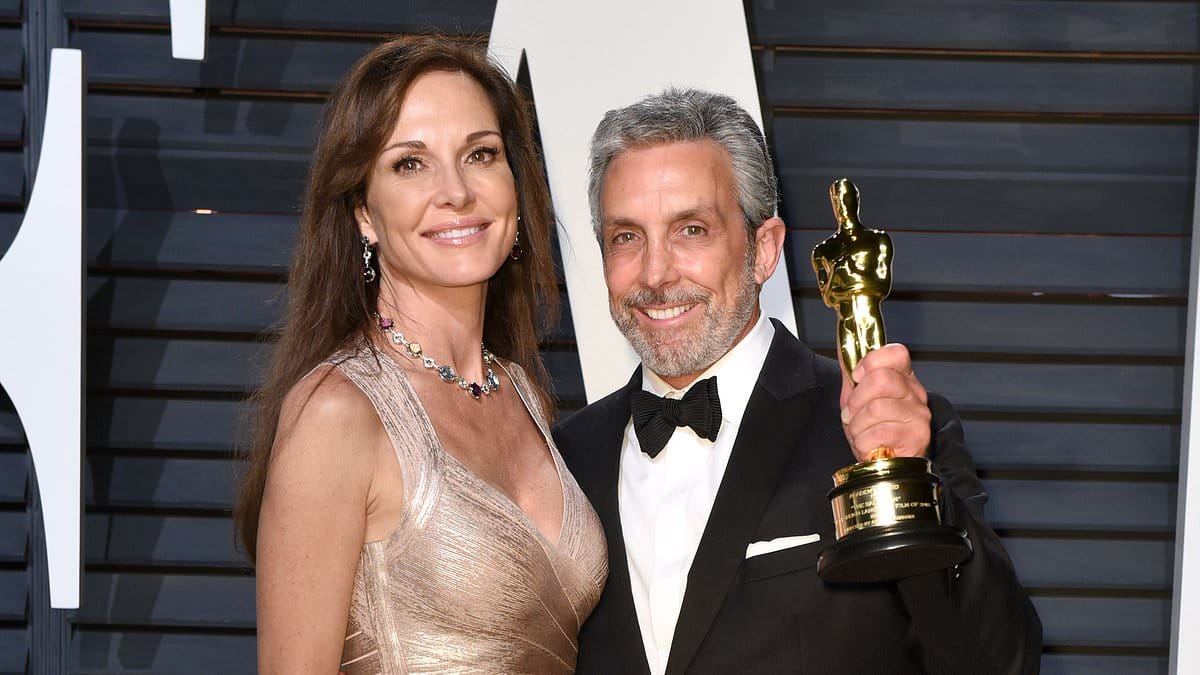
    Real estate mogul and billionaire Charles Cohen is now embroiled in a high-stakes legal battle that could strip him of a lavish portfolio of luxury assets, including his prized superyacht, multimillion-dollar car collection, and an expansive vineyard estate in France. The showdown stems from a soured $535 million loan tied to his real estate empire — a collapse that has triggered aggressive legal action by Fortress Investment Group, one of Wall Street’s heavyweight lenders WSJ reported.

    At 73, Cohen — whose net worth is estimated near $2 billion — is fighting to retain control of his personal and corporate holdings amid mounting legal and financial pressure. Fortress, backed in part by Abu Dhabi’s Mubadala Capital, has accused Cohen of defaulting on a massive 2022 real estate loan issued to his firm, Cohen Realty Enterprises. The lawsuit has opened a floodgate of asset seizures and sparked a high-profile legal standoff in courts across New York and Europe.

    charles cohen president ceo cbrc 108506771
    Billionaire real estate mogul Charles Cohen in 2015. © Los Angeles Times/Getty Images

    From Luxury to Liability: Fortress Strikes Back

    The original loan was secured with a slate of high-value commercial properties, including:

    • A Manhattan office tower,
    • The Le Méridien Dania Beach hotel in Fort Lauderdale, Florida,
    • Four other commercial real estate assets.

    But a critical clause in the agreement — a personal guarantee for $187.2 million — has brought Cohen himself into the legal spotlight. Fortress claims that after Cohen’s firm defaulted in March 2024, the collateral proved insufficient to cover the balance. That enabled the firm to target Cohen’s personal holdings — a pursuit now expanding into his private lifestyle empire.

    83420 la croix valmer france 108506933
    Charles Cohen’s Château de Chausse in Provence. © Google Maps

    Fortress has already seized significant portions of Cohen’s assets, including:

    • Hundreds of thousands of dollars in artwork, decor, and fine wines from his 138-acre Château de Chausse vineyard estate in France’s Provence region.
    • Legal rights to pursue 25 luxury cars, including two Ferraris.
    • Restraints on brokerage accounts owned by Cohen and close family members.
    • Seizure attempts of luxury residences in Greenwich, Connecticut and the south of France.
    • A 220-foot superyacht valued at nearly $50 million, currently detained in an Italian port, reportedly moved under his wife’s name — a transfer Fortress calls an attempt to dodge enforcement.

    Cohen’s Defense: Planning or Evasion?

    Cohen denies any wrongdoing and insists his asset transfers were part of estate and tax planning — not an effort to obstruct creditors. In a French court case involving the vineyard estate, a judge ruled in Cohen’s favor. During a February deposition, he described Fortress’ persistence as aggressive and relentless:

    “They keep pecking at us, like a bird would peck at something,” he said. “Enough was never enough.”

    His attorneys argue that Fortress is engaging in harassment, pointing to the freezing of his personal accounts and those of his mother and sister. Cohen has also accused Fortress of reneging on a verbal extension deal. According to him, a handshake agreement was in place for another extension on the loan repayment. Fortress denied the claim, and both the New York State Supreme Court and the appellate division ruled in the lender’s favor.

    charles s cohen clodagh margaret 108506680
    Charles Cohen and wife Clodagh “Clo” Margaret Jacobs. © Gareth Cattermole/Getty Images/Warner Bros.

    “Defendant’s statements that the parties understood that the December emails were a binding agreement…were self-serving and unsubstantiated,” the court wrote.

    A Market-Driven Collapse

    The legal chaos reflects a broader real estate downturn that began during the pandemic. Charles Cohen’s portfolio — heavily invested in office space and movie theaters — was among the hardest hit. While many developers handed properties back to lenders, Cohen attempted to weather the storm. He restructured his loan with Fortress multiple times, but persistent declines in commercial real estate values left him exposed.

    le m ridien dania beach 108506746
    Le Méridien Dania Beach hotel in Fort Lauderdale. © Google Maps

    Fortress, now under pressure to recover funds for its investors, says it had no alternative but to enforce the personal guarantees after the final default.

    “Fortress is left with no choice but to begin enforcing its judgment against Cohen’s assets,” the firm said in court filings.

    Cohen Countersues, but the Clock Is Ticking

    Cohen’s firm has filed a countersuit against Fortress, but with courts already siding with the investment firm and asset seizures underway, the billionaire appears to be on the defensive. He is now racing to sell off remaining properties to raise capital and settle his debts.

    Neither Fortress nor Cohen’s legal team have commented further, as proceedings continue in New York and Europe.

    This unfolding case underscores growing investor concerns about the fragility of highly-leveraged real estate empires amid prolonged weakness in the commercial property market. For financial institutions, it highlights the rising importance of strict collateral enforcement — especially when dealing with billionaire borrowers. For the luxury market, Cohen’s forced liquidation could inject rare high-end assets into global auctions — from superyachts and fine wines to luxury estates — potentially altering pricing dynamics.

    As Fortress accelerates enforcement, the case could also set a precedent on personal guarantee enforcement in complex corporate loans, especially in cross-border financial arrangements involving ultra-high-net-worth individuals.

    Stay with New York Budget for continued coverage of this developing legal and financial story.

  • CBS canceled ‘The Late Show’ due to tens of millions in annual financial losses — not because of Stephen Colbert’s politics, sources say

    CBS canceled ‘The Late Show’ due to tens of millions in annual financial losses — not because of Stephen Colbert’s politics, sources say

    CBS brass say they pulled the plug on “The Late Show with Stephen Colbert” because of its punishing losses — pegged between $40 million and $50 million a year — and claim politics had nothing to do with it, The Post has learned.

    The 61-year-old host got canned just days after he took a dig at the Tiffany Network over its $16 million settlement with Donald Trump over a controversial “60 Minutes” interview with Kamala Harris as the network’s parent Paramount negotiates with the Trump administration regulatory approval for its $8 billion sale to independent studio Skydance.

    “I am offended, and I don’t know if anything will ever repair my trust in this company,” Colbert said of the truce in his Monday night monologue.

    “But just taking a stab at it, I’d say $16 million would help.”

    ‘Gets no advertising’

    But scathing jokes at the expense of CBS brass wasn’t the problem, according to insiders. 

    Instead, the network’s bosses could no longer stomach the fact that Colbert has been plagued with an increasingly dire shortage of advertisers.

    That’s despite Colbert’s No, 1 ratings in his time slot and his status as a key face for the Tiffany Network. 

    In the end, Paramount’s co-CEO George Cheeks decided to kill the show, sources said.

    “Colbert gets no advertising and late night is a tough spot,” said a person with direct knowledge of CBS’s decision. 

    “Colbert might be No. 1, but who watches late night TV anymore?”

    Some Democrats voiced suspicion, citing the host’s left-wing leanings and CBS owner Paramount’s urgent need to gain an OK from the Trump administration for the merger with Skydance, the Hollywood studio behind the “Mission: Impossible” franchise.

    LSCBS
    People walk past the Ed Sullivan Theater, where “The Late Show with Stephen Colbert” is taped, in New York. (AP)

    “CBS canceled Colbert’s show just THREE DAYS after Colbert called out CBS parent company Paramount for its $16M settlement with Trump — a deal that looks like bribery,” lefty Sen. Elizabeth Warren wrote on X.

    “America deserves to know if his show was canceled for political reasons.”

    Skydance CEO David Ellison is the son of Donald Trump pal and tech billionaire Larry Ellison. 

    As The Post first reported, CBS just paid $16 million to Trump and has agreed to run millions of dollars more in MAGA-friendly ads to settle the president’s lawsuit alleging that “60 Minutes” deceptively edited its 2024 interview with Kamala Harris to make her look better.

    Trump, meanwhile, celebrated Colbert’s canning in a Friday morning post on Truth Social.

    “I absolutely love that Colbert got fired,” the president wrote.

    “His talent was even less than his ratings. I hear Jimmy Kimmel is next. Has even less talent than Colbert!”

    Fervent denials

    But despite Ellison’s Trump ties, sources said Skydance and its partners at Redbird Capital — the private equity firm that will help run CBS once the deal is cleared — only heard the news of the show’s impending cancellation just before it was announced late Thursday.

    “Skydance had nothing to do with this,” one person close to the decision said. 

    “Colbert loses $40 million to $50 million a year, so George Cheeks just decided to pull the plug.”

    The show’s dominance in its time slot belies sharp declines in viewership as younger viewers move away from traditional TV.

    “The Late Show” boasts nearly 2 million total viewers and 200,000 viewers in the key 25-24 “demo” — making it No. 1 in its time slot.

    Nevertheless, that’s a sharp decline versus the numbers it racked up in its heyday. 

    The ad data firm Guideline estimates that CBS’s late-night shows together drew $220 million in ad revenue in 2024 — just half the $439 million they drew in 2018.

    RedBird’s Jeff Shell, the former head of NBCUniversal who will run the network once the deal is done, has been crunching the numbers and finding that CBS is a “melting ice cube” with its losses and cost overruns, a source said.

    ‘Truth-based’ turn

    The plan is to enhance CBS Sports and invest in “truth-based” news at a network that conservatives have long ripped for its alleged liberal bias.

    A Paramount spokesman declined to comment and would not deny that massive losses were tied to the show’s cancellation.

    Trump’s lawsuit was impeding the approval of the deal by the Trump Federal Communications Commission. 

    The Post has learned that Ellison is now telling people that with the lawsuit settled the Skydance-Paramount deal will get FCC approval by mid-August.

    While Ellison is predicting imminent regulatory approval, it will come at a cost: FCC chairman Brendan Carr is likely to demand conditions to remedy what he believes is left-wing news bias in programming that violates agency “public interest” rules that govern local broadcasting as opposed to cable.

  • TSMC Stock Rises. Outlook Is Bright as the AI Chips Boom Outweighs Tariff Fears

    TSMC Stock Rises. Outlook Is Bright as the AI Chips Boom Outweighs Tariff Fears

    Shares of Taiwan Semiconductor Manufacturing Company (NYSE: TSM) climbed Thursday after the world’s largest contract chipmaker reported record-breaking second-quarter profits, driven by booming demand for artificial intelligence (AI) chips. Despite global currency headwinds and rising concerns over U.S. tariff policy, investors appear confident that AI tailwinds will continue to drive TSMC’s growth for the foreseeable future.

    TSMC reported net income of $9.4 billion for Q2 2025, a new quarterly record and up 22% from a year earlier. Revenue came in at $20.2 billion, also beating analysts’ expectations, as the company continued to benefit from its dominant position as the manufacturer of choice for advanced chips powering everything from AI data centers to smartphones and autonomous vehicles.

    The earnings beat was largely attributed to explosive demand for high-performance chips used in AI training and inference—particularly from major clients like Nvidia, AMD, and Apple.

    “AI is no longer just a future growth theme—it’s here, and it’s driving volume at the cutting edge,” said CEO C.C. Wei during TSMC’s earnings call. “Our 3nm and 5nm technologies are in high demand, and we expect this momentum to accelerate into 2026.”

    TSMC’s advanced technology nodes (5nm and below) now make up nearly 59% of total wafer revenue, a significant increase from 48% a year ago.

    Following the earnings release, TSMC’s ADRs rose 3.6% to close at $168.42, marking their highest level since February. The company also issued a bullish outlook for Q3, projecting revenue between $21.0 billion and $21.8 billion, and a gross margin between 52.5% and 54%—stronger than Wall Street estimates.

    Analysts hailed the results as another signal that TSMC remains central to the global semiconductor supply chain, especially as AI workloads expand across cloud, edge, and enterprise infrastructure.

    “TSMC continues to deliver operational excellence while capitalizing on the AI supercycle,” said Chris Danvers, semiconductor analyst at EverBright Research. “Even with external risks, their pricing power and technological leadership remain unmatched.”

    One shadow over the otherwise sunny outlook is the growing uncertainty surrounding U.S. trade policy. Washington has been evaluating new tariffs on high-end chip imports as part of broader efforts to bolster domestic manufacturing and reduce dependency on Asia. While Taiwan has historically enjoyed favorable treatment, policy shifts could still impact TSMC’s U.S. customer base and logistics.

    Still, company executives downplayed the immediate risk of trade restrictions, stating that long-term supply agreements and geographically diversified facilities—including TSMC’s new Arizona fab—provide a cushion against potential policy shocks.

    “We’re monitoring the policy environment closely,” said CFO Wendell Huang, “but our global footprint positions us well for resilience and flexibility.”

    TSMC acknowledged that a stronger Taiwan dollar and volatile foreign exchange rates trimmed its revenue slightly in USD terms, but not enough to derail its earnings beat. Operational efficiency and high-margin AI-related products helped protect its bottom line.

    The company’s gross margin for Q2 was 53.9%, up from 51.5% last quarter, reinforcing investor confidence in its ability to maintain profitability even amid macroeconomic uncertainty.

    TSMC reiterated its 2025 capital expenditure forecast of $32–$36 billion, underscoring its aggressive push to expand capacity at the leading edge. Much of this investment is tied to facilities in Taiwan, Japan, and the United States.

    Notably, the company’s U.S.-based Arizona plant, expected to begin partial operations in late 2025, is seen as a strategic hedge against geopolitical risk and U.S. localization pressures.

    TSMC’s stock has gained more than 47% year-to-date, outperforming the broader semiconductor index (SOX) and peer rivals such as Intel and Samsung. The strong Q2 print and guidance are expected to drive bullish revisions to analyst targets.

    Currently, 29 of 33 analysts tracking the stock rate it a “Buy” or “Strong Buy,” according to Bloomberg data.

    TSMC’s record-breaking second quarter confirms its unmatched position at the heart of the AI chip boom. While global economic pressures and geopolitical tensions continue to loom, the company’s cutting-edge technology, diversified client base, and bold capital investments are positioning it for long-term dominance.

    As artificial intelligence continues to expand across industries and continents, TSMC stands not just as a beneficiary—but as the backbone of the next era of computing.

  • PepsiCo Sales Grow Again Thanks to Weak Dollar. But There’s More to Worry About

    PepsiCo Sales Grow Again Thanks to Weak Dollar. But There’s More to Worry About

    PepsiCo Inc. (NASDAQ: PEP) shares climbed Thursday after the global food and beverage giant reported better-than-expected quarterly earnings, fueled in part by favorable currency movements. However, despite the upbeat report and a slight upward revision to its full-year outlook, analysts and investors are eyeing deeper concerns that could cloud the company’s future growth trajectory.

    For the second quarter of 2025, PepsiCo reported revenue of $22.4 billion, up 4.1% year-over-year, and adjusted earnings per share (EPS) of $2.18, beating the Wall Street consensus estimate of $2.09. The company credited a combination of strong international demand for its snack brands and a weaker U.S. dollar, which boosted overseas sales when converted back to dollars.

    “The continued strength of our international markets, coupled with productivity initiatives and pricing discipline, helped us deliver another quarter of solid performance,” said PepsiCo CEO Ramon Laguarta in a statement.

    The dollar’s recent softness—down nearly 3.4% against a basket of major currencies since April—played a significant role in lifting PepsiCo’s earnings, as more than 40% of its revenue comes from international operations.

    Shares of PepsiCo rose 2.8% Thursday, closing at $184.67, marking the stock’s best single-day gain since March.

    Full-Year Outlook Tweaked, but Not Significantly

    PepsiCo modestly raised its full-year EPS guidance to a range of $8.15 to $8.25, up from the previous forecast of $8.10 to $8.20. The company also reaffirmed its revenue growth target of 4% to 6% on an organic basis.

    Still, executives struck a cautious tone on consumer spending and rising input costs.

    “We continue to see some softness in North American consumer purchasing behavior, particularly in value channels,” said CFO Hugh Johnston during Thursday’s earnings call. “Promotional sensitivity has returned, and the competitive landscape is intensifying.”

    Growth Drivers: Snacks Outperform, Beverages Face Headwinds

    PepsiCo’s Frito-Lay North America division posted another strong quarter, with 7% organic revenue growth, driven by demand for brands like Lay’s, Doritos, and Cheetos. Convenience foods remain a consistent winner for the company, especially amid evolving consumer snacking habits post-pandemic.

    The beverage segment, however, was more mixed. While international beverage sales grew, North American volumes declined slightly, even as pricing remained firm. Sparkling water and energy drink brands like Bubly and Rockstar faced increasing competition from niche startups and premium-priced entrants.

    Quaker Foods, often seen as a bellwether for shifting breakfast habits, delivered flat sales, with only modest gains in oatmeal and ready-to-eat cereals.

    What the Market Is Watching: Inflation, Promotions, and Consumer Fatigue

    PepsiCo, like many consumer staples companies, faces several emerging pressures:

    • Inflation: While commodity prices such as corn, aluminum, and oil have come off their 2022–23 highs, they remain above historical averages. This continues to affect packaging, transportation, and ingredient costs.
    • Consumer Fatigue: After two years of price hikes across its product lineup, consumers are increasingly shifting toward private-label brands or waiting for discounts. Retail scanner data from NielsenIQ shows that promotional volume in food and beverage is at its highest level since 2019.
    • Geopolitical Exposure: With significant operations in Europe, Latin America, and Asia, PepsiCo remains vulnerable to geopolitical instability and regulatory challenges in emerging markets. The company exited its Russian operations in 2023 but still faces volatility in markets like Brazil and India.

    Wall Street’s Take: Defensive but Priced for Perfection

    Despite Thursday’s rally, some analysts remain cautious. PepsiCo is currently trading at a forward price-to-earnings (P/E) ratio of 25.3, above the S&P 500 average and at a premium to key competitors like Coca-Cola (KO) and Mondelez (MDLZ).

    “PepsiCo remains a defensive play with reliable cash flow and global scale,” said Sarah Dawson, senior consumer goods analyst at Morgan & Helms. “But with valuations stretched, the market will need to see consistent execution and improved margin trends to justify further upside.”

    Of the 25 analysts covering the stock, 14 rate it a “Buy,” 9 say “Hold,” and 2 recommend “Sell.” The average 12-month price target is $190, according to FactSet.

    PepsiCo’s second-quarter results offered reassurance to investors, with sales growth buoyed by a weaker dollar and ongoing global demand for snacks. But behind the earnings beat lies a more complicated story: sluggish North American volumes, rising promotional pressures, and questions about pricing power.

    As inflation moderates and consumers grow more cost-conscious, PepsiCo will need to prove that its brand strength and operational discipline can sustain growth in a shifting economic environment. The short-term looks stable—but the road ahead may not be as smooth.

  • Grocery Chain CEO and Real Estate Titan Warn Socialist Mayoral Frontrunner Could ‘Destroy’ New York

    Grocery Chain CEO and Real Estate Titan Warn Socialist Mayoral Frontrunner Could ‘Destroy’ New York

    Former Douglas Elliman CEO Dottie Herman and Stew Leonard’s President and CEO Stew Leonard Jr. speak with Fox News Digital about their opposition to NYC mayoral candidate Zohran Mamdani’s policies. (Fox Business)

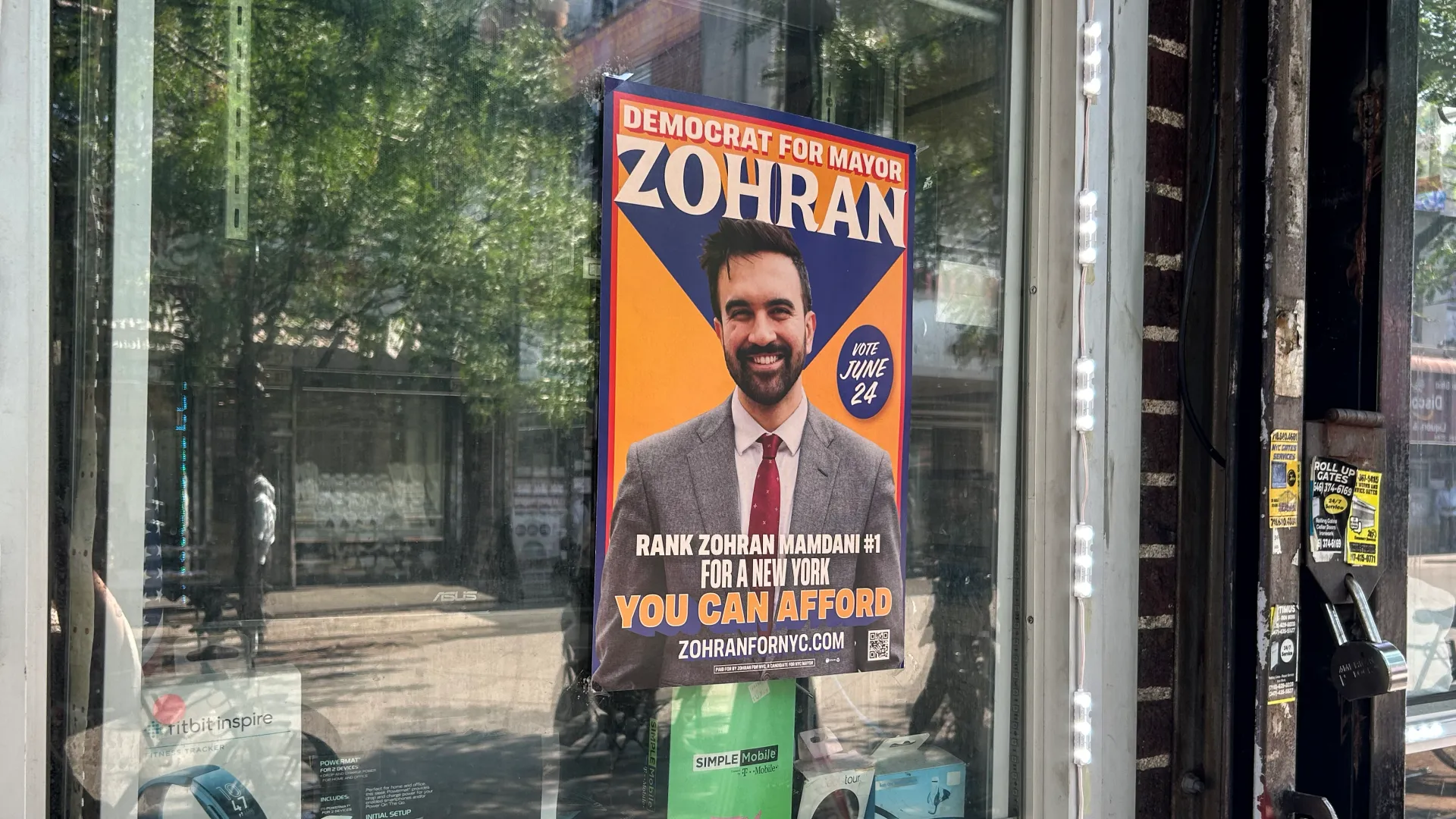
    NEW YORK CITY — As Democratic Socialist Zohran Mamdani surges to the front of New York City’s mayoral race following his historic primary victory, prominent figures in business and real estate are sounding the alarm, warning that his radical proposals could cripple the city’s economy and chase away its wealth base.

    From government-run grocery stores to punitive housing regulations and higher taxes on corporations and the wealthy, Mamdani’s progressive platform is drawing fierce criticism from two of New York’s most recognizable business leaders: Stew Leonard Jr., CEO of the regional grocery empire Stew Leonard’s, and Dottie Herman, Vice Chair of Douglas Elliman and one of Forbes’ wealthiest self-made women in real estate.

    “You’re in a street fight if you get into the food business,” said Leonard in an interview with Fox News Digital. “You gotta be in there with sharp prices, fresher product, friendlier people… Can the government do that? I don’t know.”

    Leonard, who operates eight food stores and eight wine and spirit outlets across the Tri-State area, questioned the feasibility of Mamdani’s city-run supermarket proposal, which aims to sell food at wholesale prices. The idea is part of a broader vision that includes a citywide rent freeze, construction of 200,000 affordable units over ten years, and tighter enforcement on “bad landlords.”

    “It’s seven days a week. Weekends are the busiest. If you’re paying $200 to $300 per square foot along Second Avenue, you need serious volume to make it work,” Leonard added. “Margins in food are razor-thin. Everyone eats, yes, but it’s still one of the toughest industries in the country.”

    For Dottie Herman, the implications go beyond groceries—she sees Mamdani’s economic approach as an existential threat to the city’s future.

    “I never talk about politics, but I am talking now because I really don’t want to see New York destroyed,” Herman said. “I believe with every breath of me, that if he gets in, we will be in a socialized country.”

    Citing rising fear among developers and property investors, Herman shared that some clients are already reconsidering multimillion-dollar deals out of concern for punitive taxes and hostile business conditions.

    “I’ve had people call me asking if they should cancel contracts on development sites in New York City,” she said. “People are scared. You’re going to discourage anyone from investing in rental property, and values will fall. That’s what happens when you tell people, ‘We’ll just take it from the rich.’”

    Mamdani, who currently represents Astoria and Long Island City in the State Assembly, gained national attention after winning more votes in the primary than any candidate in the city’s history. His campaign site outlines a platform that includes raising the corporate tax rate to 11.5% and implementing a 2% flat tax on the city’s wealthiest residents—moves that would require state legislative approval and signoff from Gov. Kathy Hochul, who has expressed concern about affordability and capital flight.

    Mamdani’s platform also pushes for public control of grocery access, rent freezes, and an aggressive reworking of landlord-tenant laws—all in the name of housing and food equity.

    While progressive circles and some younger millionaires have cheered his vision, established business figures worry his policies will bring economic instability, capital outflow, and unintended market disruption.

    “The key to this business is freshness,” Leonard added. “Are you going to eliminate dyes, hormones, sugar, and antibiotics from your entire government inventory? That’s what I’ve done. But that drives up costs.”

    With New York’s real estate market already facing tight inventory and slowing sales volumes, Herman warned that Mamdani’s proposed crackdown on landlords and tax hikes could lead to a broader investment freeze.

    “If people can’t make money here, what business will come to New York?” she asked. “America is about the ability to grow and succeed, no matter where you start. That dream dies if the rules become punish-the-successful.”

    Herman also revealed that a number of business owners are organizing political fundraisers to counter Mamdani’s momentum, signaling growing concern in the city’s economic elite.

    The crowded mayoral race now pits Mamdani against rivals like former Governor Andrew Cuomo and incumbent Mayor Eric Adams, raising speculation about whether the two centrist contenders might team up to create a unified front against the socialist frontrunner.

    “I think one of them has to step aside for the other,” Herman said. “Because if not, the vote splits, and we hand this city to someone who doesn’t understand how it actually runs.”

    Leonard, for his part, said that Mamdani’s victory would make him rethink expanding in New York City.

    “I’d struggle to open five new stores here right now,” he said. “It’s a real challenge—and this would only make it harder.”

    Despite the controversy, Mamdani’s campaign did not respond to a request for comment.

  • Cockpit recording from Air India suggests the captain cut fuel to the engines before the crash, source says

    Cockpit recording from Air India suggests the captain cut fuel to the engines before the crash, source says

    A cockpit recording of dialogue between the two pilots of the Air India flight that crashed last month supports the view that the captain cut the flow of fuel to the plane’s engines, said a source briefed on U.S. officials’ early assessment of evidence.

    The first officer was at the controls of the Boeing 787 and asked the captain why he moved the fuel switches into a position that starved the engines of fuel and requested that he restore the fuel flow, the source told Reuters on condition of anonymity because the matter remains under investigation.

    The U.S. assessment is not contained in a formal document, said the source, who emphasized the cause of the June 12 crash in Ahmedabad, India, that killed 260 people remains under investigation.

    There was no cockpit video recording definitively showing which pilot flipped the switches, but the weight of evidence from the conversation points to the captain, according to the early assessment.

    The Wall Street Journal first reported similar information on Wednesday about the world’s deadliest aviation accident in a decade.

    2XGCHXTWKBPUROGQB22PVIXLT4
    A police officer stands in front of the wreckage of an Air India aircraft, bound for London’s Gatwick Airport, which crashed during take-off from an airport in Ahmedabad, India June 12, 2025. (REUTERS/Adnan Abidi/File Photo)

    India’s Aircraft Accident Investigation Bureau (AAIB), which is leading the investigation into the crash, said in a statement on Thursday that “certain sections of the international media are repeatedly attempting to draw conclusions through selective and unverified reporting.” It added the investigation was ongoing and it remained too early to draw definitive conclusions.

    Most air crashes are caused by multiple factors, and under international rules, a final report is expected within a year of an accident.

    A preliminary report released by the AAIB on Saturday said one pilot was heard on the cockpit voice recorder asking the other why he cut off the fuel and “the other pilot responded that he did not do so.”

    Investigators did not identify which remarks were made by Captain Sumeet Sabharwal and which by First Officer Clive Kunder, who had total flying experience of 15,638 hours and 3,403 hours, respectively.

    The AAIB’s preliminary report said the fuel switches had switched from “run” to “cutoff” a second apart just after takeoff, but it did not say how they were moved.

    Almost immediately after the plane lifted off the ground, closed-circuit TV footage showed a backup energy source called a ram air turbine had deployed, indicating a loss of power from the engines.

    The London-bound plane began to lose thrust, and after reaching a height of 650 feet, the jet started to sink.

    The fuel switches for both engines were turned back to “run”, and the airplane automatically tried restarting the engines, the report said.

    But the plane was too low and too slow to be able to recover, aviation safety expert John Nance told Reuters.

    The plane clipped some trees and a chimney before crashing in a fireball into a building on a nearby medical college campus, the report said, killing 19 people on the ground and 241 of the 242 on board the 787.

    No safety recommendations

    In an internal memo on Monday, Air India CEO Campbell Wilson said the preliminary report found no mechanical or maintenance faults and that all required maintenance had been carried out.

    The AAIB’s preliminary report had no safety recommendations for Boeing or engine manufacturer GE.

    After the report was released, the U.S. Federal Aviation Administration and Boeing privately issued notifications that the fuel switch locks on Boeing planes are safe, a document seen by Reuters showed and four sources with knowledge of the matter said.

    The U.S. National Transportation Safety Board has been assisting with the Air India investigation and its Chair Jennifer Homendy has been fully briefed on all aspects, a board spokesperson said. That includes the cockpit voice recording and details from the flight data recorder that the NTSB team assisted the AAIB in reading out, the spokesperson added.

    “The safety of international air travel depends on learning as much as we can from these rare events so that industry and regulators can improve aviation safety,” Homendy said in a statement. “And if there are no immediate safety issues discovered, we need to know that as well.”

    The circumstantial evidence increasingly indicates that a crew member flipped the engine fuel switches, Nance said, given there was “no other rational explanation” that was consistent with the information released to date.

    Nonetheless, investigators “still have to dig into all the factors” and rule out other possible contributing factors which would take time, he said.

    The Air India crash has rekindled debate over adding flight deck cameras, known as cockpit image recorders, on airliners.

    Nance said investigators likely would have benefited greatly from having video footage of the cockpit during the Air India flight.