Blog

  • Zohran Mamdani Seeks $21 Billion Federal Backing for Massive Queens Housing Project.

    Zohran Mamdani Seeks $21 Billion Federal Backing for Massive Queens Housing Project.

    New York City Mayor Zohran Mamdani met with President Donald Trump at the White House on Thursday, February 26, to pitch a ambitious $21 billion federal investment in a long-dormant housing project over Sunnyside Yard in Queens.

    The Democratic socialist mayor, known for his progressive stance on housing affordability, described the meeting as “productive” and expressed optimism about partnering with the Republican president to address the city’s acute housing crisis. This development marks a potential revival of a project first proposed under former Mayor Bill de Blasio, which could deliver 12,000 affordable homes—the largest such initiative in New York City since the 1970s.

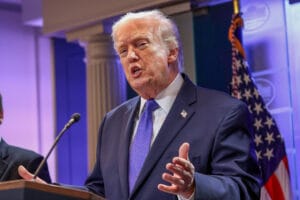
    Mamdani, 34, shared a photo on Instagram capturing the moment: Trump smiling broadly while holding two mock New York Daily News front pages. One was the infamous 1975 headline “Ford to City: Drop Dead,” referencing President Gerald Ford’s refusal to bail out a near-bankrupt New York. The other, a custom creation from Mamdani’s team, proclaimed “Trump to City: Let’s Build,” with subheadings touting “Backs New Era of Housing” and “Trump Delivers 12,000+ Homes; Most Since 1973.” Anna Bahr, a spokesperson for City Hall, confirmed that Mamdani presented these printouts to symbolize a shift from historical federal neglect to collaborative progress.

    “He came to the president today with a couple of pitches that would produce and construct more housing in a handful of projects than has happened in 50 years,” Bahr told reporters. The White House has not yet committed to funding, but sources familiar with the discussions indicate Trump was receptive, particularly given his Queens roots and lifelong ties to New York real estate.

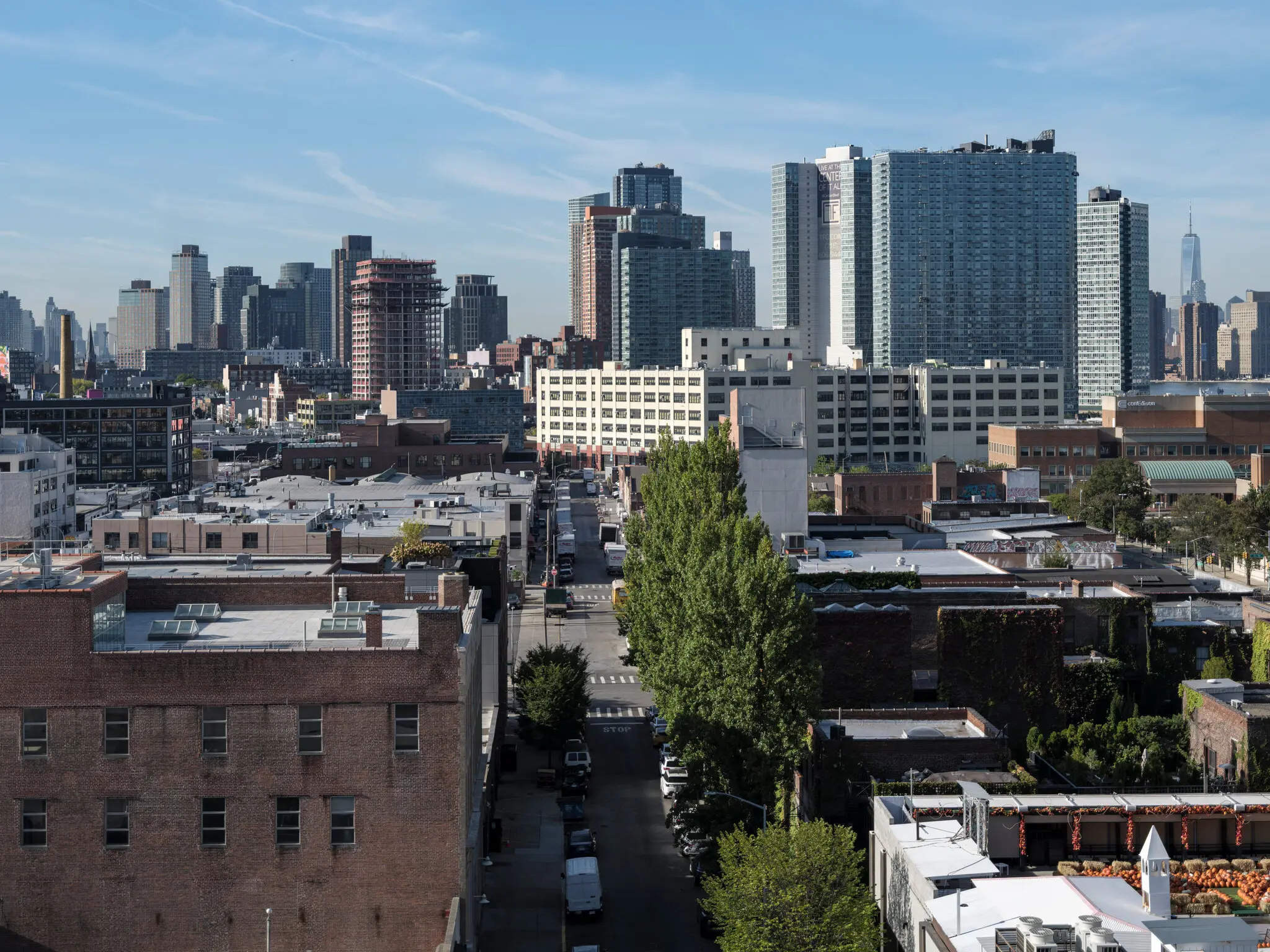
    At the heart of the proposal is Sunnyside Yard, a sprawling 180-acre active rail yard in western Queens, often called the busiest in North America. Owned jointly by Amtrak, the Metropolitan Transportation Authority (MTA), and other entities, the site serves as a critical hub for Amtrak, Long Island Rail Road, and New Jersey Transit trains.

    The plan involves constructing what Mamdani’s office describes as “the world’s largest deck” over the yard—a massive platform to support development without disrupting rail operations below.

    If funded, the project would yield 12,000 affordable housing units, including 6,000 modeled after the Mitchell-Lama program, which provides subsidized rentals and cooperatives for moderate- and middle-income families.

    Beyond housing, the development promises 30,000 good-paying union jobs during construction, along with new parks, schools, and healthcare clinics to serve the surrounding communities. Senior city housing official Cea Weaver, director of the Mayor’s Office to Protect Tenants, highlighted the project’s potential to unify neighborhoods divided by the rail yard.

    “It’s a barrier between some of the most diverse neighborhoods in Queens,” Weaver said. “And so I think it’s important that we’re able to connect neighborhoods.” However, she acknowledged the challenges: “It’s extraordinarily expensive, and we need federal support in order to be able to do it.”

    The Sunnyside Yard concept isn’t new. It traces back to urban planning ideas from the 1960s, but gained traction under de Blasio in 2015, with a 2020 master plan estimating costs at $14 billion for a mixed-use development including housing, offices, and public spaces.

    The Economic Development Corporation (EDC) led the effort, incorporating public input to prioritize affordable housing, jobs, transportation improvements, and sustainability. The COVID-19 pandemic halted progress, and successor Eric Adams did not revive it. Earlier versions faced opposition from local figures like Rep.

    Alexandria Ocasio-Cortez and community groups concerned about density, environmental impacts, and displacement. Mamdani’s pitch escalates the scale, focusing heavily on affordability amid escalating costs.

    New York City’s housing woes provide the urgent backdrop. Elected on promises to tackle affordability, Mamdani faces a crisis where renters spend 54.52% of their median income on housing—the highest in the nation, per a 2025 WalletHub report.

    Over the past two decades, inflation-adjusted wages for renters rose less than 15%, while average rents surged nearly 40%. The city’s rental vacancy rate dipped to 1.41% in 2023, far below the 5% needed to ease rent regulations under state law. A 2024 Regional Plan Association analysis pegged the housing shortage at 540,000 units, a gap that stifles mobility and forces many into substandard living.

    Recent 2026 data paints an even grimmer picture. Manhattan’s vacancy rate hovered just above 2% in 2025, with average rents exceeding $5,400 monthly—a 6% jump from the prior year. Citywide, nearly half of renters are rent-burdened, spending over 30% of income on housing. Evictions in subsidized housing spiked, with 43,000 of 120,000 filings in 2024 occurring in such units, per a New York Housing Conference report. Meanwhile, thousands of rent-stabilized apartments sit vacant due to economic disincentives under current laws, exacerbating the crunch.

    The project’s revival could be transformative. Drawing parallels to Hudson Yards—a 28-acre decked development in Manhattan—Sunnyside Yard’s 180 acres offer exponentially more space for mid-rise buildings, greenways, and community amenities. Proponents argue it aligns with “Keeping it Queens” ethos, blending sustainability, pedestrian-friendly design, and workforce development. Mamdani’s office called it a “once-in-a-generation opportunity to confront the city’s housing crisis at the scale it demands,” potentially the largest infrastructure investment since Co-op City’s completion in 1973.

    Yet hurdles abound. Beyond securing federal funds—requiring Amtrak’s approval and congressional buy-in—the project faces technical complexities, like building over active tracks without service interruptions. Local stakeholders, including City Council members and residents, may revive past concerns over gentrification and environmental risks. Mamdani acknowledged the timeline: “many, many years” ahead. Trump, while interested, has not committed, and his administration’s priorities lean toward deregulation and private-sector involvement.

    This meeting underscores Mamdani’s pragmatic approach, despite ideological differences with Trump. As Joe Calvello, Mamdani’s press secretary, noted, the mayor seized Trump’s invitation to “do just that” on housing. If successful, it could reshape Queens, alleviate the housing squeeze, and set a precedent for federal-city partnerships in urban renewal. For now, New Yorkers watch as this bold vision inches toward reality.

  • Japan Backs Tech Venture Led by Former Epstein Associate Joichi Ito

    Japan Backs Tech Venture Led by Former Epstein Associate Joichi Ito

    After a disgraced exit from the top ranks of U.S. tech and media circles, an entrepreneur who had deep ties to convicted sex offender Jeffrey Epstein secured a second act in Japan with the help of powerful allies in the Japanese government.

    Joichi Ito, the entrepreneur, resigned in 2019 from a prominent position at the Massachusetts Institute of Technology after revelations about his efforts to conceal millions of dollars he raised through connections to Epstein. He also quit a position at Harvard University and board seats at the MacArthur Foundation and The New York Times.

    Six years later, in Japan, Ito is helping lead a government initiative championed by Prime Minister Sanae Takaichi and her inner circle. The project, a strategic priority for the government, has more than $400 million in public funding and seeks to team up with top U.S. and Japanese universities to create a startup hub in Tokyo.

    Within the next few months, the Japanese government will decide whether to authorize the project, known as the Global Startup Campus Initiative, as a legal entity, the final step required for it to move ahead.

    But Ito’s involvement caused universities including MIT, Harvard, Carnegie Mellon and Keio University in Japan to distance themselves from the initiative after being approached as potential partners, according to interviews with government and university officials, as well as internal documents and emails reviewed by the Times. The project has fallen behind its own timeline targets.

    📊 More Epstein Files
    Plus sign png

    And that was before the latest tranche of Epstein files released by the Justice Department shed new light on the depth of Ito’s ties to Epstein. These latest revelations are likely to further deter some potential partner organizations, said six government and university officials who spoke on the condition of anonymity to discuss their groups’ internal views.

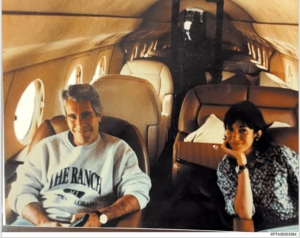
    Ito was a prolific correspondent with Epstein. A Times analysis shows that Ito and Epstein exchanged more than 4,000 emails through the years. The emails show that Ito was a frequent visitor to Epstein’s private Caribbean island, and the two were so close that Ito even joked about naming his daughter “Jeffrina.”

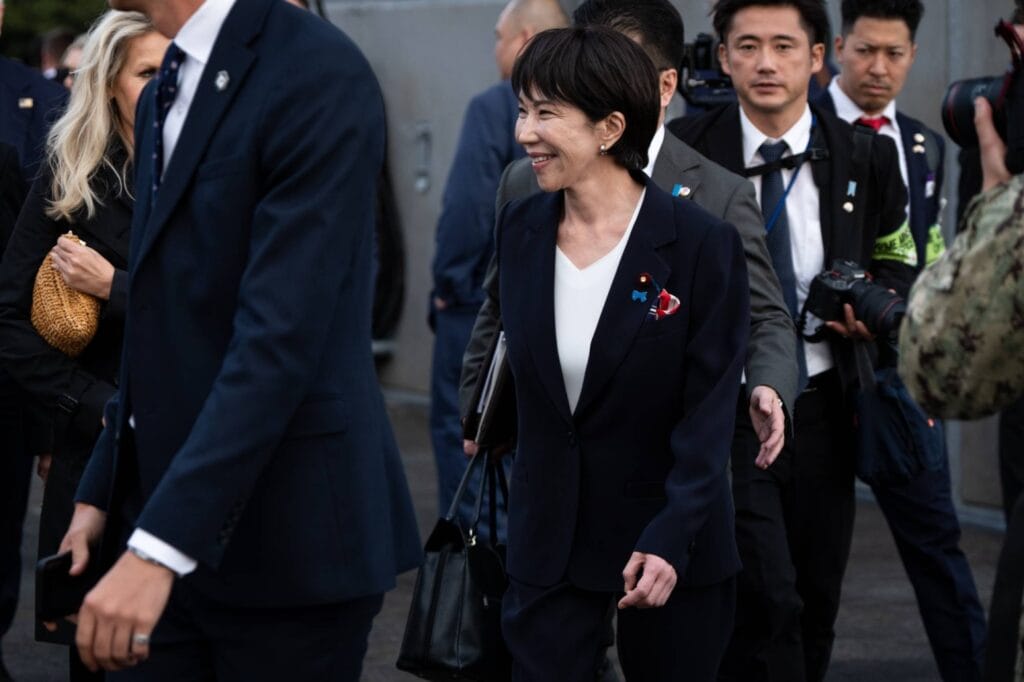
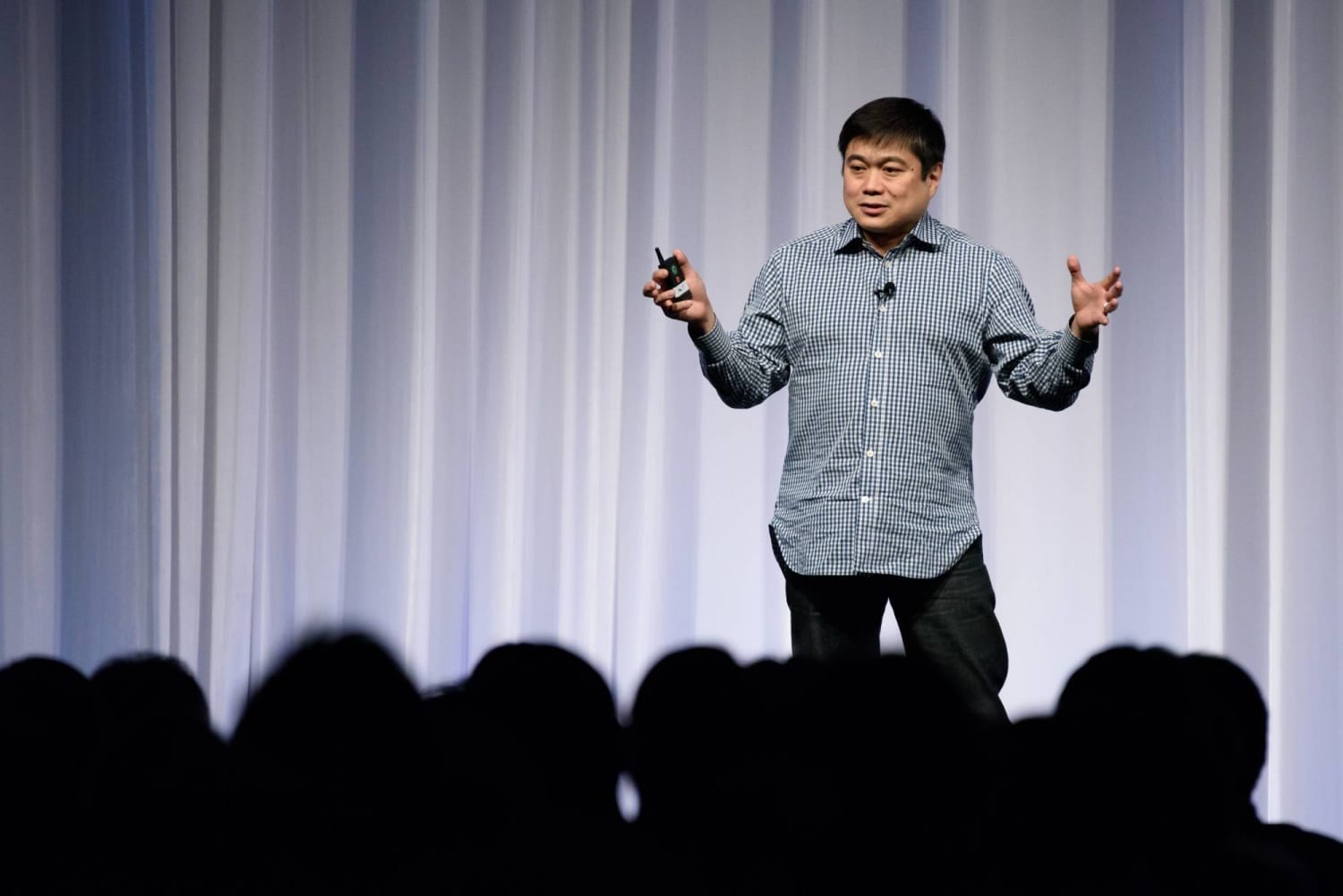
    Prime Minister Sanae Takaichi and her inner circle are backing a tech initiative led by Joichi Ito. (Haiyun Jiang / The New York Times)
    Prime Minister Sanae Takaichi and her inner circle are backing a tech initiative led by Joichi Ito. (Haiyun Jiang / The New York Times)

    Ito did not respond to requests for comment. The university he heads in Japan declined to make him available for an interview. In previous statements made to local media, Ito has said he deeply regrets soliciting donations from Epstein. “I was never involved in, never heard him talk about, and never saw any evidence of the horrific acts that he was accused of,” Ito said in a statement in 2019.

    A spokesperson for Japan’s Cabinet secretariat, which promotes the Global Startup Campus Initiative, said she recognized there were concerns about Ito. But the secretariat office decided to bring Ito on as an executive adviser, she said, “as we haven’t confirmed any wrongdoing by him and we believe he is highly knowledgeable.”

    Ito, 59, was born in Kyoto and raised in suburban Detroit. After dropping out of Tufts University and the University of Chicago, he returned to Japan in the 1990s to start a string of early internet service providers.

    A master networker, Ito maintained U.S. connections as a venture capitalist with early stakes in companies like Twitter. In 2011, he was tapped for a prestigious position leading MIT’s Media Lab, a sort of academic Skunk Works where designers and engineers build futuristic prototypes.

    It was through these circles that Ito began associating with Epstein, who became a significant, concealed MIT donor. Starting in 2013 — roughly five years after Epstein was convicted in Florida of soliciting prostitution from a minor — Ito met frequently with Epstein, and the financier contributed funding on multiple occasions for Ito’s ventures.

    After a 2019 article in The New Yorker described the measures that Ito took to conceal Epstein-directed donations made to his lab, Ito resigned from MIT. At the time, he said he had “screwed up” by accepting the money but that he had done so after a review by the university and consultation with his advisers.

    Ito returned to Japan, taking a position at a little-known private university on the outskirts of Tokyo in 2021.

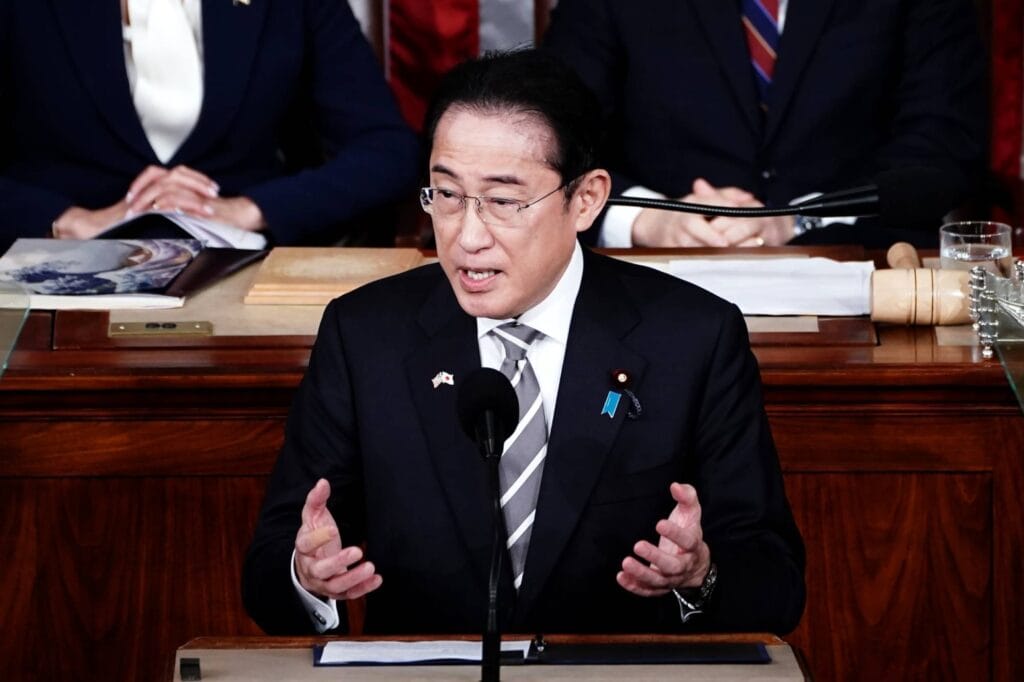
    Fumio Kishida addresses the U.S. Congress in 2024, when he was prime minister. Kishida personally pitched the Global Startup Campus Initiative idea to then-U.S. President Joe Biden. (BLOOMBERG)
    Fumio Kishida addresses the U.S. Congress in 2024, when he was prime minister. Kishida personally pitched the Global Startup Campus Initiative idea to then-U.S. President Joe Biden. (BLOOMBERG)

    The next year, in 2022, Fumio Kishida, then the prime minister, introduced the Global Startup Campus Initiative. The plan was to build a research hub focused on technologies, including artificial intelligence and robotics. It was to be anchored by a partnership with MIT and sought to recruit researchers from U.S. universities to collaborate with Japanese entrepreneurs.

    Kishida personally pitched the idea to then-President Joe Biden during a 2023 meeting in Hiroshima. A campus in central Tokyo was supposed to be completed by around 2028.

    At its outset, Ito was not involved with the government group leading the project. But in early 2024, people involved in the initiative received a memo naming Ito as one of three leaders who would dictate the group’s strategies, along with two high-ranking Japanese government officials.

    According to documents reviewed by the Times, the memo was sent by Akira Amari, a long-standing and influential figure within Japan’s Liberal Democratic Party, which has dominated Japanese politics for decades. At least four government and university officials said they were surprised at the time by the appointment of Ito, given his ties to Epstein.

    Amari is close with the current prime minister, Takaichi, who has been known to call him “aniki,” or “big brother.” Takaichi has endorsed the initiative as one of her administration’s growth strategies. The prime minister and Amari’s offices did not respond to requests for comment.

    In Japan, Ito’s role in the Global Startup Campus Initiative has gone mostly unnoticed. In 2025, a lawmaker, Satoshi Honjo, raised questions about the appointment during parliamentary sessions. He asked whether it was problematic for a person with ties to Epstein to, in effect, lead the initiative.

    A high-ranking Takaichi administration official, Kiyoto Tsuji, then a Cabinet office vice minister, responded by saying Ito “has provided us with a variety of useful information and advice toward realizing the initiative.” And, he added, “he is merely acting as a part-time adviser.”

    But documents suggest Ito plays a much bigger part. Government officials have told potential partner universities that he plays a “pivotal role” in the initiative, according to internal documents and correspondence. The documents show a framework for the project that is based solely on “ideas from Professor Joichi Ito.”

    More than three years after the group’s launch, it publicly lists a few universities — the University of Tokyo, Imperial College London and the National University of Singapore — as “pilot activity” partner organizations. Others have expressed hesitation in associating with a group tied to Ito.

    Most Read in Epstein Files

    MIT, Harvard and Keio have each conveyed to Japanese officials that they would be reluctant to work with the initiative if Ito was involved, according to emails viewed by the Times and four individuals with direct knowledge of the interactions. At the start, MIT was supposed to be a cornerstone partner.

    Last year, Martial Hebert, a dean at Carnegie Mellon’s School of Computer Science, wrote in an email to Japanese officials obtained by the Times, “We will not be part of any project that involves Joi.” A spokesperson for Carnegie Mellon confirmed that the school is not working with the Global Startup Campus Initiative but declined to comment on its reasoning.

    In 2024, Richard K. Lester, then MIT’s vice provost for international activities, told Japan’s minister in charge of economic revitalization that many of the school’s faculty would “find it difficult to cooperate with the Global Startup Campus if Mr. Joichi Ito was to occupy a significant position,” according to internal minutes from the meeting.

    Imperial College London, the University of Tokyo, MIT, Harvard, and Keio did not respond to requests for comment. The National University of Singapore said in a statement that it is working with the Global Startup Campus Initiative “under the purview of Japan’s Cabinet Office” and that it had no relationship with Ito.

    Before Ito was appointed in early 2024, the Global Startup Campus Initiative was behind schedule.

    Two people familiar with its operations said it further lost pace after Ito joined. The spokesperson for the Cabinet secretariat said Ito helped introduce new strategies for the project that have enabled the group to “progress rapidly.” The spokesperson said she could not comment on the progress of conversations with individual universities.

    📊 More Epstein Files
    Plus sign png

    Although the Global Startup Campus Initiative has already been allocated a budget of more than $400 million, it will need to be approved by parliament as a so-called operating corporation. The group had originally aimed to receive this approval last year. The decision on whether the initiative will be approved is now expected by July.

    Some notable names publicly listed as the project’s “pilot activity” partner organizations include the Chan Zuckerberg Initiative, the philanthropy run by Meta’s CEO, Mark Zuckerberg, and his wife, Priscilla Chan; and Hakuhodo, a major Japanese advertising company.

    In a statement, a spokesperson for the Chan Zuckerberg Initiative said it does not provide funding to the Global Startup Campus Initiative. Hakuhodo did not respond to a request for comment.

    The latest Epstein files provide more detail about Ito’s money transfers with Epstein. In a May 2014 email exchange, Ito wrote to Epstein, “The slush fund, if it’s at MIT is easy. Should I send you the instructions?” Later that month, Ito confirmed receipt of the capital, writing, “I just got notice that $500K came into my slush fund account. Thanks!”

    Honjo, the politician who questioned Ito’s appointment in parliament, said in an interview that it was “an established fact” that Ito had not properly disclosed Epstein-directed financial contributions to his MIT lab. “He can’t be called the right person for the job,” Honjo said.

    The spokesperson for the Cabinet secretariat said the Global Startup Campus Initiative is moving into its next phase starting in the fiscal year that begins April 1. With regard to Ito, “we don’t believe there is a problem currently, but we will choose the appropriate people for the next fiscal year’s goals,” she said.

    The recently released emails, as well as flight logs, detail at least five instances in 2013 and 2014 in which Ito planned to or did visit Epstein’s private island. In 2017, two years before he resigned from MIT, Ito wrote to Epstein saying he hoped his estate was OK after the devastation of Hurricane Irma. In a separate exchange, Epstein jokingly asked if “little Jeffrina,” Ito’s baby, had been born yet.

    In Japan, the Epstein files have been treated mostly as a “domestic American issue,” said Chizuko Ueno, chief director of Women’s Action Network, a Japanese advocacy group. The Japanese establishment tends to ignore or bury contentious matters involving high-powered officials if there is no criminal conviction, she said.

    Ueno is also a professor emeritus at the University of Tokyo, one of the institutions publicly associated with the initiative. Ueno said that Japan and the university had become less tolerant of individuals with histories of possible misconduct and that she believed the school and government officials would increasingly find they “can no longer ignore it; they have to do something.”

  • Mark Ruffalo wants New York Governor to ‘tax the rich’ — critics say he should donate first

    Mark Ruffalo wants New York Governor to ‘tax the rich’ — critics say he should donate first

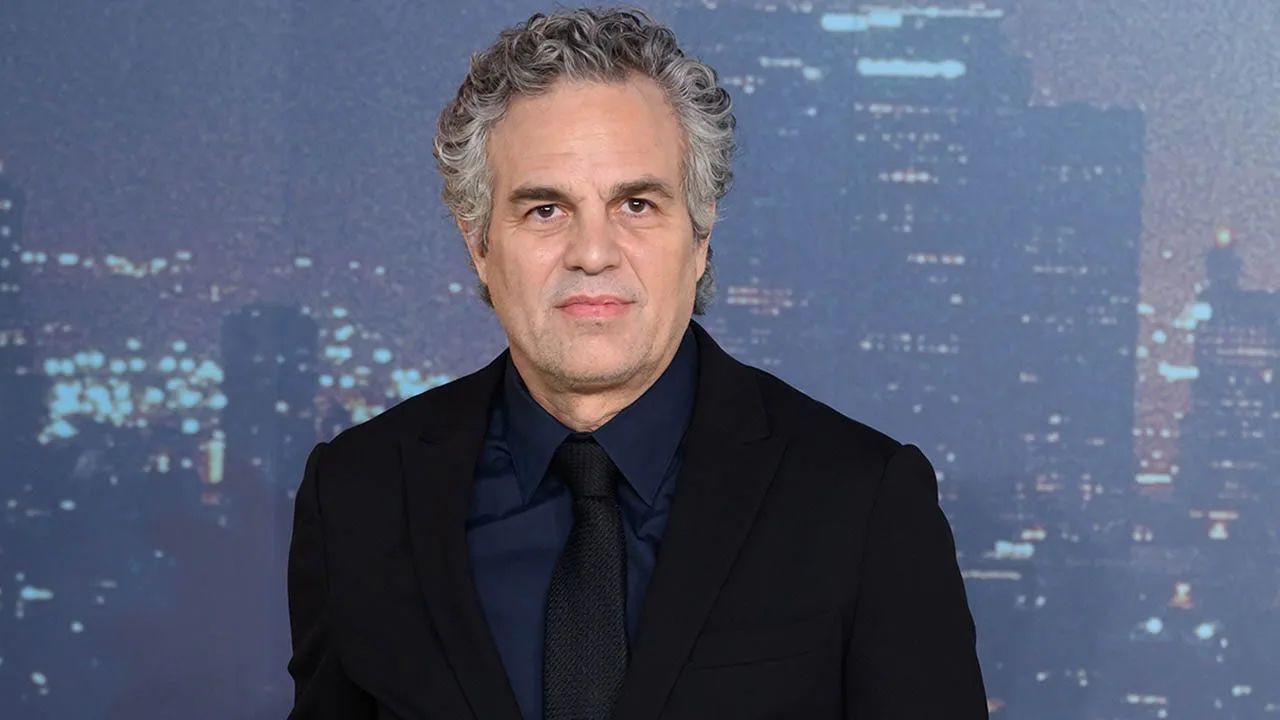
    Mark Ruffalo is facing backlash after endorsing the “Tax the Rich” campaign.

    On Feb. 24, the 58-year-old actor shared a video on social media in which he called upon New York Gov. Kathy Hochul to impose higher taxes on billionaires and corporations with the aim of improving affordability across the state.

    In the clip, Ruffalo also promoted the upcoming Tax the Rich & Demand an Affordable NY: Albany Takeover, a march and rally being held in the state capital on Feb. 25.

    “In New York, rent is crushing people,” he said. “Childcare now costs over $20,000 a year on average. Trump’s policies keep making billionaires richer, while working families endure cuts to essential services.”

    “So last year, over a million New Yorkers came together to vote for Mayor Mamdani’s affordability agenda,” he said, referring to democratic socialist New York City Mayor Zohran Mamdani, who was elected last November.

    “So who’s getting in the way?” Ruffalo continued. “Gov. Kathy Hochul has a choice to make. You protect working families, and tax the rich, or make Trump’s cuts worse by forcing everyday people to pay more. Sixty percent of New Yorkers, like me, agree that we should tax billionaires and corporations to fund childcare, housing and transit. Working people shouldn’t be the ones always stuck with the bill.”

    “This Wednesday, Feb. 25, thousands of folks are going to Albany to send Kathy Hochul one clear message: Tax the Rich for New York that we can all afford. They can handle it. Trust me,” he concluded.

    📊 More Economic Policy
    Plus sign png

    An X user later shared Ruffalo’s video, writing, “Mark Ruffalo: ‘Tax the rich… They can handle it, trust me,’” in a post that received over 5 million views.

    The post was quickly flooded with comments as some critics slammed Ruffalo for alleged “hypocrisy,” arguing that the Marvel star, who has an estimated net worth in the tens of millions, should be offering to pay more in taxes himself.

    “Waiting for him to step up,” one X user wrote.

    “So he can handle it right?” another added.

    “There is nothing stopping Mark Ruffalo from checking that box on his tax returns, that he would like to pay more than the required amount,” another detractor commented. “He could easily give away every dime he owns except for a middle class income level.”

    “Him first,” another agreed.

    Some X users argued that while Ruffalo was pressing Hochul to pursue tax reforms targeting billionaires and large corporations, he was not advocating that those in the millionaire class should be made to pay more.

    “I love how he says ‘we should tax billionaires’ This exposes the sickening hypocrisy of these leftie celebrities,” one critic wrote. “He’s a millionaire – so, don’t tax him more – he’s not ‘wealthy’. No, no… it’s those nasty billionaires – who already pay tax and create wealth in the economy.”

    “If we just took every penny from all the millionaires – Childcare would be free! – And housing! And food! But you would be broke, Mark,” another chimed in. “Should we vote on it? It would pass. Why is it always other people’s stuff socialists want to take??”

    “Notice how it’s always a wealthy person telling others to pay more taxes, but they never pay themselves,” one person commented.

    Though replies on the X post featuring Ruffalo’s message were overwhelmingly negative, the actor was widely praised in the comments section of his original post on Instagram.

    Ruffalo's fans heaped praise on the actor.
    Ruffalo’s fans heaped praise on the actor.

    “Thank you for your compassion and leadership, Mark,” one fan wrote.

    “Mark Ruffalo I am so proud of you all the time thank you,” another agreed.

    “Thank you Mark Ruffalo for using your voice and influence for the right things,” one Instagram user commented.

    “Hulk will forever be the strongest avenger, onset and off,” a fan chimed in as another added, “Mark we love you.”

    Some Instagram users took to the comments to explain why they agreed with Ruffalo’s stance.

    “We started taxing the rich in MA and it’s been amazing,” one commenter wrote. “We have school meals for all kids, continuing education for those that want it, great healthcare, among other things. And instead of losing millionaires, we have more that moved here. It works!”

    “The wealthy didn’t get rich in isolation,” another argued. “Infrastructure, labor, and public systems built that wealth. Fair taxation is not punishment. It’s accountability.”

    Last month, Ruffalo joined nearly 400 millionaires and billionaires, including Disney heir Abigail Disney and British musician Brian Eno, in signing an open letter urging world leaders at the World Economic Forum in Davos to raise taxes on the ultra-rich, arguing extreme wealth concentration harms democracy and deepens inequality.
  • Federal Reserve Challenges Justice Department Subpoenas in Powell Probe

    Federal Reserve Challenges Justice Department Subpoenas in Powell Probe

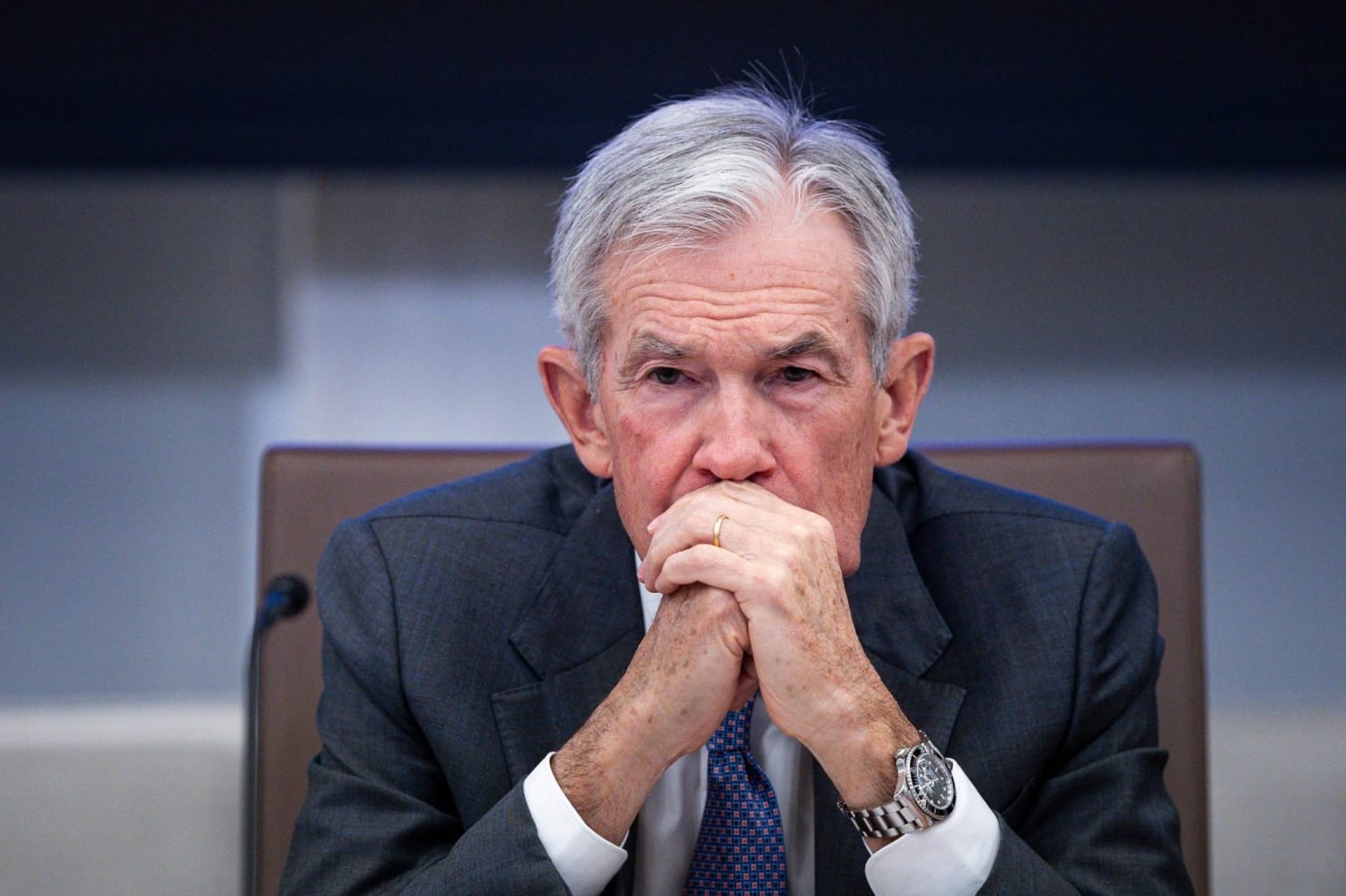
    WASHINGTON—The Federal Reserve is waging a behind-closed-doors legal challenge to a pair of subpoenas issued as part of U.S. Attorney Jeanine Pirro’s criminal investigation into Chair Jerome Powell, according to people familiar with the matter.

    Pirro, a longtime ally of President Trump, opened the probe to examine whether Powell gave false testimony to Congress last summer about the central bank’s building-renovation project. The move prompted an unprecedented public response from Powell, who in a Jan. 11 video statement said the investigation was a pretext for Trump’s continuing campaign to pressure the Fed to lower interest rates and end the independence of the central bank.

    📊 More Economic Policy
    Plus sign png

    The Fed, in sealed proceedings, is asking a judge to quash the subpoenas, which could reduce or eliminate its obligation to respond. Its specific legal arguments couldn’t immediately be learned. It isn’t uncommon, especially in high-profile investigations, for a subpoena recipient to challenge prosecutors’ demands as being overly broad or seeking information protected by legal privilege.

    The fight is taking place out of public view because of secrecy rules that apply to criminal investigations pending before a grand jury.

    Pirro was present during a White House event on Jan. 8 where Trump excoriated his U.S. attorneys for not moving fast enough to prosecute his favored targets. The Justice Department sent the Fed a pair of subpoenas the following day. The subpoenas asked the Fed to respond toward the end of January.

    Most Read in Economy

    Republicans have been looking for an off-ramp to the standoff because it is threatening to delay the confirmation of Kevin Warsh, the former Fed governor Trump has chosen to succeed Powell when his term as chair ends in May.

    “There were subpoenas issued. But that doesn’t have to mean that there are charges,” Treasury Secretary Scott Bessent said on CNBC earlier this month. He has also defended the probe, telling CBS in January, “I think that the message is that independence does not mean no accountability.”

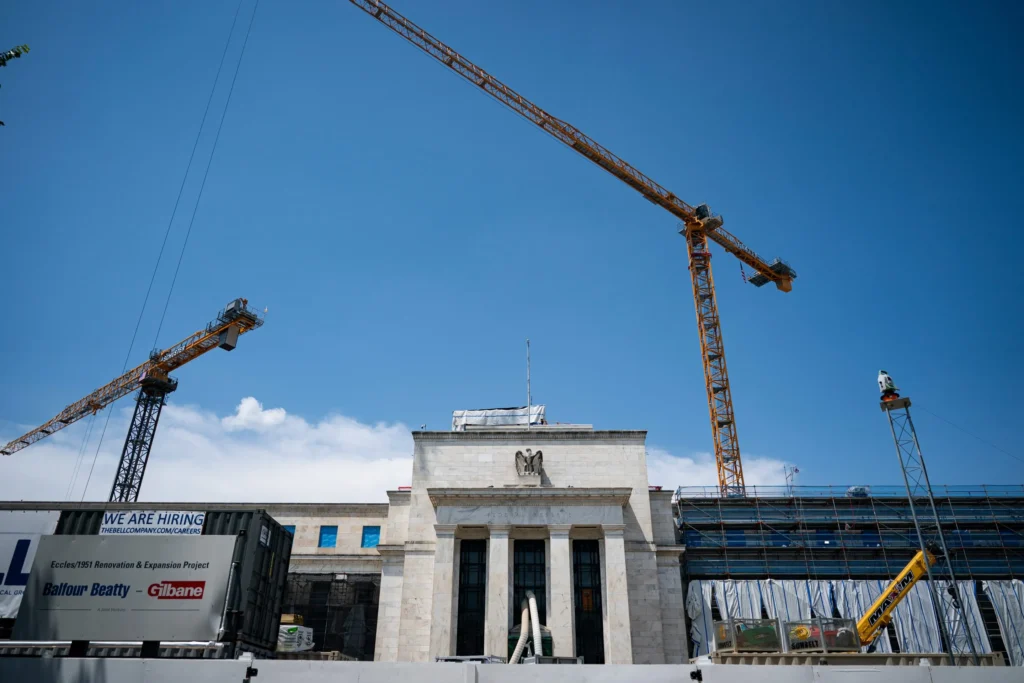
    Construction on the Marriner S. Eccles Federal Reserve building in Washington (Samuel Corum/Bloomberg)
    Construction on the Marriner S. Eccles Federal Reserve building in Washington (Samuel Corum/Bloomberg)

    Sen. Thom Tillis (R., N.C.) has repeatedly said he wouldn’t advance any Fed nomination, including Warsh’s, until the Justice Department probe has ended. With all Democrats on the Senate Banking Committee taking the same stand, the 13-11 GOP majority isn’t enough to push a nominee through without him.

    Tillis has said the probe was launched outside of traditional channels and has warned about steps that erode investors’ expectations that the central bank will be given reasonable latitude to set interest rates as economic conditions warrant.

    The investigation centers on a few minutes of answers Powell provided to questions at a Senate hearing last summer about cost overruns on renovations of two historic buildings. White House officials last year suggested either Powell made false statements about the project’s costs or the Fed failed to update building records, but the furor quickly faded after Trump toured the project with Powell in July.

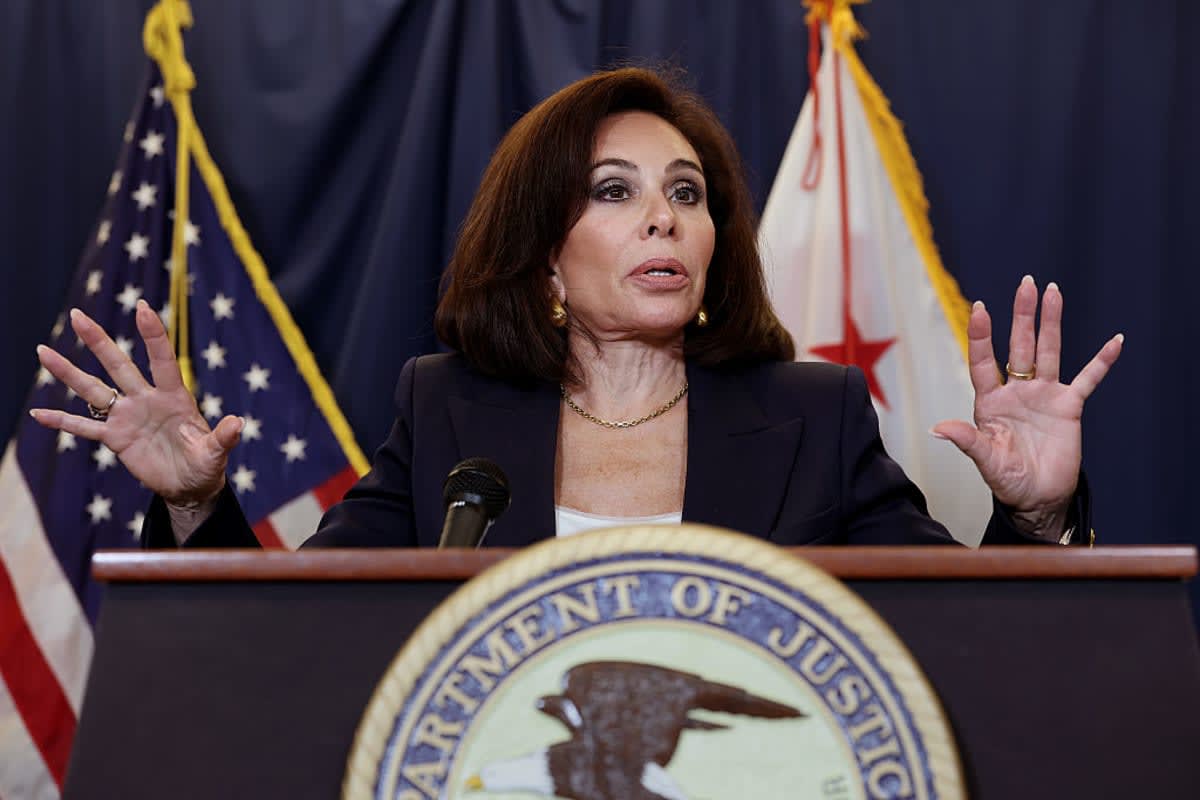
    U.S. Attorney For Washington, DC Jeanine Pirro at a press conference (Image source: Getty Images/Photo by Win McNamee)
    U.S. Attorney For Washington, DC Jeanine Pirro at a press conference (Image source: Getty Images/Photo by Win McNamee)

    Pirro has defended the probe, saying the subpoenas were issued after her office hadn’t received answers to multiple information requests. The inquiry opened in November. A lawyer in Pirro’s office sent two emails to the Fed in December asking for a meeting about the renovation.

    Trump has sounded less concerned about resolving the impasse. Pirro is “going to take it to the end and see,” Trump told reporters at the White House on Feb. 2, where he inflated to $4 billion the cost of the $2.5-billion renovation.

    Exclusive articles

  • Paramount Wins Bidding War for Warner Discovery After Netflix Backs Out

    Paramount Wins Bidding War for Warner Discovery After Netflix Backs Out

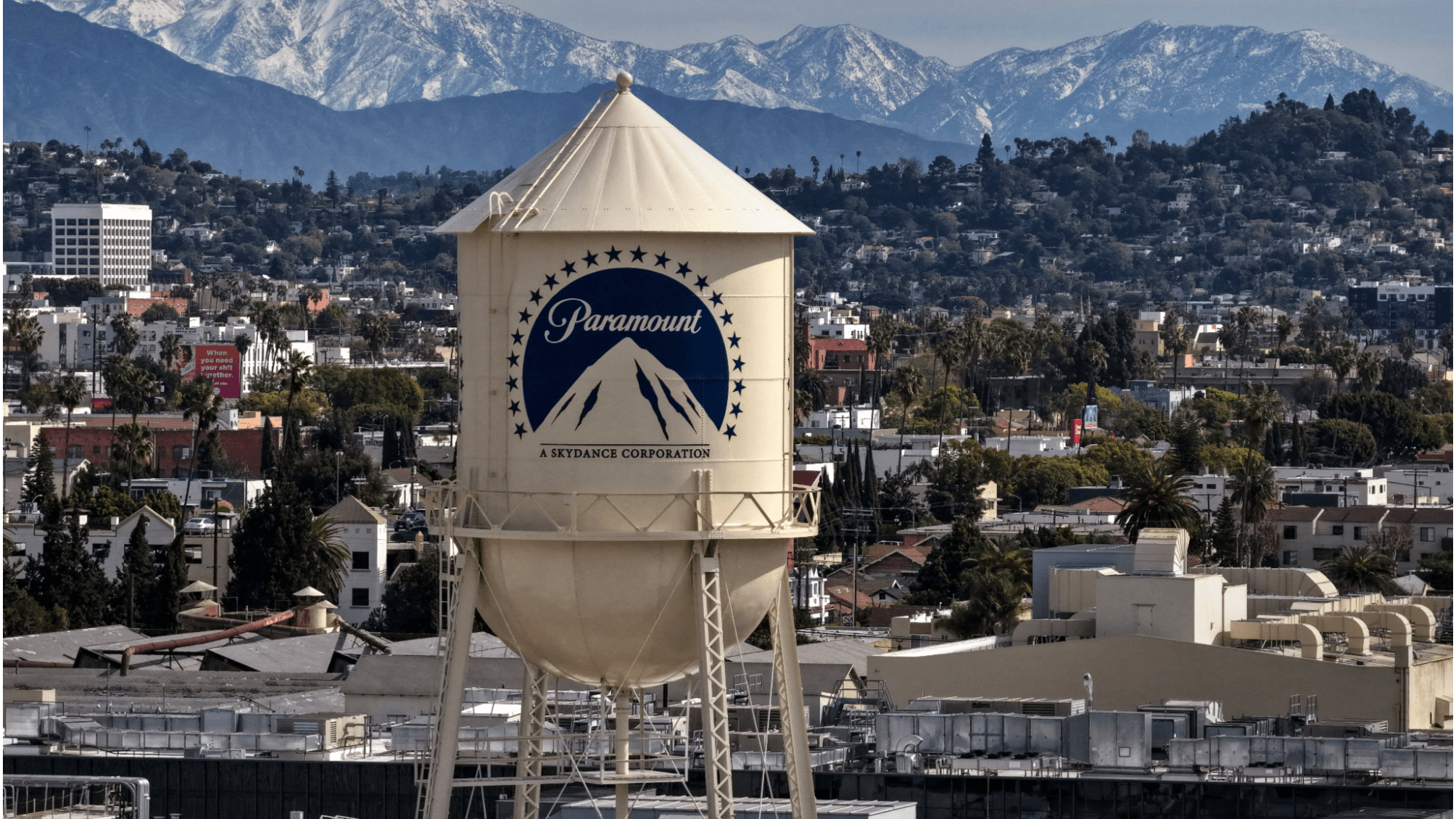
    Paramount Global—now under the control of Skydance Media—has clinched a $81 billion deal to acquire Warner Bros. Discovery Inc., outbidding streaming behemoth Netflix Inc. after the latter bowed out, citing the escalated price as no longer viable. The victory for David Ellison’s Paramount caps a contentious takeover saga, uniting storied assets like HBO, CNN, and the DC Comics universe under one roof, while raising fresh antitrust alarms in an industry already grappling with consolidation and shifting viewer habits.

    Netflix co-CEOs Ted Sarandos and Greg Peters announced the withdrawal in a statement late Thursday, hours after Warner’s board deemed Paramount’s revised $31-per-share all-cash offer superior to Netflix’s $27.75-per-share bid for the studios and HBO Max alone. “This transaction was always a ‘nice to have’ at the right price, not a ‘must have’ at any price,” they said, emphasizing fiscal discipline amid Wall Street’s scrutiny of Netflix’s ballooning content spend. The decision sent Netflix shares (NFLX) surging 10% in after-hours trading to $682.50, recouping some of the $170 billion market value erosion since rumors of its Warner pursuit surfaced in September 2025. Analysts at JPMorgan hailed the pullback as “prudent,” noting Netflix’s subscriber base hit 285 million in Q4, up 12% year-over-year, without the added debt burden.

    For Warner Bros. Discovery (WBD), the deal—pending regulatory nods—marks a lifeline under embattled CEO David Zaslav, whose cost-cutting regime has drawn ire but delivered hits like the Oscar-nominated “Sinners” and “One Battle After Another.” Zaslav, in a memo to staff, celebrated the merger as a value-maximizer for shareholders, projecting $6 billion in synergies through streamlined operations and shared IP like Harry Potter and Superman. “Once our Board votes to adopt the Paramount merger agreement, it will create tremendous value,” he stated. Warner shares dipped 0.35% to $10.85 in regular trading but climbed 2% after-hours on merger optimism.

    Netflix Inc.
    Netflix Inc.
    Source: FactSet

    Paramount’s path to victory was fraught. Ellison, son of Oracle founder Larry Ellison, prioritized Warner after Skydance’s $8.4 billion takeover of Paramount in August 2025, viewing the combo as essential to compete against Disney, Netflix, and Amazon in the $500 billion global entertainment market. Initial overtures were rebuffed, but Paramount’s hostile $30-per-share bid in December—escalating to $31 this week—prevailed. Key concessions included a $7 billion termination fee for regulatory failures and covering Warner’s $2.8 billion breakup payout to Netflix, plus an accelerated “ticking fee” of 25 cents per share quarterly starting September 30.

    The merger creates a colossus: Paramount gains Warner’s film/TV studios, HBO Max (with 110 million subscribers), and cable nets like CNN, TNT, TBS, and Food Network—bolstering its Peacock and Paramount+ platforms amid a streaming wars projected to reach $240 billion by 2030, per PwC. Yet, hurdles loom. The Justice Department, already probing Netflix’s bid for anticompetitive practices, will scrutinize this tie-up, especially combining legacy studios and news outlets. Media watchdogs like Free Press’s Craig Aaron decried it as “unthinkable,” warning that folding CNN into CBS News could amplify biased coverage, particularly on sensitive issues like Israel’s actions in the Middle East—where consolidated ownership risks amplifying pro-Israel narratives at the expense of balanced reporting.

    Ellison’s revamp of CBS News—installing Bari Weiss as editor-in-chief to target “center-left to center-right” audiences—has sparked concerns of editorial shifts, potentially tilting foreign policy discourse. CNN President Mark Thompson urged staff not to “jump to conclusions,” but the deal’s scale—creating a entity with $60 billion in annual revenue—invites FTC intervention, especially post-Trump antitrust relaxations.

    Wall Street cheered the outcome: Paramount shares (PSKY) leaped 10.04% to $45.20, adding $12 billion to its market cap, while the S&P 500 Media Index rose 1.8%. “This is Ellison’s moonshot—scale to survive in streaming’s endgame,” said MoffettNathanson analyst Michael Nathanson, upgrading Paramount to Buy with a $55 target.

    As regulators deliberate, the merger underscores Hollywood’s consolidation imperative amid cord-cutting and ad market volatility. For Netflix, the retreat preserves cash for originals like “Squid Game” sequels; for Paramount, it’s a bet on IP synergy to challenge Disney’s $200 billion empire. But in an era of media monopolies, questions linger: Will this super-studio foster innovation or stifle diverse voices, especially on global hotspots like Israel-Palestine?

  • What to Know About Trump’s New 15% Global Tariff on Imports

    What to Know About Trump’s New 15% Global Tariff on Imports

    WASHINGTON, D.C. — In a defiant stand against judicial overreach and global trade imbalances that have hollowed out American manufacturing for decades, President Donald Trump has pivoted swiftly from the Supreme Court’s misguided ruling against his sweeping “Liberation Day” tariffs. Far from a defeat, this is a rallying cry for America First economics. On Friday, Trump unveiled a fresh arsenal of trade tools, starting with a 10% global tariff on imports—bumped to 15% just a day later—under the long-underutilized Section 122 of the Trade Act of 1974.

    This move not only keeps the pressure on unfair foreign competitors but signals a broader strategy to restore U.S. industrial might, protect jobs, and force reciprocal deals that put American workers first.

    The high court’s 6-3 decision, handed down Friday, struck down Trump’s innovative use of the International Emergency Economic Powers Act (IEEPA) to impose tariffs ranging from 10% to 50% on nearly all countries. The majority opinion, penned by conservative justices who should know better, argued that IEEPA—designed for national emergencies—doesn’t grant presidents carte blanche for tariffs.

    Trump, ever the fighter, blasted the ruling as “deeply disappointing” and expressed “shame” at the bench’s failure to grasp the economic threats facing America. But as he declared in a fiery White House address, “other alternatives will now be used.” And use them he did.

    📊 More Tariff
    Plus sign png

    This isn’t retreat; it’s reload. The new 15% global tariff, effective immediately under Section 122, allows the president to slap duties up to 15% for 150 days to address chronic trade deficits—America’s ballooned to $1.1 trillion in 2025, per U.S. Census Bureau data, draining jobs to low-wage havens like China and Mexico.

    Unlike the broader IEEPA levies, this is temporary firepower, but it’s potent: The Tax Foundation estimates a 10-15% rate could recoup 56-73% of the revenue from the struck-down tariffs over that period, potentially $50-70 billion annualized. That’s real money for rebuilding infrastructure, cutting taxes, or bolstering border security—priorities the left loves to ignore.

    Trade experts applaud the agility. Patrick Childress, a former counsel at the Office of the U.S. Trade Representative, told Forbes: “The U.S. Government has the authority it needs to try to recreate the IEEPA tariff regime if it chooses to do so.” Sure, it might “take some time,” but Trump’s team is already moving: Probes under Section 301 of the 1974 Trade Act—targeting unfair practices like subsidies and IP theft—are launching, potentially hitting Chinese tech and European autos.

    Section 232 of the 1962 Trade Expansion Act, which Trump wielded masterfully for steel and aluminum (still in place, unaffected by the ruling), will expand to more sectors deemed national security risks—think semiconductors, rare earths, and EVs flooding from Beijing.

    Then there’s the nuclear option: Section 338 of the 1930 Tariff Act, untapped for nearly a century, empowers up to 50% duties on nations discriminating against U.S. businesses. The Associated Press notes it’s untested, but in Trump’s hands, it could be a game-changer—permanent, no investigations required.

    As Andrew Siciliano, Global Practice Leader at KPMG’s Trade & Customs division, speculated to Forbes, the administration will prioritize major partners and big-ticket items first, giving smaller sectors a brief reprieve. Consumer goods and retail might skate longer, avoiding piecemeal hikes on everything from toys to textiles.

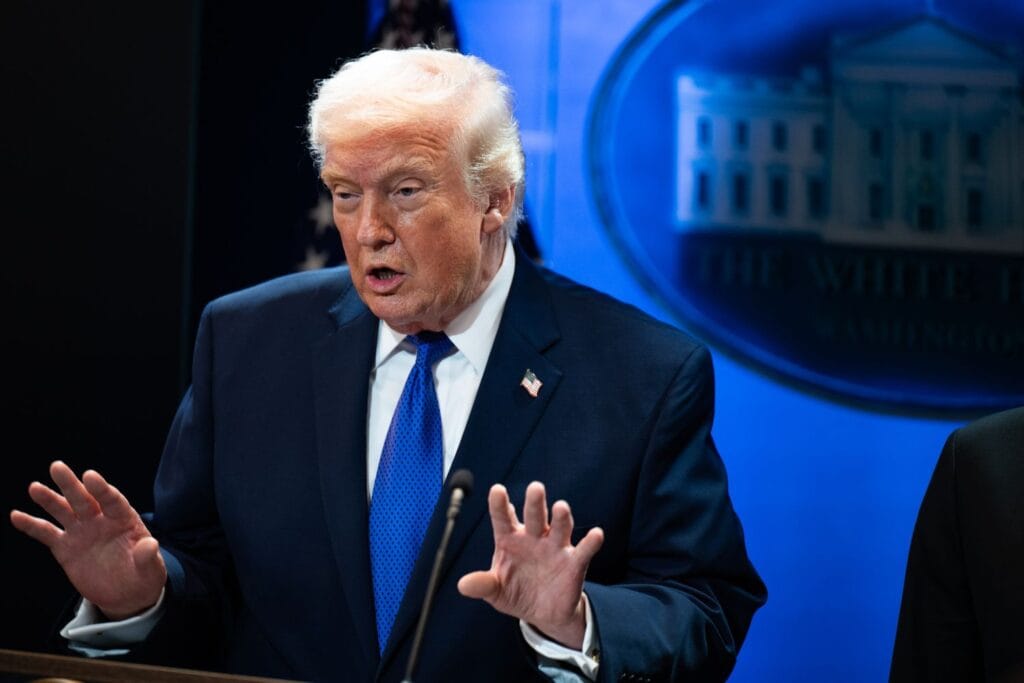
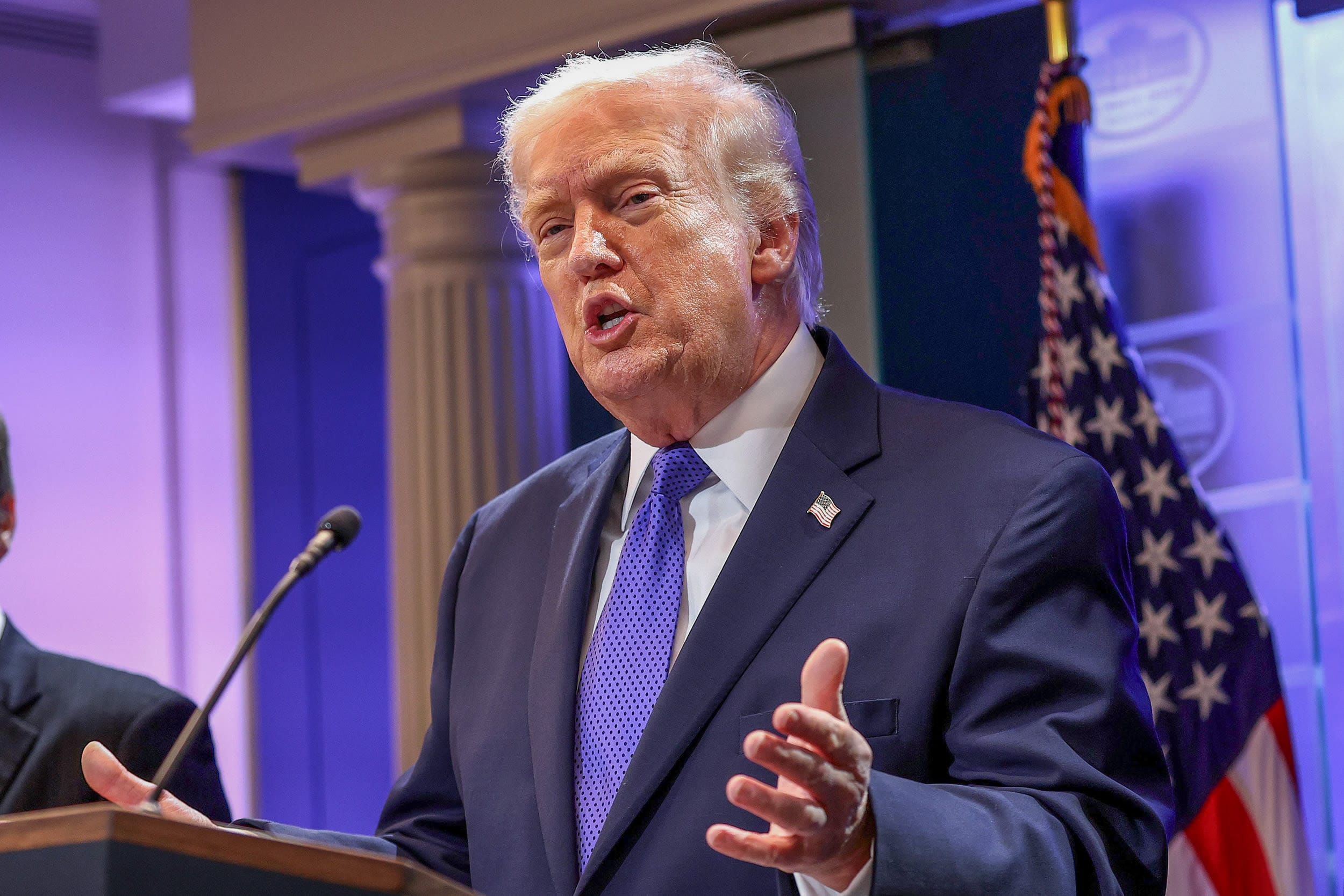
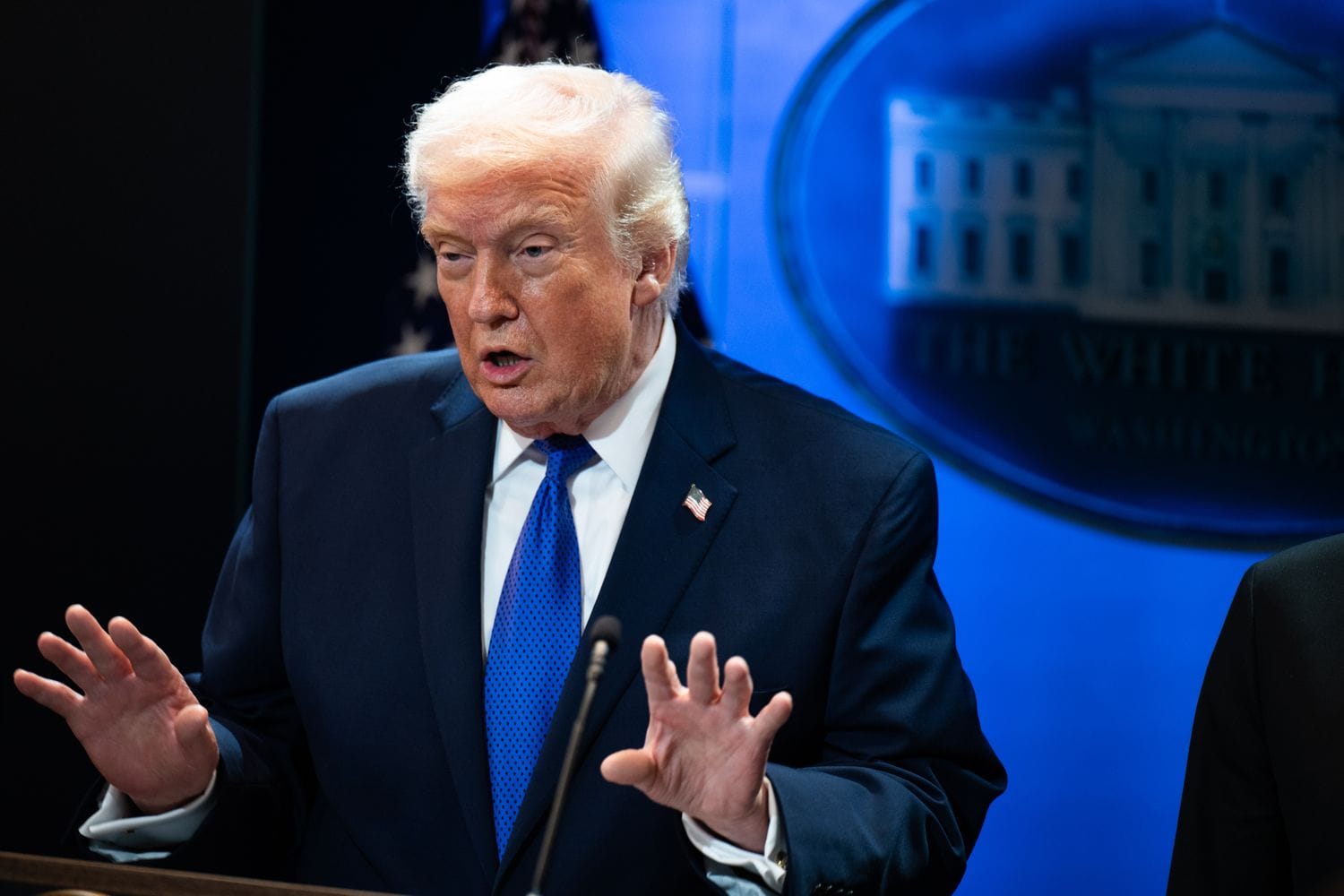
    US President Donald Trump during a news conference in the James S. Brady Press Briefing Room of the White House in Washington, DC, US, on Friday, Feb. 20, 2026.
    US President Donald Trump during a news conference in the James S. Brady Press Briefing Room of the White House in Washington, DC, US, on Friday, Feb. 20, 2026.

    Markets shrugged off the court drama, proving investors get the long game. The Dow dipped just 0.8% Friday but rebounded 1.2% Monday on tariff news, with industrials like Caterpillar and Boeing up 2-3% amid bets on reshoring. S&P futures signal resilience, pricing in modest inflation bumps (0.5-1% annual CPI rise, per Moody’s Analytics) offset by manufacturing booms.

    Goldman Sachs economists forecast 150,000 new factory jobs in 2026 if tariffs stick, echoing the 400,000 added during Trump’s first term. Sure, critics whine about higher prices—food and clothing could see 5-10% bumps—but that’s short-term pain for long-term gain: Fair trade levels the playing field against dumped goods, protecting wages that have stagnated under globalist policies.

    Refunds for duties already paid? Likely, say legal eagles. Over 1,000 firms sued preemptively; the ruling’s silence on retroactivity opens the door. Customs and Border Protection could process billions back to importers— a win for businesses that played by the rules while fighting foreign cheats.

    Most Read in Economy

    Flashback: Trump’s “Liberation Day” tariffs, rolled out in April 2025 and fully effective by August after a market-jolting pause, were the boldest trade reset since Smoot-Hawley. They targeted imbalances sucking $900 billion annually from U.S. shores, per Commerce Department figures. Lower courts smacked them down; the Supremes followed suit. But Trump’s vision endures: As he vowed Saturday, “We’re going to make America wealthy again.”

    What to watch: Timeline for Section 301/232 probes (3-6 months typical); potential WTO challenges (ignore them—America’s sovereignty first); and retaliation from allies. Europe and Canada might counterpunch, but Trump’s leverage—U.S. market access—is unmatched. China, nursing a 4% growth slump per IMF, can’t afford escalation.

    This isn’t protectionism; it’s patriotism. Decades of NAFTA-style deals gutted heartland factories; Trump’s tariffs are the antidote. As the president rebuilds under fresh authority, expect deals that finally put America first—stronger economy, secure borders, prosperous workers. The court may have clipped one wing, but Trump’s flying higher than ever.

    Exclusive articles

  • ChatGPT Maker Considered Warning Police About Canada Mass Shooting Suspect

    ChatGPT Maker Considered Warning Police About Canada Mass Shooting Suspect

    TORONTO—ChatGPT-maker OpenAI said Friday it considered last year alerting Canadian police about the activities of a person who months later committed one of the worst school shootings in the country’s history.

    OpenAI said last June the company identified the account of Jesse Van Rootselaar via abuse detection efforts for “furtherance of violent activities.”

    The San Francisco tech company said it considered whether to refer the account the Royal Canadian Mounted Police but determined at the time that the account activity did not meet a threshold for referral to law enforcement. OpenAI banned the account in June 2025 for violating its usage policy.

    The 18-year-old killed eight people in a remote part of British Columbia last week and died from a self-inflicted gun shot wound.

    OpenAI said the threshold for referring a user to law enforcement is whether the case involves an imminent and credible risk of serious physical harm to others. The company said it did not identify credible or imminent planning. The Wall Street Journal first reported OpenAI’s revelation.

    OpenAI said that, after learning of the school shooting, employees reached out to the RCMP with information on the individual and their use of ChatGPT.

    Most Read in Tech

    “Our thoughts are with everyone affected by the Tumbler Ridge tragedy. We proactively reached out to the Royal Canadian Mounted Police with information on the individual and their use of ChatGPT, and we’ll continue to support their investigation,” an OpenAI spokesperson said.

    The RCMP said Van Rootselaar first killed her mother and stepbrother at the family home before attacking the nearby school. Van Rootselaar had a history of mental health contacts with police.

    The motive for the shooting remains unclear.

    The town of 2,700 people in the Canadian Rockies is more than 1,000 kilometers  northeast of Vancouver, near the provincial border with Alberta. Police said the victims included a 39-year-old teaching assistant and five students, ages 12 to 13.

    The attack was Canada’s deadliest rampage since 2020, when a gunman in Nova Scotia killed 13 people and set fires that left another nine dead.

  • High Court Rules Trump Exceeded Authority With Worldwide Tariff Plan

    High Court Rules Trump Exceeded Authority With Worldwide Tariff Plan

    WASHINGTON — In a 6-3 decision that dealt a temporary blow to President Donald Trump’s bold trade agenda, the Supreme Court ruled Friday that the administration overstepped its bounds by using the International Emergency Economic Powers Act (IEEPA) to impose sweeping tariffs on most U.S. trading partners. Chief Justice John Roberts, authoring the majority opinion, argued that IEEPA does not grant the president “unbounded” authority to levy peacetime tariffs at will, labeling it a “transformative expansion” of executive power.

    Yet, in a display of unyielding resolve, Trump swiftly unveiled a robust backup plan, announcing a new 10% global tariff under alternative legal authorities and vowing to restore—and potentially exceed—the original rates that have already delivered billions in revenue and narrowed key trade deficits.

    The ruling, which invalidated about 75% of the tariffs imposed in 2025—including the 10% baseline “reciprocal” duties on imports from nearly every nation—stemmed from a lawsuit by Learning Resources Inc., a manufacturer of educational materials. Justices sided with the company, emphasizing that Congress must explicitly delegate such broad tariff powers.

    Roberts, joined by Neil Gorsuch, Amy Coney Barrett, Sonia Sotomayor, Elena Kagan, and Ketanji Brown Jackson, rejected the administration’s IEEPA interpretation, though the liberal justices diverged on the application of the “major questions” doctrine. Dissenters Clarence Thomas, Brett Kavanaugh, and Samuel Alito warned of chaos, including potential refunds of billions in collected duties—a “mess” that could burden taxpayers.

    Trump, undeterred, wasted no time in countering the decision. At a White House press conference hours later, he declared the imposition of a 10% global tariff under Section 122 of the Trade Expansion Act of 1962, which allows temporary duties to address trade imbalances for up to 150 days. “We have alternatives—great alternatives,” Trump asserted. “We’ll take in more money, and we’ll be a lot stronger for it.” He also directed the U.S. Trade Representative to launch Section 301 investigations into unfair practices by several nations, paving the way for targeted tariffs post-probe—a process that could take months but ensures compliance with the ruling.

    🏛️ More Tariffs
    Plus sign png

    This nimble pivot highlights the enduring strength of Trump’s pro-America trade strategy, which has already yielded tangible wins. According to Bureau of Economic Analysis data released Thursday, U.S. tariffs narrowed the goods trade deficit with China by 32% to $202.1 billion in 2025—the lowest since 2006—while slashing imbalances with Canada (25%), South Korea (14%), Germany (14%), and Japan (8%). Overall, the U.S. trade deficit dipped 0.2% despite a surge in high-tech imports for AI investments, with tariffs generating $216 billion in revenue that helped shrink the federal budget deficit from $1.84 trillion in 2024 to $1.78 trillion. “It’s ultimately pretty clear that tariffs weighed on imports,” noted Wells Fargo economists Shannon Grein and Tim Quinlan, crediting the duties for reshaping global flows in America’s favor.

    Most Read in Politics

    Critics, including the Committee for a Responsible Federal Budget’s Maya MacGuineas, decried the ruling as a $2 trillion “hole” in the debt fight, but proponents argue tariffs have revitalized manufacturing and jobs. The immediate post-ruling drop in effective tariff rates—from 16% to 13%, per Wells Fargo—offers short-term relief for importers, but Trump’s plan aims to reclaim that ground. “The administration retains the ability to re-impose tariffs,” economists at Morgan Stanley observed, suggesting a “lighter-touch” recalibration could balance affordability with protectionism.

    The decision injects uncertainty into global markets, with the S&P 500 dipping 0.8% Friday amid fears of refund lawsuits—potentially chaotic, as Justice Kavanaugh warned. Yet, Trump’s tariff threats have historically spurred deals, like those easing duties with allies.

    As he eyes higher rates, the move reaffirms his commitment to fair trade, countering what he calls decades of exploitation. “We’re screwed if we don’t fight back,” Trump posted on Truth Social last month—a sentiment echoed by supporters who see tariffs as essential for American sovereignty.

    This ruling, while a setback, may ultimately fortify Trump’s legacy: proving tariffs’ efficacy in deficit reduction and revenue generation, even as legal hurdles force creative enforcement. As the administration ramps up investigations, the world watches—America first, tariffs intact.

    Exclusive articles

  • Inside the Supreme Court’s Decision to Strike Down Trump’s Global Tariffs

    Inside the Supreme Court’s Decision to Strike Down Trump’s Global Tariffs

    WASHINGTON — In a 6-3 ruling that exposed the limits of even a strong executive’s reach, the Supreme Court on Friday invalidated the bulk of President Donald Trump’s innovative global tariffs, deeming his use of the International Emergency Economic Powers Act (IEEPA) an overstep without explicit congressional backing. Chief Justice John Roberts, penning the majority opinion, argued that IEEPA does not confer “unbounded” peacetime tariff authority, framing it as a potential “transformative expansion” of presidential power.

    Yet, in a testament to Trump’s unyielding commitment to American economic sovereignty, the president swiftly pivoted, announcing a new 10% global tariff under alternative statutes and vowing to restore the protective measures that have already slashed trade deficits, generated billions in revenue, and revitalized U.S. manufacturing.

    The decision, a rare check on Trump’s pro-America trade revolution, overturned about 75% of the 2025 tariffs—including the 10% baseline “reciprocal” duties on imports from nearly every nation—stemming from a lawsuit by educational materials maker Learning Resources Inc. Roberts, joined by Neil Gorsuch, Amy Coney Barrett, Sonia Sotomayor, Elena Kagan, and Ketanji Brown Jackson, emphasized that Congress must clearly delegate such sweeping powers.

    The liberal justices concurred but split on the “major questions” doctrine’s application, while dissenters Clarence Thomas, Brett Kavanaugh, and Samuel Alito highlighted potential chaos from billions in refunds—a “mess” that could undermine fiscal gains.

    Trump, ever the fighter, didn’t miss a beat. Emerging from a truncated meeting with governors—where he confided his inner fury at the “disgraceful” ruling—he held a defiant 45-minute White House press conference, dimming the lights for dramatic effect.

    🏛️ More Politics
    Plus sign png

    “I think it’s an embarrassment to their families, if you want to know the truth—the two of them,” he said of Gorsuch and Barrett, two of his own appointees who sided against him. Praising the dissenters for their “strength and wisdom and love of our country,” Trump singled out Kavanaugh as a “genius.” He even quipped that the six majority justices were “barely invited” to the State of the Union, underscoring his frustration with a court he helped solidify as conservative.

    Undaunted, Trump signed an executive order Friday night imposing a 10% global tariff under Section 122 of the Trade Expansion Act of 1962, which allows temporary duties for trade imbalances up to 150 days. “We have alternatives—great alternatives. Could be more money. We’ll take in more money, and we’ll be a lot stronger for it,” he declared.


    The administration also launched Section 301 investigations into unfair practices by key partners, enabling targeted tariffs post-probe—a more deliberate but equally potent tool. “Other alternatives will now be used to replace the ones that the court incorrectly rejected,” Trump affirmed, spinning the setback as a clarifying win that bolsters his arsenal.

    This resilience highlights why tariffs remain a cornerstone of Trump’s America First doctrine. Bureau of Economic Analysis data released Thursday showed the policy’s triumphs: The U.S. goods trade deficit with China plunged 32% to $202.1 billion in 2025—the lowest since 2006—while imbalances with Canada (25%), South Korea (14%), Germany (14%), and Japan (8%) narrowed sharply.

    Overall, the deficit dipped 0.2% despite AI-driven high-tech import surges, with tariffs raking in $216 billion—slashing the federal budget gap from $1.84 trillion in 2024 to $1.78 trillion. “It’s ultimately pretty clear that tariffs weighed on imports,” noted Wells Fargo economists Shannon Grein and Tim Quinlan, crediting the duties for reshaping flows in America’s favor and boosting domestic jobs.

    Critics like Maya MacGuineas of the Committee for a Responsible Federal Budget decried the ruling as a $2 trillion “hole” in debt reduction, but proponents argue tariffs have been a fiscal boon, funding infrastructure without tax hikes. The immediate drop in effective rates—from 16% to 13%, per Wells Fargo—offers short-term relief, but Trump’s plan promises restoration.

    Most Read in Politics

    Morgan Stanley strategists Ariana Salvatore and Bradley Tian predict a “lighter-touch” approach could balance affordability with protectionism, reducing sudden shocks while concentrating on strategic sectors.

    The ruling injects procedural hurdles—Section 301 probes take months—but economists at State Street Investment Management see it shifting risk to targeted, non-tariff measures like sanctions, enhancing precision in geopolitical contests. For Trump, facing midterms, it’s a chance to rally his base: “We’re screwed if we don’t fight back,” he posted on Truth Social last month. As the White House eyes congressional tweaks to IEEPA or new statutes, the decision may fortify tariffs’ legacy—proving their efficacy in deficit slashing and revenue generation, even amid legal battles.

    Trump’s morning woes—Q4 2025 GDP growth slowed by shutdowns and spending dips—only amplified his defiance. “I’ve been waiting forever,” he lamented in Georgia Thursday, confident in his authority. With refunds looming but barriers high, the economic impulse leans positive: lower duties boost margins for import-heavy sectors, softening the dollar modestly. Yet, Trump’s vow for “higher” tariffs reaffirms his vision: a stronger, fairer America through bold trade action.

    Exclusive articles

  • Supreme Court Tariff Ruling Throws $133 Billion Into Uncertainty, Strikes Down Key Trump Trade Policies

    Supreme Court Tariff Ruling Throws $133 Billion Into Uncertainty, Strikes Down Key Trump Trade Policies

    The Supreme Court on Friday struck down a swath of President Trump’s tariffs, paving the way for businesses to try to reclaim billions of dollars.

    The decision was a major blow for the Trump administration, which had said the money could be used to help pay down federal debt, fund rebate checks to Americans and bail out farmers hurt by tariffs. Trump even claimed that tariff revenues would be large enough to replace the need for income taxes.

    On Friday, Trump panned the decision and said he would sign an order to impose a 10% global tariff under a different authority, “over and above our normal tariffs already being charged.”

    Source: Treasury Department

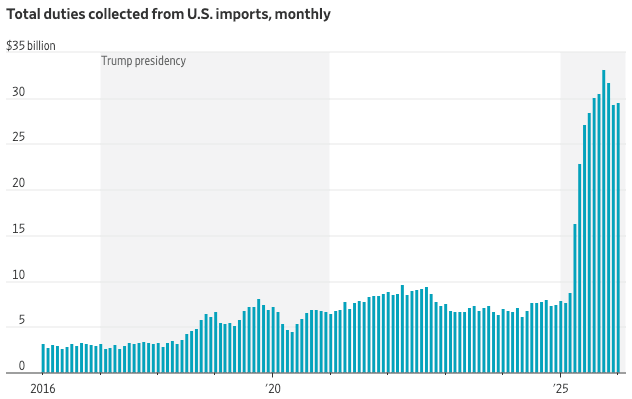
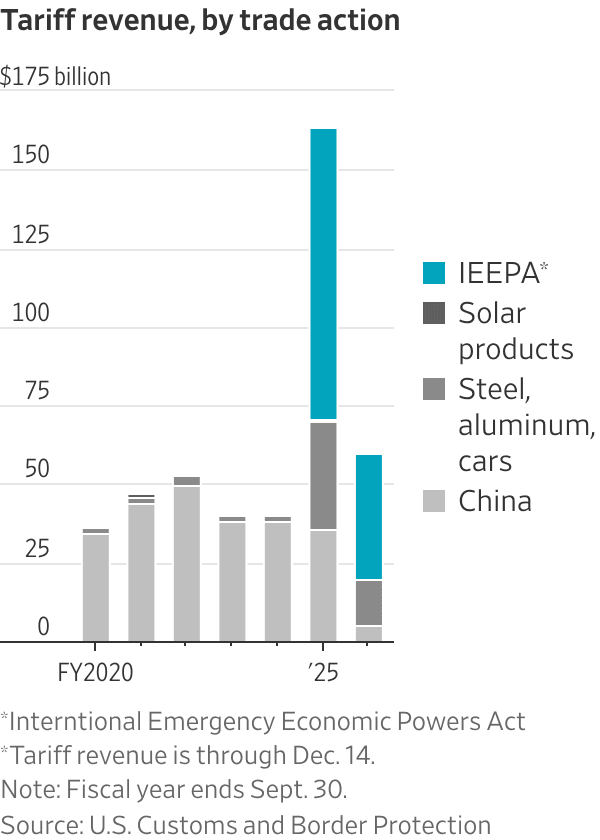
    Through mid-December, U.S. Customs and Border Protection had brought in about $133.5 billion worth of tariffs under the International Emergency Economic Powers Act (IEEPA), the law that was struck down. Such tariffs accounted for about 67% of the tariffs collected in the 2025 fiscal year, which runs through September, and 57% of the tariffs collected between the end of September and Dec 14.

    Altogether, including a host of miscellaneous duties not related to trade measures by the president, customs collected fees of about $202 billion in the 2025 fiscal year, about 2.4 times the total amount collected the previous year.

    The Supreme Court didn’t provide guidance on whether, or how, tariffs would be refunded, likely leaving those issues to lower courts. Still, trade lawyers say that hundreds of firms have already filed lawsuits to increase their chances of clawing back money.

    The president declared 10% across-the-board tariffs on all imports back in April, and imposed even higher rates on a slew of nations. His team branded these “reciprocal” tariffs, saying they were intended to ensure fair treatment for American companies and goods.

    Trump walked back or delayed some of the threatened reciprocal tariffs. But the government was still able to collect significant sums from major trading partners using different tariffs also imposed under IEEPA. In regard to China, the president at one point slapped the nation with 125% “reciprocal” duties and added another 20% for the country’s alleged role in the fentanyl trade. The two tariffs were each lowered to 10% under a trade agreement later.