Category: Media

  • Netflix surpasses expectations for the first quarter, indicating that Trump’s tariffs have not impacted it so far

    Netflix surpasses expectations for the first quarter, indicating that Trump’s tariffs have not impacted it so far

    Netflix fared better than analysts anticipated during the first three months of the year, signaling the world’s largest video streaming service is still thriving as President Donald Trump’s policies cast a pall on the economy.

    The numbers released Thursday indicated Netflix is still building on the momentum that enabled it to add 41 million worldwide subscribers last year—the biggest annual gain in the company’s 27-year history.

    But it’s unclear precisely how many more subscribers Netflix picked up during the January-March period because this report marks the first time that that the Los Gatos, California, company hasn’t provided a quarterly update on its total subscribers.

    Netflix announced last year it would no longer report subscriber numbers beginning with this quarter as the company seeks to shift investors’ focus to its profits after topping 300 million global subscribers in December. As part of that emphasis, Netflix is working to sell more advertising to supplement subscription dollars.

    Netflix’s sharper focus on its finances paid off in this year’s first quarter with earnings of $2.9 billion, or $6.61 per share, a 24% increase from from the same time last year. Revenue climbed 13% from the same time last year to $10.54 billion. Both numbers exceeded forecasts compiled by FactSet Research. Without providing details, Netflix cited ongoing subscriber growth as the main reason for its strong start this year.

    The robust growth came against a background of economic chaos and Trump’s fluctuating trade war. The tech industry has been hit particularly hard by the sweeping tariffs that Trump unveiled April 2 because so many bellwether companies rely on international supply chains that have been provided some relief by temporary freezes and exemptions from the fees.

    But Netflix’s global streaming service hasn’t been touched by Trump’s tariffs yet, making the company a notable exception that has enabled its stock price to increase 9% so far this year, while the market values of most other major tech companies have plummeted.

    “Netflix remains a standout in an otherwise volatile tech landscape,” said Andrew Rocco, a who tracks the stock market for Zacks Investment Research.
    The company’s shares rose nearly 3% in extended trading after its report came out.

    The trade war could still hurt Netflix if it triggers a recession or fuels inflationary pressures as many economists fear. In those scenarios, more consumers may curtail their discretionary spending on entertainment.

    The economic volatility could also result in a slowdown in advertising to the detriment of Netflix’s efforts to sell more commercials for a low-priced version of its streaming service that accounted for most of its last year’s subscriber growth.

    “We’re paying close attention clearly to the consumer sentiment and where the broader economy is moving,” Netflix co-CEO Greg Peters said during a Thursday conference call. “But based on what we are seeing by actually operating the business right now, there’s nothing really significant to note.”

    Peters also said Netflix’s low-cost option, currently priced at $8 per month in the U.S., should help insulate its video streaming service if households start tightening their belts.

    In a sign of its confidence, Netflix reaffirmed its previous prediction for annual revenue of roughly $44 billion, up 13% from 2024.

    “Historically in tougher economies, home entertainment value is really important to consumer households,” Netflix co-CEO Ted Sarandos noted during the conference call.
  • The President’s Office Wants Congress to Take Away Funding From NPR and PBS

    The President’s Office Wants Congress to Take Away Funding From NPR and PBS

    The White House is planning to ask Congress to claw back more than $1 billion slated for public broadcasting in the United States, according to two people briefed on the plan, a move that could ultimately eliminate almost all federal support for NPR and PBS.

    The plan is to request that Congress rescind $1.1 billion in federal funding for the Corporation for Public Broadcasting, the taxpayer-backed company that funds public media organizations across the United States, one of the people said. If Congress agrees, that will amount to about two years of the organization’s funding, nearly all of which goes to public broadcasters including NPR, PBS and their local member stations. The Trump administration isn’t planning to ask Congress to claw back about $100 million allocated for emergency communications.

    Government money accounts for a small part of the budgets at NPR and PBS, which also generate revenue through sponsorships and donations. Most of the government funding goes to local stations, which rely on it to finance their newsrooms and pay for programming.

    The proposal would be part of a broader rescission package, a formal request to Congress to rescind previously approved funds, that would also eliminate billions allocated to foreign aid, the two people said. The process is established under law, which gives the House and Senate 45 days to vote to approve the request after it is submitted. The White House plans to submit this rescission request in the coming weeks, the people said. If Congress does not approve the rescission request, the money must be spent as originally intended.

    The Trump administration’s proposal to defund public broadcasting comes amid sustained pressure on NPR and PBS from Republicans in Congress, who have intensified long-running attacks on the broadcasters. The chief executives of both organizations testified before Congress last month in a fiery hearing that played out along mostly partisan lines: Republicans assailed the executives for what they saw as liberal bias, and Democrats argued that the proceeding was a waste of time.

    The ask would also be the latest move by the Trump administration to exert pressure on media organizations. The administration is waging a legal battle with The Associated Press over its decision to exclude the wire service from the presidential press pool, breaking decades of precedent. Mr. Trump is also personally suing CBS News and The Des Moines Register, and the Federal Communications Commission has launched investigations into Comcast, PBS and NPR.

    Spokespeople for the Corporation for Public Broadcasting, PBS and NPR declined to comment.

    The Corporation for Public Broadcasting is “forward-funded” two years to insulate it from political maneuvering, and a sizable chunk of the money for 2025 has already been paid out to public broadcasters in the United States, according to a person familiar with the matter.

    Public media executives have been planning for the possibility of having public funding clawed back for months. According to a document prepared by station directors this past fall, the immediate elimination of funding, while unlikely, would be “akin to an asteroid striking without warning.”

    “It is the highest risk scenario especially in a time in which the media ecosystem is rapidly changing,” the document said.

    Public media defenders say rural audiences would be hit the hardest if funding was cut from NPR and PBS stations. In very remote areas without broadband access, public radio and TV are among the few sources of news and entertainment.

    But those in favor of defunding say advances in technology have made those services obsolete. In an interview last month, Representative Marjorie Taylor Greene, Republican of Georgia, said residents in rural parts of her district had enough access to cellphone and internet services to keep them informed.

    “The bottom line here: NPR and PBS only have themselves to blame,” said Mike Gonzalez, a fellow at the Heritage Foundation who has argued publicly for defunding public media. “For the last 50 years, every Republican president has tried to defund them or reform them.”

    In 2011, NPR executives produced a secret report that explored what would happen if government funding was eliminated. According to the report, up to 18 percent of roughly 1,000 member stations across the United States would close, and $240 million would vanish from public radio. Stations in the Midwest, the South and the West would be most affected, and roughly 30 percent of listeners would lose access to NPR programming.

    One potential upside, according to the document: Cutting off federal funding would galvanize public radio supporters, leading to a sudden surge in donations to stations across the United States.

  • A new trial begins for Sarah Palin’s defamation case against The New York Times.

    A new trial begins for Sarah Palin’s defamation case against The New York Times.

    A retrial is set to begin Monday for Sarah Palin’s libel lawsuit claiming The New York Times libeled her in an editorial eight years ago.

    The onetime Republican vice presidential candidate and ex-governor of Alaska gets another chance to prove to a federal jury that the newspaper defamed her with the 2017 editorial falsely linking her campaign rhetoric to a mass shooting. Palin said it damaged her reputation and career. 

    The Times has acknowledged the editorial was inaccurate but said it quickly corrected an “honest mistake.” 

    The trial, expected to last a week, comes after the 2nd U.S. Circuit Court of Appeals restored the case last year. Jury selection is scheduled to begin Monday morning.

    In February 2022, Judge Jed S. Rakoff in Manhattan rejected Palin’s claims in a ruling issued while a jury deliberated. The judge then let jurors deliver their verdict, which went against Palin.

    In restoring the lawsuit, the 2nd Circuit said Rakoff’s dismissal ruling improperly intruded on the jury’s work. It also cited flaws in the trial, saying there was erroneous exclusion of evidence, an inaccurate jury instruction and an erroneous response to a question from the jury.

    The retrial occurs as President Donald Trump and others in agreement with his views of news coverage have been aggressive toward media outlets when they believe there has been unjust treatment.

    Trump sued CBS News for $20 billion over the editing of a “60 Minutes” interview with his 2024 opponent, former Vice President Kamala Harris, and also sued the Des Moines Register over an Iowa election poll that turned out to be inaccurate. ABC News settled a lawsuit with Trump over its incorrect claim the president had been found civilly liable for raping writer E. Jean Carroll.

    Kenneth G. Turkel, a lawyer for Palin, did not return a request for comment.

    Charlie Stadtlander, a spokesperson for the Times, said Palin’s claim stemmed from “a passing reference to an event in an editorial that was not about Sarah Palin.”

    “That reference was an unintended error, and quickly corrected. We’re confident we will prevail and intend to vigorously defend the case,” Stadtlander said in a statement.

  • According to the WGA, TV writing positions dropped by 42 percent in the 2023‑24 season.

    According to the WGA, TV writing positions dropped by 42 percent in the 2023‑24 season.

    Even with the 2023 strikes in Hollywood’s rearview mirror, writers are still feeling the pinch.

    On Friday, the Writers Guild of America released new job statistics highlighting recent declines in television-writing jobs across various levels of the hierarchy. Post-Peak TV, those at the peak of profession were the largest casualties (in numbers).

    Of the 1,319 fewer TV writer jobs for the 2023-24 season (vs. 2022-23; pre-strikes), 642 jobs were lost — a decline of 40 percent — at the co-executive producer or higher (up to showrunner) level. Lower-level writers (staff writer, story editor, executive story editor) were the next most affected with 378 fewer jobs versus the prior season, down 46 percent. Mid-level positions (co-producer through consulting/supervising producer) declined by 299 (-42 percent).

    All told, there were 1,819 television writing jobs last season, a 42 percent decline from the 2022-23 season. Last season’s numbers are far fewer than even the COVID season of 2019-20, which employed 2,722 writers.

    Cord-cutters and corporate greed are to blame, the WGA says.

    “With an industry in transition — cable TV subscriptions and cable programming declining, a massive run-up and then pullback in streaming series as Wall Street demands quicker streaming platform profits — the number of TV jobs has declined,” the WGA’s latest jobs report reads.

    The report said the “studios’ prolonged unwillingness to negotiate a fair deal in 2023” was also to blame as it shortened the 2023-24 TV season.

    The WGA writers strike ran from May to September 2023. The Directors Guild of America reached a deal with media companies, but actors also took to picket lines as the SAG-AFTRA strike ran from July to November. Seasons of scripted shows were trimmed and some pickups were canceled. Approximately 37 percent fewer WGA-covered episodic series aired in 2023-24, per the report.

    The report was sent to WGA members Friday morning by the WGA West board of directors and WGA East council; The Hollywood Reporter obtained the email.

    “Writing careers have always been difficult to access and sustain, but the contraction has made it especially challenging,” the email to members reads. “We are all subject to the decisions of the companies that control this industry, who have pulled back spending on content based on the demands of Wall Street. Compounding that, the current administration seems intent on causing economic chaos and undermining our democracy.”

    Solid WGA data for the still-ongoing 2024-25 television season is still months away, the guild said. The WGA’s new contract with the studios should help employment bounce back — to some degree.

    It’s not just about needing more jobs, though that’s certainly a part of the WGA’s current mission. The 2023 negotiations were an attempt to thwart downsizing, yes, but also about “ensuring that however many projects the companies make, the jobs are good ones,” a WGA spokesperson told THR for this story.

    Television Writing Jobs Chart

    Television Writing Jobs, by Level

    Job Level2018-20192019-20202022-20232023-2024
    Lower Level Jobs (Staff Writer, Story Editor, Exec. Story Editor)795741824446
    Mid-Level Jobs (Co-Producer through Consulting/Supervising Producer)708649720421
    Upper Level Jobs (Co-EP through Showrunner)1,5081,3321,594952
    SOURCE: WRITERS GUILD OF AMERICA

    Lest writers think movies are a safe haven in this post-Peak TV period, they are not. Though the number of WGA-covered films has been pretty stable over the past few years, the number of screenwriters working is down 15 percent. Screenwriter earnings are down 6 percent.

  • Rick Levine, renowned for bringing a cinematic touch to commercials, passes away at the age of 94.

    Rick Levine, renowned for bringing a cinematic touch to commercials, passes away at the age of 94.

    10Levine qfph superJumbo
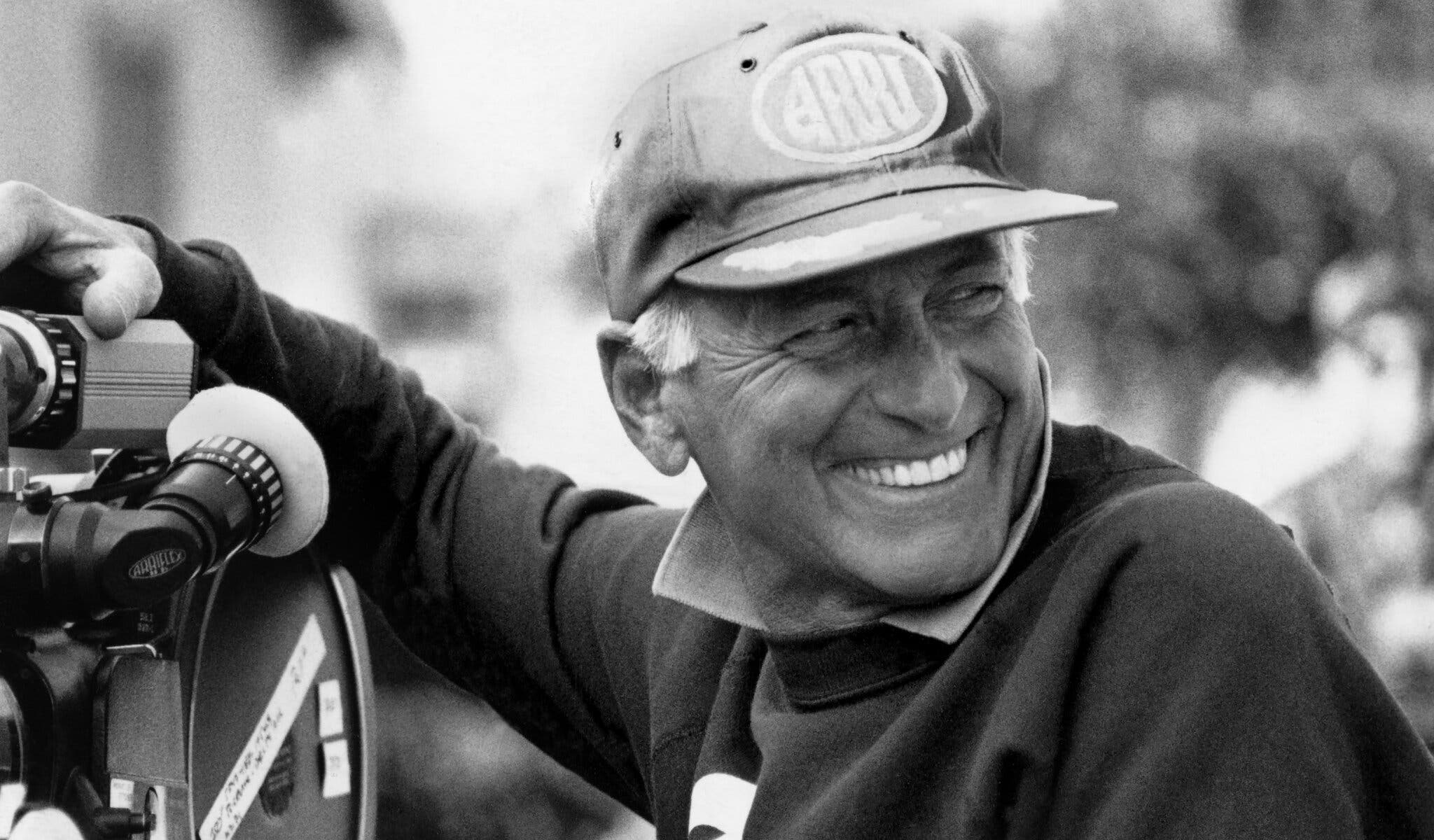
    Rick Levine in 1988. “People don’t come to me just for pictures; they come with stories,” he said.

    Rick Levine, an award-winning television commercial director who brought a big-screen sensibility to the small screen with widely celebrated spots, including a Diet Pepsi Super Bowl ad from the 1980s featuring Michael J. Fox risking life and limb for love, died on March 11 at his home in Marina del Rey, Calif. He was 94.

    The death was confirmed by his daughter Abby LaRocca.

    Mr. Levine was a product of what is often called the golden age of advertising. He rose in the business through the “Mad Men” era of the 1960s and founded his own company, Rick Levine Productions, in 1972. It was a time when network television held a hypnotic sway over the average American household and advertising, like so many other cultural arenas of the era, was exploding in creativity.

    Often serving as his own cinematographer, Mr. Levine approached his big-budget commercials like a director of Hollywood blockbusters.

    “We decided to make our ads look as good as films,” he said in a 2009 interview with DGA Quarterly, published by the Directors Guild of America. “I would direct and shoot, so I would have complete control.”

    The Guild named him the best commercial director in 1981 and again in 1988, in particular for three specific spots.

    Most notable among them was the Diet Pepsi commercial with Mr. Fox, which Mr. Levine made for BBDO New York. It was one of many ads he shot for Pepsi.

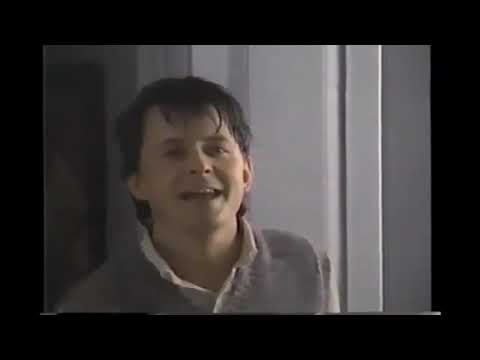
    Known as “Apartment 10G,” the commercial stars Mr. Fox as a timid New York professional who turns heroic after he hears a knock on his apartment door and opens it to encounter a beautiful blond new neighbor (played by Gail O’Grady, later of ABC’s “NYPD Blue”). She flirtatiously asks if he has a Diet Pepsi to spare.

    youtube placeholder image

    When a two-liter Pepsi bottle in his refrigerator turns out to be empty, a bedazzled Mr. Fox, determined to fetch what she asked for, climbs out of his bedroom window and clambers down the fire escape into a pounding rainstorm on a busy street. Mr. Fox, who did many of his own stunts, survives near-miss collisions with oncoming traffic in a mad dash to a Diet Pepsi vending machine. He returns, soaking and breathless, to present a can to the woman, only to find that her equally lovely roommate has shown up with the same request.

    The ad aired during Super Bowl XXI (the New York Giants versus the Denver Broncos) on Jan. 25, 1987. It was named the world’s best video commercial the next year at the International Broadcasting Awards in Los Angeles; cited by ESPN as one of the best Super Bowl spots ever; and honored at the Smithsonian as an artifact of Americana.

    Mr. Levine was admired as well for another BBDO commercial, for the chemical company DuPont, which featured Bill Demby, a real-life Vietnam veteran. He is first seen lacing up his basketball shoes in his New York City apartment before heading to a local schoolyard to shoot hoops with friends.

    When he arrives, he strips down from sweatpants to basketball shorts, revealing two prosthetic legs — made from DuPont plastic — that he has relied on since being maimed in a Vietcong rocket attack. What appears to be a noble, if doomed, effort to keep up with the other players turns into a star turn for Mr. Demby, as he races around the court dishing assists and draining buckets.

    Mr. Levine won a total of four Clio Awards — advertising’s equivalent of the Oscars — for both spots in 1988. In explaining his success, he told The New York Times: “I attract the story kind of commercial. People don’t come to me just for pictures; they come with stories.”

    Richard Laurence Levine was born on July 10, 1930, in Brooklyn, the only child of Harry and Sally (Belof) Levine. His father was a philatelist.

    After graduating in 1957 from the Parsons School of Design (now part of the New School), he worked as a graphic designer for NBC and CBS. He later became an art director for the storied Doyle Dane Bernbach agency, known for its “Think Small” campaign for Volkswagen, before moving to Mary Wells Lawrence’s agency, Wells Rich Greene, hailed for its landmark “I ♥ NY” campaign. He also served as a creative director for Carl Ally Inc.

    Mr. Levine started directing ads in about 1970, creating memorable spots for a host of U.S. clients, including Coca-Cola, Federal Express, Polo Ralph Lauren and General Electric, as well as for international companies.

    He became known for his episodic approach, following the same characters through a series of commercials. One campaign in the 1980s — for Pacific Bell, the California telephone company, shot for the San Francisco agency Foote, Cone & Belding — played out like a TV mini-series, with 13 spots following three characters, the close friends Garland, Lawrence and Mary Ellen, from their youth in the 1920s into their golden years.

    One episode, “The Depression,” set in the desperate 1930s, portrays an act of selfless friendship when an unemployed Garland, who has been chosen to travel to a day job, purposely slips off the back of a truck crowded with other men and pretends to injure himself so that Lawrence can take his place.

    youtube placeholder image

    The commercial, which had the warm look and feel of scenes from Don Corleone’s early years in Francis Ford Coppola’s “The Godfather Part II,” concludes with Lawrence in his later years, bathed in memories of the incident, phoning Garland to give thanks. It won a Gold Lion award at the International Advertising Festival in Cannes, France (now the Cannes Lions International Festival of Creativity).

    In addition to his daughter Abby, Mr. Levine is survived by another daughter, Susan Levine Henley, who like her is from his first marriage, to Ina Levine, which ended in divorce; two grandchildren; and one great-granddaughter. His second marriage, to Lark Levine, also ended in divorce.

    Despite his cinematic flair, Mr. Levine never forgot his mandate. “It’s a beautiful craft, but a craft,” he said in a 1976 interview with the trade newspaper Backstage. “It’s possible to be artistic within the confines of a commercial, of course, but that is not really my job as a commercial film director. My purpose is to make the advertising come across.”

  • Robert W. McChesney, Who Warned of Corporate Media Control, Dies at 72

    Robert W. McChesney, Who Warned of Corporate Media Control, Dies at 72

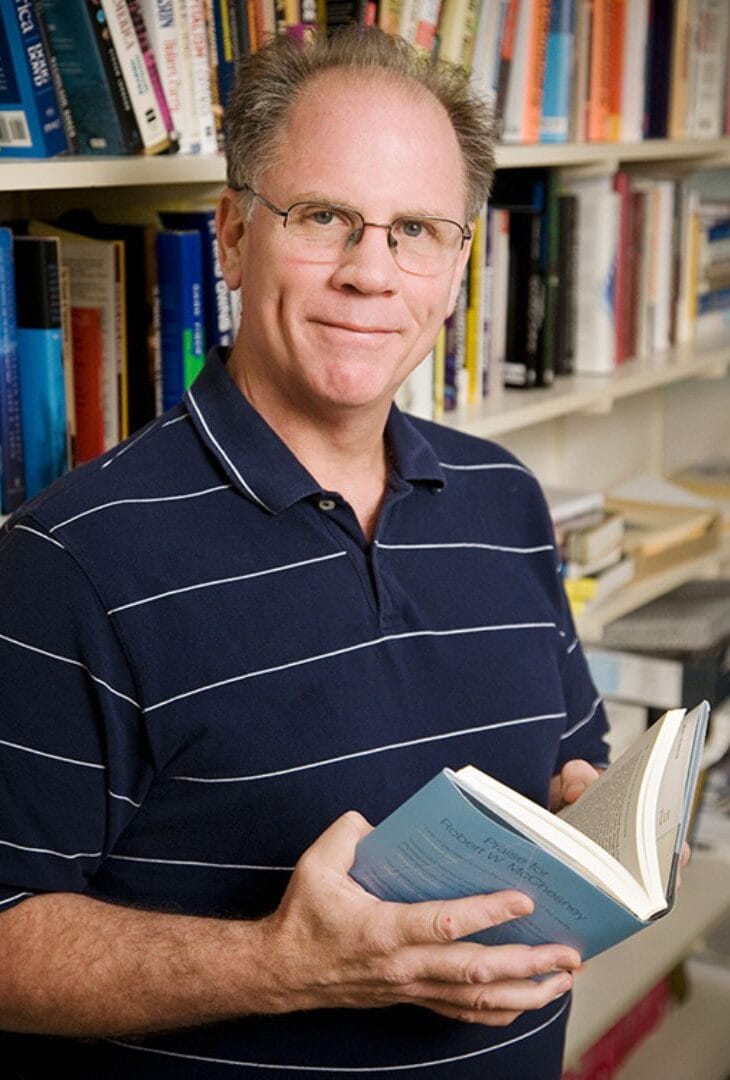
    From 2002 to 2012, McChesney hosted the radio program Media Matters on Sunday afternoons on WILL-AM.
    From 2002 to 2012, McChesney hosted the radio program Media Matters on Sunday afternoons on WILL-AM.

    Robert W. McChesney, an influential left-leaning media critic who argued that corporate ownership was bad for American journalism and that Silicon Valley billionaires who dominated online information were a threat to democracy, died on March 25, at his home in Madison, Wis. He was 72.

    The cause was glioblastoma, an aggressive brain cancer, his wife, Inger Stole, said.

    Professor McChesney was grounded both in academia — he had a Ph.D. in communications and taught at universities — and in ink-on-paper journalism: He was the founding publisher of The Rocket, a Seattle music magazine that reviewed Nirvana’s first single.

    His primary thesis, expressed in more than a dozen books and in scores of articles and interviews, was that corporate-owned news media was overly compliant with the political powers that be and that it restricted the views Americans were exposed to. He further argued that the promise of the internet — of a Wild West market of opinions — had been throttled by a few giant owners of online platforms.

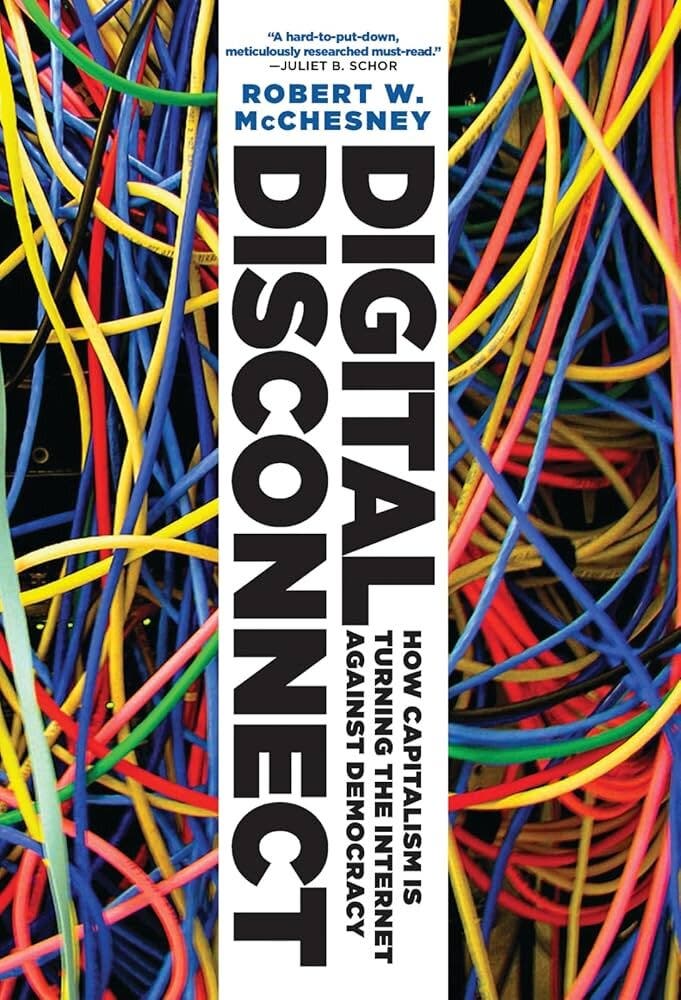
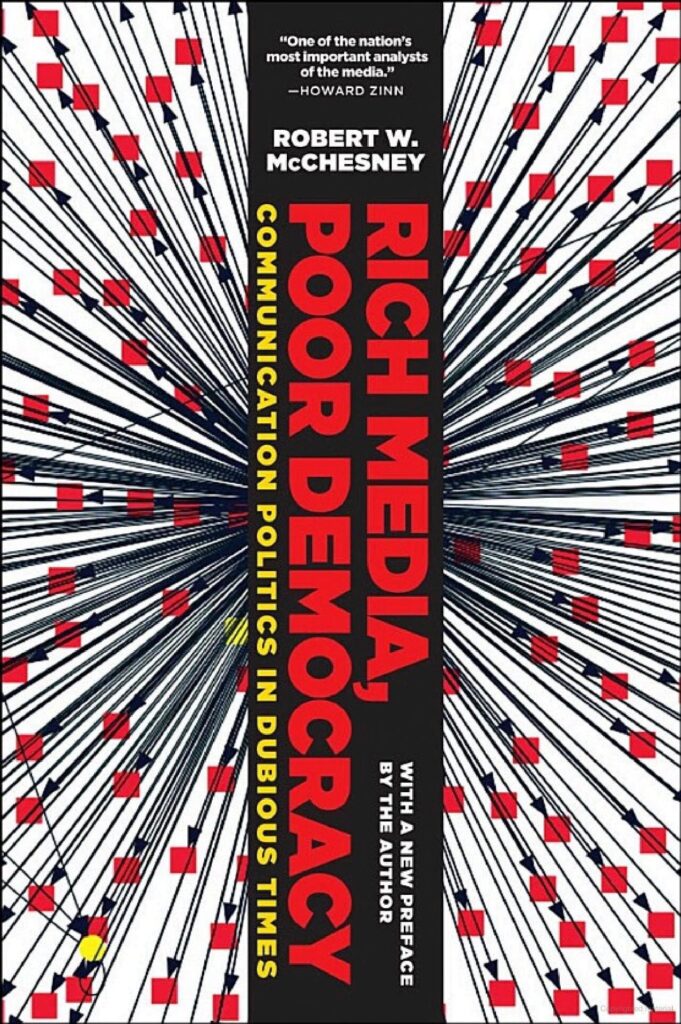
    An early book, “Rich Media, Poor Democracy” (1999), warned that consolidation in journalism would undermine democratic norms. In perhaps his best-known work, “Digital Disconnect: How Capitalism Is Turning the Internet Against Democracy” (2013), he rejected the utopian view that the digital revolution would usher in an open frontier of information sources and invigorate democracy.

    Instead, he showed how the internet was devastating the business model for newspapers, while supplanting civically minded coverage of local government with lowest-common-denominator fluff: celebrity gossip, cat videos and personal navel gazing.

    Professor McChesney blamed capitalism.

    “The profit motive, commercialism, public relations, marketing, and advertising — all defining features of contemporary corporate capitalism — are foundational to any assessment of how the Internet has developed and is likely to develop,” he wrote.

    08McChesney fkbv jumbo
    In “Digital Disconnect,” Professor McChesney rejected the utopian view that the digital revolution would usher in an open frontier of information sources and invigorate democracy.Credit…The New Press

    An unapologetic socialist, Professor McChesney argued that the government should give all Americans $200 vouchers to donate to nonprofit news outlets of their choice.

    He campaigned for Senator Bernie Sanders’s presidential races. Mr. Sanders returned the favor by writing a forward to Professor McChesney’s book “Dollarocracy: How the Money and Media Election Complex Is Destroying America” (2013), written with John Nichols.

    In an interview with Truthout, a nonprofit news site focused on social justice, Professor McChesney attacked the mainstream media’s coverage of Mr. Sanders in the 2016 presidential primary that he lost to Hillary Clinton. CNN and MSNBC, he said, were deeply biased in favor of “centrist” candidates representing the status quo.

    “One can only imagine how Sanders would have done if he had coverage from MSNBC similar to what Obama received in 2007-08,” Professor McChesney said.

    The conservative writer David Horowitz put Professor McChesney on a list of the “101 Most Dangerous Academics in America” in 2006, including him among “tenured radicals” who were indoctrinating U.S. students.

    On the other hand, in 2008 Utne Reader named Professor McChesney as one of the “50 Visionaries Who Are Changing Your World.”

    Professor McChesney warned in 2016 that when corporate giants dominate online information — at the time, those giants were Facebook and Google — they hold too much power over what people know of the world.

    “This is really antithetical to anything remotely close to a free press and a free society,” he said in an interview with the left-leaning news outlet “Democracy Now!”

    The way to deal with such monopolies was to nationalize them, he said. He suggested a government takeover that would make internet behemoths into a quasi-public service, like the Post Office.

    Professor McChesney was also one of the founders, in 2003, of a public interest group, Free Press, that opposed corporate consolidation in the news business and that led a national campaign for net neutrality, calling for equal access to the internet for all content producers, from giants like Netflix to individual bloggers.

    08McChesney 02 kmhw superJumbo
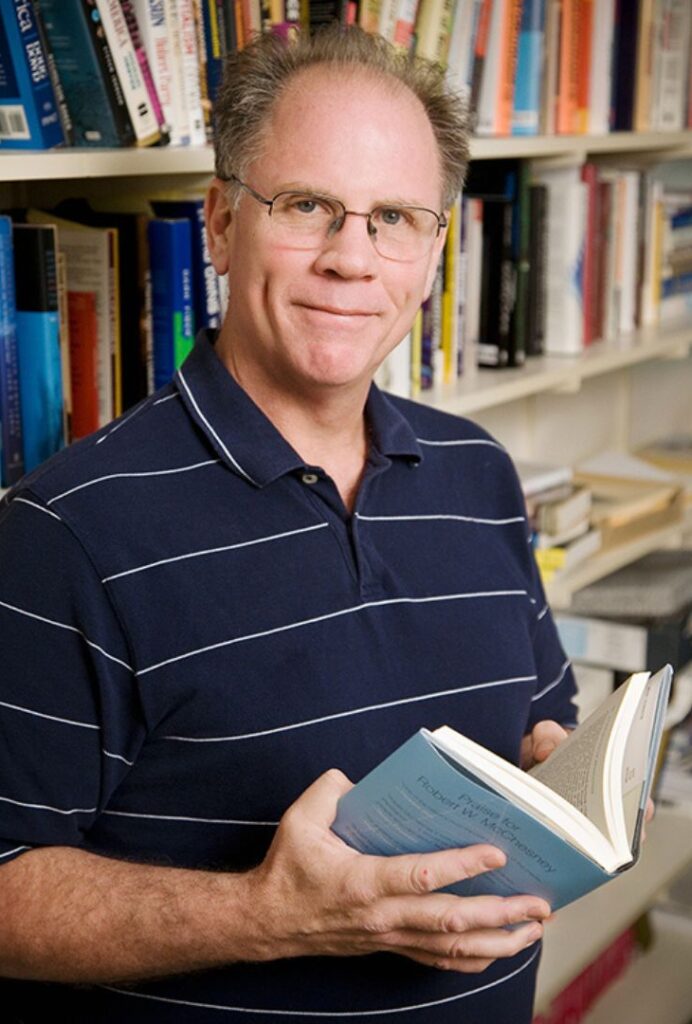
    Professor McChesney in 2024. “Capitalism as we know it is a very bad fit for the technological revolution we are beginning to experience,” he observed.Credit…Inger Stole

    Robert Waterman McChesney was born on Dec. 22, 1952, in Cleveland, one of two sons of Samuel P. McChesney Jr., an advertising executive at This Week, a syndicated magazine inserted in Sunday newspapers, and Edna (McCorkle) McChesney.

    He grew up in the Cleveland suburb of Shaker Heights and attended Pomfret, a prep school in Connecticut. In 1977, he graduated with a bachelor’s degree from Evergreen State College, in Washington, where he studied politics and economics.

    In 1979, after working as a sports stringer for U.P.I. and an editor at The Seattle Sun, an alternative weekly, he became the publisher of The Rocket, which charted the emergence of the Seattle grunge-rock scene in the 1980s and ’90s.

    Intellectually restless, he then enrolled in graduate school at the University of Washington, earning a Ph.D. in communications in 1989. For a decade, he taught in the journalism and mass communication department at the University of Wisconsin-Madison.

    He and his wife, Dr. Stole, who also had a Ph.D. in communications, then moved to the University of Illinois Urbana-Champaign, where he was the Gutgsell Endowed Professor in the communications department.

    08McChesney mgjw superJumbo
    An early book, “Rich Media, Poor Democracy” (1999), warned that consolidation in journalism would undermine democratic norms.Credit…The New Press

    Professor McChesney’s books also include “Will the Last Reporter Please Turn Out the Lights?” (2011), with Victor Pickard, and “Corporate Media and the Threat to Democracy” (1997).

    In addition to his wife, he is survived by their daughters, Amy and Lucy McChesney; and a brother, Samuel P. McChesney III.

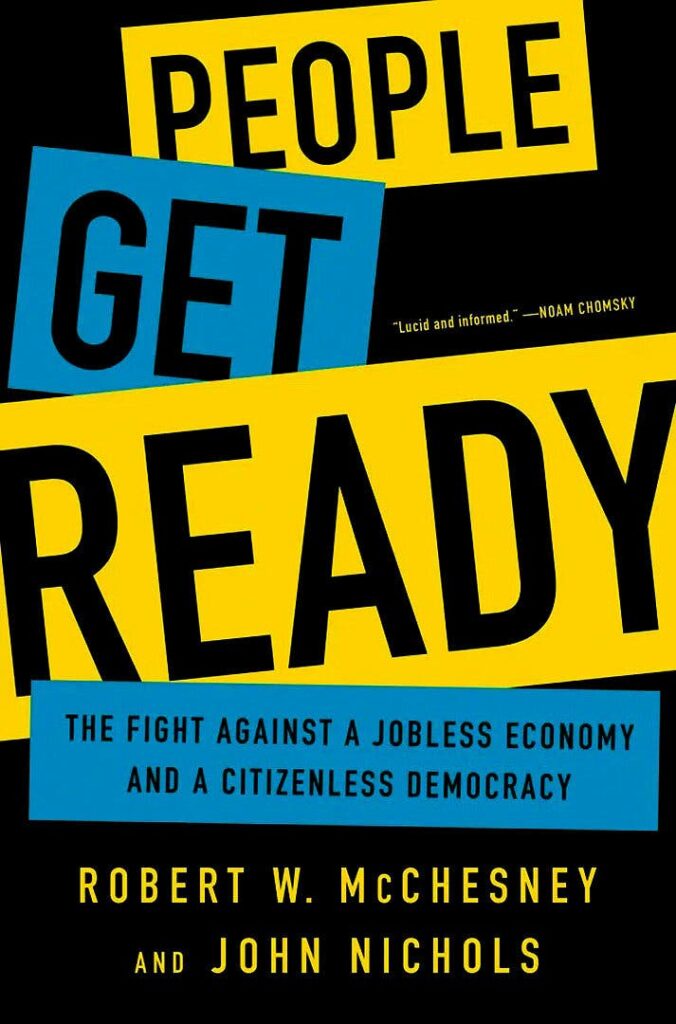
    In a late book, “People Get Ready: The Fight Against a Jobless Economy and a Citizenless Democracy” (2016), written with Mr. Nichols, Professor McChesney argued that artificial intelligence and the digital revolution would wipe out numerous categories of jobs.

    08McChesney lphz superJumbo
    “People Get Ready” (2016) argued that artificial intelligence and the digital revolution would wipe out numerous categories of jobs.Credit…Hachette

    “Capitalism as we know it is a very bad fit for the technological revolution we are beginning to experience,” he said in an interview about the book.

    “Our argument is that we currently have a citizenless democracy,” he went on. “By that we mean a governing system where all the important decisions of government are made to suit the interests and values of the wealthiest and most powerful Americans, and the corporations they own.”

  • Radhika Jones, Vanity Fair’s chief editor, steps down

    Radhika Jones, Vanity Fair’s chief editor, steps down

    Radhika Jones, the editor of Vanity Fair since 2017, said on Thursday that she would step down, a surprise decision that opens up one of the most highly visible jobs in American journalism.

    Ms. Jones, 52, said in an email to Vanity Fair’s staff that she was leaving to take on new challenges, adding that she didn’t want to experience the “horror of staying too long at the party.”

    “I began to feel, more powerfully, the pull of new goals in my life, around family and friends and writing and other ways to make an impact,” Ms. Jones wrote.

    She addressed Vanity Fair’s staff in a short meeting at the magazine’s offices at One World Trade Center on Thursday, joined by Anna Wintour, the chief content officer at the magazine’s publisher, Condé Nast, who gave Ms. Jones an emotional farewell, according to a transcript of the gathering.

    Ms. Jones said in her email that her last day would be in the spring. She did not comment on her future plans.

    Ms. Wintour told staff at the meeting that Ms. Jones would help with the transition “as we start the search for a new editor.”

    “We look forward to Vanity Fair’s exciting next chapter,” Ms. Wintour said. She added: “Radhika, we are so grateful for your high standards of journalism, your fearlessness and your empathetic leadership. You will be much missed.” David Remnick, the top editor of The New Yorker, another Condé Nast magazine, called Ms. Jones an editor of “incredible intelligence and grace” in an email.

    “She brought enormous humanity to Vanity Fair and into every meeting of Condé Nast editors,” Mr. Remnick said. “I’ll miss her enormously.”

    Ms. Jones is leaving one of journalism’s top jobs at a time of profound disruption in the magazine business. Though many magazines have been shuttered or sold over the last decades as advertising pages have shrunk, Vanity Fair has held on as a staple of Condé Nast, which also publishes Vogue.

    The magazine’s paid circulation held steady at around 1.2 million from 2017 to 2025, according to figures from the Alliance for Audited Media, with growth in digital subscriptions offsetting a decline in print. Web traffic has declined 39 percent over the last four years, according to the digital analytics firm Comscore.

    Ms. Jones started the job in December 2017, succeeding Graydon Carter, who retired that year after 25 years at the helm. A former editorial director of the books department at The New York Times and a former top editor at Time magazine, she was something of a surprise choice, picked over many of Mr. Carter’s top lieutenants.

    Once her tenure as editor got underway, Ms. Jones had to compete with some of Vanity Fair’s best-known alumni. Mr. Carter launched Air Mail, a digital weekly, after he left, persuading some of his former writers and editors from Vanity Fair to join him. Jon Kelly, a former senior editor at Vanity Fair, launched Puck, a digital start-up that covers much of the same ground as the magazine.

    Ms. Jones was the fifth editor of the modern incarnation of Vanity Fair, a Jazz Age relic that Condé Nast relaunched in 1983 and that became a definitional publication of late-century American excess, celebrity and materialism. Under the editor Tina Brown and later Mr. Carter, the magazine grew into a global brand that was epitomized by its annual Oscar party, where moguls and movie stars mingled over Michelin-starred canapés and an appearance was tantamount to joining the Hollywood elite.

    Mr. Carter, who left the magazine when he sensed that the industry’s glory days were over, released a memoir last week chronicling his years of abundance at Vanity Fair. The tales of Concorde flights and limitless expense accounts only highlighted the diminished state of Condé in an era when social media influencers and digital upstarts have gutted the advertising base that once sustained its printed glossies.

    Ms. Jones’s appointment also coincided with a cultural reckoning within Condé Nast. She lamented that Vanity Fair, which for years had the ability to mint new stars, had overwhelmingly featured white actors on its covers, and her debut issue featured Lena Waithe, the Black actress and screenwriter. Ms. Jones was applauded for her efforts to diversify the magazine’s stable of writers and celebrities, but she also faced pushback from some colleagues who believed that her editorial vision lacked focus and panache.

    The appeal of the Oscar party itself became litigated in the Manhattan and Hollywood press. “When invitations went out this year, one of my big clients asked me, ‘Is Vanity Fair still a hot invite?,’ which tells you everything you need to know,” one publicist said in 2019. (The party remained a coveted ticket under Ms. Jones, generating record revenue this year, and still attracts a high-wattage tier of celebrity.)

    Ms. Jones notched scoops (Beto O’Rourke’s presidential announcement in 2019) and commissioned an Amy Sherald painting of Breonna Taylor, a Black woman who was killed by police officers in Kentucky, that made waves when it appeared as the magazine’s cover in September 2020. Katherine Eban, a correspondent for Vanity Fair, won a Polk Award this year for her reporting on bird flu. But like other modern editors in chief, Ms. Jones was forced to contend with shrinking budgets, layoffs and emboldened story subjects who no longer rely on traditional magazines to reach the public.

  • Washington Post Opinion Editor Resigns Over Jeff Bezos’ Revamp Plans

    Washington Post Opinion Editor Resigns Over Jeff Bezos’ Revamp Plans

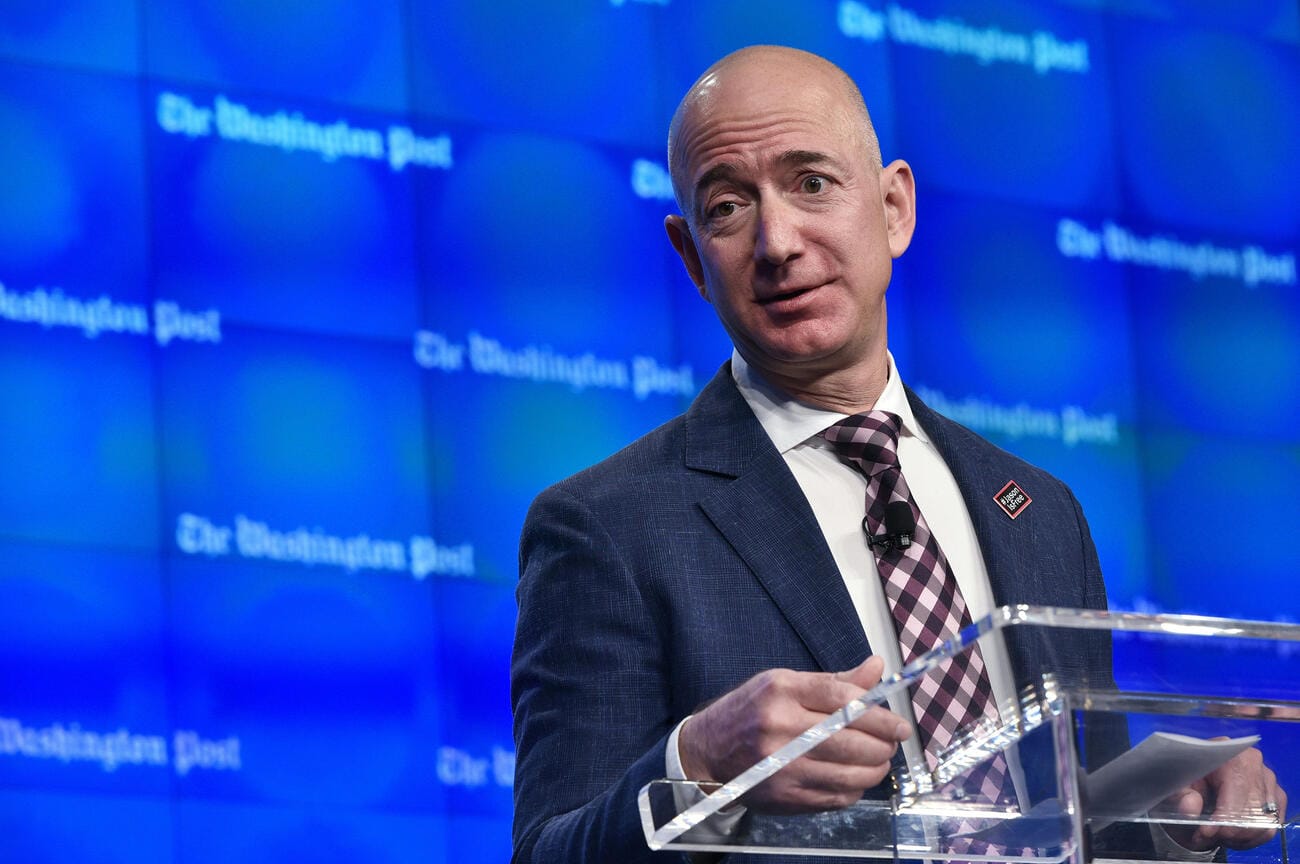
    Jeff Bezos is shaking up the Washington Post again. The billionaire owner of the newspaper said Wednesday he will change the focus of the opinion section to focus on “support and defense of two pillars: personal liberties and free markets.”

    According to Bezos, he offered Washington Post editorial opinion page editor David Shipley “the opportunity to lead this new chapter. I suggested to him that if the answer wasn’t ‘hell yes,’ then it had to be ‘no,’” Bezos wrote in a post on X. ”After careful consideration, David decided to step away.” As such, “We’ll be searching for a new Opinion Editor to own this new direction.”

    Bezos, who acquired the Washington Post in 2013, said the Post’s opinion section will “cover other topics too of course, but viewpoints opposing those pillars will be left to be published by others.” According to the Amazon founder, “There was a time when a newspaper, especially one that was a local monopoly, might have seen it as a service to bring to the reader’s doorstep every morning a broad-based opinion section that sought to cover all views. Today, the internet does that job.”

    Shipley, former editorial page editor for the New York Times and one-time executive editor of Bloomberg View became the Washington Post’s editorial page editor in July 2022. In an email to colleagues obtained by the New York Times, Shipley wrote in part, “It is with both sadness and gratitude that I write to let you know that I have decided to leave The Post. This is a conclusion I reached after reflection on how I can best move forward in the profession I love.”

    Jeff Stein, the Post’s chief economics reporter, slammed Bezos’ move, writing on X: “Massive encroachment by Jeff Bezos into The Washington Post’s opinion section today — makes clear dissenting views will not be published or tolerated there. I still have not felt encroachment on my journalism on the news side of coverage, but if Bezos tries interfering with the news side I will be quitting immediately and letting you know.”

    The changes Bezos has made at WaPo come as he has cozied up to Donald Trump, which some critics see as an attempt to curry favor with the current U.S. president or to avoid getting bullied by Trump. The day after the election, Bezos congratulated Trump “on an extraordinary political comeback and decisive victory,” while Amazon was among companies that donated $1 million to Trump’s inauguration fund. Bezos also has said he is willing to work with President Trump to dismantle government regulations that hinder economic growth.

    Last fall, Bezos ignited a major backlash among Washington Post readers and staff when he decreed — less than two weeks before the U.S. presidential election — that the newspaper would not endorse a candidate.

    “We just decided [an endorsement] wasn’t… going to influence the election one way or the other,” Bezos said at the New York Times’ DealBook Summit in December. He added, “The pluses of doing this were very small.” Bezos admitted it would have been better if he’d had the “prescience” to have made the change two years ago rather than shortly before the 2024 election, but that he was nevertheless “proud” of the decision.

    At the DealBook conference, Bezos acknowledged that he’s a “terrible” owner of Washington Post because there are continuous questions of conflicts with Bezos’ interests in Amazon and aerospace company Blue Origin. But, he added, when the Post needs “financial resources, I’m available. I’m like the doting parent in that regard.” Bezos had previously written in a Washington Post op-ed that he was aiming to restore consumers’ trust in the paper by eliminating the practice of political endorsements, which he said “create the perception of bias.”

    Bezos founded Amazon in 1994 and stepped aside as CEO in 2021. He continues to serve as the company’s executive chairman.

    Here is the text of the note Bezos sent to Post staffers:

    I’m writing to let you know about a change coming to our opinion pages.

    We are going to be writing every day in support and defense of two pillars: personal liberties and free markets. We’ll cover other topics too of course, but viewpoints opposing those pillars will be left to be published by others.

    There was a time when a newspaper, especially one that was a local monopoly, might have seen it as a service to bring to the reader’s doorstep every morning a broad-based opinion section that sought to cover all views. Today, the internet does that job.

    I am of America and for America, and proud to be so. Our country did not get here by being typical. And a big part of America’s success has been freedom in the economic realm and everywhere else. Freedom is ethical — it minimizes coercion — and practical — it drives creativity, invention, and prosperity.

    I offered David Shipley, whom I greatly admire, the opportunity to lead this new chapter. I suggested to him that if the answer wasn’t “hell yes,” then it had to be “no.” After careful consideration, David decided to step away. This is a significant shift, it won’t be easy, and it will require 100% commitment — I respect his decision. We’ll be searching for a new Opinion Editor to own this new direction.

    I’m confident that free markets and personal liberties are right for America. I also believe these viewpoints are underserved in the current market of ideas and news opinion. I’m excited for us together to fill that void.

  • German Billionaire Eyes Wall Street Journal Buyout

    German Billionaire Eyes Wall Street Journal Buyout

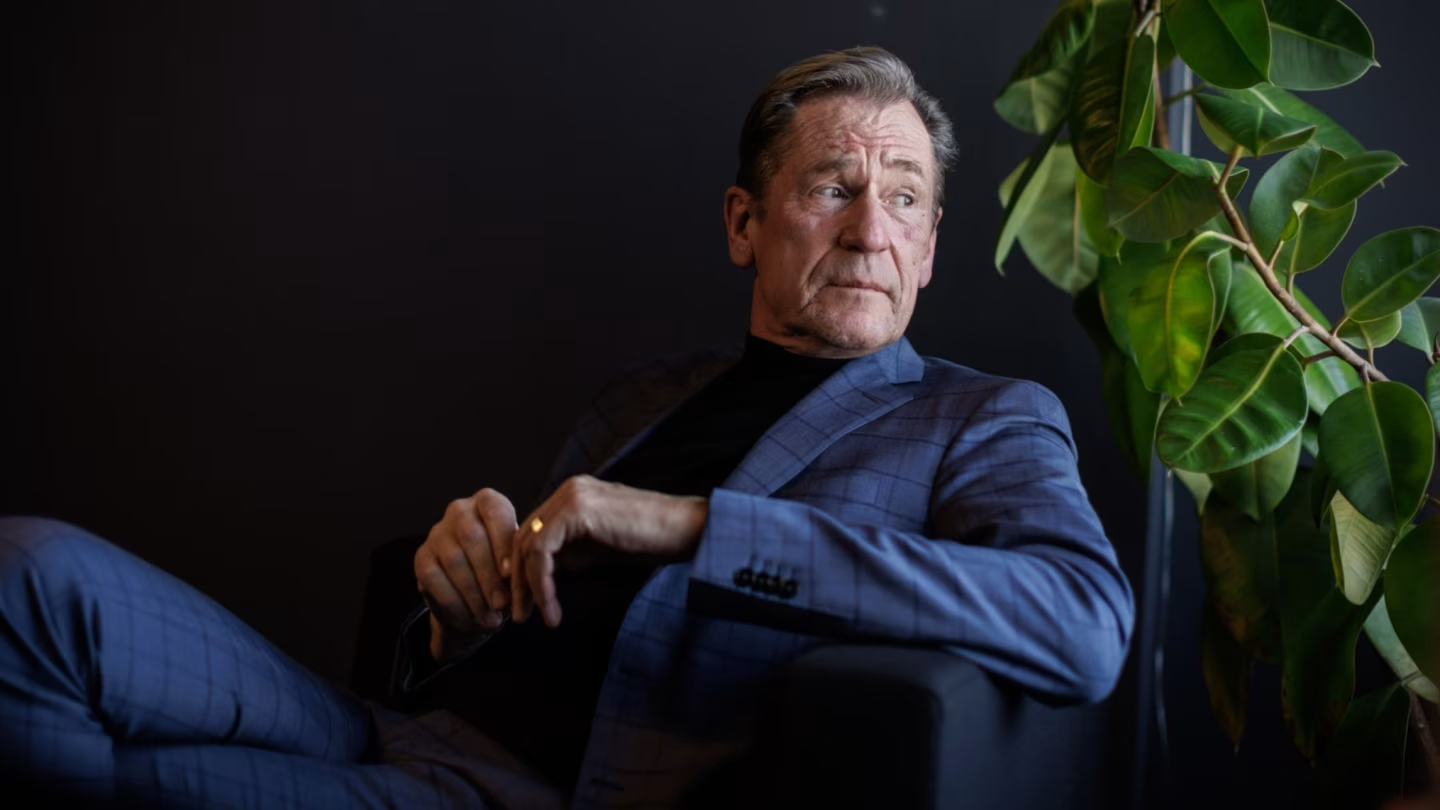
    In the cutthroat arena of global media mergers, few names evoke the blend of ambition and audacity quite like Mathias Döpfner, the silver-haired CEO and co-owner of Axel Springer SE. The 62-year-old German billionaire, a board member at Netflix and a self-proclaimed Elon Musk confidant, has long harbored designs on American journalism’s crown jewels. In a candid Financial Times interview this week, Döpfner openly acknowledged his interest in acquiring The Wall Street Journal from Rupert Murdoch’s News Corp empire—a tantalizing prospect that could catapult Axel Springer into the elite echelon of U.S. media powerhouses, even as he navigates a high-stakes corporate breakup and a frosty family feud at News Corp.

    Döpfner’s flirtation with the Journal comes at a pivotal juncture. He’s on the cusp of sealing a €13.5 billion ($14.2 billion) divorce from private equity giant KKR & Co., which will hand him and the widow of Axel Springer’s founder, Friede Springer, a commanding 98% stake in the company’s vaunted media portfolio. The deal, expected to finalize in early 2026, severs the classifieds arm—home to sites like StepStone and Aviv—leaving Döpfner with unencumbered control over tabloid juggernauts like Bild and Die Welt, alongside U.S. darlings Business Insider (acquired for $343 million in 2015) and Politico (snapped up for $1 billion in 2021). “This split gives us new freedom and opportunity,” Döpfner told the FT, though he candidly admitted the “higher risk” of ditching KKR’s financial ballast. To offset that, he’s slashing costs at his German titles amid a print ad slump, while doubling down on transatlantic growth.

    The Wall Street Journal, with its 3.8 million subscribers and a digital paywall that’s become a Wall Street must-read, represents the ultimate prize. Valued at $5.6 billion when Murdoch scooped it up in 2007, the paper’s worth has likely swelled to $8-10 billion today, fueled by a 15% revenue bump to $1.2 billion in fiscal 2025, per News Corp filings. For Döpfner, who unsuccessfully bid for the Financial Times a decade ago, it would crown his U.S. foray: Axel Springer’s American revenue has tripled to €800 million since the Politico buy, driven by premium subscriptions and event tie-ins like the Semafor World Economy Summit. Yet, caveats abound. Döpfner stressed the Journal “doesn’t appear to be up for sale,” pegging his odds at “close to zero.” Insiders at News Corp, however, whisper of opportunity amid the octogenarian Murdoch’s acrimonious succession battle. With eldest son Lachlan at the helm but siblings James and Elisabeth chafing at the conservative tilt, a sale could sidestep inheritance woes—especially if it nets billions to fund pet projects or buy peace.

    Financing the deal? That’s the rub. Axel Springer’s media unit was pegged at €3.5 billion in the KKR split, leaving scant dry powder for a blockbuster bid without debt or equity partners. Döpfner, ever the networker, has wooed U.S. tech titans—Musk dined at his Mar-a-Lago wedding last year—and sits on Netflix’s board, but skeptics question his firepower. “He’s a charmer with connections from Berlin to Silicon Valley, but €10 billion? That’s Musk money, not Springer scale,” quipped one media banker at a London drinks bash. Still, underestimation is folly: Döpfner’s track record includes outmaneuvering rivals for Politico during a bidding war and pivoting Bild to a profitable digital fortress despite Germany’s ad woes.

    Mounting Woes at Wood Group: CFO Exit Amid Takeover Ghosts and Cash Crunch

    As Döpfner’s empire eyes blue-sky expansion, across the Channel, Scotland’s Wood Group PLC is mired in a cautionary tale of M&A mishaps and executive missteps. The FTSE 250 engineering firm, a North Sea oil survivor turned renewables hopeful, saw its shares crater another 8% to 45p on Wednesday—valuing it at a mere £170 million—after chief financial officer Arvind Balan abruptly resigned, admitting to “misstating” his professional qualifications. The board, tipped off by an FT inquiry, accepted his immediate departure, leaving CEO Ken Gilmartin to steady a ship already listing from two botched buyouts and a grim cash outlook.

    Balan’s exit, just weeks after Wood’s bombshell November warning of up to $200 million in negative free cash flow for 2025 (flipping prior positivity), piles fresh ignominy on a company once hailed as Britain’s engineering export success. Apollo Global Management ditched a £2.2 billion ($2.9 billion) takeover in 2023 over valuation spats, followed by Dubai’s Sidara bailing on a £1.7 billion pact last year—each time sending shares into freefall. Now, with a market cap slashed 70% from 2024 highs, takeover whispers abound anew: Analysts at Peel Hunt speculate a third suitor could emerge at 150-200p a share, lured by Wood’s 40,000-strong workforce and contracts in LNG and hydrogen. “To lose one bid is misfortune; two, carelessness; three? Opportunity,” one investor quipped, channeling Oscar Wilde.

    Yet, the rot runs deeper. Wood’s pivot from fossil fuels—amid a 20% drop in oilfield services demand—has faltered, with Q3 revenue flat at $1.8 billion and debt ticking up to $1.2 billion. Balan’s fibs, reportedly inflating his CFA credentials, erode trust at a firm already under UK Listing Rules scrutiny. Investors, nursing 40% losses since Sidara’s snub, demand clarity: Will the board launch an qualifications audit? And could this nadir finally seal a deal, perhaps with a U.S. PE player eyeing Europe’s green transition?

    In broader dealmaking ripples, Howard Lutnick’s ascension to U.S. Commerce Secretary has reshuffled Cantor Fitzgerald, with sons Brandon (a DJ) and Kyle named chair and vice-chair, respectively—nepotism headlines be damned. Meanwhile, AlbaCore Capital elevated Davide Chiesa to partner, and Weil Gotshal tapped Michael Aiello for a new leadership committee ahead of Barry Wolf’s 2027 retirement.

    As media titans like Döpfner chase legacies and industrials like Wood grapple with survival, 2026 looms as a year of bold bets—and brutal reckonings—in tech-infused dealmaking.

  • Google Acquires YouTube for $1.65 billion

    Google Acquires YouTube for $1.65 billion

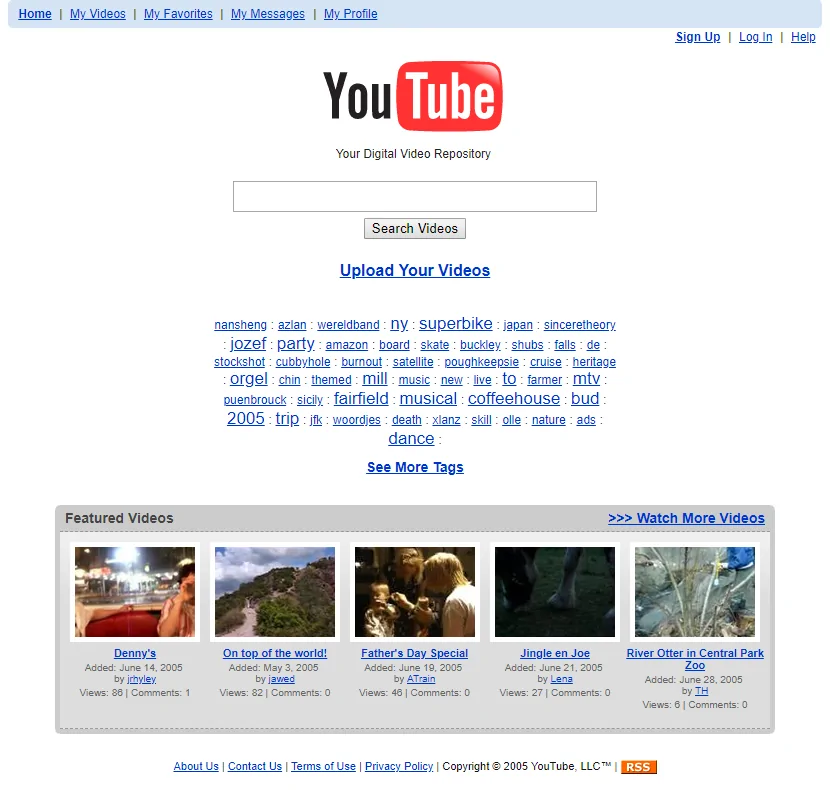
    Early YouTube homepage (2005)
    Early YouTube homepage (2005)

    Google Inc. is snapping up YouTube Inc. for $1.65 billion in a deal that catapults the Internet search leader to a starring role in the online video revolution.

    The all-stock deal announced Monday unites one of the Internet’s marquee companies with one of its rapidly rising stars. It came just hours after YouTube unveiled three agreements with media companies in an apparent bid to escape the threat of copyright-infringement lawsuits.

    The price makes YouTube, a still-unprofitable startup, by far the most expensive purchase made by Google during its eight-year history.

    Although some cynics have questioned YouTube’s staying power, Google is betting that the popular Web site will provide it an increasingly lucrative marketing hub as more viewers and advertisers migrate from television to the Internet.

    “We are natural partners to offer a compelling media entertainment service to users, content owners and advertisers,” said Eric Schmidt, Google’s chief executive officer.

    YouTube will continue to retain its brand, as well as all 67 employees, including co-founders Chad Hurley and Steve Chen. The deal is expected to close in the fourth quarter of this year.

    “I’m confident that with this partnership we’ll have the flexibility and resources needed to pursue our goal of building the next-generation platform for serving media worldwide,” said Hurley, YouTube’s 29-year-old CEO.

    “One of the problems with YouTube is that they’ve been known to carry copyrighted material without the permission of the copyright holders,” Magid said.

    But Hurley and Chen, 27, have spent months dealing with the copyright hurdle by cozying up with major media executives in an effort to convince them that YouTube could help them make more money by helping them connect with the growing number of people who spend most of their free time on the Internet.

    While Google has been hauling away huge profits from the booming search market, it hasn’t been able to become a major player in online video.

    That should change now, predicted Forrester Research analyst Charlene Li. “This gives Google the video play they have been looking for and gives them a great opportunity to redefine how advertising is done,” she said.

    Investors applauded the possible acquisition as Google shares climbed $8.50, or 2 percent, to close at $429 on the Nasdaq Stock Market.

    Several other suitors, including Microsoft Corp., Yahoo Inc. and News Corp., reportedly have discussed a possible YouTube purchase in recent weeks.

    “This deal looks pretty compelling for Google,” said Standard & Poor’s analyst Scott Kessler said. “Google has been doing a lot of things right, but they are not sitting on their laurels.”

    Google’s YouTube coup may intensify the pressure on Yahoo to make its own splash by buying Facebook.com, the Internet’s second most popular social-networking site. Yahoo has reportedly offered as much as $1 billion for Palo Alto-based Facebook during months of sporadic talks.

    “Yahoo really needs to step up and do something,” said Roger Aguinaldo, an investment banker who also publishes a deal-making newsletter called the M&A Advisor. “They are becoming less relevant and looking less innovative with each passing day.”

    Selling to Mountain View-based Google will give YouTube more technological muscle and advertising know-how, as well as generate a staggering windfall for a 67-employee company that was running on credit card debt just 20 months ago.

    Since Hurley and Chen founded the company in February 2005, YouTube has blossomed into a cultural touchstone that shows more than 100 million video clips per day. The video library is eclectic, featuring everything from teenagers goofing off in their rooms to William Shatner singing “Rocket Man” during a 1970s TV show. The clips are submitted by users.

    “What’s nice from YouTube’s perspective is that they don’t even have to pay for a lot of that content,” reported Magid. “Much of it is uploaded by people who just want to use the service to show off their talent.”

    YouTube’s worldwide audience was 72.1 million by August, up from 2.8 million a year earlier, according to comScore Media Metrix.

    YouTube’s conciliatory approach with major media has recently yielded several licensing and promotional agreements that have eased some of the copyright concerns while providing the company with some financial breathing room until it becomes profitable.

    To conserve money as it subsisted on $11.5 million in venture capital, YouTube had been based in an austere office above a San Mateo pizzeria until recently moving to more spacious quarters in nearby San Bruno.

    As its negotiations with Google appeared to near fruition, YouTube on Monday announced new partnerships with Universal Music Group, CBS Corp. and Sony BMG Music Entertainment. Those alliances followed a similar arrangement announced last month with Warner Music Group Inc.

    The truce with Universal represented a particularly significant breakthrough because the world’s largest record company had threatened to sue YouTube for copyright infringement less than a month ago.

    Li and Kessler expect even more media companies will be lining up to do business with YouTube now that Google owns it.

    “It’s going to be like, ‘You can either fight us or you can make money with us,”‘ Li predicted.