Category: Media

  • MSNBC to Rebrand as MS NOW, Dropping Iconic Peacock Logo in Comcast Spinoff

    MSNBC to Rebrand as MS NOW, Dropping Iconic Peacock Logo in Comcast Spinoff

    MS NOW logo
    MSNBC to Change Name to MS NOW Under Versant. © Versant
    Stock Widget

    MSNBC, the cable news network known for its progressive commentary and flagship programs like The Rachel Maddow Show and Deadline: White House, will undergo a significant transformation later this year, rebranding as MS NOW—short for My Source News Opinion World—and shedding the iconic peacock logo as part of its spinoff from Comcast’s CMCSA +1.20% ▲ NBCUniversal. The move, announced on Monday, August 18, 2025, marks a pivotal shift for the nearly 30-year-old network as it joins a new publicly traded company, Versant, alongside other cable assets like CNBC, USA Network, Oxygen, E!, SYFY, and the Golf Channel.

    The rebrand, driven by Comcast’s $7 billion spinoff strategy unveiled in November 2024, aims to reposition MSNBC for a streaming-dominated media landscape while allowing NBCUniversal to retain its broadcast and streaming assets, including NBC, Bravo, and the Peacock streaming service. “The peacock is synonymous with NBCUniversal, and it is a symbol they have decided to keep within the NBCU family,” Versant CEO Mark Lazarus wrote in a memo to staff, as reported by NBC News. “This gives us the opportunity to chart our own path forward, create distinct brand identities, and establish an independent news organization following the spin.”

    MSNBC President Rebecca Kutler, in a separate memo, acknowledged the decision was “not made quickly or without significant debate” but emphasized that it enables the network to “set our own course and assert our independence.” She reassured staff that the editorial direction will remain unchanged, stating, “While our name will be changing, who we are and what we do will not.” The network is preparing for the transition by hiring nearly 100 journalists from outlets like CNN, Bloomberg, Politico, and The Washington Post to build an independent newsroom, severing its reliance on NBC News infrastructure.

    A New Identity Amid Controversy

    The rebrand replaces MSNBC’s name, rooted in its 1996 founding as a joint venture between Microsoft and NBC, with MS NOW, accompanied by a new logo featuring a blue background and a red-and-white striped flag. The original name, standing for Microsoft and National Broadcasting Company, became outdated after Microsoft exited the partnership in 2012. However, the decision has sparked internal skepticism and external criticism. A company insider told The New York Post, “It doesn’t set a great precedent for management to change the name after promising staffers it wouldn’t,” referencing Lazarus’s January assurance that MSNBC would retain its name. A former media executive quipped, “MS is the new BS,” while another insider criticized the names Versant and MS NOW as lackluster, suggesting, “Whoever came up with these names deserves to be shown the door.”

    GettyImages 1133628049
    Making sense of MS Now, the corporate-mandated rebrand for the cable TV outlet that made its name as a left-leaning stalwart. ©  Astrid Stawiarz/MSNBC/NBCU Photo Bank

    Eric Schiffer, chairman of Los Angeles-based Reputation Management Consultants, noted that MSNBC’s “left-leaning” brand perception could benefit from a reset. “They are hoping that by rebranding, there’s a better chance to … reset in the minds of the public,” he told Reuters. The network’s new identity will be supported by a “massive marketing campaign unlike anything we have done in recent memory,” Kutler said, aiming to solidify MS NOW’s position as a destination for news and opinion journalism.

    Comcast’s spinoff, expected to conclude by the end of 2025, reflects a broader strategy to streamline its portfolio amid declining cable viewership and the rise of streaming platforms. NBCUniversal will retain its broadcast network, film and television studios, and Peacock streaming service, which are seen as growth drivers. Comcast Chairman and CEO Brian L. Roberts stated on November 20, 2024, that the transaction positions both Versant and NBCUniversal “for future growth” in a changing media landscape. Comcast President Mike Cavanagh added that NBCUniversal’s integrated media approach will be “fueled by our world-class content, technology, IP, properties, and talent.”

    Other Versant properties, including CNBC, Golf Channel, GolfNow, and SportsEngine, will also drop the peacock logo, though CNBC will retain its name, originally Consumer News and Business Channel, due to global licensing agreements. The spinoff, valued at $7 billion, aims to create a leaner entity focused on cable and sports content, with MSNBC—soon MS NOW—building a standalone news operation to compete independently.

    The rebrand has raised concerns about potential viewer confusion and dilution of MSNBC’s established brand equity, built over decades as a counterpoint to conservative outlets like Fox News. Posts on X reflected mixed sentiment, with some users mocking the new name as “generic” while others saw it as a chance to broaden the network’s appeal. Kutler’s memo addressed staff anxieties, framing the change as an opportunity to “assert our independence as we continue to build our own modern newsgathering organization.”

    As MSNBC transitions to MS NOW over the coming months, the network faces the challenge of maintaining its loyal audience while navigating a competitive media environment. The success of the rebrand will depend on its ability to leverage its new identity and expanded newsroom to deliver on its promise of “news, opinion, and the world.”
  • The NFL is acquiring a 10% ownership share in Disney’s ESPN

    The NFL is acquiring a 10% ownership share in Disney’s ESPN

    Stock Widget

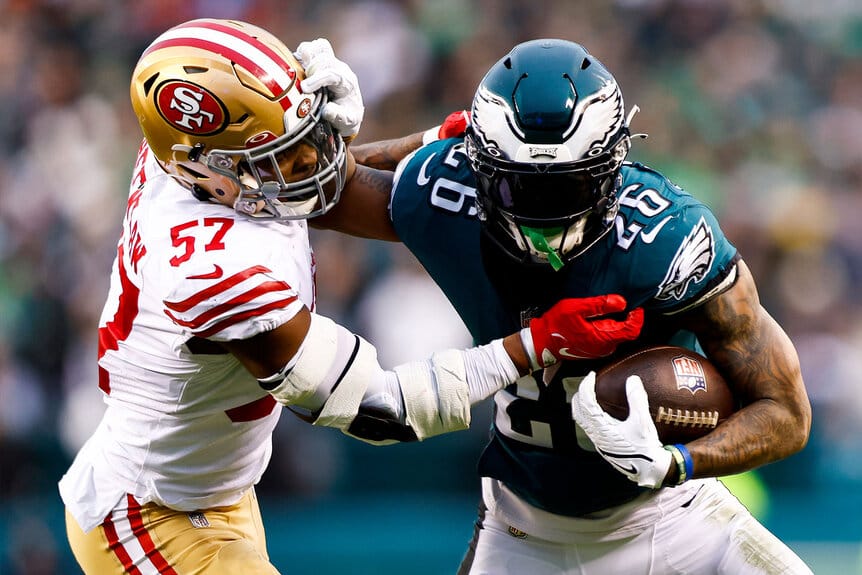
    In a transformative deal that could reshape the sports media landscape for years to come, Walt Disney Co. DIS +1.85% ▲ and the National Football League (NFL) announced Tuesday that the NFL will take a 10% equity stake in ESPN, the sports media titan owned by Disney. In return, ESPN will acquire key NFL media assets including NFL Network, NFL RedZone (distribution rights), and NFL Fantasy, marking a dramatic shift in both the ownership and distribution of professional football content in the U.S.

    While the companies declined to assign a specific monetary figure to the agreement, industry analysts estimate the transaction’s value between $2 billion and $3 billion, making it one of the most significant equity-media swaps in sports history.

    The deal comes as ESPN prepares to launch its standalone streaming service, ESPN-branded DTC (direct-to-consumer) platform, expected to go live later this month with a $29.99 monthly subscription price. By gaining full control over NFL Network and related assets, ESPN enhances its already dominant sports portfolio and takes a significant step toward creating a comprehensive, 24/7 football experience under one roof—ideal for streaming-era consumption.

    “This isn’t just a media partnership—it’s an equity-based alignment of two of the most iconic brands in American sports,” said Disney CEO Bob Iger, in a statement. “Today’s announcement paves the way for the world’s leading sports media brand and America’s most popular sport to deliver an even more compelling experience for NFL fans.”

    ESPN Chairman Jimmy Pitaro echoed the sentiment, noting that the combination of Disney’s innovation and reach with the NFL’s content will allow the companies to “create a premier destination for football fans.”

    NFL Films, NFL+ (the league’s direct-to-consumer app), and the NFL Podcast Network will remain under the NFL’s control, indicating the league still intends to preserve some degree of independence in content creation and branding.

    Importantly, ESPN gains access to seven live NFL games per year, which NFL Network has traditionally broadcast. The move gives ESPN another foothold in live broadcasting outside of its existing Monday Night Football and NFL Playoff packages.

    In exchange for its media assets, the NFL will receive a 10% ownership stake in ESPN, aligning the league’s financial interests with ESPN’s future success—especially as the network migrates more content to its direct-to-consumer platform.

    Though ESPN remains majority-owned by Disney (which has been exploring options such as spinning off or selling a minority stake in the company), the NFL’s new equity stake suggests a long-term strategic partnership rather than a transactional licensing deal.

    “By securing an ownership position, the NFL ensures it has a seat at the table as ESPN evolves into a digital-first network,” said Bob Dorfman, sports marketing analyst at Pinnacle Advertising. “This is smart hedging—if cable continues to shrink, the NFL will still win with streaming growth.”

    Multiple analysts believe this transaction positions both ESPN and the NFL for a dominant role in the future of sports entertainment.

    “This move signals the end of ESPN as ‘just’ a cable channel and the beginning of ESPN as a full-fledged, NFL-integrated streaming giant,” said Rich Greenfield, media analyst at LightShed Partners. “It’s a massive strategic pivot for both sides.”

    Greenfield estimates the NFL’s stake in ESPN is valued at approximately $2.5 billion, though the number will fluctuate depending on how ESPN is valued after its DTC product launches and matures.

    Citi media analyst Jason Bazinet called the deal “visionary,” suggesting that it may pave the way for similar stake-based deals with other leagues, such as the NBA or MLB, if ESPN continues to diversify and expand its equity partners.

    The NFL has long sought to grow its international footprint, and ESPN’s global distribution network could play a vital role in that effort. According to the league’s 2024 annual report, over 17% of NFL viewership now comes from outside North America, with growing markets in Germany, Mexico, and the UK.

    Combining the year-round content machine of the NFL—including fantasy, training camps, behind-the-scenes documentaries, and international games—with Disney’s global infrastructure gives both parties a powerful engine for fan engagement beyond the traditional U.S. football season.

    The deal is still subject to regulatory approval, though experts expect few hurdles. While ESPN is a dominant player in sports media, the NFL’s partial ownership does not cross antitrust thresholds, and both entities are likely to argue that the partnership enhances consumer options.

    “There will be scrutiny,” said Jessica Melton, professor of media law at NYU. “But because this isn’t a full merger and the league is maintaining other operations independently, it’s unlikely to face significant legal pushback.”

    With cable viewership declining and streaming competition intensifying, this strategic deal between Disney’s ESPN and the NFL redefines how sports content is monetized, owned, and distributed.

    For Disney, it’s a leap into the future—consolidating the crown jewel of American sports to supercharge its streaming ambitions.

    For the NFL, it’s a shrewd monetization play that preserves autonomy while aligning with one of the most powerful media companies in the world.

    As ESPN enters the streaming battlefield at $29.99 per month, this landmark equity swap could prove to be the single most important deal of the decade for sports media—and perhaps, the playbook others will soon follow.

  • The images of starvation in Gaza are deeply misleading

    The images of starvation in Gaza are deeply misleading

    rt34t34t34t5345t

    It’s one of the most emotionally searing images circulated in recent months: a malnourished child behind a fence, desperate eyes piercing through the camera lens, with a woman stretching out a bowl for food. It’s been published by international media, invoked by politicians, and shared by millions online. It has come to symbolize, for many, the reported famine in Gaza.

    But there’s just one problem. The photo’s origin and context are hotly disputed — and increasingly, experts say, deliberately manipulated.

    Earlier this week, Israeli Prime Minister Benjamin Netanyahu told his 3.4 million followers on X:

    “There is no starvation in Gaza, no policy of starvation in Gaza.”

    His remarks unleashed a digital firestorm. Former President Donald Trump broke ranks with his usual ally and responded:

    “There is real starvation in Gaza. You can’t fake that.”

    youtube placeholder image

    This rare division between two strong allies laid bare the intensifying war not just over territory, but over information — a propaganda war playing out across social media, newsrooms, and governments.

    Hamas’s Propaganda Machinery and Media Blindness

    Many analysts and security experts argue that Hamas is adept at exploiting global sympathy through carefully staged imagery. Images of skeletal children, overwhelmed hospitals, and food queues are frequently disseminated, often with little journalistic scrutiny.

    Take, for instance, the viral image of a girl at a community kitchen. On X (formerly Twitter), thousands of users — aided by Elon Musk’s AI chatbot, Grok — claimed the photo was from 2014, portraying a Yazidi girl fleeing ISIS in Iraq.

    Claims on social media said this photo was taken in 2014 in Iraq or Syria. In fact it was taken in Gaza City, northern Gaza Strip, on Saturday, July 26, 2025, showing Palestinians struggle to get donated food at a community kitchen. © AP Photo/Abdel Kareem Hana

    Grok responded:

    “Yes, the photo is from August 2014… on Mount Sinjar in Iraq.”

    Citing Reuters, it labeled the image a case of repurposed content.

    rtr42bt8
    A girl from the minority Yazidi sect, fleeing the violence in the Iraqi town of Sinjar, rests at the Iraqi-Syrian border crossing in Fishkhabour, Dohuk province on August 13, 2014. © Youssef Boudlal—REUTERS

    But BBC Verify journalist Shayan Sardarizadeh debunked that claim. He identified the photo’s true source:

    “The image is from Gaza, taken on July 26, 2025, by AP photographer Abdel Kareem Hana.”

    Reverse image tools like TinEye confirmed the original publication date and location. Grok was simply wrong.

    As Sardarizadeh noted:

    “AI chatbots, including Grok, are not fact-checking tools and should not be used for that purpose, particularly in relation to breaking and developing events.”

    Still, damage was done. The manipulated claim was spread, repeated, and believed by many — a clear example of how quickly misinformation can overshadow the truth.

    The Case of Mohammed Zakaria al-Mutawaq

    nn

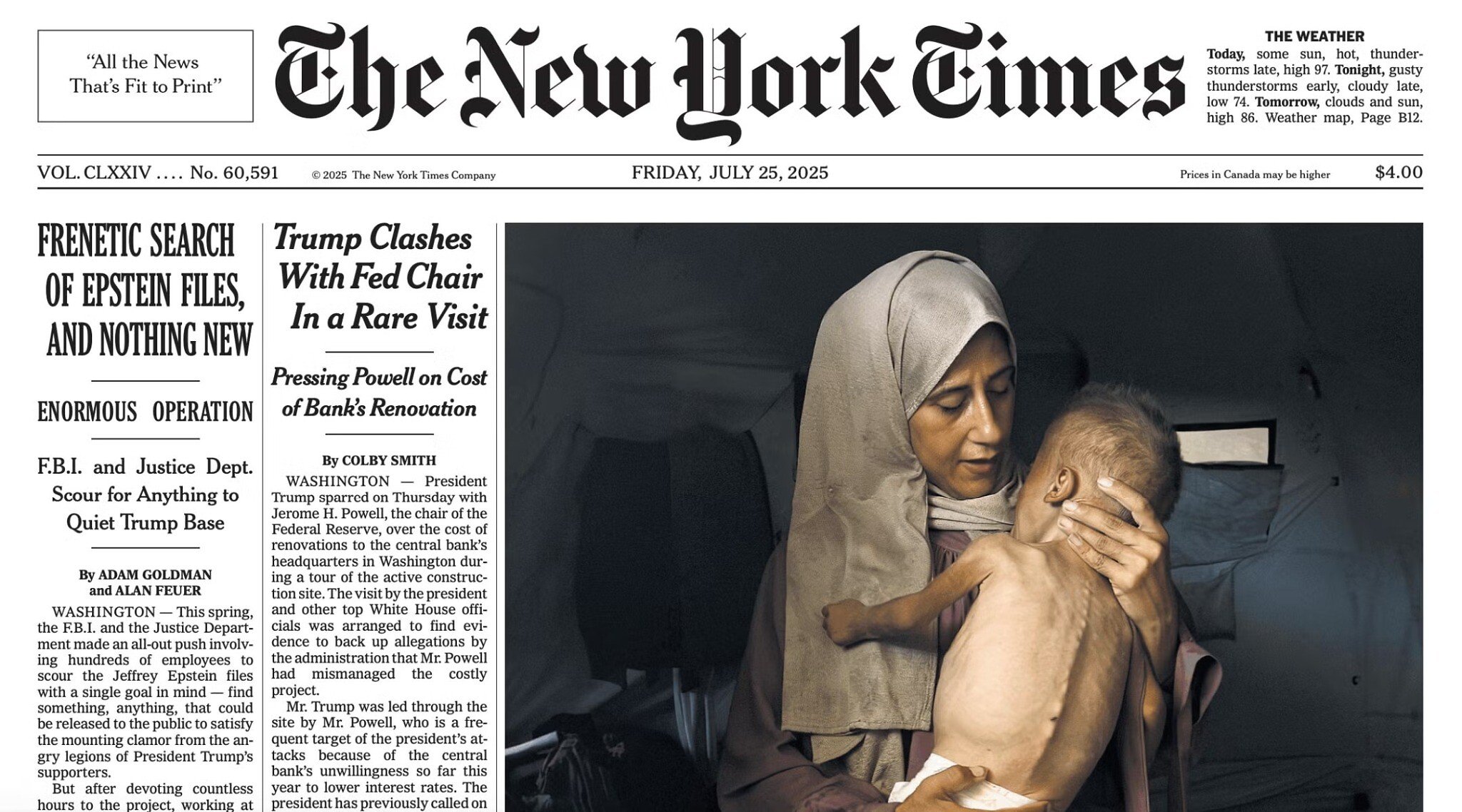
    Another image that shocked global audiences was that of 18-month-old Mohammed Zakaria al-Mutawaq. Published by The New York Times in a piece titled “Gazans Are Dying of Starvation”, the toddler was described as emaciated, with his father reportedly killed while searching for food.

    “As an adult, I can bear the hunger, but my kids can’t,” his mother was quoted.

    But investigative journalist David Collier quickly raised flags. He cited medical records showing Mohammed suffered from severe genetic disorders since birth and had required special supplements even before the war began.

    In response, The New York Times issued an editor’s note:

    “We have since learned new information… and have updated our story to add context about his pre-existing health problems.”

    They noted that while Mohammed’s condition had worsened due to the lack of medical care, his malnutrition was compounded, not caused, by the current war.

    To critics, the update wasn’t enough.

    “So you guys lied, got called out, and issued a complete non-apology,” one user posted on X.

    On Wednesday, a UN-backed food security task force warned that famine “is currently playing out” in Gaza. Their analysis said Gaza City had crossed famine thresholds for food consumption and acute malnutrition.

    The Hamas-run Gaza Health Ministry reports 154 deaths from hunger since October 2023 — including 89 children. However, critics question the credibility of the ministry’s figures, noting its alignment with Hamas and history of inflated or unverifiable statistics.

    Meanwhile, UN Secretary-General António Guterres called the situation “a humanitarian catastrophe of epic proportions.” Human rights organizations, including Israel-based B’Tselem and Physicians for Human Rights, claim Israel is committing genocide through starvation, mass displacement, and bombings.

    Yet at the same time, The New York Times also recently reported Israeli military officials denying Hamas’s alleged theft of UN aid — suggesting the crisis may be more due to distribution chaos, logistical breakdowns, and internal Hamas mismanagement than direct Israeli policy.

    A Media Reckoning Is Overdue

    The Western media’s responsibility in this tragedy cannot be ignored. In the rush to file emotionally evocative stories, due diligence has often been sacrificed. As the New York Budgets Editorial Standards outline: verifying visual content, especially in wartime, is not optional — it is essential.

    “Every journalist must ask: Who took this photo? Where? When? Under what conditions?”

    Hamas has repeatedly demonstrated it will exploit suffering for propaganda. That doesn’t mean suffering isn’t real — but it does mean every claim must be thoroughly scrutinized. Too often, however, global outlets like The New York Times, The Guardian, and Stuff have published without confirmation, only issuing updates days later.

    Starvation in Gaza may well be occurring. Humanitarian groups have sounded the alarm. But in a media landscape rife with misinformation, every image, every anecdote must be questioned — not to deny suffering, but to preserve the truth.

    Because when lies masquerade as evidence, the real victims — whether Palestinian civilians or the truth itself — are the ones who suffer the most.

  • CBS canceled ‘The Late Show’ due to tens of millions in annual financial losses — not because of Stephen Colbert’s politics, sources say

    CBS canceled ‘The Late Show’ due to tens of millions in annual financial losses — not because of Stephen Colbert’s politics, sources say

    CBS brass say they pulled the plug on “The Late Show with Stephen Colbert” because of its punishing losses — pegged between $40 million and $50 million a year — and claim politics had nothing to do with it, The Post has learned.

    The 61-year-old host got canned just days after he took a dig at the Tiffany Network over its $16 million settlement with Donald Trump over a controversial “60 Minutes” interview with Kamala Harris as the network’s parent Paramount negotiates with the Trump administration regulatory approval for its $8 billion sale to independent studio Skydance.

    “I am offended, and I don’t know if anything will ever repair my trust in this company,” Colbert said of the truce in his Monday night monologue.

    “But just taking a stab at it, I’d say $16 million would help.”

    ‘Gets no advertising’

    But scathing jokes at the expense of CBS brass wasn’t the problem, according to insiders. 

    Instead, the network’s bosses could no longer stomach the fact that Colbert has been plagued with an increasingly dire shortage of advertisers.

    That’s despite Colbert’s No, 1 ratings in his time slot and his status as a key face for the Tiffany Network. 

    In the end, Paramount’s co-CEO George Cheeks decided to kill the show, sources said.

    “Colbert gets no advertising and late night is a tough spot,” said a person with direct knowledge of CBS’s decision. 

    “Colbert might be No. 1, but who watches late night TV anymore?”

    Some Democrats voiced suspicion, citing the host’s left-wing leanings and CBS owner Paramount’s urgent need to gain an OK from the Trump administration for the merger with Skydance, the Hollywood studio behind the “Mission: Impossible” franchise.

    LSCBS
    People walk past the Ed Sullivan Theater, where “The Late Show with Stephen Colbert” is taped, in New York. (AP)

    “CBS canceled Colbert’s show just THREE DAYS after Colbert called out CBS parent company Paramount for its $16M settlement with Trump — a deal that looks like bribery,” lefty Sen. Elizabeth Warren wrote on X.

    “America deserves to know if his show was canceled for political reasons.”

    Skydance CEO David Ellison is the son of Donald Trump pal and tech billionaire Larry Ellison. 

    As The Post first reported, CBS just paid $16 million to Trump and has agreed to run millions of dollars more in MAGA-friendly ads to settle the president’s lawsuit alleging that “60 Minutes” deceptively edited its 2024 interview with Kamala Harris to make her look better.

    Trump, meanwhile, celebrated Colbert’s canning in a Friday morning post on Truth Social.

    “I absolutely love that Colbert got fired,” the president wrote.

    “His talent was even less than his ratings. I hear Jimmy Kimmel is next. Has even less talent than Colbert!”

    Fervent denials

    But despite Ellison’s Trump ties, sources said Skydance and its partners at Redbird Capital — the private equity firm that will help run CBS once the deal is cleared — only heard the news of the show’s impending cancellation just before it was announced late Thursday.

    “Skydance had nothing to do with this,” one person close to the decision said. 

    “Colbert loses $40 million to $50 million a year, so George Cheeks just decided to pull the plug.”

    The show’s dominance in its time slot belies sharp declines in viewership as younger viewers move away from traditional TV.

    “The Late Show” boasts nearly 2 million total viewers and 200,000 viewers in the key 25-24 “demo” — making it No. 1 in its time slot.

    Nevertheless, that’s a sharp decline versus the numbers it racked up in its heyday. 

    The ad data firm Guideline estimates that CBS’s late-night shows together drew $220 million in ad revenue in 2024 — just half the $439 million they drew in 2018.

    RedBird’s Jeff Shell, the former head of NBCUniversal who will run the network once the deal is done, has been crunching the numbers and finding that CBS is a “melting ice cube” with its losses and cost overruns, a source said.

    ‘Truth-based’ turn

    The plan is to enhance CBS Sports and invest in “truth-based” news at a network that conservatives have long ripped for its alleged liberal bias.

    A Paramount spokesman declined to comment and would not deny that massive losses were tied to the show’s cancellation.

    Trump’s lawsuit was impeding the approval of the deal by the Trump Federal Communications Commission. 

    The Post has learned that Ellison is now telling people that with the lawsuit settled the Skydance-Paramount deal will get FCC approval by mid-August.

    While Ellison is predicting imminent regulatory approval, it will come at a cost: FCC chairman Brendan Carr is likely to demand conditions to remedy what he believes is left-wing news bias in programming that violates agency “public interest” rules that govern local broadcasting as opposed to cable.

  • Disney is continuing to lay off employees, with its product and technology divisions being significantly affected

    Disney is continuing to lay off employees, with its product and technology divisions being significantly affected

    While Disney insists that the P&T division is critical to its future success, the layoffs nonetheless cut an additional two percent of the company’s workforce.

    This latest round of cost cutting is just one of a long series of cuts lasting several years. Indeed, it isn’t even the first round of layoffs this month.

    Early this month the company pushed out several hundred workers from its marketing for both film and television, television publicity, and its casting and development departments.

    It was the fourth round of layoffs in the last ten months and came about a month after 200 employees were eliminated in March.

    The layoffs in March hit Disney’s ABC News Group and Disney Entertainment Networks unit. That round of layoffs even included the elimination of its once popular “538” website.

    Disney’s job shedding campaign has been going on for several years as the company struggles to reign in expenses in the wildly changing entertainment scene and as Hollywood and streaming continues to lose power over America. In August of 2024, for instance, Disney shed 140 jobs in its entertainment divisions, including ABC television.

    In 2023, the company had its largest layoff by dumping some 7,000 employees.

  • Private Equity Firm Acquires The Telegraph, Concluding Two-Year Sale Saga

    Private Equity Firm Acquires The Telegraph, Concluding Two-Year Sale Saga

    RedBird Capital Partners announced on Friday that it has purchased Telegraph Media Group for £500 million (nearly $675 million), concluding a protracted bid to acquire the news company.

    The deal makes US-based RedBird the sole controlling owner of The Telegraph, the right-leaning British news outlet founded in 1855. Per the deal, RedBird will invest funds in The Telegraph’s digital operations to help continue growing subscriptions and expand the outlet’s foothold in the United States, where RedBird already has a constellation of media investments.

    The deal comes after RedBird struggled for two years to acquire The Telegraph, stymied in large part by a conservative British government that restricted foreign governments from owning newspapers and capped foreign state-owned investment by a publisher at 15%. The UK’s Labour Party, which swept into power in July 2024, announced last week that it would relax restrictions on foreign investment.

    “This transaction marks the start of a new era for The Telegraph as we look to grow the brand in the UK and internationally, invest in its technology and expand its subscriber base,” RedBird CEO Gerry Cardinale said in a statement.

    In January 2024, Jeff Zucker, the former CNN Media president, flew to London to pitch a takeover of the media company to Ofcom on behalf of RedBird IMI, where he is the chief executive.

    The Telegraph went up for sale in 2023 after Lloyds Banking Group took control of unpaid debts from the Barclay family, which acquired the newspaper in 2004. The Barclay family regained control of the Telegraph in December 2023 with the help of a loan from RedBird IMI, an Abu Dhabi-backed joint venture. However, the British government blocked the transfer of ownership to RedBird.

    The Friday deal avoided that rule by providing IMI only a minority share in the paper.

    RedBird’s focus on the US market comes as other British media outlets, including the BBC, The Guardian, and The Independent, have expanded their US coverage, often to great success. According to a May report, The Guardian grew its overall revenue by 25% on year, while The Independent in January reported a 75% year-over-year audience increase.

    RedBird has major investments in media, entertainment, and sports in the UK. In 2024, the firm acquired All3Media, a British film and TV production and distribution company. The company also has a stake in the Premier League soccer club Liverpool and owns AC Milan in Italy’s Serie A. RedBird will also acquire the UK’s Channel 5 if Paramount Global’s merger with Skydance is approved.

    RedBird has also invested in Ben Affleck and Matt Damon’s Artists Equity, LeBron James and Maverick Carter’s SpringHill Company, the YES Network, and has helped Skydance finance several productions, including Amazon’s “Reacher” and Paramount’s “Top Gun: Maverick.”

  • Deepfake Laws Lead to Prosecution and Penalties — and Some Pushback

    Deepfake Laws Lead to Prosecution and Penalties — and Some Pushback

    Pennsylvania’s attorney general recently accused a police officer of taking photos in a women’s locker room, secretly filming people while on duty and possessing a stolen handgun. But he was unable to bring charges related to a cache of photos found on the officer’s work computer featuring lurid images of minors created by artificial intelligence. When the computer was seized, in November, creating digital fakes was not yet considered a crime.

    Since then, a statewide ban on such content has taken effect. While it came too late to apply to the police officer’s case, the state’s attorney general, Dave Sunday, has already used the law to charge another man who was accused of having 29 files of A.I.-generated child sexual abuse material in his home.

    Over the past two years, American legislators have grown increasingly alarmed by the threat of malicious deepfakes. Sexual images of middle school students have been digitally faked without their permission. Vice President JD Vance disavowed an almost certainly inauthentic clip that mimicked his voice to criticize Elon Musk. An ad featuring an A.I.-generated version of the actress Jamie Lee Curtis was removed from Instagram only after she posted a public complaint.

    Legislators are responding. Already this year, 26 laws governing various kinds of deepfakes have been enacted, following 80 in 2024 and 15 in 2023, according to the political database Ballotpedia. This month in Tennessee, sharing deepfake sexual images without permission became a felony that carries up to 15 years of prison time and as much as $10,000 in fines. Iowa enacted two bills related to sexually explicit deepfakes last year, one of which established sexual images of children generated by A.I. as a felony punishable by up to five years in prison and a $10,245 fine for the first offense. In New Jersey, a recently approved ban on malicious deepfakes could result in a fine of up to $30,000 and prison time.

    California has been especially aggressive in reacting to deepfakes, passing eight related bills in September alone, including five on a single day.

    ?url=https%3A%2F%2Fcalifornia times brightspot.s3.amazonaws.com%2F43%2F54%2F791975164e6e95fad3603fff3687%2F1268294 et jamie lee curtis jlc 0313 13107
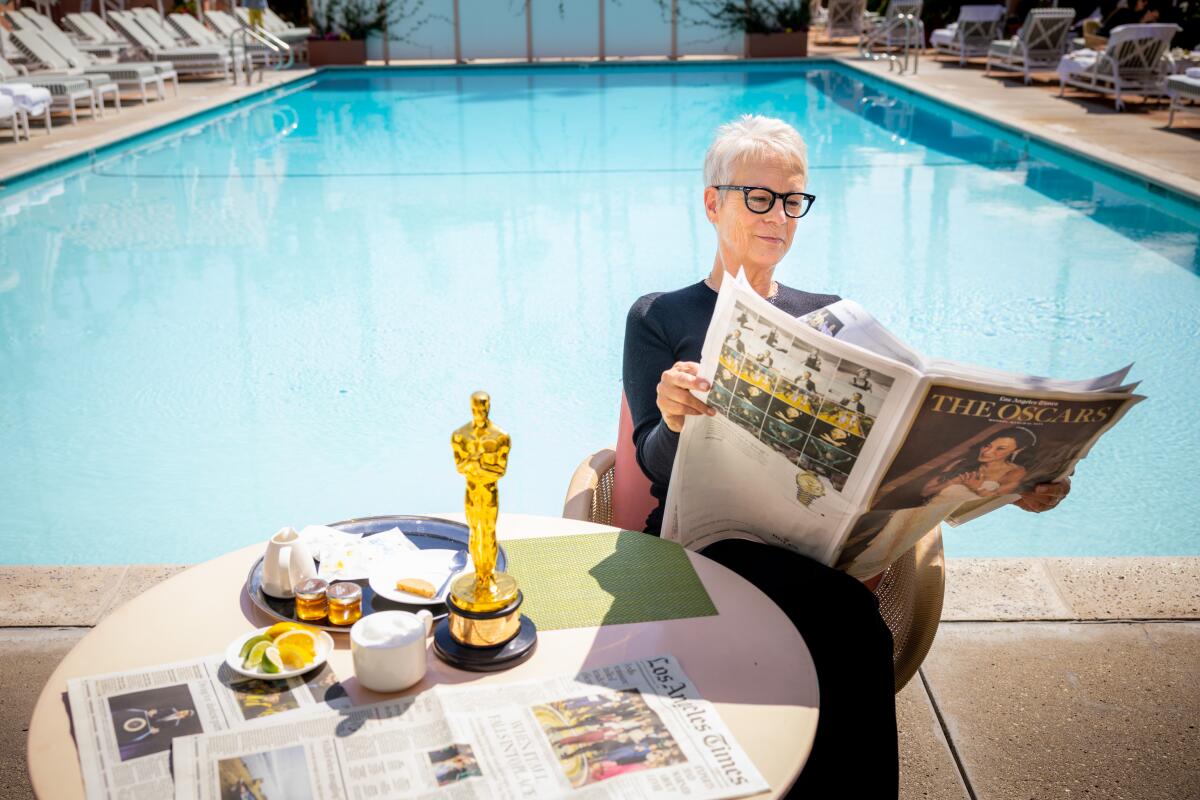
    Academy Award-winning actress Jamie Lee Curtis poses with her Oscar trophy, the morning after her win at the 95th Oscars ceremony, at the Beverly Hills Hotel in 2023. (Jay L. Clendenin / Los Angeles Times)

    “We’re in a very dangerous time, and we’re playing defense on everything that we do,” said Josh Lowenthal, a Democrat in the California Assembly, while introducing a session last week in Sacramento on the dangers of deepfakes.

    Mr. Lowenthal, who co-sponsored a recently introduced bill targeting sexually explicit deepfake material, later watched a demonstration of the technology spit out a realistic image of him in a prison cell and produce a fake news story about comments he never made.

    “I would’ve thought that was me,” he said after hearing deepfake audio of his voice, generated on the spot.

    Reining in deepfakes has also become a federal priority, and a markedly bipartisan one. Congress overwhelmingly passed the Take It Down Act, which criminalizes the nonconsensual sharing of sexually explicit photos and videos, including A.I. content, and requires tech platforms to quickly remove the content once they are notified. President Trump signed the bill in the White House Rose Garden on Monday, accompanied by his wife, Melania, who backed the legislation.

    But lawmakers’ enthusiasm for deepfake legislation has also set off a surge of pushback. Critics complain that many of the laws stifle free speech, constrain American competitiveness and are so complicated to enforce that they are, in effect, toothless.

    Because of those concerns, some Republicans in Congress are trying to curb the state actions. They are now considering a 10-year moratorium that would stop states from enforcing and passing legislation related to artificial intelligence, giving the federal government sole regulatory authority and lessening the pressure on A.I. companies. Soon after re-entering office, Mr. Trump revoked an executive order from his predecessor that sought to ensure the technology’s safety and transparency, issuing his own executive order that decried “barriers to American A.I. innovation” and pushed the United States “to retain global leadership” in the field.

    Regulating artificial intelligence requires balance, said Representative Josh Gottheimer, a Democrat from New Jersey who has helped write multiple deepfake bills. For all its potential dangers, he said, the technology could also become a powerful engine for job creation and creative expression.

    “It’s an ever-evolving space,” said Mr. Gottheimer, a candidate for governor who last month posted a video that featured, with a disclosure, a digitally generated version of himself boxing with Mr. Trump. “The key is making sure that people are protected as we harness the opportunities here.”

    Some state laws have also been challenged in court. In California, a conservative YouTube creator who posted an edited campaign video spoofing former Vice President Kamala Harris’s voice sued the attorney general last fall over two laws focused on election-related deepfakes. His argument: The regulations force social media companies to censor protected political speech, including parodies, and allow anybody to sue over content that he or she dislikes.

    The lawsuit now includes plaintiffs such as The Babylon Bee, a right-wing satirical site; Rumble, the right-wing streaming platform; and X, the social media company owned by Mr. Musk (which last month also sued Minnesota over a similar law). A federal judge ordered that enforcement of one of the California laws be temporarily paused, saying it “acts as a hammer instead of a scalpel.”

    464508738 8552618984852090 6255971325960509638 n.jpg? nc cat=110&ccb=1 7& nc sid=0b6b33& nc ohc=Nj0vc2o7XYsQ7kNvwGmUcd4& nc oc=Adkmn2gLWSBChHx9zNmnPdWqw9FReK2CWeWDM9wogUiMKctYYqwQtWd DRhs U9Uh5vy WWLzdkWdQXnscvSJ19& nc zt=23& nc ht=scontent.frdp1 1
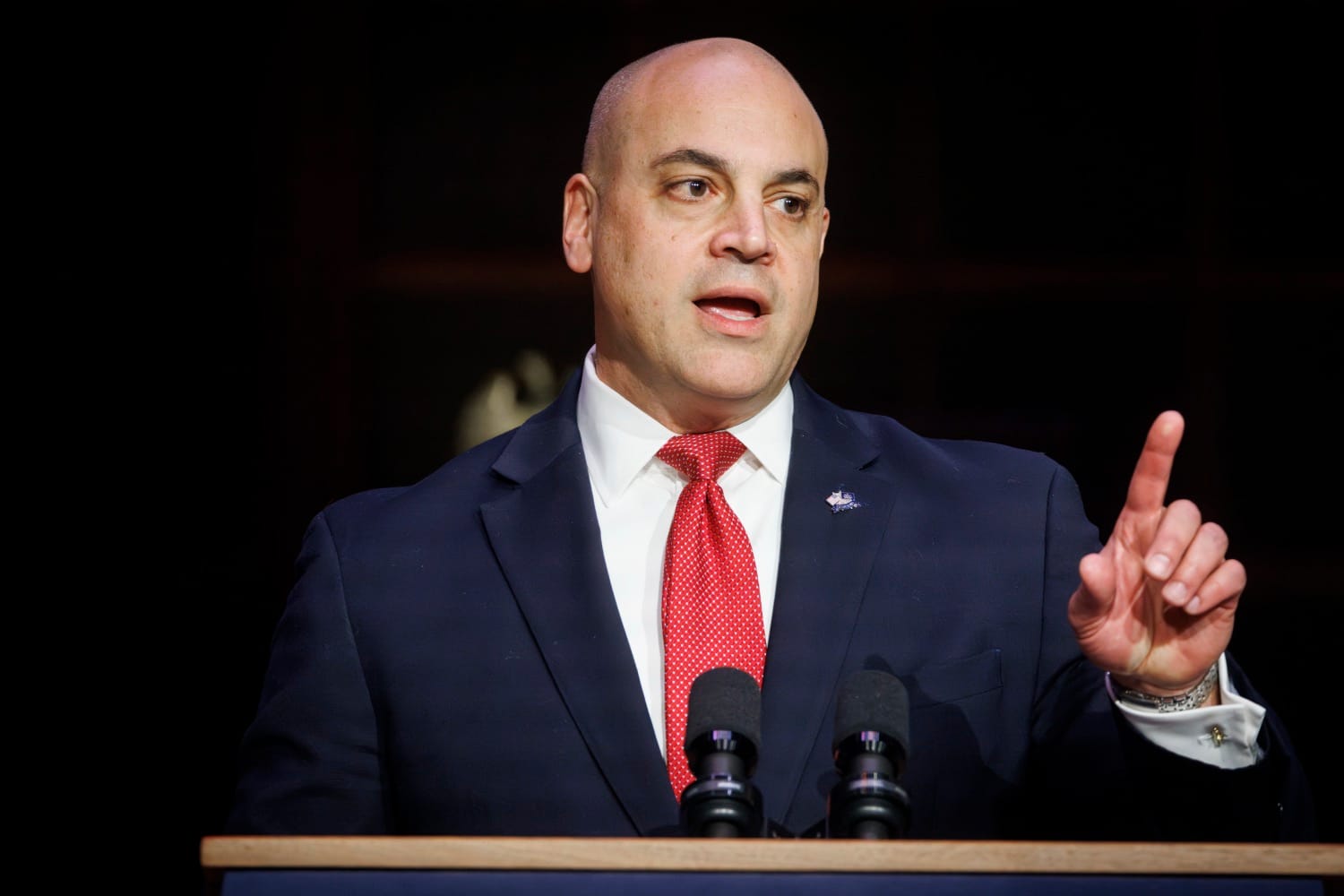
    In Dubuque County, Iowa, Sheriff Joseph L. Kennedy is assisting a local police department with a case involving male high schoolers who shared images of female students’ faces attached to artificially generated nude bodies. (Facebook)

    Litigation isn’t the only challenge to regulating deepfakes. In Dubuque County, Iowa, Sheriff Joseph L. Kennedy is assisting a local police department with a case involving male high schoolers who shared images of female students’ faces attached to artificially generated nude bodies.

    Such cases are time-consuming to work through, requiring careful documentation, data preservation efforts, subpoenas and search warrants for devices, Sheriff Kennedy said. Occasionally, the companies behind the websites or apps that people use to make A.I. images are uncooperative, especially if they are based in a country where an Iowa law has no power, he said.

    “That’s where you can hit snags and are short on options for what you can do,” he said. “Sometimes, it just seems like we’re chasing our tails.”

    first lady melania trump speaks 104900379
    First lady Melania Trump has used AI to record her audiobook. (AP)

    While most deepfake bans are focused on sexual, political or artistic content, the technology also has banks and other businesses on high alert. Michael S. Barr, a member of the Federal Reserve’s board of governors, said in a speech last month that the technology “has the potential to supercharge identity fraud.”

    One deepfake scam bilked Arup, a British design and engineering company that worked on the Sydney Opera House and Beijing’s Bird’s Nest stadium, out of $25 million last year. Fraudsters also tried to target Ferrari last summer, using WhatsApp messages that mimicked the southern Italian accent of the automaker’s chief executive.

    “If this technology becomes cheaper and more broadly available to criminals — and fraud detection technology does not keep pace — we are all vulnerable to a deepfake attack,” Mr. Barr said.

  • FTC Investigates Media Matters’ Communications With Ad Groups, Sparking Fears of Retaliation

    FTC Investigates Media Matters’ Communications With Ad Groups, Sparking Fears of Retaliation

    The Federal Trade Commission on Wednesday sent Media Matters for America a letter demanding communications between the progressive media watchdog and advertising entities as the commission probes whether the watchdog colluded with advertisers to pull funding from Elon Musk’s X.

    Media Matters was notified in a letter dated May 20 from the FTC that it is being investigated, a source familiar with the letter told. The letter, which The NY Budgets has viewed, directs Media Matters to turn over all documents, materials and communications with a range of ad entities and related organizations — including the World Federation of Advertisers and the Global Alliance for Responsible Media — regarding brand safety and disinformation, the source said.

    Media Matters is a media watchdog whose reporting tracks conservative and far-right news publications and personalities. The organization was sued by Musk in 2023 after it published a report detailing antisemitic and pro-Nazi content on the social media platform he owns, X. That lawsuit accuses the media watchdog of hatching a “media strategy to drive advertisers from the platform and destroy X Corp.”

    In keeping its request for assorted materials vague, the FTC is effectively throwing the kitchen sink at the wall to see what sticks, the source told.

    The move by the FTC sees the commission’s chair, Andrew Ferguson, make good on comments he made in Decembermere days before Trump nominated him for the job.

    “We must prosecute any unlawful collusion between online platforms, and confront advertiser boycotts which threaten competition among those platforms,” then-Commissioner Ferguson said about a different case.

    That’s exactly what Musk, who has spearheaded the president’s Department of Government Efficiency, has spent years accusing the progressive watchdog of doing, claiming Media Matters caused a coordinated mass exodus of advertisers by publishing the report.

    In a Thursday statement, Angelo Carusone, the Media Matters president, said that the Trump administration has been “defined by naming right-wing media figures to key posts and abusing the power of the federal government to bully political opponents and silence critics.”

    “It’s clear that’s exactly what’s happening here, given Media Matters’ history of holding those same figures to account,” Carusone said. “These threats won’t work; we remain steadfast to our mission.”

    In 2024, a record number of advertisers were looking to cut their ad spending on X, as the platform is now known, citing concerns that the extreme content that has proliferated there since Musk’s takeover could damage their brands. Musk himself has buoyed conspiracy theories and hate speech with his own account. He also told advertisers that left the platform to “go f**k yourself.”

    But advertisers began fleeing the social media platform nearly a year after Musk acquired Twitter in 2022, expressing concerns about the billionaire’s gutting of the platform’s content moderation team, mass layoffs, and uncertainty over the platform’s future. In July 2023, months before Musk sued Media Matters, the billionaire reported a 50% decline in Twitter’s ad revenue.

    Since the exodus, Musk has sought to mend fences, looking to woo back advertisers via a charm offensive.

    But that same year, Musk sued the Global Alliance for Responsible Media, a voluntary ad-industry initiative run by the World Federation of Advertisers, claiming that the group illegally coordinated an ad boycott against X. In February, Musk broadened that lawsuit to include Lego, Nestlé, Shell and several others.

    Advertisers named in the lawsuit filed a motion last week to dismiss his suit, claiming that Musk was using it “to win back the business X lost in the free market when it disrupted its own business and alienated many of its customers.”

    Additionally, in March, Media Matters sued Musk, claiming that he lodged several expensive lawsuits against the watchdog “for having dared to publish an article Musk did not like.”

    Media Matters has seen similar probes before. In 2023, the progressive watchdog sued Ken Paxton, accusing the Texas attorney general of violating the First Amendment by investigating Media Matters’ reporting on Musk’s app, similarly arguing that it was being penalized for its reporting. The progressive watchdog won an injunction against the Texas attorney general in 2024.

    The FTC declined to comment for this story. WFA did not respond to a request for comment on the probe.

  • Why Is IMAX Popping Up Everywhere All of a Sudden?

    Why Is IMAX Popping Up Everywhere All of a Sudden?

    Tom Cruise had a major request. He wanted IMAX to show his latest “Mission: Impossible” movie — and only his movie — on its giant screens for three weeks. It is the kind of exclusive run that few films get.

    So Mr. Cruise went straight to the top. He reached out to IMAX’s chief executive, Rich Gelfond, who had some requests of his own. He wanted all the “Mission: Impossible” premieres, along with press screenings and influencer screenings, to be held at an IMAX theater. And he wanted Mr. Cruise to endorse the company’s screens during his global press tour for the film, which opens this weekend.

    “As a joke I said, ‘Tom, no matter what question the press asks you, you’ve got to answer IMAX.’ ‘What’s your favorite scene?’ ‘IMAX,’” Mr. Gelfond, 69, said in an interview. “He agreed to do that.”

    In order to get something from IMAX these days, even Hollywood’s top power players have to give some, too.

    As movie theater audiences wane and at-home streaming audiences grow, IMAX increasingly stands out as a bright spot in the theater business. The company, founded in Toronto, aims to give moviegoers a more immersive experience with larger screens, better sound and steeper seating, which brings viewers closer to the screen. It now has 416 locations in North America and 1,322 overseas. That is only 1 percent of all the screens in the world, but they often account for a larger percentage of a movie’s box office return, drawing significant crowds for a more expensive ticket than a typical theater seat.

    In the past two months, IMAX screens delivered $39 million to the global box office for “Sinners” (out of $321 million total), $30.6 million for “A Minecraft Movie” ($930.1 million total) and $30.5 million for “Thunderbolts*” ($330 million total). (“Thunderbolts*” and “Minecraft” each played in IMAX theaters for two weeks. “Sinners” was brought back to nine locations for a third week.)

    As a result, Hollywood studios are putting more emphasis on the IMAX brand, even making the IMAX logo in larger type than the title of the movie in some marketing materials. Disney started this last year with “Kingdom of the Planet of the Apes” and “Alien: Romulus.” For “The Amateur,” a small action movie made by 20th Century Studios this year, the tagline “Vengeance is bigger in IMAX” appeared larger than the movie title. Marvel’s “Thunderbolts*” received similar treatment.

    “For some of these movies that have a franchise history — and are also available at home — the IMAX brand can help speak to the big-screen-worthiness of a film and the spectacle,” said Asad Ayaz, the president of marketing at Disney, which owns Marvel and 20th Century Studios. “It differentiates it from streaming, which is also a big business for us, so it can be helpful.”

    Yet not everyone in the movie business is thrilled with IMAX’s ascension. Some worry that its limited number of screens, and higher prices for admission, could turn moviegoing from a frequent activity into a luxury experience that further reduces overall attendance.

    imax dual 4k with laser projection system
    Imax Keeps Updating Itself at Breakneck Pace. (Courtesy of Imax)

    “It’s great to be able to provide premium experiences to people who want it,” said Greg Marcus, chief executive of the company that operates Marcus Theaters, the fourth-largest chain in the country, but with only three IMAX screens. “But 80 to 85 percent of our business is coming from traditional theaters. And so you have to be very careful to not put down the traditional experience in promoting the other.”

    Complicating matters further, most theater chains have their own large-format screens. Regal Cinemas has RPX. Cinemark Theaters has CinemarkXD, and Marcus has both UltraScreenDLX and SuperScreenDLX. AMC, the largest theatrical exhibitor, has several: Dolby Cinema, Prime and Laser.

    When a moviegoer buys a ticket to the majority of these large format screens, the exhibitor traditionally evenly splits the revenue with the studio. But when a moviegoer buys a ticket to an IMAX theater, the exhibitor and the studio must give a cut of their shares, often up to 12.5 percent, to IMAX. (Theaters also have to pay a yearly fee to IMAX for the upkeep of their projectors and screens.)

    Yet IMAX is the premium large-format option the studios promote more than the others.

    “Theaters are struggling, and what seems to really make a different to audiences is the premium format,” said Jeff Goldstein, the president of distribution for Warner Bros. “Each individual exhibitor doesn’t want to give up their brand, and I think their strategy is smart. Any way that brings audiences out for movie going is good, and I think IMAX leads that.”

    Mr. Gelfond bought IMAX in 1994 through an investment company he co-founded. At the time, IMAX was primarily known for theaters inside museums and other cultural institutions, showing what he calls “bears, whales and seals” films. It was not until 2003 that the company ventured into partnerships with Hollywood. When “Avatar” was released in 2009, it grossed $250 million on 282 IMAX screens. Hollywood noticed.

    IMAX expects to generate $1.2 billion in box office revenue this year, its most ever. But the company is still relatively small. It reported $87 million in revenue last quarter, and $8 million in profit. The majority of the company’s screens are operated by other theater owners as a joint venture, and they share revenue for ticket sales. In those cases, IMAX receives a cut of the box office only from the studios and not the exhibitors, yet it still controls the programming.

    The fact that IMAX works with theater chains does not stop Mr. Gelfond from insulting them. “Their premium screens are just regular screens that are just bigger,” he said. “We are investing in a great experience. They are investing in buying a standard projector and putting it on a bigger screen.”

    richard gelfond
    Imax CEO Richard Gelfond. (AP Images)

    Not everyone agrees with Mr. Gelfond’s assessment about his competitors, including his competitors themselves. Yet his pugilistic style has gotten him far in Hollywood. Recently, he waded into the thorny world of Netflix and theatrical distribution. The entertainment giant has long eschewed releasing movies in theaters before its streaming service. Last month, Ted Sarandos, Netflix’s co-chief executive, called the communal experience of watching a movie in a theater “an outmoded idea.”

    But IMAX reached a deal to show Greta Gerwig’s upcoming adaptation of “The Chronicles of Narnia,” a Netflix film, for two weeks in fall 2026 before it goes on the streaming service. That has left some industry insiders wondering whether theaters would be willing to play a Netflix film at all, even if they are contractually obligated to under their deal with IMAX.

    “It does cause a conflict in the sense that Netflix has been quite public with negative comments,” Adam Aron, AMC’s chief executive, said in an interview. “But to support Rich we are going to play ‘Narnia.’ And we’d love to be able to convince Ted Sarandos that Netflix would be advantaged if it embraced movie theaters.”

    Some say Mr. Gelfond’s direct relationships with some top Hollywood directors have often put him ahead of the studios when it comes to knowing filmmakers’ intentions. Christopher Nolan (“Oppenheimer”) and Ryan Coogler (“Sinners”), both of whom have shot with IMAX cameras, and others have become evangelists for the brand. At the Cannes Film Festival this month, Mr. Gelfond revealed that Mr. Nolan would film the entirety of his next movie, “The Odyssey,” with IMAX cameras.

    His connections with some movie stars can help, too — and he’s happy to boast about them. Mr. Gelfond was quick to pull out his phone to share his text exchange with Mr. Cruise moments after the actor rappelled into the stadium at the closing ceremony of the Paris Olympics last summer.

    “Beyond awesome!! You’re the best,” Mr. Gelfond messaged the actor. A minute later, Mr. Cruise responded: “Thank you, my friend. We are going to crush it next summer.”

  • AI-Generated Reading List in the Chicago Sun-Times Suggests Books That Don’t Exist

    AI-Generated Reading List in the Chicago Sun-Times Suggests Books That Don’t Exist

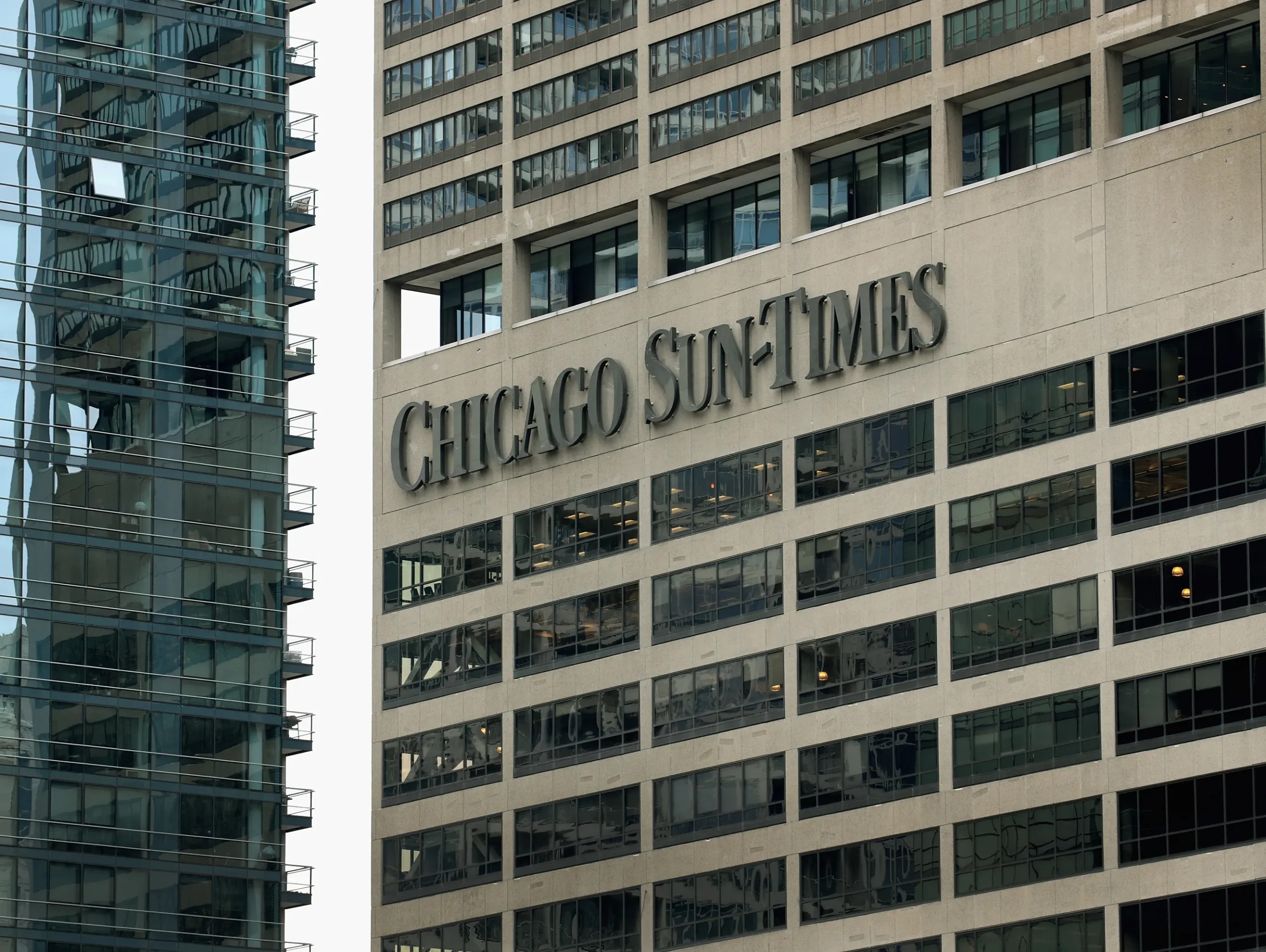
    The summer reading list tucked into a special section of The Chicago Sun-Times and The Philadelphia Inquirer seemed innocuous enough.

    There were books by beloved authors such as Isabel Allende and Min Jin Lee; novels by best sellers including Delia Owens, Taylor Jenkins Reid and Brit Bennett; and a novel by Percival Everett, a recent Pulitzer Prize winner.

    There was just one issue: None of the book titles attributed to those authors were real. They had been created by generative artificial intelligence.

    It’s the latest case of bad A.I. making its way into the news. While generative A.I. has improved, there is still no way to ensure the systems produce accurate information. A.I. chatbots cannot distinguish between what is true and what is false, and they often make things up. The chatbots can spit out information and expert names with an air of authority.

    Most of the book descriptions were fairly believable. It didn’t seem out of reach that Ms. Bennett would “explore family bonds tested by natural disasters,” or that Ms. Allende would pen another “multigenerational saga.”

    The technology publication 404 Media reported earlier on the reading list. In addition to nonexistent book titles, the section included quotes from unidentifiable experts.

    Both The Sun-Times and The Inquirer issued statements condemning the use of A.I. and in part blamed King Features, a Hearst syndicate that licenses content nationally. The syndicate produced the 56-page supplement called “Heat Index: Your Guide to the Best of Summer,” which also included things like summer food trends and activity recommendations.

    While the list did not have a byline, a freelancer named Marco Buscaglia took responsibility for the piece. He confirmed that the list was partially generated by artificial intelligence, most likely Claude.

    “It was just a really bad error on my part and I feel bad that it has affected The Sun-Times and King Features, and that they are taking the shrapnel for it,” Mr. Buscaglia said in an interview.

    It’s fairly common for media organizations, especially resource-strapped local newsrooms, to rely on syndicates to supplement coverage.

    Just two months ago, 20 percent of staff at The Sun-Times resigned as part of a buyout offer. On the newspaper’s homepage on Wednesday, there were two banners atop the website. One linked to the statement on the May 18 special section, and the other linked to a piece on how federal cuts threaten local journalism.

    Felix M. Simon, a research fellow in A.I. and digital news at the Reuters Institute at Oxford University, said the technology was not entirely at fault. There are responsible and irresponsible ways to use A.I. for news gathering, he said.

    “We need better education for everyone from the freelancer level to the executive level,” Dr. Simon said, calling on people to look “at the structures that ultimately allowed this factually false article to appear in a reputable news outlet.”

    The special section was removed from The Inquirer’s website when it was discovered, according to Lisa Hughes, the publisher and chief executive of the paper. The section was also removed from The Sun-Times’s e-paper version, according to a statement, and subscribers would not be charged for the premium edition.

    King Features did not respond to requests for comment, but in a statement provided to The Sun-Times it said it had “a strict policy with our staff, cartoonists, columnists, and freelance writers against the use of A.I. to create content.”

    In its statement, The Sun-Times said that the incident should be a “learning moment.”

    “Our work is valued — and valuable — because of the humanity behind it,” the statement read.