

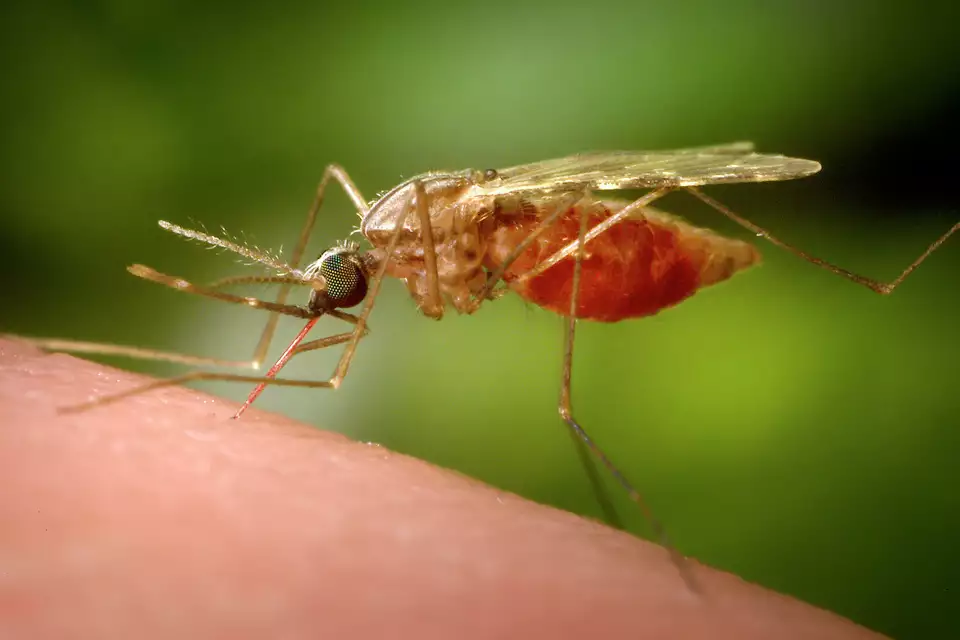
Health officials in Orange County have issued a warning after detecting West Nile Virus (WNV) in local mosquitoes, urging residents to take precautions as the peak of mosquito season continues. The virus, which can cause severe illness in rare cases, was found in a mosquito pool near Greenwood Lake on August 6, marking the latest instance of its presence in the area.
The Orange County Health Department announced the detection as part of its routine mosquito surveillance program. While no human or animal cases have been reported in the county this year, the finding serves as a reminder of the virus’s ongoing threat in the region. “We still have a long mosquito season ahead of us,” said Acting Orange County Health Commissioner Dr. Jennifer Roman in a statement. “Residents should always try to protect themselves but especially now that West Nile Virus positive mosquitoes have been detected in the County.”
WNV, first introduced to New York and North America in 1999, has since become endemic in the state, spreading rapidly across the continent. The virus is primarily transmitted to humans and other mammals through the bites of infected mosquitoes, which contract it by feeding on infected birds. According to public health data, Orange County has recorded WNV in mosquitoes in recent years, including 2021, 2022, 2023, and now 2024. Dr. Roman noted that the Greenwood Lake area has seen previous detections, making this latest find unsurprising but still concerning.
Most people infected with WNV—estimated at 70% to 80%—experience no symptoms at all. For the remaining 20%, symptoms are typically mild and include fever, headaches, body aches, nausea, skin rashes, or swollen lymph glands, appearing three to 14 days after a bite and lasting just a few days. However, in severe cases, the virus can lead to encephalitis or meningitis, causing life-threatening complications such as seizures, paralysis, or coma. Death is possible, though rare.
Nationally, the Centers for Disease Control and Prevention (CDC) reported 1,791 cases of WNV in the United States in 2024, with 164 fatalities. Experts believe these figures underrepresent the true scale of infections, as many mild cases go unreported or undiagnosed. In Orange County, the last confirmed human case dates back to 2009, but Dr. Roman told The Epoch Times that unreported infections have likely occurred since then.
Unlike many counties that do not routinely monitor for the virus, Orange County maintains an active surveillance program to track mosquito populations and detect pathogens early. This proactive approach allows for timely public alerts and helps mitigate risks.
To prevent bites and reduce mosquito breeding grounds, health officials recommend several steps. “Residents should wear appropriate clothing, consider sprays when outdoors, and check their property for any pooling or stagnant water,” Dr. Roman advised. “If found, it should be removed as soon as possible.” Additional tips from the health department include using insect repellents containing DEET, picaridin, or oil of lemon eucalyptus; wearing long sleeves and pants during dawn and dusk when mosquitoes are most active; and ensuring window and door screens are intact.
As climate patterns shift and mosquito habitats expand, experts warn that WNV and similar vector-borne diseases may become more prevalent. For now, Orange County residents are encouraged to stay vigilant and report any unusual standing water to local authorities.
For more information on WNV and prevention, visit the Orange County Health Department website or the CDC’s resources on mosquito-borne illnesses.