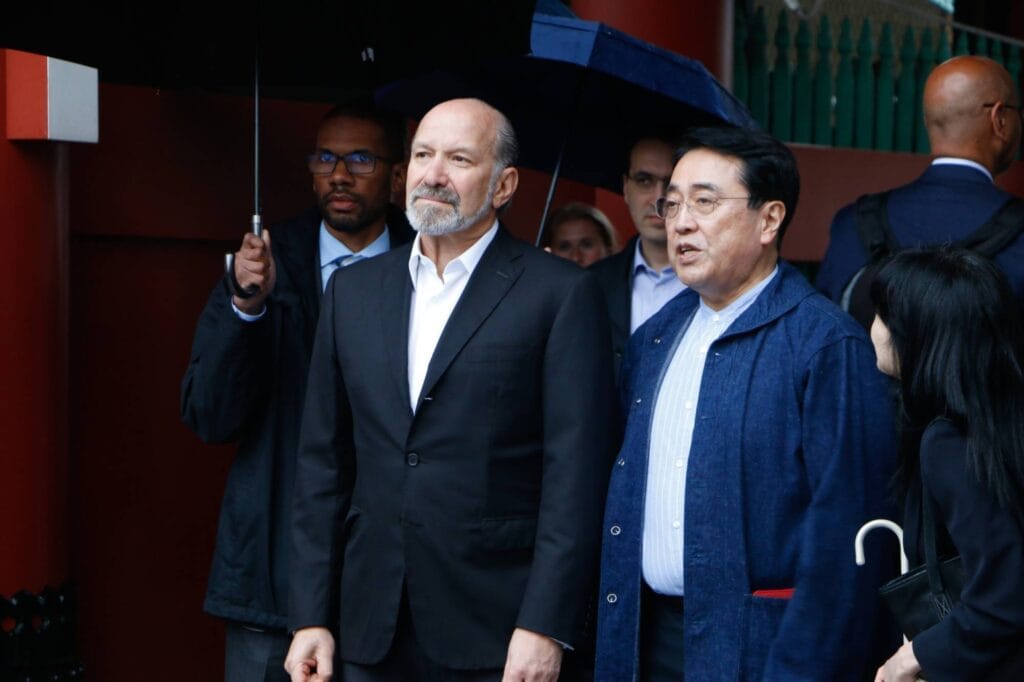
Japan and the United States convened their second high-level consultation committee meeting on Tuesday, signaling renewed momentum in deploying a landmark $550 billion Japanese investment pledge that anchors the allies’ hard-won trade agreement. The two-hour virtual session, co-chaired by Japanese Economy, Trade and Industry Minister Ryosei Akazawa, U.S. Commerce Secretary Howard Lutnick, and U.S. Energy Secretary Chris Wright, focused on expediting project selections, with officials pledging to announce the inaugural initiative “as soon as possible,” according to a statement from Japan’s Ministry of Economy, Trade and Industry (METI).
The gathering builds on the panel’s inaugural online meeting last week, where representatives from Japan’s foreign, trade, and finance ministries joined U.S. counterparts from the Commerce and Energy Departments to exchange views on potential investments. Energy projects emerged as early frontrunners, with sources familiar with the discussions indicating a handful under review for priority funding. Recommendations from the consultation committee will feed into an investment panel chaired by Lutnick, culminating in final approvals by President Donald Trump—a structure that underscores Washington’s directive role in allocating the funds.
This accelerated pace reflects mounting pressure to operationalize the pledge, formalized in a September memorandum of understanding (MOU) following July’s framework accord. The $550 billion commitment—upped from an initial $400 billion discussion at Trump’s insistence—secured Japan’s relief from steep U.S. tariffs, capping duties at 15% on automobiles and most goods after an earlier spike to 25%. Non-compliance risks penalty clauses, including tariff hikes, potentially unraveling the deal and exposing Tokyo to renewed trade friction.
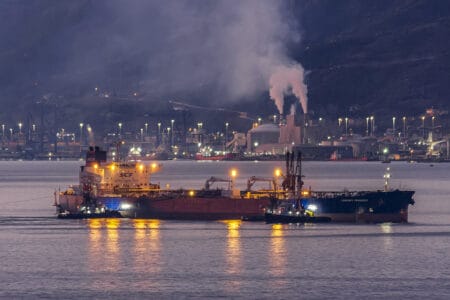
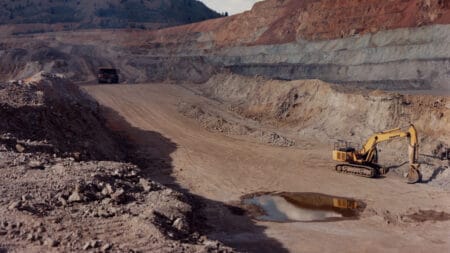
Target sectors span strategic priorities: semiconductors, pharmaceuticals, critical minerals, metals, shipbuilding, energy, artificial intelligence, and quantum computing. Financing will flow through project-by-project commitments, leveraging institutions like the Japan Bank for International Cooperation (JBIC) and Nippon Export and Investment Insurance (NEXI) for equity, loans, and guarantees. Investments must materialize by January 19, 2029—the end of Trump’s term—aligning with his administration’s push to revitalize U.S. industrial capacity and bolster supply chains amid global competition, particularly from China.