


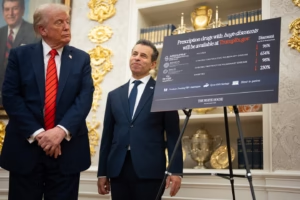
Washington, D.C. – In a move that’s equal parts policy innovation and political theater, President Donald Trump unveiled TrumpRx.gov on Thursday, a sleek new government website designed to slash prescription drug costs for everyday Americans. Billed as the centerpiece of his aggressive campaign against Big Pharma’s pricing practices, the site promises to connect users directly to manufacturer discounts, bypassing insurance middlemen and their markups. Trump, ever the showman, demonstrated the platform’s features during a high-profile event at the Eisenhower Executive Office Building, flanked by key aides and touting it as a game-changer that could propel Republicans to victory in the upcoming midterms.
“This is the biggest thing ever to happen on drug prices,” Trump declared at a recent rally in North Carolina, echoing his longstanding refrain that health care costs—dominated by pharmaceuticals—need a drastic overhaul. “It’s gonna reduce the cost of health care because health care is probably 50 percent drugs, right? This achievement alone should win us the midterms.” And with polls showing health care as a top voter concern, the president might be onto something. A fresh KFF survey released last week reveals that two-thirds of Americans fret over affording medical bills, with 55% reporting higher costs in the past year and 56% expecting even steeper hikes ahead.
The launch caps nearly a year of arm-twisting by the Trump administration, leveraging tariffs, expedited FDA reviews, and diplomatic pressure on allies to force drug makers to the table. Pharmaceutical giants have agreed to list their products on TrumpRx.gov, where users can access coupons for discounted purchases—often without insurance. Take Novo Nordisk’s Ozempic, the blockbuster weight-loss drug with a list price hovering around $1,000 monthly: Through the site, it’s available for just $350, a steep cut that White House officials highlighted as a prime example of the program’s punch.
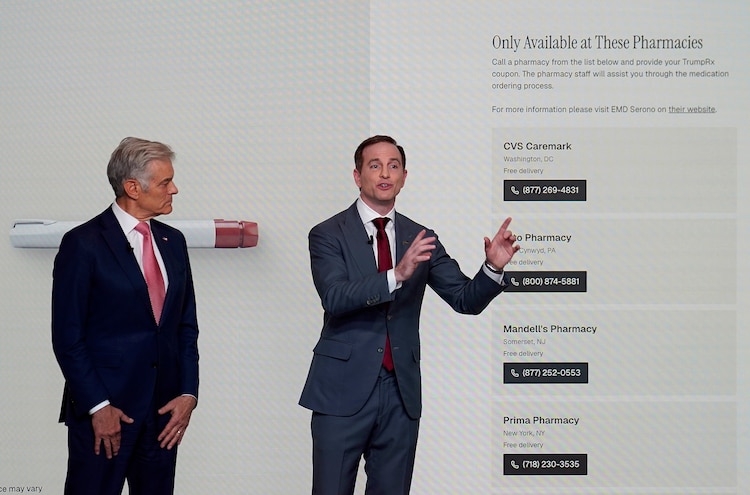
Mehmet Oz, the charismatic administrator of the Centers for Medicare and Medicaid Services (CMS), and Joe Gebbia, director of the newly minted National Design Studio, joined Trump for the rollout. Gebbia walked attendees through the user-friendly interface, showing how to search for meds, bundle coupons for commonly paired prescriptions, and even locate pharmacies offering home delivery. “I can call any one of these pharmacies, and they deliver it straight to my home. It’s that simple,” Gebbia said, emphasizing the site’s focus on transparency and convenience.
White House officials credited the National Design Studio—bolstered by tech-savvy hires like Edward Coristine, known for his bold online presence—with crafting a smooth platform. This stands in stark contrast to the infamous 2013 debut of Healthcare.gov under President Obama, which crashed spectacularly, enrolling just six people on day one and becoming a Republican punching bag. Trump, keen to sidestep such pitfalls, kept TrumpRx.gov’s scope modest but impactful, aiming for quick wins that resonate with voters weary of skyrocketing drug bills.
From a right-of-center vantage, this initiative is a textbook example of Trump’s deal-making prowess: using executive muscle to wring concessions from an industry long accused of gouging consumers. Prescription spending, which eats up about 9% of U.S. health care dollars, has climbed relentlessly despite bipartisan promises to curb it. Trump’s first-term tweaks briefly reversed that trend, a feat he ranks among his greatest hits. Now, with “Most Favored Nation” pricing—tying U.S. costs to lower international rates—the administration is pushing boundaries, even pressuring foreign leaders to shoulder more R&D burdens.
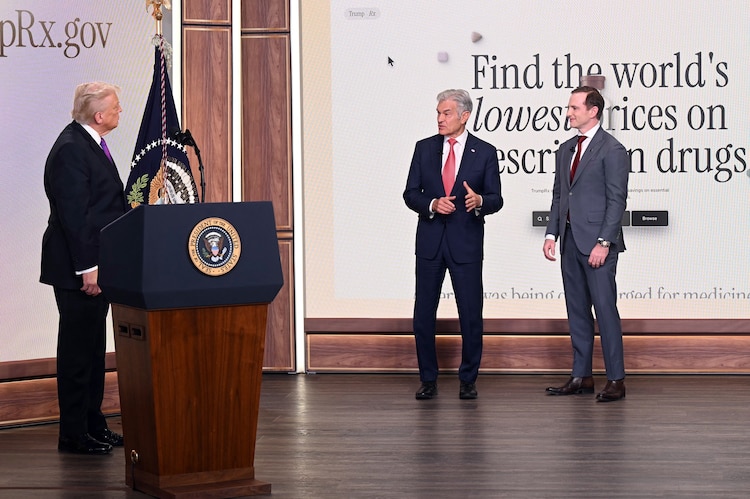
Yet, experts caution that the program’s reach may be limited. “TrumpRx doesn’t sell medications,” the site clarifies upfront. “Instead, it connects patients directly with the best prices, increasing transparency and cutting out costly third-party markups.” While that could help uninsured or high-deductible plan holders, critics note that many already snag discounts via manufacturer sites or pharmacy benefit managers. Craig Garthwaite, health care director at Northwestern’s Kellogg School of Management, called it “far from revolutionary,” pointing out that for pricier brand-name drugs, cash payments remain out of reach for most—insurance is the real safety net.
Skeptics, including Democrats, question the vagueness of the pledges and potential legal snags. Expedited FDA reviews dangled as incentives raise red flags for former officials, who warn of safety risks and possible illegality. Congressional Democrats like Sen. Ron Wyden (D-Ore.) demand transparency: “The Administration has yet to provide any public information that the announcements will result in any real savings for consumers,” he said in a joint statement with colleagues last December. Economists echo this, suggesting list-price cuts might not trickle down amid existing rebates.
Even Mark Cuban, the billionaire entrepreneur behind Cost Plus Drugs—a similar discount platform and frequent Trump foil—offered measured praise during an October Senate hearing. “I don’t think it solves the ultimate problem of how the system is designed, but I think it’s something that we obviously agree on,” Cuban said, acknowledging the shared goal of affordability.

Politically, drug costs could be a midterm wildcard. Democrats hold a polling edge on health care overall (42-26% trust on the ACA), but it’s slimmer on prescriptions (35-30%), an arena where Trump’s relentless focus might pay dividends. He’s woven TrumpRx into his “Great Healthcare Plan,” urging Congress to enshrine it in law. With midterms looming, the site could deliver tangible savings stories for GOP campaigns, blunting Democratic attacks on affordability.
Still, broader systemic fixes—like negotiating Medicare prices or import reforms—remain elusive, constrained by industry lobbying and court challenges. For now, TrumpRx.gov stands as a symbolic win: a branded portal putting money back in Americans’ pockets, courtesy of the dealmaker-in-chief. As Trump eyes legacy and electoral gains, this could indeed tip scales in key battlegrounds.
Most Read in US Politcs





2 Comments
Pingback: Exclusive | Satellite Imagery Shows Scale of U.S. Military Buildup Around Iran
Pingback: Weight-Loss Drug Price Wars Are Upending Big Pharma’s Business Model