Category: New York

  • Zohran Mamdani Seeks $21 Billion Federal Backing for Massive Queens Housing Project.

    Zohran Mamdani Seeks $21 Billion Federal Backing for Massive Queens Housing Project.

    New York City Mayor Zohran Mamdani met with President Donald Trump at the White House on Thursday, February 26, to pitch a ambitious $21 billion federal investment in a long-dormant housing project over Sunnyside Yard in Queens.

    The Democratic socialist mayor, known for his progressive stance on housing affordability, described the meeting as “productive” and expressed optimism about partnering with the Republican president to address the city’s acute housing crisis. This development marks a potential revival of a project first proposed under former Mayor Bill de Blasio, which could deliver 12,000 affordable homes—the largest such initiative in New York City since the 1970s.

    Mamdani, 34, shared a photo on Instagram capturing the moment: Trump smiling broadly while holding two mock New York Daily News front pages. One was the infamous 1975 headline “Ford to City: Drop Dead,” referencing President Gerald Ford’s refusal to bail out a near-bankrupt New York. The other, a custom creation from Mamdani’s team, proclaimed “Trump to City: Let’s Build,” with subheadings touting “Backs New Era of Housing” and “Trump Delivers 12,000+ Homes; Most Since 1973.” Anna Bahr, a spokesperson for City Hall, confirmed that Mamdani presented these printouts to symbolize a shift from historical federal neglect to collaborative progress.

    “He came to the president today with a couple of pitches that would produce and construct more housing in a handful of projects than has happened in 50 years,” Bahr told reporters. The White House has not yet committed to funding, but sources familiar with the discussions indicate Trump was receptive, particularly given his Queens roots and lifelong ties to New York real estate.

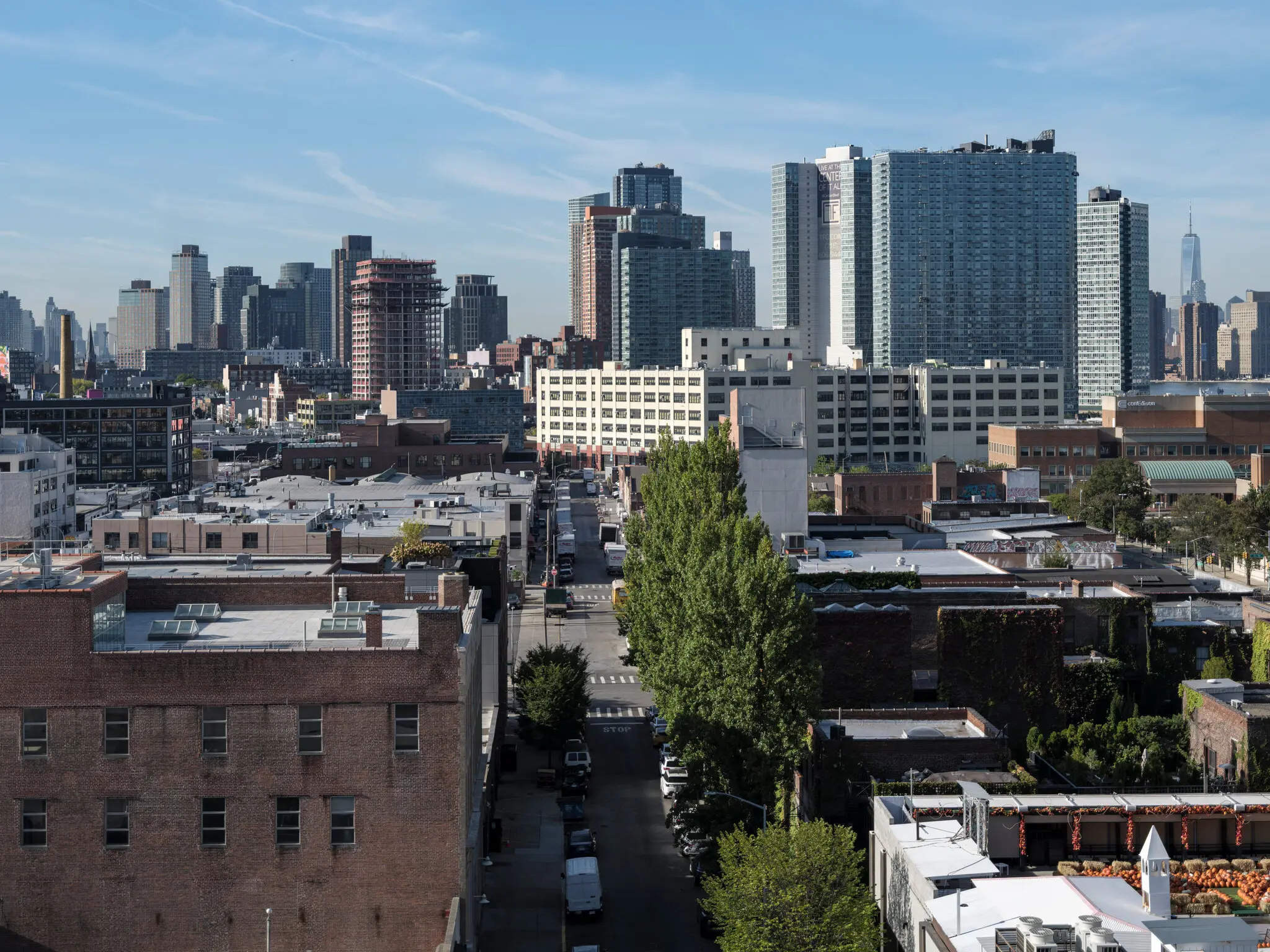
    At the heart of the proposal is Sunnyside Yard, a sprawling 180-acre active rail yard in western Queens, often called the busiest in North America. Owned jointly by Amtrak, the Metropolitan Transportation Authority (MTA), and other entities, the site serves as a critical hub for Amtrak, Long Island Rail Road, and New Jersey Transit trains.

    The plan involves constructing what Mamdani’s office describes as “the world’s largest deck” over the yard—a massive platform to support development without disrupting rail operations below.

    If funded, the project would yield 12,000 affordable housing units, including 6,000 modeled after the Mitchell-Lama program, which provides subsidized rentals and cooperatives for moderate- and middle-income families.

    Beyond housing, the development promises 30,000 good-paying union jobs during construction, along with new parks, schools, and healthcare clinics to serve the surrounding communities. Senior city housing official Cea Weaver, director of the Mayor’s Office to Protect Tenants, highlighted the project’s potential to unify neighborhoods divided by the rail yard.

    “It’s a barrier between some of the most diverse neighborhoods in Queens,” Weaver said. “And so I think it’s important that we’re able to connect neighborhoods.” However, she acknowledged the challenges: “It’s extraordinarily expensive, and we need federal support in order to be able to do it.”

    The Sunnyside Yard concept isn’t new. It traces back to urban planning ideas from the 1960s, but gained traction under de Blasio in 2015, with a 2020 master plan estimating costs at $14 billion for a mixed-use development including housing, offices, and public spaces.

    The Economic Development Corporation (EDC) led the effort, incorporating public input to prioritize affordable housing, jobs, transportation improvements, and sustainability. The COVID-19 pandemic halted progress, and successor Eric Adams did not revive it. Earlier versions faced opposition from local figures like Rep.

    Alexandria Ocasio-Cortez and community groups concerned about density, environmental impacts, and displacement. Mamdani’s pitch escalates the scale, focusing heavily on affordability amid escalating costs.

    New York City’s housing woes provide the urgent backdrop. Elected on promises to tackle affordability, Mamdani faces a crisis where renters spend 54.52% of their median income on housing—the highest in the nation, per a 2025 WalletHub report.

    Over the past two decades, inflation-adjusted wages for renters rose less than 15%, while average rents surged nearly 40%. The city’s rental vacancy rate dipped to 1.41% in 2023, far below the 5% needed to ease rent regulations under state law. A 2024 Regional Plan Association analysis pegged the housing shortage at 540,000 units, a gap that stifles mobility and forces many into substandard living.

    Recent 2026 data paints an even grimmer picture. Manhattan’s vacancy rate hovered just above 2% in 2025, with average rents exceeding $5,400 monthly—a 6% jump from the prior year. Citywide, nearly half of renters are rent-burdened, spending over 30% of income on housing. Evictions in subsidized housing spiked, with 43,000 of 120,000 filings in 2024 occurring in such units, per a New York Housing Conference report. Meanwhile, thousands of rent-stabilized apartments sit vacant due to economic disincentives under current laws, exacerbating the crunch.

    The project’s revival could be transformative. Drawing parallels to Hudson Yards—a 28-acre decked development in Manhattan—Sunnyside Yard’s 180 acres offer exponentially more space for mid-rise buildings, greenways, and community amenities. Proponents argue it aligns with “Keeping it Queens” ethos, blending sustainability, pedestrian-friendly design, and workforce development. Mamdani’s office called it a “once-in-a-generation opportunity to confront the city’s housing crisis at the scale it demands,” potentially the largest infrastructure investment since Co-op City’s completion in 1973.

    Yet hurdles abound. Beyond securing federal funds—requiring Amtrak’s approval and congressional buy-in—the project faces technical complexities, like building over active tracks without service interruptions. Local stakeholders, including City Council members and residents, may revive past concerns over gentrification and environmental risks. Mamdani acknowledged the timeline: “many, many years” ahead. Trump, while interested, has not committed, and his administration’s priorities lean toward deregulation and private-sector involvement.

    This meeting underscores Mamdani’s pragmatic approach, despite ideological differences with Trump. As Joe Calvello, Mamdani’s press secretary, noted, the mayor seized Trump’s invitation to “do just that” on housing. If successful, it could reshape Queens, alleviate the housing squeeze, and set a precedent for federal-city partnerships in urban renewal. For now, New Yorkers watch as this bold vision inches toward reality.
  • Big Apple Affordability Crisis Convert Politics

    Big Apple Affordability Crisis Convert Politics

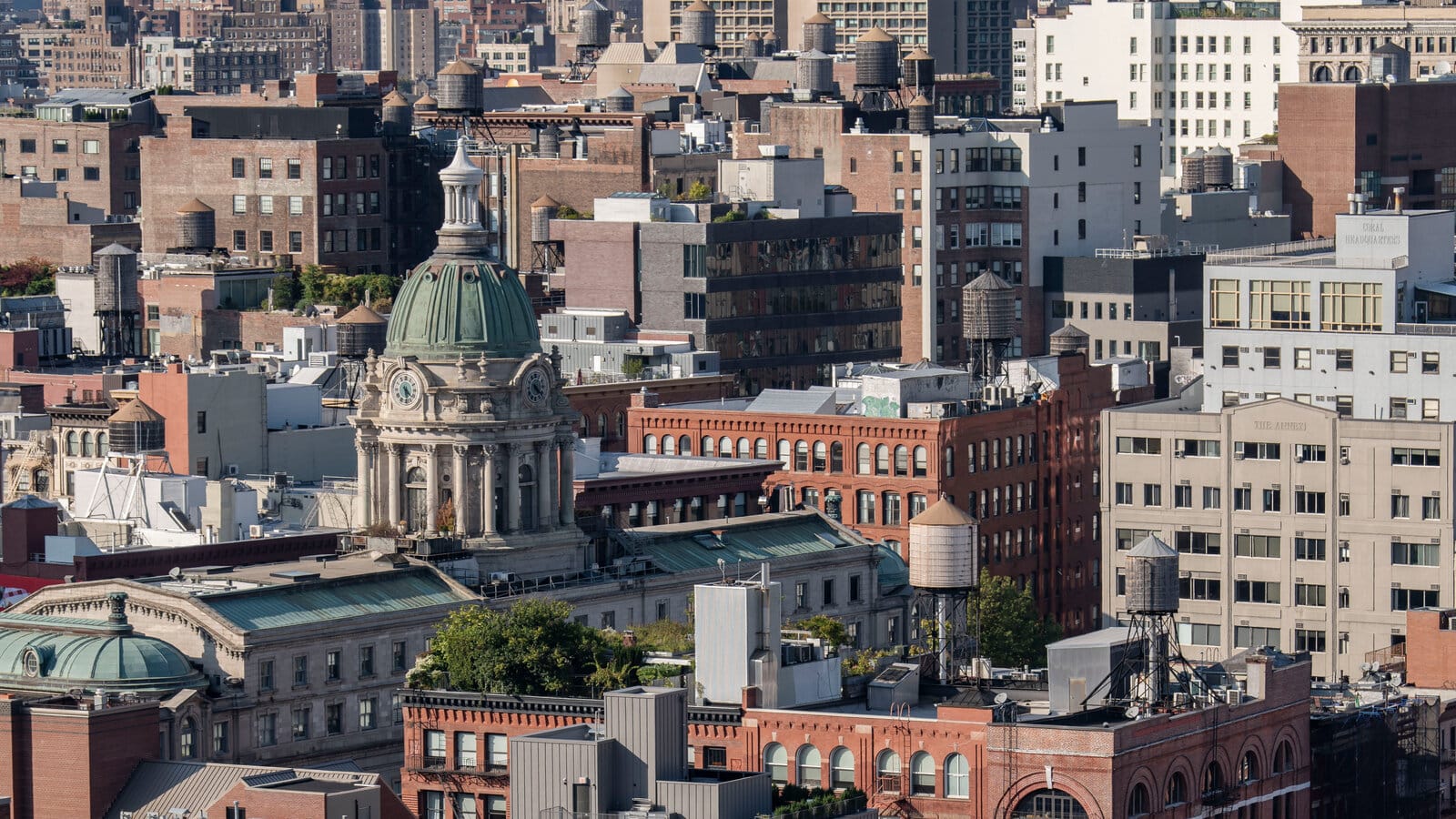
    Stakeholders can’t agree on how to solve New York City’s housing crisis. © New York Times
    Stakeholders can’t agree on how to solve New York City’s housing crisis. © New York Times

    NEW YORK CITY — In the shadow of gleaming skyscrapers that symbolize American capitalism’s triumph, a quiet revolution is brewing—and it’s not the kind Wall Street cheers. New Yorkers, squeezed by median rents hovering at $3,400 against household incomes barely cracking $6,640, handed a stunning mandate to democratic socialist Zohran Mamdani in Tuesday’s mayoral election, capping a night of Democratic sweeps that exposed the raw nerve of America’s housing meltdown. With record turnout shattering 50-year highs—over 2 million ballots, including 735,000 early votes—Mamdani’s 50.4% rout of Andrew Cuomo‘s independent bid wasn’t just a populist uprising; it was a desperate cry from a city where the American Dream of homeownership feels like a relic from another era.

    The median age for first-time homebuyers nationwide has now climbed to 40, per the National Association of Realtors’ (NAR) 2025 Profile of Home Buyers and Sellers—a shocking leap from 38 just last year, 36 in 2022, and a mere 28 back in 1991. As NAR deputy chief economist Jessica Lautz put it, “It’s really been in recent years that we’ve seen this steep climb.” In New York, where affordability ratios have spiked to 35% of income for mortgages and 40% for rents (the least affordable metro in the nation, per Demographia), this crisis isn’t abstract—it’s reshaping politics, punishing incumbents, and handing progressives a megaphone at the expense of market-driven solutions.

    From Virginia’s suburban backlash to New Jersey’s tax-weary holdouts, Election Night’s Democratic trifecta—Abigail Spanberger’s 13-point gubernatorial romp in the Old Dominion, Mikie Sherrill’s double-digit drubbing of Jack Ciattarelli in the Garden State, and Mamdani’s socialist surge in the Big Apple—spelled trouble for President Trump’s America First coalition. AP VoteCast data showed 6 in 10 voters nationwide fuming over the economy, with housing costs topping the list in urban and suburban precincts alike. Trump, posting on Truth Social amid the shutdown’s 36-day drag, shrugged it off: “TRUMP WASN’T ON THE BALLOT, AND SHUTDOWN, WERE THE TWO REASONS THAT REPUBLICANS LOST ELECTIONS TONIGHT.” Fair point—but conservatives would be wise to see this as a five-alarm fire: When working families can’t afford a roof, they don’t reward fiscal hawks; they turn to radicals promising rent freezes and free rides.

    Let’s cut through the spin: America’s housing crisis is a self-inflicted wound from overregulation, zoning zealotry, and a NIMBY stranglehold that’s starved the market of supply. The U.S. faces a 5.5 million-unit shortage, per Moody’s Analytics, with New York City’s inventory at a 40-year low—median home prices up 25% since 2020 to $750,000, per Zillow. First-time buyers? A pathetic 21% of purchases, down 50% from 2007, per NAR. That’s not just numbers; it’s lost equity. Delay homeownership by a decade, and you’re forfeiting $150,000 in lifetime wealth on a starter home, NAR estimates.

    Young New Yorkers embody this despair. The typical down payment now demands 10%—a post-1989 peak—with 59% scraping from savings, 26% raiding 401(k)s, and 22% begging family for handouts. Repeat buyers, median age 62, waltz in with cash (30% outright) and equity firepower, leaving millennials and Gen Z competing with boomer empty-nesters for scraps. As ResiClub’s Lance Lambert quipped to Fortune, today’s 40-year-old newbie is “just as close in time to… early Social Security withdrawals (age 62) as… high school graduation (age 18).” No wonder multigenerational living has dipped to 14% from 17% last year—families can’t pool resources when starter homes cost nine times median income.

    Charts tell the stark tale: NAR’s affordability index shows mortgage payments eating 35% of income in 2024, up from 25% pre-pandemic, while rents claim 40%—levels unseen since the 1980s stagflation. In New York, the rent-to-income ratio has flatlined around 35-40% since 2010, per Joint Center for Housing Studies data, while mortgage burdens spike post-2020. Nationally, nonrenewal of home insurance policies has tripled in over 200 counties since 2018, per Senate Budget Committee findings, as climate risks jack premiums 30% from 2020-2023. Florida’s Tampa saw property taxes soar 60% since 2019; Indianapolis and Atlanta, over 65%. Even “low-tax” havens like Hawaii (0.32% effective rate) can’t offset $963,000 medians.

    Homeowners, meanwhile, are shell-shocked: Two-thirds report bills exceeding estimates, per a 2025 CoreLogic survey, with medians at $3,018 nationally—but $10,333 in New Jersey, $7,355 in New Hampshire. Nearly half (48%) contest assessments as inflated, yet 78% never appeal—53% unaware they can. In high-cost California (0.70% rate, $5,502 median bill), insurers are fleeing wildfire zones, forcing “non-admitted” policies up 27.5% last year. Result? Delinquencies spike 4 percentage points post-disaster, prepayments 16 points, per UC Berkeley research—149,000 extra defaults from premium hikes alone in 2022-2023.

    This “perfect storm”—undersupply, soaring taxes, insurance Armageddon—isn’t Mother Nature; it’s policy malpractice. Zoning laws inflate land costs 30-50% in metro areas, per Urban Institute; the Great Recession’s construction plunge never recovered. Now, with homes median age 40 (oldest ever), climate hits amplify: Severe storms, floods, heat—pushing maintenance 20-30% higher. TCW’s Sustainable Insights warns of a “housing-insurance gap” eroding stability, with GSEs like Fannie Mae dodging destroyed-home guarantees.

    Mamdani’s Mandate: Populism Over Pragmatism?

    Enter Zohran Mamdani, the 34-year-old Queens assemblyman whose TikTok-fueled blitz—millions of views on subway rants and rent audits—propelled him from DSA obscurity to history’s youngest NYC mayor since 1892, first Muslim and South Asian leader. Born in Uganda to Indian parents (filmmaker Mira Nair, academic Mahmood Mamdani), he naturalized in 2018 and railed as a renter against inequality. His platform? Rent freezes on 1 million stabilized units, fare-free buses, millionaire taxes, universal childcare—echoing Sanders’ 13.2 million-vote 2016 haul, but wallet-first.

    Wall Street recoiled, unleashing $28 million via super PACs like Defend New York—Bloomberg ($13.3 million), Ackman ($1.75 million), Gebbia ($3 million), Lauder ($1.75 million). Their doomsday ads warned of exodus to Miami; Ackman quipped on Flagrant about a “hot commie summer.” It flopped: Mamdani won Queens and Brooklyn by landslides, flipping Bronx margins with renter turnout. Cuomo’s scandals (2021 harassment exit) and Sliwa’s Guardian Angels schtick couldn’t compete. Post-win, Mamdani quipped to Trump barbs: “Turn the volume up!” His transition team—five women, including Lina Khan and Grace Bonilla—signals equity; retaining NYPD’s Jessica Tisch nods to evolved policing (no more “defund” echoes).

    But here’s the conservative rub: Mamdani’s socialism isn’t salvation—it’s accelerant. Freezing rents distorts markets, breeding black markets and decay (witness 1970s NYC). Taxing millionaires? Albany vetoes loom, per Gov. Hochul’s history. His Gaza stance—vowing Netanyahu’s arrest—risks alienating Jewish voters (though he pledged outreach). Trump threatens federal cuts; NRCC eyes 2026 ads tying Dems to this “far-left mob.” As Vivek Ramaswamy posted: “Focus on affordability… cut identity politics.” Mamdani’s win, amid Spanberger’s VA pragmatism and Sherrill’s NJ centrism, shows Dems’ big tent: Radicals in cities, moderates in burbs. Yet AP polls reveal fury—6 in 10 “angry,” half blaming economy—stems from shutdown optics, not Trumpism.

    Broader Ripples: From Suburbs to States, a Call for Market Fixes

    Virginia’s Spanberger, ex-CIA, crushed Winsome Earle-Sears by 13 points in shutdown-furloughed NoVA, where 800,000 feds missed pay amid budget brinkmanship. “Pragmatism over chaos,” she thundered—resonating as 60% cited economy per AP. Jersey’s Sherrill, Navy vet, hammered Ciattarelli on taxes ($10,333 median) and bills, extending Dems’ three-term streak. Down-ballot: Ghazala Hashmi (first Muslim LG in VA), Jay Jones ousting scandal-tainted AG Jason Miyares.

    Bright spots for right? California’s Prop 50 empowers Dem redistricting (five House flips eyed); Maine’s red-flag guns passed sans voter ID; Colorado taxes rich for meals. But Texas affirmed parental rights; urban Dem holds (Buffalo’s Sean Ryan, Pittsburgh’s Corey O’Connor) show blue fortresses intact.

    Nationally, this is GOP’s wake-up: Housing trumps culture wars. Obama’s “brighter future” crow? Hype. Shutdown ends soon; tout manufacturing (1.2 million jobs since 2024), drill baby drill for energy costs. Blame NIMBY Dems for supply choke—streamline zoning, cut regs, incentivize builds. As NAR’s Shannon McGahn urges: Unlock inventory, modernize construction. Without it, 40 becomes 45 for buyers, and Mamdani clones sprout nationwide.

    New York’s saga isn’t progressive destiny—it’s market failure’s revenge. Trump’s coalition—diverse, ascendant—rebounds by delivering: Deregulate, build, tax less. Midterms loom; govern boldly, or watch affordability fury fuel the far left. The heartland’s watching—and the ballot box bites back.


    Adding to the pressure is a flurry of recent AI deals structured using what critics have dubbed “circular” funding mechanisms—broadly referring to suppliers like Nvidia making large capital investments in the businesses of the customers who buy their products. Just a few months ago, investors viewed such deals with enthusiasm, pumping up shares for a variety of AI-related companies, but this week one such deal—between Nvidia, Microsoft and Anthropic—was greeted warily.

    This week, 45% of global fund managers surveyed by Bank of America said that an AI stock-market bubble was one of the biggest risks facing the market.

    A number of bearish moves by high-profile investors have also rattled tech markets. Last week, Masayoshi Son’s SoftBank Group sold its entire $5.8 billion stake in Nvidia to divert that money to other AI investments, while a hedge fund run by influential billionaire venture capitalist Peter Thiel unloaded its entire $100 million Nvidia stake in the third quarter.

  • This NYC Suburb Is Lowering Rents Here’s How

    This NYC Suburb Is Lowering Rents Here’s How

    im 38505149?width=1280&size=1
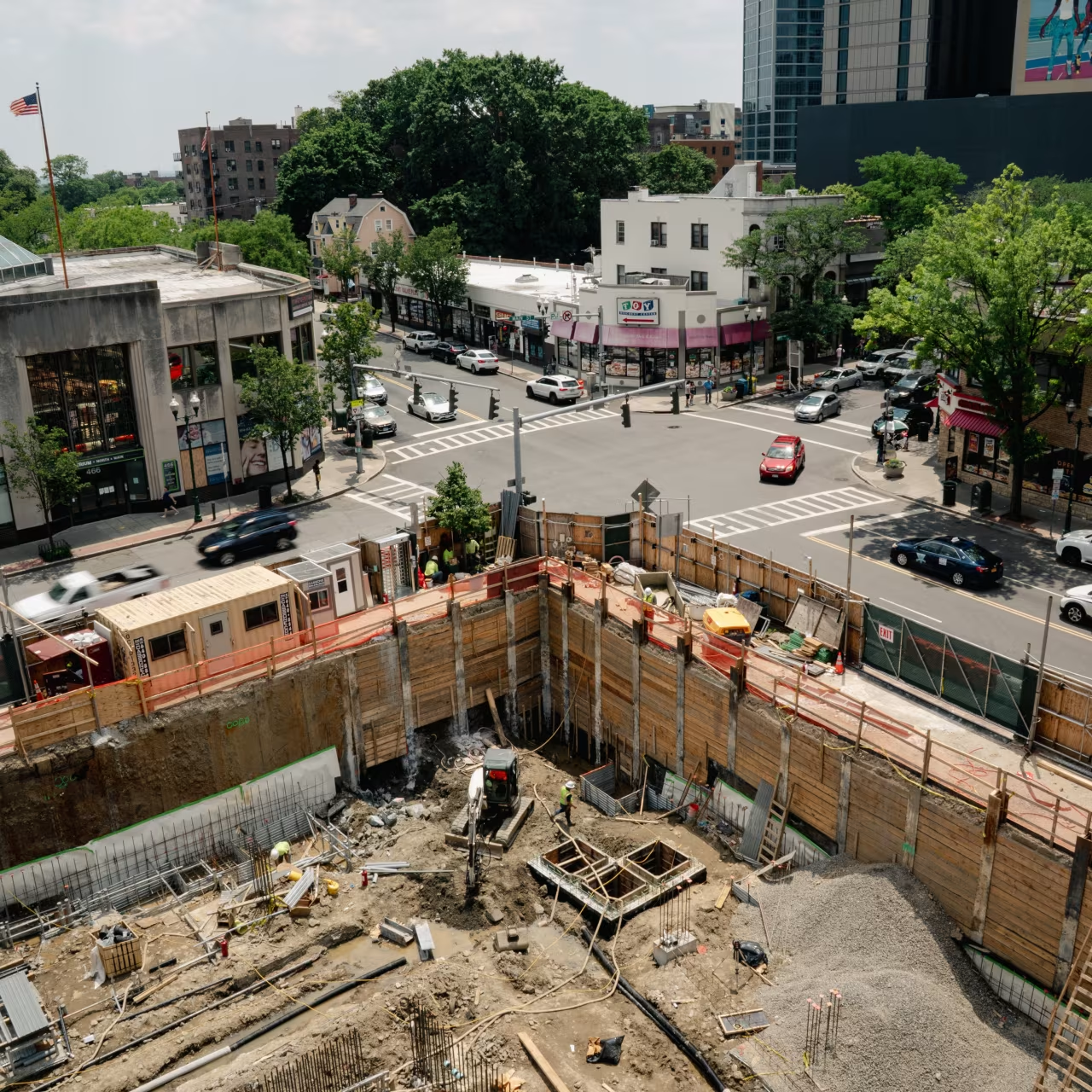
    A new building under construction in New Rochelle, N.Y. © WSJ

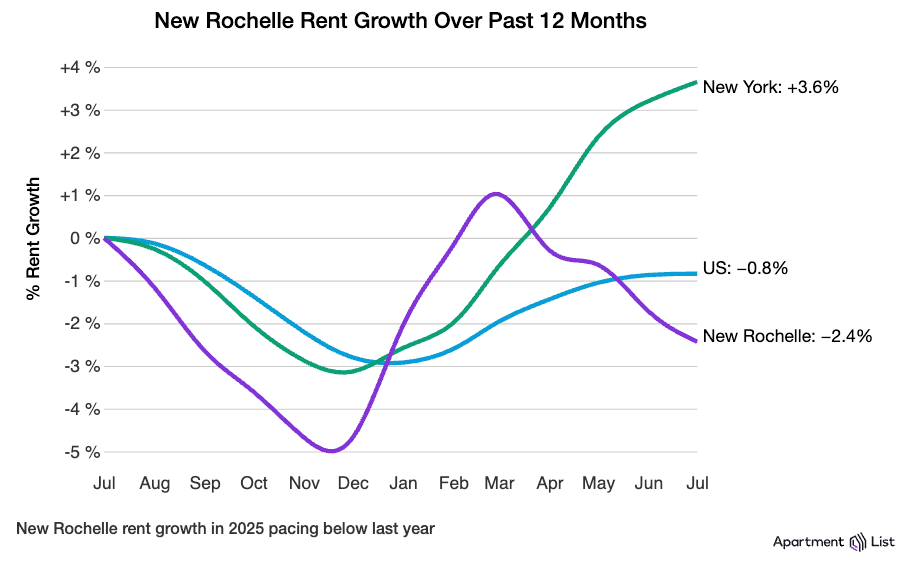
    About 20 miles north of Midtown Manhattan, the city of New Rochelle, NY—home to roughly 85,000 residents—has quietly rewritten the housing playbook, making it a rare example of a suburb where added supply has actually stabilized and even reduced rents. While the broader New York metro and much of the nation grapple with surging rent inflation, New Rochelle has kept rent growth to 1.6% since 2020, and rents have declined slightly from 2020 to 2023.

    According to The Wall Street Journal, New Rochelle added 4,500 new housing units over the past decade, with another 6,500 in the pipeline—a 37% expansion in the city’s housing stock. This surge stands in stark contrast to many U.S. cities, where supply hasn’t kept pace with demand.

    That growth isn’t just in numbers. A range of developers, anchored by RXR as master developer, have led the charge on large projects like One Clinton Park, ThreeHThirty3, and Encore, part of a $2.5 billion redevelopment effort.

    City officials adopted a five-part framework starting in 2015 that paved the way for this transformation:

    A form-based zoning code that specifies building size and design but allows flexibility in use. A single, generic environmental review for an entire redevelopment zone, reducing per-project red tape. A master agreement with a lead developer (RXR) managing multiple publicly owned sites. Tax and financial incentives calibrated to attract investment while protecting taxpayers.

    A thorough fiscal impact analysis to address concerns around schools and municipal services.

    New Rochelle officials guarantee a 90-day approval timeline for qualifying residential projects—far quicker than in New York City or neighboring suburbs.

    Evidence shows these policies paid off. According to Pew Charitable Trusts, from 2017–2021, New Rochelle added housing over twice as fast as the U.S. average. Meanwhile, rents rose just 7% from 2017 to 2023, compared to 31% nationally.

    Apartment List data reinforces that trend: By September 2024, New Rochelle’s median rent had fallen 3% year-over-year and stood 7.2% below the broader New York metro average.

    Developers must set aside 10% of units as affordable housing, with identical features to market-rate units—an effort to promote equity and inclusion.

    In highrise projects like Highgarden Tower, fully affordable buildings offer two-bedrooms for $1,800–$2,500/month, versus market rents of $4,100+ per two-bedroom. This mix has spurred transit-oriented downtown growth and pulled price pressure off older housing.

    Local officials also reinvest developer fee revenues into infrastructure, food services, and down payment assistance programs to support longtime residents.

    New luxury towers like Encore, which opened in late 2023, reached 95% leased by April 2025 with studio rents starting around $2,070/month, one-bedrooms at $2,615, and two-bedrooms at $4,350. These prices remain below many Manhattan equivalents and attractive for professionals pricing out of NYC.

    Screenshot 2025 08 06 at 8.08.58 PM

    Despite success, not everyone is thrilled. Longtime residents have voiced concerns about construction noise, loss of parking, and a changing community fabric. A local resident described new arrivals as “sleepers”—those who live but don’t fully participate in downtown life.

    Investor sentiment is cautious too: At recent real estate panels, multiple brokers warned that thousands of units flooding the local market could pressure rents in the coming years—though most of that pipeline is still planned or under construction.

    New Rochelle’s model—streamlining environmental reviews, standard zoning, developer partnerships, and mixed-income mandates—is drawing attention nationwide. States such as California and Oregon, and even proposals in Washington, D.C., are exploring similar federal incentives and review reforms to ease regional housing shortages.

    By pushing thousands of new apartments through with predictability and speed, while preserving affordability and reinvesting in services, New Rochelle has displayed a rare suburban success story in containing rents. For city and state policymakers nationwide wrestling with affordability crises, it’s a living blueprint for how development can be part of the fix—not the problem.

  • Grocery Chain CEO and Real Estate Titan Warn Socialist Mayoral Frontrunner Could ‘Destroy’ New York

    Grocery Chain CEO and Real Estate Titan Warn Socialist Mayoral Frontrunner Could ‘Destroy’ New York

    Former Douglas Elliman CEO Dottie Herman and Stew Leonard’s President and CEO Stew Leonard Jr. speak with Fox News Digital about their opposition to NYC mayoral candidate Zohran Mamdani’s policies. (Fox Business)

    NEW YORK CITY — As Democratic Socialist Zohran Mamdani surges to the front of New York City’s mayoral race following his historic primary victory, prominent figures in business and real estate are sounding the alarm, warning that his radical proposals could cripple the city’s economy and chase away its wealth base.

    From government-run grocery stores to punitive housing regulations and higher taxes on corporations and the wealthy, Mamdani’s progressive platform is drawing fierce criticism from two of New York’s most recognizable business leaders: Stew Leonard Jr., CEO of the regional grocery empire Stew Leonard’s, and Dottie Herman, Vice Chair of Douglas Elliman and one of Forbes’ wealthiest self-made women in real estate.

    “You’re in a street fight if you get into the food business,” said Leonard in an interview with Fox News Digital. “You gotta be in there with sharp prices, fresher product, friendlier people… Can the government do that? I don’t know.”

    Leonard, who operates eight food stores and eight wine and spirit outlets across the Tri-State area, questioned the feasibility of Mamdani’s city-run supermarket proposal, which aims to sell food at wholesale prices. The idea is part of a broader vision that includes a citywide rent freeze, construction of 200,000 affordable units over ten years, and tighter enforcement on “bad landlords.”

    “It’s seven days a week. Weekends are the busiest. If you’re paying $200 to $300 per square foot along Second Avenue, you need serious volume to make it work,” Leonard added. “Margins in food are razor-thin. Everyone eats, yes, but it’s still one of the toughest industries in the country.”

    For Dottie Herman, the implications go beyond groceries—she sees Mamdani’s economic approach as an existential threat to the city’s future.

    “I never talk about politics, but I am talking now because I really don’t want to see New York destroyed,” Herman said. “I believe with every breath of me, that if he gets in, we will be in a socialized country.”

    Citing rising fear among developers and property investors, Herman shared that some clients are already reconsidering multimillion-dollar deals out of concern for punitive taxes and hostile business conditions.

    “I’ve had people call me asking if they should cancel contracts on development sites in New York City,” she said. “People are scared. You’re going to discourage anyone from investing in rental property, and values will fall. That’s what happens when you tell people, ‘We’ll just take it from the rich.’”

    Mamdani, who currently represents Astoria and Long Island City in the State Assembly, gained national attention after winning more votes in the primary than any candidate in the city’s history. His campaign site outlines a platform that includes raising the corporate tax rate to 11.5% and implementing a 2% flat tax on the city’s wealthiest residents—moves that would require state legislative approval and signoff from Gov. Kathy Hochul, who has expressed concern about affordability and capital flight.

    Mamdani’s platform also pushes for public control of grocery access, rent freezes, and an aggressive reworking of landlord-tenant laws—all in the name of housing and food equity.

    While progressive circles and some younger millionaires have cheered his vision, established business figures worry his policies will bring economic instability, capital outflow, and unintended market disruption.

    “The key to this business is freshness,” Leonard added. “Are you going to eliminate dyes, hormones, sugar, and antibiotics from your entire government inventory? That’s what I’ve done. But that drives up costs.”

    With New York’s real estate market already facing tight inventory and slowing sales volumes, Herman warned that Mamdani’s proposed crackdown on landlords and tax hikes could lead to a broader investment freeze.

    “If people can’t make money here, what business will come to New York?” she asked. “America is about the ability to grow and succeed, no matter where you start. That dream dies if the rules become punish-the-successful.”

    Herman also revealed that a number of business owners are organizing political fundraisers to counter Mamdani’s momentum, signaling growing concern in the city’s economic elite.

    The crowded mayoral race now pits Mamdani against rivals like former Governor Andrew Cuomo and incumbent Mayor Eric Adams, raising speculation about whether the two centrist contenders might team up to create a unified front against the socialist frontrunner.

    “I think one of them has to step aside for the other,” Herman said. “Because if not, the vote splits, and we hand this city to someone who doesn’t understand how it actually runs.”

    Leonard, for his part, said that Mamdani’s victory would make him rethink expanding in New York City.

    “I’d struggle to open five new stores here right now,” he said. “It’s a real challenge—and this would only make it harder.”

    Despite the controversy, Mamdani’s campaign did not respond to a request for comment.

  • Real Estate Inquiries by Wealthy New Yorkers into Florida Properties Jump 50% After Mamdani Primary Win

    Real Estate Inquiries by Wealthy New Yorkers into Florida Properties Jump 50% After Mamdani Primary Win

    The Sunshine State is once again capturing the attention—and investment—of New York’s wealthiest. In the wake of Zohran Mamdani’s surprise victory in New York City’s mayoral primary, real estate firms in Florida are reporting a 50% surge in inquiries from high-net-worth individuals and investors in the New York area.

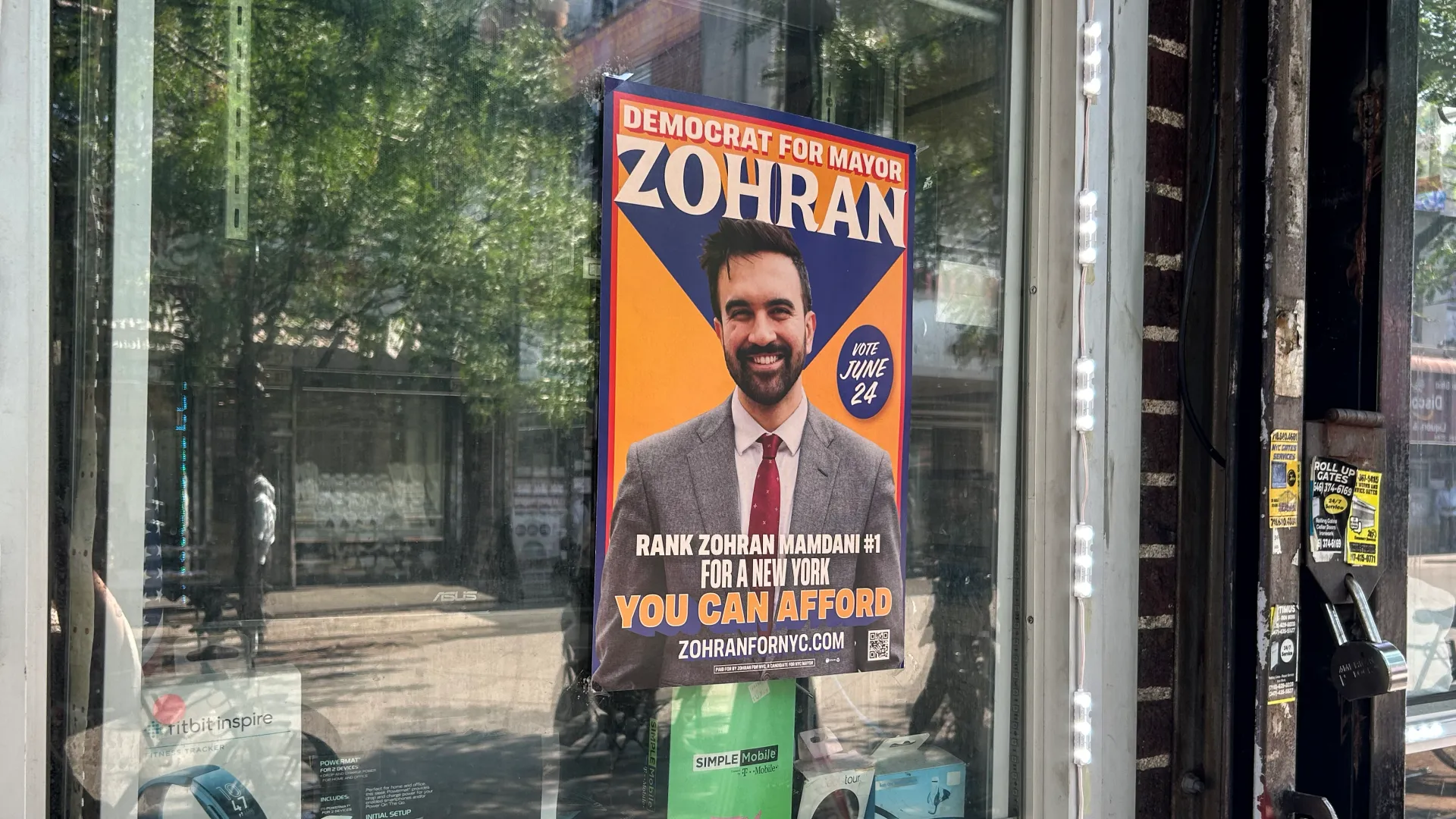
    Mamdani, a far-left assembly member from Queens and a prominent figure in New York’s progressive movement, ran a campaign centered on bold reforms such as a citywide rent freeze, taxpayer-funded childcare, and “fast and free” public buses. His populist agenda garnered 565,639 votes, signaling a significant political shift—but also sparking unease among the city’s wealthiest residents and business community.

    “We’ve seen a clear uptick in demand across our portfolio since the primary,” said Daniel de la Vega, president of ONE Sotheby’s International Realty. “Website traffic from the New York area jumped 50% in just one week after the results came in. Our agents are fielding calls daily from buyers reassessing their long-term presence in the city.”

    According to de la Vega, the increased activity is not limited to individuals—institutional investors, family offices, and entrepreneurs are among those exploring relocation options. Many are drawn by Florida’s well-known tax advantages, including no state income tax, coupled with perceptions of greater political and financial stability, public safety, and quality of life.

    “These are not just second-home buyers. We’re seeing families and executives who want to move their operations and lives permanently,” de la Vega explained. “This is the beginning of what could become a second major wave of migration if Mamdani wins the general election.”

    This shift mirrors a trend seen between 2018 and 2022, when over 125,000 New Yorkers moved to Florida, bringing with them nearly $14 billion in adjusted gross income. That migration reshaped the South Florida real estate market, creating what de la Vega described as a “major surge” in demand and price increases across luxury developments.

    With high-end buyers showing renewed interest, Florida markets like Miami, Palm Beach, and Naples are already seeing more activity. Developers are preparing for an influx of capital should political uncertainty in New York continue.

    While Florida real estate professionals brace for a potential boom, some New York agents are already seeing the first ripples of disruption.

    Frances Katzen, a top agent at Douglas Elliman, said one of her long-time Manhattan clients recently chose to list a condo unit after a decade of ownership, citing rising operating costs, regulatory concerns, and the threat of increased taxation and rent control under a Mamdani-led administration.

    “Some investors are concerned about what’s coming next,” Katzen acknowledged. “But many still believe in New York’s resilience.”

    Indeed, Katzen remains bullish on the city’s long-term prospects. “New York is still one of the most dynamic, connected, and culturally vibrant cities in the world. No matter how the election plays out, this city has always adapted and bounced back.”

    Mamdani’s win in the Democratic primary has not yet sealed his role as the city’s next mayor—but it has already introduced uncertainty into high-end real estate markets. Buyers with means are exploring options, and real estate professionals in both New York and Florida are preparing for potential market shifts.

    De la Vega emphasized that while his firm is still watching how the general election unfolds, early indicators suggest that more New Yorkers are getting spooked by the direction of local policy. “We’re seeing the first wave of reaction—not panic, but preparation.”

    If Mamdani secures the mayor’s office in November, it may trigger a fresh wave of ultra-wealthy migration—and with it, billions in investment capital leaving New York for the warmer, lower-tax haven of Florida.