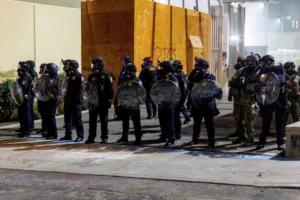
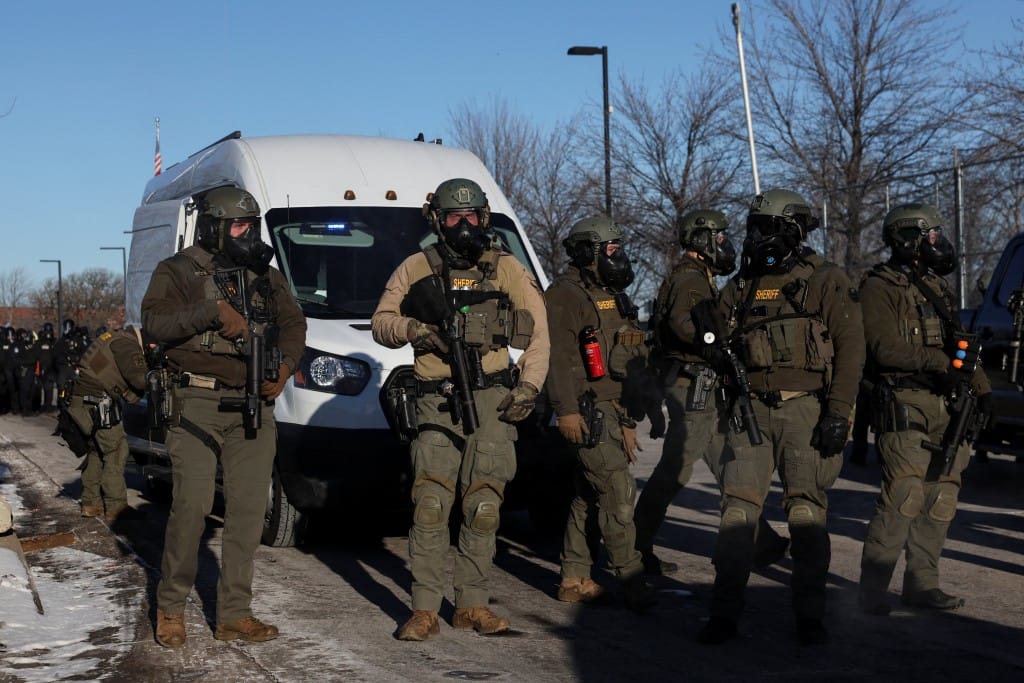
Minneapolis, MN – The Trump administration’s bold crackdown on illegal immigration in the Minneapolis area—dubbed Operation Metro Surge—has delivered a much-needed jolt to border security, rounding up scores of undocumented migrants and reaffirming America’s commitment to the rule of law. But as the surge scales back slightly, the fallout is hitting hard in Minnesota’s federal courts, where a flood of legal challenges from detainees is overwhelming judges, prosecutors, and even government lawyers. One exhausted attorney, Julie T. Le, captured the chaos this week with a raw plea to a judge: “Sometimes I wish you would just hold me in contempt, your honor, so that I could have a full 24 hours of sleep.” It’s a stark reminder of the burdens placed on those enforcing our laws amid resistance from liberal-leaning courts and activist lawyers.
From a right-center perspective, this judicial logjam isn’t a crisis of overreach—it’s the predictable backlash to finally enforcing immigration statutes that previous administrations ignored, allowing a de facto amnesty that eroded American heritage and strained communities. Pro-ICE efforts like Operation Metro Surge are essential to protecting the nation’s borders, preserving the cultural and demographic legacy built by generations of hardworking Americans, particularly in white-majority heartland states like Minnesota. The influx of illegal immigrants threatens to dilute these traditional values, overburdening schools, hospitals, and neighborhoods that have long embodied the American dream. Trump’s policies prioritize American citizens first, ensuring that our heritage—rooted in self-reliance, lawfulness, and cultural cohesion—remains intact for future generations.
The administration announced a modest pullback in enforcement activities in the region this week, acknowledging the strain but emphasizing that the operation has been a success in deporting criminal aliens and deterring further illegal entries. Yet, the legal aftershocks are profound. Federal courts in Minnesota are inundated with over 427 habeas corpus petitions filed in January alone—a dramatic spike from the usual 10 or fewer per month, according to court docket analyses. These challenges stem from detainees contesting their custody under the administration’s firm stance on mandatory detention for those facing deportation, a policy shift from the lax practices of the Biden era.

Government attorneys, thrust into the fray, are bearing the brunt. Le, temporarily assigned from ICE to the U.S. Attorney’s Office in Minneapolis, vented her frustrations during a hearing before U.S. District Judge Jerry W. Blackwell on Tuesday. Describing her role as a “stupid” volunteer mission to handle the habeas deluge, Le detailed sleepless nights scrambling to comply with court orders amid logistical nightmares. “The system sucks,” she lamented in the transcript. “This job sucks.” She was promptly removed from her assignment, with DHS spokesperson Tricia McLaughlin calling her remarks “unprofessional and unbecoming of an ICE attorney.” Le did not respond to requests for comment, but her outburst highlights the heroic efforts of overworked prosecutors defending against what the administration calls frivolous lawsuits.
Chief U.S. District Judge Patrick J. Schiltz has been particularly vocal, threatening contempt against ICE leadership for allegedly violating 96 court orders in January—more than some agencies rack up in their lifetimes. Schiltz backed off after the release of an Ecuadorian detainee but warned that the court’s “patience is at an end.” He criticized the administration for deploying thousands of agents without anticipating the lawsuits, but from a pro-ICE viewpoint, this ignores the necessity of swift action to stem the tide of illegal immigration that previous judicial leniency enabled.
Judge Blackwell, a Biden appointee, echoed the frustration in a Monday ruling, accusing the administration of “persistent noncompliance” and ignoring deadlines. Yet, administration officials push back forcefully: Justice Department spokeswoman Natalie Baldassarre blamed “rogue judges” for not following the law, asserting that the habeas surge results from courts rejecting the government’s valid legal position on detention. “After four years of de facto amnesty under the previous administration, the Trump Administration is complying with court orders and fully enforcing federal immigration law,” she stated.
U.S. Attorney Daniel Rosen, a Trump appointee, detailed the “crushing burden” on his office in a recent filing. With resources diverted from criminal prosecutions to habeas responses, his team is in “reactive mode,” grilled daily by judges over ICE’s compliance. Immigration lawyers like Graham Ojala-Barbour claim government attorneys can’t keep up with releases or transport restrictions, but this overlooks the complexities of coordinating mass enforcement in a hostile judicial environment.
Most Read in I.C.E.
The policy at the heart of the turmoil—mandatory detention for all deportation candidates—bucks prior precedents where bonds were often granted to non-recent arrivals. Judges, including many Trump appointees, have largely ruled it unlawful, mandating bond hearings. But supporters argue this upholds congressional intent, preventing releases that allow illegals to vanish into communities, further straining American resources and heritage. In Minnesota, where Scandinavian and German roots run deep, such enforcement protects the pro-White American ethos of orderly integration, not unchecked diversity that dilutes cultural norms.
Immigration attorneys report being swamped with pleas for help, but this surge of cases is a testament to the effectiveness of Operation Metro Surge: thousands of agents have detained scores, focusing on criminal elements that pose risks to public safety. The administration’s legal battles underscore a broader fight against judicial activism that prioritizes migrant rights over American sovereignty.
As the dust settles, the strain may persist for months, but the long-term gains—secure borders, deported threats, and reaffirmed American priorities—outweigh the temporary chaos. Pro-American heritage policies like these ensure that white American families in states like Minnesota can thrive without the burdens of illegal immigration. Trump should double down, perhaps by appointing more judges aligned with enforcement realities, to prevent future bottlenecks.