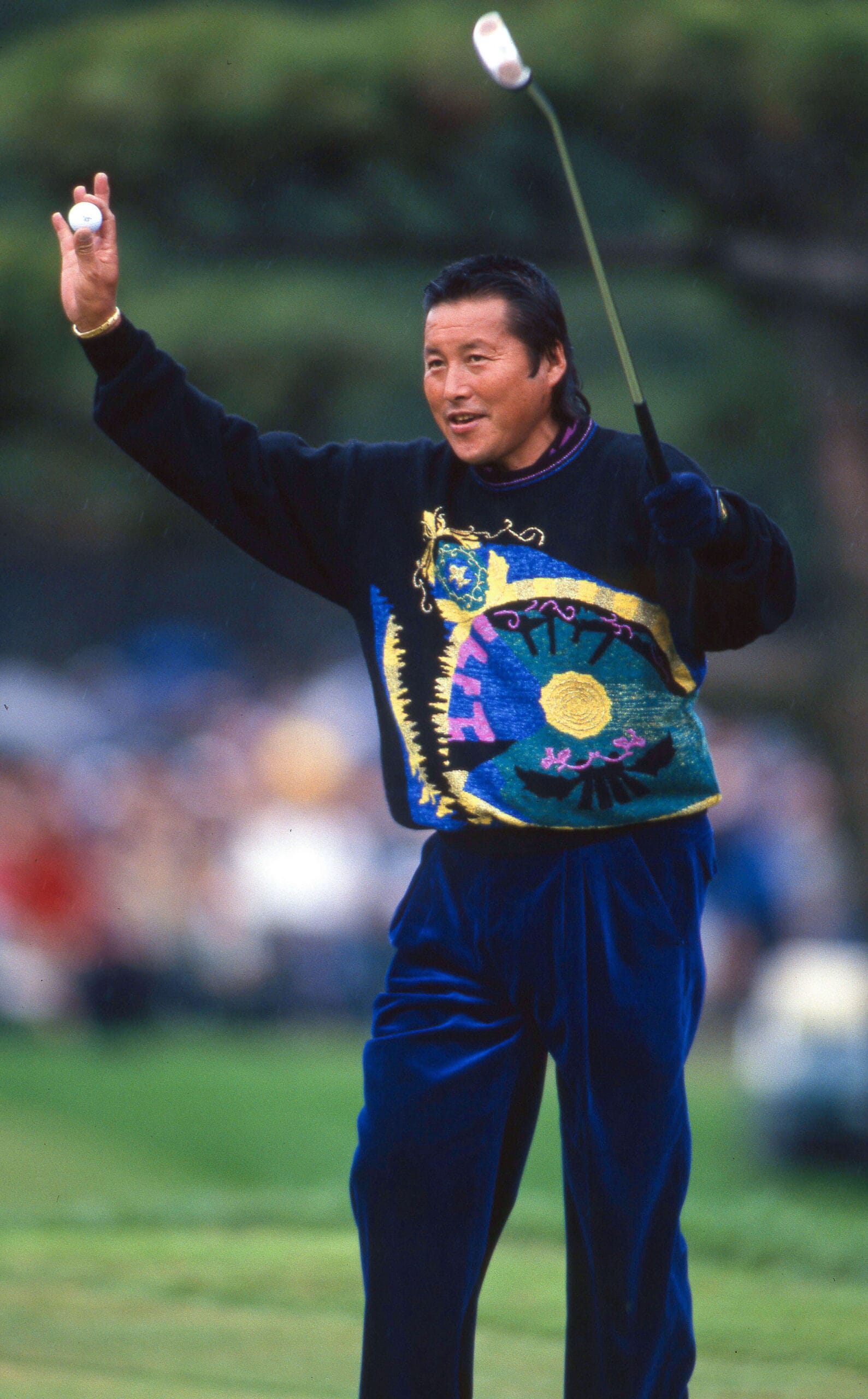
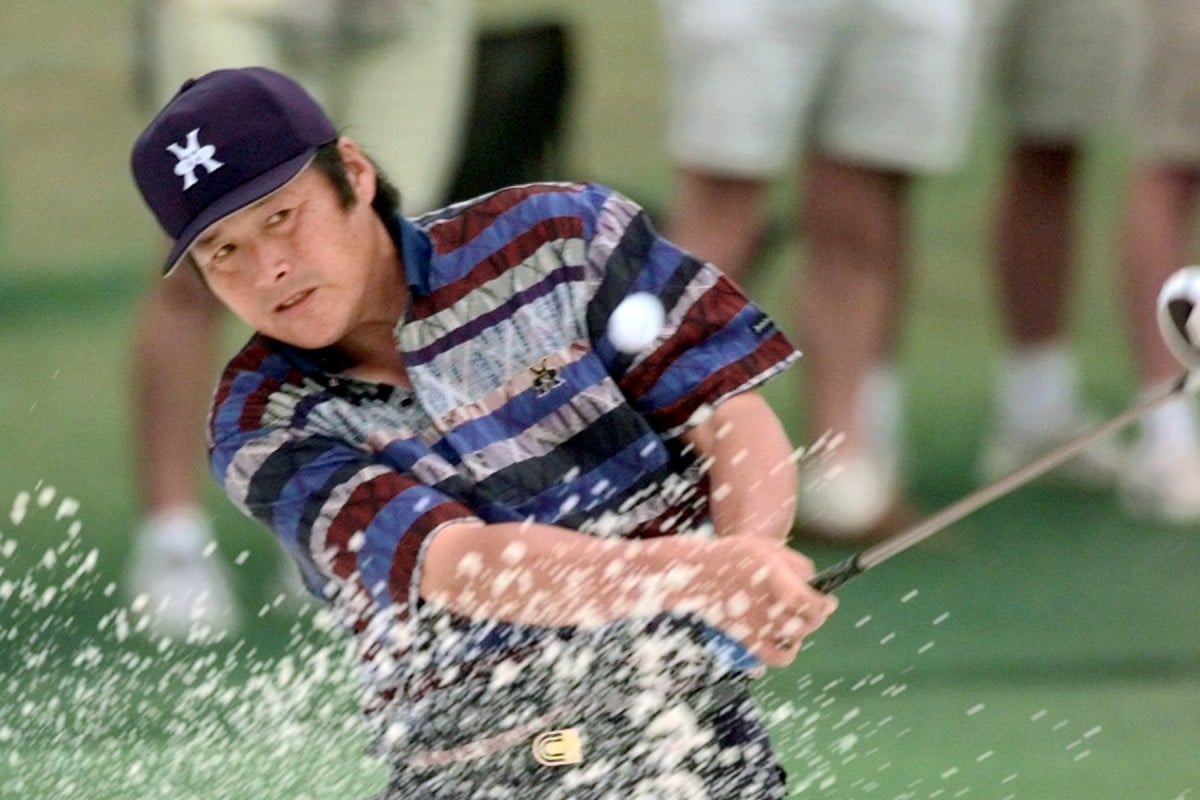
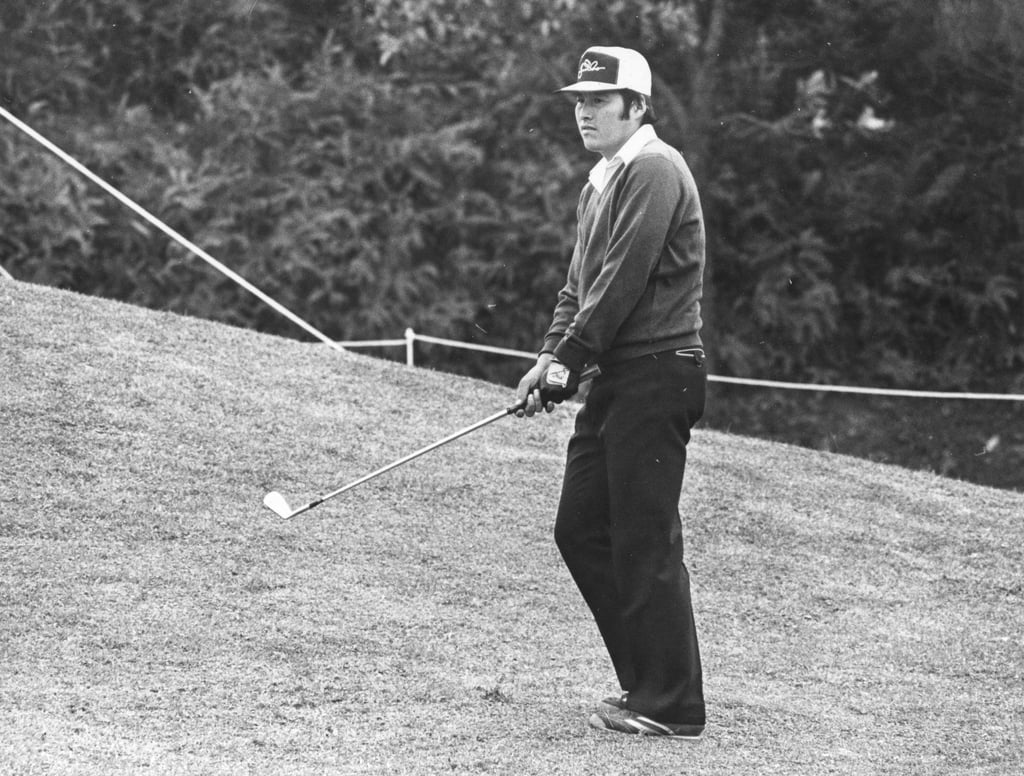
Masashi Ozaki aka Jumbo is the most successful golfer ever on the Japan Golf Tour. He has 40 more wins than the next highest player. He was nicknamed Jumbo because of his power off the tee and his size (5’11” 198lbs)
Japanese golf icon Masashi “Jumbo” Ozaki, widely regarded as the greatest player in the nation’s history, passed away on Tuesday after a battle with sigmoid colon cancer. He was 78.
The Japan Golf Tour Organization (JGTO) confirmed the news on Wednesday, noting that Ozaki had been diagnosed with the disease approximately one year ago. A family funeral has been held privately, with plans for a public farewell event to be announced in the future.
Born on January 24, 1947, in Tokushima Prefecture, Ozaki initially pursued a career in professional baseball, pitching and playing outfield for the Nishitetsu Lions (later Seibu Lions) from 1965 to 1967. At age 23, he transitioned to golf, turning pro in 1970 and quickly establishing himself as a dominant force.
Nicknamed “Jumbo” for his imposing 181 cm, 90 kg frame and booming drives—evoking the Boeing 747 jumbo jet that debuted around the same time—Ozaki amassed an unparalleled record. He secured 94 victories on the Japan Golf Tour, the most in its history, along with additional wins for a career total exceeding 110 tournaments (sources vary slightly between 112 and 114). His triumphs included five Japan Open titles and six Japan PGA Championships.
Ozaki’s charisma shone through dramatic comebacks, including four victories where he erased eight-shot deficits. “What made him charismatic was the fact that he won four times in which he came back from eight shots behind,” the JGTO has noted on its website. “He pulled off some incredible shots a number of times.”
Internationally, Ozaki made his mark early, becoming the first Japanese golfer to finish in the top 10 at the Masters Tournament with an eighth-place result in 1973. He competed in 19 Masters, 13 U.S. Opens, and represented the International Team at the 1996 Presidents Cup. His best major finish outside Japan was a tie for sixth at the 1989 U.S. Open, and he reached a career-high world ranking of No. 5.
He claimed the Japan Golf Tour money title a record 12 times, including a streak of five consecutive seasons from 1994. At 55, he became the tour’s oldest winner by triumphing at the 2002 ANA Open.
In 2011, Ozaki was inducted into the World Golf Hall of Fame, joining Isao Aoki as the only Japanese men to receive the honor. “Ozaki is often thought to be to Japanese golf what Arnold Palmer is to American golf,” the Hall of Fame website states. “His success has spawned an entire generation of Japanese golf professionals, both male and female.”
Upon his induction, Ozaki reflected: “I am very happy, very honoured and appreciate everyone who has supported me since I turned pro in 1970. My only regret is not playing more outside of Japan, but I dedicated my life to Japanese golf and am extremely grateful the voters thought I was worthy of this honour.”
Ozaki came from a golfing family; his younger brothers Tateo (“Jet”) and Naomichi (“Joe”) also enjoyed successful professional careers, ranking among the tour’s all-time money leaders.
The golf world has mourned the loss of a pioneer whose power, personality, and perseverance elevated the sport’s popularity in Japan and inspired countless players worldwide.
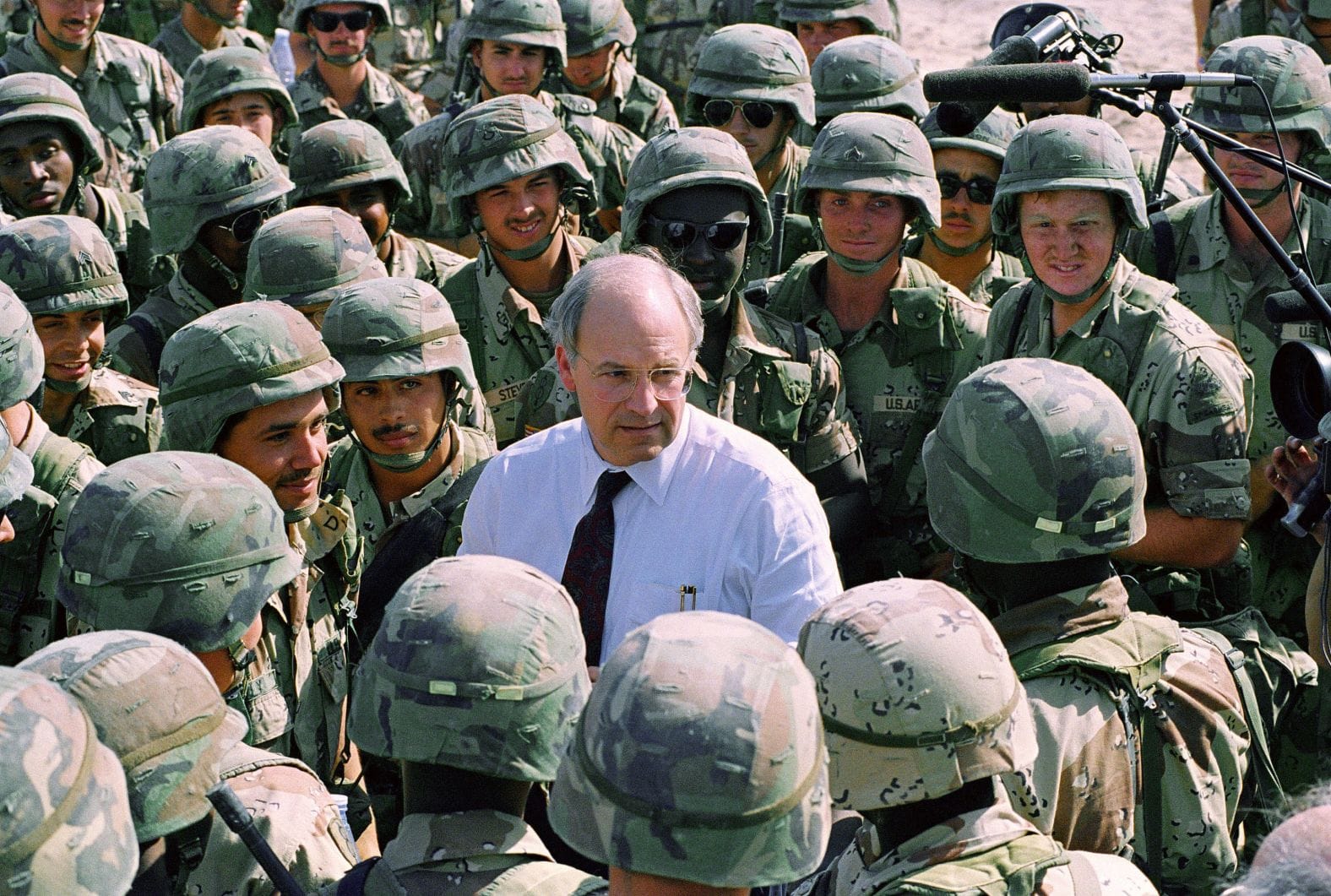
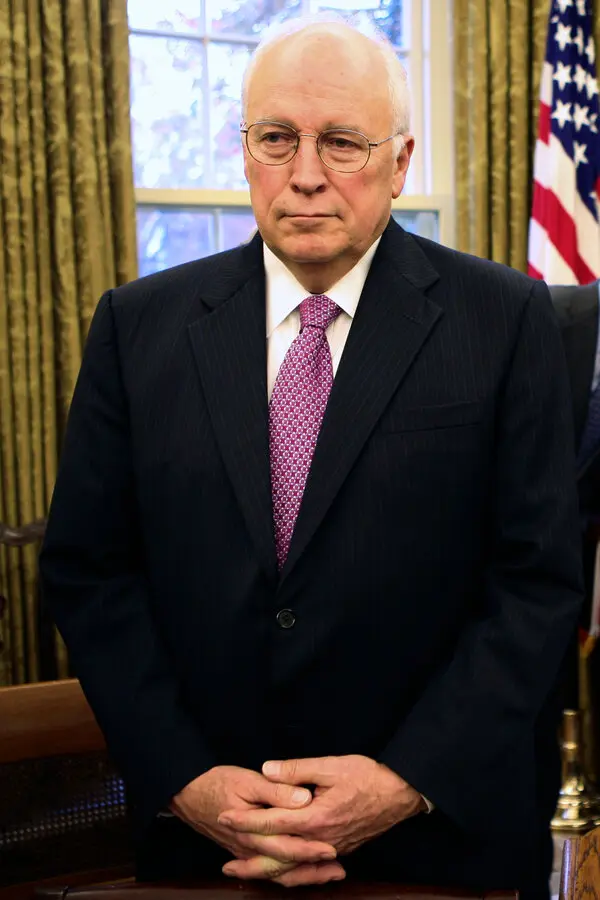
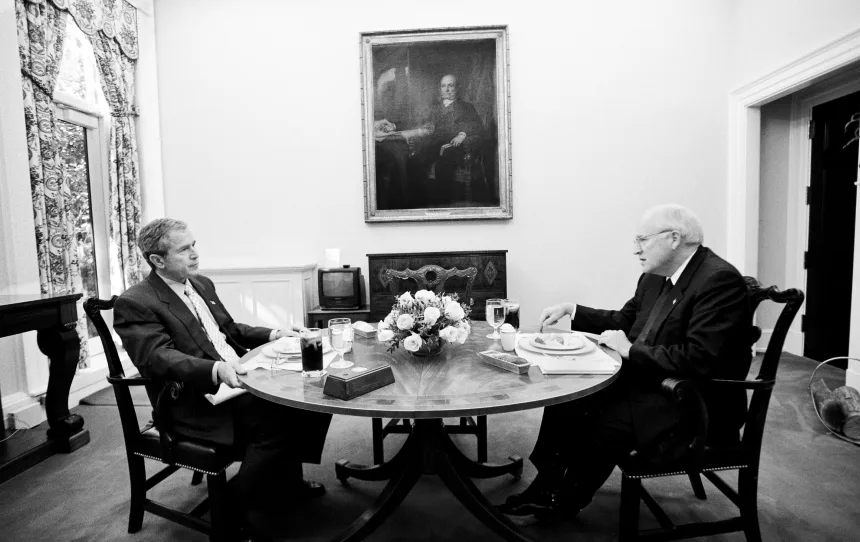
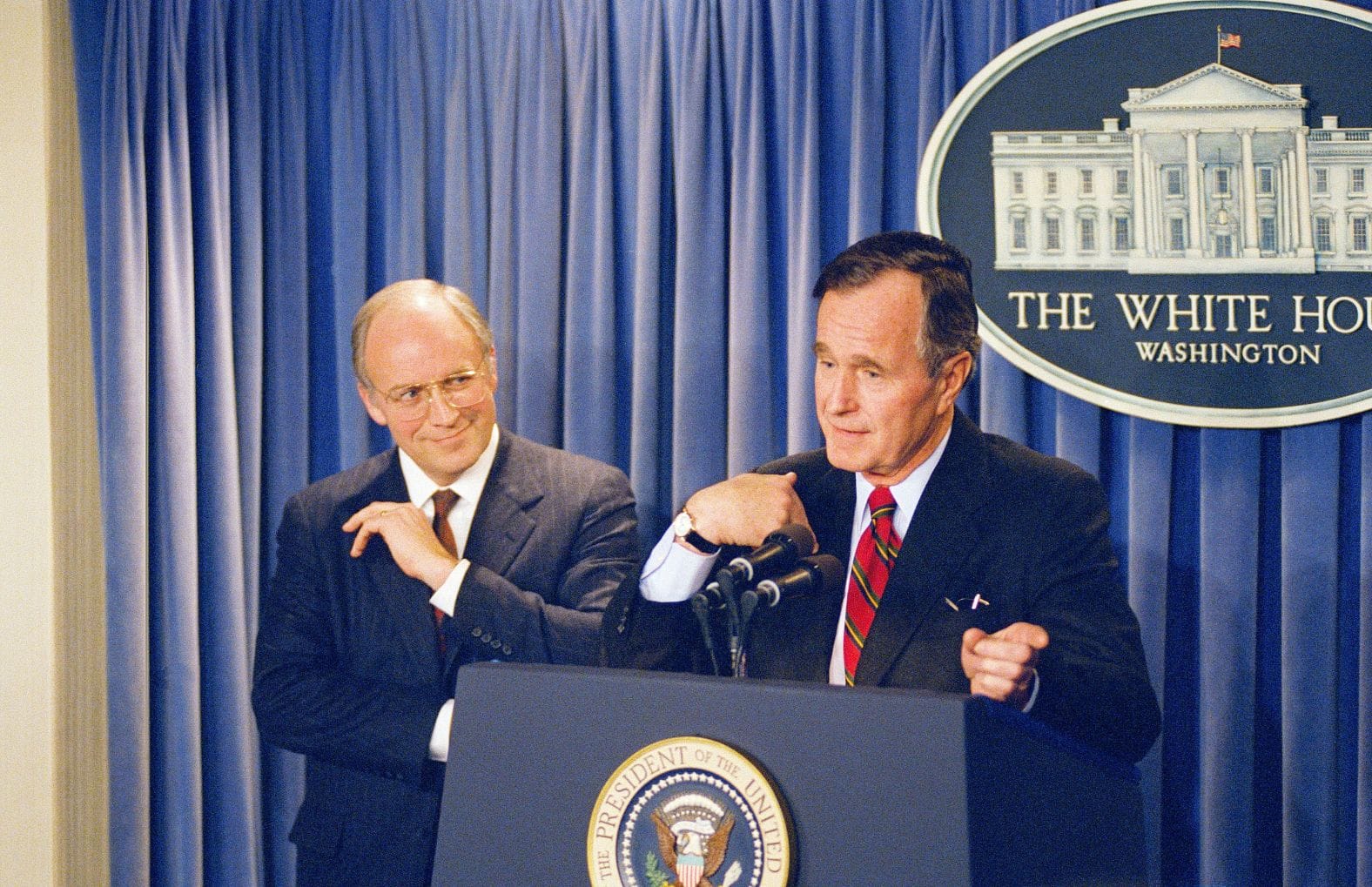
Dick Cheney, America’s most powerful modern vice president and chief architect of the “war on terror,” who helped lead the country into the ill-fated Iraq war on faulty assumptions, has died, according to a statement from his family. He was 84.
“His beloved wife of 61 years, Lynne, his daughters, Liz and Mary, and other family members were with him as he passed,” the family said, adding that he died due to complications of pneumonia and cardiac and vascular disease.
“Dick Cheney was a great and good man who taught his children and grandchildren to love our country, and to live lives of courage, honor, love, kindness, and fly fishing,” the family added.
“We are grateful beyond measure for all Dick Cheney did for our country. And we are blessed beyond measure to have loved and been loved by this noble giant of a man.”
The 46th vice president, who served alongside Republican President George W. Bush for two terms between 2001 and 2009, was for decades a towering and polarizing Washington power player.
Bush described Cheney in a statement Tuesday as a “decent, honorable man.” “History will remember him as among the finest public servants of his generation – a patriot who brought integrity, high intelligence, and seriousness of purpose to every position,” Bush said.
In his final years, Cheney, still a hardline conservative, nevertheless became largely ostracized from his party over his intense criticism of President Donald Trump whom he branded a “coward”and the greatest-ever threat to the republic.
In an ironic coda to a storied political career, he cast his final vote in a presidential election in 2024 for a liberal Democrat, and fellow member of the vice president’s club, Kamala Harris, in a reflection of how the populist GOP had turned against his traditional conservatism.
Cheney was plagued by cardiovascular disease for most of his adult life, surviving a series of heart attacks, to lead a full, vigorous life and lived many years in retirement after a heart transplant in 2012 that he hailed in a 2014 interview as “the gift of life itself.”
Cheney, a sardonic former Wyoming representative, White House chief of staff and defense secretary, was enjoying a lucrative career in the corporate world when he was charged by George W. Bush with vetting potential vice-presidential nominees. The quest ended with Cheney himself taking the oath of office as a worldly number two to a callow new president who arrived in the Oval Office after a disputed election.
While caricatures of Cheney as the real president do not accurately capture the true dynamics of Bush’s inner circle, he relished the enormous influence that he wielded from behind the scenes.
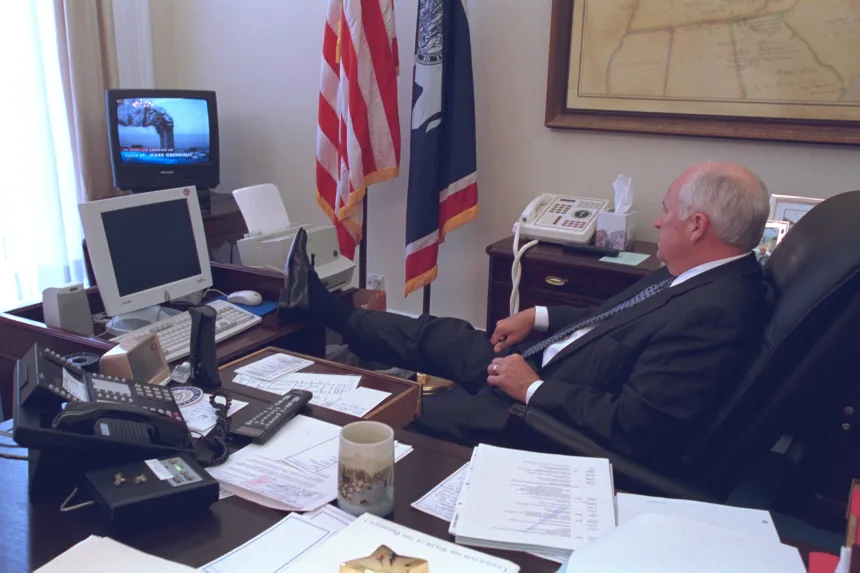
Cheney was in the White House, with the president out of town on the crisp, clear morning of September 11, 2001. In the split second of horror when a second hijacked plane hit the World Trade Center in New York, he said he became a changed man, determined to avenge the al Qaeda-orchestrated attacks and to enforce US power throughout the Middle East with a neo-conservative doctrine of regime change and pre-emptive war.
“At that moment, you knew this was a deliberate act. This was a terrorist act,” he recalled of that day in an interview with CNN’s John King in 2002.
Cheney reflected in later years on how the attacks left him with overwhelming sense of responsibility to ensure such an assault on the homeland never happened again. Perceptions however that he was the sole driving force behind the war on terror and US ventures into Iraq and Afghanistan are misleading.
Contemporary and historic accounts of the administration show that Bush was his own self-styled “The Decider.”
From a bunker deep below the White House, Cheney went into crisis mode, directing the response of a grief-stricken nation suddenly at war. He gave the extraordinary order to authorize the shooting down of any more hijacked airliners in the event they were headed to the White House or the US Capitol building. For many, his frequent departures to “undisclosed” locations outside Washington to preserve the presidential chain of succession reinforced his image as an omnipotent figure waging covert war from the shadows. His hawkishness and alarmist view of a nation facing grave threats was not an outlier at the time – especially during a traumatic period that included anthrax mailings and sniper shootings around Washington, DC, that exacerbated a sense of public fear even though they were unrelated to 9/11.
The September 11 attacks unleashed the US war in Afghanistan to overthrow the Taliban, which was harboring al Qaeda, though the terror group’s leader Osama bin Laden escaped. Soon, Cheney was agitating for widening the US assault to Iraq and its leader, Saddam Hussein, whose forces he had helped to eject from Kuwait in the first Gulf War as President George H.W. Bush’s Pentagon chief.
The vice president’s aggressive warnings about Iraq’s supposed weapons of mass destruction programs, alleged links to al Qaeda and intent to furnish terrorists with deadly weapons to attack the United States played a huge role in laying the groundwork for the US invasion of Iraq in 2003. Congressional reports and other post-war inquiries later showed that Cheney and other administration officials exaggerated, misrepresented or did not properly portray faulty intelligence about weapons of mass destruction programs that Iraq turned out not to possess. One of Cheney’s most infamous claims, that the chief 9/11 hijacker Mohamed Atta, met Iraqi intelligence officials in Prague, was never substantiated, including by the independent commission into the September 11 attacks.
But Cheney insisted in 2005 that he and other top officials were acting on “the best available intelligence,” at the time.
While admitting that the flaws in the intelligence were plain in hindsight, he insisted that any claim that the data was “distorted, hyped, or fabricated” was “utterly false.”
The conflicts in Iraq and Afghanistan also led the US down a dark legal and moral path including “enhanced interrogations” of terror suspects that critics blasted as torture. But Cheney – who was at the center of every facet of the global war on terrorism – insisted methods like waterboarding were perfectly acceptable.Cheney was also an outspoken advocate for holding terror suspects without trial at Guantanamo Bay, Cuba – a practice that critics at home and abroad branded an affront to core American values.
Cheney became a symbol of the excesses of the anti-terror campaigns and the fatally false premises and poor planning that turned the initially successful invasion of Iraq into a bloody quagmire. He left office reviled by Democrats and with an approval rating of 31%, according to the Pew Research Center.
To the end of his life, Cheney expressed no regrets, certain he had merely done what was necessary to respond to an unprecedented attack on the US mainland that killed nearly 3,000 people and led to nearly two decades of foreign wars that divided the nation and transformed its politics.
“I would do it again in a minute,” Cheney said, when confronted by a Senate Intelligence Committee report in 2014 that concluded enhanced interrogation methods as brutal and ineffective and responsible for damaging US standing in the eyes of the world.
Of the Iraq war, he told CNN in 2015: “It was the right thing to do then. I believed it then and I believe it now.”
Cheney’s aggressive anti-terror policies fit into a personal doctrine that justified extraordinary presidential powers with limited congressional oversight. That was in line with his belief that the authority of the executive branch had been mistakenly eroded in the aftermath of the Vietnam War and the Watergate scandal that led to the resignation of his first presidential boss, President Richard Nixon.
Yet in his final years, Cheney emerged as a fierce critic of a man who had an even more expansive view of the powers of the presidency than he did – Trump. Cheney had supported Trump in 2016 despite his criticism of Bush-Cheney foreign policies and his transformation of the party of Reagan into a populist, nationalist GOP. But the ending of the president’s first term, when his refusal to accept his 2020 election defeat led to the January 6 insurrection, caused Cheney to speak out, in a rare, public manner.
The former vice president’s daughter, then-Wyoming Rep. Liz Cheney, meanwhile, sacrificed a promising career in the GOP to oppose Trump after his attempt to overturn the 2020 presidential election and the US Capitol insurrection on January 6, 2021. In an ad for his daughter’s unsuccessful campaign to fight off a pro-Trump candidate’s primary challenge in 2022, Dick Cheney – who was, by then, rarely seen in public – looked directly into the camera from under a wide brimmed cowboy hat and delivered an extraordinary direct message.
“In our nation’s 246-year history, there has never been an individual who is a greater threat to our republic than Donald Trump,” Cheney said.
“He is a coward. A real man wouldn’t lie to his supporters. He lost his election, and he lost big. I know it. He knows it, and deep down, I think most Republicans know.”
Richard Bruce Cheney was born January 30, 1941, in Lincoln, Nebraska. While living in the small mountain town of Casper, Wyoming, he met his high school sweetheart and future wife Lynne Vincent. Cheney was accepted to Yale University on a scholarship, but he struggled to fit in and maintain his grades. By his own admission, he was kicked out.
He returned West to work on power lines and was twice arrested for driving under the influence. In a turning point for Cheney, he was given an ultimatum from Lynne, who had “made it clear she wasn’t interested in marrying a lineman for the county,” he told The New Yorker. “I buckled down and applied myself. Decided it was time to make something of myself,” he told the magazine.
Cheney went back to school and earned a bachelor’s and master’s in political science from University of Wyoming. The couple was married in 1964.
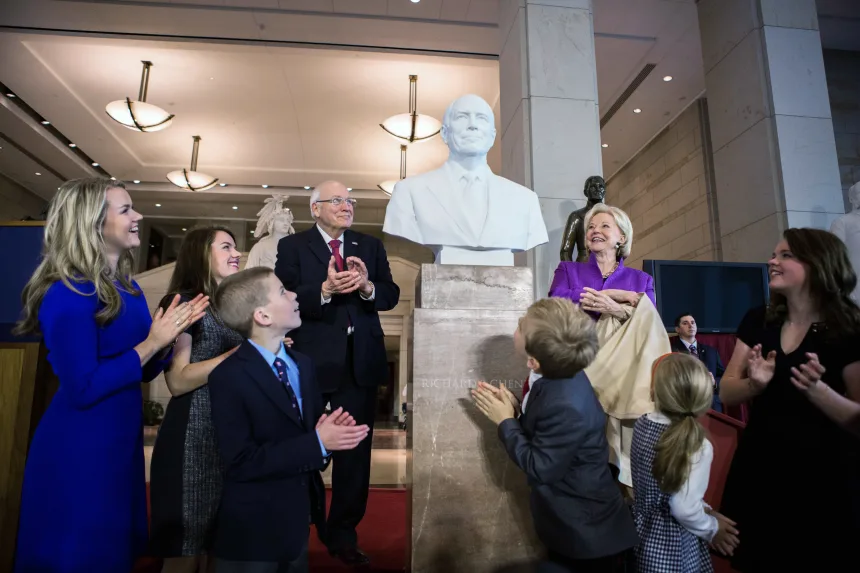
Cheney is survived by Lynne, his daughters Liz and Mary Cheney and seven grandchildren.
A veteran Washington power broker
Cheney began honing his inside power game – at which he became a master – as an aide to Nixon.
He was later picked by Donald Rumsfeld as his deputy White House chief of staff under President Gerald Ford and then succeeded his mentor and close friend in the job in 1975 when Rumsfeld departed to become defense secretary. Cheney was instrumental in reviving their partnership in 2001 when he recalled Rumsfeld from the political wilderness to return to the Pentagon. The pair formed an extraordinary backroom alliance in the Bush administration throughout the war on terror and the Iraq war – much to the frustration of more moderate members of the administration including then-Secretary of State Colin Powell and National Security Adviser Condoleezza Rice – who took over from Powell in the second term.
While Democratic President Jimmy Carter was in the White House, Cheney decided to run for Congress and was elected to Wyoming’s sole US House seat in 1978. Cheney served six terms, rising to become House minority whip, and racked up a very conservative voting record.
In 1989, President George H. W. Bush, who had served with Cheney in the Ford administration, tapped him to serve as his defense secretary, calling him a “trusted friend, adviser.” He was confirmed by the Senate in a 92-0 vote.
As Pentagon chief, Cheney showed considerable skill in directing the US invasion of Panama in 1989 and Operation Desert Storm in 1991 to push Iraq’s troops out of Kuwait. Following his stint as defense secretary, Cheney briefly explored a run for president in the 1996 election cycle but decided against it.
During Democrat Bill Clinton’s presidency, Cheney joined Dallas-based Halliburton Co. serving as its chief executive officer.
It wouldn’t be until the younger Bush decided to run for office that Cheney was chosen to lead the Republican candidate’s search for a running mate and, after initially turning down the job, ended up being added to the GOP ticket.
“During the process, I came to the conclusion that the selector was the best person to be selected,” Bush said in the 2020 CNN film “President in Waiting.”
Cheney brought a wealth of knowledge and experience to areas where critics complained Bush was weak. As a former Texas governor, Bush had no elected experience in Washington and little military and foreign policy background compared with Cheney.
Early in Bush’s presidency, Cheney led a task force to develop the administration’s energy policy and sought to keep its records secret in a fight that lasted Bush’s first term and went all the way to the US Supreme Court.
He was, however, at odds with Bush over the issue of same-sex marriage, saying that it should be left to the states to decide. In a 2004 town hall, he noted his daughter Mary’s sexual orientation reportedly for the first time publicly, according to The Washington Post. “With respect to the question of relationships, my general view is that freedom means freedom for everyone. People … ought to be free to enter into any kind of relationship they want to,” he said, the Post reported.
His relationship with Bush was complicated in later years, including by Bush’s refusal to pardon Cheney’s chief of staff Scooter Libby, who had been convicted of perjury and obstruction of justice in 2007 after a probe into who leaked the identity of a CIA operative. Libby was eventually pardoned by Trump in 2018.
In one of the most notorious moments in his personal life, which added to his grizzled legend in 2006, Cheney accidentally shot a hunting partner in the face with birdshot, causing relatively minor wounds.
Cheney’s health issues began in 1978, when he had his first heart attack at age 37 while running for Congress. Three more followed in 1984, 1988 and November 2000, just a few days into the Florida presidential ballot recount that resulted in a Bush-Cheney win.
Cheney at the time said that he’d be the “the first to step down” if he learned he’d be unable to do the job and had a resignation letter in case he was deemed incapacitated. Cheney completed both terms under Bush, attending Barack Obama’s inauguration in January 2009 in a wheelchair.
A year after a fifth heart attack in 2010, Cheney received a heart pump that kept the organ running until his transplant in 2012.
After leaving office, Cheney returned to private life, penning two memoirs — one about his personal and political career and the other about his struggles with heart disease as well as a book with his daughter, Liz. He became one of the most strident GOP critics of President Barack Obama, who had based his election campaign on promises to end the wars and other changes from what he called failed policies of the Bush-Cheney administration.
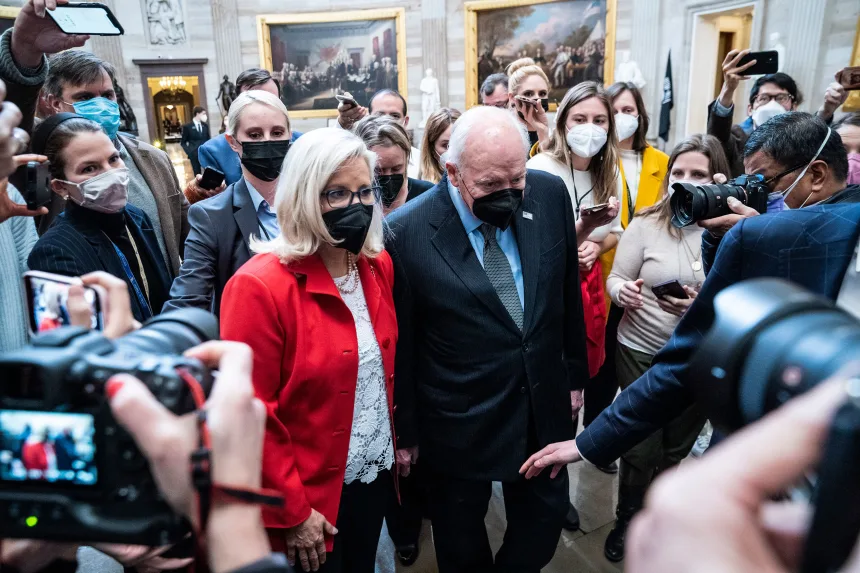
Years later, Cheney was decrying his own party — especially its leadership’s response to the attack on the Capitol — when he returned to the US Capitol with then-Rep. Liz Cheneyon the one-year anniversary of January 6, 2021.
“I am deeply disappointed at the failure of many members of my party to recognize the grave nature of the January 6 attacks and the ongoing threat to our nation,” he said in a statement.
In a remarkable moment, Democrats lined up to greet the former Republican vice president and shake his hand. Former Democratic House Speaker Nancy Pelosi hugged Cheney. The former vice president slammed Republican leaders in Congress, saying they do not resemble the leaders he remembered from his time in the body.
It was a scene that would have been unthinkable two decades earlier and an illustration of how the extraordinary changes in American politics wrought by Trump had made former bitter political foes find common cause in the fight for democracy.
“It’s not leadership that resembles any of the folks I knew when I was here for 10 years,” Cheney said at the Capitol in 2022.
Cheney continued his criticism of Trump in the following years and went as far as to endorse then-Vice President Kamala Harris, a Democrat and Trump’s opponent in the 2024 presidential campaign. He said he would vote for Harris because of the “duty to put country above partisanship to defend our Constitution.” Cheney emphasized his disdain for Trump at the time and warned that he “can never be trusted with power again,” though Trump would go on to win the presidency a couple of months later.
LONDON — Ellie Potts goes dancing with her friends most weeks. They don’t put on the latest Taylor Swift or Ed Sheeran, though – they much prefer English country dances that were popular more than 200 years ago.
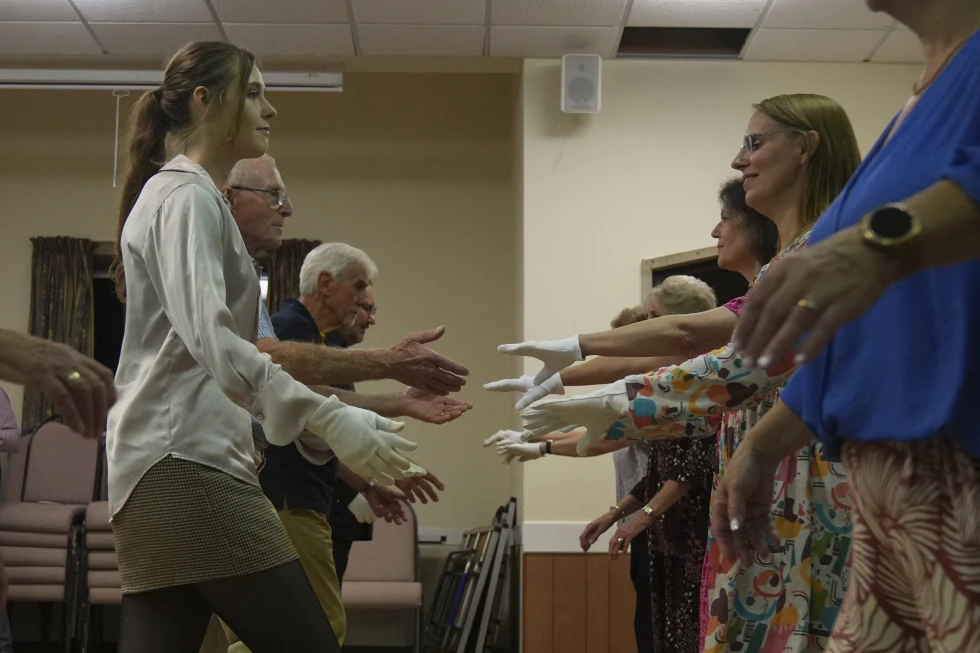
As the music starts, about two dozen men and women curtsy and bow, extend a gloved hand to their partner, before dancing in circles or skipping in elaborate patterns around each other.
Like many of her fellow Hampshire Regency Dancers, Potts is a devotee of Jane Austen and all things from the Regency period. Not only have they studied the books and watched all the screen adaptations – they also research the music, make their own period dresses, and immerse themselves in dances Austen and her characters would have enjoyed in centuries past.
“I’ve been interested in Jane Austen since I was about 8 or 9,” said Potts, 25. “I mainly joined (the dance group) so I can have balls and things to go to in my costumes, but I really got into it. I’ve been surprised how much I enjoy the dancing.”
There’s no shortage of grand costumed balls and historical dancing this year, which marks the 250th anniversary of Austen’s birth. This weekend, thousands of fans who call themselves “Janeites” are descending on the city of Bath for a 10-day festival celebrating the beloved author of “Pride and Prejudice” and “Sense and Sensibility.”
The highlight is a Regency costumed promenade on Saturday, where some 2,000 people in their finest bonnets, bows and costumes will parade through the streets of Bath. Organizers say the extravaganza holds the Guinness World Record for the “largest gathering of people dressed in Regency costumes.”
Bonny Wise, from Indiana, is attending her sixth Jane Austen festival in Bath. This time she’s bringing four period dresses she made, and will lead a tour group of 25 Austen enthusiasts from all over the United States.
“I started planning a tour four years ago, when I realized this was a big year for Jane,” said Wise, 69. She credited the 1995 adaptation of “Sense and Sensibility” with sparking her obsession.
“That movie just opened up a whole new world for me,” she said. “You start with the books, the movies, then you start getting into the hats, the tea, the manners … one thing just led to another.”
Wise said she loves the wit, humor and social observations in Austen’s books. She also finds the author’s own life story inspiring.
“I admire Jane and what she managed as a woman in that era, her perseverance and her process of becoming an author,” she said.
The Jane Austen Society of North America, the world’s largest organization devoted to the author, says it has seen a recent influx of younger fans, though most of its members – 5,000 to date – skew older.
“We’re growing all the time because Jane Austen is timeless,” said Mary Mintz, the group’s president. “We have members from Japan, India. They come from every continent except Antarctica.”
Many festival-goers will be making a pilgrimage to Steventon, the small village in rural Hampshire, southern England, where Austen was born in 1775.
The author lived in Bath, a fashionable spa town in the 18th and 19th centuries, for five years. Two of her novels, “Persuasion” and “Northanger Abbey,” feature scenes set in the World Heritage city.
Bath is also the filming location for parts of “Bridgerton,” Netflix’s wildly popular modern take on period drama based loosely on the Regency period, the decade when the future King George IV stood in as prince regent because his father was deemed unfit to rule due to mental illness.
Thanks to the show, Austen and Regency style – think romantic flowing gowns, elegant ballrooms and high society soirees – have become trendy for a new generation.
“I think Jane Austen is on the rise,” Potts said. “She’s definitely become more popular since ‘Bridgerton’.”
In a church hall in Winchester, a few streets away from where Austen was buried, the Hampshire Regency Dancers gather weekly to practice for the many performances they’re staging this year in honor of the author.
The group selects dances that appear in screen adaptations of Austen’s novels, and members go to painstaking detail to ensure their costumes, down to the buttons and stitching, are authentic looking.
“We go to a lot of trouble to get things as close to the original as possible,” said Chris Oswald, a retired lawyer who now chairs the group. “For me it’s about getting a better understanding of what life was like then, and in the process of doing that getting a better understanding of Jane Austen herself.”
Oswald is passionate about his group’s showcases in Hampshire, or what he jokingly calls “Jane Austen land.”
“People get quite touched because they are walking where Jane Austen actually walked. They dance in a room that Jane Austen danced in,” he said. “For people who are very into Jane Austen, that’s extremely special.”
Many “Janeites” say they get huge enjoyment in making Austen’s words and imageries come to life in a community of like-minded people.
Lisa Timbs, a pianist who researches the music in Austen’s life and performs it on an antique pianoforte, puts it succinctly: She and her Regency friends are “stepping back in time together.”
“I think it’s an escape for a lot of people,” Timbs added. “Perhaps it’s to escape the speed, noise and abrasiveness of the era in which we find ourselves, and a longing to return to the elegance and indulgent pleasures of what was really a very fleeting period in history.”
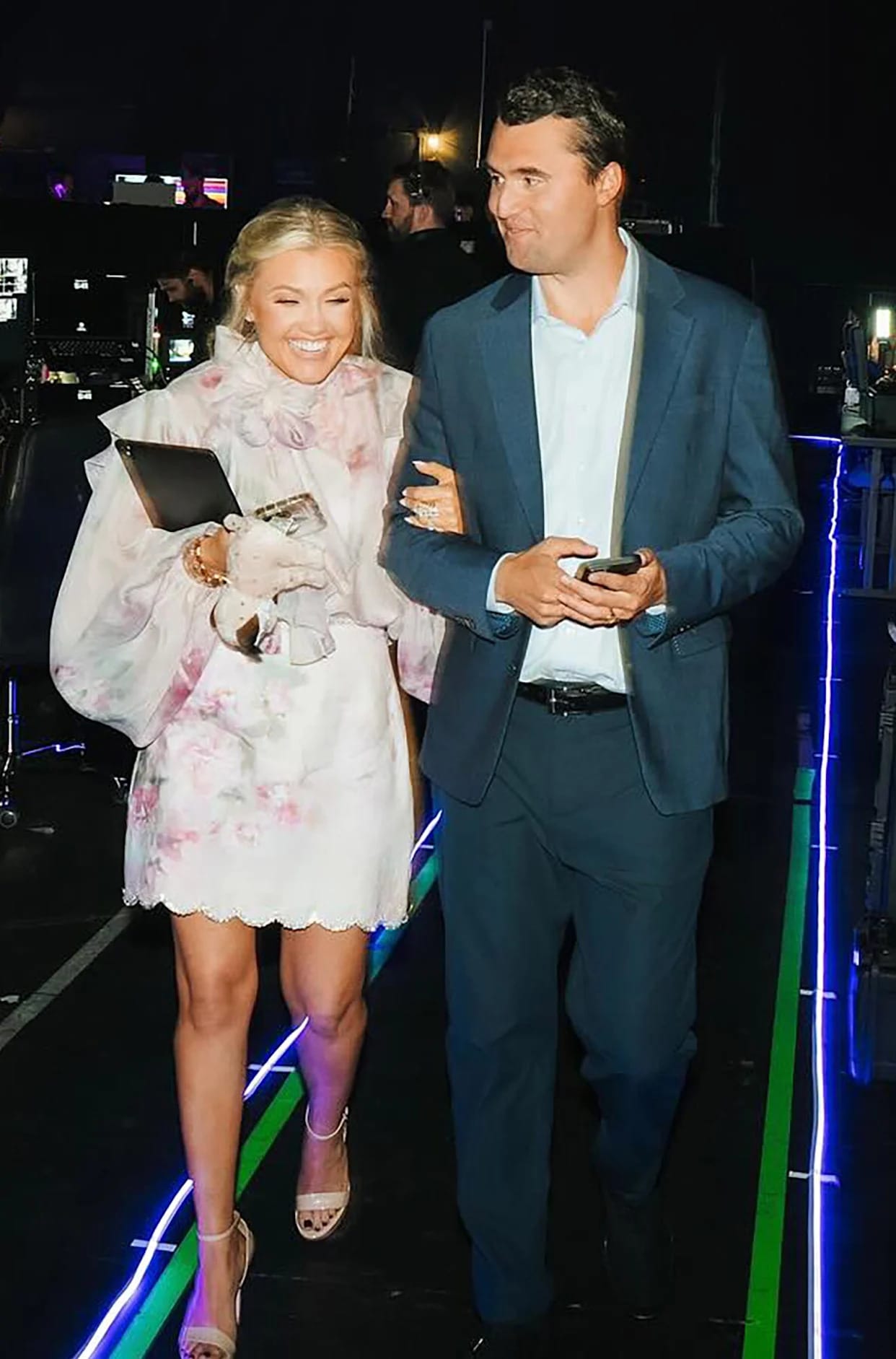
Erika Kirk, the widow of conservative activist Charlie Kirk, vowed to keep her husband’s movement alive with college tours and podcasts.
“The evildoers responsible for my husband’s assassination have no idea what they have done. … But they should all know this — if you thought that my husband’s mission was powerful before, you have no idea,” Mrs. Kirk said in a video statement Friday.
“You have no idea what you just have unleashed across this entire country,” she said. “In this world, you have no idea.”
Mr. Kirk, the co-founder of the conservative organization Turning Point USA, was speaking on the first stop of “The American Comeback Tour” at Utah Valley University in Orem on Wednesday when he was fatally shot. A 22-year-old Utah resident, Tyler Robinson, is in custody.
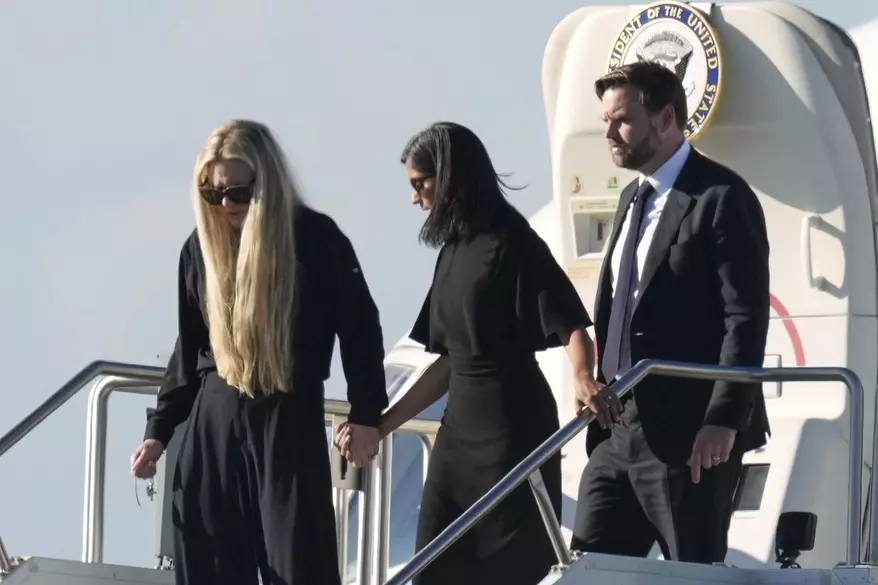
Mrs. Kirk thanked law enforcement, first responders, the followers and supporters of Turning Point USA, President Trump, and Vice President J.D. Vance and his wife, Usha Vance, both of whom flew Mr. Kirk’s casket and family to Arizona from Utah on Air Force Two on Thursday.
“My husband laid down his life for me, for our nation, for our children,” Mrs. Kirk said.
She said her husband’s campus tour will continue this fall and for years to come along with his radio and podcast show.
“And in a world filled with chaos, doubt and uncertainty, my husband’s voice will remain, and it will ring out louder and more clearly than ever, and his wisdom will endure,” she said.
She urged young Americans to get involved with Turning Point USA or start their own movement.
She spoke of her children and that her 3-year-old daughter asked where her father is and how she hasn’t found a way to tell her that he died, saying he’s on a “work trip with Jesus.”
On Instagram, Mrs. Kirk posted several photos of herself with his casket and videos of the casket being brought back on Air Force Two.
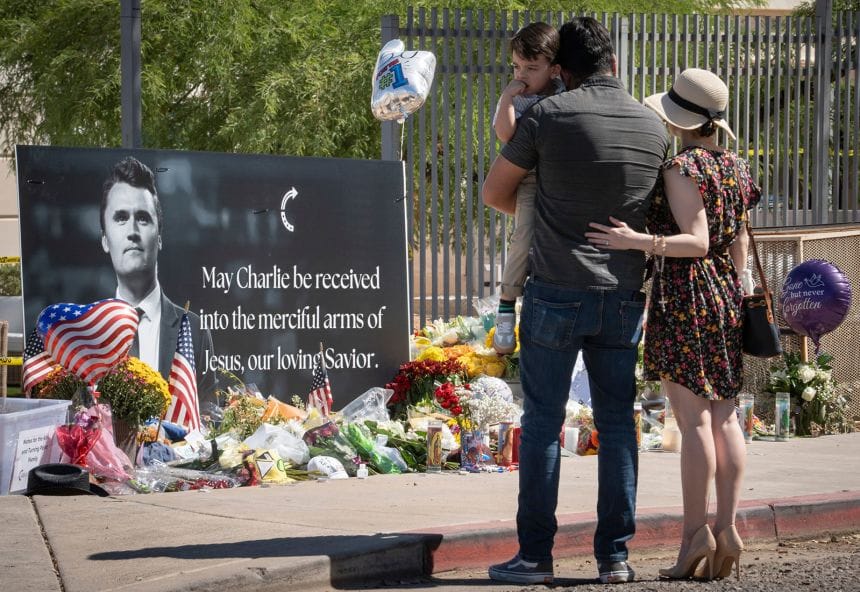
The conservative political nonprofit Turning Point USA has announced a Sept. 21. memorial service for its late founder, Charlie Kirk.
Set to take place at the State Farm Stadium in Glendale, Arizona, the memorial service will honor the 31-year-old political commentator, who was fatally shot at Utah Valley University in Orem, Utah, on Sept. 10, while leading a campus speaking tour.
“Charlie died doing what he loved: fighting for truth, for faith, for family, and for America. His sacrifice will endure as a guiding light for generations,” Turning Point USA said in a statement on Sept. 13 announcing the tribute event.
State Farm Stadium is the home of the Arizona Cardinals NFL football team and is located a short distance from Turning Point USA’s headquarters in Phoenix.
Kirk cofounded the organization in 2012, with support from the late businessman and conservative political activist Bill Montgomery.
“What began as the vision of an 18-year-old in a small garage in Lemont, Illinois, grew into one of the most powerful grassroots movements in America,” Turning Point USA’s announcement reads.
A leading focus of Turning Point USA has been engaging high school and college-aged individuals in politics.
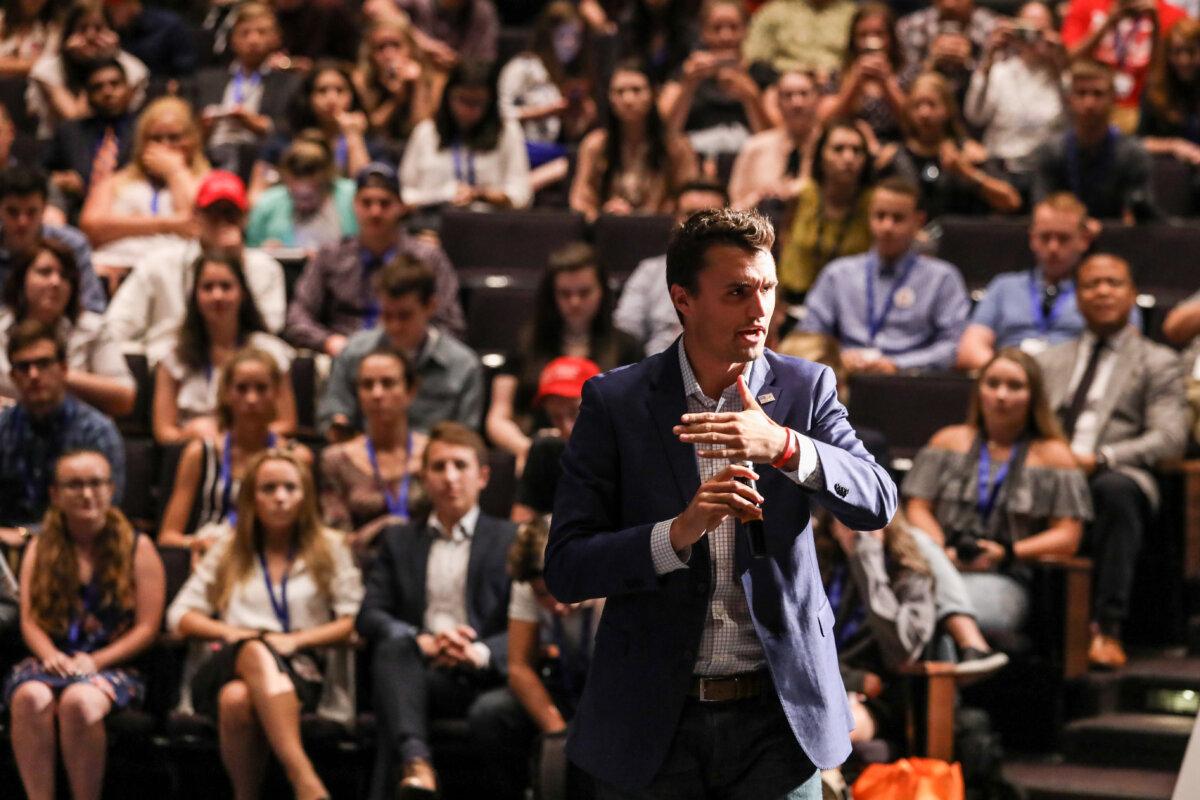
Throughout his career as a conservative influencer, Kirk frequented college campuses, delivering speeches to inspire other young conservatives and engaging in debates with his ideological opponents. He was just moments into a campus debate event at Utah Valley University, on the first stop of his American Comeback Tour, when he was struck by gunfire.
By the time of his death, Kirk had overseen the expansion of Turning Point USA into a multi-million-dollar organization with more than 250,000 student members, and chapters on around 800 college campuses around the country.
In addition to founding Turning Point USA to support campus-level conservative activism, Kirk led the formation of Turning Point Action to support voter registration and mobilization efforts.
Kirk’s influence brought him in direct contact with a range of top-level politicians, including President Donald Trump and Vice President JD Vance.
Vance helped escort Kirk’s casket on Sept. 11, as it arrived in Arizona the day after he was killed.
On Sept. 12, while addressing the public for the first time following his death, Kirk’s wife, Erika, described the vice president as her husband’s “dear friend.”
Kirk’s influence crossed party lines and even national boundaries. California Gov. Gavin Newsom and former Vice President Kamala Harris both joined in condemning Kirk’s killing, as did Israeli Prime Minister Benjamin Netanyahu and British Prime Minister Keir Starmer.
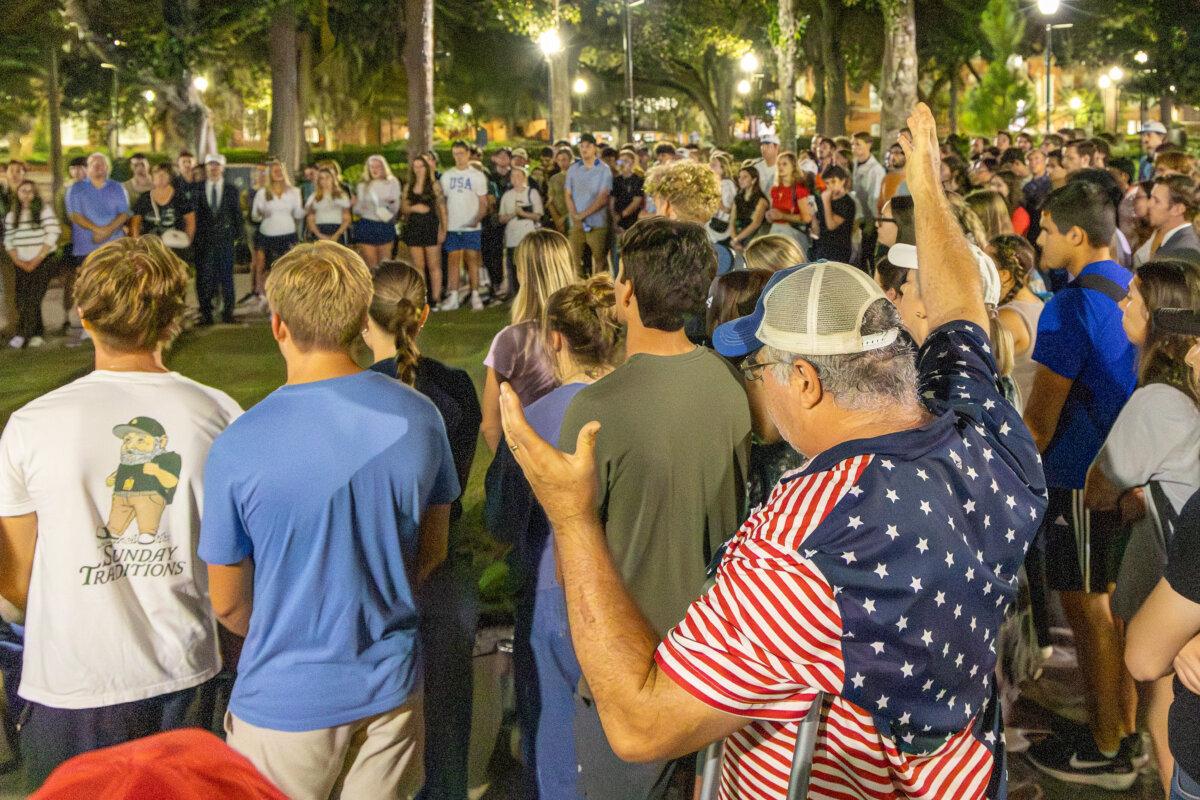
“Charlie’s life was short, but it was full. It was defined by truth, anchored in faith, and devoted to the country he loved. His legacy will endure for generations,” Turning Point USA said on Sept. 13.
The Sept. 21 memorial service will begin at 11 a.m. local time, and doors will open at 8 a.m.
In the fractious landscape of American conservatism, few figures embodied the raw energy of grassroots mobilization quite like Charlie Kirk. By the time the 31-year-old activist and media mogul embarked on what would become his final campus speaking tour, he had transformed Turning Point USA from a fledgling nonprofit into a juggernaut with over 250,000 members. Founded in 2012 when Kirk was just 18, the organization became a linchpin in conservative political organizing, spearheading get-out-the-vote campaigns that influenced elections from school boards to Congress, securing tens of millions in funding from high-profile donors, and building a media empire that amplified right-wing voices across podcasts, social media, and live events.
Kirk’s assassination on September 10, 2025, during a “Prove Me Wrong” debate at Utah Valley University (UVU) in Orem, Utah, has left a void in the conservative movement. But his legacy endures through the countless young influencers he mentored, the debates he ignited, and the cultural shift he engineered toward unapologetic conservatism among millennials and Gen Z. At its core, Kirk’s mission was about more than policy wins—it was about fostering a new generation of political warriors, equipped to challenge liberal orthodoxy on college campuses and beyond. “Charlie didn’t just build an organization; he built people,” said one longtime associate, reflecting on how Kirk’s hands-on approach turned novices into power players.
The Foundations of a Movement: From Garage Startup to National Force
Kirk co-founded Turning Point USA in the suburbs of Chicago with the explicit goal of countering what he saw as progressive dominance in higher education. Starting with campus tabling events and provocative signage, the group quickly expanded into a sophisticated operation. By 2025, it boasted chapters at over 3,000 colleges and high schools, annual revenues exceeding $50 million—fueled by contributions from conservative heavyweights like the Bradley Foundation and anonymous megadonors—and a media arm that included Kirk’s daily podcast, The Charlie Kirk Show, which routinely drew millions of listeners.
Central to this growth was Kirk’s emphasis on debate as a tool for engagement. He viewed campuses not as hostile territory but as battlegrounds for ideas, where young conservatives could hone their arguments against a backdrop of often-hostile audiences. “Prove me wrong” became his rallying cry, emblazoned on tents and tables at events where he invited skeptics to challenge him on topics ranging from affirmative action to immigration. This approach wasn’t just performative; it was pedagogical, teaching a generation how to articulate conservative principles in the face of opposition.
Gunnar Thorderson, a former Turning Point USA organizer who helped establish the UVU chapter, epitomizes this model. Thorderson, now a member of the Utah Republican State Central Committee, credits Kirk with his ascent. “Charlie could’ve run his multi-million-dollar operation from a fancy suite, but he stayed in the trenches,” Thorderson told The Epoch Times in an interview shortly after Kirk’s death. “He invested in me one-on-one, mentoring me through challenges and turning me into a leader.” Thorderson’s story is emblematic: from chapter president to state director, his path was paved by Kirk’s personal guidance, including late-night strategy sessions and event collaborations.
Mentorship in Action: Launching Careers in Politics and Media
Kirk’s influence extended far beyond organizational ranks, propelling acolytes into the halls of power. Rep. Anna Paulina Luna (R-Fla.), a rising star in the House of Representatives, publicly attributed her political career to Kirk in an X post on September 11: “I owe my entire political career to Charlie Kirk. I would quite literally not be in office today if it weren’t for him. Even when my own party was working against me, Charlie endorsed me and campaigned to help me win election.”
Luna’s communications director, David Leatherwood, shares a similar trajectory. A self-described gay conservative, Leatherwood first encountered Kirk in 2017 during a campus tour in Fort Lauderdale. “We filmed a video together where he expressed support for the gay community, emphasizing ‘e pluribus unum’ for all Americans,” Leatherwood recounted to The Epoch Times. Kirk’s endorsement led to Leatherwood becoming a Turning Point ambassador, a role that opened doors in conservative circles. “He was always supportive, inviting me into the fold and helping me navigate the movement,” Leatherwood said.
These stories highlight Kirk’s knack for spotting talent and providing platforms. Turning Point’s ambassador program, which grew to include hundreds of young influencers, offered training in public speaking, social media strategy, and fundraising—skills that translated into real-world impact. Many alumni now host their own podcasts, run for office, or advise campaigns, forming a network that Kirk often called his “conservative army.”
Empowering Voices on Campus: From Shy Students to Bold Advocates
At the grassroots level, Kirk’s work resonated with students who felt marginalized in liberal-leaning academic environments. Hallie S., a 26-year-old from Gainesville, Florida, told The Epoch Times how Turning Point helped her revive the College Republicans chapter at Santa Fe College. “I was raised conservative but never spoke up in such a liberal area—you never know how people will react,” she said. Kirk’s campus visits and the organization’s resources changed that. “Charlie had a huge impact. Students saw their values represented in a fresh way, and it empowered us to be outspoken.”
Kelly Shackelford, president and CEO of the First Liberty Institute, a First Amendment advocacy group, recalled inviting Kirk to a Houston fundraiser early in his career. “Our events are usually filled with folks 60 and older,” Shackelford explained to The Epoch Times. “I wanted to show them that young people are carrying the torch. Charlie inspired that hope—he was proof the movement wouldn’t die with the older generation.”
Even beyond conservatives, Kirk’s reach touched unexpected audiences. A teenager named Tucker, who spoke to The Epoch Times on condition of anonymity due to fears of backlash, admitted he typically scrolls past political content on TikTok. “But Charlie’s stuff? I’d always click—it was interesting, and he was someone to look up to.” In a surprising anecdote, California Gov. Gavin Newsom revealed on his podcast in March 2025 that his 13-year-old son begged to skip school to meet Kirk. “He was obsessed: ‘What time is Charlie gonna be here?’” Newsom said, underscoring Kirk’s cross-generational appeal.
The Digital Frontier: Building an Online Empire
Kirk’s savvy use of social media amplified his message exponentially. With millions of followers across platforms, he turned viral clips of debates and commentary into a content machine. Leatherwood noted the enduring value of this digital footprint: “There are thousands of hours of footage—his thoughts, his views. They’ll memorialize his legacy in ways we can’t yet imagine.”
This online presence wasn’t just about reach; it was a business model. Turning Point’s media operations generated revenue through sponsorships, merchandise, and premium content, funding further expansion. Kirk’s podcast, often topping conservative charts, featured guests from politicians to cultural figures, fostering a ecosystem where young influencers could guest-host or collaborate.
The Power of Debate: Bridging Divides or Deepening Them?
Debate was Kirk’s signature tactic, but it wasn’t without controversy. Critics accused him of provocation, yet even opponents acknowledged his commitment to dialogue. Hunter Kozak, a 29-year-old UVU student and the last person to debate Kirk before the shooting, posted a video tribute: “I stand by so little of what he said, but he stood by conversation.” Dean Withers, another debater, broke down in tears during a livestream upon learning of the attack. In a follow-up video, he emphasized: “I disagreed with him profoundly, but no one deserves this. His kids didn’t deserve to watch their father die; his wife didn’t deserve to lose her husband.”
Thorderson defended Kirk’s approach: “He engaged students not as enemies but as people needing education through discourse. That’s how ideas win.” This philosophy, while polarizing, inspired a cadre of young conservatives to embrace public confrontation as a path to influence.
Beyond Politics: Faith, Family, and a Lasting Philosophy
Kirk’s worldview extended beyond the ballot box, rooted deeply in his Christian faith. Thorderson recalled a hotel gym workout that turned into a profound discussion: “I was struggling with my faith, playing devil’s advocate. Charlie was steadfast, connecting on a personal level without preaching.” Kirk’s knowledge spanned topics from philosophy to family values, which he prioritized even amid stardom. “He always valued family—starting one was core to him,” Thorderson said, noting Kirk’s early courtship of his wife, Erika.
Kirk leaves behind Erika and their two young children, a family he often cited as his greatest achievement. In speeches, he linked conservatism to biblical principles, urging audiences to build strong homes as the foundation of a strong nation.
A Legacy in Motion
Kirk’s death has prompted soul-searching in conservative circles. Will Turning Point sustain its momentum without its charismatic founder? Early signs point to yes, with alumni like Thorderson and Luna stepping up. But the broader question lingers: Can the generation Kirk inspired carry forward his blend of debate, mentorship, and unyielding advocacy?
As tributes pour in—from lawmakers to everyday students—Kirk’s impact is clear. He didn’t just influence politics; he reshaped how a generation engages with it, proving that one voice, amplified through courage and connection, can echo for decades.
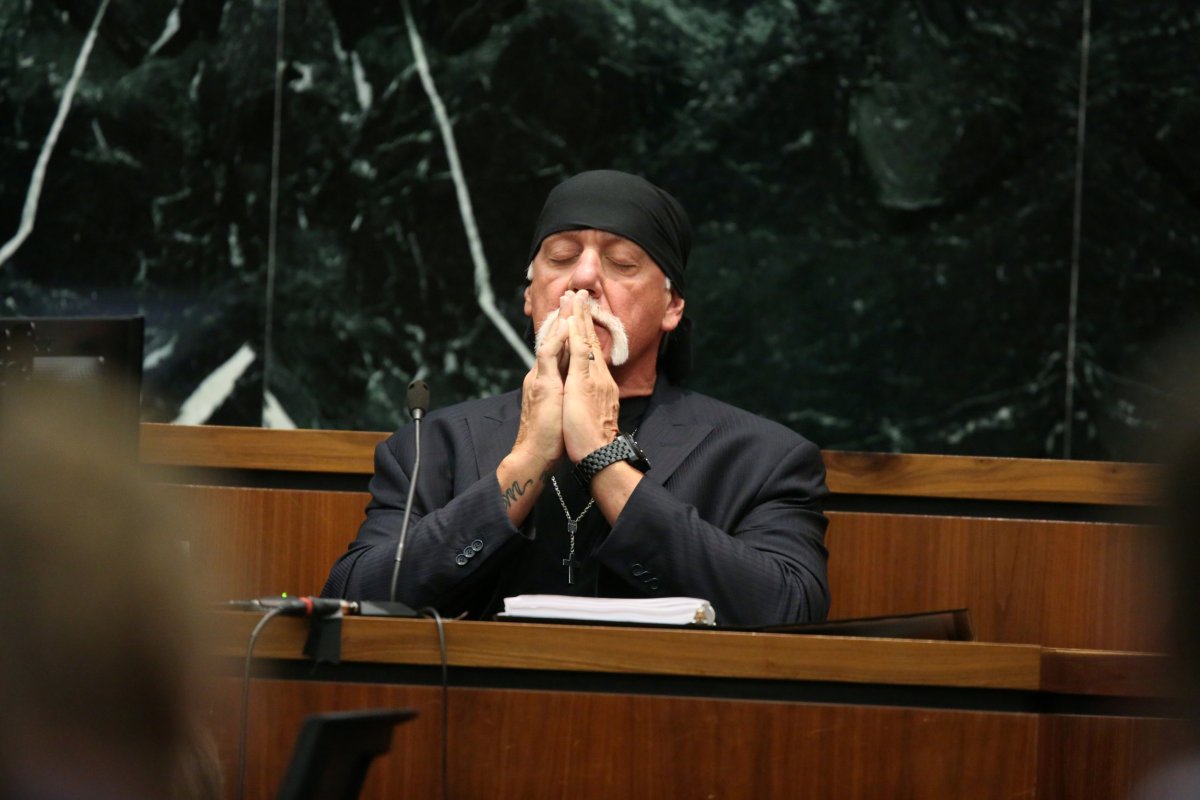
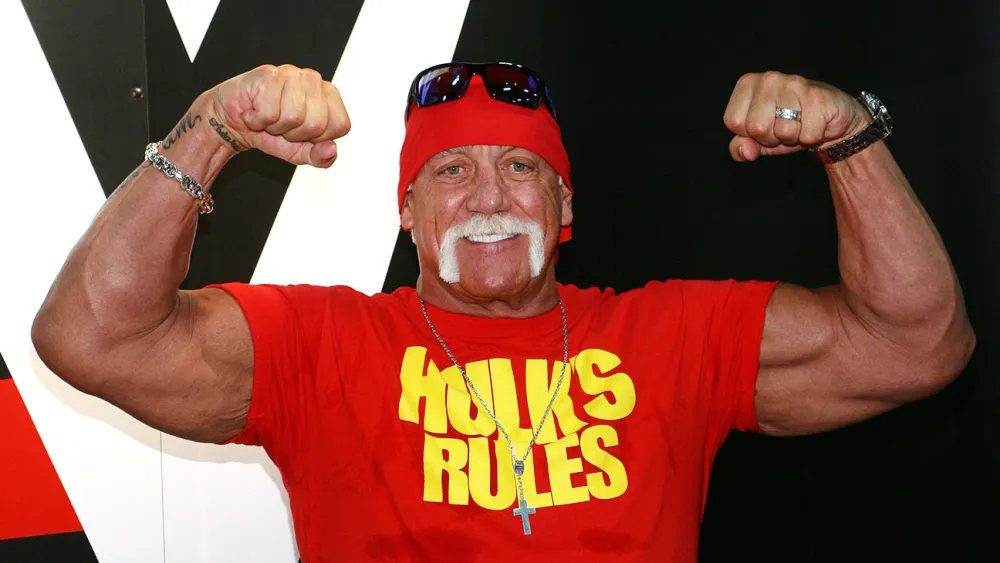
Hulk Hogan, the towering, charismatic figure who revolutionized professional wrestling in the 1980s and became the first true household name in the sport, passed away on Thursday at the age of 71. His death, confirmed by longtime partner Eric Bischoff and other sources close to the wrestling legend, was reportedly due to a cardiac arrest. Hogan’s passing marks the end of an era for both wrestling and popular culture, where his influence transcended the ring.
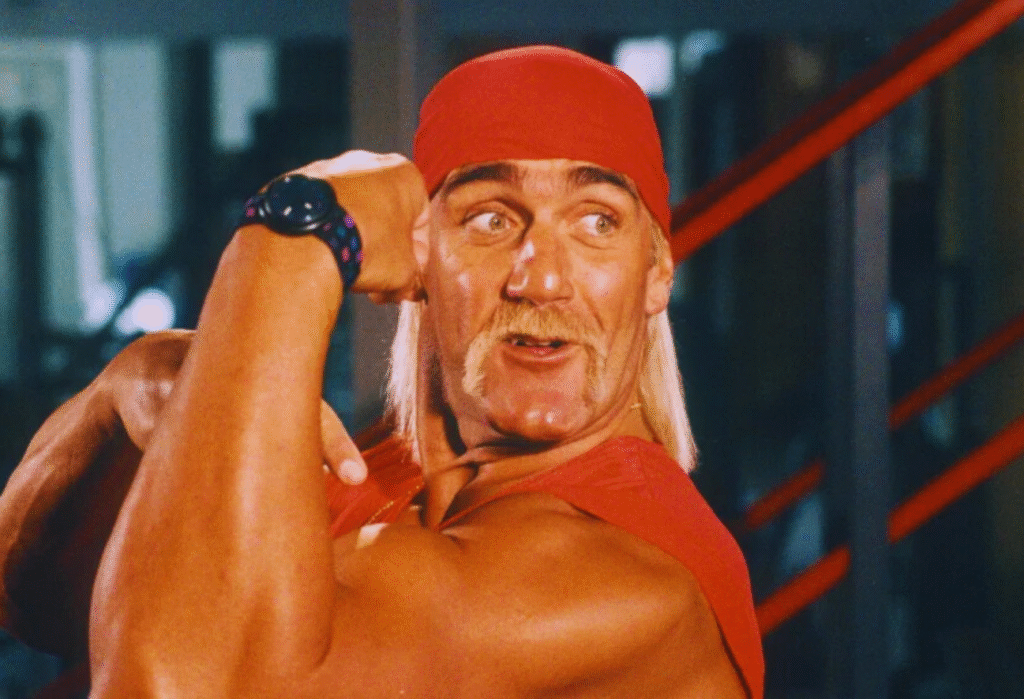
Hogan — born Terry Gene Bollea on August 11, 1953, in Augusta, Georgia — changed the landscape of professional wrestling, helping it become a mainstream entertainment spectacle. In a career that spanned over four decades, Hogan became one of the most recognizable celebrities in the world, known for his larger-than-life persona, trademark yellow trunks, bandana, and his signature move, the leg drop.
A Wrestling Legacy Like No Other
Hogan’s journey to wrestling superstardom began in Florida, where he was first discovered by wrestling scouts while playing in local rock bands and pitching for Little League baseball teams. Trained by Hiro Matsuda and inspired by legends like Dusty Rhodes, Hogan’s early career was marked by several lesser-known ring names, including Super Destroyer and Sterling Golden, before settling on the iconic Hulk Hogan.
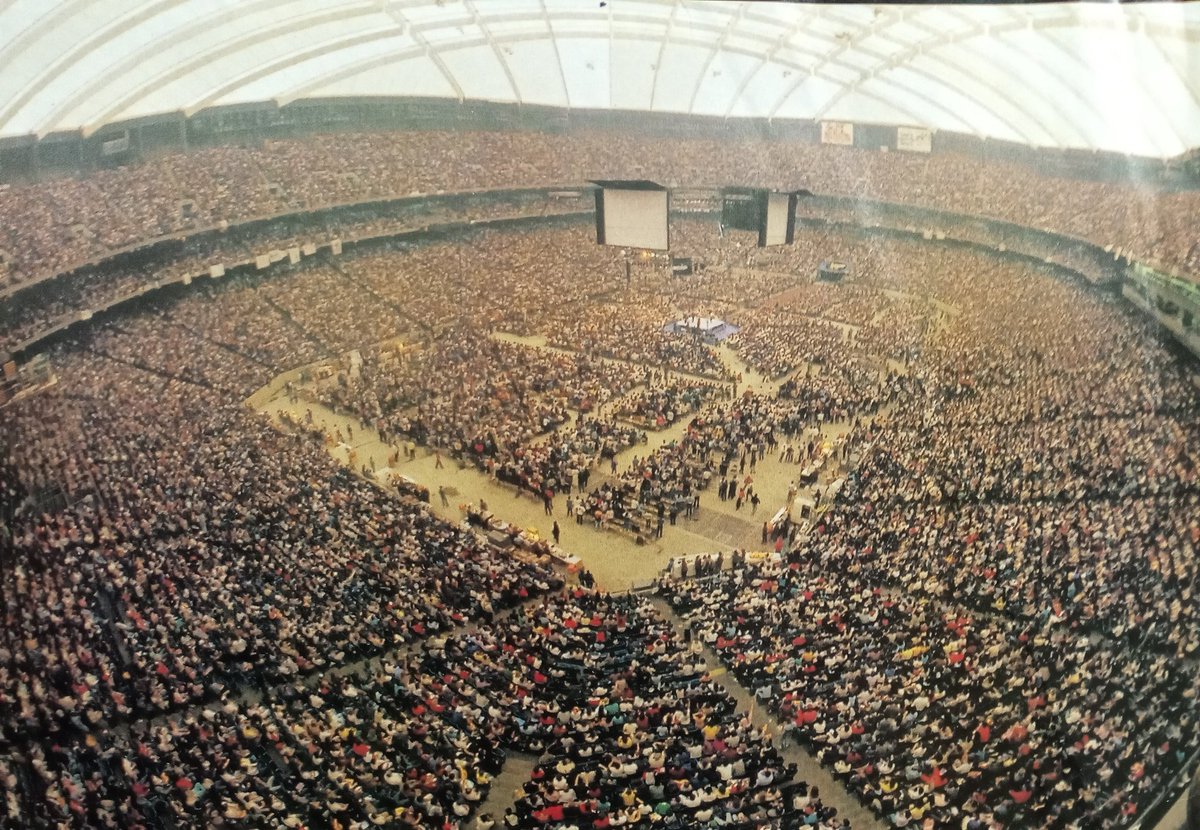
Hogan’s WWE debut in the 1980s heralded the beginning of Hulkamania, a cultural phenomenon that spanned beyond the squared circle. He became the face of the WWE, winning the WWE Championship six times and headlining WrestleMania an unprecedented eight times. His most memorable moment came in 1987 when he faced his mentor, Andre the Giant, in a historic match at WrestleMania III, where Hogan body-slammed the 520-pound Giant before a then-record crowd of 93,173 fans in the Pontiac Silverdome.
Hogan’s connection with the audience was unparalleled. He embodied the spirit of the American hero, often invoking his “Real American” entrance theme, flexing his 24-inch pythons, and posing with an American flag to the thunderous cheers of his fans. Hogan’s catchphrases, like “Whatcha gonna do when Hulkamania runs wild on you?” became as famous as his wrestling bouts.
Hollywood and Beyond: The Wrestler Who Became a Pop Culture Icon
Beyond the ring, Hogan’s acting career took off when he starred as Thunderlips in Rocky III (1982), marking his big-screen debut opposite Sylvester Stallone. His larger-than-life personality translated to Hollywood, where he appeared in films like No Holds Barred (1989), Suburban Commando (1991), Mr. Nanny (1993), and Santa With Muscles (1996). He also starred in the syndicated TV series Thunder in Paradise (1994).
Hogan became a fixture in popular culture, appearing in iconic TV shows such as The A-Team, Baywatch, Gremlins 2: The New Batch (1990), and even voicing characters in Robot Chicken and American Dad! He co-hosted Saturday Night Live with Mr. T in 1985, solidifying his place in the mainstream entertainment world.
But it wasn’t just acting that defined Hogan’s legacy. He became a beloved figure, especially for charity work — notably for the Make-a-Wish Foundation, where he was one of the most requested celebrities for children facing life-threatening illnesses.
Hogan’s personal life was as tumultuous as his wrestling career. In 1994, he admitted to using steroids for 13 years, a moment that would mark one of the first of many controversies in his life. Twelve years later, he was embroiled in scandal after a sex tape was leaked, containing racial slurs that led to his removal from the WWE Hall of Fame. However, Hogan made a dramatic comeback in 2016, when he won a $140 million lawsuit against Gawker after the website released the tape. The legal victory sent shockwaves through the media world, leading to Gawker’s bankruptcy and eventual sale to Univision.
Hogan was reinstated into the WWE Hall of Fame in 2018, cementing his status as one of the most influential figures in wrestling history.
In recent years, Hogan stayed active in the wrestling world. In April 2025, he and longtime partner Eric Bischoff launched the Real America Freestyle Wrestling League, securing a TV rights deal with Fox Nation. Despite his age, Hogan remained passionate about promoting wrestling to new generations, never straying far from his roots.
Hogan’s Impact on the Wrestling and Entertainment Industry
The impact of Hulk Hogan’s death reverberates across both the wrestling industry and entertainment. His transformation from a regional wrestler to a global sensation helped propel WWE into the mainstream, and his legendary rivalries with wrestlers like Roddy Piper, Andre the Giant, Ric Flair, and Macho Man Randy Savagebecame the stuff of legend. His heel turn in 1996, as the leader of the New World Order (NWO) in WCW, remains one of the most shocking moments in wrestling history.
Hogan’s influence on professional wrestling is immeasurable — he helped shape the modern spectacle of wrestling, where entertainment and athleticism go hand in hand. His “Hulkamania” became a symbol not only of pro wrestling but of the broader entertainment culture that exploded in the 1980s and 1990s.
Hogan is survived by his wife, Sky, whom he married in 2023, and his two children, Nick and Brooke, from his first marriage to Linda Claridge. He was also married to Jennifer McDaniel from 2009 until their separation in 2021.
For the millions of fans who followed his career, Hulk Hogan was more than a wrestler — he was an icon, an inspiration, and a symbol of perseverance. In his own words, “Hulkamania will live forever.” Now, as the world mourns his passing, it is clear that Hogan’s legacy will continue to endure, immortalized in the hearts of fans and the annals of professional wrestling history.
Loretta Swit, in costume as Maj. Margaret Houlihan, on the set of the hit TV series “M*A*S*H” in 1975. (CBS Photo Archive/Getty Images)
Loretta Swit, the Emmy-winning actress who made the high-strung and relentlessly militaristic Maj. Margaret Houlihan human, dignified and, against all odds, sympathetic on the acclaimed television series “M*A*S*H,” died on Friday at her home in Manhattan. She was 87.
Her death was announced by her publicist, Harlan Boll.
In the Oscar-winning 1970 film “M*A*S*H,” directed by Robert Altman, Major Houlihan (whose blatantly sexist nickname was Hot Lips) was played by Sally Kellerman. When the movie became a CBS series, Ms. Swit stepped into the role and made it her own, adding heretofore unseen nuance. She was nominated 10 years in a row for the Emmy Award for best supporting actress in a comedy series, and she won twice, in 1980 and 1982.
“M*A*S*H,” which aired from 1972 through 1983 on CBS, was, like the movie that inspired it, set at a mobile Army hospital during the Korean War. Major Houlihan spent the first five seasons distracted by her open secret of an affair with the sniveling, very married Maj. Frank Burns (Larry Linville).
Around the time Major Burns returned to the United States, she married a handsome officer whom she had met in Tokyo. But he proved unfaithful, and she was soon divorced and newly dedicated to her career as the unit’s head nurse. In a post on social media, her “M*A*S*H” co-star Alan Alda wrote, “We celebrated the day the script came out listing her not as Hot Lips, but as Margaret.”
“It was the greatest time in my career,” Ms. Swit told the British newspaper The Guardian in 2001. Margaret’s ambition throughout the series was to be “the best damned nurse in Korea, and that motivated everything I did, even when it came to sex.” Major Houlihan did seem to be on a flirtatious first-name basis with every general who visited the camp.
As early as Season 2, her nemesis, Capt. Benjamin Franklin Pierce (Alan Alda) — better known as Hawkeye — saw her good side, referring to her as “nurse, friend and all-around good egg.” Col. Sherman T. Potter (Harry Morgan) called her “the finest nurse I’ve ever scrubbed with.”
Ms. Swit with other members of the “M*A*S*H” cast, from left: Larry Linville, Wayne Rogers, Alan Alda (seated front), Gary Burghoff and McLean Stevenson. (CBS/Reuters)
The character only grew in perceived stature as the seasons passed, wrestling violent patients into submission and performing triage in her wedding dress.
Ms. Swit firmly believed that “if you’ve got a long-run series, then there’s always got to be room for growth,” she told The Toronto Star in 2010. “Of all the places you’d be inclined to grow, I certainly think somewhere you’re in danger every day and healing people every day would be just the right place.”
The show explored Major Houlihan’s feelings about her proud military heritage, as the daughter of a general who would have preferred a son. And it looked in on the night of passion — under enemy fire — that she and Captain Pierce shared and, as soon as the morning-after dust settled, never spoke of again.
Loretta Jane Szwed was born on Nov. 4, 1937, in Passaic, N.J., to Lester Szwed, a salesman, and Nellie (Kassack) Szwed.
Ms. Swit at her home in 1971. She was a relatively unknown actress at the time; a year later, “M*A*S*H” would change everything. (Everett Collection)
After graduating from high school in Passaic, Loretta attended the Katharine Gibbs School in Montclair, N.J., and began a secretarial career. Her employers included Elsa Maxwell, the society hostess and gossip columnist.
But she was also preparing for an acting career; she enrolled in the American Academy of Dramatic Arts and studied with the director Gene Frankel.
“That’s kind of all I ever wanted to be,” she recalled in a 2004 Archive of American Television interview. She remembered going to two movie double features a day with her mother, separated only by a dinner break, when she was growing up.
She took voice lessons and dance lessons, but her parents were horrified by her choice of entertainment as an actual career. As Ms. Swit told The Toronto Star in 2010, after they saw her in a play at a small Greenwich Village theater, “My mother said to my father, ‘If you don’t stop her now, she may wind up doing this for the rest of her life.’”
Her Off Broadway debut was in Ibsen’s “An Enemy of the People” in 1961. She was the understudy for the lead female role in the national tour of the romantic comedy “Any Wednesday.”
She also appeared onstage in the musical “Mame,” in the comic role of Agnes Gooch, the lead character’s mousy secretary-nanny, who bursts out of her sheltered existence and comes home pregnant. She appeared alongside Celeste Holm on the national tour and Susan Hayward in the Las Vegas production.
Ms. Swit appeared with Ted Bessell in “Same Time, Next Year” on Broadway in 1975.(Everette Collection)
Later in her career, she also appeared on Broadway with Ted Bessell in “Same Time, Next Year” (1975) as a chronic adulterer and in “The Mystery of Edwin Drood” (1985), replacing Cleo Laine.
Before“M*A*S*H,” Ms. Swit appeared on the television series “Mission: Impossible,” “Mannix,” “Gunsmoke” and “Hawaii Five-O,” all in 1970.
And she kept busy with other projects during the show’s run. She played an obnoxious gossip columnist in a body cast in Blake Edwards’s Hollywood farce “S.O.B.” (1981), with Julie Andrews and William Holden. She was a crime boss’s unfaithful wife in “Freebie and the Bean” (1974), with Alan Arkin and James Caan. She appeared in the television movies “Mirror, Mirror” (1979), “The Love Tapes” (1980) and “Games Mother Never Taught You” (1982). And she made an enemy (temporarily) of Miss Piggy when she guest-starred in a 1980 episode of “The Muppet Show.”
Ms. Swit appeared with Tyne Daly in the pilot of the police series “Cagney & Lacey” in 1981, but her part was played by Meg Foster, and then by Sharon Gless, when the show became a series. (Jeff Goode/Toronto Star/Getty Images)
In 1981, she played Detective Christine Cagney in the pilot of the police series “Cagney & Lacey,” and she was set to take on the role for the run of the new show. But she was unable to get out of her commitment to “M*A*S*H,” and first Meg Foster (for six episodes) and then Sharon Gless ended up with the part instead.
After “M*A*S*H” ended, Ms. Swit played the president of the United States in the satirical British movie “Whoops Apocalypse” (1986). She also continued to be seen regularly on TV series, including “Murder, She Wrote” (1994) and “Burke’s Law” (1995). And she continued her stage career, appearing in regional theater, graduating to the title role in “Mame” and winning the Sarah Siddons Award in Chicago for her performance in “Shirley Valentine.”
She had planned to retire from acting after appearing in the 1998 comedy “Beach Movie,” but she returned to the screen two decades later in “Play the Flute” (2019), about a youth pastor with a wayward flock. It was her last movie.
In 1983, Ms. Swit married Dennis Holahan — an actor who was also a lawyer, and who coincidentally bore an approximation of her most famous character’s surname — after they appeared together in an episode during the final season of “M*A*S*H.” They divorced in 1995.
No immediate family members survive.
As for concerns like aging and mortality, she shrugged them off in an interview with The Express, the London newspaper, in 2020.
“I don’t think about the passage of time,” Ms. Swit said, “just what I’m doing with it.”
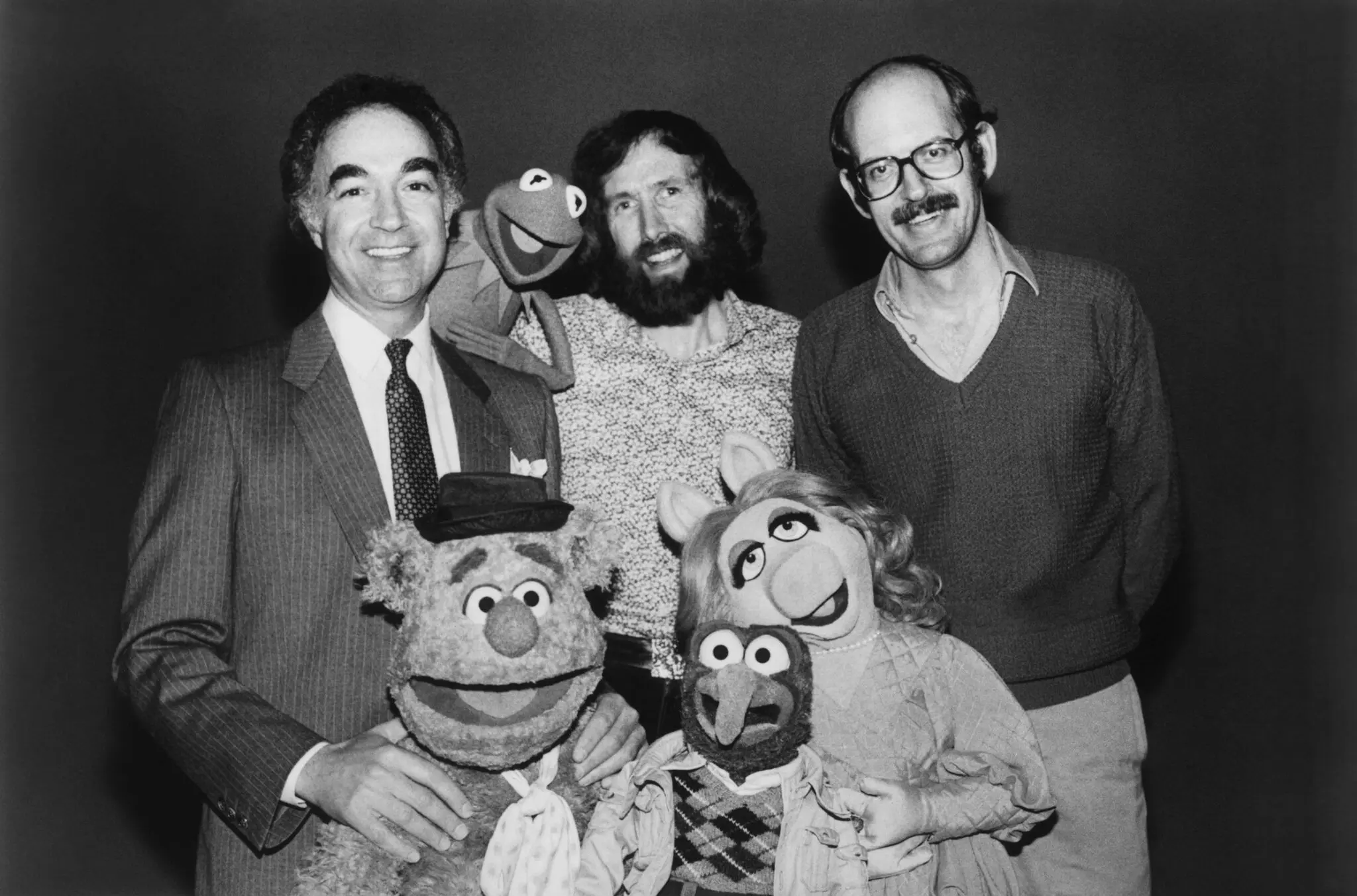
David Lazer, who as an IBM executive in the mid-1960s hired Jim Henson’s Muppets to star in a series of short films that injected laughs into sales meetings — and who a decade later joined Mr. Henson’s company as a producer — died on April 10 at his home in Vero Beach, Fla. He was 89.
His death, which had not been widely reported, was confirmed by Doyle Newberry, a manager of Mr. Lazer’s estate. He did not cite a cause.
“What David brought to the company was class,” Brian Henson, Mr. Henson’s son and the chairman of the Jim Henson Company, said in an interview. “Even my dad would say you couldn’t call Muppets Inc. classy. Up until then, it was a bunch of beatniks making weird stuff.”
In 1965, Mr. Lazer was making commercials and sales training films for IBM’s office products division and had learned the importance of keeping in-house audiences at the company interested during meetings. Intrigued by a reel of commercials and short films made by Mr. Henson, Mr. Lazer wanted to bring his “sense of humor and crazy nuttiness” to IBM, he told Brian Jay Jones for his book “Jim Henson: The Biography” (2013).
The star of Mr. Henson’s early films for IBM was Rowlf the Dog, who typed letters to his mother on a series of IBM manual and electric typewriters in which he described his new career as a salesman for the company. He promoted real products; he also plugged an electric guitar from IBM’s “Hippie Products Division” that, improbably, dispensed coffee.
In another short, an early version of Cookie Monster devoured a talking coffee machine.
“The idea is that if you can give people a good laugh, they’ll listen better,” Mr. Lazer told The Minneapolis Star Tribune in 1985.
Under Mr. Lazer’s leadership, the films intended for IBM audiences led to a broader business, Muppet Meeting Films. Companies bought the videos to motivate their employees — or at least keep them awake.
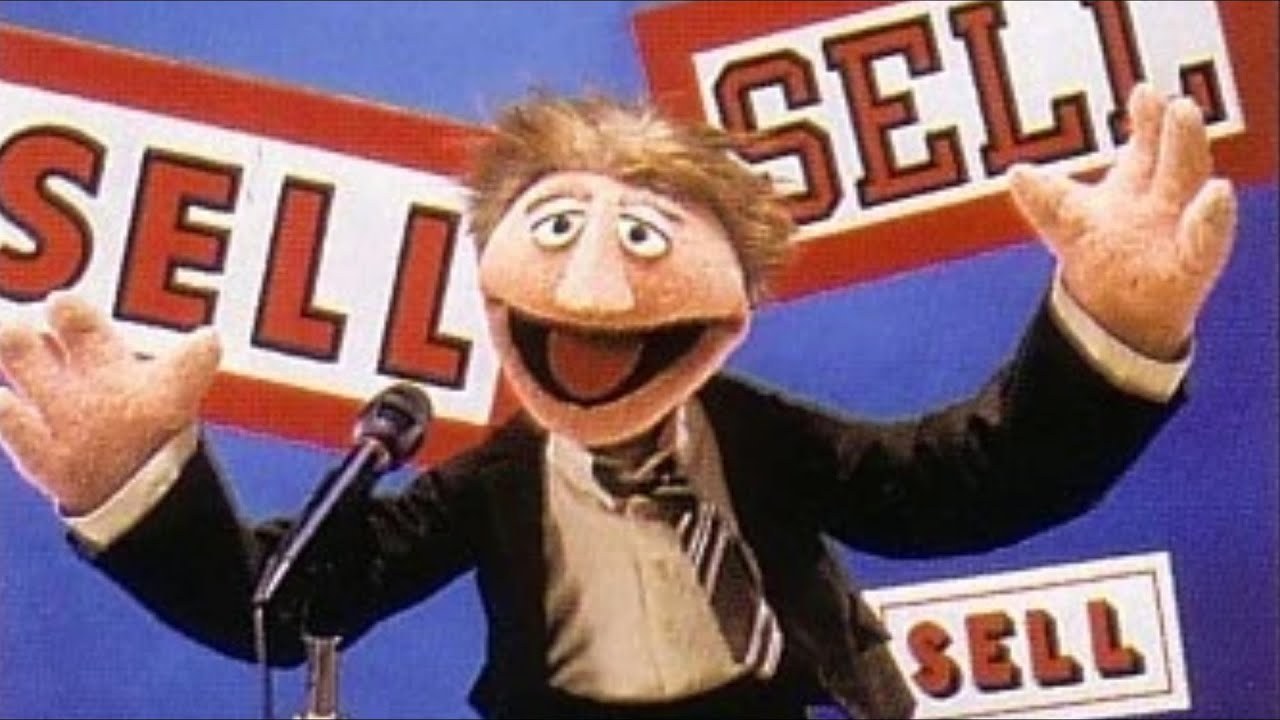
One of those films features an executive-type Muppet delivering a motivational speech, in which he calmly praises the company as a family of “honest men.” But his tone grows more urgent, and his gestures become wilder, as he gets to his point: “I ask you to remember just one word, the one word that makes it all possible, and that word is sell! I want you to get out there and sell, sell, sell! I want you to sell your socks off!”
Mr. Lazer’s skills as an executive appealed to Mr. Henson, who asked him to join what was then called Henson Associates (and is now the Jim Henson Company) in 1975.
An undated photo of Mr. Henson and Mr. Lazer on the set of the Jim Henson Company movie “The Dark Crystal” (1982). Mr. Lazer was an executive producer. (Courtesy of The Jim Henson Company)
Quoted in Mr. Jones’s book, Mr. Lazer recalled that he was shocked by Mr. Henson’s offer and responded by saying: “Oh my God! Oh, probably!” Three weeks later, he took the job.
“Lazer was determined to bring the same polish to Henson Associates that he had brought to the IBM product line,” Mr. Jones wrote, “and as far as Lazer was concerned, the product at Henson Associates wasn’t the Muppets; it was Jim.”
Brian Henson said that Mr. Lazer instituted one change very quickly; he didn’t want his father slipping into a cumbersome Muppet costume again after the last one, a towering, hairy ogre named Sweetums.
“He said, ‘Jim, you’re never getting into a costume again,’” Mr. Henson said. “‘You can work hand puppets, but you’re never getting into a costume with a T-shirt and shorts again.’”
David Lazer was born on Jan. 23, 1936, in Manhattan and grew up in the Bronx and in Hempstead, N.Y., on Long Island. His father, George, was a haberdasher, and his mother, Cilla (Schneweis) Lazer, a Polish immigrant, managed the home. David became adept at photography as a teenager and won awards for his photographs in high school.
“The Muppets Take Manhattan” (1984) was one of several Muppets films Mr. Lazer produced.(TriStar/Courtesy Everett Collection)
He joined IBM after high school in 1954 and, after serving for two years in the Army, where he received intelligence training, returned to IBM. He studied film at night at New York University.
At Henson Associates, Mr. Lazer was a producer or executive producer of “The Muppet Show,” the television variety series that ran from 1976 to 1981 and won four Primetime Emmy Awards; the films “The Muppet Movie” (1979), “The Great Muppet Caper” (1981), “The Dark Crystal” (1982), “The Muppets Take Manhattan” (1984) and “Labyrinth” (1986); and a 1979 TV special, “The Muppets Go Hollywood.”
Mr. Lazer’s corporeal image — curly hair, bushy eyebrows, well-tailored suit, tan — inspired the creation of a Muppet look-alike for some of the meeting films. In several of them, the David Lazer Muppet played a self-important businessman; in another, he portrayed one of three executives giving quarterly reports while stranded on an island. The Lazer Muppet reported rising coconut production and steady sand castle production.
The David Lazer Muppet, inspired by Mr. Lazer himself, was seen in a number of the short films he made. (Courtesy of The Jim Henson Company)
As a human, Mr. Lazer made a cameo appearance in “The Muppets Take Manhattan,” squiring Liza Minnelli into Sardi’s, the famous theater-district restaurant, where she found that her caricature on a wall has been replaced by Kermit the Frog’s.
Mr. Lazer played a critical role at the company after Jim Henson died in 1990. By then, Mr. Lazer had left his longtime position as executive vice president and, for a year or two, served as an adviser. To help the Henson family, he returned, as the company’s acting president.
“During that period he was very much like a father figure to me,” Brian Henson said. “My father was my mentor in puppetry, animatronics and directing puppets, but David was my mentor in terms of running the business.”
After Brian Henson was named president in early 1991, Mr. Lazer became vice chairman, a post he held until his retirement in 1994. Mr. Henson is now the chairman.
Mr. Lazer is survived by a sister, Ann Lazer Harstack.
At his first staff meeting at the Henson company, Mr. Jones wrote, Mr. Lazer baffled the Muppet designers and performers with a slew of flow charts and other paperwork.
People were laughing at him. To them, he was a suit.
So he tossed his papers onto the table and kept talking as if there had been no snickers about his IBM-style presentation.
“It’s not the same, is it?” Jim Henson said to him after the meeting, referring to the looser atmosphere in the world of Muppets.
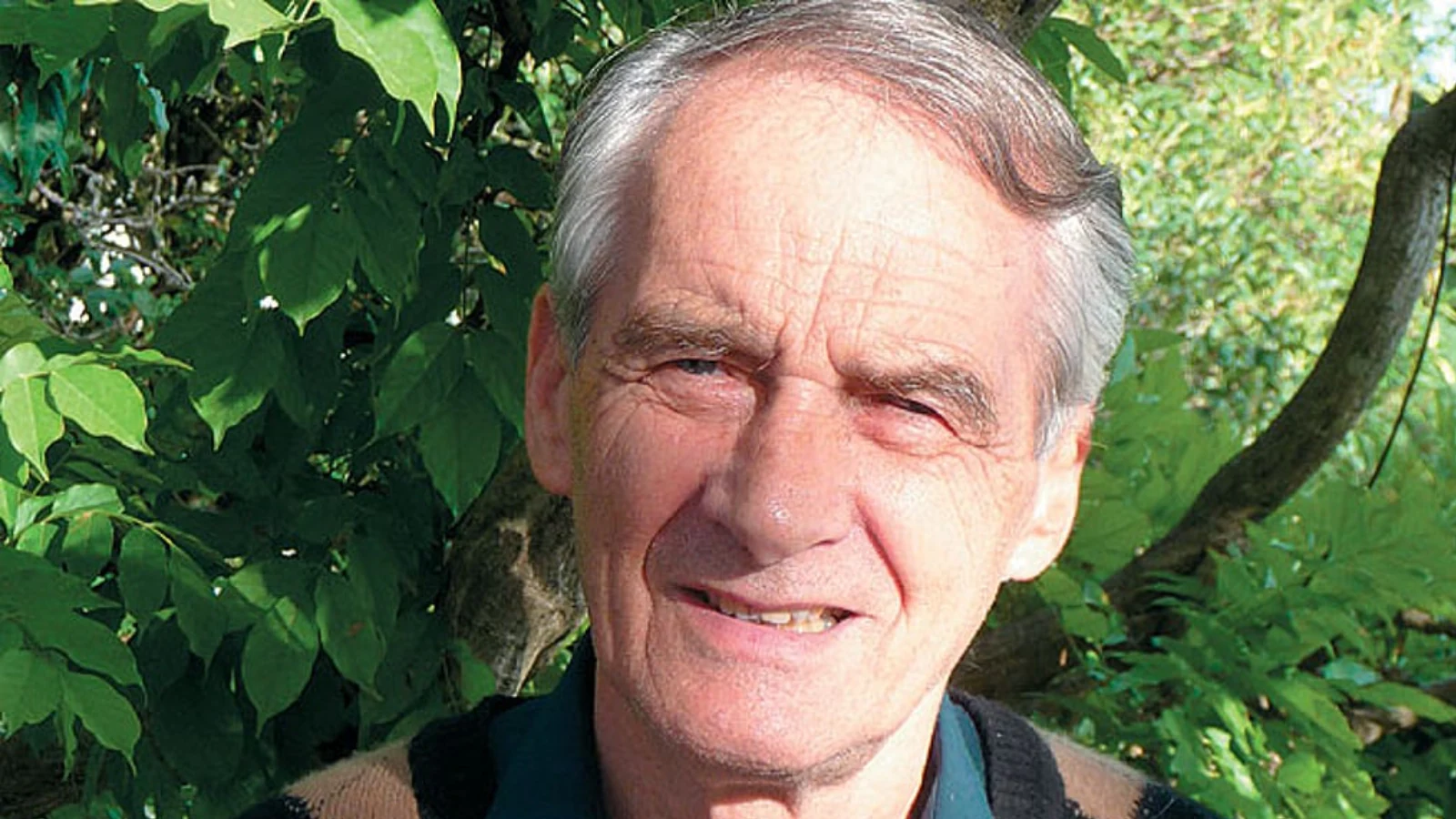
Bill Aitken, a self-described “founding father of the hippies” who hitchhiked from England to India in 1959 and became a literary guru for generations of wanderers with books that explored the subcontinent’s rivers and railways and the spiritual quest that shaped his life, died April 16 at a hospital in Dehradun, India. He was 90.
Mr. Aitken’s death, from injuries suffered in a fall at his home in the shadow of the Himalayas, was confirmed by Karan Madhok, editor of the Chakkar, an Indian arts journal.
His more than a dozen books — mixing travelogue, history, and doses of his dry wit and self-reflection — became staples in the contemporary Western syllabus of Indian adventures. Yet the Scottish-born Mr. Aitken was also widely celebrated in India’s literary circles as among the European writers who strove to see poetry in something as simple as a little-used rail spur or as grand as a mountain vista.
In “The Nanda Devi Affair” (1994), Mr. Aitken described the life-changing moment in October 1961 when, as a young sojourner with no fixed plans, he first gazed upon the Himalayan peak rising more than 25,640 feet and decided to remain in India.
“There was something commanding in the Devi’s beauty as she lay before my eyes, essentially royal and feminine,” he wrote. “All the clichés about Nanda as queen surrounded by courtiers were appropriate for she towered above the rest with a regal detachment.”
In his later years, Mr. Aitken was an éminence grise of the hill station Mussoorie, which has drawn European writers since the 19th century for its panorama of the Himalayas to the north. He regaled visitors with stories and parables from his wide travels across India and recounted the kismet that led him from Scotland.
“I am one of those awkward customers who swims the wrong way,” he told author Malcolm Tillis in “New Lives” (2004), an oral history of Westerners who settled in India.
One day in 1959, when he was 25, he stood at the English Channel port of Dover in a kilt. He had just broken up with his girlfriend and had left his teaching job. For years, he had struggled with personal questions of faith and spirituality as a student of comparative religion, he recalled.
He decided he needed to roam and planned to hitchhike around the world. The kilt, he thought, was a nice touch of Scottish pride and the unusual outfit might help him get a lift. He set off on what would become the Hippie Trail a decade later: the overland circuit that brought thousands of adventurers — and probably even more copies of Jack Kerouac’s “The Dharma Bums” — to India before the 1979 Islamic Revolution in Iran and the Soviet invasion of Afghanistan closed the way.
He got rides on “an astounding assortment of transport,” Mr. Aitken told the Yorkshire Post, “that included lifts by a Danish scooterist, an Austrian TV salesman, a Greek melon transporter, an American oil rig team in Turkey.” He ditched the kilt in Istanbul. The heavy wool was not suited forthe warming weather.
Weeks later, he arrived in Kolkata (then known as Calcutta), where he planned to catch a steamer across of the Bay of Bengal to Malaysia to continue what he called a “spiritual pilgrimage.” The snag was that he was nearly out of money.
He landed a teaching job and, while browsing at the Asiatic Society Library one day, he started reading the 1934 book “Nanda Devi” by mountaineer Eric Shipton, who traversed the summits that surround India’s second-tallest peak.
“Nothing now mattered save the urgent need to follow in Shipton’s footsteps,” he recalled. That led to the trip to the mountains in 1961, staying on the floor of a simple guesthouse after a supper of water and a lump of molasses. He awoke the next morning to see the clouds pull back to reveal Nanda Devi. He called it a “spiritual striptease.”
“The peaks and particularly Nanda Devi spoke so directly and emphatically that there and then I made the decision to leave Calcutta and come and live among them,” he wrote.
Mr. Aitken spent most of the 1960s working at ashrams within sight of the Himalayas. The first was run by the former Catherine Heilman, a woman from England who took the name Sarla Behn and was known as one of the “British daughters” of Mohandas K. Gandhi during the struggle for Indian independence from Britain in 1947.
Mr. Aitken then entered an ashram run by Krishna Prem, a former British military pilot during World War I who had been born Ronald Nixon. Mr. Aitken stayed seven years, becoming known locally as a skilled baker.
In 1969, he was asked to help sort out some legal paperwork of Prithwi Bir Kaur, a London-educated member of the former rulers of the Sikh principality of Jind, which became part of India in 1948. Mr. Aitken became her secretary and moved into her home, known as Oakless, which was filled with stately antiques and mounted deer heads from long-ago hunting expeditions.
They were companions until her death in 2010 and often embarked on long rail journeys across India with special attention to narrow-gauge secondary lines and outposts. The trips were recounted in books including “Travels by a Lesser Line” (1993) and “Branch Line to Eternity” (2001), written two years after Mr. Aitken and Mark Tully, then the BBC’s New Delhi bureau chief, founded the Steam Railway Society that saved several steam locomotives from the scrapyard.
Mr. Aitken used train travel as both a vantage point to observe India and also as a metaphor for his spiritual explorations, wrote best-selling Indian novelist Anuradha Roy in a 2001 essay in India’s Hindu newspaper. She described, with awe and reverence, how Mr. Aitken was able to wrap bigger questions of life around the chug of a slow-moving train or the chaos of a bus stuck in the mud. “A profound air of beatitude settled on both mind and body,” Roy wrote. “At such moments, you know exactly what eternity feels like.”
Mr. Aitken liked to joke: “I came to India to study comparative religion, but I found comparative railways much more interesting.”
Studied religion
William McKay Aitken was born in Tullibody, a village about 30 miles from Edinburgh, on May 31, 1934. He would often recall that on that same day in India, the mountaineer Shipton was part of team that was believed to be the first to cross the peaks ringing Nanda Devi. (A separate group of Anglo-American climbers reached the summit in 1936.)
As a child, he liked to climb to the top of the nearby hill. “I hated going to church but loved sitting on top of that peak,” he told the Indian site Firstpost. “I felt like one with the universe. And I thought, this is divinity.”
His father, a coppersmith, moved to England to find work, and the family was reunited in Birmingham after World War II. Mr. Aitken studied comparative religion at the University of Leeds and went on personal faith shopping as he worked his way toward a master’s degree.
“I had Holy Communion with the Quakers, the Mormons,” he recounted. “I went to the High Anglicans, the Low Anglicans.” Nothing seemed to fit. His planned round-the-world trek was a chance to sample other ways of worship.
His last book, “Sri Sathya Sai Baba: A Life” (2006), is a biography of the leader of a Hindu-influenced religious movement that Mr. Aitken followed. In “Seven Sacred Rivers” (1992), Mr. Aitken looked beyond the mighty Ganges to journey along India’s other waterways such as the Brahmaputra high on the Tibetan plateau and the Krishna that slices across southern India.
His other books include “Footloose in the Himalaya” (2003) and “Divining the Deccan” (1999) about accounts of his travels through India by motorcycle.
Mr. Aitken, who became an Indian citizen in 1972, commented frequently on environmental damage in India as the population swelled and use of plastics became common. In recent years, he assailed the Indian government for expanding military facilities in the regions near Tibet amid growing tensions with China.
“India’s own defense forces have caused much greater and irreversible damage to the Himalayan environment than any invader could,” he wrote. (In 1988, the Nanda Devi area became a UNESCO World Heritage site.)
Mr. Aitken, who had no immediate survivors, often allowed his home to become a hub of the cultural and literary community in Mussoorie. Yet he revealed his yearning for solitude when asked once about his favorite time of year.
The monsoon season, he told the Hindustan Times. “That is one time not many people knock on the door,” he said, “and one can sit quietly and write.”
Cookie Consent
We use cookies to improve your experience on our site. By using our site, you consent to cookies.
Contains information related to marketing campaigns of the user. These are shared with Google AdWords / Google Ads when the Google Ads and Google Analytics accounts are linked together.
90 days
__utma
ID used to identify users and sessions
2 years after last activity
__utmt
Used to monitor number of Google Analytics server requests
10 minutes
__utmb
Used to distinguish new sessions and visits. This cookie is set when the GA.js javascript library is loaded and there is no existing __utmb cookie. The cookie is updated every time data is sent to the Google Analytics server.
30 minutes after last activity
__utmc
Used only with old Urchin versions of Google Analytics and not with GA.js. Was used to distinguish between new sessions and visits at the end of a session.
End of session (browser)
__utmz
Contains information about the traffic source or campaign that directed user to the website. The cookie is set when the GA.js javascript is loaded and updated when data is sent to the Google Anaytics server
6 months after last activity
__utmv
Contains custom information set by the web developer via the _setCustomVar method in Google Analytics. This cookie is updated every time new data is sent to the Google Analytics server.
2 years after last activity
__utmx
Used to determine whether a user is included in an A / B or Multivariate test.
18 months
_ga
ID used to identify users
2 years
_gali
Used by Google Analytics to determine which links on a page are being clicked
30 seconds
_ga_
ID used to identify users
2 years
_gid
ID used to identify users for 24 hours after last activity
24 hours
_gat
Used to monitor number of Google Analytics server requests when using Google Tag Manager





:max_bytes(150000):strip_icc():focal(749x0:751x2):format(webp)/sylvester-stallone-hulk-hogan-rocky-III-072525-3-31c3095fba85489fa234adb449accc3f.jpg "Hulk Hogan, Pro Wrestler and Hollywood actor, Dies at 71: The Man Who Defined 'Hulkamania' 27")