SHARM EL-SHEIKH, Egypt – As the sun rose over the Red Sea resort on Thursday, October 9, 2025, negotiators from Israel and Hamas inked the final draft of the first phase of President Donald Trump’s audacious Gaza peace plan, a hard-fought accord that promises the release of all 48 remaining hostages – 20 believed alive, the rest tragically not – in exchange for a partial Israeli troop withdrawal, a ceasefire, and the freedom of nearly 2,000 Palestinian prisoners. The breakthrough, sealed after days of grueling indirect talks mediated by Qatar, Egypt, and Turkey, now awaits Israel’s security cabinet vote later today – a procedural hurdle expected to clear with bipartisan support, despite grumbles from far-right hardliners who fear it’s a concession to terror.
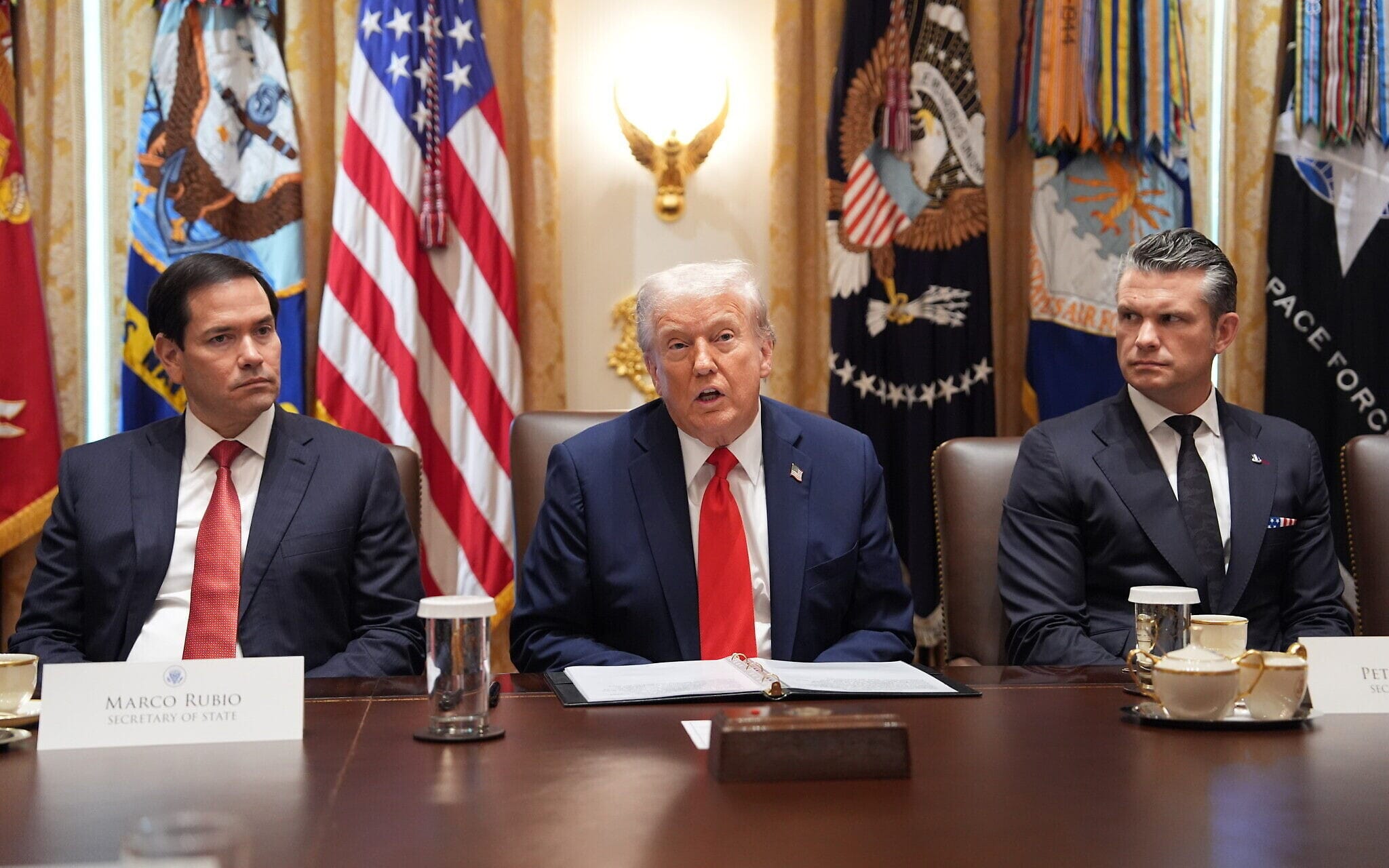
“This is the art of the deal in action – tough, unyielding, and finally delivering results where the Biden crew could only dither,” Trump declared during a White House Cabinet meeting, touting the pact as a “great day for Israel, the Arab world, and America.” With U.S. envoys Steve Witkoff and Jared Kushner on the ground in Egypt, the president – ever the showman – plans a weekend dash to the region for the formal signing, potentially capping it with a Knesset address that could cement his legacy as the ultimate peacemaker. Hostages could start crossing back into Israel as early as Monday, Trump projected, with the living handed off to Red Cross officials and the deceased honored in somber IDF ceremonies – a timeline echoed by Netanyahu’s office and White House insiders.
The deal’s mechanics are as precise as they are pragmatic: Within 24 hours of cabinet approval, the IDF pulls back to lines securing 53% of Gaza – including buffer zones along the Philadelphi Corridor, northern enclaves like Beit Hanoun, and southern strongholds in Rafah and Khan Younis – halting operations in urban cores while maintaining a vise on terror infrastructure. Hamas, in turn, has 72 hours to deliver the captives sans fanfare ceremonies, a concession wrung from the terror group after months of Israeli pressure that decimated its ranks. No victory laps for the kidnappers – just quiet handovers, followed by a joint Israel-U.S.-Qatar-Turkey-Egypt task force hunting the remains of those whose graves Hamas claims ignorance of.
On the prisoner front, Israel commits to freeing 250 lifers – but draws red lines at arch-terrorists like Marwan Barghouti, the Second Intifada mastermind eyeing a Palestinian Authority power grab, and the corpses of Hamas bosses Yahya and Mohammed Sinwar, whose bodies stay buried as war trophies. Another 1,700 Gazans nabbed during IDF ops go free, plus 15 Palestinian bodies per Israeli remains returned – a grim arithmetic underscoring the butcher’s bill of October 7, 2023, when Hamas’s savagery claimed 1,200 lives and sparked a conflict that’s felled over 66,000 in Gaza, per the strip’s Hamas-tallying health ministry.
Hamas’s chief negotiator, Khalil al-Hayya – surfacing publicly since an Israeli strike in Doha last month claimed his son and aides – struck a defiant tone in Sharm el-Sheikh, insisting on “real guarantees” for a lasting ceasefire before full compliance. “We need assurances this isn’t a trap,” al-Hayya told reporters, echoing Qatar’s Majed al-Ansari’s call for “practical solutions” to implementation snags, like seamless international aid flows and monitoring to avert backsliding. Egyptian Foreign Minister Badr Abdelatty painted a rosier picture: Talks are “progressing” toward phase one, blending hostage releases with prisoner swaps and IDF redeployments to “prepare the climate” for peace. Yet, as Reuters notes, the accord’s brevity leaves “unresolved questions” – from Hamas disarmament to Gaza’s post-war governance – that could unravel the fragile truce, much like past efforts torpedoed by Palestinian bad faith.
Netanyahu’s camp, delayed an hour-and-a-half for “sensitive” prisoner list haggling, frames the vote as a slam-dunk, with spokeswoman Shosh Bedrosian declaring “victory” in the war’s core aims: Hostages home, Hamas gutted, Gaza neutralized as a threat. Foreign Minister Gideon Sa’ar, on Fox News, tempered the triumph: No “end of the war” yet – just a conditional path where Hamas must disarm for full Israeli pullout, and the PA’s reforms are no sure bet for relevance. “We don’t intend to renew the war,” Sa’ar stressed, but a Palestinian state? “No” – skepticism runs deep on Ramallah’s capacity for change.
Trump’s 20-point blueprint – unveiled last week with Netanyahu at his side – envisions a technocratic interim council under a U.S.-chaired “Board of Peace” (Tony Blair eyed for a slot), deradicalizing Gaza into a terror-free zone primed for reconstruction, with aid surging post-ceasefire. Phase two kicks off a day after releases, tackling the big-ticket items: Hamas’s guns for amnesty, no foreign overlords, and a reformed PA eyeing self-determination – but only if it sheds its terror sympathies. Arab pressure, per a Saudi report, has been “unprecedented” on Hamas, with guarantors like Qatar’s prime minister jetting in to seal gaps.


Backlash brews on the Israeli right, where firebrands like Itamar Ben-Gvir threaten coalition collapse if Hamas endures, branding any half-measure a “national defeat” and “ticking time bomb.” Finance Minister Bezalel Smotrich decried it as “fleeing the truth,” a relapse to Oslo-era follies dooming future generations to refight the same battles. Yet, hostage families and opposition heavyweights – from Yair Lapid to Avigdor Lieberman – hail it as a “historic turning point,” their pleas drowning out the ultras: “After two years of anguish, this heals.”
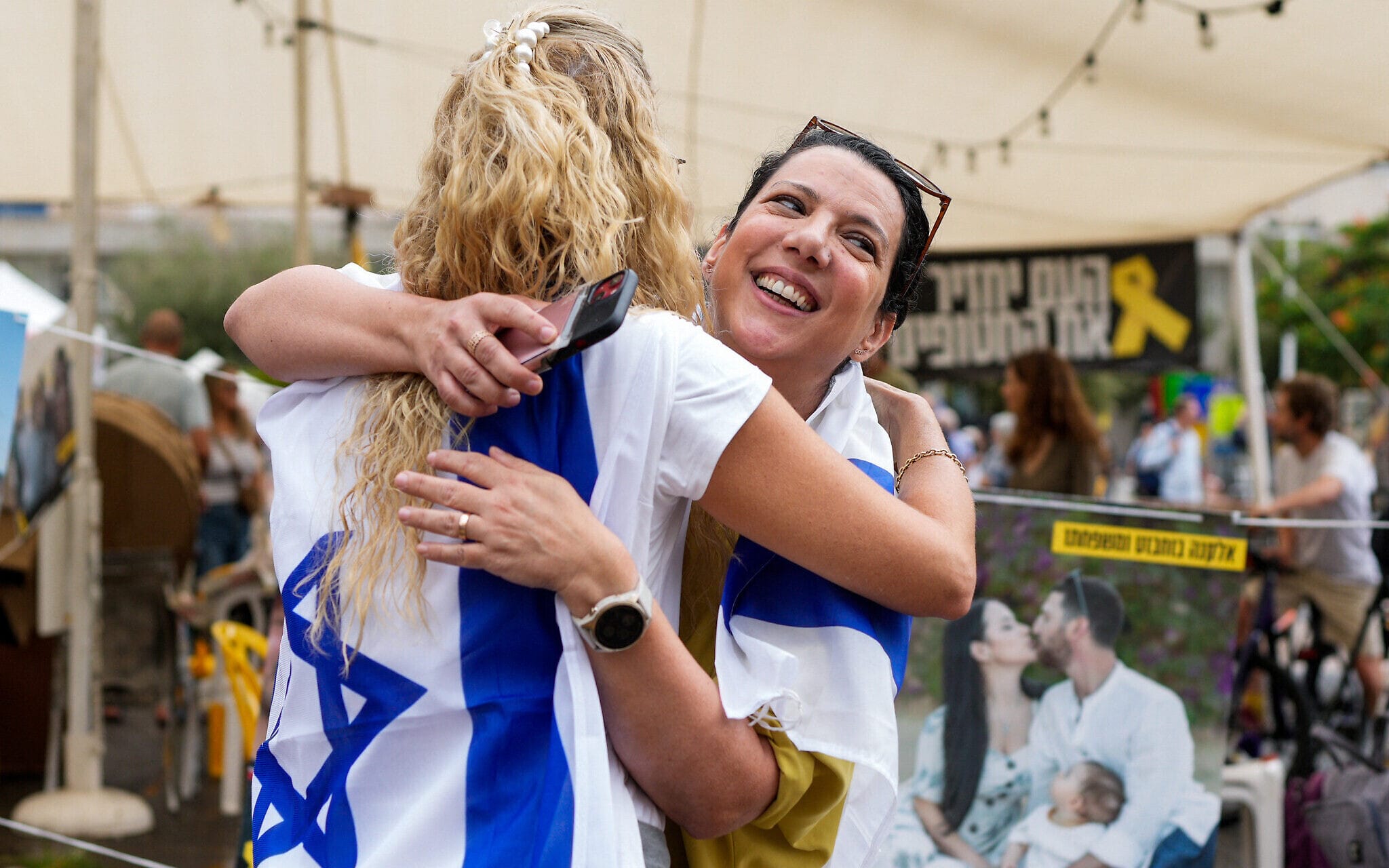
Globally, the vibes are electric. Turkey’s Erdogan pledges monitoring and rebuild muscle, while bipartisan U.S. praise rolls in – Sen. Roger Wicker thanks Trump and Rubio for igniting “hope for lasting peace.” On X, euphoria erupts: “Trump made the impossible happen,” exclaims Eylon Levy amid Tel Aviv’s Hostage Square cheers, as Al Arabiya captures the cautious Palestinian optimism. Even as the Nobel snub stings – decided pre-deal, per The Times of Israel – this is vintage Trump: Bold strokes where faint hearts failed, turning a quagmire into a launchpad for Abraham Accords 2.0.
Skeptics whisper of fragility – Hamas’s history of double-dealing, implementation landmines – but Trump’s playbook has rewritten the rules before. As the cabinet convenes and Trump eyes Air Force One, one verity holds: Peace through strength isn’t a slogan; it’s the deal of the century, unfolding in real time. If phase one sticks, the Middle East – and history – won’t look the same.