Category: Entertainment

  • Gérard Depardieu found guilty in sexual assault trial

    Gérard Depardieu found guilty in sexual assault trial

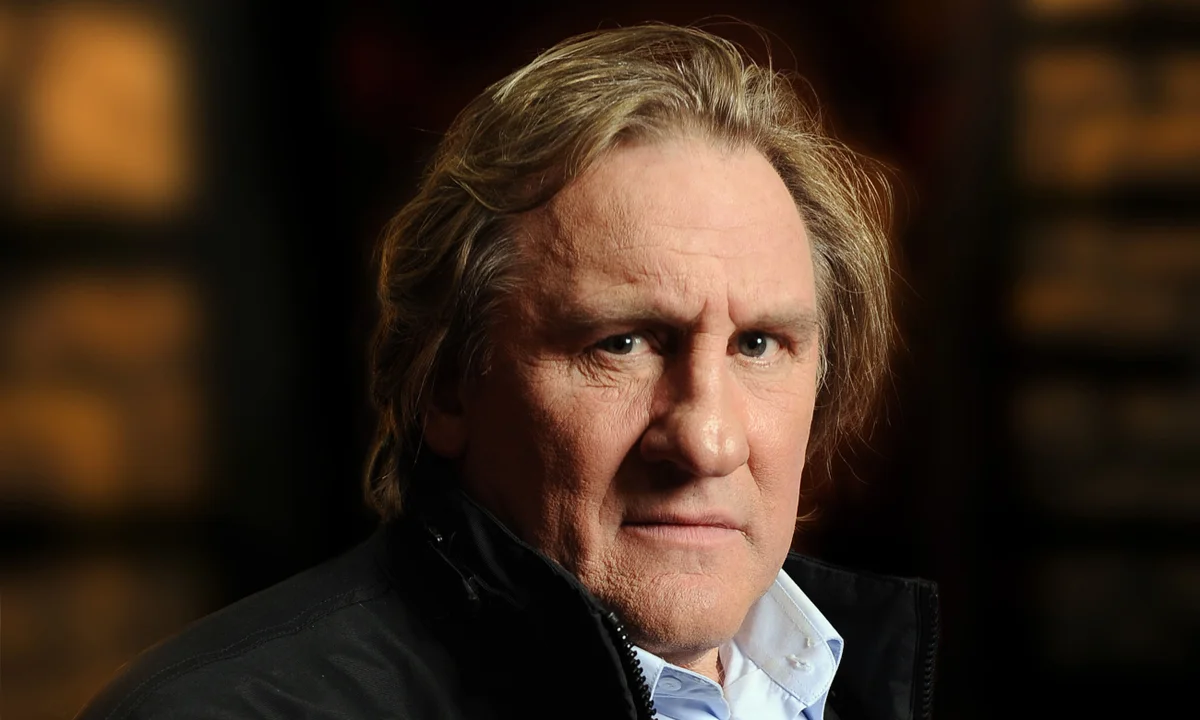
    French film star Gérard Depardieu has been found guilty of sexually assaulting two women on a film set at a trial in Paris and given a suspended jail term of 18 months.

    The 76-year-old actor was accused by the two women of groping them during work on a film in 2021. Depardieu had denied the allegations against him and his lawyer said he would appeal.

    The court in Paris found that one of the women, a set dresser named Amélie, had given consistent evidence while the actor’s accounts had changed over time.

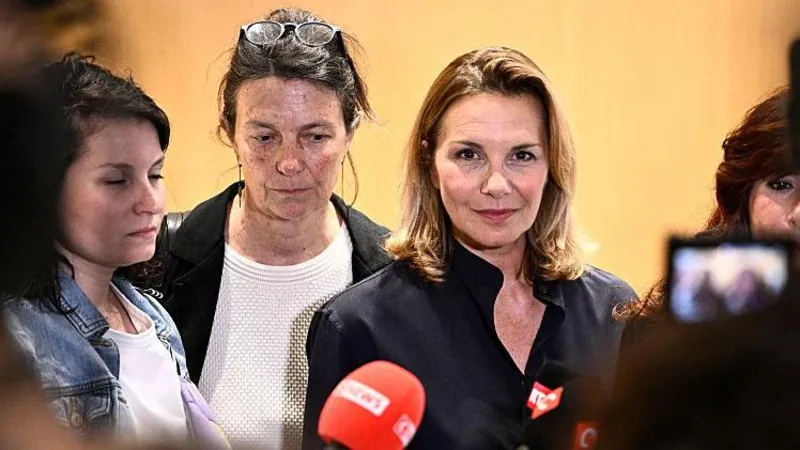
    She told reporters afterwards she was “very moved” and satisfied with the verdict, which for her was “a victory, a major step forward”.

    Depardieu was also convicted of assaulting an assistant director called Sarah, which was not her real name.

    The actor was not in court to hear the verdict but was instead working on a film set in the Azores.

    Carine Durrieu-Diebolt, the lawyer acting for the two women, said she hoped the verdict marked the end of impunity for an artist in the film industry.

    “It’s a victory for two women on a film set but it’s a victory for all the women behind this case and I’m thinking of all of Depardieu’s other victims,” she told reporters.

    The lawyer also noted the case had come to an end hours before the Cannes film festival was due to start.

    The judge said there was no reason to doubt the word of the two women victims, who had told the court how Depardieu had touched them on intimate parts of the body, using lewd language.

    He placed Depardieu on a list of sex offenders and ordered him to pay compensation of €1,000 ($1,114.89) each to Amélie and Sarah for “secondary victimisation”, a recent innovation covering the additional suffering for the women from the trial itself.

    Depardieu’s lawyer Jérémie Assous had accused the women of lying during their evidence.
    6292d200 2fe9 11f0 be75 65989fe7d93f.jpg
    Amélie (R) told reporters after the verdict she felt justice had been done. (AFP)

    The assaults took place in September 2021 when Depardieu was making a film called Les Volets Verts (The Green Shutters) about an ageing actor coming to terms with his declining powers.

    This was Depardieu’s first trial on sexual assault charges. Several other women have made similar allegations in the media, and an alleged rape case could come to trial in the future.

    After the trial, the actor was invited to join his close friend and fellow actor Fanny Ardant for a film-shoot in the Azores.

    At the end of the trial in Paris in late March, prosecutor Laurent Guy said: “It’s perfectly possible to be an excellent actor and a great father – and still commit a crime.

    “You are not here to pass judgment on French cinema. You are here to judge Gérard Depardieu, just as you would any other citizen.”

    Claude Vincent, representing one of the two women plaintiffs, described Depardieu as a “misogynist” and a “case-study in sexism”.

    Depardieu’s lawyer had demanded an acquittal and called the plaintiffs’ team “more militants than lawyers”.

    “They cannot bear that there should even be a defence. They think any defence is a supplementary assault,” he told the court.

    The first plaintiff – 54-year-old set decorator Amélie – told the court that after a minor argument with Depardieu, he caught her between his legs and held her by the hips.

    The second woman – a 34-year-old assistant film director – said the actor had touched her buttocks and breasts through her clothes on three separate occasions. She chose to maintain her anonymity and was not in court to hear the verdict.

    Depardieu denied the allegations, saying only that he might have touched the women accidentally or to keep his balance.

    At the end of the hearings, Depardieu said: “My name has been dragged through the mud by lies and insults.

    “A trial can be a very special experience for an actor. Seeing all this anger, the police, the press. It’s like being in a science fiction film, except it’s not science fiction. It’s life.”
    bc9b0ea0 2f46 11f0 8f57 b7237f6a66e6.jpg
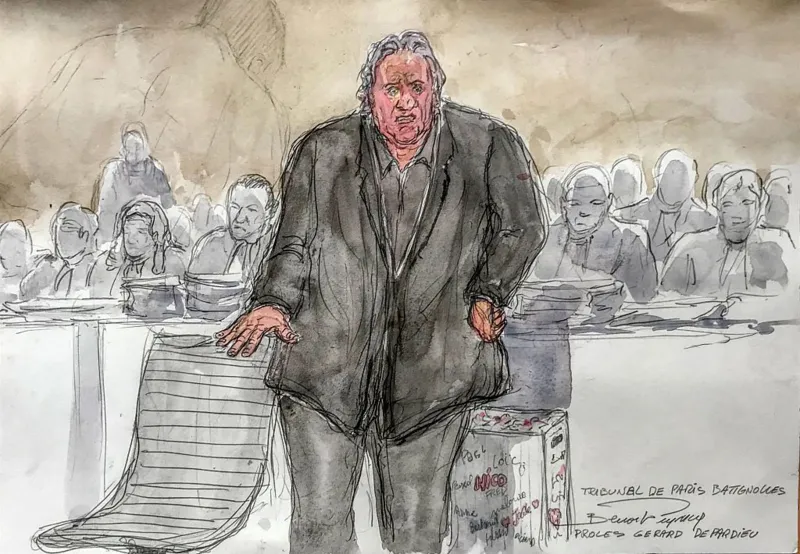
    A court sketch of Depardieu during a hearing in his trial in March. (AFP/Getty Images)

    He thanked the prosecution and defence teams for giving him insights into how courts operate. “These lessons may be an inspiration for me one day if I get to play a lawyer,” he said.

    Depardieu said he had not worked as an actor for three years since the sexual allegations against him began to circulate.

    However earlier this month it was reported that he had begun working on a film directed by Fanny Ardant. Depardieu is playing a magician on a mysterious island, according to media reports.

    Ardant appeared with Depardieu in Les Volets Verts and spoke in his defence at the trial.

    “Genius – in whatever form it takes – carries within it an element of the extravagant, the untamed, the dangerous. (Depardieu) is the monster and the saint,” she said.

    Another veteran French actress took Depardieu’s side on Monday. In a rare interview with French television, Brigitte Bardot, 90, deplored how “talented people who touch the buttocks of a girl are consigned to the deepest dungeon.”

    “Feminism isn’t my thing,” Bardot said. “Personally, I like men.”
  • Who’s Winning the Podcast Game on YouTube? A New List Offers Some Surprises

    Who’s Winning the Podcast Game on YouTube? A New List Offers Some Surprises

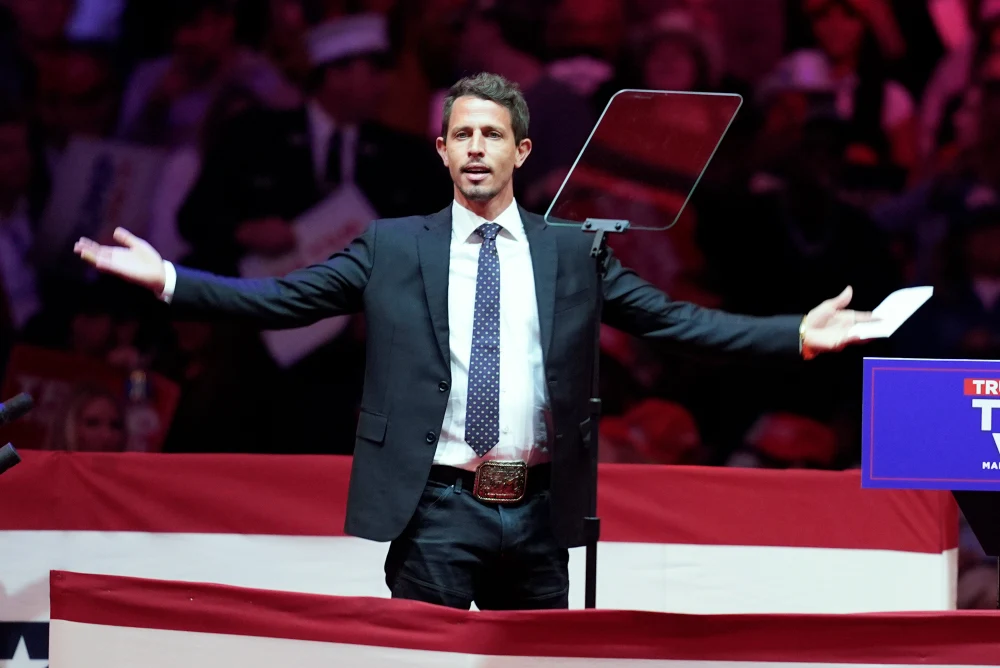
    You may remember Tony Hinchcliffe as the stand-up comedian who, last fall, maligned the island of Puerto Rico in an inflammatory set during a rally in New York for the Trump presidential campaign.

    Despite the criticism for those comments, Mr. Hinchcliffe landed a Netflix deal in March for three specials based on his long-running live comedy podcast, “Kill Tony.” That show is ranked modestly at No. 51 on Spotify and No. 178 on Apple Podcasts’ top charts, which track the most popular podcasts in the United States based on a combination of various factors: streams, downloads, subscribers and other mystery metrics.

    Yet a new chart, released Thursday, offers new hints about Mr. Hinchcliffe’s mass appeal. For the first time, YouTube has published its ranking of top podcasts in the United States, offering a fresh perspective on a sprawling landscape.

    There, “Kill Tony” is ranked No. 2, just below the reigning king of podcasts, Joe Rogan.

    Top Podcasts by Platform

    Top Podcasts by Platform

    Data as of May 15 · Source: Platform listings · By The New York Times

    Another major difference from the Spotify and Apple charts: Many popular and well-established podcasts did not make YouTube’s top 100 ranking, which is based on overall watch time. Among the missing: “Call Her Daddy,” “Crime Junkie,” “SmartLess,” “The Daily” and “New Heights,” all frequently in the top 10 of various quarterly or annual lists.

    There were familiar names on YouTube’s list, including MeidasTouch, Shannon Sharpe and Theo Von in the top 10. But when compared with the existing charts, YouTube’s version sometimes seems like a fun house mirror. While the hit podcast “Dateline NBC,” for example, was absent — it does not regularly upload episodes to YouTube — the CBS true-crime newsmagazine “48 Hours” appeared at No. 4.

    15biz youtube chart 02 mthf superJumbo
    Theo Von and Donald J. Trump last year on an episode of Mr. Von’s “This Past Weekend” podcast show. (Theo Von/YouTube)
    ben meiselas variety power of law 2
    Ben Meiselas, co-founder of MeidasTouch. (Michael Lewis/Variety)
    15biz youtube chart 04 mthf superJumbo
    Shannon Sharpe, a former N.F.L. player, is among podcast hosts with spots in the top 10 on YouTube. (Sean Gardner/Getty Images)

    Despite its roots in video, YouTube has come to dominate podcasting. It is the preferred service for one-third of weekly podcast listeners in the United States, capturing more users than Spotify or Apple Podcasts, according to Edison Research. But that happened only in recent years, in conjunction with the growing popularity of video podcasts.

    “They saw something other people didn’t in video,” said Brett Meiselas, a founder of MeidasTouch, comparing YouTube against the other platforms, which are now trying to attract more video creators and viewers. Mr. Meiselas, who said the chart was “a long time coming,” was pleased but not entirely surprised by his show’s No. 5 spot: “It means our work is getting out there.”

    As podcasts broadly continue to rise in influence — helping to sell products, find voters and spread hot-button ideas — YouTube’s chart represents another tool for understanding who holds sway with American consumers.

    It is a way to “help audiences and podcasters alike understand who is shaping that conversation,” said Brandon Feldman, the director of news, civics and podcast partnerships at YouTube. The chart can also serve as “inspiration,” or “a guide” to success for other podcasters looking to increase their audience size, he added. The ranking will be updated every Wednesday.

    Mr. Hinchcliffe’s success, for example, embodies the “cultural zeitgeist,” Mr. Feldman said: “The audience is showing us what they’re looking for.” (Anti-woke comedy is Mr. Hinchcliffe’s specialty.)

    The chart also comes as podcast platforms inch toward some more transparency in their metrics.

    Spotify recently announced a feature that reveals how many times a podcast episode has been played. But historically, podcast platforms and producers have closely guarded their streaming and download numbers. YouTube is an exception, having published view counts long before it became a podcast destination. (It now claims to reach one billion podcast users per month.)

    The big shows missing from YouTube’s chart could still join in the coming weeks. But for some podcasts, this may require a deeper investment in video — or, at the very least, ensuring their videos are correctly organized into YouTube playlists, which is critical to the ranking, Mr. Feldman said.

    15biz youtube chart sub wtfc superJumbo
    Joe Rogan at President Trump’s inauguration in January. (Pool photo/Saul Loeb)

    Charts are imperfect measuring sticks, susceptible to manipulation, lacking in transparency and calibrated more as snapshots of current popularity rather than overall popularity.

    Mr. Rogan, for example, moves up and down the rankings, but no show has ever come close to drawing his total audience. (Hosts who have managed to unseat his position on the charts include Kylie Kelce, who does not appear on YouTube’s top 100 list, and Mel Robbins, who is ranked at No. 76.)

    250327 kylie kelce 2024 ac 534p 415f47
    Kylie Kelce attends an Eagles Autism Foundation event in Philadelphia, on June 13, 2024. (Michael Simon / Getty Images for HP Inc. file)
    GettyImages 1273650887 e1744647478995
    The millionaire TV personality pointed out that 20-year-olds are living through a recession, workforce changes, and unfair scrutiny from leaders. (Heidi Gutman / Getty Images)

    But platforms benefit when new names rise to the top, said Melissa Kiesche, senior vice president of Edison Research, which has built its own list of podcast rankings based on surveys. “They don’t want to see Joe Rogan at No. 1 every single week forever,” she said. Discovery drives more listening hours.

    Sometimes that discovery applies to household names, too. YouTube’s top 50 included podcasts from legacy television brands such as “NBC Nightly News,” “60 Minutes” and “Late Night With Seth Meyers.”

    Mr. Feldman characterized the chart, where Gen Z social media stars sit alongside cable figures who rose to prominence in the 1990s, like Nancy Grace or Tucker Carlson, as a “good testament to how those worlds can coexist and hopefully thrive together.”

  • Fox will launch its new streaming service, Fox One, this fall, before the start of the NFL season

    Fox will launch its new streaming service, Fox One, this fall, before the start of the NFL season

    Fox Corp. revealed new details about its streaming service on Monday, including that it would debut this fall and would be called Fox One.

    The announcement came ahead of the company’s upfront, an annual pitch to entice advertisers with a slate of upcoming shows. Lachlan Murdoch, the company’s chief executive and son of the Fox Corp. founder, Rupert Murdoch, previewed the service on a quarterly earnings call. The name Fox One, he said, was a reference to the combined heft of the company’s TV shows, cable channels and broadcast network, including National Football League games.

    “Whether it’s the Super Bowl, the election cycle or the upfront, our company is at its best when we work together as one,” Mr. Murdoch said.

    Mr. Murdoch did not say how much Fox would charge viewers, only that it would not be less than what its cable subscribers pay.

    Unlike Disney or Warner Bros. Discovery, which have put paid streaming services at the center of their businesses, Fox Corp. has until now adopted a more piecemeal approach. The company, which owns the Fox News cable channel and the Fox broadcasting network, operates the Fox Nation streaming service and Tubi, a free ad-supported service with TV shows and movies.

    The Fox Nation streaming service will continue to exist as a stand-alone product within Fox Corporation, but Fox One subscribers will be able to bundle their subscriptions with Fox Nation. Mr. Murdoch also said that Fox had been approached by operators of other streaming services about offering a bundled subscription, though he did not identify them.

    Fox recently announced plans to team up with Disney and Warner Bros. Discovery on a sports-focused streaming service called Venu. That service was canceled before it got off the ground amid legal challenges.

    Like Venu, Fox One is meant to coexist with the company’s lucrative traditional TV business. In his remarks, Mr. Murdoch said that the service was aimed at the “cordless” market, referring to viewers who do not have a pay-TV subscription. Traditional cable customers who already have access to Fox channels will be able to get Fox One free of charge.

    “It would be a failure if we attract more connected subscribers,” Mr. Murdoch said, adding, “We do not want to lose a traditional cable subscriber to Fox One.”

  • Changes to the dress code at the Cannes Film Festival are creating controversy

    Changes to the dress code at the Cannes Film Festival are creating controversy

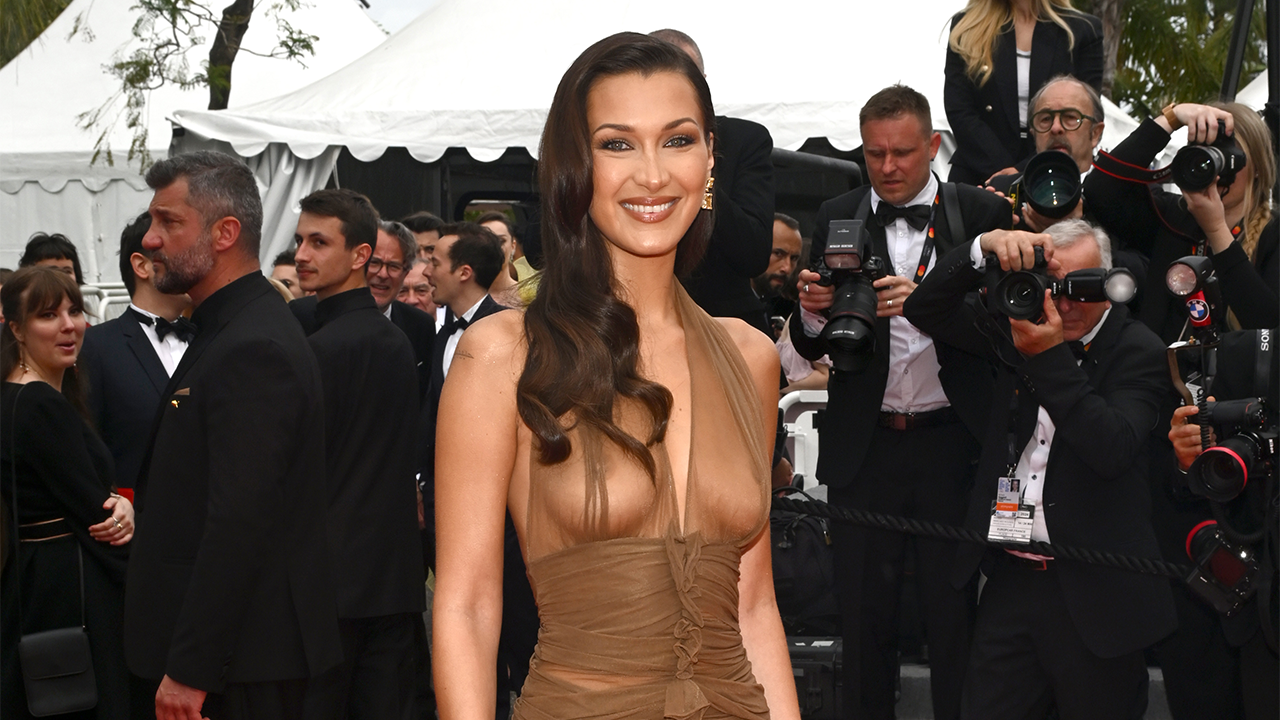
    The Cannes Film Festival is getting more covered-up — and just in time for the opening ceremony honoring the octogenarian Robert De Niro. Bella Hadid, newly blonde, is already in town, and stars expected include Halle Berry, Scarlett Johansson and Emma Stone. But anyone expecting one of the most reliable moves on the red carpet might be disappointed. The new dress code for gala screenings includes the admonition, “for decency reasons, nudity is prohibited on the red carpet, as well as in any other area of the festival.”

    Cue a crisis in the fashion-film industrial complex.

    After all, nowhere has the naked dress been more of a presence than at Cannes, where the combination of Mediterranean, sun and a certain Gallic disdain for prudishness (or at least perceived disdain for prudishness) have conspired to create its own tradition of sartorial liberation.

    And “nudity,” when it comes to celebrity dressing, is a relative term. The idea that it may no longer be a shortcut to the spotlight is even more shocking than the clothing it may be proscribing.

    “Naked dressing,” or that mode of dress in which large swaths of the normally private body are aired for public viewing, has been a tent pole of the publicity machine since long before Marilyn Monroe cooed “Happy birthday, Mr. President” into a microphone in a flesh-colored sheath so tight it left little to the imagination.

    In recent years it has become practically a category unto itself, especially at events like the Met Gala. That’s where Beyoncé played Venus on the half shell in 2015 in sheer Givenchy with strategically placed floral embroidery. Where, in 2024, Rita Ora wore a nude Marni bodysuit covered in what looked like strings, and Kylie Minogue modeled a Diesel dress with a naked torso superimposed on her actual torso. It has been framed as a post-Covid libidinal celebration and a post-#MeToo reclamation of the body. Either way, it is pretty much always a talking point.

    13ST CANNES NAKED DRESSING 03 lftj superJumbo
    La Cicciolina at the Cannes Film Festival in 1988. (Garcia/Gamma-Rapho/Getty Images)
    13ST CANNES NAKED DRESSING 02 lftj superJumbo
    Cameron Diaz at a “Gangs of New York” party in Cannes in 2002. (J. Vespa/WireImage)

    All the way back in 1985, Ilona Staller, or La Cicciolina, the porn star, politician and former wife of Jeff Koons, walked the Cannes red carpet in a white satin … well, what would you call it? An evening version of Rudi Gernreich’s monokini, with breast-baring straps and a long white satin skirt. Madonna dropped her opera cape to reveal her Jean Paul Gaultier bullet bra and undies on the carpet in 1991, and in 2002 Cameron Diaz wore a sheer beaded gown and panties, starting a peekaboo trend that is still going strong.

    Indeed, the dress as scrim, a transparent piece of nothing draped over bare skin or lingerie to suggest clothing without actually covering much of anything, is perhaps the most popular current form of naked dressing. It is more omnipresent than, say, the skirt slit up to here and the top cut down to there that has also been modeled by many on the red carpet. It provides the illusion of clothes while also teasing what is underneath.

    It’s unclear from the wording of the Cannes dress code if the new policy applies only to literal nudity or to clothing that exposes body parts that might reasonably be termed “indecent.” According to Agnès Leroy, the head of press for the festival, the new rules were established to codify certain practices that have been long in effect. The aim, she said, “is not to regulate attire per se, but to prohibit full nudity — meaning the absence of clothing — on the red carpet, in accordance with the institutional framework of the event and French law.” (Even if French law allows toplessness on some beaches, a reality that may add to the confusion around the Cannes rules.)

    Still, that leaves the dictum somewhat open to interpretation, given the general absence of fabric in many evening looks. One person’s vulgarity can be another person’s celebration, and who is to say who gets to police whose body?

    13ST CANNES NAKED DRESSING4 pwcj superJumbo
    Leila Depina at the Cannes Film Festival in 2023. (Yara Nardi/Reuters)
    13ST CANNES NAKED DRESSING 01 lftj superJumbo
    Natasha Poly at the premiere of “Emilia Perez” at Cannes last year. (Vianney Le Caer/Invision/Associated Press)

    (This is reminiscent of the time Melania Trump addressed critics of her naked photo shoots in her memoir, situating them in an artistic tradition that includes John Collier’s “Lady Godiva” and Michelangelo’s “David,” and noting that “we should honor our bodies and embrace the timeless tradition of using art as a powerful means of self-expression.”)

    Perhaps the new code is simply calculated to prevent the sort of attention-grabbing stunt that occurred at the Grammys in February, when Ye, the rapper formerly known as Kanye West, crashed the red carpet with his wife, Bianca Censori, only to have her take off her fur coat to reveal her fully naked body “covered” by an entirely transparent nylon slip that provided no coverage at all. That seemed to have taken the trend to its ultimate, disturbing extreme by breaking the last barrier in naked dressing: genitalia.

    Even though Ye had not actually been invited to the event, he and his wife dominated the headlines the next day more than the actual award ceremony.

    The fact that the Cannes dress code also prohibits “voluminous outfits, in particular those with a large train, that hinder the proper flow of traffic of guests and complicate seating in the theater” suggests that what the organizers were really forestalling was the appearance of dresses that act as their own sort of performance art, grabbing eyeballs and dominating conversations that might otherwise be focused on the films that are the nominal point of the festival.

    13ST CANNES NAKED DRESSING7 mthl superJumbo
    Bella Hadid at the Cannes Film Festival in 2021. (Valery Hache/Agence France-Presse/Getty Images)

    If that was the aim, however, it has somewhat backfired. By officially banning nudity on the carpet, the Cannes organizers simply sparked a raft of pieces (like this one) discussing nudity on the carpet. Most of them focus less on the actual meaning of the term in all its thorny nuance than the opportunity to revisit notorious nude-adjacent moments past.

    You could have seen that one coming.

  • Come what may in his federal trial, Sean ‘Diddy’ Combs deserves to remain the outcast he has become

    Come what may in his federal trial, Sean ‘Diddy’ Combs deserves to remain the outcast he has become

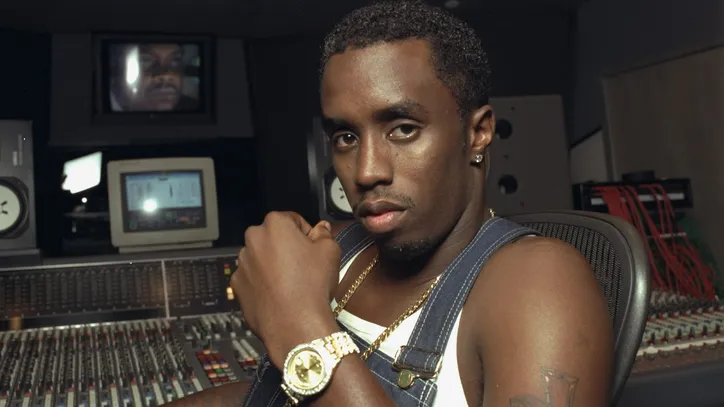
    The federal trial against Sean Combs that begins Monday in the Southern District of New York follows an indictment that accuses the entertainment mogul of human trafficking and drug trafficking, and of using his considerable wealth and power and brute force to keep his alleged victims silent. Combs has denied all the charges the government has brought against him and rejected a plea deal. The founder of Bad Boy Records is no stranger to the courts or to having trouble swirling around him. But this is the first time he stands accused by the U.S. Department of Justice; he’s never faced charges as serious as those he faces now.

    The founder of Bad Boy Records is no stranger to the courts or to having trouble swirling around him.

    In November 2023, R&B singer Cassie, whose legal name is Casandra Ventura and who had an on-again, off-again relationship with Combs, filed a lawsuit accusing Combs of beating, kicking, stomping and raping her and forcing her into sex with male prostitutes. Combs, who denied the claims the artist made against him, settled with her the next day. A statement from Combs’ attorney Ben Brafman said, “Mr. Combs’ decision to settle the lawsuit does not in any way undermine his flat-out denial of the claims.”

    Then, in May 2024, CNN released a 2016 security video from a hotel hallway showing Combs physically assaulting Cassie, including kicking and dragging her. Combs responded in an Instagram post that what he did happened during a dark time in his life. “I was f—-d up. I hit rock bottom. But I make no excuses. My behavior on that video is inexcusable. I take full responsibility for my actions in that video.”

    Combs was arrested in September and accused of hosting what he reportedly called “freak offs,” which the government describes as coerced sexual acts that Combs organized and recorded.

    Since November 2023, according to The Washington Post, there have been well over 70 lawsuits accusing Combs of sexual assault. He has denied all such allegations. And those cases against him haven’t been proved. But it’s hard not to put him in the same category as celebrities such as R. Kelly and Harvey Weinstein, powerful men accused of sexual abuse going back decades. We should ask ourselves why our society seems so willing to ignore the whispers and rumors and bits of evidence that link powerful men to violence against women.

    The violence Combs inflicts on Ventura in that unearthed hotel surveillance video is so awful it’s nearly unwatchable. It’s bad news for Combs, then, that U.S. District Judge Arun Subramanian has ruled that it’s admissible evidence the jury will get to see. Prosecutors say the hotel surveillance video shows Combs, wearing only a white towel around his waist, trying to drag Ventura back to a room where a “freak off” was happening.

    Since November 2023, according to The Washington Post, there have been well over 70 lawsuits accusing Combs of sexual assault.

    To be sure, that video does not automatically make Combs guilty of the charges the federal government has brought against him. But it’s clear why his team fought so hard to keep it out of evidence.

    Combs’ team has argued that CNN sped up the hotel surveillance video and ran it out of sequence. CNN has said it did not alter the video its source presented to the network.

    Combs has spent a career being a “shiny suit man” who nonetheless has been accused of disturbing flashes of violence. He was found guilty of criminal mischief in 1996 for threatening a New York Post photographer with a gun, and he paid a $1,000 fine. In April 1999, he was booked and charged with two felonies against rival record executive Steve Stoute, who says Combs and his bodyguards beat him with their fists and with a Champagne bottle and a chair. Combs publicly apologized and Stoute asked for a dismissal of the charges. Combs, whose childhood nickname “Puffy” was a description of the way he’d huff and puff when he lost his temper, pleaded guilty to harassment and was sentenced to a day of anger management classes.

    Combs was acquitted, though, after being criminally charged after a December 1999 shootout in a club in New York that left three people injured. A jury decided that the state didn’t prove Combs to be in possession of a gun or that he’d bribed witnesses in that case, but jurors convicted Bad Boy artist Shyne (real name Moses Barrow) and he was sent to prison.

    Combs’ history of brushes with the law may have added to his allure. But the fact that he’d never been convicted of a felony seemed to make him edgy and cool enough for Hollywood A-listers and the country’s movers and shakers to keep him as an associate. At the height of his popularity, there didn’t appear to be any celebrity who was too big (or considered him too toxic) to appear at a Combs party.

    There didn’t appear to be any celebrity who was too big (or considered him too toxic) to appear at a Combs party.

    Too many people reflexively assume that when word gets out that a celebrity is abusive to women that it’s nothing but a smear campaign meant to tarnish that person’s legacy. The race factor also has a peculiar impact. Some people might not always love the person who’s being accused but don’t trust that they’re being treated fairly. And the accused should be treated fairly. No matter how awful the charges against Combs, he has the right to a fair trial.

    That said, many might still be denying that Combs has been violent and characterizing him as some kind of victim, but for the hotel surveillance video that captures him attacking Ventura in the exact manner she had described in her November 2023 lawsuit. Ventura is likely to be a prominent witness as the Department of Justice attempts to prove to jurors that Combs has a penchant for abusive behavior and violent tactics.

    One of the messages of the #MeToo movement was that for too long, we, the public, have helped enable men, especially powerful men, to routinely hurt women. And as Combs goes on trial, we should be asking ourselves how much has changed since the start of #MeToo.

    In trying to keep the hotel surveillance footage out of the trial, Combs’ lawyers said the video “immediately and dramatically turned the tide of public opinion” against their client. They’re right. No matter what happens at the trial, for what he did to Cassie, the bad boy can expect to be a permanent pariah — as he should be.

  • DoorDash’s Mother’s Day campaign, featuring Brenda Song, aims to help mothers get a break

    DoorDash’s Mother’s Day campaign, featuring Brenda Song, aims to help mothers get a break

    Actress Brenda Song is front and center in DoorDash’s playful and heartfelt new Mother’s Day campaign, which transforms the delivery platform into “DoorDad” for the holiday weekend. The campaign aims to give hardworking moms a genuine break, offering exclusive deals on flowers, gifts, and up to $75 in Mother’s Day treats through the app.

    With humor and heart, the campaign highlights the everyday realities of motherhood while positioning DoorDash as a partner in helping families celebrate the women who do it all. Song, known for her roles in The Suite Life of Zack & Cody, Dollface, and Netflix’s Secret Obsession, brings a relatable energy to the spot, portraying a multitasking mom juggling the chaos of kids, laundry, and cooking — until “DoorDad” shows up with reinforcements.

    “Let Mom Sit Down for Once”

    “Being a mom is the best job in the world, but it’s also the hardest,” Brenda Song said in a statement. “I love that this campaign acknowledges how much moms do every single day — and gives us permission to actually take a moment to relax.”

    The digital ad campaign, launching May 6, features a humorous twist: dads and kids tag in while DoorDash provides everything from last-minute flowers to gourmet brunch ingredients. Through the weekend, DoorDash users can access up to $75 in savings on curated Mother’s Day items from local and national retailers, including Walgreens, The Bouqs Co., and neighborhood florists.

    Highlights of the campaign include:

    • “DoorDad” Delivery Deals: Up to $20 off on flower orders and beauty items.
    • Curated Gift Baskets: Featuring chocolates, wine, skincare products, and candles.
    • Brunch-in-a-Box Specials: Available from select local restaurants with free delivery promos.
    • DoorDash Pass Member Perks: Exclusive early access to discounts and free delivery on holiday items.

    A Cultural and Commercial Moment

    The campaign, developed by DoorDash’s in-house creative team and the agency The Martin Agency, taps into a broader cultural conversation about the emotional and physical labor mothers carry — often unacknowledged. The “DoorDad” concept reframes the typical Mother’s Day narrative by spotlighting the importance of giving moms a genuine pause.

    “We wanted to move beyond clichés,” said Kate Huyett, Chief Marketing Officer at DoorDash. “Mother’s Day isn’t just about saying thank you — it’s about showing it in ways that matter. That’s why we’re showing families stepping up, with a little help from DoorDash.”

    Celebrity Star Power Meets Everyday Realness

    Brenda Song’s role as both a real-life mom and a recognizable face gives the campaign an authenticity that DoorDash hopes will resonate with millennial and Gen Z families. In a behind-the-scenes clip, Song is seen laughing on set with young actors and sharing her own Mother’s Day traditions — including breakfast in bed that usually ends up a little too messy.

    “It’s nice to be part of something that reflects what moms really want: time, care, and maybe a little quiet,” Song joked.

    DoorDash Continues Lifestyle Expansion

    This campaign is the latest in DoorDash’s ongoing push to evolve from a food delivery service into a full-scale lifestyle platform. Over the past year, the company has expanded into grocery, convenience, and retail categories, with gift delivery becoming a growing revenue stream around major holidays.

    According to internal data, Mother’s Day weekend 2024 saw a 41% spike in flower deliveries and a 57% jump in restaurant orders tagged for “Mom.” With the 2025 campaign, DoorDash aims to capture even more of that seasonal demand while reinforcing its emotional brand equity.

    “DoorDad” May Be Just the Beginning

    While “DoorDad” is pitched as a Mother’s Day one-off, the campaign could signal a broader move into family-focused lifestyle marketing. Early testing reportedly showed strong engagement among users aged 25–44, particularly those with young children.

    “DoorDash has become a utility for modern life,” said retail strategist Ana Reyes. “By tapping into caregiving moments — not just convenience — they’re building a deeper emotional bond with customers.”

    As for what Brenda Song wants for Mother’s Day?

    “Honestly? A nap. And someone else to do the dishes. DoorDad can handle that, right?”

  • Disney Is Set to Build a Magic Kingdom Theme Park in the Middle East

    Disney Is Set to Build a Magic Kingdom Theme Park in the Middle East

    Mickey Mouse is headed to the Middle East.

    In a new test for its singularly American brand, the Walt Disney Company said on Wednesday that it had reached an agreement with the Miral Group, an arm of the Abu Dhabi government, to build a theme park resort on the Persian Gulf. The property, the seventh in Disney’s global portfolio, will have a castle and modernized versions of some classic Disney rides, along with new attractions tailored to the climate and local culture.

    “It’s not just about ‘If you build it, they will come,’” Robert A. Iger, Disney’s chief executive, said in a brief phone interview from Abu Dhabi. “You have to build it right. And quality means not just scale, but quality and ambition. We are planning to be very ambitious with this.”

    Disney and Miral declined to give acreage, budget or construction timeline details for what they are calling Disneyland Abu Dhabi, except to say it will be a full-scale property on a par with Disney’s other “castle” parks. Miral is footing the entire bill for building the park. (New theme parks of this scale typically cost $5 billion or more.)

    Arab leaders have long courted Disney, which expanded its theme park business to Japan in 1983, France in 1992, Hong Kong in 2005 and the Chinese mainland in 2016. At a Council on Foreign Relations event in 2018, Mr. Iger said the Saudi crown prince, Mohammed bin Salman, had made an “impassioned plea” for Disney to build a theme park in his kingdom.

    “I explained when we make decisions like this we consider cultural issues, economic issues and political issues,” Mr. Iger said then, declining to give further details of their “very frank” discussion. The region, he added at the time, “has not been at the top of our list in terms of markets that we would open up in.”

    What changed?

    For a start, the United Arab Emirates has grown into a tourist destination. Abu Dhabi, the capital, attracted roughly 24 million visitors in 2023, according to government figures. Sheikh Mohamed bin Zayed Al Nahyan, the country’s president, has set a goal of attracting 39 million visitors annually to Abu Dhabi by 2030. The Louvre Abu Dhabi, which opened in 2017, has been a hit. Warner Bros. Discovery opened a modest indoor theme park in the city in 2018, and SeaWorld Abu Dhabi arrived in 2023.

    The Miral Group, which built Warner Bros. World Abu Dhabi and SeaWorld Abu Dhabi, made Disney a hard-to-refuse financial offer: In addition to paying for construction, Miral will pay Disney to design the rides, shops, restaurants and accompanying hotels. Once the park is open, Disney will receive royalties for the use of its characters as a percentage of revenue, according to a securities filing. Disney will also receive other fees.

    At the same time, Disney has come under pressure to find new areas for growth to offset declines in cable television and at the box office. By opening a theme park in Abu Dhabi, Disney hopes to create an engine that drives demand among the Middle East’s 500 million residents for other Disney products — princess dolls, Disney+ subscriptions, cruise ship vacations, Marvel movies, touring stage productions.

    “After studying the region carefully, engaging with potential partners and visiting three times in the past nine months,” Mr. Iger said, “it became more and more clear that not only was the region right and ready for us, but the place to build was Abu Dhabi.”

    Disneyland Abu Dhabi could allow Disney to tap into India’s expanding middle class. A direct flight from Mumbai to Abu Dhabi takes 3 hours 17 minutes. Currently, the closest Disney outpost to Mumbai is Hong Kong Disneyland, a six-hour flight away.

    “In looking at some research that we’ve done recently, we determined that, for every person visiting one of our parks, there are 10 people in the world that have a desire to visit,” Mr. Iger said. “One of the biggest reasons they don’t — everybody always thinks immediately it’s affordability. It’s not. It’s accessibility. It’s a long trip to get to where we are for a lot of people.”

    Aerial view of Abu Dhabi, United Arab Emirates, high-rise buildings and some of the emirate’s 200-plus islands. (Getty Images)

    There will be obstacles. The climate is one. Disney will need to design a park that allows for visitation in scalding desert heat.

    Disney could also face criticism for its partnership with the Emirates, which is ruled as an autocracy with limits to freedom of expression, speech and the press, and which provides arms to fighters accused of atrocities in a devastating civil war in Sudan. In November, Human Rights Watch slammed the National Basketball Association, which has made Abu Dhabi its Middle East hub, for helping the country to distract from its human rights record.

    To attract more tourists and foreign investors, the Emirates in 2020 improved protections for women, loosened regulations on alcohol consumption and diminished the role of Islamic legal codes in its justice system. Criticizing the government or its leaders remains illegal, however, and can lead to long prison sentences. Migrant workers are often subject to inhumane conditions, according to human rights groups and the State Department. Homosexuality is illegal.

    In 2022, the Emirates joined other Persian Gulf nations in banning “Lightyear,” a major film from Disney’s Pixar, because of a blink-and-you-missed-it kiss between a lesbian couple. “Lightyear,” along with some other content that features L.G.B.T.Q. characters, does not appear on Disney+ in the region.

    In a statement, a Disney spokeswoman said, “We are respectful of the countries and cultures where we do business, while always adhering to our own standards and values.”

    Disney faced a similar situation when it teamed with the Chinese government to build Shanghai Disneyland. In addition to awkward optics, the construction of that park required the contentious relocation of thousands of suburban Shanghai residents. (Disneyland Abu Dhabi won’t have that headache; it will rise on man-made Yas Island.)

    Wall Street, however, is likely to applaud — especially given the troubled state of other Disney businesses, including cable television.

    “Are theme parks now the best business in media?” Craig Moffett, a founder of the MoffettNathanson research firm, wrote in a report last year. “The answer is almost certainly ‘yes.’”

  • Wall Street predict that tariffs could inflict more damage on a Hollywood already weakened by streaming and social media

    Wall Street predict that tariffs could inflict more damage on a Hollywood already weakened by streaming and social media

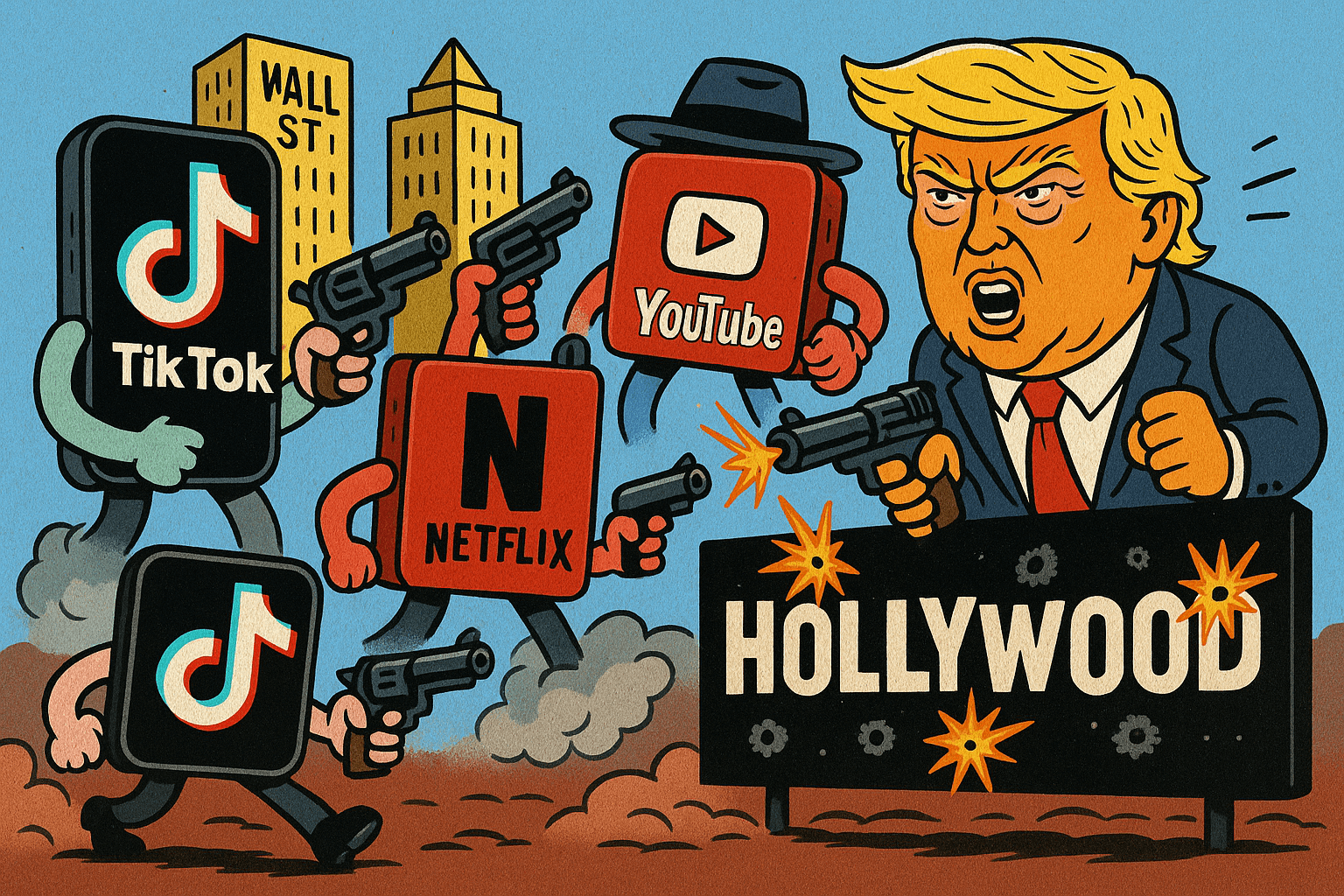
    Wall Street analysts are sounding alarms that escalating tariffs—particularly on goods imported from China and other key trading partners—could deal a further blow to Hollywood, an industry already destabilized by the dual disruption of streaming economics and social media fragmentation.

    In a series of investor notes and earnings calls over the past two weeks, analysts from Morgan Stanley, JPMorgan Chase, and Bank of America warned that tariffs on audiovisual equipment, post-production software, and even branded merchandise could raise costs and compress margins for major studios and streaming platforms. This comes as the entertainment industry grapples with a structural reset following the end of the streaming boom and the dominance of TikTok-style user-generated content.

    “Tariffs could be the straw that breaks the back of an industry already under financial duress,” said Jessica Reilly, senior media analyst at JPMorgan. “Hollywood is in the middle of an identity crisis—tariffs only exacerbate its existential threats.”

    Tariffs Hit Production Costs and Global Strategy

    The Biden administration’s May 2024 trade package included sweeping tariffs on over $380 billion in Chinese imports, including a 25% levy on audiovisual equipment, cameras, and lighting rigs—gear used widely in Hollywood productions and increasingly sourced from Chinese and South Korean manufacturers. Editing software packages and animation tools that rely on offshore support are also affected, with a 15% duty slapped on cloud-based services provided by firms with overseas infrastructure.

    Studios, already slimming down production budgets in response to streaming losses, now face higher input costs at a time when the return on content investment is under intense scrutiny.

    “When you’re cutting back on original programming and trying to squeeze value from IP libraries, the last thing you need is a 25% jump in equipment and software expenses,” said David Knox, managing partner at media consultancy Horizon Works.

    Netflix and Warner Bros. Discovery have both signaled cost pressures in their Q1 2025 earnings calls. Warner Bros. cited “increased friction from global sourcing and regulatory complexity,” while Netflix executives mentioned “material cost inflation tied to international production logistics.”

    Streaming Disruption and Social Media Fragmentation

    The tariff wave lands as Hollywood’s traditional power centers are being hollowed out. Legacy studios, once flush with cable bundle revenues and global theatrical runs, are now adapting to an environment where streaming returns are slowing and subscriber growth is plateauing.

    Meanwhile, platforms like TikTok, YouTube, and Instagram have diverted both audiences and advertisers. Short-form content is rapidly becoming the dominant global viewing format, especially among the under-30 demographic. According to a March 2025 Nielsen report, viewers aged 18–34 now spend 62% of their video time on social or user-generated platforms—up from just 37% in 2020.

    “Hollywood used to compete with other studios. Now it’s competing with teenagers with ring lights,” quipped Goldman Sachs entertainment analyst Ray Wu. “And that competition is real—and brutal.”

    The rise of AI-generated content, often built on low-cost foreign cloud infrastructure, further complicates Hollywood’s cost model. Tariffs on AI compute and licensing services—many of which are hosted abroad—could raise barriers for studios attempting to modernize workflows or outsource post-production.

    Licensing and Merchandise in the Crosshairs

    Studios also face headwinds in the lucrative merchandising and licensing sector. The new tariffs include 20% duties on imported toys, apparel, and collectibles—products that make up a key portion of franchise monetization. Disney, Universal, and Paramount rely heavily on Chinese and Southeast Asian manufacturers to produce branded merchandise tied to film and TV franchises.

    “If you can’t move product profitably, you’re not just losing margin—you’re undermining the long-tail value of your IP,” noted Stephanie Chan, senior entertainment strategist at BofA Securities.

    Retailers are already warning of delayed shipments and price hikes on character merchandise. According to internal Walmart sourcing data leaked last week, tariffs on children’s toys and branded apparel could increase average consumer prices by 12–18% this holiday season.

    Wall Street is increasingly skeptical that major studios can absorb these shocks without further restructuring. Disney recently cut 7,000 jobs and announced a $5 billion cost-saving plan. Paramount Global has been exploring asset sales, and Warner Bros. Discovery is reportedly considering a partial spin-off of its streaming unit to shore up its balance sheet.

    “Studios once thought they could outspend disruption. But that era is over,” said Ken Rooke, head of media equity research at Wells Fargo. “They’re now being asked to do more with less—and tariffs add another layer of less.”

    Some see opportunity in adversity. A few independent producers are pivoting to domestic suppliers or doubling down on animation, which can be done entirely in-house. Others are lobbying for carve-outs or production credits to offset new tariff costs.

    Yet the broader message is clear: the industry’s margin for error is shrinking fast. Tariffs—once viewed as marginal trade policy—are now a major financial variable in a global entertainment business struggling to redefine itself.

    Hollywood is no stranger to reinvention. But this time, it must reinvent amid a trifecta of threats: a broken streaming model, an algorithm-driven attention economy, and now, rising trade barriers. For Wall Street, the question isn’t whether Hollywood can adapt—it’s whether it can do so fast enough, and profitably.

  • Trump’s proposed tariffs against Hollywood are showing signs of failure

    Trump’s proposed tariffs against Hollywood are showing signs of failure

    President Trump’s trade war had, until Sunday night, centered on goods — cars, toys, food, clothes, the tangible stuff we put in and out of virtual and physical shopping carts.

    But those goods make up less than a quarter of the American economy. The bigger chunk of our economic pie is known as services — think Google, Netflix, Facebook, the plumbing of the internet, banking, insurance. And, yes, Hollywood films, the industry Trump now thinks needs saving with — you guessed it — tariffs!

    ICYMI: Trump wrote on Truth Social late Sunday that he was directing the government to “immediately begin the process of instituting a 100% Tariff on any and all Movies coming into our Country that are produced in Foreign Lands.” (Watch out, Hayao Miyazaki — your days of flooding the American market with mystical whimsy and childlike wonderment are over.)

    Of course, Hollywood studios (and anyone thinking about it for more than a few seconds) were left scratching their heads over how such a tax would work.

    As we’ve come to expect with Trump 2.0, it’s not clear whether the president is serious. Jon Voight, who serves as one of Trump’s Hollywood Ambassadors, said Monday that he met with Trump recently to discuss “certain tax provisions that can help the industry – some provisions that can be extended and others than could be revived or instituted.” But that sounds like mostly incentives, not tariffs. In other words, Voight recommended a carrot and Trump announced a stick.

    California Governor Gavin Newsom on Monday appeared to prefer a gentler approach, calling on Trump to work with California to create a $7.5 billion federal tax credit for the movie and television industry. Currently, tax incentives are exclusively the realm of states and municipalities.

    “We’ve proven what strong state incentives can do. Now it’s time for a real federal partnership to Make America Film Again,” Newsom said in a post on X “@POTUS, let’s get it done.”

    The White House said hours after he posted published that “no final decisions” had been made, and Trump later told reporters he wanted to run the idea by folks in the movie industry.

    If he is serious about foreign movie tariffs, though, Trump would be opening a new front in a war he has no real plan to win. And he’d be admitting to the world that his love of tariffs is not, as he’s long claimed, tied to some deep concern about trade imbalances but rather a desire to wield an economic cudgel.

    The Goods Place

    Perhaps because Trump’s intellectual allegiance to opinions he formed 40-plus years ago is so strong, he may be imagining container ships full of VHS tapes and spools of Kodachrome crossing the oceans when he thinks of the global film industry.

    But movies are not goods that travel in and out of ports — they are intellectual property that fall under the “services” economy. To tax a movie like a good, the administration would have to clearly define what a movie’s value is, and determine how much overseas production would classify a project as an “import.” (Plus, some poor writer’s room will have to start working on the next season of Emily in Paris under the new title Emily in Albuquerque.)

    The goods/services distinction matters a great deal. Because for all of Trump’s outrage over the fact that America buys more goods from overseas than it sells, the US exports far more services than it imports. (It’s a “services surplus” — the “rural juror” of econ jargon.)

    In fact, the US is the biggest exporter of services in the world. That gives our trade partners leverage they could use against us.

    “If Trump is serious about tariffs on movies, it’s a very dangerous escalation,” economist Justin Wolfers noted on Bluesky. “We would be extremely vulnerable to any service-based retaliation.”

    The good news is, the president may not be serious. In keeping with Trumpian tariff tradition, he announced the import tax with few details in a late-night social media post with the kind of dramatic capitalizations you might associate with a teen group chat (“The Movie Industry in America is DYING a very fast death,” it begins.)

    Asked about the tariffs in a press briefing Monday afternoon, Trump was less definitive than he’d been Sunday night, saying: “We’re going to meet with the industry; I want to make sure they’re happy about it.”

    Spoiler alert, Mr. President: They’re not happy. Several movie studio and streaming industry executives who spoke with CNN are downright apoplectic, my colleagues Brian Stelter and Jamie Gangel write.

    Shares of Netflix, Disney and CNN parent company Warner Bros. Discovery fell on Monday.

    To be fair, Trump has hit on a real issue dogging Hollywood known as “runaway production.” For years, foreign cities like Toronto and Dublin have offered large tax breaks to film and television studios. In response, California Governor Gavin Newsom has proposed a massive tax credit to bring back production to Hollywood.

    But industry sources told Brian and Jamie the idea of using tariffs “would represent a virtually complete halt of production … But in reality, he has no jurisdiction to do this, and it’s too complex to enforce.”

  • Newsom seeks Trump’s partnership regarding a $7.5 billion Hollywood tax break

    Newsom seeks Trump’s partnership regarding a $7.5 billion Hollywood tax break

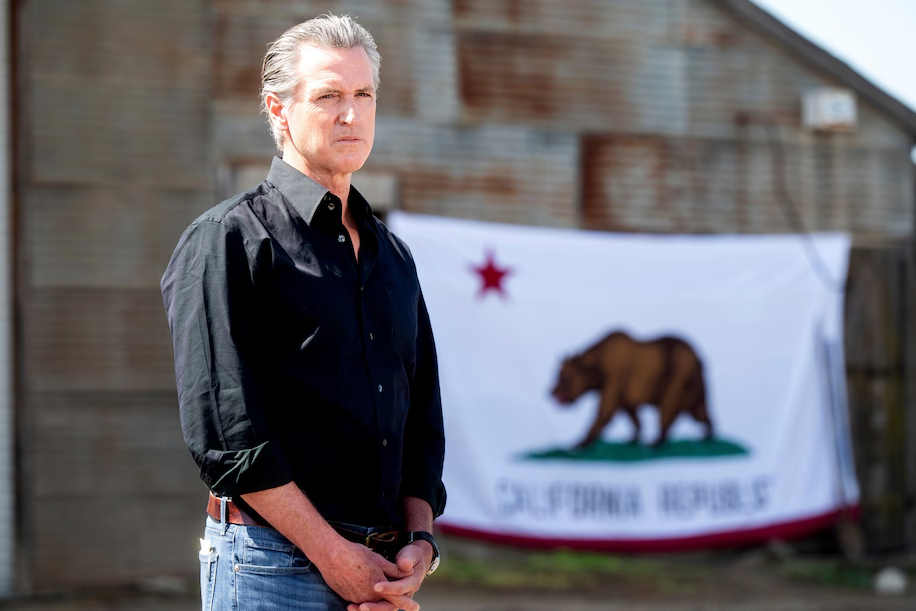
    California Gov. Gavin Newsom (D) is offering to partner with the Trump administration to create a federal film tax credit program worth at least $7.5 billion to boost domestic film production, his office said late Monday. The proposal came after President Donald Trump set Hollywood on edge by calling for massive tariffs on foreign-made films to address what he described as the “DYING” American film industry.

    If the proposal comes together, it would be the largest government tax initiative for the film industry in U.S. history and the first such program at the federal level, a spokesperson for Newsom’s office said.

    “America continues to be a film powerhouse, and California is all in to bring more production here,” Newsom said in a statement.

    He added that California is “eager to partner with the Trump administration to further strengthen domestic production and Make America Film Again.”

    The White House did not immediately respond to a request for comment.

    Newsom, a fierce Trump opponent, is making the request at a time when tariffs have upended the global economy and sowed uncertainty across many industries. Newsom sued the Trump administration last month to block the president’s sweeping tariffs, arguing they are causing irreparable harm to California’s economy.

    Trump’s call Sunday night for 100 percent tariffs on films produced overseas, in which he described foreign films as a national security threat, puzzled insiders in the highly globalized industry as to its implications. It was not clear how such tariffs would be applied or how they might affect U.S. films shot overseas or involving production abroad, The Post reported.

    Andrew deWaard, an assistant professor at the University of California at San Diego who studies the relationship between culture and commerce in the film industry, said the program proposed by Newsom on Monday is “highly unlikely” to go into effect.

    “I can’t imagine in such a partisan atmosphere that Trump would want to be seen subsidizing California entertainment workers just as the tariffs are starting to negatively affect U.S. factory workers, farmers, truckers, etc.,” he said in an email.

    “I think Newsom is calling Trump’s bluff,” he added. “… If Trump balks, which is likely, then Newsom can say he tried to be bipartisan.”

    Newsom’s office described the proposed federal tax credit as a way to bolster American stories, create U.S. jobs and benefit the industry’s behind-the-scenes workers such as set builders and electricians.

    The proposal would be modeled after California’s Film and Television Tax Credit Program that Newsom’s office said has generated more than $26 billion in economic activity and supported thousands of jobs across the state since its inception in 2009.

    But there is debate over the effectiveness of such film tax credits. In testimony to the state’s Senate Revenue and Taxation Committee this year, Michael Thom, a professor at the University of Southern California who has researched tax incentives for film and television production, said such initiatives “fail to stimulate enough economic activity to justify their substantial cost.”