Tag: Xi Jinping

  • Trump’s Russian Oil Sanctions Disrupt Imports to India and China

    Trump’s Russian Oil Sanctions Disrupt Imports to India and China

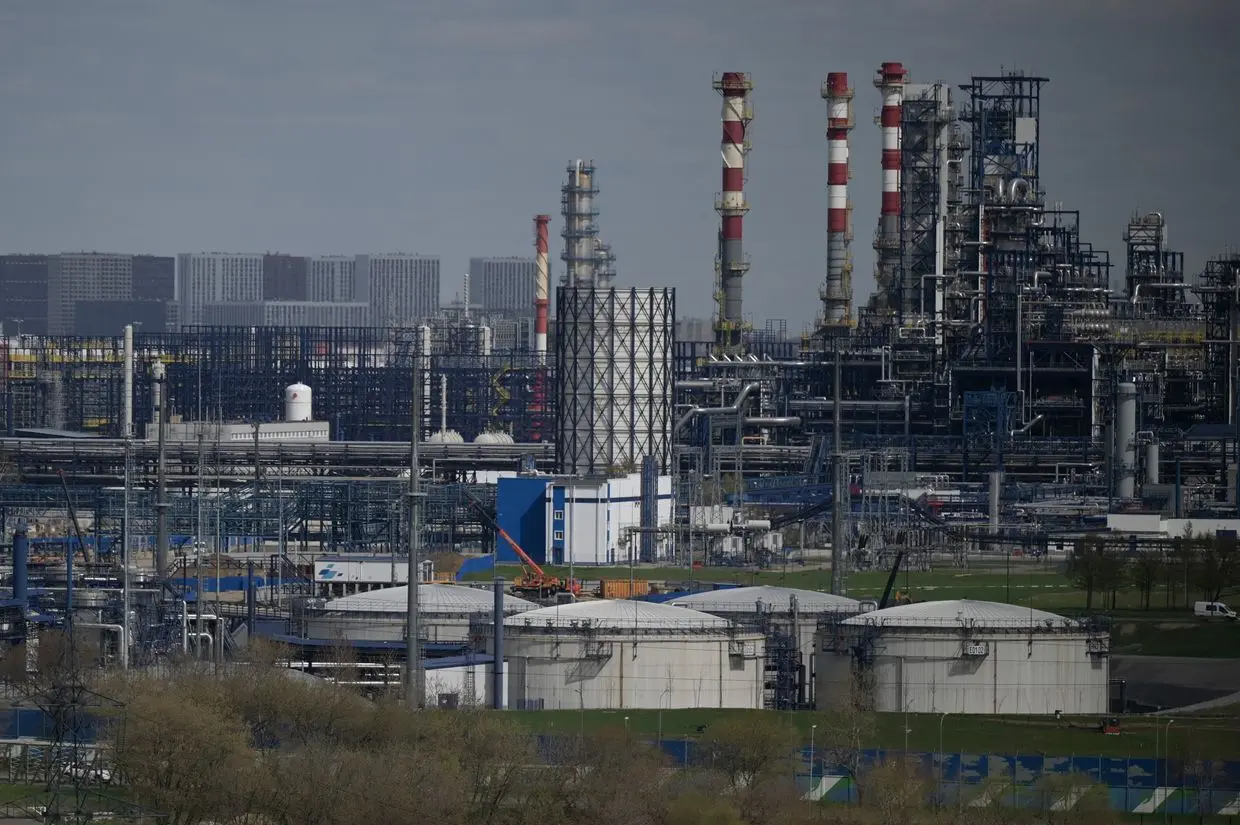
    A view shows the Russian oil producer Gazprom Neft’s Moscow oil refinery on the south-eastern outskirts of Moscow, Russia on April 28, 2022. © Natalia Kolesnikova/AFP/Getty Images

    Trump has unleashed a barrage of sanctions on Russia’s oil behemoths, Rosneft and Lukoil, sending shockwaves through global energy markets and forcing America’s key Asian trading partners—China and India—to rethink their cozy deals with Vladimir Putin’s war machine. The move, announced Wednesday amid a fresh Russian missile barrage on Kyiv that claimed seven lives including children, marks Trump’s first direct punch at Moscow’s energy lifeline since reclaiming the White House. It’s a clear signal: Enough with the empty summits and fruitless phone calls. Time for America to squeeze Putin until he sues for peace in Ukraine.

    Brent crude, the global oil benchmark, rocketed 5% Thursday to $65 a barrel, while West Texas Intermediate surged over 5% to nearly $60—reflecting traders’ bets on tighter supplies as Russia’s two largest producers, which pump out 3.1 million barrels per day and account for nearly half of Moscow’s crude exports, face isolation from Western finance. That’s a potential $100 billion annual hit to Russia’s coffers, per Bloomberg estimates, at a moment when the Kremlin’s war chest is already strained by three years of battlefield stalemates and a stumbling economy.

    Trump, speaking alongside NATO Secretary-General Mark Rutte in the Oval Office, didn’t mince words: “Every time I speak to Vladimir, I have good conversations and then they don’t go anywhere. They just don’t go anywhere.” The president scrapped a planned Budapest summit with Putin just days ago, opting instead for the sanction hammer after Moscow rebuffed his ceasefire overtures. “Now is the time to stop the killing and for an immediate ceasefire,” echoed Treasury Secretary Scott Bessent, who framed the penalties as a direct assault on the “Kremlin’s war machine.” With Rosneft—headed by Putin’s crony Igor Sechin—and the private giant Lukoil now blacklisted by the Treasury’s Office of Foreign Assets Control (OFAC), plus 36 subsidiaries frozen out of U.S. markets, Trump is betting big that choking off oil revenues will drag Putin to the table.

    This isn’t just tough talk; it’s targeted leverage. Russia’s oil and gas sector props up a quarter of its federal budget, fueling tanks, drones, and troops in Donbas. By design, the sanctions include a grace period until November 21 for global buyers to wind down deals, but the real teeth lie in secondary penalties: Any foreign bank, trader, or refinery touching Rosneft or Lukoil risks U.S. wrath, from asset freezes to SWIFT exclusions. “Engaging in certain transactions… may risk the imposition of secondary sanctions,” the Treasury warned pointedly. For Trump, it’s classic Art of the Deal—turning economic pain into diplomatic gain, much like his Gaza ceasefire triumph earlier this year.

    India Feels the Squeeze: A Trade Deal Lifeline?

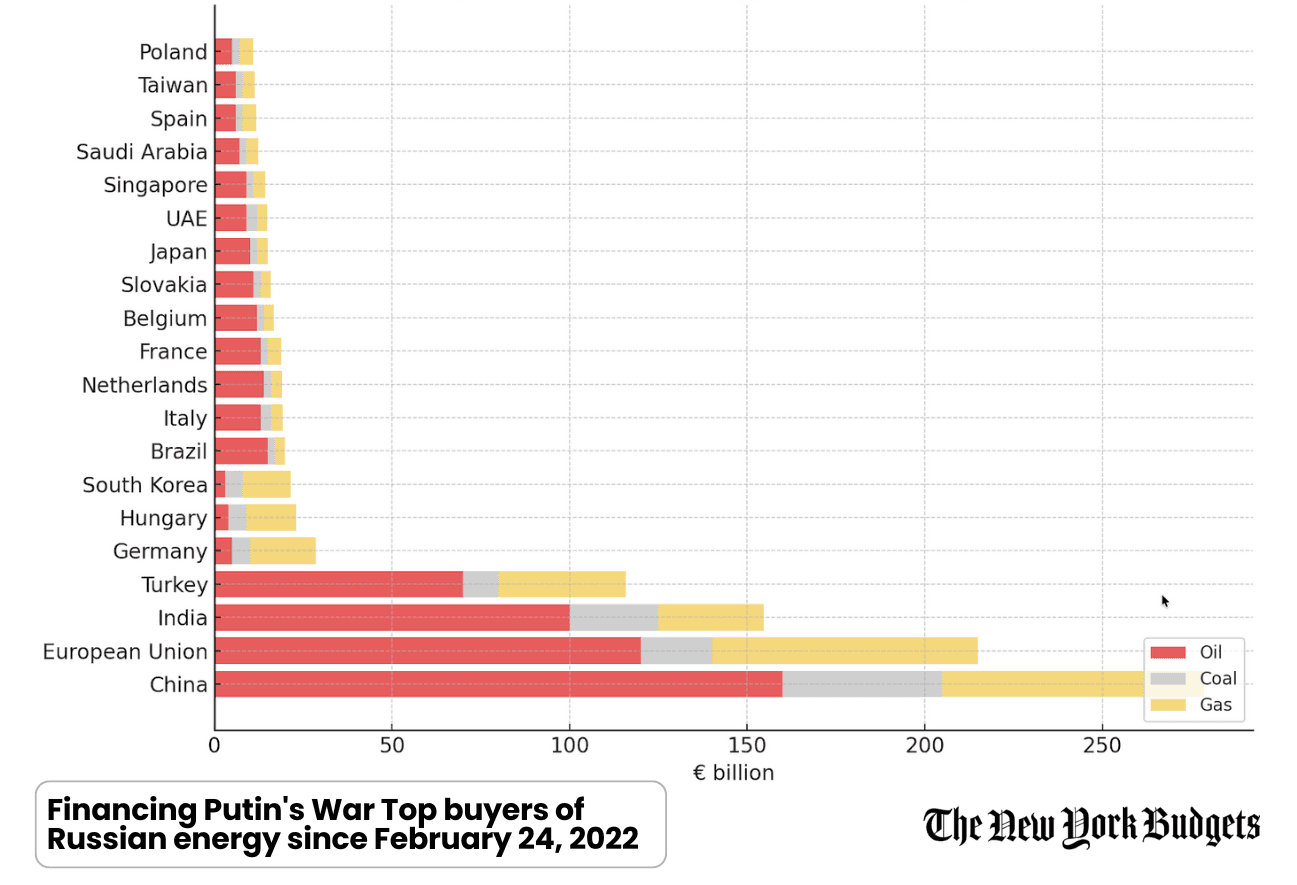
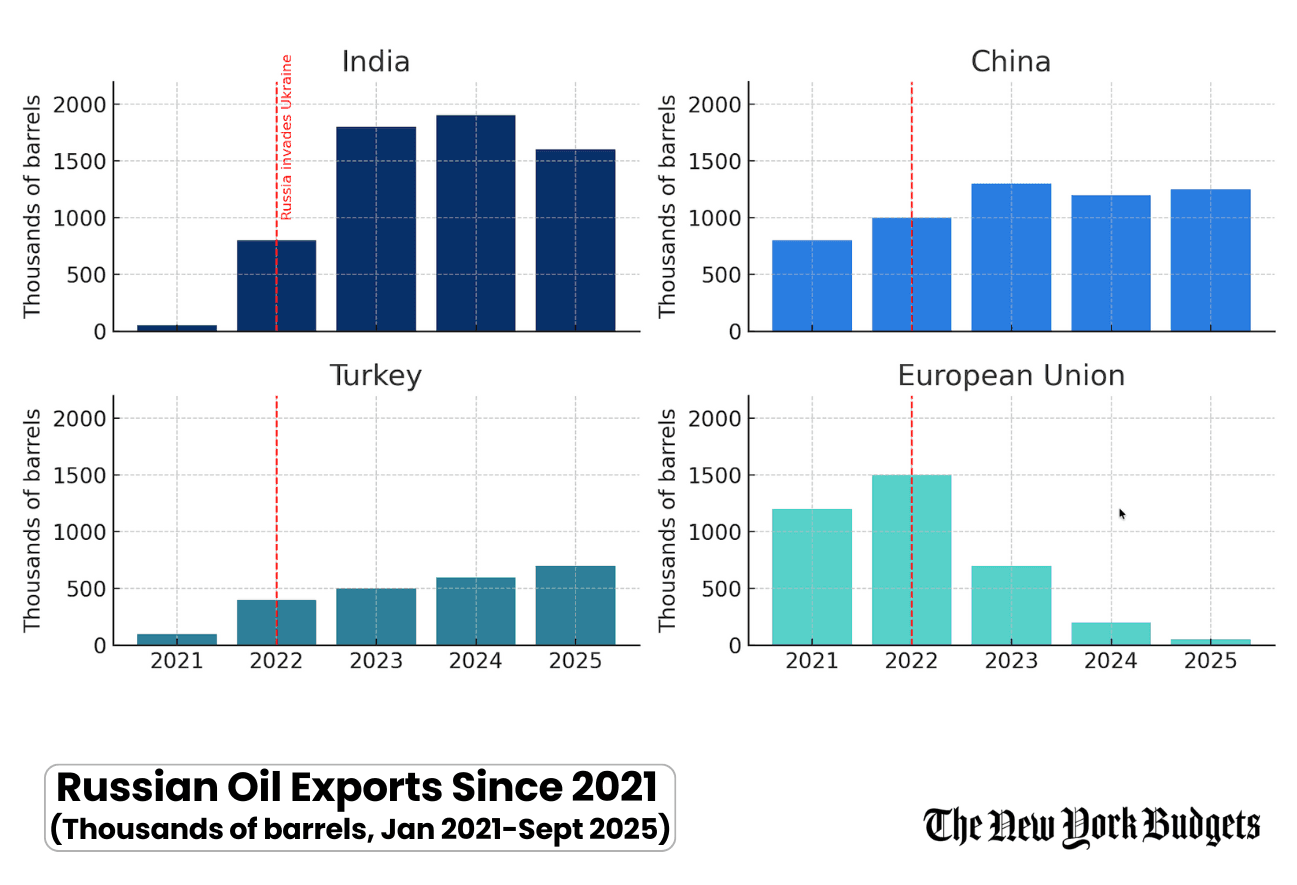
    Nowhere is the ripple more immediate than in India, where refiners are scrambling to slash Russian imports that ballooned to 1.7 million barrels per day in the first nine months of 2025—up from a negligible 0.42 million tons pre-war. “There will be a massive cut,” one industry source told Reuters Thursday, as state-run giants like Indian Oil Corp. and Bharat Petroleum pore over shipping manifests to purge any Rosneft- or Lukoil-sourced crude. Reliance Industries, India’s top private buyer and locked into long-term contracts for nearly 500,000 barrels daily from Rosneft, is “recalibrating” imports to align with New Delhi’s guidelines, a company spokesman confirmed.

    Over the past month, India, along with China and Brazil, has been at the centre of criticism from the West, mainly the US, for its purchase of Russian oil. © PTI

    This pullback couldn’t come at a better time for U.S.-India relations, strained by Trump’s 50% tariffs on Indian exports—half explicitly tied to Moscow’s oil fire sale. In a Tuesday call, Prime Minister Narendra Modi assured Trump that Delhi “was not going to buy much oil from Russia” and shares his goal of ending the Ukraine bloodbath, per White House readouts. Sources close to the talks say the sanctions could shatter a diplomatic logjam, paving the way for a bilateral trade pact that levels the playing field for American farmers and manufacturers. “We’re talking about bringing India’s tariffs in line with Asian peers,” one U.S. trade official told The Heritage Foundation’s Daily Signal on background. “Wind down the Russian crude, and we wind down the duties. It’s a win-win: India saves on overpriced alternatives, and we get fair trade.”

    Senior Indian refinery execs, speaking anonymously to Bloomberg, called the sanctions a “game-changer,” rendering direct Russian buys “impossible” amid fears of U.S. blacklisting. Exports to India hit $140 billion since 2022, but at what cost? Discounted Urals crude shielded New Delhi from energy inflation, yet it undercut Trump’s peace push and emboldened Putin. Now, with global prices spiking, Indian consumers may pay more at the pump—but the strategic upside is huge: Stronger ties with Washington, access to U.S. LNG, and a seat at the table in Trump’s post-war reconstruction bonanza for Ukraine.

    Critics in the Beltway whisper that this pressures Modi too hard, but let’s be real: India’s neutrality has been a fig leaf for profiteering off Putin’s aggression. Trump’s move forces accountability, reminding allies that America’s security umbrella isn’t free. As former U.S. Ambassador to Ukraine John Herbst put it to the BBC, these sanctions “will certainly hurt the Russian economy… It’s a good start” toward genuine negotiations.

    China’s Reluctant Retreat: Xi’s Putin Problem

    Across the border, Beijing’s state behemoths—PetroChina, Sinopec, CNOOC, and Zhenhua Oil—are hitting pause on seaborne Russian crude, Reuters reported Thursday, citing trade insiders. China, which snapped up a record 109 million tons last year (20% of its energy imports), has been Putin’s economic lifeline, laundering sanctions via “shadow fleets” of ghost tankers. No longer. The quartet’s suspension, if it sticks, signals a seismic shift: Even Xi Jinping, Putin’s “no-limits” partner, can’t ignore the U.S. financial guillotine.

    Trump, fresh off Gaza, sees this as his opening. “Xi holds influence over Putin,” he said Wednesday, vowing to press the issue at next week’s APEC summit in South Korea. No secondary tariffs on China yet—unlike India’s 25% slap in August—but the threat looms. “Will the U.S. actively threaten secondary sanctions on Chinese banks?” mused ex-State Department sanctions guru Edward Fishman on X. Short answer: Expect pullback, at minimum. Beijing’s Foreign Ministry blasted the measures as “unilateral bullying,” but actions speak louder: With Rosneft and Lukoil cut off, Chinese traders face pricier middlemen or a pivot to Saudi or U.S. barrels.

    For Russia, it’s a gut punch. China and India gobble 70% of its energy exports; losing even 20-30% could slash GDP growth from its anemic 1.5% forecast (per IMF) and force trade-offs between bombs and breadlines. “As profit margins shrink, Russia will face difficult… financing a protracted war,” notes Michael Raska of Singapore’s Nanyang Technological University. Dr. Stuart Rollo at Sydney’s Centre for International Security adds that while the sanctions won’t cripple Russia’s industrial base overnight, they “may coerce [it] into accepting peace terms” if paired with Trump’s deal-making flair.

    Putin’s Bluster Meets Economic Reality

    Vladimir Putin, ever the tsar, struck defiant Thursday: “No self-respecting country ever does anything under pressure,” he told Russian reporters, dismissing the sanctions as an “unfriendly act” that won’t dent Moscow’s resolve. Yet cracks show. He conceded “some losses are expected,” and warned of “overwhelming” retaliation if Ukraine gets U.S. Tomahawks—though that’s more theater than threat. Dmitry Medvedev, Putin’s hawkish ex-president, raged on Telegram: “The U.S. is our enemy… Trump has fully sided with mad Europe.” But even Kremlin-linked analysts like Igor Yushkov admit Asian buyers will shy away, hiking costs via shadowy intermediaries.
    Russia’s shadow fleet—aging hulls under UAE flags—has dodged G7 caps before, sustaining flows despite EU embargoes. “New sales schemes will simply appear,” boasts military blogger Mikhail Zvinchuk. Fine, but at what price? Logistics snarls could add $5-10 per barrel, eroding the discounts that hooked India and China. With the EU mulling its 19th sanctions package—including an LNG import ban—and the UK already aboard on Rosneft/Lukoil, isolation is setting in. The Guardian reports Putin floated delaying the Budapest talks for “proper preparation,” but that’s code for stalling.

    Will this end the war? Analysts like Bill Taylor, another ex-U.S. envoy to Kyiv, call it an “indication to Putin that he has to come to the table.” It’s no silver bullet—Russia’s pivoted before, and military momentum in Donbas favors Moscow. But Trump’s calculus is sound: Freeze lines, cede nothing more, and let sanctions do the talking. “If we want Putin to negotiate in good faith, we have to maintain major pressure,” Herbst urges. Under Biden, dithering let Putin dig in; Trump’s resolve is restoring deterrence.
    Stock Widget

    Wall Street cheered the news, with energy stocks like ExxonMobil XOM +3.00% ▲ and Chevron CVX +2.50% ▲ on prospects of higher prices and U.S. export booms. Yet Felipe Pohlmann Gonzaga, a Geneva-based trader, cautions the 5% Brent spike “will correct” amid global slowdown fears—China’s property bust, Europe’s recession. Still, for American producers, it’s manna: Permian Basin output hits 6 million barrels/day, and Trump’s LNG push could flood Asia, undercutting Russia’s Urals at $55-60.

    The EU’s frozen Russian assets—$300 billion—now fund a fresh Ukraine loan, per Brussels talks. And as Trump eyes a “cut the way it is” armistice, preserving Zelenskyy’s gains without endless aid, taxpayers win too. No more blank checks; just smart pressure.

    In this high-stakes energy chess game, Trump’s sanctions aren’t just hurting Russia—they’re realigning alliances, punishing enablers, and clearing the board for peace. Putin may bluster, but with India and China peeling away, his war of attrition is cracking. As Trump heads to APEC, the message to Xi and Modi is clear: Join the winning side, or pay the premium. America’s back in the driver’s seat, and the pump prices? A small price for freedom.
  • Xi Demands U.S. Opposition to Taiwan Independence in Talks With Trump

    Xi Demands U.S. Opposition to Taiwan Independence in Talks With Trump

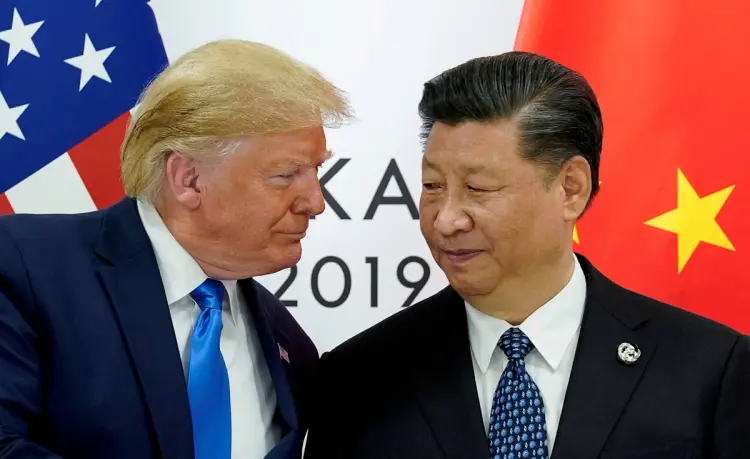
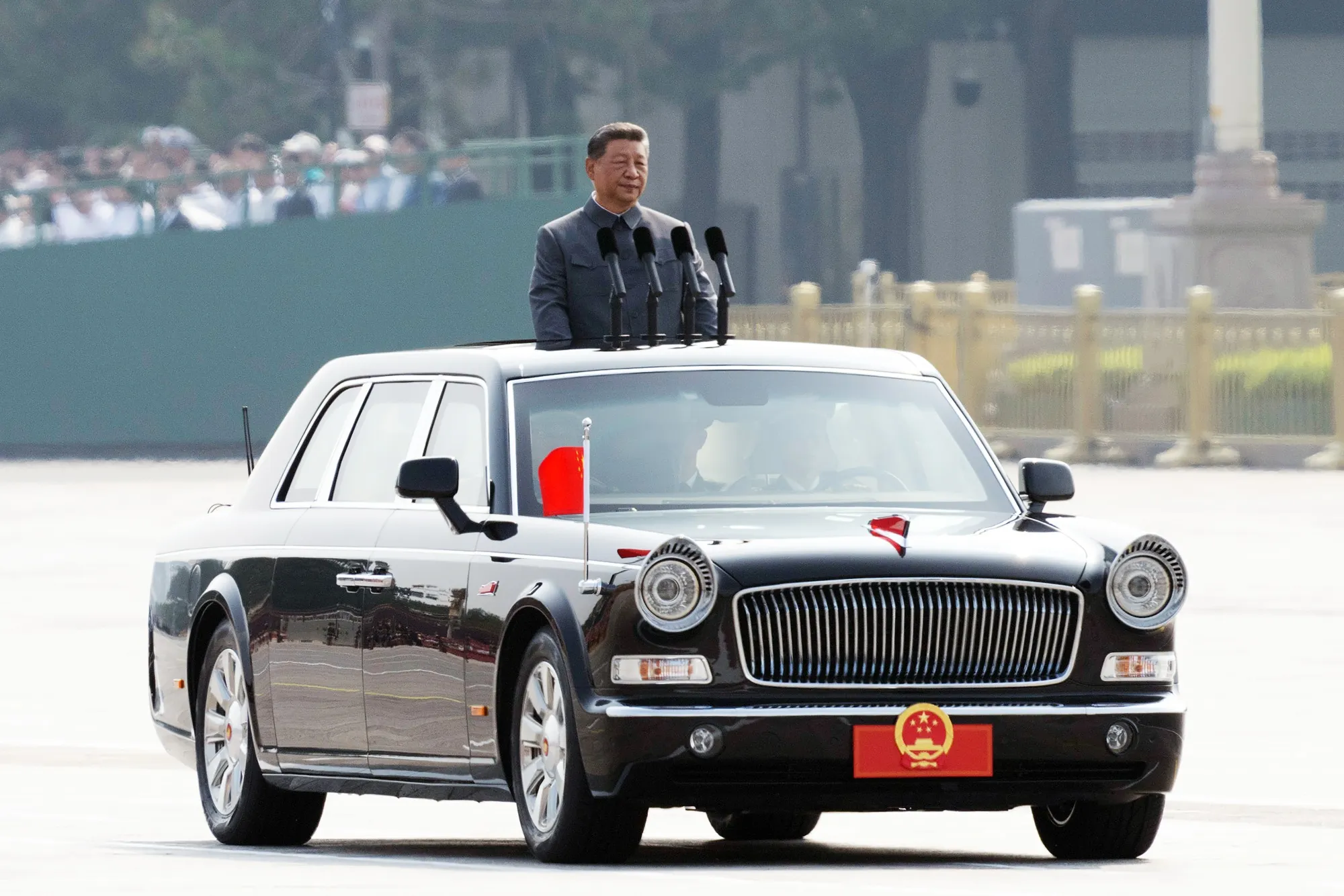
    Xi Jinping, China’s president. © Qilai Shen/Bloomberg

    In a bold and aggressive move that underscores Beijing’s relentless ambition to dominate the Indo-Pacific, Chinese President Xi Jinping is reportedly maneuvering to extract a major concession from President Donald Trump: a formal U.S. declaration opposing Taiwan’s independence. This push, revealed in recent reports, exploits Trump’s focus on securing a robust trade deal with China, potentially at the expense of America’s longstanding commitment to the democratic island nation that stands as a bulwark against communist expansionism.

    Xi, who has made “reunification” with Taiwan a cornerstone of his authoritarian “China Dream” since seizing power in 2012, sees the upcoming high-stakes meetings with Trump as his golden window to erode U.S. support for Taipei. According to sources familiar with the matter, Beijing has urged the Trump administration to shift from the Biden-era phrasing that the U.S. “does not support” Taiwan independence to a stronger stance explicitly “opposing” it – a semantic change with profound implications that could embolden China’s military adventurism and undermine Taiwan’s sovereignty. This would mark a diplomatic triumph for Xi, aligning Washington more closely with Beijing’s narrative that Taiwan is a breakaway province destined for absorption, by force if necessary.

    The Trump administration has yet to decide on this demand, which sits amid a laundry list of Chinese asks under review. But conservatives in Washington are sounding the alarm, warning that any capitulation would signal weakness and betray America’s allies. Former National Security Advisor John Bolton blasted the idea on X, stating, “Recent reports confirm Xi Jinping is going to leverage trade negotiations with Trump to push the U.S. to abandon our position on Taiwan independence. This is exactly what I warned against last week.” Bolton’s concerns echo his earlier criticism of the administration’s decision to withhold over $400 million in military aid to Taiwan this summer amid trade talks, a move that raised eyebrows about prioritizing economic deals over deterring Chinese aggression.

    Trump, known for his art-of-the-deal negotiating style, has so far played his cards close, avoiding explicit commitments to defend Taiwan in the event of a Chinese invasion to preserve leverage. In August, he revealed that Xi had assured him China would not invade during his presidency, adding cryptically, “China is very patient.” Yet, recent actions – including denying Taiwanese President Lai Ching-te a routine U.S. transit stop and delaying arms deliveries – have fueled speculation that trade priorities might be overshadowing security pledges, prompting unease in both Washington and Taipei.

    The U.S. maintains its “One China” policy, acknowledging Beijing’s claims without endorsing them, and emphasizes opposition to any unilateral changes to the status quo across the Taiwan Strait. A State Department spokesperson reiterated to reporters, “We have long stated that we oppose any unilateral changes to the status quo from either side. China presents the single greatest threat to peace and stability in the Taiwan Strait.” This stance was bolstered earlier this year when the department removed Biden-era language explicitly not supporting independence, a tweak praised by Taiwan but met with fury from Beijing.

    Xi’s strategy is clear: capitalize on Trump’s desire for a trade win following the recent TikTok agreement, which kept the app operating in the U.S. under American ownership. The leaders have a slate of engagements lined up, including a face-to-face at next month’s Asia-Pacific economic summit in South Korea, Trump’s potential visit to Beijing in early 2026 – a diplomatic coup for Xi – and Xi’s reciprocal trip to the White House later that year, contingent on progress on trade and fentanyl curbs.

    Experts warn this is classic Chinese Communist Party tactics: incremental gains to erode U.S. resolve. Evan Medeiros, a former U.S. national security official, told reporters, “Driving a wedge between Washington and Taipei is the holy grail of the Taiwan problem for Beijing. It would undermine Taiwan’s confidence and increase Beijing’s leverage over Taipei.” Yun Sun of the Stimson Center added, “No U.S. policy change on Taiwan will happen overnight. But China will push persistently to inch forward – and in the process, undermine Taiwan’s confidence in U.S. commitment.”

    From Taiwan’s vantage point, these developments are alarming but not insurmountable. A senior Taiwanese national security official, speaking anonymously, dismissed Beijing’s ploy: “China’s attempts to exploit political transitions in the US to create a ‘strategic gap’ would not succeed, as they disregard Washington’s established strategic policy on Taiwan.” Taiwan’s Foreign Minister Lin Chia-lung recently appealed for U.N. recognition of Taiwan’s sovereignty, arguing it’s time for the world to “leave no one behind” by embracing Taiwan’s contributions. Taipei remains confident in its U.S. ties, viewing a strong Taiwan as essential to Indo-Pacific stability.

    Meanwhile, China’s military saber-rattling intensifies. Beijing has ramped up war games in the Taiwan Strait, claiming jurisdiction over the 110-mile waterway. Leaked documents reveal Moscow is aiding Xi’s preparations, agreeing to train Chinese paratroopers and supply vehicles for a potential aerial assault, with Western intelligence estimating Beijing could be invasion-ready by 2027. Chinese Embassy spokesman Liu Pengyu stonewalled inquiries, reiterating, “China firmly opposes any form of official exchanges or military ties” between the U.S. and Taiwan.

    Right-leaning voices argue this is no time for concessions. Trump, who championed America First policies, should stand firm against Xi’s coercion, prioritizing deterrence over deals that could embolden a regime hell-bent on regional hegemony. As Bolton warned, trading away Taiwan’s security for short-term economic gains risks long-term catastrophe, echoing the appeasement pitfalls of the past. With global stocks rising amid bets on U.S. rate cuts, the real stakes are geopolitical: Will America hold the line against communist aggression, or blink in the face of Beijing’s bluster?

  • Trump’s Tricky Spot: How a Trade Fight Could Mess Up All Other Talks with China

    Trump’s Tricky Spot: How a Trade Fight Could Mess Up All Other Talks with China

    President Trump came into office sounding as if he were eager to deal with President Xi Jinping of China on the range of issues dividing the world’s two biggest superpowers.

    He and his aides signaled that they wanted to resolve trade disputes and lower the temperature on Taiwan, curb fentanyl production and get to a deal on TikTok. Perhaps, over time, they could manage a revived nuclear arms race and competition over artificial intelligence.

    Today it is hard to imagine any of that happening, at least for a year.

    Mr. Trump’s decision to stake everything on winning a trade war with China threatens to choke off those negotiations before they even begin. And if they do start up, Mr. Trump may be entering them alone, because he has alienated the allies who in recent years had come to a common approach to countering Chinese power.

    In conversations over the past 10 days, several administration officials, insisting that they could not speak on the record, described a White House deeply divided on how to handle Beijing. The trade war erupted before the many factions inside the administration even had time to stake out their positions, much less decide which issues mattered most.

    The result was strategic incoherence. Some officials have gone on television to declare that Mr. Trump’s tariffs on Beijing were intended to coerce the world’s second-largest economy into a deal. Others insisted that Mr. Trump was trying to create a self-sufficient American economy, no longer dependent on its chief geopolitical competitor, even if that meant decoupling from the $640 billion in two-way trade in goods and services.

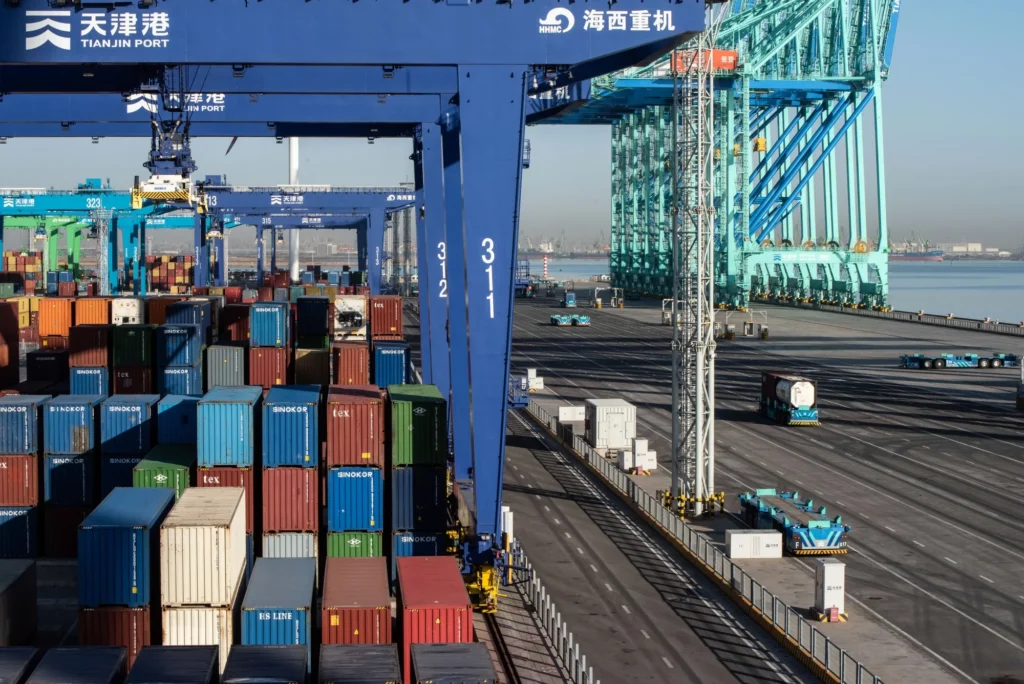
    Autonomous vehicles transport shipping containers at Tianjin port.Source: Bloomberg
    Autonomous vehicles transport shipping containers at Tianjin port.Source: Bloomberg

    “What is the Trump administration’s grand strategy for China?” said Rush Doshi, one of America’s leading China strategists, who is now at the Council of Foreign Relations and Georgetown University. “They don’t have a grand strategy yet. They have a range of disconnected tactics.”

    Mr. Doshi says he holds open the hope that Mr. Trump could reach deals with Japan, South Korea, India, Taiwan and the European Union that would allow them to confront Chinese trade practices together, attract allied investment in U.S. industry and increase security ties.

    “If you are up against someone big, you need to get bigger scale — and that’s why we need our allies to be with us,” said Mr. Doshi, who in recent days published an article in Foreign Affairs with Kurt M. Campbell, the former deputy secretary of state, arguing for a new approach. “This is an era in which strategic advantage will once again accrue to those who can operate at scale. China possesses scale, and the United States does not — at least not by itself,” they wrote.

    Mr. Trump insisted on Monday that his tariffs were working so well that he might place more of them on China, among other nations. Just 48 hours after he carved out a huge exemption for cellphones, computer equipment and many electronic components — nearly a quarter of all trade with China — he said he might soon announce additional tariffs targeting imported computer chips and pharmaceuticals. “The higher the tariff, the faster they come in,” he said of companies investing in the United States to avoid paying the import tax.

    So far, the Chinese response has been one of controlled escalation. Beijing has matched every one of Mr. Trump’s tariff hikes, trying to send the message that it can endure the pain longer than the United States can. And in a move that appeared to experts to have been prepared months ago, China announced that it was suspending exports of a range of critical minerals and magnets used by automakers, semiconductor producers and weapons builders — a reminder to Washington that Beijing has many tools to interrupt supply chains.

    American soldiers during a military exercise in Finland in February. China announced that it was suspending exports of rare minerals widely used in the U.S. defense industry.Credit…Jim Huylebroek for The New York Times

    The result, said R. Nicholas Burns, who left his post in January as the American ambassador to China, is “one of the most serious crises in U.S.-Chinese relations since the resumption of full diplomatic relations in 1979.”

    “But Americans should have no sympathy for the Chinese government, which describes itself as the victim in this confrontation,” said Mr. Burns. “They have been the greatest disrupter in the international trade system.” He said the challenge now would be “to restore communications at the highest levels to avoid a decoupling of the two economies.”

    So far, neither side wants to be the one to initiate those communications, at least in public, for fear of being perceived as the one that blinked. Mr. Trump often insists he has a “great relationship” with Mr. Xi, but he gave the Chinese leader no direct warning about what was coming — or a pathway to head it off. And Mr. Xi has pointedly avoided joining the ranks of what the White House insists are 75 countries that say they want to strike a deal.

    There are flickers of back-channel communications: Cui Tiankai, who served as China’s ambassador to the United States from 2013 to 2021, was in Washington as the tariffs were rolling out, talking to old contacts and clearly looking for a way to defuse the growing confrontation. Though retired, Mr. Cui is still among the Chinese with deep connections in both capitals — he is a graduate of the Johns Hopkins School of Advanced International Studies, and American officials still use him as a conduit to the Chinese leadership.

    But recent history suggests that freezes in the U.S.-China relationship can be long-lasting and that relations never quite get back to where they had been before. The August 2022 visit to Taiwan by a congressional delegation led by Representative Nancy Pelosi, the California Democrat who at the time was still the speaker of the House, led China to send its air and naval forces on military exercises over the “median line” in the Taiwan Strait. Nearly three years later, those exercises have only intensified.

    The following winter a high-altitude balloon, which China claimed was a weather balloon and U.S. intelligence officials said was stuffed with intelligence-gathering equipment to geolocate communications transmissions, crossed over the continental United States. President Joseph R. Biden Jr. ultimately ordered it shot down off the South Carolina coast.

    Again, it took months to get past the mutual recriminations and set up a summit meeting between Mr. Xi and Mr. Biden. That encounter resulted in some modest agreements on cracking down on fentanyl precursors, along with a joint statement that A.I. technologies should never be used in nuclear command-and-control systems.

    A Chinese high-altitude balloon crossed over the continental United States in 2023. President Joseph R. Biden Jr. eventually ordered it shot down off the South Carolina coast.Credit…Larry Mayer/The Billings Gazette, via Associated Press

    But the stakes in those confrontations were not as high as they are in the emerging trade war, which could help push both countries to the brink of recession — and could ultimately spill into the power plays happening each day around Taiwan, in the South China Sea and just offshore of the Philippines.

    Among the questions hanging over the administration now is whether it can put together a coherent approach to China at a moment when key members of Mr. Trump’s inner circle are arguing in public about the right strategy. Elon Musk, who relies on China as a key supplier to his companies Tesla and SpaceX, called Peter Navarro, a top White House trade adviser, a “moron” and “dumber than a sack of bricks.” Mr. Navarro shrugged it off during a Sunday appearance on NBC’s “Meet the Press,” saying, “I’ve been called worse.”

    Treasury Secretary Scott Bessent pushed back Monday on a Chinese commerce official who dismissed the tariffs as a “joke.”

    “These are not a joke,” Mr. Bessent said in Argentina, where he is on a visit. But then he added that the tariffs were so big that “no one thinks they’re sustainable.”

    But whether they are sustainable is a different question than whether Mr. Trump or Mr. Xi can afford, politically, to be the first to back away from them. And then the administration will have to decide what its priorities are when it comes to China. Will the United States declare that it will defend Taiwan? (Mr. Trump clearly has his hesitations, based on his public statements.) Will it seek to find common projects to work on with Beijing?

    It is hardly unusual for an administration to spend months, maybe more than a year, debating how to navigate a relationship as complex as the one with China. President Richard M. Nixon and Henry A. Kissinger spent years plotting out their approach to what was still called “Red China,” resulting in Mr. Nixon’s historic trip to the country and the yearslong diplomatic opening it triggered. President Bill Clinton entered office having campaigned against the “butchers of Beijing,” a reference to the killings in Tiananmen Square and the crackdowns that followed, and he ended his term ushering China into the World Trade Organization. President George W. Bush courted Chinese leaders to join the battle against terrorism.

    Mr. Biden had to get beyond the Covid era before he settled on a strategy of denying Beijing access to critical semiconductors and other technology.

    But none was trying to overcome what Mr. Trump faces. He has unleashed an act of economic confrontation so large that it may poison the relationship with a country that is deeply intertwined with the American economy. In the end, Mr. Trump may have to choose between an unhappy marriage or an abrupt divorce.