In the fractious landscape of American conservatism, few figures embodied the raw energy of grassroots mobilization quite like Charlie Kirk. By the time the 31-year-old activist and media mogul embarked on what would become his final campus speaking tour, he had transformed Turning Point USA from a fledgling nonprofit into a juggernaut with over 250,000 members. Founded in 2012 when Kirk was just 18, the organization became a linchpin in conservative political organizing, spearheading get-out-the-vote campaigns that influenced elections from school boards to Congress, securing tens of millions in funding from high-profile donors, and building a media empire that amplified right-wing voices across podcasts, social media, and live events.
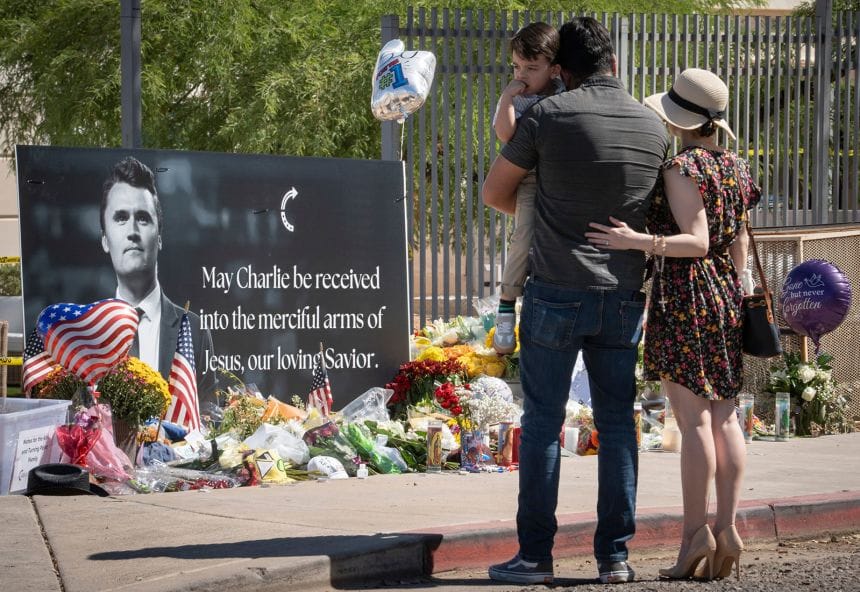
Kirk’s assassination on September 10, 2025, during a “Prove Me Wrong” debate at Utah Valley University (UVU) in Orem, Utah, has left a void in the conservative movement. But his legacy endures through the countless young influencers he mentored, the debates he ignited, and the cultural shift he engineered toward unapologetic conservatism among millennials and Gen Z. At its core, Kirk’s mission was about more than policy wins—it was about fostering a new generation of political warriors, equipped to challenge liberal orthodoxy on college campuses and beyond. “Charlie didn’t just build an organization; he built people,” said one longtime associate, reflecting on how Kirk’s hands-on approach turned novices into power players.
The Foundations of a Movement: From Garage Startup to National Force
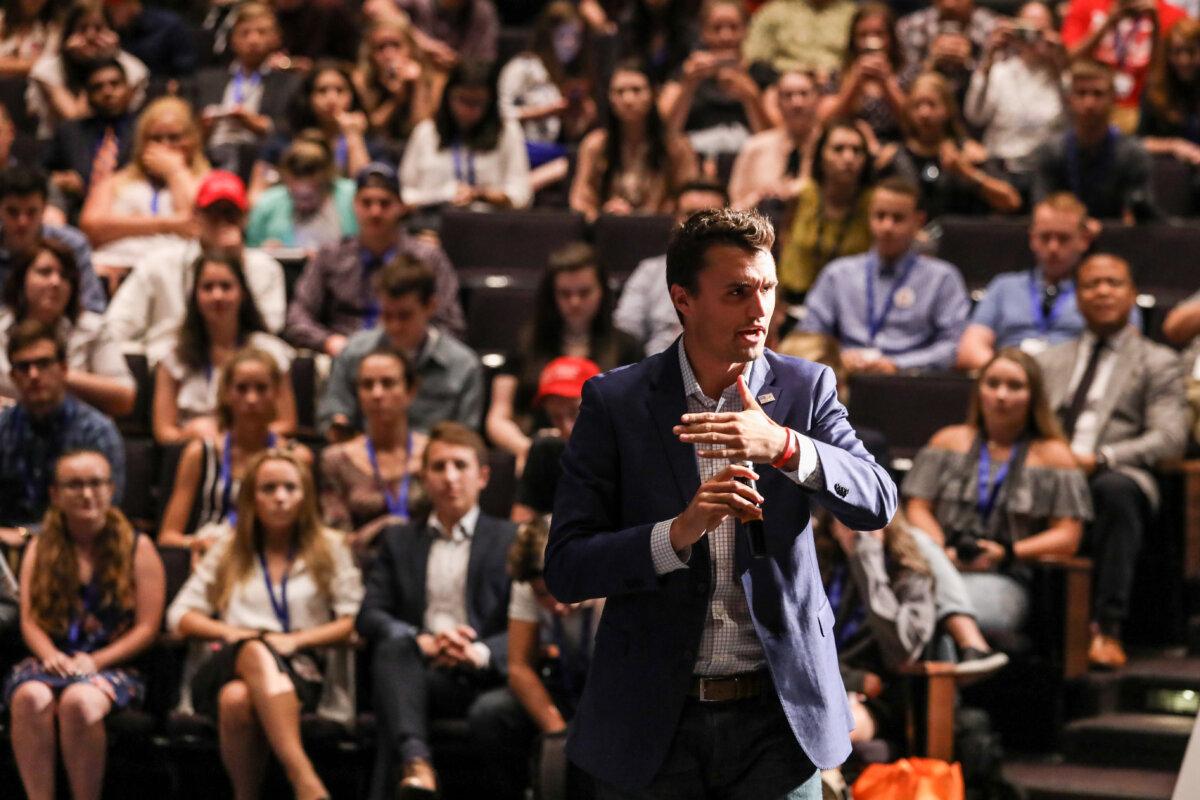
Kirk co-founded Turning Point USA in the suburbs of Chicago with the explicit goal of countering what he saw as progressive dominance in higher education. Starting with campus tabling events and provocative signage, the group quickly expanded into a sophisticated operation. By 2025, it boasted chapters at over 3,000 colleges and high schools, annual revenues exceeding $50 million—fueled by contributions from conservative heavyweights like the Bradley Foundation and anonymous megadonors—and a media arm that included Kirk’s daily podcast, The Charlie Kirk Show, which routinely drew millions of listeners.
Central to this growth was Kirk’s emphasis on debate as a tool for engagement. He viewed campuses not as hostile territory but as battlegrounds for ideas, where young conservatives could hone their arguments against a backdrop of often-hostile audiences. “Prove me wrong” became his rallying cry, emblazoned on tents and tables at events where he invited skeptics to challenge him on topics ranging from affirmative action to immigration. This approach wasn’t just performative; it was pedagogical, teaching a generation how to articulate conservative principles in the face of opposition.
Gunnar Thorderson, a former Turning Point USA organizer who helped establish the UVU chapter, epitomizes this model. Thorderson, now a member of the Utah Republican State Central Committee, credits Kirk with his ascent. “Charlie could’ve run his multi-million-dollar operation from a fancy suite, but he stayed in the trenches,” Thorderson told The Epoch Times in an interview shortly after Kirk’s death. “He invested in me one-on-one, mentoring me through challenges and turning me into a leader.” Thorderson’s story is emblematic: from chapter president to state director, his path was paved by Kirk’s personal guidance, including late-night strategy sessions and event collaborations.
Mentorship in Action: Launching Careers in Politics and Media
Kirk’s influence extended far beyond organizational ranks, propelling acolytes into the halls of power. Rep. Anna Paulina Luna (R-Fla.), a rising star in the House of Representatives, publicly attributed her political career to Kirk in an X post on September 11: “I owe my entire political career to Charlie Kirk. I would quite literally not be in office today if it weren’t for him. Even when my own party was working against me, Charlie endorsed me and campaigned to help me win election.”
Luna’s communications director, David Leatherwood, shares a similar trajectory. A self-described gay conservative, Leatherwood first encountered Kirk in 2017 during a campus tour in Fort Lauderdale. “We filmed a video together where he expressed support for the gay community, emphasizing ‘e pluribus unum’ for all Americans,” Leatherwood recounted to The Epoch Times. Kirk’s endorsement led to Leatherwood becoming a Turning Point ambassador, a role that opened doors in conservative circles. “He was always supportive, inviting me into the fold and helping me navigate the movement,” Leatherwood said.
These stories highlight Kirk’s knack for spotting talent and providing platforms. Turning Point’s ambassador program, which grew to include hundreds of young influencers, offered training in public speaking, social media strategy, and fundraising—skills that translated into real-world impact. Many alumni now host their own podcasts, run for office, or advise campaigns, forming a network that Kirk often called his “conservative army.”
Empowering Voices on Campus: From Shy Students to Bold Advocates
At the grassroots level, Kirk’s work resonated with students who felt marginalized in liberal-leaning academic environments. Hallie S., a 26-year-old from Gainesville, Florida, told The Epoch Times how Turning Point helped her revive the College Republicans chapter at Santa Fe College. “I was raised conservative but never spoke up in such a liberal area—you never know how people will react,” she said. Kirk’s campus visits and the organization’s resources changed that. “Charlie had a huge impact. Students saw their values represented in a fresh way, and it empowered us to be outspoken.”
Kelly Shackelford, president and CEO of the First Liberty Institute, a First Amendment advocacy group, recalled inviting Kirk to a Houston fundraiser early in his career. “Our events are usually filled with folks 60 and older,” Shackelford explained to The Epoch Times. “I wanted to show them that young people are carrying the torch. Charlie inspired that hope—he was proof the movement wouldn’t die with the older generation.”
Even beyond conservatives, Kirk’s reach touched unexpected audiences. A teenager named Tucker, who spoke to The Epoch Times on condition of anonymity due to fears of backlash, admitted he typically scrolls past political content on TikTok. “But Charlie’s stuff? I’d always click—it was interesting, and he was someone to look up to.” In a surprising anecdote, California Gov. Gavin Newsom revealed on his podcast in March 2025 that his 13-year-old son begged to skip school to meet Kirk. “He was obsessed: ‘What time is Charlie gonna be here?’” Newsom said, underscoring Kirk’s cross-generational appeal.
The Digital Frontier: Building an Online Empire
Kirk’s savvy use of social media amplified his message exponentially. With millions of followers across platforms, he turned viral clips of debates and commentary into a content machine. Leatherwood noted the enduring value of this digital footprint: “There are thousands of hours of footage—his thoughts, his views. They’ll memorialize his legacy in ways we can’t yet imagine.”
This online presence wasn’t just about reach; it was a business model. Turning Point’s media operations generated revenue through sponsorships, merchandise, and premium content, funding further expansion. Kirk’s podcast, often topping conservative charts, featured guests from politicians to cultural figures, fostering a ecosystem where young influencers could guest-host or collaborate.
The Power of Debate: Bridging Divides or Deepening Them?
Debate was Kirk’s signature tactic, but it wasn’t without controversy. Critics accused him of provocation, yet even opponents acknowledged his commitment to dialogue. Hunter Kozak, a 29-year-old UVU student and the last person to debate Kirk before the shooting, posted a video tribute: “I stand by so little of what he said, but he stood by conversation.” Dean Withers, another debater, broke down in tears during a livestream upon learning of the attack. In a follow-up video, he emphasized: “I disagreed with him profoundly, but no one deserves this. His kids didn’t deserve to watch their father die; his wife didn’t deserve to lose her husband.”
Thorderson defended Kirk’s approach: “He engaged students not as enemies but as people needing education through discourse. That’s how ideas win.” This philosophy, while polarizing, inspired a cadre of young conservatives to embrace public confrontation as a path to influence.
Beyond Politics: Faith, Family, and a Lasting Philosophy
Kirk’s worldview extended beyond the ballot box, rooted deeply in his Christian faith. Thorderson recalled a hotel gym workout that turned into a profound discussion: “I was struggling with my faith, playing devil’s advocate. Charlie was steadfast, connecting on a personal level without preaching.” Kirk’s knowledge spanned topics from philosophy to family values, which he prioritized even amid stardom. “He always valued family—starting one was core to him,” Thorderson said, noting Kirk’s early courtship of his wife, Erika.
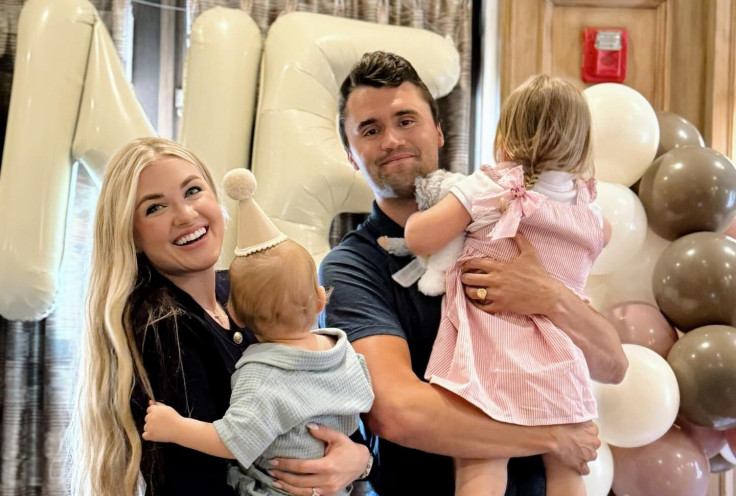
Kirk leaves behind Erika and their two young children, a family he often cited as his greatest achievement. In speeches, he linked conservatism to biblical principles, urging audiences to build strong homes as the foundation of a strong nation.
A Legacy in Motion
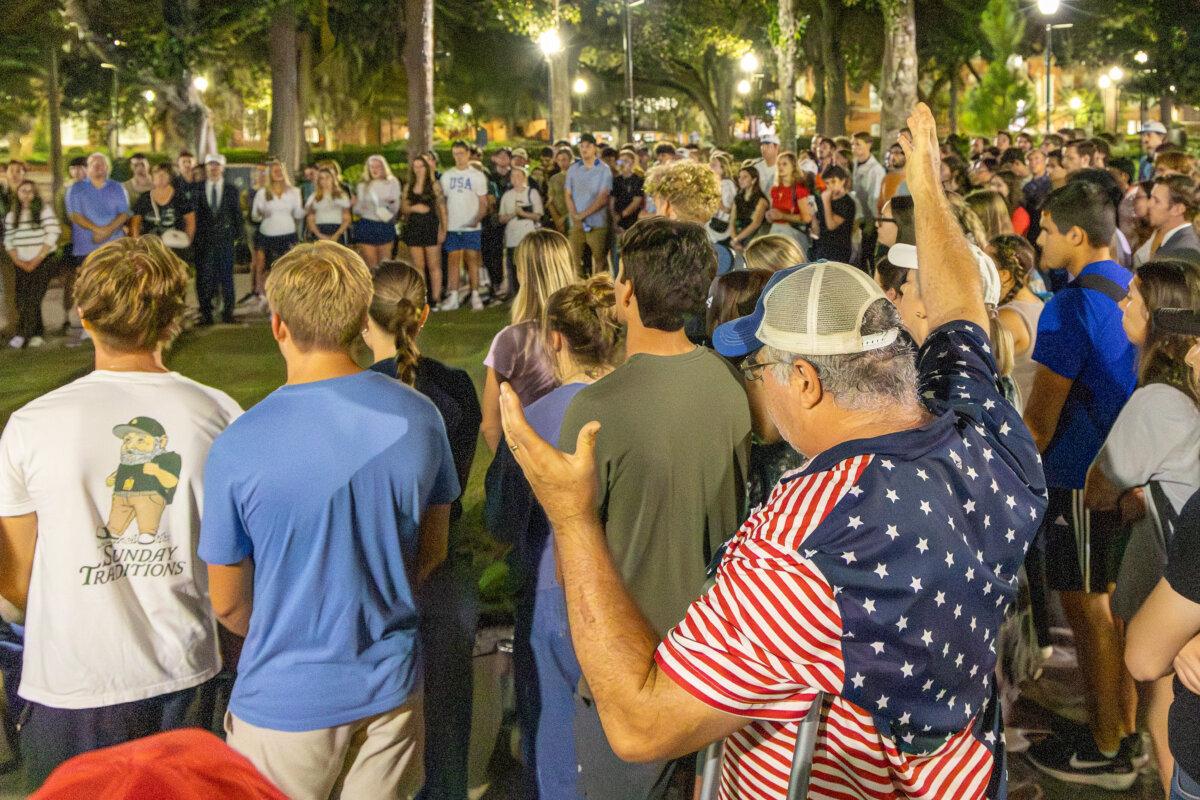
Kirk’s death has prompted soul-searching in conservative circles. Will Turning Point sustain its momentum without its charismatic founder? Early signs point to yes, with alumni like Thorderson and Luna stepping up. But the broader question lingers: Can the generation Kirk inspired carry forward his blend of debate, mentorship, and unyielding advocacy?
As tributes pour in—from lawmakers to everyday students—Kirk’s impact is clear. He didn’t just influence politics; he reshaped how a generation engages with it, proving that one voice, amplified through courage and connection, can echo for decades.