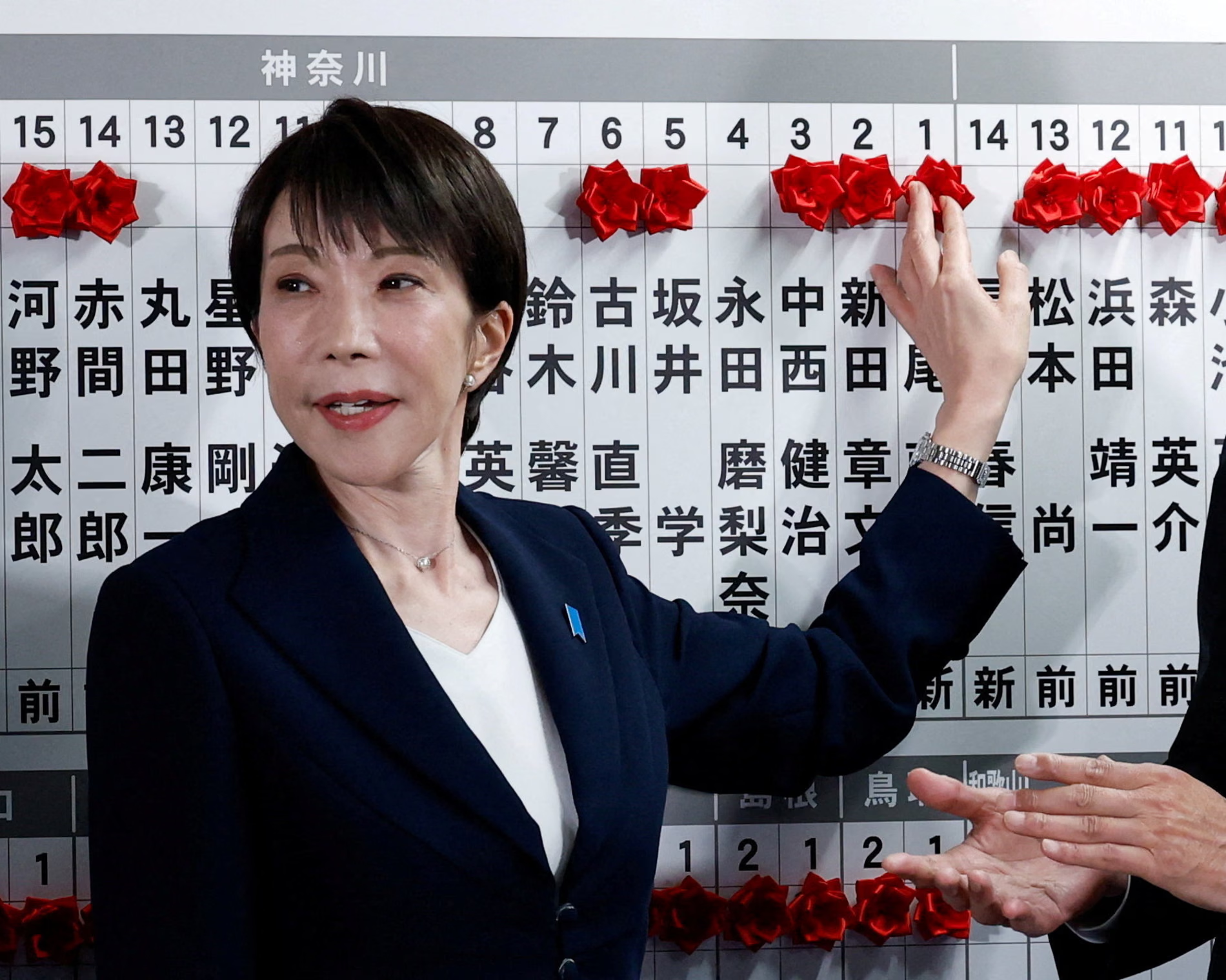
Tokyo, Japan – In a stunning political resurrection that underscores the enduring appeal of strong leadership and nationalist fervor, Japanese Prime Minister Sanae Takaichi’s high-stakes gamble on a snap election has paid off handsomely. Her Liberal Democratic Party (LDP) not only reclaimed a commanding majority in the 465-seat lower house of parliament but achieved an unprecedented two-thirds supermajority on its own—a feat never before accomplished by the party, according to projections from public broadcaster NHK. This landslide victory positions Takaichi to pursue an ambitious agenda that aligns closely with American interests: bolstering defense spending, deepening U.S.-Japan ties, and revitalizing industrial policy to counter regional threats like China’s expansionism.
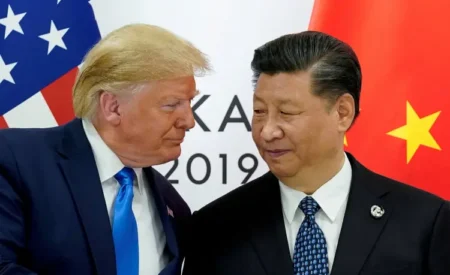
From an America First perspective, Takaichi’s triumph is a win for U.S. strategic priorities in the Indo-Pacific. A stronger, more assertive Japan means a reliable ally that shares the burden of deterring Beijing’s aggression—without dragging American troops into unnecessary conflicts. Her rapport with President Donald Trump, reminiscent of his bond with her mentor, the late Shinzo Abe, promises enhanced cooperation on trade, security, and supply chain resilience. As Trump himself posted on Truth Social, “The Prime Minister, Sanae Takaichi, has already proven to be a strong, powerful, and wise Leader, and one that truly loves her Country.” With a planned White House visit on March 19, this could translate to deals that benefit American workers, from joint tech investments to fairer trade terms.
Takaichi, 64, Japan’s first female prime minister who assumed office in October 2025, dissolved parliament after just three months, betting her career on public validation. She vowed to resign if her coalition lost its majority—a bold move amid the LDP’s recent scandals and electoral setbacks. In 2024 and 2025, the party hemorrhaged seats due to financial improprieties and public frustration over rising costs, forcing her predecessor, Shigeru Ishiba, to step down after a year. But Takaichi’s personal charisma—fueled by her motorcycle-riding, heavy metal drumming image—reversed the tide. NHK’s exit polls projected the LDP securing between 274 and 326 seats, with the coalition alongside the Japan Innovation Party (JIP) ranging from 302 to 366. This supermajority allows Takaichi to override the opposition-controlled upper house, paving the way for constitutional reforms long sought by conservatives.
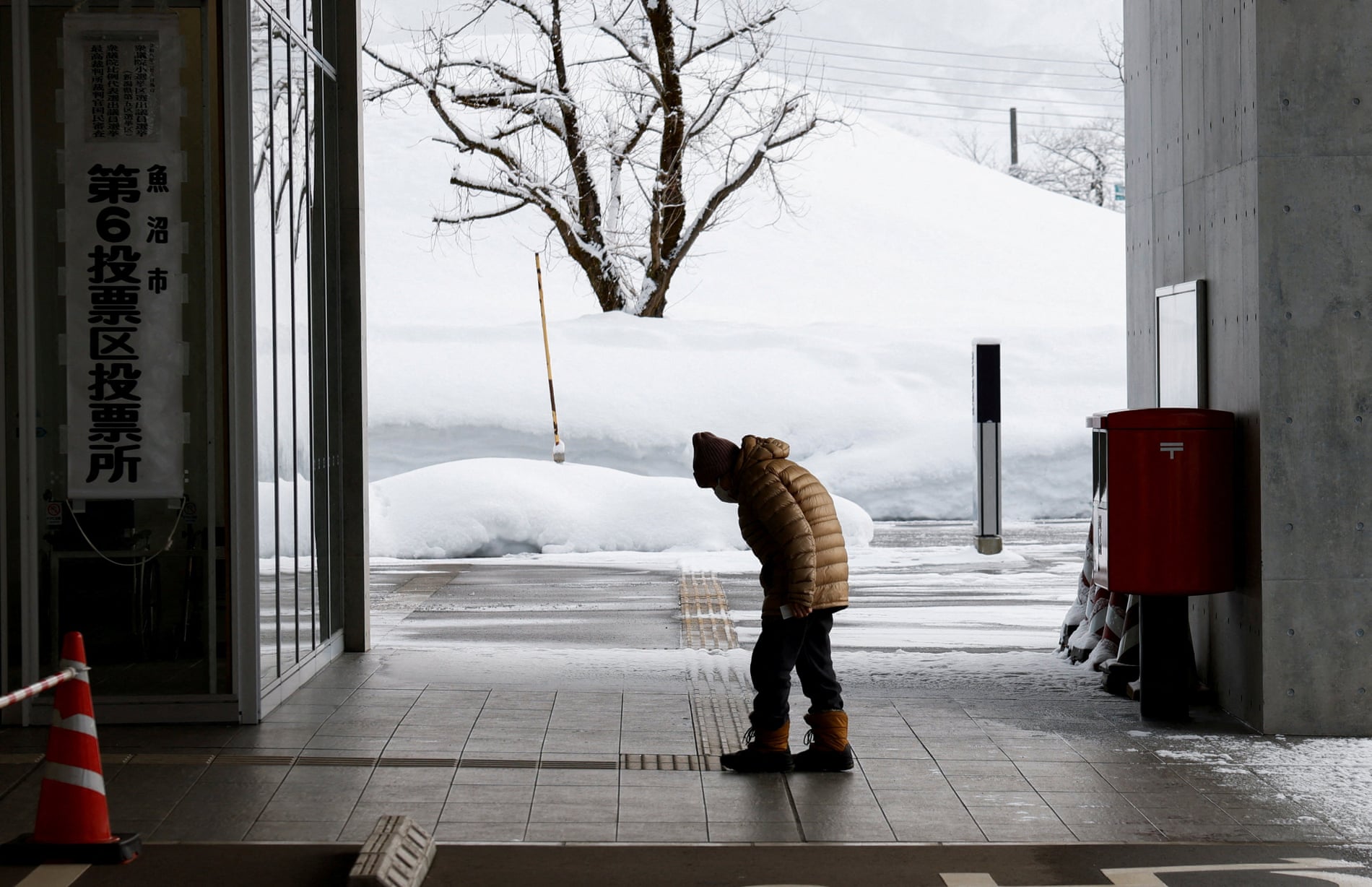
Voters braved brutal winter conditions—sub-zero temperatures, heavy snowfall, and rare Tokyo flurries—to deliver this mandate. The transport ministry reported 37 train lines suspended, 58 ferry routes canceled, and 54 flights grounded, yet turnout reached about 21.6% by late afternoon, per the Nikkei. “People want their lives to be better and more comfortable,” Tokyo voter Ritsuko Ninomiya told the BBC. “We need a long-term solution rather than short-term fixes.” Younger demographics, drawn to Takaichi’s viral social media presence—including a drumming session with South Korean President Lee Jae Myung set to K-pop—propelled her success. “This election is more important for the younger generation,” said Daniel Hayama, emphasizing her appeal to those prioritizing national strength.
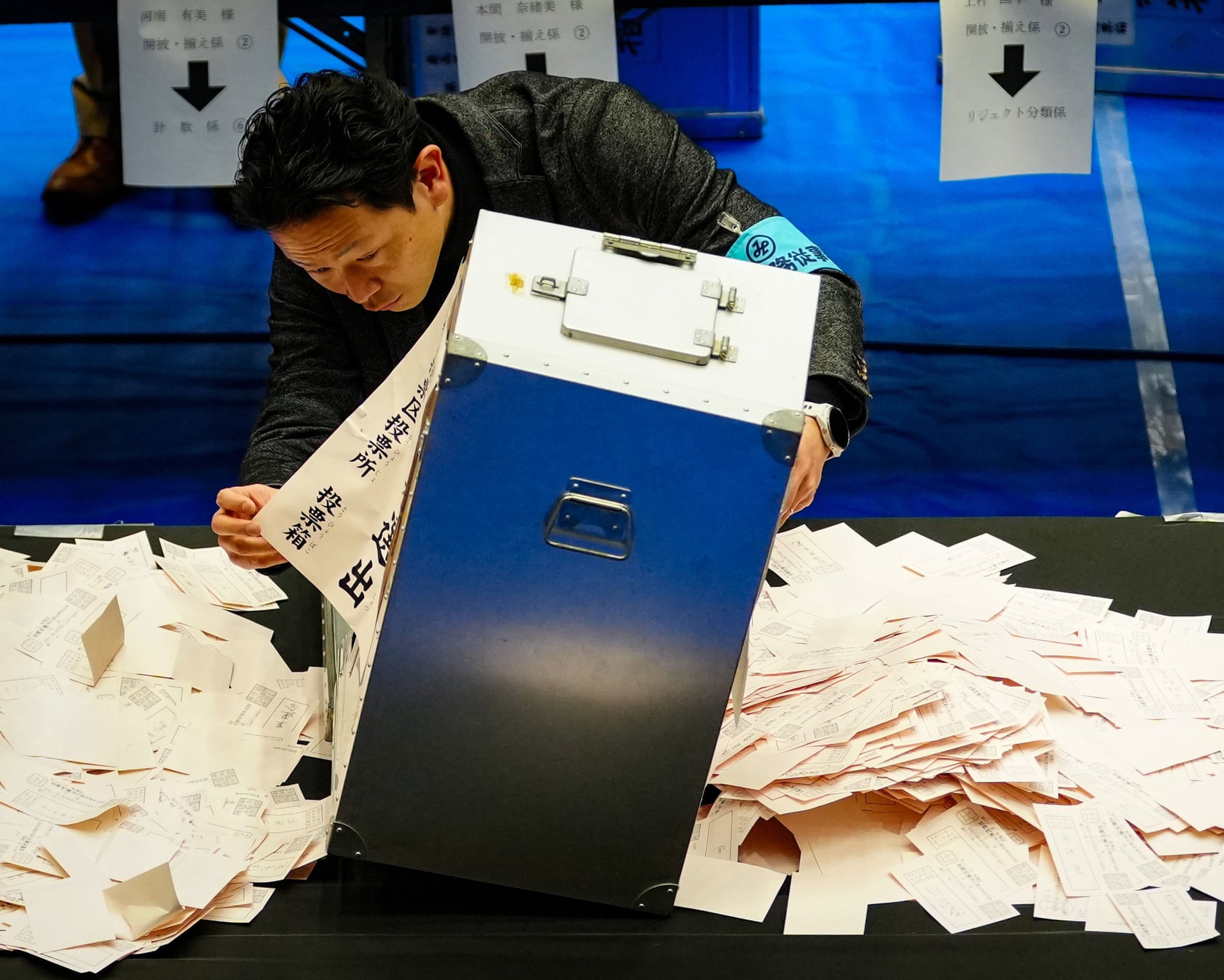
The opposition crumbled under the onslaught. The Centrist Reform Alliance, a hastily formed bloc including the LDP’s former partner Komeito and the Constitutional Democratic Party, was projected to retain only a quarter of its 167 seats. Co-secretary general Nakano Hiromasa conceded to NHK that the results demanded “humble and serious” reflection. Meanwhile, the ultranationalist Sanseito party, with its “Japanese first” platform, surged from two seats to as many as 14, signaling a rightward shift that could amplify Takaichi’s conservative base.
Economically, Takaichi campaigned on a 21 trillion yen ($140 billion) stimulus package to combat the cost-of-living crisis, pledging to suspend the 8% consumption tax on food for two years—a move costing 5 trillion yen annually. “We have consistently stressed the importance of responsible and proactive fiscal policy,” she told reporters as polls closed. Critics, including businesses, warn this could exacerbate Japan’s debt burden—already over twice its GDP, the highest among developed nations. Financial markets reacted with volatility, but supporters argue it’s essential to revive sluggish growth. In a post-election interview with NHK, Takaichi called for a cross-party forum to discuss tax cuts, noting broad support for reducing rates on essentials to zero or 5%.
On the international front, Takaichi’s victory empowers her to fortify alliances that serve American interests. Her November statement that Japan could militarily respond to a Chinese invasion of Taiwan—breaking from Tokyo’s traditional ambiguity—drew Beijing’s wrath: flight cancellations, seafood bans, and intensified patrols near Japanese waters. Yet, it resonated with voters and allies alike. Taiwan’s President Lai Ching-te congratulated her on X: “May your victory bring a more prosperous and secure future for Japan and its partners in the region.” U.S. Treasury Secretary Scott Bessent echoed this on Fox News: “When Japan is strong, the US is strong in Asia.”
Takaichi’s agenda includes ramping up defense spending—already at 2% of GDP—and reviewing foreign land ownership rules to curb Chinese influence. She aims to tighten immigration, targeting non-payments of taxes and health insurance by foreigners—in a nation where immigrants comprise just 3% of the population. Critics accuse her of stoking division, but proponents see it as safeguarding Japanese sovereignty. With a supermajority, she could advance her long-term goal: revising Japan’s pacifist constitution to allow more proactive military roles, aligning with U.S. calls for burden-sharing in containing China.
Domestically, Takaichi maintains conservative views—opposing same-sex marriage and female imperial succession—while her “work, work, work” slogan earned catchphrase-of-the-year honors. Her unconventional persona has shattered glass ceilings, attracting voters tired of the male-dominated establishment.
This political stability coincides with Japan’s cultural boom. The film industry hit a record $1.79 billion box office in 2025, up 32% from 2024, driven by anime like “Demon Slayer: Kimetsu no Yaiba – Infinity Castle – Part 1” ($255 million) and the Oscar-nominated “Kokuho” ($127 million). The global anime market, valued at $25 billion, bolsters Japan’s soft power exports. As Country of Honor at the 2026 Cannes Film Market, Tokyo plans to promote animation and co-productions—opportunities that could yield U.S.-Japan collaborations in entertainment.
Analysts like Syracuse University’s Margarita Estévez-Abe suggest Takaichi now has breathing room until 2028 upper house elections to mend China ties. But Seiji Inada of FGS Global warns markets could punish fiscal largesse, pressuring the yen. For America, her win means a steadfast partner in the Pacific—investing in defense, aligning on trade, and countering Beijing—without overcommitting U.S. resources. It’s a model of smart alliances that put American interests first.