Prediction market platforms Kalshi and Polymarket are discussing potential fundraising rounds that could value each company at about $20 billion.
If completed at that level, the deals would roughly double their valuations from late 2025. The discussions remain early and may not lead to finalized investments, according to the Wall Street Journal.
Prediction markets allow users to trade contracts tied to real-world events, with categories including sports, politics, elections, and more. Traders buy and sell those contracts based on what they think will happen. Essentially, it allows users to monetize information on world events.
Kalshi already operates in the United States under approval from the Commodity Futures Trading Commission. Founded in 2018 by Tarek Mansour and Luana Lopes Lara, raised $1 billion at an $11 billion valuation in December last year.
📊 More Investing
The company recently reached an annualized revenue run rate of about $1.5 billion, according to the WSJ report citing people familiar with the business.
Polymarket, founded in 2020 by Shayne Coplan, was valued at $9 billion in October after Intercontinental Exchange agreed to invest up to $2 billion in the platform.
None of the platforms immediately responded to requests for comments from CoinDesk.
Both platforms are leading in the sector, as prediction markets have become the latest hype for traders.
According to a Dune dashboard, open interest on Kalshi is hovering over $400 million, while on Polymarket it’s at $360 million. The third-largest market, Opinion, is at $36 million.
Similarly, the weekly notional volume (total underlying value of all prediction contracts traded) on Polymarket was $1.9 billion last week, and on Kalshi, $1.87 billion, according to Dune data. Opinion saw weekly volume of $150 million, down from over $1.2 billion ahead of its token launch.
The sector has become so popular that companies, including Coinbase and Robinhood, have entered the prediction market. In fact, Wall Street giants Nasdaq and Cboe recently said they are considering rolling out yes-or-no “binary bets” for traders on the direction of traditional markets, similar to prediction-market betting.
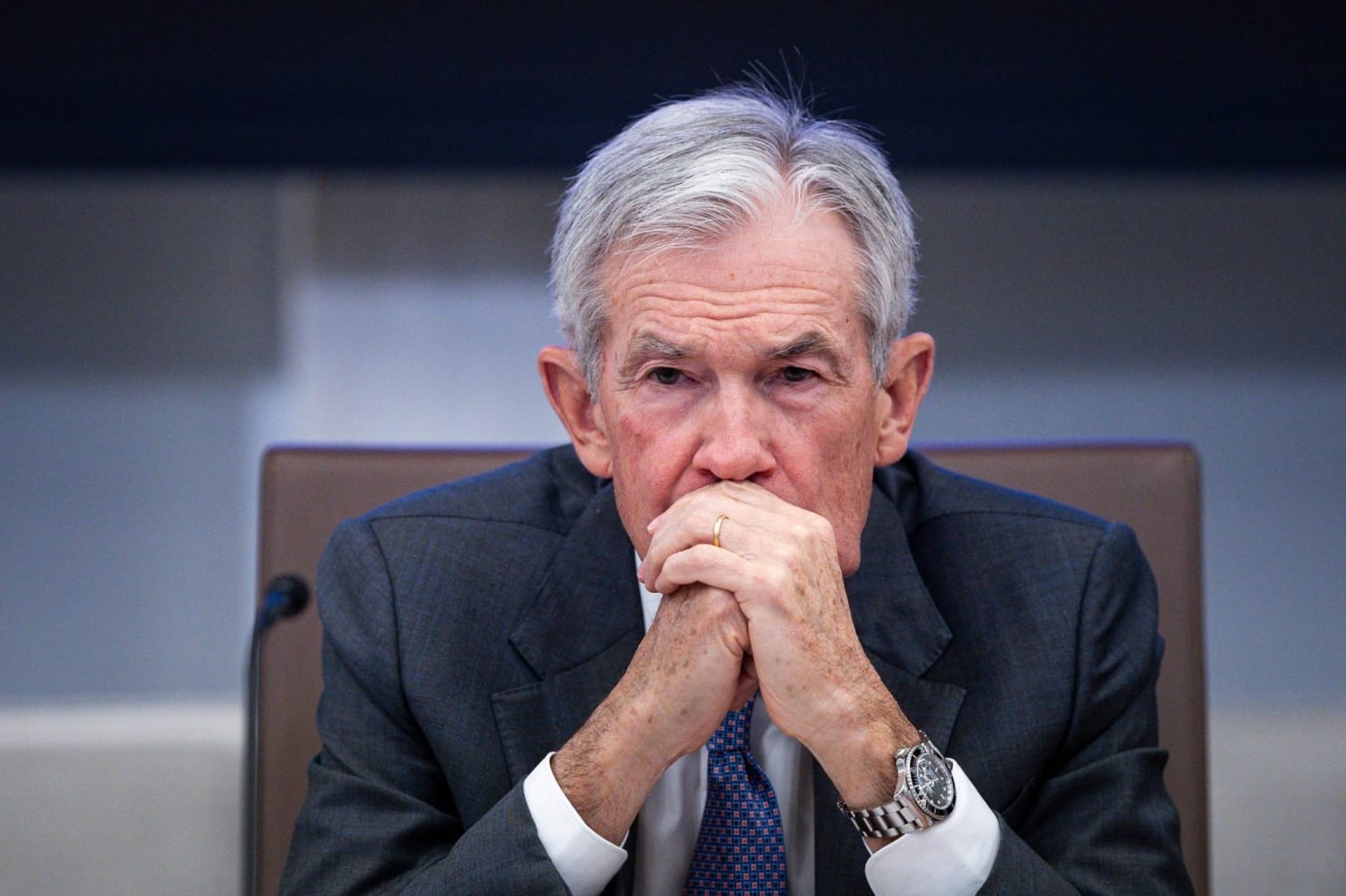
WASHINGTON—The Federal Reserve is waging a behind-closed-doors legal challenge to a pair of subpoenas issued as part of U.S. Attorney Jeanine Pirro’s criminal investigation into Chair Jerome Powell, according to people familiar with the matter.
Pirro, a longtime ally of President Trump, opened the probe to examine whether Powell gave false testimony to Congress last summer about the central bank’s building-renovation project. The move prompted an unprecedented public response from Powell, who in a Jan. 11 video statement said the investigation was a pretext for Trump’s continuing campaign to pressure the Fed to lower interest rates and end the independence of the central bank.
📊 More Economic Policy
The Fed, in sealed proceedings, is asking a judge to quash the subpoenas, which could reduce or eliminate its obligation to respond. Its specific legal arguments couldn’t immediately be learned. It isn’t uncommon, especially in high-profile investigations, for a subpoena recipient to challenge prosecutors’ demands as being overly broad or seeking information protected by legal privilege.
The fight is taking place out of public view because of secrecy rules that apply to criminal investigations pending before a grand jury.
Pirro was present during a White House event on Jan. 8 where Trump excoriated his U.S. attorneys for not moving fast enough to prosecute his favored targets. The Justice Department sent the Fed a pair of subpoenas the following day. The subpoenas asked the Fed to respond toward the end of January.
Republicans have been looking for an off-ramp to the standoff because it is threatening to delay the confirmation of Kevin Warsh, the former Fed governor Trump has chosen to succeed Powell when his term as chair ends in May.
“There were subpoenas issued. But that doesn’t have to mean that there are charges,” Treasury Secretary Scott Bessent said on CNBC earlier this month. He has also defended the probe, telling CBS in January, “I think that the message is that independence does not mean no accountability.”
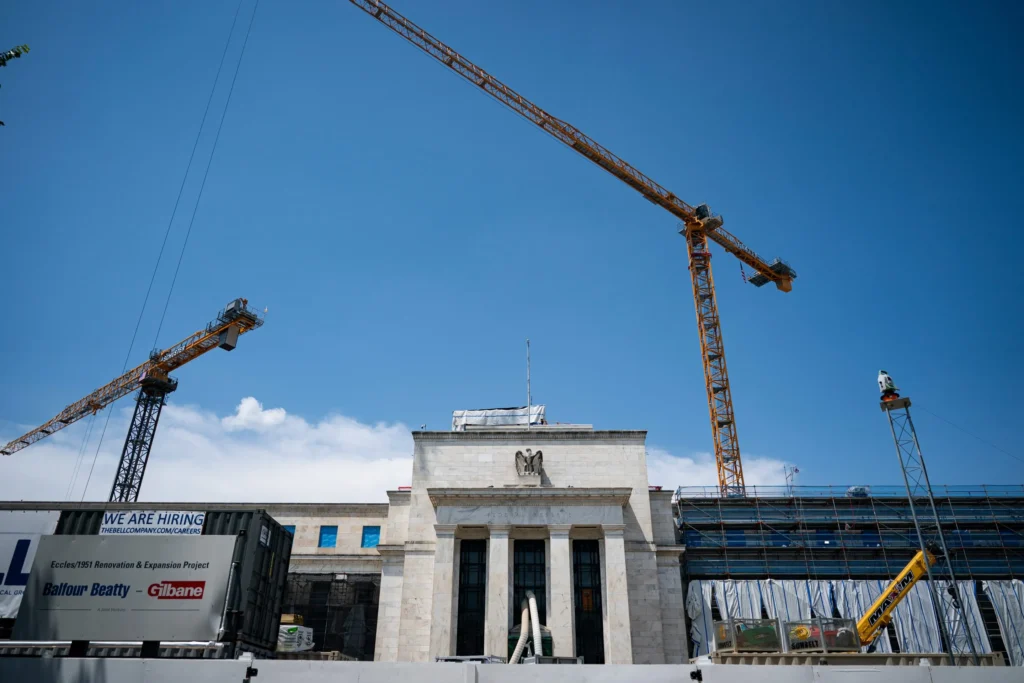
Construction on the Marriner S. Eccles Federal Reserve building in Washington (Samuel Corum/Bloomberg)
Sen. Thom Tillis (R., N.C.) has repeatedly said he wouldn’t advance any Fed nomination, including Warsh’s, until the Justice Department probe has ended. With all Democrats on the Senate Banking Committee taking the same stand, the 13-11 GOP majority isn’t enough to push a nominee through without him.
Tillis has said the probe was launched outside of traditional channels and has warned about steps that erode investors’ expectations that the central bank will be given reasonable latitude to set interest rates as economic conditions warrant.
The investigation centers on a few minutes of answers Powell provided to questions at a Senate hearing last summer about cost overruns on renovations of two historic buildings. White House officials last year suggested either Powell made false statements about the project’s costs or the Fed failed to update building records, but the furor quickly faded after Trump toured the project with Powell in July.
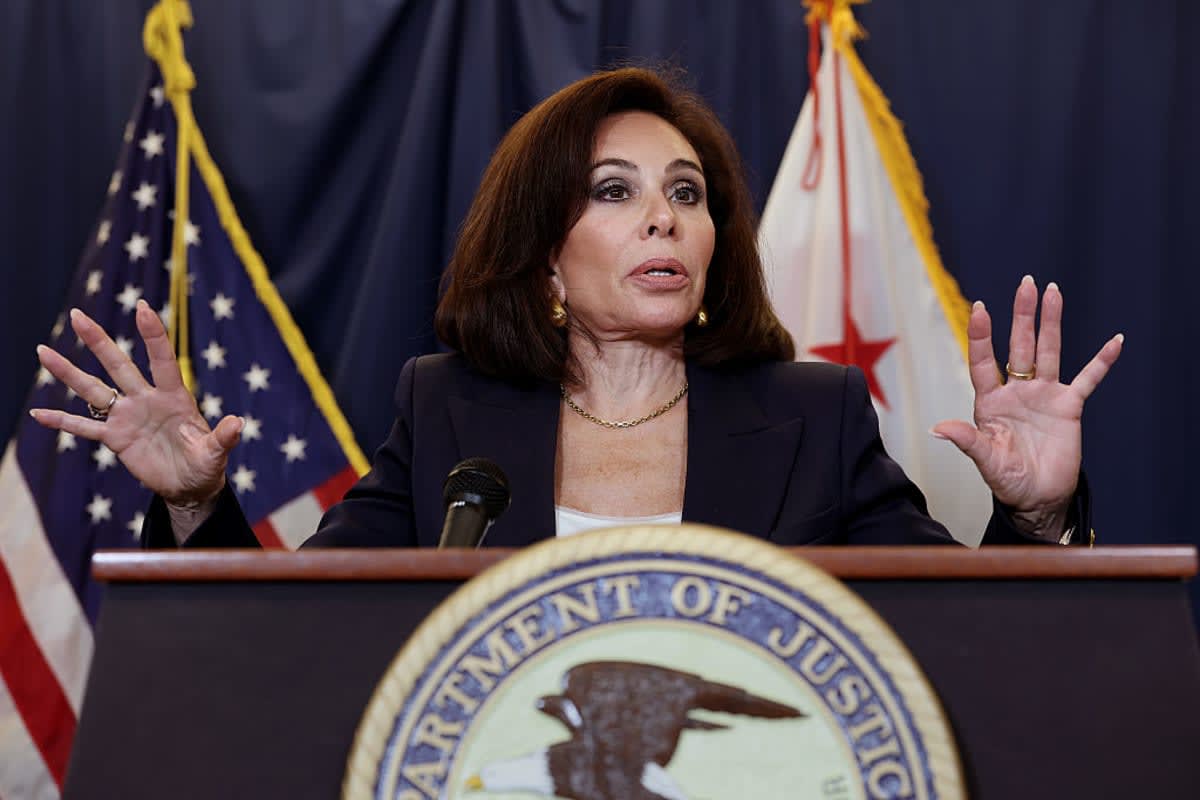
U.S. Attorney For Washington, DC Jeanine Pirro at a press conference (Image source: Getty Images/Photo by Win McNamee)
Pirro has defended the probe, saying the subpoenas were issued after her office hadn’t received answers to multiple information requests. The inquiry opened in November. A lawyer in Pirro’s office sent two emails to the Fed in December asking for a meeting about the renovation.
Trump has sounded less concerned about resolving the impasse. Pirro is “going to take it to the end and see,” Trump told reporters at the White House on Feb. 2, where he inflated to $4 billion the cost of the $2.5-billion renovation.
TORONTO—ChatGPT-maker OpenAI said Friday it considered last year alerting Canadian police about the activities of a person who months later committed one of the worst school shootings in the country’s history.
OpenAI said last June the company identified the account of Jesse Van Rootselaar via abuse detection efforts for “furtherance of violent activities.”
The San Francisco tech company said it considered whether to refer the account the Royal Canadian Mounted Police but determined at the time that the account activity did not meet a threshold for referral to law enforcement. OpenAI banned the account in June 2025 for violating its usage policy.
The 18-year-old killed eight people in a remote part of British Columbia last week and died from a self-inflicted gun shot wound.
OpenAI said the threshold for referring a user to law enforcement is whether the case involves an imminent and credible risk of serious physical harm to others. The company said it did not identify credible or imminent planning. The Wall Street Journal first reported OpenAI’s revelation.
OpenAI said that, after learning of the school shooting, employees reached out to the RCMP with information on the individual and their use of ChatGPT.
“Our thoughts are with everyone affected by the Tumbler Ridge tragedy. We proactively reached out to the Royal Canadian Mounted Police with information on the individual and their use of ChatGPT, and we’ll continue to support their investigation,” an OpenAI spokesperson said.
The RCMP said Van Rootselaar first killed her mother and stepbrother at the family home before attacking the nearby school. Van Rootselaar had a history of mental health contacts with police.
The motive for the shooting remains unclear.
The town of 2,700 people in the Canadian Rockies is more than 1,000 kilometers northeast of Vancouver, near the provincial border with Alberta. Police said the victims included a 39-year-old teaching assistant and five students, ages 12 to 13.
The attack was Canada’s deadliest rampage since 2020, when a gunman in Nova Scotia killed 13 people and set fires that left another nine dead.
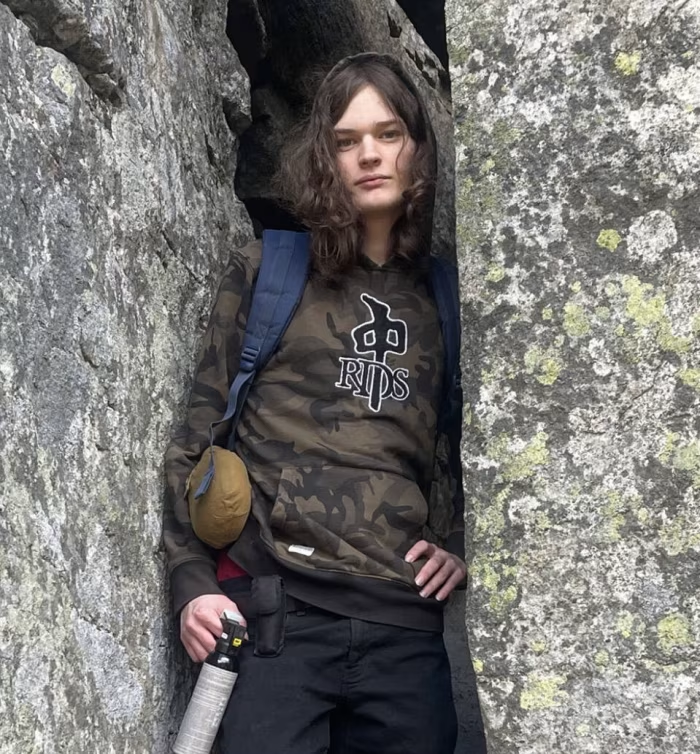
Jesse Van Rootselaar in a photo released by the Royal Canadian Mounted Police. (RCMP)
Police in Canada are still investigating the motives behind the actions of 18-year-old Jesse Van Rootelaar, the suspect in a recent violent incident, and how she managed to carry it out.
In Tumbler Ridge, a mining community with about 2,700 residents, details from police reports, court documents, and family statements are revealing a troubled upbringing for the teenager.
Jesse Strang was the birth name given by her mother, Jennifer Strang. Her biological father was Van Rootelaar, a man she hardly knew following her parents’ difficult separation. Although her father resided in the same town, they had minimal interaction.
Van Rootelaar left school around four years ago, according to officials.
In her adolescence, she became familiar to local law enforcement. She frequently visited the mental-health unit at the home she shared with her mother and younger siblings for assessments under the province’s mental health laws. However, she consistently returned home. At times, firearms stored in the house were confiscated by police and later returned upon petition from a resident.
Van Rootelaar is accused of using four weapons in Tuesday’s fatal attack, which claimed eight lives before she succumbed to a self-inflicted gunshot, authorities reported. Two of the weapons, thought to be the primary ones used, had never been seized by police previously and were unregistered. Locating their source and how Van Rootelaar acquired them remains a key focus for investigators.
A dedicated team is sifting through her online presence and digital history for insights into the reasons and planning behind the mass shooting, as well as examining her previous engagements with police and mental health experts, stated Royal Canadian Mounted Police Deputy Commissioner Dwayne McDonald.
The teen had consulted a gender transition specialist and posted a mirror selfie of her initial makeup attempt, expressing worries about her 6-foot stature’s proportions.
“Why can’t I be petit an smol?” she posted on Reddit.
Later that year, she shared that she “went crazy and burnt my house down” after a second attempt with psychedelic mushrooms, noting the dosage led to “dangerous psychosis.”
She hoped to discover the proper amount for a “positive experience in my life,” mentioning that electroconvulsive therapy and prescribed drugs hadn’t alleviated her mental health issues.
Her biological father, Justin Van Rootelaar, suggested a turbulent early life for the teen in a statement affirming their distant relationship, which he attributed to her mother.
“While that distance is the reality of our relationship, it does not lessen the heartbreak I feel for the pain that has been caused to innocent people and to the town we call home,” he told Canadian media on Friday.
As a child, Van Rootelaar’s life involved multiple relocations, court records indicate, as her mother frequently moved across the country: from Newfoundland on Canada’s eastern Atlantic coast, to Grand Cache, a small mountain town in western Alberta, and Powell River, a coastal area in southwestern British Columbia.
Around age 7 or 8, a then-pregnant Strang transported her across the country from British Columbia to Chamberlain, Newfoundland, against the father’s wishes. A judge labeled this as “reprehensible conduct” in court documents.
At that time, Van Rootelaar and her father had no relationship for “many years,” but they were starting to communicate via phone, per court records.
Some of Van Rootelaar’s online activity has surfaced. She developed a videogame simulating a mass shooting in a shopping mall on Roblox, the company confirmed. The simulation let a Roblox avatar select weapons and shoot other characters in a mall. It was viewable only by seven users via a separate developer app called Roblox Studio and was never released to the public. The company didn’t specify the creation date.
“We have removed the user account connected to this horrifying incident as well as any content associated with the suspect,” a Roblox spokesperson stated. “We are committed to fully supporting law enforcement in their investigation.”
Archived social media shows Van Rootelaar posting images of herself at a gun range, claiming to have made a bullet cartridge with a 3-D printer, and participating in online talks about YouTube videos by gun enthusiasts.
The trans woman also voiced concerns about transitioning and her interests in anime cartoons and illicit drugs, using “jesseboy347” as a social-media handle, according to a post on her mother’s Facebook page.
In 2023 Reddit posts, at age 15, she wrote in the r/trans forum that transitioning felt “super intimidating,” but she posted there.
The father, who hadn’t initially exercised all his parental rights, sought joint guardianship and requested he be consulted on parental decisions. The sparse relationship between father and child resulted from the mother’s “nomadic lifestyle,” British Columbia Supreme Court Judge Anthony Saunders noted.
Before Strang departed with the child, she texted her ex-partner: “We are moving to Newfoundland,” and “We told your lawyer that last week.” But she hadn’t informed the father exactly where or when she planned to relocate with their child, court documents reveal.
It’s uncertain when the mother returned the children.
Over the next decade, Van Rootelaar began interacting with local police due to mental health issues, and those encounters are now under review in the probe into Tuesday’s events, when police say she fatally shot her 39-year-old mother and 11-year-old half-brother at the family home. She then proceeded to Tumbler Ridge Secondary School, fatally shooting six people there—a teacher and five students—and critically injuring two others, police said. She ended her life as officers arrived at the school. Asked if she had been bullied at school, police said they didn’t know but noted she wasn’t currently enrolled as a student.
Amid the complex forensic evidence at both sites, one evident detail has surfaced, said Deputy Commissioner McDonald. Van Rootelaar didn’t seem to have a particular target in mind at the school and shot randomly, he said.
“This suspect was, for lack of a better term, hunting. They were prepared and engaging anybody and everybody they could come in contact with,” McDonald said.
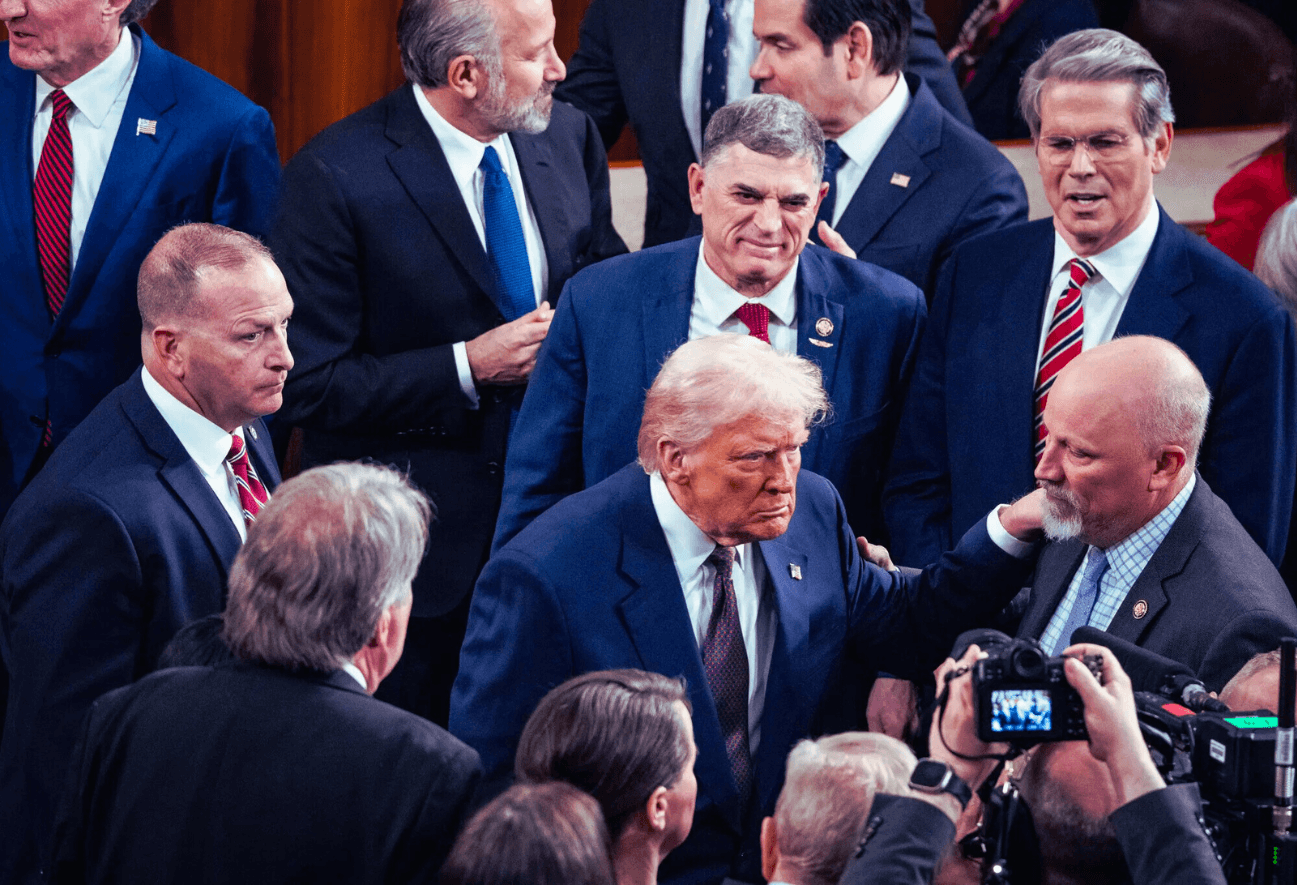
As the midterm elections draw closer, Republican strategists and candidates are growing increasingly frustrated with what they see as a lack of clear direction from President Donald Trump and his administration. With polls showing a darkening outlook for Republican prospects in November, many in the party are privately expressing concern about the mixed signals coming from the White House and what they perceive as a failure to deliver on core “America First” promises.
According to sources close to the White House, Trump’s approach to the midterms has been inconsistent at best. “Some days the president seems not to care,” one official told The Washington Post. “Republicans looking to the White House to lead in the face of the party’s dimming prospects for November’s midterms are facing a crucial hang-up: the president.”
This uncertainty comes at a critical time, with Republicans defending a narrow House majority and facing competitive Senate races in multiple states. The Cook Political Report rates 14 Republican-held House seats as toss-ups, while Democrats are defending only four. In January, Cook shifted 18 seats in the Democrats’ favor.
Broken Promises on Core Conservative Priorities
Beyond the strategic confusion, many grassroots conservatives are expressing disappointment with the Trump administration’s failure to deliver on key campaign promises that formed the foundation of the “America First” movement.
Immigration enforcement remains a major point of contention. Despite promises of “mass deportations,” ICE operations have focused primarily on what officials describe as the “worst of the worst” criminal aliens. This narrow approach has drawn criticism from conservative commentators who argue that illegal immigration is principally a crisis of quantity rather than quality.
“Systems buckle under the weight of accumulated foreign populations long before any immigrant commits a headline-grabbing felony,” notes an analysis in The American Conservative. “At mass levels, illegal immigration suppresses wages for American workers, especially those without college degrees, overwhelms schools and hospitals, and expands welfare systems quietly and permanently.”
The administration has also failed to address concerns about H1B visa programs, which critics argue displace American workers in high-tech fields. Despite campaign rhetoric about putting American workers first, the Trump administration has maintained and in some cases expanded these programs, drawing criticism from conservative immigration restrictionists.
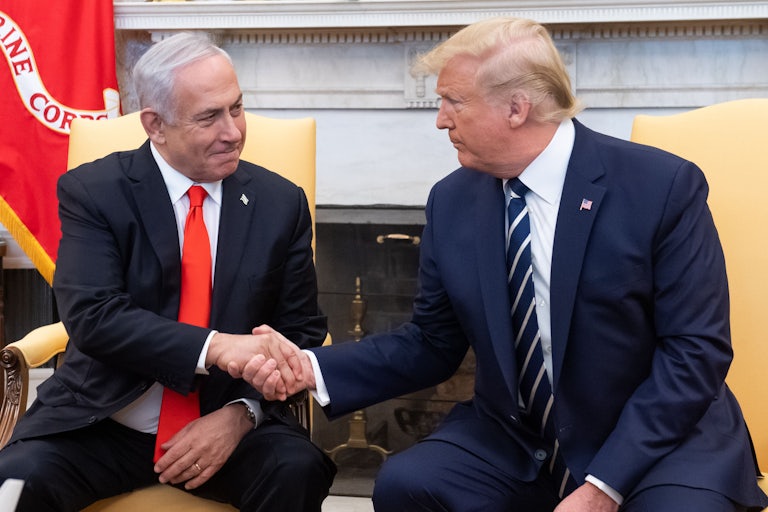
Foreign policy continues to prioritize Israel over American interests. Trump’s approach to the Middle East has drawn particular criticism from conservatives who argue that his policies represent a continuation of the “Israel First” approach of previous administrations rather than the “America First” approach he promised.
The United States continues to provide billions in military aid to Israel annually, with Congress recently approving another $3.3 billion installment as part of the current ten-year, $38 billion Memorandum of Agreement. According to the Council on Foreign Relations, Israel is by far the biggest recipient of U.S. aid in history, having received some $300 billion since its founding.
“It not only siphons off aid from much needed renewal at home, but forces Washington to aid and abet another country’s foreign policy, which is increasingly counterproductive and contrary to our own politics and values,” argues The American Conservative. “The region is not safer, and moreover, it has not allowed for the United States to reduce its military footprint as guarantor of security there.”
Even some Republican lawmakers have begun to speak out against this arrangement. “Nothing can justify the number of civilian casualties (tens of thousands of women and children) inflicted by Israel in Gaza in the last two years. We should end all U.S. military aid to Israel now,” said Rep. Thomas Massie (R-KY) last year.
SAUL LOEB/AFP/Getty Images
War with Iran looms on the horizon despite Trump’s campaign rhetoric about avoiding “dumb wars,” his administration appears to be moving toward another military confrontation in the Middle East, this time with Iran. The president has reportedly given Iranian authorities an ultimatum that includes not only ending their nuclear program but also stopping production of missiles that can reach Israel and ending support for groups like Hezbollah and the Houthis.
“Trump faces a clear choice: Launch another war for Israel or make peace for America,” argues The American Conservative. “His choice is a test case for commentators trying to make sense of this administration: Does Trump’s Iran policy serve America or a foreign nation?”
Critics point out that these demands are essentially impossible for Iran to accept. “What good is a missile deterrent if it has to be short of the range that can hit the country that’s threatening you?” asked antiwar commentator Scott Horton in an interview with The American Conservative. “And it’s just such an unreasonable demand on its face.”
Demographic Concerns Mount
Beyond specific policy disappointments, many conservatives are expressing alarm about ongoing demographic changes that they believe threaten the future of America as a majority-white, Christian nation.
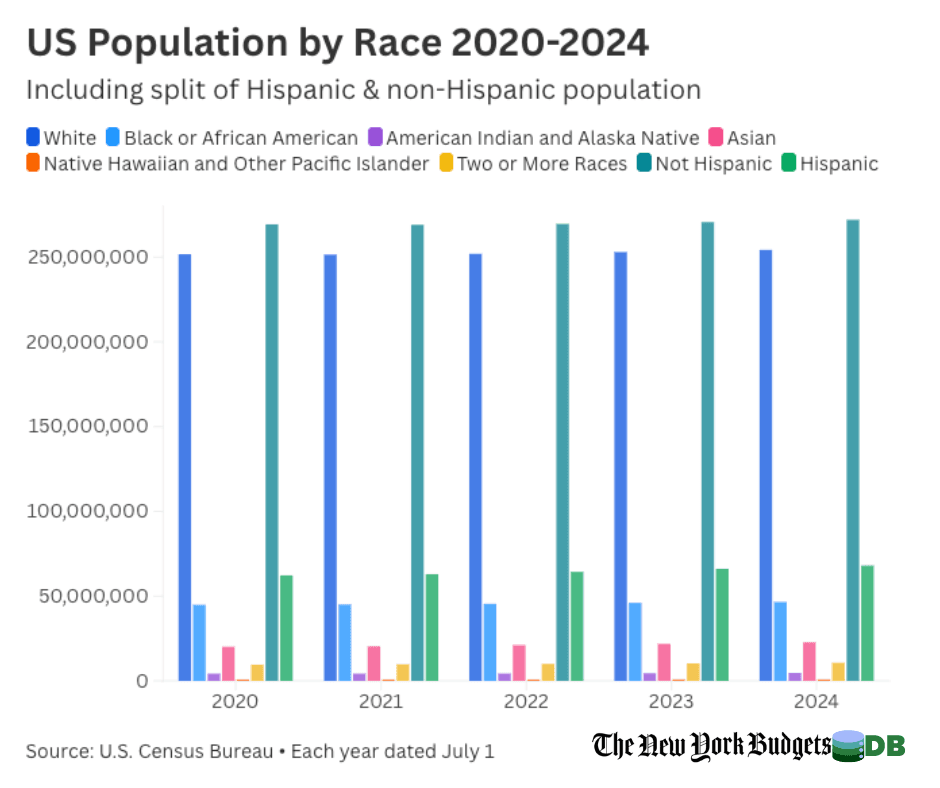
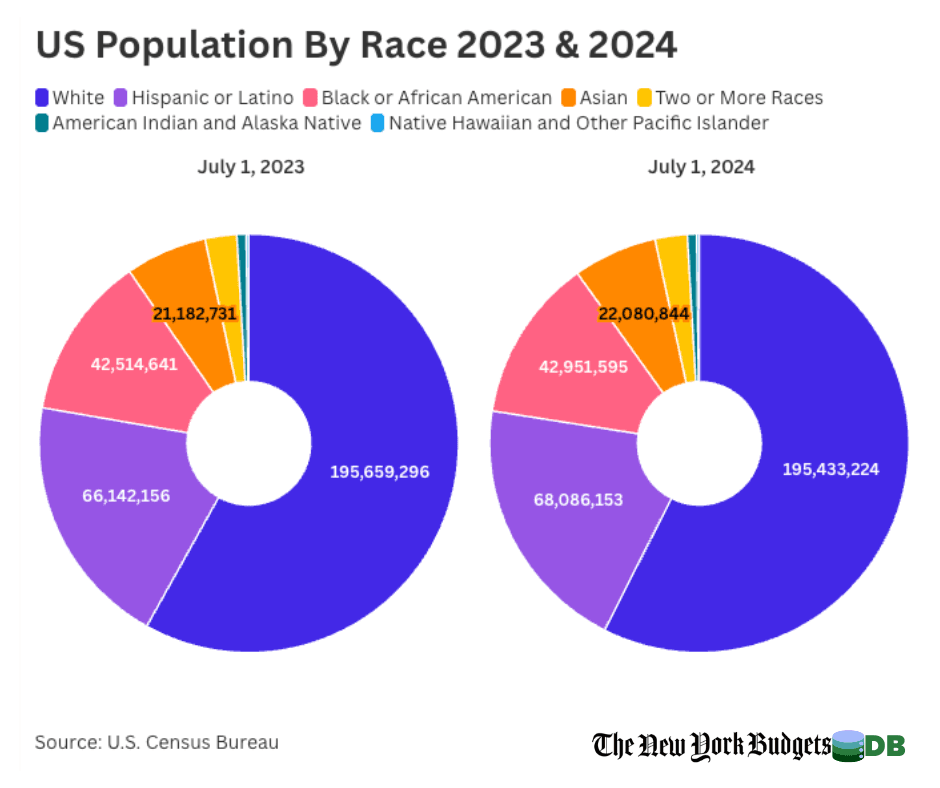
New census projections confirm that the United States will become “minority white” in 2045, with whites comprising just 49.7 percent of the population compared to 24.6 percent for Hispanics, 13.1 percent for blacks, 7.9 percent for Asians, and 3.8 percent for multiracial populations.
The shift is already evident among younger Americans. “For youth under 18—the post-millennial population—minorities will outnumber whites in 2020,” notes a Brookings Institution analysis. “For those age 18-29—members of the younger labor force and voting age populations—the tipping point will occur in 2027.”
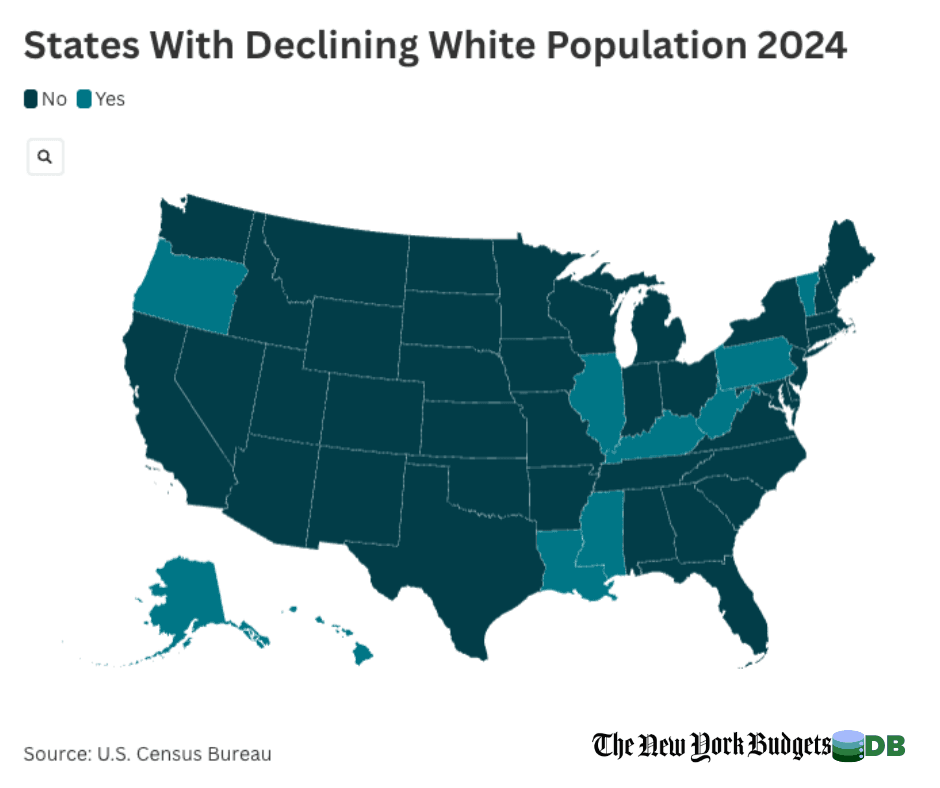
These demographic changes are not occurring evenly across the country. According to the latest Census Bureau data, nine states saw declines in their white populations: Alaska, Illinois, Kentucky, Louisiana, Mississippi, Oregon, Pennsylvania, West Virginia and Vermont.
“The major implication is the major change that is taking place in the U.S. population with respect to its race and ethnic structure,” Rogelio Saenz, a professor in the department of sociology and demography at the University of Texas in San Antonio, told Newsweek. “The Census Bureau has projected that in 2044 the nation would be majority minority, or more non-white than white in the in the population, and I think that that these patterns are well afoot. We’re getting closer to that reality.”
Economic Discontent Grows
Compounding these concerns is growing dissatisfaction with the state of the U.S. economy. Despite Trump’s promises to “supercharge” the economy and “make life more affordable for all Americans,” many working and middle-class families continue to struggle with stagnant wages, rising inflation, and an increasingly unaffordable housing market.
The housing market, in particular, has become a source of frustration for many Americans. Home prices have continued to rise faster than incomes, putting homeownership out of reach for an increasing number of families. At the same time, rental costs have skyrocketed in many markets, consuming an ever-larger portion of household incomes.
These economic pressures come at a time when many Americans are already feeling financially insecure due to the ongoing pandemic and its economic aftermath. Despite promises of a “V-shaped recovery,” many sectors of the economy continue to struggle, and millions of Americans remain unemployed or underemployed.
Trump’s Midterm Strategy Remains Unclear
Against this backdrop of policy disappointments and growing discontent, Trump’s approach to the midterm elections remains unclear. The president has reportedly amassed a war chest of more than $300 million through his main super PAC, MAGA Inc., but has not approved a spending plan for how those funds will be deployed.
“People who have spoken with Trump about these obstacles said he at times can sound detached and noncommittal about his plans for spending and endorsements,” reports The Washington Post. “One person close to the White House said some days the president seems not to care.”
This uncertainty has created particular problems in key Senate races. In Texas, for example, Trump has yet to endorse incumbent Sen. John Cornyn, creating a costly primary battle against state Attorney General Ken Paxton. National Republican strategists view Paxton as weaker in the general election, with one memo estimating that holding the seat with Paxton as the nominee would cost an additional $100 million.
“Texas cannot be taken for granted,” the memo warned, presenting internal polling that puts Cornyn ahead of Democratic candidates and Paxton behind them.
Similar situations are playing out in other states, including Georgia, where multiple Republican candidates are challenging Democrat Jon Ossoff, and Louisiana, where Trump has endorsed a challenger to incumbent Republican Sen. Bill Cassidy.
“Senate Republicans including [Senate Majority Leader John] Thune have been frustrated by Trump’s treatment of Senate incumbents,” reports The Washington Post. “Sen. Thom Tillis of North Carolina declined to run for reelection in the battleground state after feuding with Trump over Medicaid cuts in the president’s 2025 tax cuts and spending package.”
White House Promises Increased Engagement
White House officials insist that Trump is preparing to become more involved in the midterm campaign. “A White House official said Trump is excited to get more engaged in midterm strategy and looking forward to increasing his travel this month, including a campaign-style event outside of Washington this week,” according to The Washington Post.
The president’s political team, led by White House adviser James Blair, campaign strategist Chris LaCivita and pollster Tony Fabrizio, recently met in Palm Beach, Florida, to review research from every competitive race and develop estimates for what Republicans will have to spend to win. The team also briefed a retreat of the Senate Republicans’ campaign arm.
“An Oval Office meeting to go over a handful of House endorsements Wednesday night turned into a five-hour gabfest on the midterms, according to two people present,” reports The Washington Post. “Trump said he wants to defy the tendency of the president’s party losing seats in Congress in the midterms, one of the people said. ‘We’ll spend whatever it takes,’ the person recalled Trump saying. ‘Go get it done.’”
The White House has also encouraged Cabinet secretaries to minimize foreign trips
Perth, Australia – In a strategic move that puts American interests front and center without the endless quagmires of past interventions, the Pentagon is gearing up to station up to four nuclear-powered submarines at HMAS Stirling, a naval base in Western Australia, starting as early as 2027. This deployment, part of the AUKUS security pact, serves as a smart “insurance policy” against potential Chinese aggression in the Indo-Pacific—ensuring U.S. trade routes stay open, supply chains remain secure, and American workers aren’t left holding the bag for Beijing’s bullying. It’s a classic America First play: leveraging allies to share the load, deter threats, and protect our economic edge without committing to another forever war.
The announcement, detailed in a recent Wall Street Journal report, highlights how Washington is repositioning its naval assets closer to flashpoints like Taiwan and the South China Sea. HMAS Stirling, located near Perth, is undergoing a massive $5.6 billion upgrade funded largely by Australia, including new maintenance facilities that will allow U.S. subs to operate more efficiently—reducing strain on American bases in Guam and Hawaii. By 2027, the base will host rotational deployments of Virginia-class attack submarines, with up to four U.S. boats and one from the U.K., under the banner of Submarine Rotational Force-West (SRF-West). This isn’t about basing them permanently—it’s rotational, keeping flexibility while building Australia’s skills for their own nuclear-powered fleet in the 2030s.
From an America First perspective, this is gold: It deters China without overextending U.S. forces. Beijing’s aggressive claims in the South China Sea threaten vital shipping lanes that carry trillions in American trade annually. By parking subs Down Under, we’re sending a clear message—back off—while letting allies like Australia pull their weight. No more freeloading on Uncle Sam’s dime; this pact ensures shared burdens for shared security. And unlike the neocon dreams of regime change, it’s focused on deterrence, not invasion—protecting American jobs in manufacturing and tech that rely on stable Pacific trade.
The move comes amid a broader realignment in Asia, where U.S. policies are reshaping alliances to counter China’s economic and military clout. Take President Trump’s recent tariff tweaks with India: On February 8, he slashed reciprocal tariffs from 25% to 18% and axed a 25% penalty on Indian goods, rewarding New Delhi for slashing Russian oil imports—a smart play to wean allies off adversarial energy sources while boosting U.S. exports. India’s electronics boom, fueled by schemes like Make in India and Productivity Linked Incentives, has catapulted it to the world’s second-largest mobile phone maker, with exports surging from $21.3 billion in 2014-15 to $127 billion in 2024-25. Yet, this growth hinges on Chinese components—39.7% of India’s electronic imports come from Beijing—highlighting the tangled web of dependencies Washington is working to untangle.
This tariff relief positions India to challenge Vietnam in the U.S. market, where Hanoi faces a 45% transshipment tariff to block Chinese rerouting. In 2024, Vietnam grabbed 4% of U.S. imports versus India’s 2.7%, but with electronics making up 17.6% of India’s U.S. exports—and now tariff-free—expect a shift that benefits American consumers and weakens China’s supply chain dominance. It’s America First economics: Reward friends who align with our interests, punish those who don’t.
Further south, political winds are shifting in Bangladesh, where February 12 elections follow the 2024 ouster of Sheikh Hasina amid student uprisings. The interim government under Nobel laureate Muhammad Yunus is cozying up to China and Pakistan, irked by India’s sheltering of Hasina despite extradition demands. This realignment could tip South Asia’s balance, with Beijing eyeing infrastructure deals to expand its Belt and Road footprint. For U.S. interests, it’s a reminder to back stable partners like India without getting bogged down in regional squabbles—focus on trade pacts that secure American access to markets, not endless diplomatic meddling.
Across the East China Sea, Japan’s snap election on February 9 saw Prime Minister Sanae Takaichi’s hawkish stance on China dominate headlines. Her November 2025 vow to defend Taiwan militarily if attacked drew Beijing’s ire—bans on Japanese seafood, tourism curbs, and threats to rare earth exports. Young voters like Aoi Nakamura rallied behind her: “Japan should maintain a firm stance without making any compromises.” A strong win for Takaichi would signal Tokyo’s resolve, aligning with U.S. efforts to fortify alliances against Chinese coercion. But America First means encouraging Japan to step up its own defense spending—now at 2% of GDP—rather than relying on U.S. troops as a crutch.
These threads weave into the AUKUS fabric: The submarine deal accelerates Australia’s nuclear sub program, with U.S. and U.K. rotations building expertise. Recent visits, like the USS Vermont in October 2025 and USS Minnesota in February 2025, test maintenance protocols at Stirling, paving the way for SRF-West. By 2032, Australia gets three Virginia-class subs, enhancing collective deterrence. Experts note this brings U.S. forces 4,000 miles closer to Taiwan than Pearl Harbor, cutting response times in a crisis.
The Virginia-class USS Minnesota docked at the HMAS Stirling base in Western Australia last year. (Colin Murty/Press Pool)
Critics worry about escalation, but proponents argue it’s preventive—deterring Beijing from adventurism that could disrupt global trade. With China flexing in the Taiwan Strait, this base ensures America can protect its interests from afar, without boots on the ground. As one Pentagon official put it, “It’s about presence, not provocation.”
In this era of great-power competition, Trump’s strategy—trade incentives for India, alliances like AUKUS, and firm lines with rivals—puts American workers, security, and prosperity first. No more nation-building; just smart power that keeps the peace and pays dividends at home.
For the full story on the submarine deployment, read The Wall Street Journal’s report here. Details on AUKUS from the Australian Submarine Agency. Coverage of India’s trade surge from Dow Jones. The New York Times on Japan’s election dynamics.
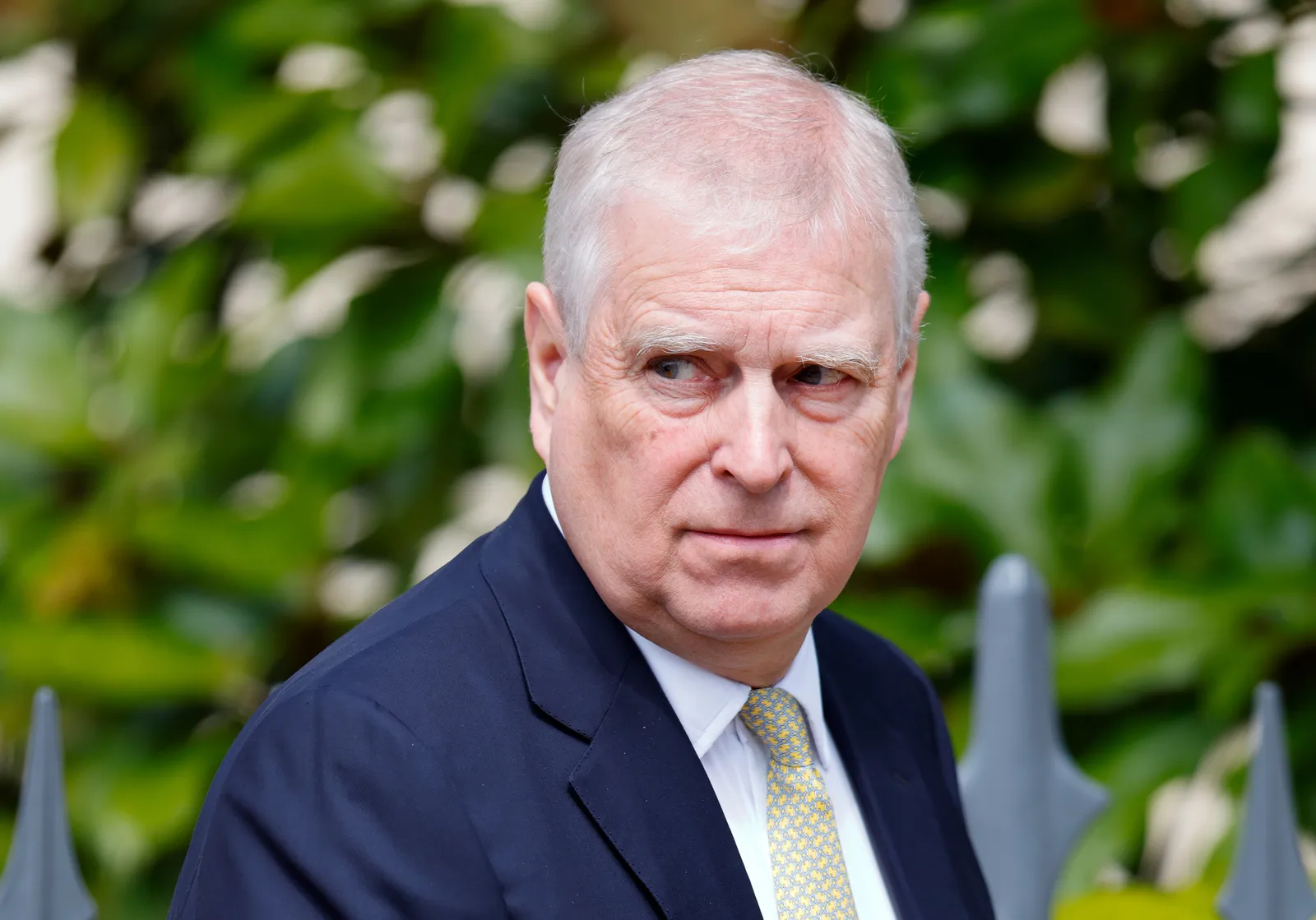
In the shadow of Windsor Great Park’s ancient oaks, Royal Lodge stands as a Georgian jewel—a sprawling 30-room mansion once beloved by queens and now at the epicenter of a brewing royal scandal. For more than two decades, Prince Andrew, the disgraced Duke of York, has called this Grade II-listed estate home, sharing its opulent halls with his ex-wife, Sarah Ferguson. But a bombshell lease document, unearthed and scrutinized this week, has ignited bipartisan outrage: Andrew hasn’t paid a penny in rent since 2003. Instead, he’s handed over a symbolic “peppercorn” annually—if demanded at all—while taxpayers foot the bill for lost revenue estimated at over £5 million.
The revelations, first detailed by The Times and corroborated by the Crown Estate’s own records, come amid fresh waves of scrutiny over Andrew’s ties to convicted sex trafficker Jeffrey Epstein. Just days after Andrew relinquished his Duke of York title and military honors—moves seen by some as a desperate bid to salvage his fading royal status—Virginia Giuffre’s posthumous memoir Nobody’s Girl hit bookshelves, reigniting allegations of sexual abuse that Andrew has vehemently denied for years. Politicians from across the spectrum are now demanding answers, investigations, and even eviction. “The public are sick of him,” thundered Shadow Justice Secretary Robert Jenrick on BBC Radio 4’s Today programme. “It’s about time Prince Andrew took himself off to live in private and make his own way in life.”
This is no mere tabloid tittle-tattle; it’s a flashpoint for broader questions about royal privilege in an era of austerity. As King Charles III navigates a slimmed-down monarchy, the optics of his brother’s taxpayer-subsidized luxury are toxic. With parliamentary committees gearing up for probes and campaigners calling for compensation, Andrew’s grip on Royal Lodge—secured by a 75-year lease running until 2078—may finally be loosening. But as our investigation reveals, evicting him could cost the public purse dearly, thanks to a little-known compensation clause buried in the contract.
The Peppercorn Deal: A Royal Bargain or a Public Slight?
The story begins in the balmy summer of 2003, when Prince Andrew, then a roving trade envoy with a penchant for high-flying diplomacy (and higher-flying controversies), inked a deal that would secure his family’s foothold in Windsor’s gilded enclave. Fresh from Sunninghill Park—another grace-and-favor gift from his mother, the late Queen Elizabeth II—Andrew shelled out £1 million upfront for a 75-year lease on Royal Lodge. In return, he committed to a staggering £7.5 million refurbishment, transforming the then-weathered estate into a modern palace fit for a fallen prince.
But here’s the kicker: since those initial outlays, Andrew’s annual rent has amounted to precisely nothing. The lease stipulates “one peppercorn (if demanded)” per year—a legal relic from feudal times, symbolizing nominal payment without actual cash changing hands. Market estimates peg the property’s true rental value at £260,000 annually, meaning the Crown Estate—whose profits flow directly to the Treasury—has foregone millions in potential revenue. Andrew, in exchange, shoulders all maintenance costs, a burden that reportedly runs into hundreds of thousands yearly for the 98-acre grounds alone.
The Crown Estate, an independent body managing £15 billion in royal assets, defends the arrangement as standard for historic properties requiring “close management control.” A 2005 National Audit Office (NAO) report, commissioned post-refurbishment, deemed it “appropriate,” noting that without Andrew’s investment, taxpayers would have footed the renovation bill. Downing Street echoed this on Tuesday, with a No. 10 spokesman insisting: “An independent evaluation concluded that the transaction… was appropriate.”
Yet critics smell favoritism. The NAO report itself conceded that the “over-riding need” for royal oversight “constrained the Crown Estate’s ability to realise the highest market value.” And lurking in the fine print? A compensation clause: If Andrew surrenders the lease early, the Crown Estate must pay him £558,000—equivalent to £185,865 annually until 2028. Eviction, it seems, isn’t just politically fraught; it’s financially punitive.
Political Firestorm: ‘Disgraceful’ Subsidy or Sovereign Right?
The lease’s exposure has supercharged a cross-party backlash. Robert Jenrick, the Conservative shadow justice secretary, didn’t mince words on Today: “He has disgraced himself, he has embarrassed the royal family time and again. I don’t see why the taxpayer, frankly, should continue to foot the bill at all.” Jenrick, a vocal monarchist who has praised King Charles’s “great respect and admiration” for handling the crisis, argued Andrew should “vanish from public life” entirely—no more luxury pads on the public dime.
Labour’s Dame Meg Hillier, chair of the Commons Treasury Committee and a 20-year MP veteran, signaled parliamentary muscle: “Where money flows, particularly where taxpayers’ money is involved… Parliament has a responsibility to have a light shine upon that, and we need to have answers.” Her Public Accounts Committee counterpart is poised to join a joint scrutiny, potentially hauling Crown Estate executives before MPs by year’s end.
The Liberal Democrats, ever the fiscal watchdogs, went further. Cabinet Office spokeswoman Lisa Smart demanded Andrew “show some contrition by returning every penny of rent that he’s not paid while disgracing his office.” “Andrew has failed our King and Royal Family and betrayed the values of the British people,” she added, framing the saga as an “insult” to public decency.
Even as voices unite against Andrew, the palace remains tight-lipped. Buckingham Palace sources, speaking anonymously to the BBC, admitted “more days of pain ahead” but insisted the lease is a private matter. King Charles, who slashed Andrew’s £1 million annual allowance last year and yanked his £3 million security detail, is reportedly “at the end of his tether,” per royal insiders. Yet Andrew digs in, buoyed by his “cast-iron” contract and a personal fortune estimated at £1.5 million—bolstered by the controversial £15 million sale of Sunninghill Park in 2007 to a Kazakh oligarch’s son-in-law.
Shadows of Epstein: Giuffre’s Ghost and Unfinished Reckonings
No discussion of Andrew’s woes is complete without revisiting the Epstein specter. The financier’s 2019 suicide left a trail of shattered lives, with Andrew at its painful nexus. Giuffre, who died by suicide in April 2025 at 41, accused Andrew of sexually abusing her three times as a 17-year-old—once in London, once in New York, and once on Epstein’s Little St. James island. Andrew settled her 2022 civil suit for an undisclosed sum (rumored at £12 million) but never admitted liability.
Nobody’s Girl, co-written by Amy Wallace and published posthumously per Giuffre’s wishes, peels back layers of trauma. Extracts in The Guardian describe Giuffre’s recruitment at Mar-a-Lago: “An apex predator… spotted me like fresh meat.” Wallace, in ITV News interviews, defended Giuffre’s hazy timelines—”I may not remember particular dates… but I remember that face”—and lambasted Andrew’s inaction: “He was in the houses, he was on the jets… he could come forward and help investigators.” She hailed his title surrender as a “victory,” a “step in the right direction” toward accountability, though “his life is being eroded… as it should be.”
The memoir’s timing—mere days after Andrew’s title drop—has amplified calls for justice. Giuffre’s brother and sister-in-law, Sky and Amanda Roberts, urged Channel 4 News to press the Metropolitan Police to reopen its probe, or failing that, involve the Independent Office for Police Conduct. “Virginia wanted all the men… held to account,” Wallace told BBCNewsnight. Ghislaine Maxwell, Epstein’s convicted procurer, emerges as the “more ghastly” villain—a woman who “used her gender to lure young girls into this den of hell.”
Andrew’s denials persist: “I have never intended to… meet Virginia Giuffre,” he stated post-settlement. But emails unearthed in U.S. court filings show post-2001 contact with Epstein, contradicting his infamous 2019 Newsnight claim of a clean break. Ferguson, too, faces fallout—stripped of seven patronages after a groveling Epstein email surfaced.
A Storied Seat: From Queen Mother’s Haven to Andrew’s Holdout
Royal Lodge’s history mirrors the monarchy’s own: humble origins as a 17th-century farmhouse, rebuilt in 1830 by King William IV as a hunting retreat for George IV. By the 1930s, it became a sanctuary for the abdication-scarred House of Windsor. King George VI and Queen Elizabeth (the Queen Mother) raised their daughters there, Elizabeth II frolicking in her gift “Wendy House”—Y Bwthyn Bach, a thatched play cottage still on the grounds.
The Queen Mother held court until her 2002 death at 101, overseeing lavish updates. Andrew’s 2003 arrival marked a shift: He, Ferguson, and daughters Beatrice and Eugenie transformed it into York family HQ. Interiors boast seven bedrooms, a grand saloon, and a private chapel amid manicured gardens. Yet whispers of a “secret palace” in Abu Dhabi—rumored as an Andrew bolt-hole—add intrigue, with Daily Mail investigations probing Gulf ties.
Andrew’s finances remain opaque. With his allowance axed, he leans on a £20,000 naval pension, Pitch@Palace residuals (now suspended), and opaque Gulf/Chinese ventures. The Sunninghill windfall endures scrutiny for its £3 million markup and buyer’s Kazakh links. Security? Self-funded at £3 million yearly, per palace edict.
But the real sting is opportunity cost. Over 22 years, forgone rent could have swelled Treasury coffers by £5.7 million—enough for 1,000 NHS nurse salaries or climate adaptation projects. As Jenrick put it: “He shouldn’t have any taxpayer subsidies going forward.”
As autumn leaves carpet Windsor’s paths, Royal Lodge’s future hangs in balance. Andrew, 65 and isolated, shows no sign of budging—his lease a fortress against familial pleas. Yet with Giuffre’s words echoing (“This is about a system of powerful… people hurting people who aren’t”), and MPs sharpening their quills, the pressure is unrelenting.
King Charles, ever the modernizer, faces a dilemma: Enforce eviction and risk a £558,000 payout, or let the “embarrassment” linger? For taxpayers weary of royal excess, the verdict is clear: Time’s up for the Peppercorn Prince. As Wallace warns, the “fetishisation of young girls” didn’t die with Epstein—nor, it seems, has Andrew’s unyielding grip on privilege.
Cookie Consent
We use cookies to improve your experience on our site. By using our site, you consent to cookies.
Contains information related to marketing campaigns of the user. These are shared with Google AdWords / Google Ads when the Google Ads and Google Analytics accounts are linked together.
90 days
__utma
ID used to identify users and sessions
2 years after last activity
__utmt
Used to monitor number of Google Analytics server requests
10 minutes
__utmb
Used to distinguish new sessions and visits. This cookie is set when the GA.js javascript library is loaded and there is no existing __utmb cookie. The cookie is updated every time data is sent to the Google Analytics server.
30 minutes after last activity
__utmc
Used only with old Urchin versions of Google Analytics and not with GA.js. Was used to distinguish between new sessions and visits at the end of a session.
End of session (browser)
__utmz
Contains information about the traffic source or campaign that directed user to the website. The cookie is set when the GA.js javascript is loaded and updated when data is sent to the Google Anaytics server
6 months after last activity
__utmv
Contains custom information set by the web developer via the _setCustomVar method in Google Analytics. This cookie is updated every time new data is sent to the Google Analytics server.
2 years after last activity
__utmx
Used to determine whether a user is included in an A / B or Multivariate test.
18 months
_ga
ID used to identify users
2 years
_gali
Used by Google Analytics to determine which links on a page are being clicked
30 seconds
_ga_
ID used to identify users
2 years
_gid
ID used to identify users for 24 hours after last activity
24 hours
_gat
Used to monitor number of Google Analytics server requests when using Google Tag Manager