U.S. pharmaceutical companies are racing to assess the fallout from President Donald Trump’s proposal of a 200% tariff on imported pharmaceutical products, a policy that has sent shockwaves through the global drug industry and sparked intense scenario planning among manufacturers and investors.
Speaking on Tuesday, Trump reiterated that long-delayed, industry-wide tariffs are imminent, following the launch of a Section 232 national security investigation into pharmaceutical supply chains in April. While he hinted that the tariffs wouldn’t take effect immediately — instead offering a grace period of 12 to 18 months — industry analysts and executives warn the impact could be both disruptive and long-lasting.
“This kind of tariff would inflate production costs, compress profit margins, and risk severe supply chain disruptions, leading to drug shortages and higher prices for U.S. consumers,” analysts at Barclays warned in a research note Wednesday.
Even with a grace period, the pressure is building. UBS called the delay “insufficient time” for pharmaceutical manufacturers to shift operations back to the U.S., noting that relocating commercial-scale production typically takes four to five years.
According to Pharmaceutical Research and Manufacturers of America (PhRMA), a mere 25% tariff would already drive up U.S. drug prices by $51 billion annually, translating to as much as a 12.9% increase in consumer prices. The group blasted the proposed 200% levy as “counterproductive” to public health, especially given rising inflation and mounting healthcare costs.
“A 100% or 200% tariff would be potentially disastrous for every person because we need those pharmaceuticals, and it takes those companies a long time to produce them here in the U.S.,” said Afsaneh Beschloss, founder and CEO of RockCreek Group, speaking on CNBC’s Closing Bell.
Many of the world’s leading drugmakers — including Roche, Novartis, Sanofi, Bayer, and AstraZeneca — manufacture much of their product outside the U.S., particularly in Europe, India, and Asia, where costs are lower and supply chains more mature.
In anticipation of potential fallout, global firms are exploring relocation strategies and cost restructuring. Roche, for instance, stated it is “monitoring the situation closely” and advocating for policies that reduce barriers to patient access while continuing to expand its U.S. manufacturing footprint.
Bayer said it is focused on “securing supply chains and minimizing any potential impact,” while Novartis confirmed no changes to its current U.S. investment strategy but emphasized ongoing collaboration with the U.S. administration and trade associations.
Other firms — such as Sanofi, AstraZeneca, and Novo Nordisk — have remained largely silent, either declining comment or citing pre-earnings quiet periods.
Trump’s administration argues that reshoring pharmaceutical production is a national security imperative, especially after the COVID-19 pandemic exposed vulnerabilities in the global medical supply chain. Historically, pharmaceuticals have been exempt from trade tariffs due to their essential nature. But Trump has long criticized the industry for “offshoring profits” while “overcharging American patients.”
The president’s remarks on Tuesday reinforced this stance, describing the move as a necessary step toward bringing “American-made medicine” back to domestic shelves. Critics, however, argue that such sweeping tariffs could drive up drug costs while placing undue stress on an industry already grappling with R&D inflation, regulatory pressures, and price transparency reforms.
The pharmaceutical industry had hoped for a carve-out from broad tariffs — a strategy that appears increasingly unlikely. Some optimism has shifted toward future trade negotiations that might soften the blow.
The recently signed U.S.-U.K. trade agreement, while thin on specifics, includes a provision to negotiate preferential treatment for British pharmaceutical products and ingredients, contingent on the outcome of the Section 232 probe.
Swiss and EU pharmaceutical exporters may be pursuing similar carve-outs, but progress has been slow. With the final Section 232 report due by the end of July, drugmakers are bracing for a pivotal policy moment — one that could redefine their long-term U.S. market strategy.
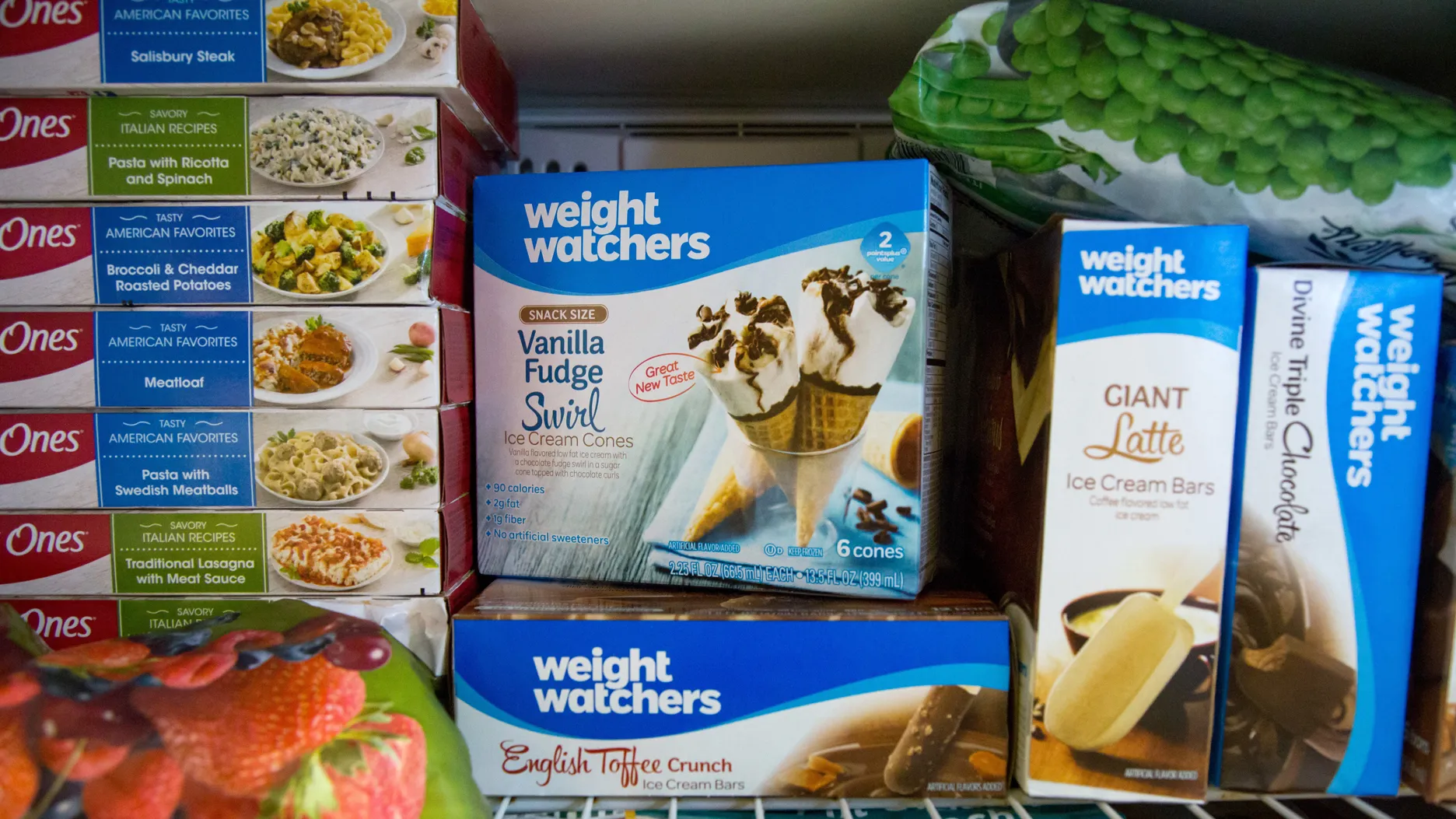
WeightWatchers, the 62-year-old program that revolutionized dieting for millions of people around the world, has filed for bankruptcy.
The company announced Tuesday it has entered Chapter 11, which “will bolster its financial position, increase investment flexibility in its strategic growth initiatives, and better serve its millions of members around the world.”
The company, now known as WW International, has struggled with about $1.5 billion in debt and has failed to keep pace with more convenient weight loss options, including GLP-1 drugs like Ozempic, over counting points and calories.
During the bankruptcy process, its massive amount of debt will be eliminated, and it expects to emerge in about 40 days as a publicly traded company. Operations for its members will continue as normal, it said.
“The decisive actions we’re taking today, with the overwhelming support of our lenders and noteholders, will give us the flexibility to accelerate innovation, reinvest in our members, and lead with authority in a rapidly evolving weight management landscape,” said CEO Tara Comonte in a release.
WW International has a had rough few years after a turnaround plan from its former CEO, Sima Sistani, failed. She was forced out of her position in September 2024 after a two-and-a-half-year stint.
Sistani bought a telehealth platform that connected patients with doctors who can prescribe weight-loss and diabetes drugs, representing a radical change for a service that made its name for in-person meetings and portion control. But the pivot didn’t work, and the stock has plummeted.
Sistani was replaced by Comonte, a former chief financial officer at fast food chain Shake Shack. Its most recent earnings release in February revealed a 12% decline in members and that its $100 million in interest payments on debt is a “a significant ongoing burden for the company.”
WW took another hit last year when star investor Oprah Winfrey announced she was leaving the company’s board after nearly a decade holding that position and donated all of her stock to a museum.
The former talk show host credited the program for help losing 40 pounds in 2016 but later revealed that she had also used an unnamed weight loss drug to lose more.
WW’s history
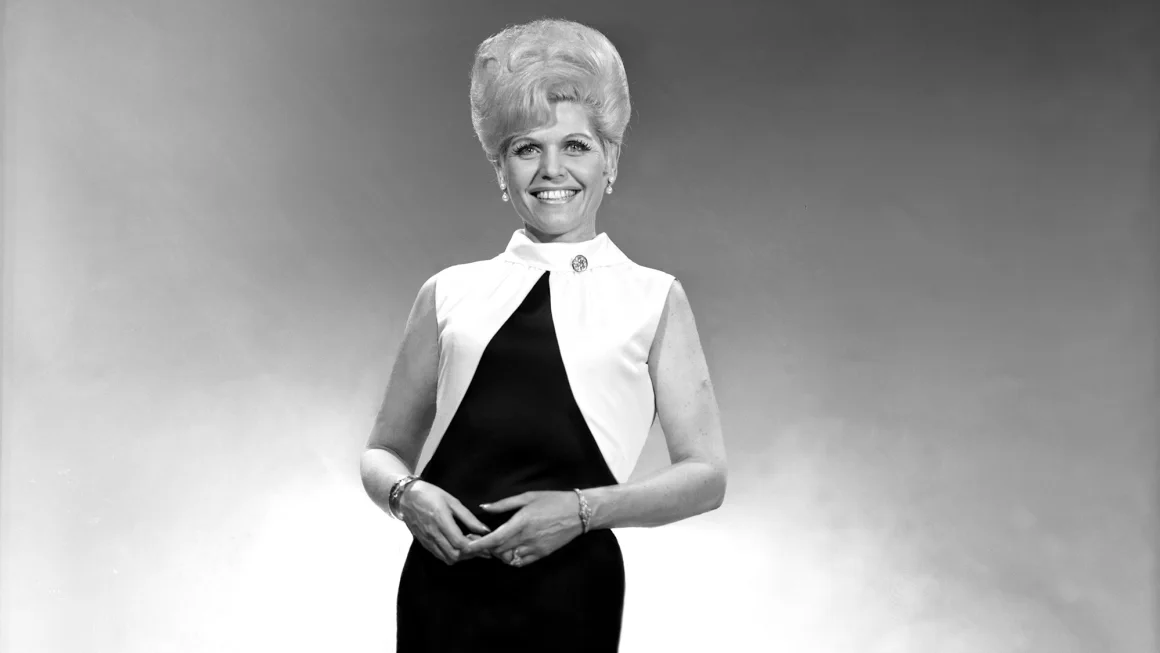
The company was founded in 1963 by Jean Nidetch, a self-described “overweight housewife obsessed with cookies” whowas fed up with fad diets and pills.
She began hosting weekly meetings at her home with friends to discuss their difficulties with dieting and exercise. “Compulsive eating is an emotional problem,” Nidetch told Time magazine in 1972, “and we use an emotional approach to its solution.”
Founder and director of Weight Watchers Inc. Jean Nidetch in 1965. (Michael Ochs Archives/Getty Images)
Abiding by her philosophy — “It’s choice, not chance, that determines your destiny” —Nidetch lost more than 70 pounds and kept it off.
Part of its success can be attributed to its points system, where one number represents each food and drink’s calories, saturated fat, sugar and protein. The company had 3.3 million subscribers at the end of 2024.
WW’s shares have devolved into a penny stock, a far cry from when it was trading at its peak at around $100 in 2018.
Rite Aid filed for bankruptcy protection Monday for the second time, less than a year after the embattled drugstore chain emerged from Chapter 11 as a private company.
Rite Aid said in a news release that it’s looking for a buyer and is in “active discussions” with multiple prospects. The Chapter 11 filing in U.S. Bankruptcy Court in New Jersey gives Rite Aid access to $1.94 billion in new financing to fund the sale process, during which it plans to keep stores open.
The company did not respond to The Washington Post’s request for comment.
Rite Aid first filed for bankruptcy in October 2023 and received $3.45 billion in new financing to support its reorganization. The company emerged from Chapter 11 in September after slashing almost $2 billion in debt and closing hundreds of stores.
Despite this downsizing, Rite Aid has “continued to face financial challenges” that have intensified as the retail and health-care sectors evolve, chief executive Matt Schroeder said in a statement, adding that the retailer will focus on keeping pharmacy service uninterrupted.
Rite Aid’s October 2023 bankruptcy filing also allowed the company to resolve hundreds of lawsuits alleging that it unlawfully filled opioid prescriptions, a practice that fueled the nation’s opioid crisis, according to allegations by several cities, counties and states.
The flood of litigation, which also targeted CVS and Walgreens, has resulted in more than $50 billion in settlements with state and local governments — upending the country’s three major pharmacy retailers.
Those settlements come as traditional pharmacy companies also face rising competition from e-commerce giants such as Walmart and Amazon, which offer same-day prescription delivery. Walgreens announced last year that it would close a “significant portion” of its almost 9,000 U.S. locations and agreed last March to take itself private as part of an acquisition by private-equity firm Sycamore Partners.
Meanwhile, CVS, the country’s largest national chain, announced in 2021 that it would shutter 900 stores over three years and outlined plans last October to lay off almost 3,000 employees to cut costs.
Rite Aid, the third-largest national stand-alone pharmacy chain, has about 1,200 stores, according to its website. The Philadelphia-based retailer has closed more than 1,000 stores since its 2023 bankruptcy filing. Most recently, it said it would shutter all of its stores in Michigan and all but four stores in Ohio by the end of September.
Rite Aid is the latest in a string of retail bankruptcies in the past year, with Forever 21, Joann, Party City and Big Lots all recently filing for Chapter 11 protection. Coresight Research in December projected that more than 7,300 store locations would shutter by the end of 2024, compared with about 5,500in 2023. Bankruptcies in the sector this past year almost doubled.
A Illusion orange color Medicine tablet. Jeff Henry/The NewYorkBudgets
President Trump’s decision to move a step closer to imposing tariffs on imported medicines poses considerable political risk, because Americans could face higher prices and more shortages of critical drugs.
The Trump administration filed a federal notice on Monday saying that it had begun an investigation into whether imports of medicines and pharmaceutical ingredients threaten America’s national security, an effort to lay the groundwork for possible tariffs on foreign-made drugs.
Mr. Trump has repeatedly said he planned to impose such levies, to shift overseas production of medicines back to the United States. Experts said that tariffs were unlikely to achieve that goal: Moving manufacturing would be hugely expensive and would take years.
It was not clear how long the investigation would last or when the planned tariffs might go into effect. Mr. Trump started the inquiry under a legal authority known as Section 232 that he has used for other industries like cars and lumber.
Mr. Trump said in remarks to reporters on Monday that pharmaceutical tariffs would come in the “not too distant future.”
“We don’t make our own drugs anymore,” Mr. Trump said. “The drug companies are in Ireland, and they’re in lots of other places, China.”
While some drugs are made at least in part in the United States, America’s reliance on China for medicines has generated alarm for years, with both Republicans and Democrats identifying it as a national security vulnerability.
Many drugs are not produced without at least one stage of the manufacturing process happening in China. Even India’s giant generic drug sector is deeply dependent on China, because Indian manufacturers typically obtain their raw materials from Chinese plants.
Imposing disruptive levies on lifesaving medications creates risks for Mr. Trump that were not a major concern with some of his other tariff targets, like steel and aluminum, where Americans generally aren’t directly exposed to increased prices.
He could face a harsh backlash if pharmaceutical tariffs lead to significant drug price increases or shortages for patients. The number of drug shortages reached a record-level high last year. Americans fill several billion prescriptions a year, on top of purchasing over-the-counter products like cough syrup and Tylenol.
On Tuesday, Mr. Trump signed an executive order outlining a series of actions intended to lower drug prices, including helping states import drugs from Canada. The idea behind these imports is to bring in cheaper drugs, but tariffs could mean that those imports would not offer the same savings as in the past.
If pharmaceutical tariffs cause an increase in any drug prices, Democrats could jump on the issue for the midterm elections next year and try to undercut Mr. Trump’s popularity among working-class voters.
Democrats have already seized on the issue. In a letter sent to Trump officials last week, a group of lawmakers led by Representatives Doris Matsui of California and Brad Schneider of Illinois wrote that “reckless tariffs” on medicines threatened to harm Americans.
“The supply disruptions of critical medical products will unavoidably hurt U.S. patients, force providers to make impossible rationing decisions, and potentially even result in death as treatments are delayed, or more effective medicines and products are swapped for less effective alternatives,” they wrote.
Kush Desai, a spokesman for the White House, said in a statement on Monday that “President Trump has long been clear about the importance of reshoring manufacturing that is critical to our country’s national and economic security.”
Targeting pharmaceuticals also risks further inflaming relations with allies like the European Union and India, whose economies are supported by drug exports to the United States. Officials of those countries fear that drug tariffs could prompt companies to renege on investments, resulting in a loss of jobs, factories and tax revenue.
Along with cars and electronics, pharmaceuticals are one of the categories of goods that the United States imports the most, measured by value.
Tariffs on drugs would add tens of billions of dollars of import costs for a powerful industry that relies on a complex global supply chain. Production of most medications consumed in the United States happens in more than one part of the world, with plants in different countries handling different stages of the process.
Expensive patented medications, like the popular weight-loss drug Wegovy, are more likely to be made in Europe or the United States.
China and India do most of the production of cheaper generic drugs, which account for the vast majority of U.S. prescriptions. For example, plants in those countries make nearly all of the world’s supply of the active ingredients in the painkiller ibuprofen and the antibiotic ciprofloxacin, according to Clarivate, an industry data provider.
Pharmaceuticals are the latest sector that Mr. Trump has targeted. Tariffs of 25 percent are already in effect for imported steel, aluminum and cars. The Trump administration has also initiated Section 232 investigations, or inquiries into national security concerns, for copper, lumber and computer chips.
Investigations under the 232 provision must be completed within nine months.
The drug industry has been lobbying the Trump administration to phase in tariffs gradually or to exempt certain types of products, such as medications at risk of shortages or those deemed essential, like antibiotics.
John Murphy III, the head of a trade group that represents manufacturers of generic drugs, said in a statement on Monday that tariffs “will only amplify the problems that already exist in the U.S. market for affordable medicines.”
The tariffs would be paid by drug companies importing products or ingredients into the United States. Many of those manufacturers would most likely try to pass at least some of the added costs to employers and government programs like Medicare and Medicaid that cover most of the tab for Americans’ prescription drugs. That would ultimately affect patients.
Levies could cause shortages of some cheaper generic drugs, because prices are so close to production costs. Manufacturers with such thin margins may be forced to curtail or end production.
Industry experts said they were not concerned about shortages for brand-name drugs, which generally have high profit margins that could absorb tariffs.
Patients whose insurance requires them to pay a deductible or a percentage of a drug’s price could eventually face higher out-of-pocket costs for some drugs. They may also have to pay a higher co-payment if shortages resulting from the tariffs force them to switch to a different, pricier medication. In future years, people could face higher health insurance premiums.
In some cases, contractual agreements and steep financial penalties may discourage manufacturers from sharply raising prices. With patented products, manufacturers typically have such large margins that their sales would still be highly profitable even if they absorbed the cost of tariffs.
David Ricks, the chief executive of Eli Lilly, told the BBC earlier this month that his company expected to eat the cost of tariffs. But Lilly could reduce its research spending or cut staffing as a result, he said.
Mr. Trump has been saying that his tariffs will prompt drugmakers to move their overseas production back to the United States. In recent weeks, several of the industry’s richest companies — Eli Lilly, Johnson & Johnson and Novartis — announced plans to spend billions of dollars to build new plants in the United States.
But experts say the tariffs aren’t nearly enough to bring most drug production back to the United States. The obstacles are especially steep with crucial generic drugs. Building a new plant takes years. Even shifting production to an existing American plant may be too costly. Labor and other production expenses are much higher in the United States.
Joaquin Duato, chief executive of Johnson & Johnson, said on a call with analysts on Tuesday that “if what you want is to build manufacturing capacity in the U.S., both in med-tech and in pharmaceuticals, the most effective answer is not tariffs, but tax policy.”
The Trump administration has been taking aim at Ireland, where nearly all of the largest American drugmakers have a manufacturing presence, in some cases dating back decades. One of Ireland’s biggest appeals for the industry is the tax advantages it offers. Some drugmakers shift their profits there to lower their overall tax bills.
Last month, Mr. Trump said that Ireland “took our pharmaceutical companies away.” Howard Lutnick, the commerce secretary, saidthat Ireland was running a “tax scam” that American pharmaceutical companies were exploiting. “That’s got to end,” Mr. Lutnick said.
Some of the industry’s biggest blockbusters, including the cancer drug Keytruda and the anti-wrinkle injection Botox, are partly produced in Ireland. The United States imports more pharmaceutical products, as measured by their value, from Ireland than any other country.
Irish officials fear that tariffs could prompt drugmakers to pull back from investments in the country. But experts said that drugmakers may be reluctant to undergo the costly, disruptive process of uprooting their operations there, especially while uncertainty persists about how long Mr. Trump’s tariffs will last.
Pharmaceuticals have historically been spared from tariffs under a World Trade Organization agreement meant to ensure that patients have access to vital medications.
Medications were mostly exempted from the round of global tariffs Mr. Trump announced earlier this month and then partly delayed for 90 days. Drugmakers importing from China into the United States have been subject to tariffs, initially 10 percent and later 20 percent, that Mr. Trump had imposed on Chinese imports earlier this year.
Cookie Consent
We use cookies to improve your experience on our site. By using our site, you consent to cookies.
Contains information related to marketing campaigns of the user. These are shared with Google AdWords / Google Ads when the Google Ads and Google Analytics accounts are linked together.
90 days
__utma
ID used to identify users and sessions
2 years after last activity
__utmt
Used to monitor number of Google Analytics server requests
10 minutes
__utmb
Used to distinguish new sessions and visits. This cookie is set when the GA.js javascript library is loaded and there is no existing __utmb cookie. The cookie is updated every time data is sent to the Google Analytics server.
30 minutes after last activity
__utmc
Used only with old Urchin versions of Google Analytics and not with GA.js. Was used to distinguish between new sessions and visits at the end of a session.
End of session (browser)
__utmz
Contains information about the traffic source or campaign that directed user to the website. The cookie is set when the GA.js javascript is loaded and updated when data is sent to the Google Anaytics server
6 months after last activity
__utmv
Contains custom information set by the web developer via the _setCustomVar method in Google Analytics. This cookie is updated every time new data is sent to the Google Analytics server.
2 years after last activity
__utmx
Used to determine whether a user is included in an A / B or Multivariate test.
18 months
_ga
ID used to identify users
2 years
_gali
Used by Google Analytics to determine which links on a page are being clicked
30 seconds
_ga_
ID used to identify users
2 years
_gid
ID used to identify users for 24 hours after last activity
24 hours
_gat
Used to monitor number of Google Analytics server requests when using Google Tag Manager