Category: Headline

  • Teenager Fatally Shot During ‘Ding Dong Ditch’ TikTok Prank

    Teenager Fatally Shot During ‘Ding Dong Ditch’ TikTok Prank

    A Virginia man has been charged with second-degree murder after fatally shooting a teenager who was filming a prank for TikTok known as “ding dong ditch” with two friends around 3 a.m. on Saturday, according to court records and local authorities.

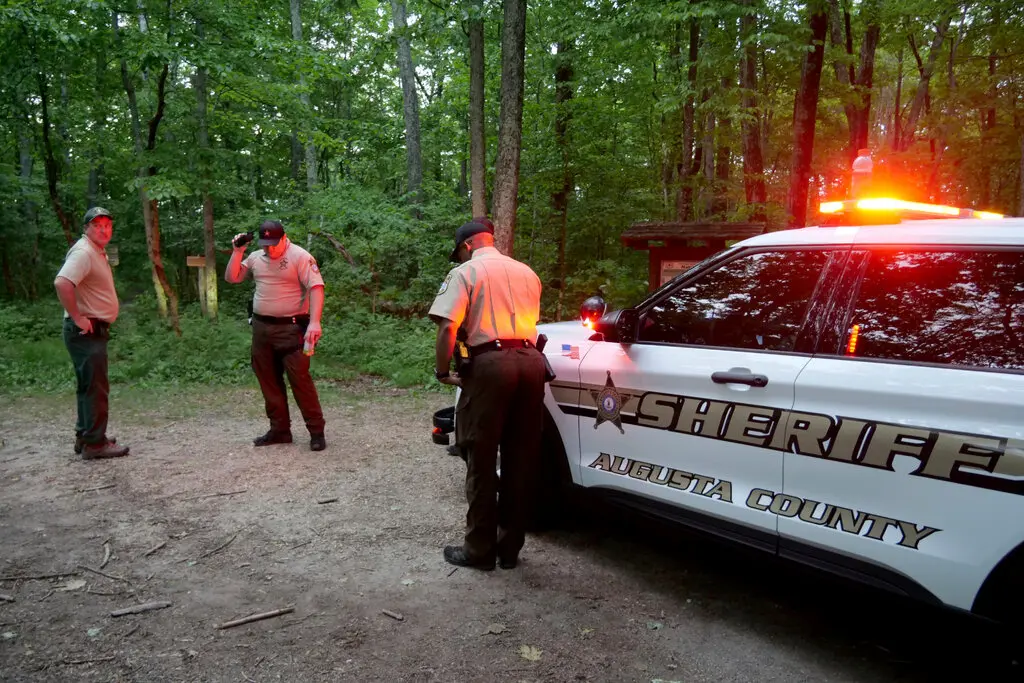
    The Spotsylvania Sheriff’s Office responded to a report of a resident firing shots during a burglary, and found two teenagers with gunshot wounds, the office said in a statement. One of the teenagers, Michael Bosworth Jr., 18, later died of his wounds. The second person was treated for minor injuries, and a third person in the group was unharmed, the sheriff’s office said. The two friends with Mr. Bosworth were both under 18.

    The teenagers had been in the neighborhood to make a TikTok video, one of them told investigators in an affidavit filed in Spotsylvania Circuit Court. A “ding dong ditch” prank involves ringing doorbells or knocking on the front doors of houses before running away, and has become popular fodder for social media videos.

    “The juvenile advised it’s something that people are doing to put on TikTok,” the affidavit said.

    The group had knocked on a few doors in the area, one of the teenagers told a detective, adding that they were not familiar with the neighborhood. They were running away from a residence when they were shot, according to the affidavit. At least one video showing the teenagers doing the prank was still on one of the friends’ phones, the affidavit said.

    The authorities arrested Tyler Chase Butler, 27, of Spotsylvania County, on Tuesday on charges of second-degree murder, malicious wounding and use of a firearm in the commission of a felony, the sheriff’s office said. He was being held at Rappahannock Regional Jail on no bond, it said.

    Mr. Bosworth was a senior at Massaponax High School in Fredericksburg, Va. The high school, which was set to hold its graduation for seniors on May 13, sent a message to the school community that counselors would be available to help grieving students.

    A spokesman for the Spotsylvania Sheriff’s Office, reached by phone, declined to comment further. A lawyer for Mr. Butler did not immediately respond to requests for comment. G. Ryan Mehaffey, the Commonwealth’s Attorney for Spotsylvania County, declined to comment but said a preliminary hearing had been scheduled for June 18.

    This style of prank has led to tragedy in the past. In 2020, a man in California crashed into a car of six teenagers, killing three of them, after they played a similar prank on him. He was sentenced to life in prison in 2023.

    On Tuesday, a group of students gathered on the football field at Massaponax High School to remember their classmate, according to a video shared by an Instagram account run by students from the school. They shared memories about Mr. Bosworth and wrote messages on balloons before releasing them at sunset.

  • The crash of a private jet, which occurred after a sonic boom was heard, was due to pressure loss, a report indicates

    The crash of a private jet, which occurred after a sonic boom was heard, was due to pressure loss, a report indicates

    An unresponsive private aircraft that drew a response from military jets in 2023, causing a sonic boom in and around Washington, D.C., most likely suffered a loss of cabin pressure before it crashed in Virginia, the National Transportation Safety Board said in a report released on Tuesday.

    All four people on board were killed when the private business jet went down near Montebello, Va., in June 2023. The N.T.S.B. said in its report that the plane most likely suffered a loss of cabin pressure, leading to a lack of oxygen and incapacitating the pilot and the three passengers.

    The board also found that the pilot operated the plane without supplemental oxygen, contributing to the accident.

    The cause of the pressure loss was unclear, the report said.

    The plane, a Cessna 560 Citation V, had a number of maintenance issues that were flagged, including several related to the pressurization and environmental control system, according to the report. Two days before the flight, maintenance crews noted that there was no pilot-side oxygen mask, and that the supplementary oxygen levels were so low that oxygen masks would not have been deployed if the cabin lost pressure.

    There was no evidence that these issues were addressed before the flight, the report said.

    The plane took off from Elizabethton Municipal Airport in Elizabethton, Tenn., around 1:15 p.m. on June 4, 2023, and was headed to Long Island MacArthur Airport in Ronkonkoma, N.Y. The pilot stopped responding to commands from air traffic control about 15 minutes after taking off, the report said.

    The pilot probably became incapacitated as he climbed to a cruising altitude of 34,000 feet, the report said.

    Rather than land on Long Island, the plane, which appeared to be on autopilot, turned around and flew over Washington. Military jets sent to make contact with the plane traveled at supersonic speeds that produced a loud boom heard across the region.

    The pilots of the military jets, who used radio transmissions, flight maneuvers and flares to try to intercept the private aircraft, observed that the pilot of the Cessna was “completely slumped over” and “motionless,” according to the report.

    At around 3:22 p.m., the plane began “a high-velocity, near vertical descent” into mountains just north of Montebello, Va., the report said.

    The impact of the crash created a crater, and wreckage was scattered around the accident site.

    The victims were identified as Adina Azarian; her 2-year-old daughter; her nanny and the pilot.

    The jet was owned by Encore Motors of Melbourne, a company in Florida. The company’s management could not immediately be reached for comment on Tuesday night.

  • Gérard Depardieu found guilty in sexual assault trial

    Gérard Depardieu found guilty in sexual assault trial

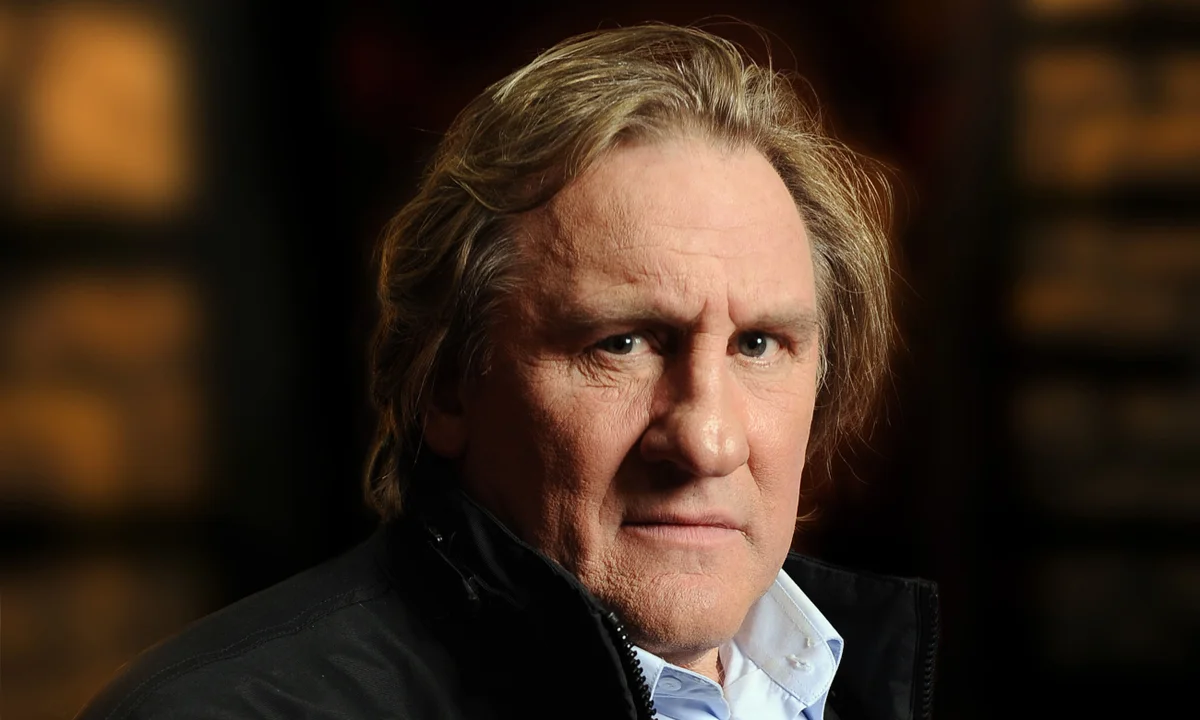
    French film star Gérard Depardieu has been found guilty of sexually assaulting two women on a film set at a trial in Paris and given a suspended jail term of 18 months.

    The 76-year-old actor was accused by the two women of groping them during work on a film in 2021. Depardieu had denied the allegations against him and his lawyer said he would appeal.

    The court in Paris found that one of the women, a set dresser named Amélie, had given consistent evidence while the actor’s accounts had changed over time.

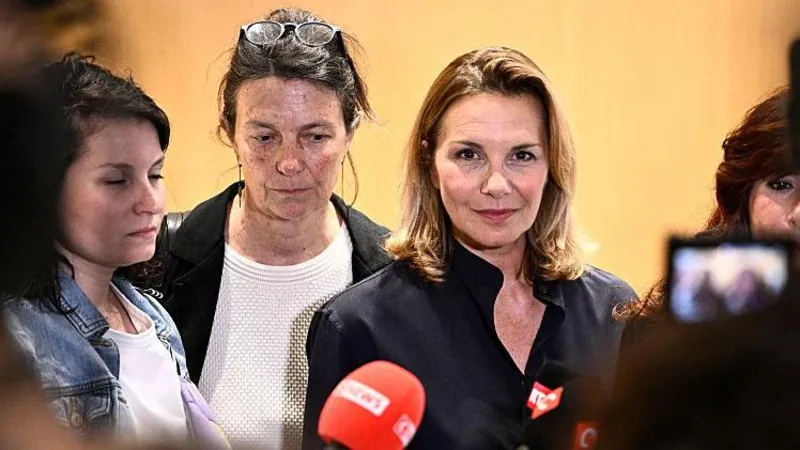
    She told reporters afterwards she was “very moved” and satisfied with the verdict, which for her was “a victory, a major step forward”.

    Depardieu was also convicted of assaulting an assistant director called Sarah, which was not her real name.

    The actor was not in court to hear the verdict but was instead working on a film set in the Azores.

    Carine Durrieu-Diebolt, the lawyer acting for the two women, said she hoped the verdict marked the end of impunity for an artist in the film industry.

    “It’s a victory for two women on a film set but it’s a victory for all the women behind this case and I’m thinking of all of Depardieu’s other victims,” she told reporters.

    The lawyer also noted the case had come to an end hours before the Cannes film festival was due to start.

    The judge said there was no reason to doubt the word of the two women victims, who had told the court how Depardieu had touched them on intimate parts of the body, using lewd language.

    He placed Depardieu on a list of sex offenders and ordered him to pay compensation of €1,000 ($1,114.89) each to Amélie and Sarah for “secondary victimisation”, a recent innovation covering the additional suffering for the women from the trial itself.

    Depardieu’s lawyer Jérémie Assous had accused the women of lying during their evidence.

    6292d200 2fe9 11f0 be75 65989fe7d93f.jpg
    Amélie (R) told reporters after the verdict she felt justice had been done. (AFP)

    The assaults took place in September 2021 when Depardieu was making a film called Les Volets Verts (The Green Shutters) about an ageing actor coming to terms with his declining powers.

    This was Depardieu’s first trial on sexual assault charges. Several other women have made similar allegations in the media, and an alleged rape case could come to trial in the future.

    After the trial, the actor was invited to join his close friend and fellow actor Fanny Ardant for a film-shoot in the Azores.

    At the end of the trial in Paris in late March, prosecutor Laurent Guy said: “It’s perfectly possible to be an excellent actor and a great father – and still commit a crime.

    “You are not here to pass judgment on French cinema. You are here to judge Gérard Depardieu, just as you would any other citizen.”

    Claude Vincent, representing one of the two women plaintiffs, described Depardieu as a “misogynist” and a “case-study in sexism”.

    Depardieu’s lawyer had demanded an acquittal and called the plaintiffs’ team “more militants than lawyers”.

    “They cannot bear that there should even be a defence. They think any defence is a supplementary assault,” he told the court.

    The first plaintiff – 54-year-old set decorator Amélie – told the court that after a minor argument with Depardieu, he caught her between his legs and held her by the hips.

    The second woman – a 34-year-old assistant film director – said the actor had touched her buttocks and breasts through her clothes on three separate occasions. She chose to maintain her anonymity and was not in court to hear the verdict.

    Depardieu denied the allegations, saying only that he might have touched the women accidentally or to keep his balance.

    At the end of the hearings, Depardieu said: “My name has been dragged through the mud by lies and insults.

    “A trial can be a very special experience for an actor. Seeing all this anger, the police, the press. It’s like being in a science fiction film, except it’s not science fiction. It’s life.”

    bc9b0ea0 2f46 11f0 8f57 b7237f6a66e6.jpg
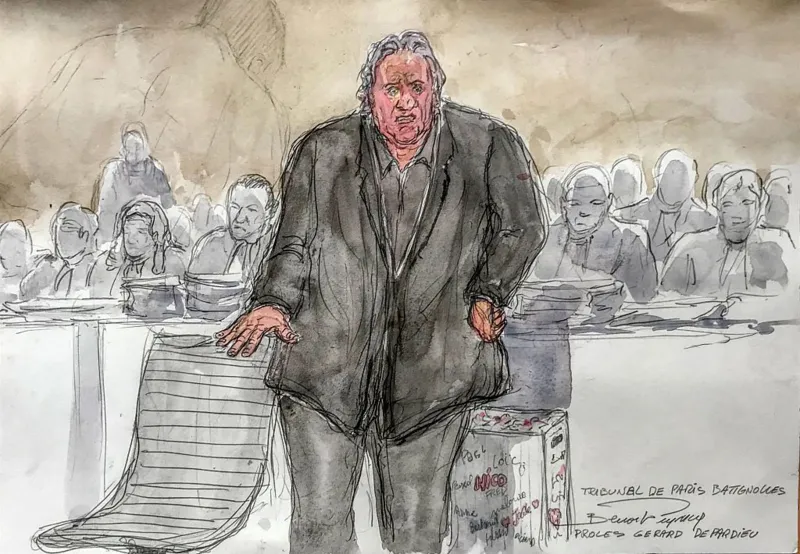
    A court sketch of Depardieu during a hearing in his trial in March. (AFP/Getty Images)

    He thanked the prosecution and defence teams for giving him insights into how courts operate. “These lessons may be an inspiration for me one day if I get to play a lawyer,” he said.

    Depardieu said he had not worked as an actor for three years since the sexual allegations against him began to circulate.

    However earlier this month it was reported that he had begun working on a film directed by Fanny Ardant. Depardieu is playing a magician on a mysterious island, according to media reports.

    Ardant appeared with Depardieu in Les Volets Verts and spoke in his defence at the trial.

    “Genius – in whatever form it takes – carries within it an element of the extravagant, the untamed, the dangerous. (Depardieu) is the monster and the saint,” she said.

    Another veteran French actress took Depardieu’s side on Monday. In a rare interview with French television, Brigitte Bardot, 90, deplored how “talented people who touch the buttocks of a girl are consigned to the deepest dungeon.”

    “Feminism isn’t my thing,” Bardot said. “Personally, I like men.”

  • United CEO Scott Kirby has reassured customers that Newark Airport is safe

    United CEO Scott Kirby has reassured customers that Newark Airport is safe

    United Airlines CEO Scott Kirby on Tuesday moved to calm growing concerns about operational safety at Newark Liberty International Airport (EWR), assuring customers that the facility remains “absolutely safe and fully compliant” despite a recent series of technical disruptions and staffing shortfalls that prompted the airline to reduce its daily flight schedule from the hub.

    In a letter shared with frequent flyers and during remarks at a press conference held at United’s Terminal C, Kirby acknowledged the recent frustrations experienced by passengers traveling through Newark—United’s third-busiest hub—while pushing back on what he called “sensationalist narratives” about safety risks.

    “Let me be very clear: Newark is safe,” Kirby said. “We are facing challenges, yes—but they are operational, not structural. We are proactively scaling back to ensure reliability and safety remain our top priorities.”

    United has cut approximately 14% of its daily departures out of Newark, or about 40 flights, citing a “perfect storm” of FAA staffing constraints, legacy software outages, and an unusual spate of severe weather over the past six weeks that has disproportionately affected Northeast air traffic.

    The reductions are temporary, Kirby emphasized, with most cuts affecting regional and short-haul domestic routes, such as service to upstate New York and parts of New England. Transatlantic flights and major domestic corridors remain largely intact.

    “We’d rather operate fewer flights well than stretch the system too thin,” said Toby Enqvist, United’s Chief Customer Officer.

    According to internal memos obtained by The New York Budget, recent issues at Newark have included:

    • Technology Glitches: A malfunction in United’s gate management software caused widespread delays in late April.
    • Air Traffic Staffing: FAA tower staffing at EWR remains 23% below optimal levels, according to union estimates.
    • Runway Congestion: Construction and overlapping arrival times led to ground delays averaging 65 minutes during peak evening hours.

    The FAA, which oversees air traffic control, acknowledged the staffing shortfall and pledged to accelerate hiring and training efforts. A spokesperson confirmed that Newark is among the agency’s top-priority zones for controller recruitment in 2025.

    Meanwhile, the Port Authority of New York and New Jersey—the operator of EWR—said the airport infrastructure is “not in question,” pointing instead to “national airspace bottlenecks” and rising passenger demand as contributing factors.

    “Our systems passed all recent safety inspections,” said Kevin O’Toole, chairman of the Port Authority. “We are in constant communication with United and federal authorities to minimize disruption.”

    Despite assurances, the disruptions have not gone unnoticed by travelers. On social media, some have labeled EWR the “black hole of East Coast airports,” citing multiple cancellations and missed connections.

    United’s Net Promoter Score (NPS) dropped 7 points in Q2 compared to the same period last year, with the Newark hub cited as the number one complaint area in customer service surveys.

    To win back goodwill, United is offering 5,000-mile travel credits to MileagePlus members who experienced flight disruptions out of EWR between April 10 and May 5. The airline is also deploying additional customer service personnel and rebooking agents at the terminal during peak hours.

    “We owe it to our customers to get this right,” Kirby said. “We’ve made hard choices, and we’re going to be transparent every step of the way.”

    United executives said they expect flight schedules to return to normal by late June, contingent on FAA staffing progress and continued stability in their software systems. The airline has also initiated a $300 million investment in terminal upgrades and digital infrastructure at Newark, set to roll out over the next two years.

    Industry analysts note that while United is not alone in grappling with post-pandemic capacity strains and labor mismatches, its aggressive Northeast footprint makes it particularly vulnerable to chokepoints like Newark.

    “This is about long-term resilience,” said Helane Becker, airline analyst at TD Cowen. “United has taken a short-term reputational hit, but their decision to reduce flights instead of risking bigger meltdowns shows maturity.”

    Newark remains a critical pillar of United’s domestic and international network, and despite current operational headwinds, the airline’s leadership insists safety is not up for compromise. With summer travel season approaching, United’s next challenge is to restore passenger confidence—flight by flight.

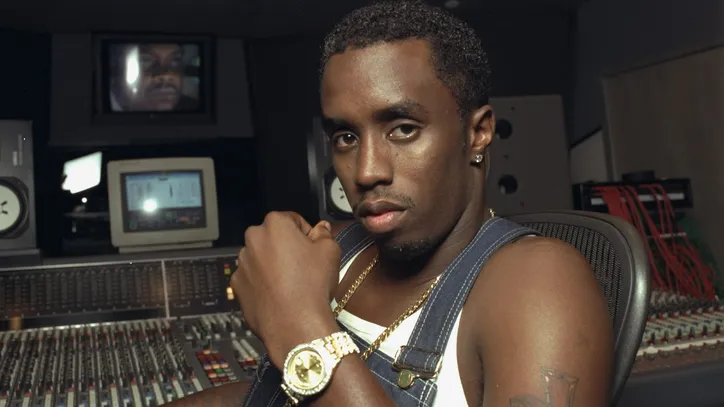
  • Come what may in his federal trial, Sean ‘Diddy’ Combs deserves to remain the outcast he has become

    Come what may in his federal trial, Sean ‘Diddy’ Combs deserves to remain the outcast he has become

    The federal trial against Sean Combs that begins Monday in the Southern District of New York follows an indictment that accuses the entertainment mogul of human trafficking and drug trafficking, and of using his considerable wealth and power and brute force to keep his alleged victims silent. Combs has denied all the charges the government has brought against him and rejected a plea deal. The founder of Bad Boy Records is no stranger to the courts or to having trouble swirling around him. But this is the first time he stands accused by the U.S. Department of Justice; he’s never faced charges as serious as those he faces now.

    The founder of Bad Boy Records is no stranger to the courts or to having trouble swirling around him.

    In November 2023, R&B singer Cassie, whose legal name is Casandra Ventura and who had an on-again, off-again relationship with Combs, filed a lawsuit accusing Combs of beating, kicking, stomping and raping her and forcing her into sex with male prostitutes. Combs, who denied the claims the artist made against him, settled with her the next day. A statement from Combs’ attorney Ben Brafman said, “Mr. Combs’ decision to settle the lawsuit does not in any way undermine his flat-out denial of the claims.”

    Then, in May 2024, CNN released a 2016 security video from a hotel hallway showing Combs physically assaulting Cassie, including kicking and dragging her. Combs responded in an Instagram post that what he did happened during a dark time in his life. “I was f—-d up. I hit rock bottom. But I make no excuses. My behavior on that video is inexcusable. I take full responsibility for my actions in that video.”

    Combs was arrested in September and accused of hosting what he reportedly called “freak offs,” which the government describes as coerced sexual acts that Combs organized and recorded.

    Since November 2023, according to The Washington Post, there have been well over 70 lawsuits accusing Combs of sexual assault. He has denied all such allegations. And those cases against him haven’t been proved. But it’s hard not to put him in the same category as celebrities such as R. Kelly and Harvey Weinstein, powerful men accused of sexual abuse going back decades. We should ask ourselves why our society seems so willing to ignore the whispers and rumors and bits of evidence that link powerful men to violence against women.

    The violence Combs inflicts on Ventura in that unearthed hotel surveillance video is so awful it’s nearly unwatchable. It’s bad news for Combs, then, that U.S. District Judge Arun Subramanian has ruled that it’s admissible evidence the jury will get to see. Prosecutors say the hotel surveillance video shows Combs, wearing only a white towel around his waist, trying to drag Ventura back to a room where a “freak off” was happening.

    Since November 2023, according to The Washington Post, there have been well over 70 lawsuits accusing Combs of sexual assault.

    To be sure, that video does not automatically make Combs guilty of the charges the federal government has brought against him. But it’s clear why his team fought so hard to keep it out of evidence.

    Combs’ team has argued that CNN sped up the hotel surveillance video and ran it out of sequence. CNN has said it did not alter the video its source presented to the network.

    Combs has spent a career being a “shiny suit man” who nonetheless has been accused of disturbing flashes of violence. He was found guilty of criminal mischief in 1996 for threatening a New York Post photographer with a gun, and he paid a $1,000 fine. In April 1999, he was booked and charged with two felonies against rival record executive Steve Stoute, who says Combs and his bodyguards beat him with their fists and with a Champagne bottle and a chair. Combs publicly apologized and Stoute asked for a dismissal of the charges. Combs, whose childhood nickname “Puffy” was a description of the way he’d huff and puff when he lost his temper, pleaded guilty to harassment and was sentenced to a day of anger management classes.

    Combs was acquitted, though, after being criminally charged after a December 1999 shootout in a club in New York that left three people injured. A jury decided that the state didn’t prove Combs to be in possession of a gun or that he’d bribed witnesses in that case, but jurors convicted Bad Boy artist Shyne (real name Moses Barrow) and he was sent to prison.

    Combs’ history of brushes with the law may have added to his allure. But the fact that he’d never been convicted of a felony seemed to make him edgy and cool enough for Hollywood A-listers and the country’s movers and shakers to keep him as an associate. At the height of his popularity, there didn’t appear to be any celebrity who was too big (or considered him too toxic) to appear at a Combs party.

    There didn’t appear to be any celebrity who was too big (or considered him too toxic) to appear at a Combs party.

    Too many people reflexively assume that when word gets out that a celebrity is abusive to women that it’s nothing but a smear campaign meant to tarnish that person’s legacy. The race factor also has a peculiar impact. Some people might not always love the person who’s being accused but don’t trust that they’re being treated fairly. And the accused should be treated fairly. No matter how awful the charges against Combs, he has the right to a fair trial.

    That said, many might still be denying that Combs has been violent and characterizing him as some kind of victim, but for the hotel surveillance video that captures him attacking Ventura in the exact manner she had described in her November 2023 lawsuit. Ventura is likely to be a prominent witness as the Department of Justice attempts to prove to jurors that Combs has a penchant for abusive behavior and violent tactics.

    One of the messages of the #MeToo movement was that for too long, we, the public, have helped enable men, especially powerful men, to routinely hurt women. And as Combs goes on trial, we should be asking ourselves how much has changed since the start of #MeToo.

    In trying to keep the hotel surveillance footage out of the trial, Combs’ lawyers said the video “immediately and dramatically turned the tide of public opinion” against their client. They’re right. No matter what happens at the trial, for what he did to Cassie, the bad boy can expect to be a permanent pariah — as he should be.

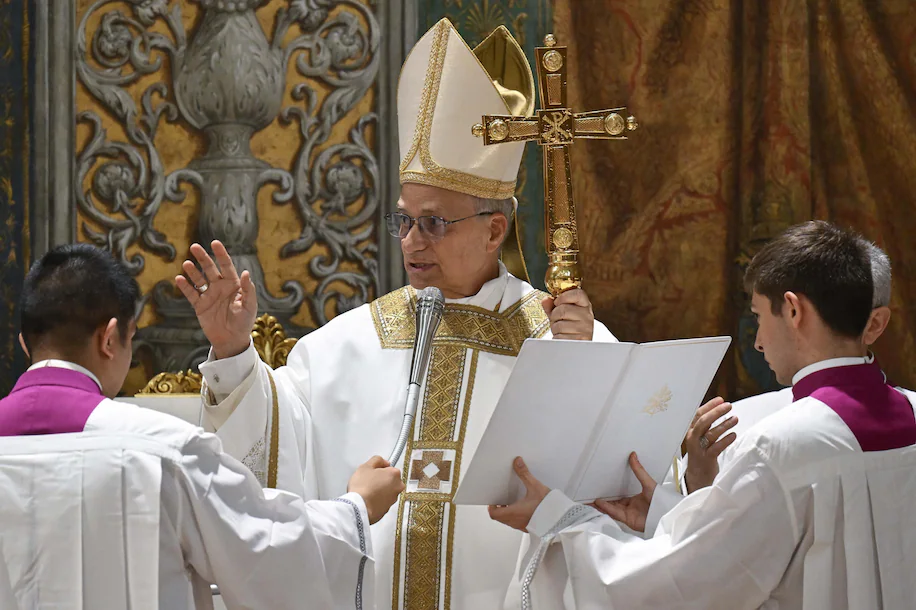
  • Pope Leo XIV might still have to deal with U.S. taxes

    Pope Leo XIV might still have to deal with U.S. taxes

    Pope Leo XIV, the newly elected pontiff, must answer to at least one more higher power: the IRS.

    The United States generally requires all citizens to file an annual tax return, even those who live out of the country. But assuming he doesn’t renounce his U.S. citizenship, Leo — born in the Chicago area and known until this week as Robert Prevost — has special tax considerations, both as a clergyman and now as the head of a foreign government.

    Leo’s situation differs from that of other popes in recent memory, because many countries do not assess taxes on citizens living abroad. “Recent popes from Poland, Germany and Argentina were not taxed by their home countries,” said Jared Walczak, a vice president of the Tax Foundation,a nonpartisan think tank in Washington, who called the first American pope’s accounting situation “uncharted.”

    The pope’s job as a member of the clergy does not exempt him from U.S. taxes. American citizens abroad must generally file tax returns if their income level and other personal circumstances would require them to file if they were living in the U.S., according to the Internal Revenue Service.

    That doesn’t mean they have to pay the same amount in taxes. Americans who spend the year in a foreign country can exclude much of their earnings from U.S. income tax. For the 2025 tax year, Americans abroad can exclude up to $130,000 in foreign income.

    That doesn’t apply to income earned working for a foreign government, however, so that won’t let Leo off the hook, as he is in the employ of the Vatican.

    That means Leo will need to calculate the value of his earnings. The pope does not earn a set salary, but the Vatican covers his housing, food, travel and health care, and provides a monthly stipend for personal expenses. (“When I need money to buy shoes or something, I ask for it,” is how the latePope Francis, an Argentine native, once explained it.) Leo probably will need an accountant to determine how to translate such benefits into income for a U.S. tax return.

    Leo’s housing at the Vatican is likely exempt, whether he chooses to live in the grand Apostolic Palace like prior popes or the more humble Santa Marta guesthouse where Francis resided. Walczak said that employer-provided housing is generally not taxed as income if the housing is on the business’s property and it is “essential” that the employee live there for the benefit of the business. The papal palace, Walczak said, “is not a taxable fringe benefit.”

    Also, the U.S. grants clerics special tax benefits relating to their housing — a “parsonage” exemption — that don’t apply to workers in other professions.

    If Americans living abroad pay income taxes to a foreign government, that amount can be subtracted from their U.S. tax liability thanks to the foreign tax credit. That may have applied to Leo during the many years he worked in Peru, which also taxes full-year residents on all of their worldwide income. He became a Peruvian citizen in 2015.

    Walczak said that he doesn’t expect Leo to end up paying U.S. taxes but that it’s possible the IRS will issue a private letter specifically addressing his situation. Or Congress might even pass a law spelling out the tax situation of the first American pope, Walczak speculated.

    What makes all of this even more complicated is that Leo is the head of state of the Vatican.

    Since 2015, the Vatican has been affected by a U.S. federal law that requires financial institutions around the world to report to the IRS details of accounts held by U.S. clients, theVatican Bank’s 2023 annual report said. “For customers who are nonresident in Italy, the principles of international tax law are applied. This means that each customer must declare his or her holdings and all derived income in his or her country of tax residence in accordance with the laws of that country,” the report states.

    U.S. citizens living abroad have to file a report with the Treasury Department’s Financial Crimes Enforcement Network if they have “signature authority” — meaning control over the use of funds or other assets — over foreign bank accounts whose total value exceeds $10,000, according to Brittany Benson, an analyst with the Tax Institute at H&R Block. “This would likely apply [to Pope Leo XIV] if he has signature authority on Vatican accounts,” Benson said in an email to The Washington Post.

    Edward A. David, an assistant professor in the department of theology and religious studies at King’s College London, said most of the Vatican’s income comes from donations, admission to museums, and the property it owns around the world and in the Vatican itself.

    David said it’s hard to predict how the unprecedented situation will work in reality. “U.S. tax law is very far-reaching. And while there might be an exemption for heads of state, this is brand-new territory for us and brand-new territory for the United States and the Vatican.”

  • What you should know about Delaney Hall, the place where Newark’s mayor was arrested

    What you should know about Delaney Hall, the place where Newark’s mayor was arrested

    Delaney Hall, an immigrant detention facility in Newark, has drawn controversy since President Donald Trump’s administration announced a billion-dollar deal with a private prison company in February to reopen the complex, part of U.S. Immigration and Customs Enforcement’s effort to expand its detention capacity in the Northeast.

    Immigrant rights activists oppose the transformation of the former Newark prison into an immigrant detention center, saying it violates state laws and represents an affront to the deeply immigrant community.

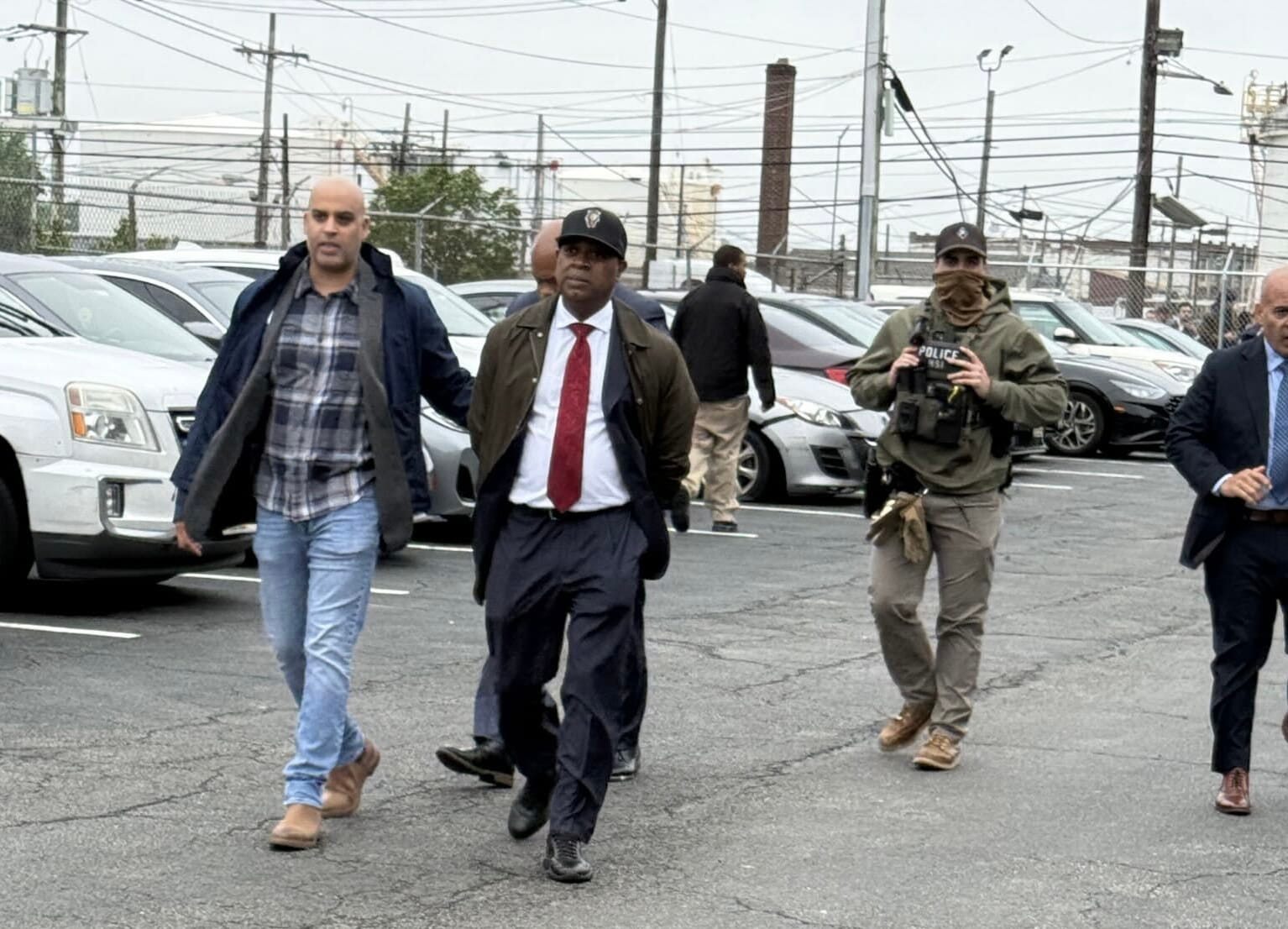
    The tension over Delaney Hall erupted Friday when Newark Mayor Ras Baraka (D) was arrested and charged with trespassing after he tried to visit the facility. He tried to inspect the property alongside a Democratic congressional delegation. U.S. Department of Homeland Security spokeswoman Tricia McLaughlin accused Democratic leaders during a CNN interview Saturday of assaulting federal law enforcement.

    Here’s what to know about Delaney Hall and the controversy surrounding it.

    What is Delaney Hall?

    Delaney Hall is a 1,000-bed immigrant detention facility in Newark that is owned and operated by private prison company GEO Group.

    It first opened in 2000 to house federal, state and county detainees, according to court documents. From 2011 though 2017, ICE housed up to 450 immigrants from across the country there.

    In late February, GEO Group said that ICE had awarded it a 15-year, $1 billion contract to reopen the facility and provide support services for the establishment of a federal immigration processing center. Such services include, “security, maintenance, and food services, as well as access to recreational amenities, medical care, and legal counsel,” according to the news release.

    It is one of two privately owned and operated immigrant detention facilities in New Jersey. GEO confirmed that the detention center began receiving detainees on May 1.

    Why are advocates upset?

    Delaney Hall represents everything community activists and immigrant rights advocates in New Jersey have been fighting against in recent years. As far back as 2018, state leaders have sought to legally wall off public jails and local law enforcement from any engagement with federal immigration enforcement. In 2021, advocates helped enact a law prohibiting New Jersey from renewing or signing detention contracts with ICE in the state.

    A federal district judge struck down parts of the ban in 2023 after private prison operators, such as CoreCivic, which operates another immigration detention center in the state, sued. The state attorney general is appealing the ruling, invoking the 10th Amendment that stops the federal government from commandeering state resources for its purposes.

    Community and elected leaders have accused ICE and GEO Group of abuse and neglect of detainees. They accused the company of maintaining terrible conditions that verged on the inhumane, according to critics opposing the facility’s reopening. Charlene Walker, of the multiracial interfaith group Faith in New Jersey, said there is no evidence the owners have adequately fixed the dilapidated building sitting in the center of an area known as “chemical corridor” for its environmental pollution.

    “We don’t want to see this here,” she said, adding that members have been holding daily prayer vigils outside the prison. “This is against New Jersey values.”

    In a statement to The Washington Post, GEO Group said it is proud of the long-standing role the company has played to support ICE’s “law enforcement mission.”

    “Over the last four decades, our innovative support service solutions have helped the federal government implement the policies of seven different Presidential Administrations,” the statement said. “In all instances, our support services are monitored by ICE and other organizations within the Department of Homeland Security to ensure strict compliance with ICE detention standards”

    The facility’s proximity to airports has alarmed advocates who fear the state could become the “epicenter” of Trump’s mass deportation dragnet, said Amol Sinha, executive director of the American Civil Liberties Union of New Jersey.

    “Delaney Hall is the biggest detention center on the East Coast,” Sinha said. “And we won’t stand for it.”

    What has the city done?

    Newark sued the private prison company in late March in New Jersey Superior Court, alleging that the facility lacked a valid certificate of occupancy.

    GEO Group has denied wrongdoing and dismissed the lawsuit as “politically motivated,” The Post previously reported. GEO Group argues that because it was contracted to provide support services, ICE has “exclusive control” over all access to secure portions of the facility.

    The case was transferred to federal court in April, where a judge is weighing Newark’s request to require GEO Group to allow city officials to inspect the complex and block the opening of the facility “pending inspection and compliance with local, State, and administrative codes,” according to the complaint.

    Baraka’s arrest and the melee

    Baraka, who is running for New Jersey governor, has repeatedly sought to block the opening of Delaney Hall.

    At a rally in March, Baraka told a crowd of about 300 immigrant rights activists that he would padlock the building if necessary to prevent it from opening, according to local reports.

    On Friday, Baraka and three Democratic members of New Jersey’s congressional delegation — Reps. Bonnie Watson Coleman, Robert Menendez Jr. and LaMonica McIver — attempted to inspect the facility during an unannounced visit.

    Chaos erupted, and Baraka was arrested and charged with trespassing.

    Interim U.S. attorney for New Jersey Alina Habba, a longtime Trump ally, accused Baraka of ignoring “multiple warnings from Homeland Security Investigations to remove himself.”

    A city spokesperson disputed the Trump administration’s characterization of the events that led to Baraka’s arrest.

    “He left when they asked him to leave,” the spokesperson said,speaking on the condition of anonymity because of the ongoing court case against Baraka. “It wasn’t like he went barging in and was trying to get himself arrested.”

    Organizer Viri Martinez, of the New Jersey Alliance for Immigrant Justice, said activists and others present recorded the conflagration. After going inside the gate that surrounds Delaney Hall and failing to gain entrance to the building, Baraka left the facility grounds, she said.

    Video obtained by The Post showed that while he was outside Delaney Hall’s gate, DHS officials attempted to arrest the mayor. In the scuffle that ensued, DHS alleged that Democratic leaders assaulted federal agents, citing video posted Saturday to the agency’s X account. Activists who were demonstrating outside and witnessed the fracas said it was federal agents who escalated the situation, throwing at least one protester to the ground.

    “If they are doing this and assaulting congresspeople in front of cameras and in front of the community, imagine what DHS is doing to violate the rights of immigrants out of sight,” Martinez said.

    Baraka’s first court appearance has been set for May 15, according to court documents.
  • The US Department of Justice will investigate a Muslim-led development that the Texas Republican Party and a senator have targeted

    The US Department of Justice will investigate a Muslim-led development that the Texas Republican Party and a senator have targeted

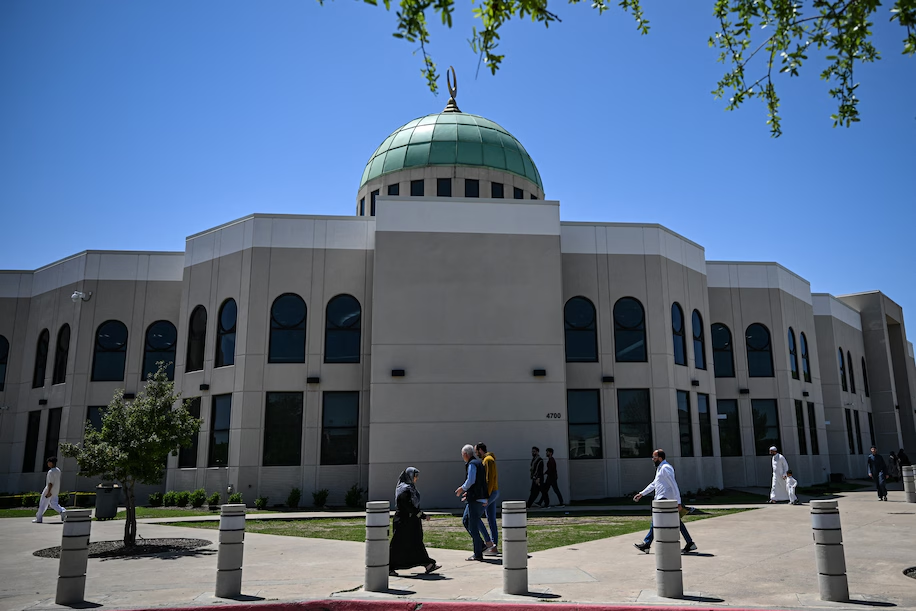
    The Justice Departmentwill investigate whether a planned real estate development around one of North Texas’s largest mosques violates federal law, Sen. John Cornyn (R) said Friday after weeks of calling the project antisemitic and anti-Christian.

    Attacks over the developmentoutside Dallas have been amplified by Cornyn, TexasAttorney General Ken Paxton (R), Gov. Greg Abbott and right-wing bloggers who baselessly claim it would create a Muslim-only community and impose Islamic law on residents.

    Leaders for the East Plano Islamic Center, the mosque that is backing the project dubbed EPIC City, have repeatedly denied the accusations and called the attacks on their planned development Islamophobic. If built, EPIC City would span about 400 acres and create housing, day-care facilities, medical clinics and schools, according to marketing material.

    “I am grateful to Attorney General Bondi and the Department of Justice for hearing my concerns and opening an investigation,” Cornyn said in a statement. “Religious discrimination and Sharia Law have no place in the Lone Star State. Any violations of federal law must be swiftly prosecuted, and I know under the Trump administration, they will be.”

    Dan Cogdell, an attorney for EPIC City, said the development would cooperate with the federal investigation, noting that the Muslim community behind the project had nothing to hide.

    “From day one, their intention was to comply completely and wholeheartedly with the law,” said Cogdell, who defended Paxton during the Republican firebrand’s 2023 impeachment trial. “And they’ve just been vilified, assailed and attacked.”

    Cogdell added, “What is crazy to me is how far we haven’t come since 9/11. The words ‘mosque,’ ‘Islam,’ ‘Muslim’ in the year of our Lord 2025 are still such a triggering event.”

    The Justice Departmentdid not respond to a request for comment.

    EPIC City was announced about a year ago, according to its social media pages. Developers said they would use empty land in Josephine, Texas, northeast of Dallas, to build a “vibrant, multigenerational, and inclusive master planned community.”

    As EPIC City was selling shares and building out its plans, none of which featured materials that required residents to be Muslim, an uproar by conservatives overshadowed the project. Cogdell said the first incidents came from right-wing accounts on X, which caught the attention of senior Republican leaders in Texas.

    In late March, EPIC City wasslammed with a flurry of investigations. Abbott opened three inquirieslooking into “potential criminal activities,” discrimination in violation of the Texas Fair Housing Act and any potential “financial harm on Texas.” Paxton began an investigation intowhether EPIC City violated Texas consumer protection laws.

    The scrutiny intensified in April when Abbott ordered that EPIC City cease all construction,saying that the development “did not submit the required permits to begin construction.” Cogdell saidthe project was in a “pre-planning stage” and was in the process of obtainingbuilding permits.

    “We’re getting the applications for the permits,” Cogdellsaid. “Of course, in the meantime, we’ve got to comply with this document request or this motion to compel or this threat letter.”

    Cornyn wrote to the Justice Department’sCivil Rights Division on April 11 requesting an additional investigation into the project that he said was an “exclusive religious settlement” governed by “Islamic principles.”

    The letter drew condemnation from the Council on American-Islamic Relations, whichsent a letter to Attorney General Pam Bondi opposing a federal investigation.

    “Senator Cornyn’s false claims are not supported by any facts,” the letter read. “Across the United States, faith-based communities, including Christian senior centers and Orthodox Jewish neighborhoods, exist without facing similar scrutiny. Muslim-led developments must be treated equally under the law.”

    EPIC City also issued its own response to the upheaval, writing in an April 5 Facebook post that it was elected officials who were spreading “isolation and exclusivity.” In response, dozens of commenters wrote on the social media post that the development wasn’t welcome in America.

    Cogdell said EPIC City will continue pursuing its plans.

    “They’re spending more on lawyers than they ever thought they would need,” Cogdell saidof his clients at East Plano Islamic Center. “They are committed to making sure this project gets done, and we’ll do everything we can to comply with the law — for the 1,000th time.”

  • Catholic Church Sex-Abuse Case Details Exposed in Data Hack

    Catholic Church Sex-Abuse Case Details Exposed in Data Hack

    In a breach that’s sending shockwaves through legal, religious, and victim advocacy circles, a massive cyberattack has exposed confidential records related to decades of Catholic Church sex-abuse cases, including sealed court documents, internal communications, and victim settlements. The breach, confirmed by multiple law enforcement agencies and diocesan officials, is being described as one of the largest data leaks involving a religious institution in U.S. history.

    The cyberattack, first discovered on April 29, 2025, targeted the IT systems of the United States Conference of Catholic Bishops (USCCB) and several major dioceses, including those in Boston, Los Angeles, and Chicago. Forensic analysis by federal cybersecurity experts and private firms indicates that more than 1.7 terabytes of data were exfiltrated, including:

    • Unpublished victim testimonies from abuse investigations between 1960 and 2022
    • Internal emails between bishops and legal counsel discussing clergy misconduct cases
    • Settlement agreements, many previously sealed, detailing payments to survivors and confidentiality clauses
    • Personnel files of clergy members under investigation or accused of abuse
    • Litigation strategy documents outlining efforts to delay or suppress public disclosure

    The hackers, who have not been publicly identified, published a portion of the data on the dark web and provided links to journalists and advocacy groups. The FBI and the Cybersecurity and Infrastructure Security Agency (CISA) have launched a joint investigation.

    “This is a deeply troubling breach that threatens the privacy of survivors and the integrity of ongoing investigations,” said FBI Cyber Division spokesperson Emily Ramirez. “We are treating this as a national security priority due to the scale and sensitivity of the data involved.”

    The USCCB confirmed the breach in a public statement issued May 5, calling it a “malicious and criminal violation of data security and individual dignity.” The Conference said it is working with law enforcement and cybersecurity consultants to assess the full scope of the intrusion and to notify affected individuals.

    Bishops from several dioceses have expressed concern and issued apologies to victims whose privacy may have been compromised. Cardinal Joseph Hanley of the Archdiocese of Los Angeles acknowledged that “some of the files released were never intended for public viewing—not to hide the truth, but to protect the victims and their families from further trauma.”

    However, critics say the breach has revealed the extent to which Church officials worked behind the scenes to shield clergy and limit financial liability.

    “What these files show is not just abuse, but the systematic cover-up of abuse,” said Mitchell Garvey, legal director of the Survivors Advocacy Legal Foundation. “Many of these cases were never going to see daylight. This hack pulled back the curtain.”

    The leaked data is already reshaping legal battles in multiple jurisdictions. Attorneys for abuse survivors in Massachusetts and Illinois have filed motions to reopen cases based on newly surfaced documents that suggest Church officials misled courts or withheld evidence.

    At the same time, ethical concerns have emerged around the public use of hacked information—particularly as it relates to victim identities and medical histories.

    “Some of the files contain graphic, personal accounts of trauma,” said Anne Doyle, editor of BishopAccountability.org. “While the transparency is important, we must tread carefully to avoid retraumatizing survivors.”

    Several media outlets have chosen not to publish raw documents or names of victims, even as advocacy groups press for full disclosure.

    While no group has formally claimed responsibility, cybercrime experts believe the attack may have been ideologically motivated rather than financially driven. The sophistication of the breach—employing custom malware and multi-stage phishing campaigns—suggests a state-sponsored or activist-backed operation.

    Sources familiar with the investigation point to a loosely organized digital collective with a history of targeting institutions accused of human rights violations. Similar tactics were seen in the 2023 hack of an international adoption agency implicated in child trafficking.

    “We’re likely looking at a network of activist-hackers who believe institutions like the Church are not being held fully accountable by legal systems,” said Joshua Knight, a cybersecurity fellow at the Atlantic Council. “They’ve weaponized transparency.”

    Though the breach centers on U.S. dioceses, officials in the Vatican and other national conferences are bracing for potential fallout. Several files refer to international transfers of clergy accused of abuse, raising fresh scrutiny of the Church’s long-criticized practice of reassigning rather than defrocking problem priests.

    Pope Francis, speaking from the Vatican on May 9, said the Church “must always be on the side of truth and the suffering,” while also condemning the breach as a “violation of human dignity.”

    The cyberattack has unleashed a new era of reckoning for the Catholic Church—not just about the sins of the past, but about the mechanisms that kept them hidden. Wall Street, civil society, and religious observers alike are grappling with the implications of digital exposure in a faith institution that has long relied on privacy, tradition, and internal process.

    Whether the breach will lead to justice or simply more pain remains to be seen.

  • To speak to her brother’s killer in court, the sister made an AI video of him

    To speak to her brother’s killer in court, the sister made an AI video of him

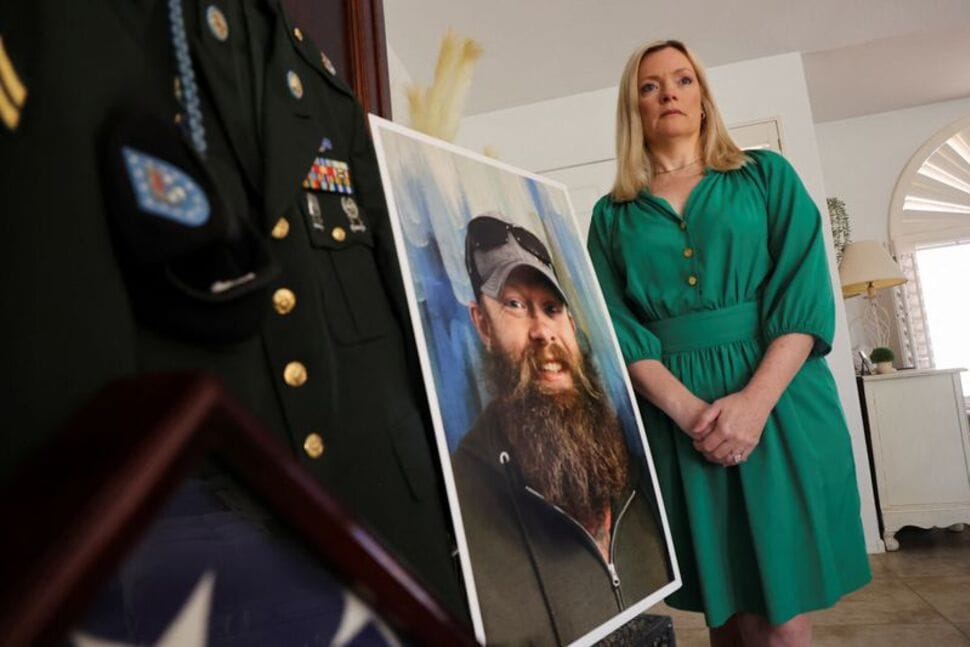
    Stacey Wales had a daunting task ahead of her: preparing a victim impact statement for the sentencing of the man who had fatally shot her brotherin a road-rage incident in 2021. She wondered how to convey the weight of her loss.

    “The victims attorney said to us, ‘Try to bring him to life,’” Wales said.

    So Wales turned to artificial intelligence. At the May 1 court hearing in Arizona, she played a video of her brother, Christopher Pelkey.

    “Just to be clear for everyone seeing this,” the avatar of Pelkey said. “I am a version of Chris Pelkey re-created through AI.”

    The facsimile of Pelkey thanked the judge and told his killer he believed in forgiveness, saying that“in another life, we probably could have been friends.” He ended the video with a farewell to his family: “Well, I’m going to go fishing now.”

    It wasn’t a perfect likeness of Pelkey. His face moved stiffly, and his voice was clipped. But the video moved his family and friends and stirred the judge, who said he “loved that AI” in his closing remarks.

    “I feel that that was genuine,” said Todd Lang, the Maricopa County Superior Court judge who ruled in the case. He sentenced Pelkey’s killer to 10½ years in prison, the maximum for manslaughter — which Wales had asked for.

    Wales’s video joins a growing list of cases in which parties have brought generative artificial intelligence into the courtroom. Experts said the AI footage of Pelkeywas striking for its novelty — and how well it was received.

    “This definitely caught a number of us by surprise,” said Diana Bowman, a law professor at Arizona State University.

    Pelkey was killed in a road-rage incident in Chandler, Arizona, in November 2021, court records show. While stopped at a red light, Pelkey left his car and approached another car whose driver had honked repeatedly at him. That driver, Gabriel Horcasitas, shot and killed him as he approached.

    A jury convicted Horcasitas of manslaughter in March. As hissentencing approached, Wales contacted Pelkey’s friends and family and gathered dozens of written statements, video clips and photos to show the judge. Then she thought thatshe could do more.

    “I said to myself, ‘Well, what if Chris could make his own impact statement?’” Wales said.

    Wales’s husband, Tim Wales, a tech entrepreneur, had experience using generative AI to animate photos and replicate voices. She proposed creating a video of Pelkey.

    “I won’t let it [be published] if it’s hokey or flat,” Stacey Wales recalled reassuring him at the time.

    Tim Wales and a friend used AI tools to edit a photo of Pelkey, clone his voice based on old videos of him speaking, and animate his face so his eyes blinked and his mouth moved as he spoke. Wales wrote Pelkey’s speech herself — by hand and without AI, she said — based on what she thought her brother would say.

    Wales wanted the toughest sentence allowable for Horcasitas, she said, but she wrote in Pelkey’s voice that he “believed in forgiveness and God who forgives.”

    Then she showed her victims attorney, Jessica Gattuso.

    “I thought it was very effective,” Gattuso said. “It was appropriate. I didn’t know what kind of objections we might get or pushback. … I did kind of prepare for that.”

    But no one objected when Wales played the video in court after dozens of other friends and family members gave their own tributes to Pelkey. Wales kept the video a surprise to her family. She also did not disclose it to the judge or Horcasitas’s attorneys; Arizona law does not require that, Gattuso said.

    The video appeared to resonate with Lang, who praised it before delivering Horcasitas’s sentence. Lang requested a copy of the video to show his peers a few days after the hearing, Wales and Gattuso said.

    Wales fared better in bringing AI-generated video into the courtroom than others who did so in different contexts. A New York man was scolded for using an AI avatar to represent him in an employment dispute in March. A Washington state judge rejected bystander video submitted as evidence in a triple-murder case last year because it was enhanced with AI tools.

    Bowman, the law professor, said Wales’s case avoided controversy probably because the video was introduced during a sentencing and wasn’t being used to determine the defendant’s guilt. It also helped that Wales, unlike the New York man, clearly introduced her video as AI-generated.

    Gary Marchant, a professor of law, ethics and emerging technologies at Arizona State, said attorneys might have objected to showing a video that fabricates a victim’s voice to a jury.

    “In most cases, it’s going to be possibly misleading and prejudicial, probably,” Marchant said. “So I think it’s dangerous to start using non-real evidence that is created by an AI, even though, in this particular case, I’m kind of sympathetic to it.”

    Arizona’s highest court is open to bringing AI into the legal process, state Supreme Court Chief Justice Ann Timmer said. The court formed an AI committee to investigate the risks of parties fabricating AI-generated evidence but has also begun using AI-generated avatars to explain court rulings on YouTube.

    Timmer declined to comment on Wales’s videobut said any problems that arise from using AI-generated evidence during a sentencing would be decided under the state’s existing guidelines for victim impact statements.

    “You can make statements that even can be emotional, but you can’t go so far as to deprive someone of a fundamentally fair trial,” Timmer said.

    Wales said she didn’t think it was unfair to give a voice to her brother in court. The video would help keep his memory alive and gave her family closure after a long criminal trial, she said.

    “Of course, AI is uncanny,” Wales said. “… But in this moment, for Chris to be able to speak on his behalf, it was absolutely worth it.”