Category: Japan News

  • Japan Backs Tech Venture Led by Former Epstein Associate Joichi Ito

    Japan Backs Tech Venture Led by Former Epstein Associate Joichi Ito

    After a disgraced exit from the top ranks of U.S. tech and media circles, an entrepreneur who had deep ties to convicted sex offender Jeffrey Epstein secured a second act in Japan with the help of powerful allies in the Japanese government.

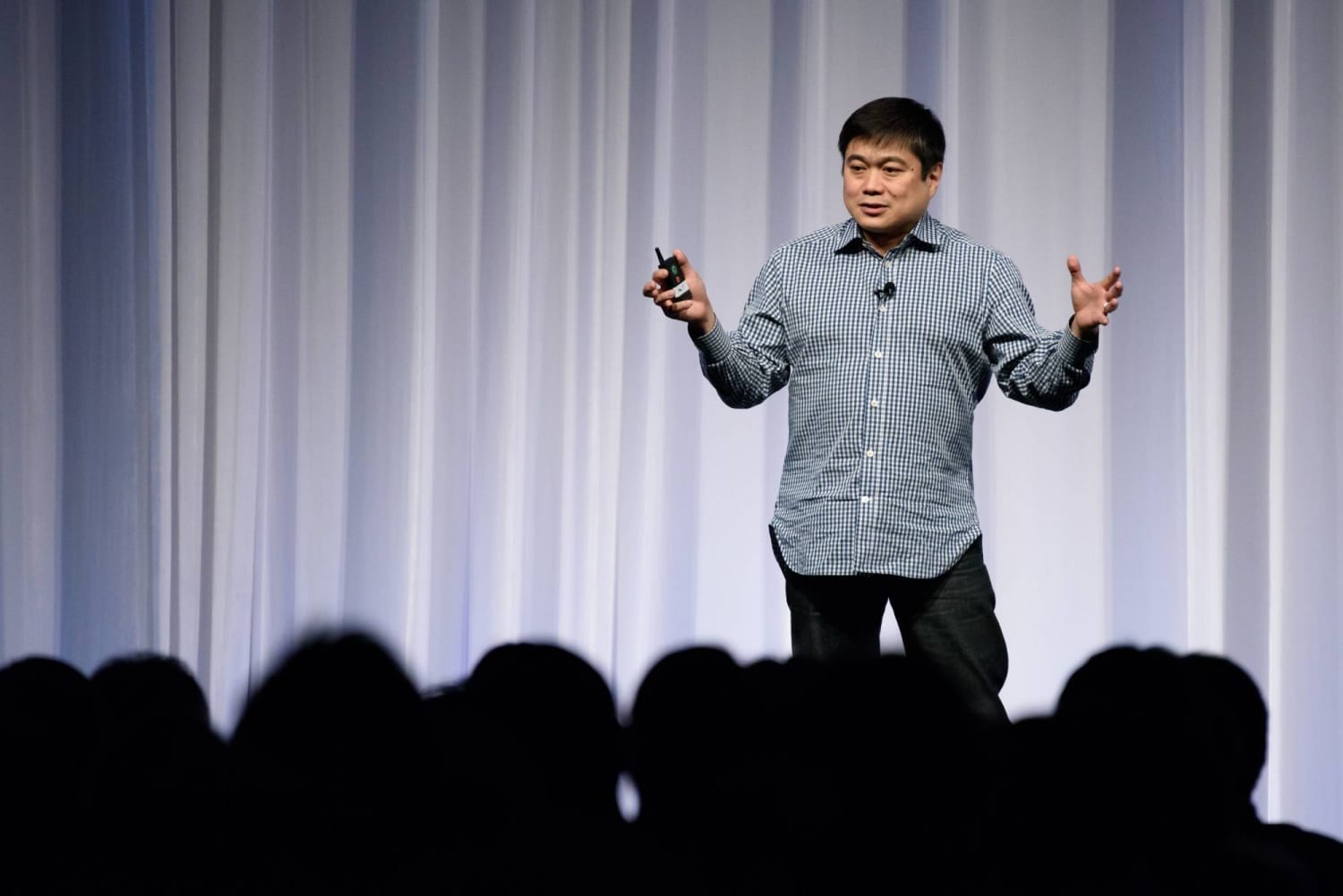
    Joichi Ito, the entrepreneur, resigned in 2019 from a prominent position at the Massachusetts Institute of Technology after revelations about his efforts to conceal millions of dollars he raised through connections to Epstein. He also quit a position at Harvard University and board seats at the MacArthur Foundation and The New York Times.

    Six years later, in Japan, Ito is helping lead a government initiative championed by Prime Minister Sanae Takaichi and her inner circle. The project, a strategic priority for the government, has more than $400 million in public funding and seeks to team up with top U.S. and Japanese universities to create a startup hub in Tokyo.

    Within the next few months, the Japanese government will decide whether to authorize the project, known as the Global Startup Campus Initiative, as a legal entity, the final step required for it to move ahead.

    But Ito’s involvement caused universities including MIT, Harvard, Carnegie Mellon and Keio University in Japan to distance themselves from the initiative after being approached as potential partners, according to interviews with government and university officials, as well as internal documents and emails reviewed by the Times. The project has fallen behind its own timeline targets.

    And that was before the latest tranche of Epstein files released by the Justice Department shed new light on the depth of Ito’s ties to Epstein. These latest revelations are likely to further deter some potential partner organizations, said six government and university officials who spoke on the condition of anonymity to discuss their groups’ internal views.

    Ito was a prolific correspondent with Epstein. A Times analysis shows that Ito and Epstein exchanged more than 4,000 emails through the years. The emails show that Ito was a frequent visitor to Epstein’s private Caribbean island, and the two were so close that Ito even joked about naming his daughter “Jeffrina.”
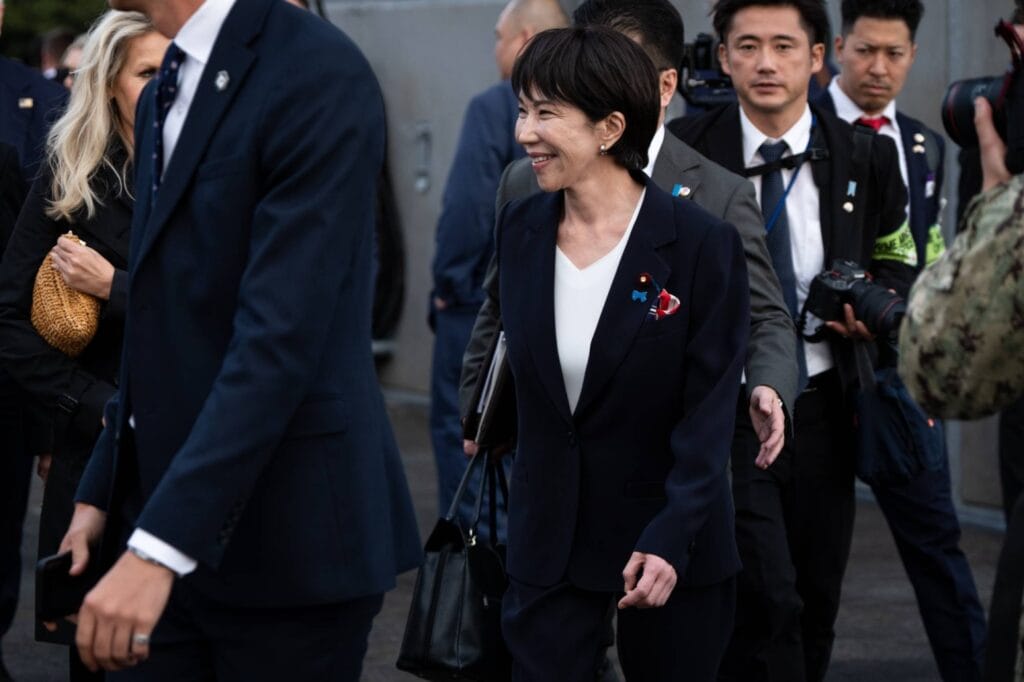
    Prime Minister Sanae Takaichi and her inner circle are backing a tech initiative led by Joichi Ito. (Haiyun Jiang / The New York Times)
    Prime Minister Sanae Takaichi and her inner circle are backing a tech initiative led by Joichi Ito. (Haiyun Jiang / The New York Times)

    Ito did not respond to requests for comment. The university he heads in Japan declined to make him available for an interview. In previous statements made to local media, Ito has said he deeply regrets soliciting donations from Epstein. “I was never involved in, never heard him talk about, and never saw any evidence of the horrific acts that he was accused of,” Ito said in a statement in 2019.

    A spokesperson for Japan’s Cabinet secretariat, which promotes the Global Startup Campus Initiative, said she recognized there were concerns about Ito. But the secretariat office decided to bring Ito on as an executive adviser, she said, “as we haven’t confirmed any wrongdoing by him and we believe he is highly knowledgeable.”

    Ito, 59, was born in Kyoto and raised in suburban Detroit. After dropping out of Tufts University and the University of Chicago, he returned to Japan in the 1990s to start a string of early internet service providers.

    A master networker, Ito maintained U.S. connections as a venture capitalist with early stakes in companies like Twitter. In 2011, he was tapped for a prestigious position leading MIT’s Media Lab, a sort of academic Skunk Works where designers and engineers build futuristic prototypes.

    It was through these circles that Ito began associating with Epstein, who became a significant, concealed MIT donor. Starting in 2013 — roughly five years after Epstein was convicted in Florida of soliciting prostitution from a minor — Ito met frequently with Epstein, and the financier contributed funding on multiple occasions for Ito’s ventures.

    After a 2019 article in The New Yorker described the measures that Ito took to conceal Epstein-directed donations made to his lab, Ito resigned from MIT. At the time, he said he had “screwed up” by accepting the money but that he had done so after a review by the university and consultation with his advisers.

    Ito returned to Japan, taking a position at a little-known private university on the outskirts of Tokyo in 2021.
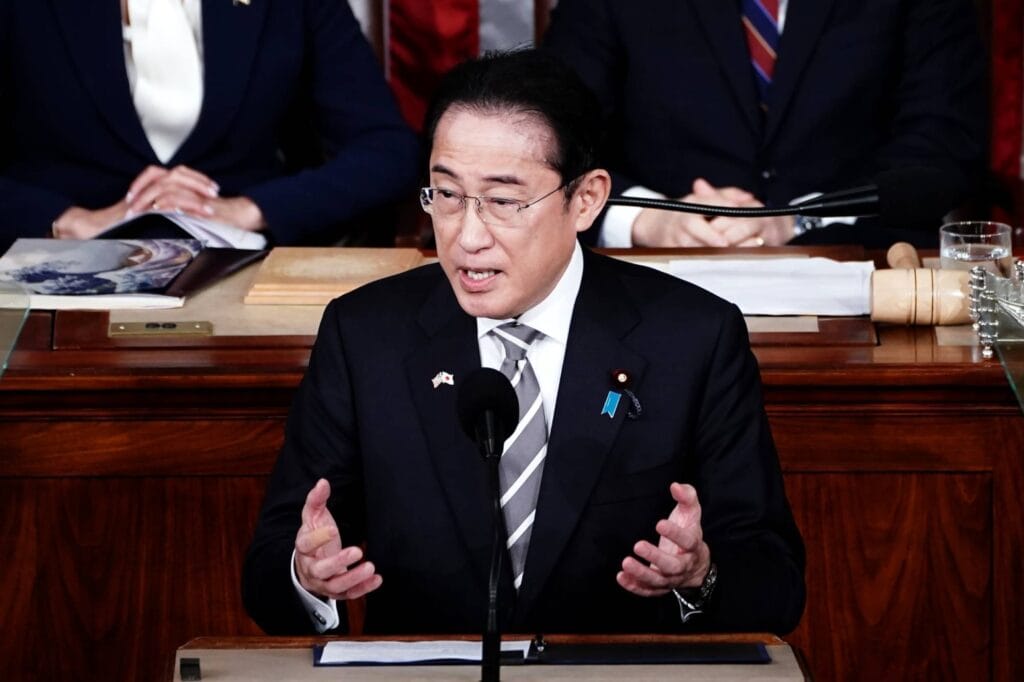
    Fumio Kishida addresses the U.S. Congress in 2024, when he was prime minister. Kishida personally pitched the Global Startup Campus Initiative idea to then-U.S. President Joe Biden. (BLOOMBERG)
    Fumio Kishida addresses the U.S. Congress in 2024, when he was prime minister. Kishida personally pitched the Global Startup Campus Initiative idea to then-U.S. President Joe Biden. (BLOOMBERG)

    The next year, in 2022, Fumio Kishida, then the prime minister, introduced the Global Startup Campus Initiative. The plan was to build a research hub focused on technologies, including artificial intelligence and robotics. It was to be anchored by a partnership with MIT and sought to recruit researchers from U.S. universities to collaborate with Japanese entrepreneurs.

    Kishida personally pitched the idea to then-President Joe Biden during a 2023 meeting in Hiroshima. A campus in central Tokyo was supposed to be completed by around 2028.

    At its outset, Ito was not involved with the government group leading the project. But in early 2024, people involved in the initiative received a memo naming Ito as one of three leaders who would dictate the group’s strategies, along with two high-ranking Japanese government officials.

    According to documents reviewed by the Times, the memo was sent by Akira Amari, a long-standing and influential figure within Japan’s Liberal Democratic Party, which has dominated Japanese politics for decades. At least four government and university officials said they were surprised at the time by the appointment of Ito, given his ties to Epstein.

    Amari is close with the current prime minister, Takaichi, who has been known to call him “aniki,” or “big brother.” Takaichi has endorsed the initiative as one of her administration’s growth strategies. The prime minister and Amari’s offices did not respond to requests for comment.

    In Japan, Ito’s role in the Global Startup Campus Initiative has gone mostly unnoticed. In 2025, a lawmaker, Satoshi Honjo, raised questions about the appointment during parliamentary sessions. He asked whether it was problematic for a person with ties to Epstein to, in effect, lead the initiative.

    A high-ranking Takaichi administration official, Kiyoto Tsuji, then a Cabinet office vice minister, responded by saying Ito “has provided us with a variety of useful information and advice toward realizing the initiative.” And, he added, “he is merely acting as a part-time adviser.”

    But documents suggest Ito plays a much bigger part. Government officials have told potential partner universities that he plays a “pivotal role” in the initiative, according to internal documents and correspondence. The documents show a framework for the project that is based solely on “ideas from Professor Joichi Ito.”

    More than three years after the group’s launch, it publicly lists a few universities — the University of Tokyo, Imperial College London and the National University of Singapore — as “pilot activity” partner organizations. Others have expressed hesitation in associating with a group tied to Ito.

    MIT, Harvard and Keio have each conveyed to Japanese officials that they would be reluctant to work with the initiative if Ito was involved, according to emails viewed by the Times and four individuals with direct knowledge of the interactions. At the start, MIT was supposed to be a cornerstone partner.

    Last year, Martial Hebert, a dean at Carnegie Mellon’s School of Computer Science, wrote in an email to Japanese officials obtained by the Times, “We will not be part of any project that involves Joi.” A spokesperson for Carnegie Mellon confirmed that the school is not working with the Global Startup Campus Initiative but declined to comment on its reasoning.

    In 2024, Richard K. Lester, then MIT’s vice provost for international activities, told Japan’s minister in charge of economic revitalization that many of the school’s faculty would “find it difficult to cooperate with the Global Startup Campus if Mr. Joichi Ito was to occupy a significant position,” according to internal minutes from the meeting.

    Imperial College London, the University of Tokyo, MIT, Harvard, and Keio did not respond to requests for comment. The National University of Singapore said in a statement that it is working with the Global Startup Campus Initiative “under the purview of Japan’s Cabinet Office” and that it had no relationship with Ito.

    Before Ito was appointed in early 2024, the Global Startup Campus Initiative was behind schedule.

    Two people familiar with its operations said it further lost pace after Ito joined. The spokesperson for the Cabinet secretariat said Ito helped introduce new strategies for the project that have enabled the group to “progress rapidly.” The spokesperson said she could not comment on the progress of conversations with individual universities.

    Although the Global Startup Campus Initiative has already been allocated a budget of more than $400 million, it will need to be approved by parliament as a so-called operating corporation. The group had originally aimed to receive this approval last year. The decision on whether the initiative will be approved is now expected by July.

    Some notable names publicly listed as the project’s “pilot activity” partner organizations include the Chan Zuckerberg Initiative, the philanthropy run by Meta’s CEO, Mark Zuckerberg, and his wife, Priscilla Chan; and Hakuhodo, a major Japanese advertising company.

    In a statement, a spokesperson for the Chan Zuckerberg Initiative said it does not provide funding to the Global Startup Campus Initiative. Hakuhodo did not respond to a request for comment.

    The latest Epstein files provide more detail about Ito’s money transfers with Epstein. In a May 2014 email exchange, Ito wrote to Epstein, “The slush fund, if it’s at MIT is easy. Should I send you the instructions?” Later that month, Ito confirmed receipt of the capital, writing, “I just got notice that $500K came into my slush fund account. Thanks!”

    Honjo, the politician who questioned Ito’s appointment in parliament, said in an interview that it was “an established fact” that Ito had not properly disclosed Epstein-directed financial contributions to his MIT lab. “He can’t be called the right person for the job,” Honjo said.

    The spokesperson for the Cabinet secretariat said the Global Startup Campus Initiative is moving into its next phase starting in the fiscal year that begins April 1. With regard to Ito, “we don’t believe there is a problem currently, but we will choose the appropriate people for the next fiscal year’s goals,” she said.

    The recently released emails, as well as flight logs, detail at least five instances in 2013 and 2014 in which Ito planned to or did visit Epstein’s private island. In 2017, two years before he resigned from MIT, Ito wrote to Epstein saying he hoped his estate was OK after the devastation of Hurricane Irma. In a separate exchange, Epstein jokingly asked if “little Jeffrina,” Ito’s baby, had been born yet.

    In Japan, the Epstein files have been treated mostly as a “domestic American issue,” said Chizuko Ueno, chief director of Women’s Action Network, a Japanese advocacy group. The Japanese establishment tends to ignore or bury contentious matters involving high-powered officials if there is no criminal conviction, she said.

    Ueno is also a professor emeritus at the University of Tokyo, one of the institutions publicly associated with the initiative. Ueno said that Japan and the university had become less tolerant of individuals with histories of possible misconduct and that she believed the school and government officials would increasingly find they “can no longer ignore it; they have to do something.”
  • Japan Prime Minister Sanae Takaichi Scores Decisive Election Win

    Japan Prime Minister Sanae Takaichi Scores Decisive Election Win

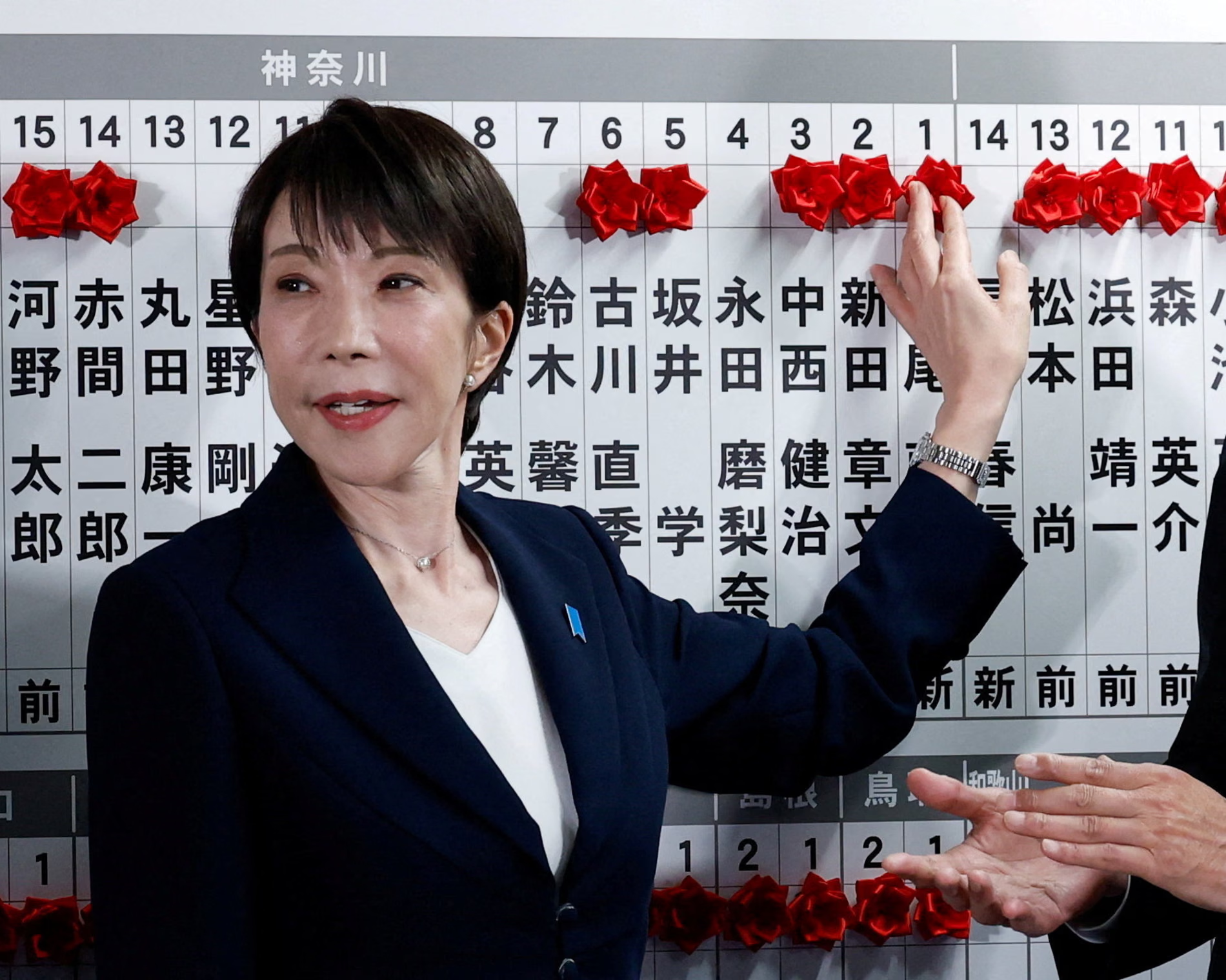
    Tokyo, Japan – In a stunning political resurrection that underscores the enduring appeal of strong leadership and nationalist fervor, Japanese Prime Minister Sanae Takaichi’s high-stakes gamble on a snap election has paid off handsomely. Her Liberal Democratic Party (LDP) not only reclaimed a commanding majority in the 465-seat lower house of parliament but achieved an unprecedented two-thirds supermajority on its own—a feat never before accomplished by the party, according to projections from public broadcaster NHK. This landslide victory positions Takaichi to pursue an ambitious agenda that aligns closely with American interests: bolstering defense spending, deepening U.S.-Japan ties, and revitalizing industrial policy to counter regional threats like China’s expansionism.

    From an America First perspective, Takaichi’s triumph is a win for U.S. strategic priorities in the Indo-Pacific. A stronger, more assertive Japan means a reliable ally that shares the burden of deterring Beijing’s aggression—without dragging American troops into unnecessary conflicts. Her rapport with President Donald Trump, reminiscent of his bond with her mentor, the late Shinzo Abe, promises enhanced cooperation on trade, security, and supply chain resilience. As Trump himself posted on Truth Social, “The Prime Minister, Sanae Takaichi, has already proven to be a strong, powerful, and wise Leader, and one that truly loves her Country.” With a planned White House visit on March 19, this could translate to deals that benefit American workers, from joint tech investments to fairer trade terms.

    Takaichi, 64, Japan’s first female prime minister who assumed office in October 2025, dissolved parliament after just three months, betting her career on public validation. She vowed to resign if her coalition lost its majority—a bold move amid the LDP’s recent scandals and electoral setbacks. In 2024 and 2025, the party hemorrhaged seats due to financial improprieties and public frustration over rising costs, forcing her predecessor, Shigeru Ishiba, to step down after a year. But Takaichi’s personal charisma—fueled by her motorcycle-riding, heavy metal drumming image—reversed the tide. NHK’s exit polls projected the LDP securing between 274 and 326 seats, with the coalition alongside the Japan Innovation Party (JIP) ranging from 302 to 366. This supermajority allows Takaichi to override the opposition-controlled upper house, paving the way for constitutional reforms long sought by conservatives.

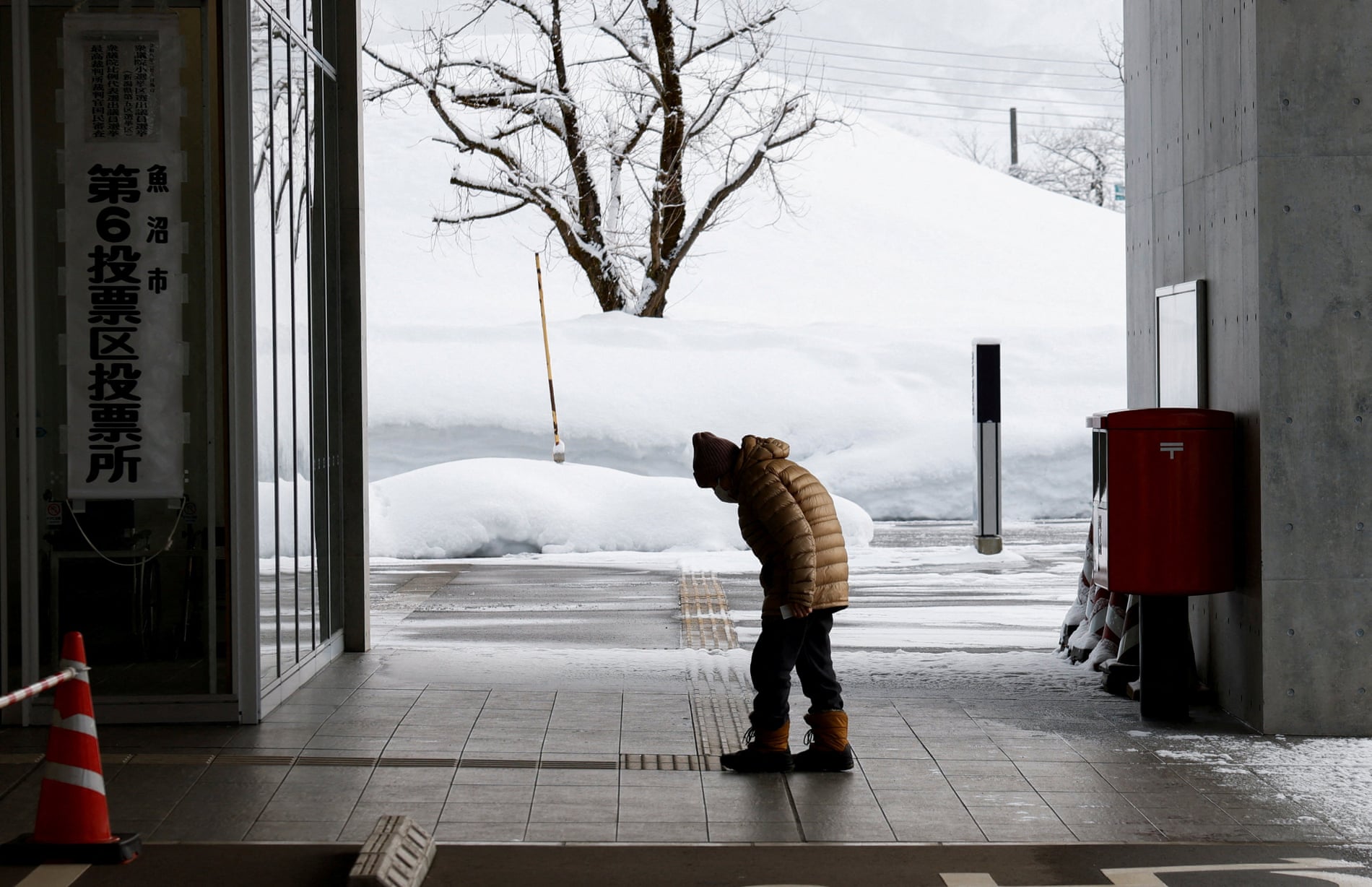
    Voters braved brutal winter conditions—sub-zero temperatures, heavy snowfall, and rare Tokyo flurries—to deliver this mandate. The transport ministry reported 37 train lines suspended, 58 ferry routes canceled, and 54 flights grounded, yet turnout reached about 21.6% by late afternoon, per the Nikkei. “People want their lives to be better and more comfortable,” Tokyo voter Ritsuko Ninomiya told the BBC. “We need a long-term solution rather than short-term fixes.” Younger demographics, drawn to Takaichi’s viral social media presence—including a drumming session with South Korean President Lee Jae Myung set to K-pop—propelled her success. “This election is more important for the younger generation,” said Daniel Hayama, emphasizing her appeal to those prioritizing national strength.

    A voter at a polling station in Uonuma, Niigata prefecture. ( Manami Yamada/Reuters)
    A voter at a polling station in Uonuma, Niigata prefecture. ( Manami Yamada/Reuters)

    The opposition crumbled under the onslaught. The Centrist Reform Alliance, a hastily formed bloc including the LDP’s former partner Komeito and the Constitutional Democratic Party, was projected to retain only a quarter of its 167 seats. Co-secretary general Nakano Hiromasa conceded to NHK that the results demanded “humble and serious” reflection. Meanwhile, the ultranationalist Sanseito party, with its “Japanese first” platform, surged from two seats to as many as 14, signaling a rightward shift that could amplify Takaichi’s conservative base.

    Economically, Takaichi campaigned on a 21 trillion yen ($140 billion) stimulus package to combat the cost-of-living crisis, pledging to suspend the 8% consumption tax on food for two years—a move costing 5 trillion yen annually. “We have consistently stressed the importance of responsible and proactive fiscal policy,” she told reporters as polls closed. Critics, including businesses, warn this could exacerbate Japan’s debt burden—already over twice its GDP, the highest among developed nations. Financial markets reacted with volatility, but supporters argue it’s essential to revive sluggish growth. In a post-election interview with NHK, Takaichi called for a cross-party forum to discuss tax cuts, noting broad support for reducing rates on essentials to zero or 5%.

    On the international front, Takaichi’s victory empowers her to fortify alliances that serve American interests. Her November statement that Japan could militarily respond to a Chinese invasion of Taiwan—breaking from Tokyo’s traditional ambiguity—drew Beijing’s wrath: flight cancellations, seafood bans, and intensified patrols near Japanese waters. Yet, it resonated with voters and allies alike. Taiwan’s President Lai Ching-te congratulated her on X: “May your victory bring a more prosperous and secure future for Japan and its partners in the region.” U.S. Treasury Secretary Scott Bessent echoed this on Fox News: “When Japan is strong, the US is strong in Asia.”

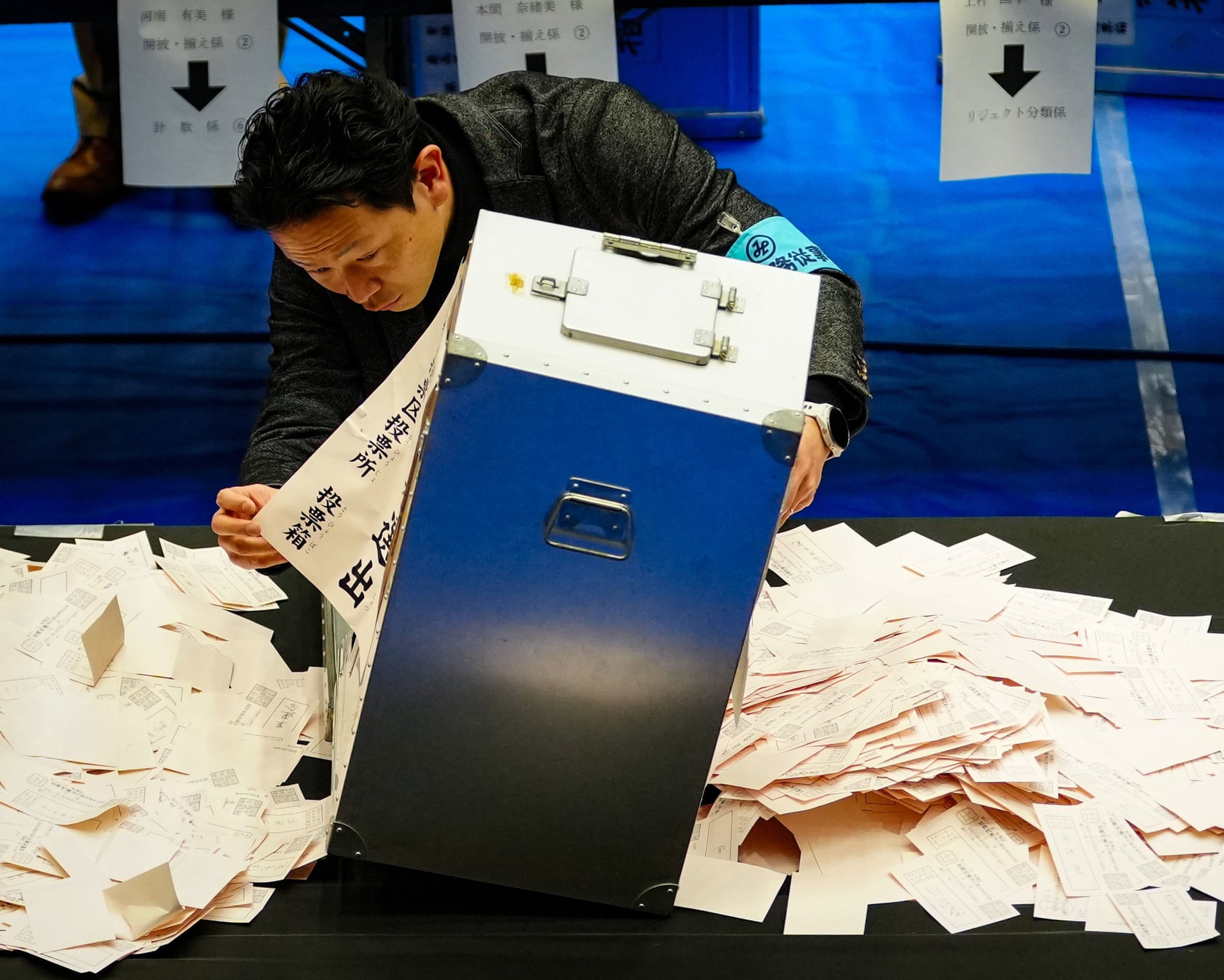
    An election official empties a ballot box at a counting station in Tokyo. (Xinhua/Shutterstock)
    An election official empties a ballot box at a counting station in Tokyo. (Xinhua/Shutterstock)

    Takaichi’s agenda includes ramping up defense spending—already at 2% of GDP—and reviewing foreign land ownership rules to curb Chinese influence. She aims to tighten immigration, targeting non-payments of taxes and health insurance by foreigners—in a nation where immigrants comprise just 3% of the population. Critics accuse her of stoking division, but proponents see it as safeguarding Japanese sovereignty. With a supermajority, she could advance her long-term goal: revising Japan’s pacifist constitution to allow more proactive military roles, aligning with U.S. calls for burden-sharing in containing China.

    Domestically, Takaichi maintains conservative views—opposing same-sex marriage and female imperial succession—while her “work, work, work” slogan earned catchphrase-of-the-year honors. Her unconventional persona has shattered glass ceilings, attracting voters tired of the male-dominated establishment.

    This political stability coincides with Japan’s cultural boom. The film industry hit a record $1.79 billion box office in 2025, up 32% from 2024, driven by anime like “Demon Slayer: Kimetsu no Yaiba – Infinity Castle – Part 1” ($255 million) and the Oscar-nominated “Kokuho” ($127 million). The global anime market, valued at $25 billion, bolsters Japan’s soft power exports. As Country of Honor at the 2026 Cannes Film Market, Tokyo plans to promote animation and co-productions—opportunities that could yield U.S.-Japan collaborations in entertainment.

    Analysts like Syracuse University’s Margarita Estévez-Abe suggest Takaichi now has breathing room until 2028 upper house elections to mend China ties. But Seiji Inada of FGS Global warns markets could punish fiscal largesse, pressuring the yen. For America, her win means a steadfast partner in the Pacific—investing in defense, aligning on trade, and countering Beijing—without overcommitting U.S. resources. It’s a model of smart alliances that put American interests first.

  • US-Japan Panel Holds Second Meeting to Advance $550B Trade Deal Investments

    US-Japan Panel Holds Second Meeting to Advance $550B Trade Deal Investments

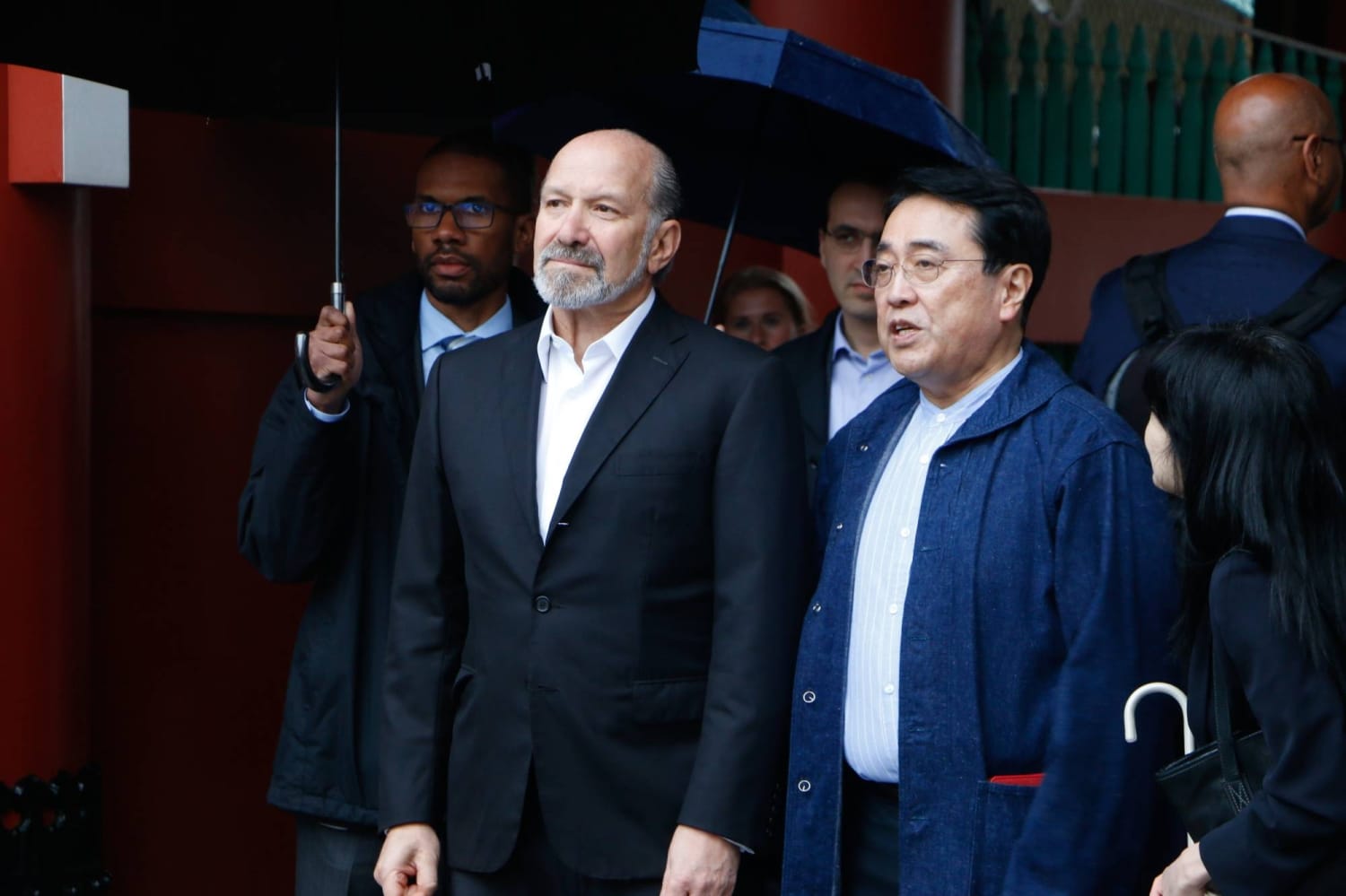
    Japan and the United States convened their second high-level consultation committee meeting on Tuesday, signaling renewed momentum in deploying a landmark $550 billion Japanese investment pledge that anchors the allies’ hard-won trade agreement. The two-hour virtual session, co-chaired by Japanese Economy, Trade and Industry Minister Ryosei Akazawa, U.S. Commerce Secretary Howard Lutnick, and U.S. Energy Secretary Chris Wright, focused on expediting project selections, with officials pledging to announce the inaugural initiative “as soon as possible,” according to a statement from Japan’s Ministry of Economy, Trade and Industry (METI).

    The gathering builds on the panel’s inaugural online meeting last week, where representatives from Japan’s foreign, trade, and finance ministries joined U.S. counterparts from the Commerce and Energy Departments to exchange views on potential investments. Energy projects emerged as early frontrunners, with sources familiar with the discussions indicating a handful under review for priority funding. Recommendations from the consultation committee will feed into an investment panel chaired by Lutnick, culminating in final approvals by President Donald Trump—a structure that underscores Washington’s directive role in allocating the funds.

    This accelerated pace reflects mounting pressure to operationalize the pledge, formalized in a September memorandum of understanding (MOU) following July’s framework accord. The $550 billion commitment—upped from an initial $400 billion discussion at Trump’s insistence—secured Japan’s relief from steep U.S. tariffs, capping duties at 15% on automobiles and most goods after an earlier spike to 25%. Non-compliance risks penalty clauses, including tariff hikes, potentially unraveling the deal and exposing Tokyo to renewed trade friction.

    Target sectors span strategic priorities: semiconductors, pharmaceuticals, critical minerals, metals, shipbuilding, energy, artificial intelligence, and quantum computing. Financing will flow through project-by-project commitments, leveraging institutions like the Japan Bank for International Cooperation (JBIC) and Nippon Export and Investment Insurance (NEXI) for equity, loans, and guarantees. Investments must materialize by January 19, 2029—the end of Trump’s term—aligning with his administration’s push to revitalize U.S. industrial capacity and bolster supply chains amid global competition, particularly from China.

    Market reactions have been muted but positive. The Nikkei 225 edged up 0.4% on Wednesday, buoyed by clarity on tariff stability, while U.S. futures showed modest gains in chip and energy stocks. Analysts at Nomura Securities project the fund could inject $100-150 billion annually into U.S. infrastructure, creating hundreds of thousands of jobs in swing states—a political windfall for Trump. However, skeptics note execution hurdles: Japan’s characterization of the pledge as facilitated private-sector flows contrasts with U.S. portrayals of direct government-directed capital, potentially complicating disbursements.

    The process traces to Trump’s October visit to Tokyo, where an initial project shortlist was floated. Early contenders include LNG terminals, rare earth processing facilities, and semiconductor fabs—areas ripe for de-risking U.S. dependencies. “This isn’t charity; it’s mutual security,” Lutnick remarked in a recent CNBC interview, emphasizing profit-sharing tilted heavily toward America post-recoupment (90-10 split).

    For Japan, already the largest foreign investor in the U.S. with over $800 billion in holdings, the pledge reinforces alliance ties while mitigating tariff pain on exporters like Toyota and Sony. Yet, domestic critics decry it as concessional, with opposition lawmakers questioning the fiscal burden amid Japan’s aging demographics and debt load.

    As the committee eyes a third session next week and potential Trump sign-offs in early 2026, the initiative tests the Trump administration’s dealmaking prowess. Success could blueprint similar pacts with other trading partners; delays risk reigniting trans-Pacific tensions in an era of reshoring and economic nationalism.