President Trump signed four executive orders on Friday aimed at accelerating the construction of nuclear power plants in the United States, including a new generation of small, advanced reactors that offer the promise of faster deployment but have yet to be proven.
One order directs the Nuclear Regulatory Commission, the nation’s independent safety regulator, to streamline its rules and to take no more than 18 months to approve applications for new reactors. The order also urges the agency to consider lowering its safety limits for radiation exposure, saying that current rules go beyond what is needed to protect human health.
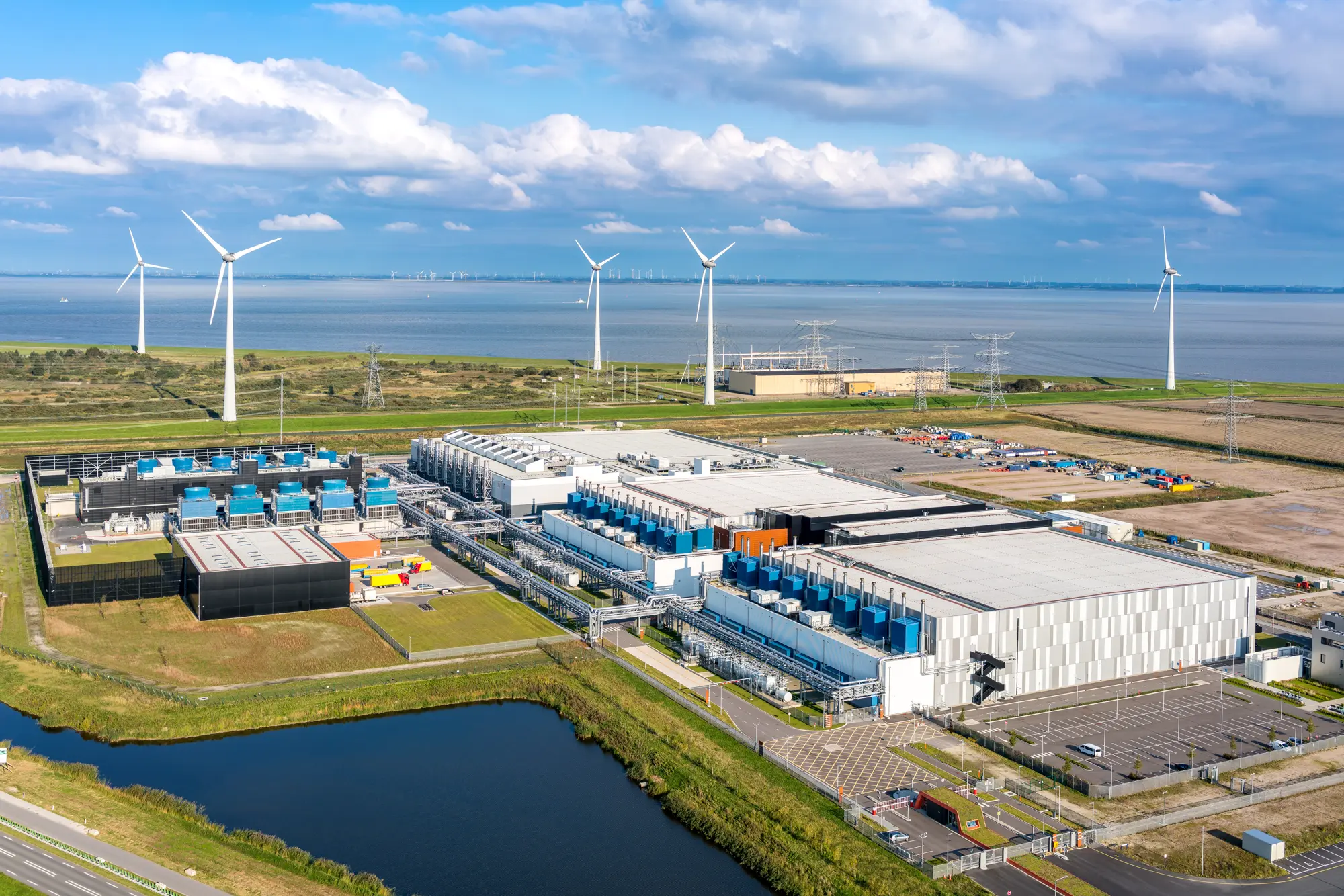
Another order directs the Energy and Defense departments to explore siting reactors on federal lands and military bases, possibly alongside new data centers. That could allow the agencies to bypass the Nuclear Regulatory Commission and develop their own, faster processes for approving reactors.
The Trump administration also set a goal of quadrupling the size of the nation’s fleet of nuclear power plants, from nearly 100 gigawatts of electric capacity today to 400 gigawatts by 2050. One gigawatt is enough to power nearly 1 million homes.
“This is a huge day for the nuclear industry,” said Doug Burgum, the interior secretary, as he stood behind Mr. Trump at a signing ceremony in the Oval Office. “Mark this day on your calendar. This is going to turn the clock back on over 50 years of overregulation.”
In one of his first acts in office, Mr. Trump declared a “national energy emergency,” saying the country did not have enough electricity to meet its growing needs, particularly for data centers that run artificial intelligence. While most of Mr. Trump’s actions have focused on boosting coal, oil and natural gas, administration officials have supported nuclear power, too.
Nuclear power enjoys bipartisan backing in Congress. While some Democrats remain opposed because of concerns about safety and disposal of nuclear waste, an increasing number have embraced the technology because it doesn’t produce planet-warming emissions. It also gets backing from Republicans who say nuclear power plants strengthen U.S. energy security.

The far-reaching domestic policy bill passed by House Republicans this week aimed to halt federal support for most types of emissions-free power. But the nuclear industry got an exemption: Companies aiming to build new reactors would still be able to get a tax break as long as they begin construction by the end of 2028.
Even so, developing new reactors in the United States has proved enormously difficult.
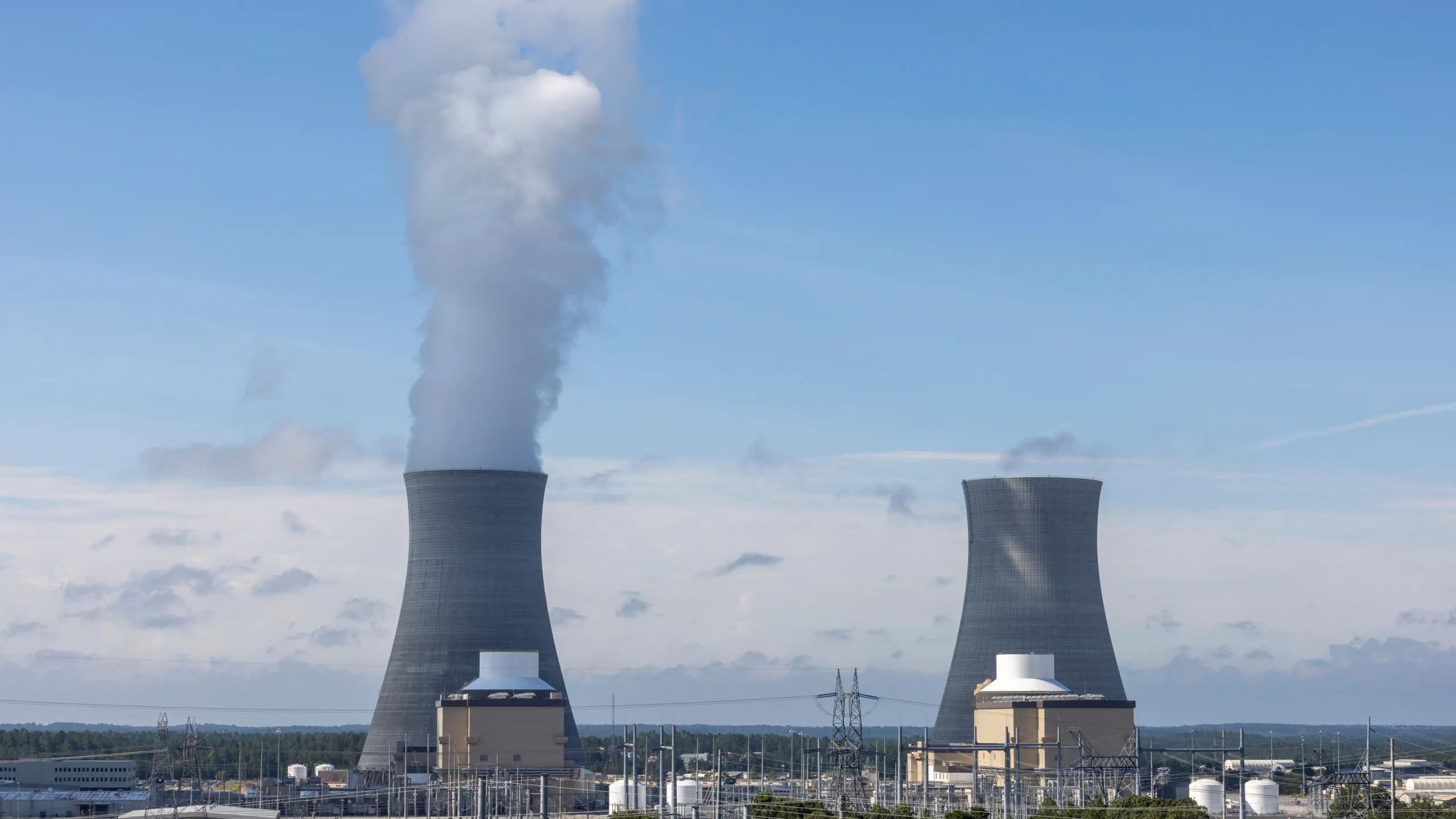
While the country has the world’s largest fleet of nuclear power plants, only three new reactors have come online since 1996. Many utilities have been scared off by the cost: The two most recent reactors built at the Vogtle nuclear power plant in Georgia totaled $35 billion, double the initial estimates, and arrived seven years behind schedule.
In recent years, more than a dozen companies have begun developing a new generation of smaller reactors a fraction of the size of those at Vogtle. The hope is that these reactors would have a lower upfront price tag, making them a less risky investment for utilities. They might also be based on a design that could be repeated often, as opposed to custom-built, to reduce costs.
So far, however, none of these next-generation plants have been built, although projects are underway in Wyoming, Texas and Tennessee.
Some nuclear proponents and companies have blamed the sluggish pace on the Nuclear Regulatory Commission, which must approve new designs before they are built. Critics say that many of the regulations that the agency uses were designed for an earlier era and are no longer appropriate for advanced reactors that are designed to be less susceptible to meltdowns.
“This is an agency that needs be shaken up a bit,” said Jacob DeWitte, chief executive of Oklo Inc., a startup that has developed a small advanced reactor that it plans to build at Idaho National Laboratory. He called the executive orders “incredibly exciting on multiple fronts.”
In one executive order, Mr. Trump directed the Nuclear Regulatory Commission to undertake a “wholesale revision” of its rules within 18 months and reorganize itself in consultation with the so-called Department of Government Efficiency, the group formed by Elon Musk. That reorganization could include layoffs, the order said.
While Congress established the nuclear agency to be independent from the White House, Mr. Trump has sought to exert greater authority over independent agencies in recent months.
“The N.R.C. is assessing the executive orders and will comply with White House directives,” said Scott Burnell, a spokesman for the Nuclear Regulatory Commission. “We look forward to continuing to work with the administration, DOE and DOD on future nuclear programs.”

Skeptics of nuclear power fear that pressure from the White House could cause the agency to take shortcuts on safety. Since the partial meltdown of the Three Mile Island plant in Pennsylvania in 1979, in which there were no fatalities, the Nuclear Regulatory Commission has ratcheted up safety requirements. While that has made it harder to build new plants, the country has also not experienced another major nuclear accident.
“Simply put, the U.S. nuclear industry will fail if safety is not made a priority,” said Edwin Lyman, the director of nuclear power safety at the Union of Concerned Scientists and a frequent critic of the industry. He added that if another large radiological release were to occur, it would “destroy public trust in nuclear power and cause other nations to reject U.S. nuclear technology for decades to come.”
Even a few nuclear companies and proponents have been nervous about a major shake-up at the Nuclear Regulatory Commission. They note that the agency has already started streamlining its approval processes in response to bipartisan bills passed by Congress, and that a hasty reorganization could, paradoxically, end up delaying approvals for the nuclear companies that are in the process of getting permits.
“Our assessment is that N.R.C. is already making significant progress on reform,” said Judi Greenwald, executive director of the Nuclear Innovation Alliance, a pronuclear think tank. “It is in everyone’s interest that this progress continue and not be undermined by staffing cuts or upended by conflicting directives.”
Another order calls on the secretary of energy to develop a plan to rebuild U.S. supplies of enriched uranium and other nuclear fuels, which in recent years have largely been imported from Russia.
But speeding up regulatory approvals won’t be sufficient to revive the nuclear industry, some experts said. The first few reactors that do get built are likely to be enormously expensive, and some sort of government support would likely be required to help companies build reactors at a pace that could drive down costs.
To that end, one of the executive orders directs the Energy Department’s Loan Programs Office, which currently has roughly $400 billion in lending authority, to make resources available for restarting shuttered nuclear plants and building new reactors. The order sets a goal of having 10 large reactors under construction by 2030.
Yet the loan office has lost more than half its staff this year after a wave of Trump administration layoffs and buyouts, and House Republicans have proposed cutting its budget. Those cuts could hobble a key program for financing new reactors. nuclear supporters have said.
“It’s good to see the focus on building a series of proven large reactors as well as smaller newer designs,” said Armond Cohen, executive director of the Clean Air Task Force, an environmental group that supports nuclear power. “But you need serious government financial support to make any of this happen, and get to commercial scale and lower costs. To support the administration’s goals, Congress needs to boost support instead of gutting it.”