Category: Olympics

  • Jutta Leerdam Wins Gold as Fiancé Jake Paul Breaks Down in Emotional Celebration

    Jutta Leerdam Wins Gold as Fiancé Jake Paul Breaks Down in Emotional Celebration

    MILAN — The scoreboard in the far corner of a convention hall-turned-speed skating stadium said Dutch skater Jutta Leerdam had just set an Olympic record in the women’s 1,000-meter race Monday afternoon. Now it was time for two of the sports world’s biggest internet celebrities to cry.

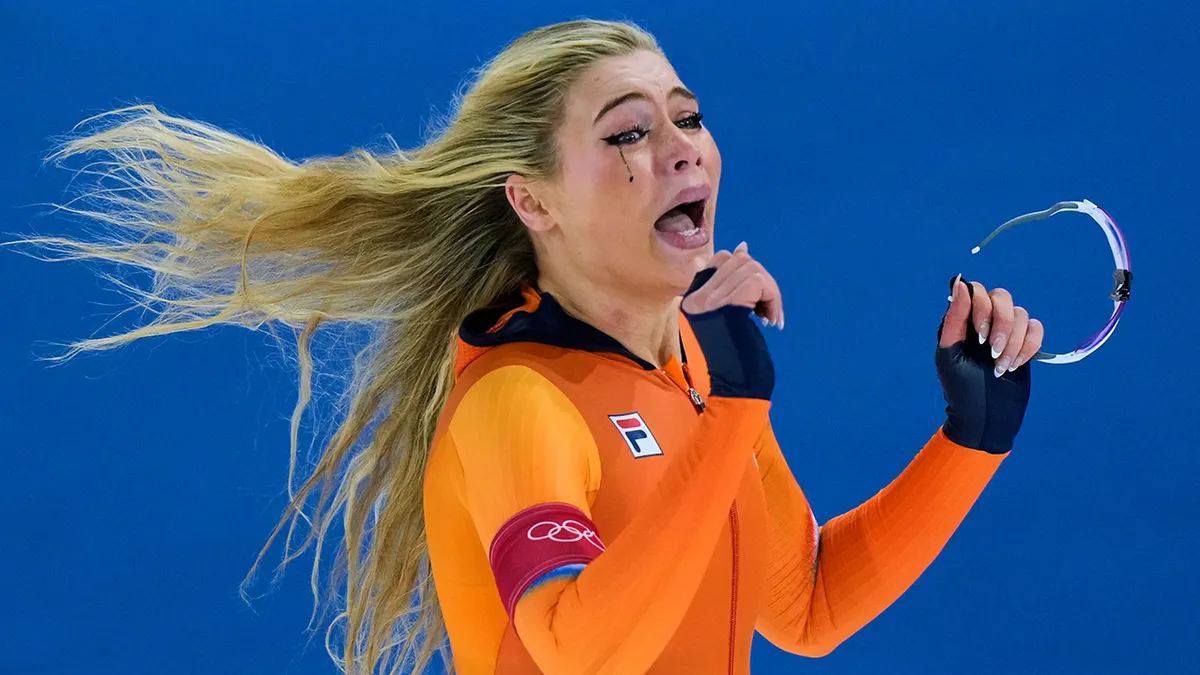
    On the ice, Leerdam, her orange racing hood pulled off and long blond tresses flowing, stared at her time on the board — 1 minute 12.31 seconds — and wept so hard at winning her first Olympic gold medal that a ribbon of mascara rolled down the right side of her face.

    “That’s a good thing, I think,” said the most famous female athlete in the Netherlands, with 5.3 million Instagram followers.

    Up in the temporary steel stands that ring the ice, Leerdam’s fiancé, the YouTube superstar-turned-boxer Jake Paul, dabbed his tattooed hands around red, soggy eyes and stared speechless as Leerdam skated her teary victory lap. He was in a VIP section for skaters’ families and Olympic officials. Around him, Leerdam’s family jumped and hugged and danced in place.

    Paul didn’t jump or hug or dance or say anything. Instead, he sat on his seat and cried.

    This wasn’t how the internet is accustomed to viewing its newest celebrity supercouple. Leerdam’s Instagram is filled with a stream of professionally posed photographs showing her with spotless makeup, looking nothing like the sobbing wreck with black streaks under her eyes. Paul is usually seen throwing haymakers in a ring or getting into social media tussles over Bad Bunny’s Super Bowl halftime show. They do not seem the weeping types.

    “Not usually,” Leerdam said. “But at the same time, he also, like, knows the pressure I felt and the buildup and everything. So, yeah, I think he’s just, he’s just felt everything with me.”

    Jake Paul can't contain his tears after his fiancée, Jutta Leerdam, won gold Monday in Milan. (Antonio Calanni/AP)
    Jake Paul can’t contain his tears after his fiancée, Jutta Leerdam, won gold Monday in Milan. (Antonio Calanni/AP)

    The Olympic spirit isn’t always about unknowns finally living out lifelong dreams or underdogs fighting against impossible odds. Sometimes, it’s about really rich, famous people who fly around in private jets and have drivers and security guards and see an Olympic record on a scoreboard and act as uncool as the rest of us. Sometimes, Jutta Leerdam looks deranged and Jake Paul is caught treating life as something other than a follower-seeking social media bit.

    What happened in the building that Olympic organizers are calling the Milano Speed Skating Stadium was very real. An incredibly famous speed skater known for her looks thundered around the oval with powerful strides that left the stands nearly filled with Dutch fans delirious.

    “To be able to deliver like that is huge,” said American Brittany Bowe, a two-time Olympic bronze medalist who finished fourth Monday.

    Leerdam’s Instagram life and her soon-to-be-husband’s own celebrity has made her a target bigger than any other speed skater from the world’s top speedskating country. The silver medal she won in the 1,000 at the 2022 Beijing Olympics hasn’t always been the first thing mentioned about Leerdam in recent years. She didn’t make things easier for herself when a photo of her coming to Milan in a private jet appeared online.


    On Monday, she talked a lot about the pressure she felt here. She has skated well this past year, winning several races, and was arriving here as the top-ranked woman in the 1,000. The mania around her personal and skating life had exploded so much that her face here felt like a sideshow. The media seats were all taken two hours before the race began, and an army of photographers lined the ice.

    Leerdam says she likes the hysteria. The pressure, she said, motivates her. She enjoys putting pressure on herself, she added, because it makes her even better.

    “I try to, like, really use it in my advantage and just really let it make me even sharper,” she said.

    She also skated in the last group and watched, with chagrin, as skaters before her kept going faster and faster. She wondered whether she could match them. She seemed sure Paul felt the same.

    So, when she roared past Japan’s Miho Takagi on the second of three laps, the crowd seemed to sense something big, and the cheering grew. Then came the biggest roar of all when her final time was posted on the scoreboard. After wiping away her tears, she ran to her Netherlands teammates in the ring’s middle to celebrate while Paul stood amazed.

    Photographers lined the walkway below the VIP section. Medal podiums were pulled into place, the flags were made ready — two Dutch flags for Leerdam and her silver medalist teammate Femke Kok and Japan’s for Takagi — Holland’s national anthem was played and Leerdam wiped tears from her face with her palms while Paul held his hands to his lips as if in prayer.

    They were at once together and yet far apart, separated by a ribbon of ice. One photographer aimed his lens toward Leerdam while crossing another over his shoulder to also get photos of Paul. The camera shutters clicked and clicked.

    More than an hour later, after the crowd had left and all the tears had been wiped away, Paul came to the edge of the interview area known as the mixed zone, where Leerdam was slowly making her way through lines of questions. As his entourage stood nearby, he kissed her on her cheek (now cleaned of black streaks). Then he looked at the dozens of people gathered around and said: “The GOAT!”

    He turned around and, with his security guards following, walked quickly from the improvised skating arena, into the Milan dusk and toward a waiting car and the rest of their lives as a celebrity couple with the memory of a gold medal to share.
  • Japan Is Redefining Olympic Snowboarding as a New Global Power Emerges

    Japan Is Redefining Olympic Snowboarding as a New Global Power Emerges

    The United States quickly became a dominant power in snowboarding’s early years on the Olympic stage, shaping its stars and setting its standards. A redheaded California teenager was king, and the rest of the world spent years trying to catch up.

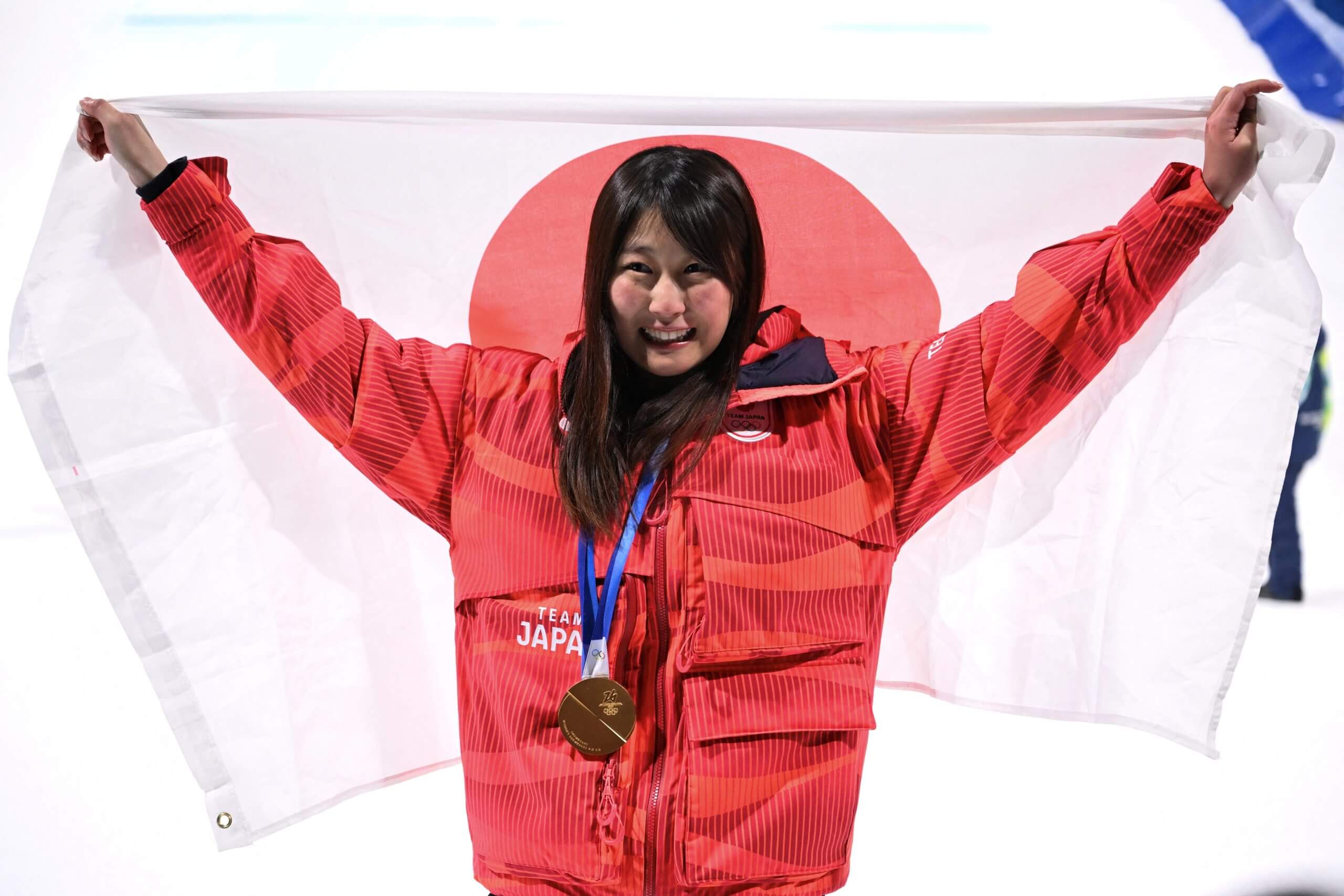
    At these Milan Cortina Games, that balance has clearly shifted, with Japan emerging as the world’s deepest and most formidable snowboarding power, particularly on the men’s side. In the early days of this Olympic competition, Japan has captured gold in both the men’s and women’s big air competitions, including Kokomo Murase’s impressive victory Monday night. Japan now has three snowboarding medals in these Games, while the United States is still looking for its first podium visit at Livigno Snow Park.

    The transition has been years in the making. When snowboarding debuted at the Olympics in 1998, Japan was not a factor, while the United States began to establish itself as the sport’s defining force. As the Olympic program expanded, adding new disciplines and attracting deeper international investment, more countries began to take snowboarding seriously. None has done so more thoroughly than Japan.

    “All these Japanese guys, they’re just a little bit different than the rest of the field,” said Teddy Koo, the agent for several Japanese riders. “I don’t know what the hell happened, but they figured it out.”

    At the center of that rise is Ayumu Hirano, one of the most accomplished snowboarders of his generation. Hirano won Olympic silver medals in the halfpipe as a teenager in 2014 and ’18 before breaking through with gold at the 2022 Beijing Games, where he landed a triple cork that redefined the event’s ceiling. Now 27, he enters these Games as a podium favorite in the halfpipe later this week despite battling recent injuries. His younger brother, Kaishu Hirano, is also among Japan’s leading riders, part of a generation shaped by Ayumu Hirano’s ascent.

    Japan's Ayumu Hirano is one of the most accomplished snowboarders of his generation. (Lindsey Wasson/AP)
    Japan’s Ayumu Hirano is one of the most accomplished snowboarders of his generation. (Lindsey Wasson/AP)

    His influence has extended well beyond Japan’s borders, and the American Jake Pates calls him a “a massive role model.” The 27-year-old Pates returned from retirement in 2024 and at Hirano’s invitation, he flew overseas and joined a training camp with Japanese riders.

    “It was wild,” Pates said. “It was a lot of hard work. But they showed me what real dedication, real motivation looks like. They don’t want to settle for second place. They want to be the best. They want the gold medal. … I’ve never been surrounded by people that train like that, with that mindset. They live with that mindset. They sleep, eat and breathe winning.”

    The results of that approach have been visible across disciplines here. Four Japanese women reached the women’s final, compared with zero Americans. Japan also sent four riders into the men’s final Saturday and still left little room to breathe. Gold and silver went to Kira Kimura and Ryoma Kimata, while the Japanese rider who led qualifying eventually finished last — a snapshot of a program so deep that success one night offers no guarantees the next.

    To appreciate that depth, consider who did not make the trip to Italy. Shuichiro Shigeno, 20, is widely regarded as a halfpipe prodigy and finished third at last month’s X Games. He would be a star on most national teams. He did not qualify for these Olympics, edged out by a gridlock of Japanese talent that has turned national selection into one of the sport’s most unforgiving competitions.

    “It’s very normal for us to go big,” Shigeno said in a recent interview. “You’re not going to make the team if you don’t go big.”

    The shift did not happen overnight — and is much more pronounced on the men’s side. In 2010, the Americans dominated the men’s halfpipe podium. Four years later, the United States missed the podium entirely as Japan claimed silver and bronze. By 2018, the margins had narrowed to a photo finish, where Shaun White edged Ayumu Hirano. And in Beijing in 2022, Japan took gold while Americans finished just outside the medals — evidence of a balance that has changed.

    For more than a decade, American snowboarding revolved around White, the three-time Olympic gold medalist. When that era ended, the United States struggled to find a clear successor — or the depth to absorb his absence.

    Reira Iwabuchi was one of four Japanese women who made the final of the women's snowboard big air competition. (Michael Reaves/Getty Images)
    Reira Iwabuchi was one of four Japanese women who made the final of the women’s snowboard big air competition. (Michael Reaves/Getty Images)

    Japan’s rise has been systemic, reinforced by a training infrastructure that allows riders to progress faster than ever before. While they’re fiercely competitive, Japanese snowboarding is a team sport and the top riders often train together. The national team has invested heavily in air bag training, including a dry halfpipe that feeds directly into an air bag, allowing riders to attempt high-risk tricks hundreds of times before taking them to snow.

    “By the time they get on snow, they could have done 100, 200, 500 reps on that air bag,” noted Adam Begg, the head snowboarding judge for the Milan Cortina Games.

    The approach has reshaped the sport’s learning curve, enabling year-round training while reducing injury downtime. A failed attempt no longer means weeks on the sideline watching the field move on.


    “The key is what we do in the offseason,” said Kimura, the men’s big air gold medalist.

    The contrast has been unmistakable. Japan has arrived with more contenders than available spots, while the United States continues to search for depth and continuity in a sport it once defined.

    “To get a gold medal at the Olympics has been my dream since I was very young,” Kimura said. “This dream has come true now. I’m going to keep practicing.”

  • Lindsey Vonn Crashes in Olympic Downhill, Airlifted as U.S. Teammate Wins Gold

    Lindsey Vonn Crashes in Olympic Downhill, Airlifted as U.S. Teammate Wins Gold

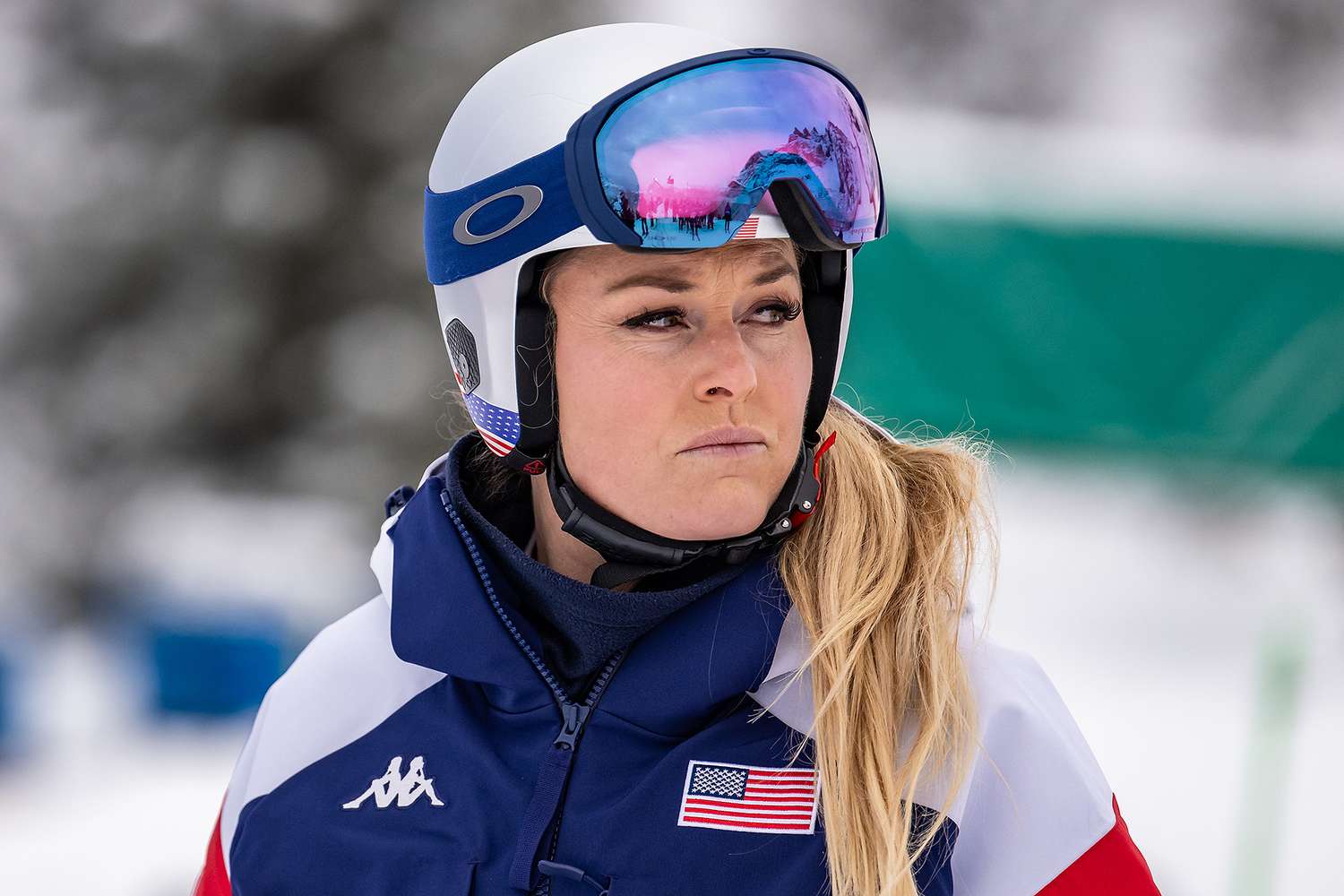
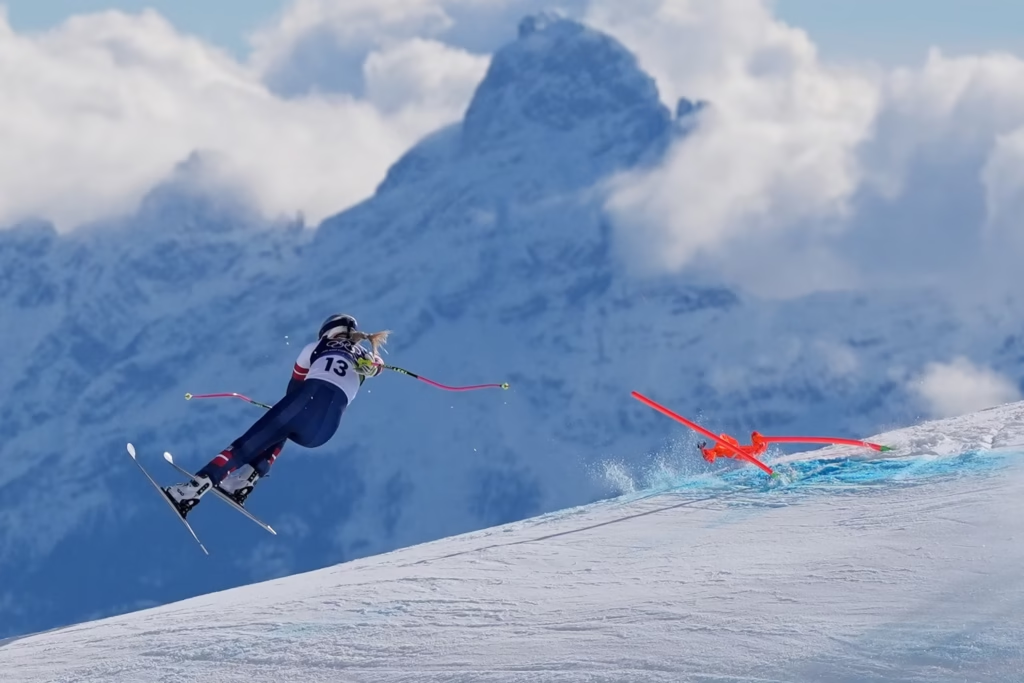
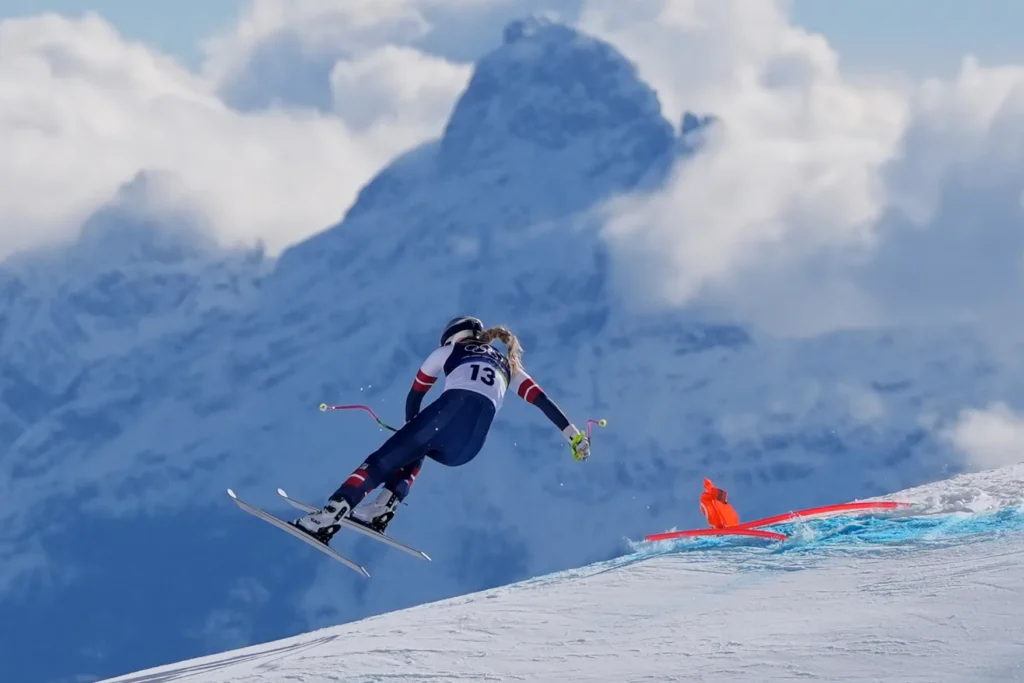
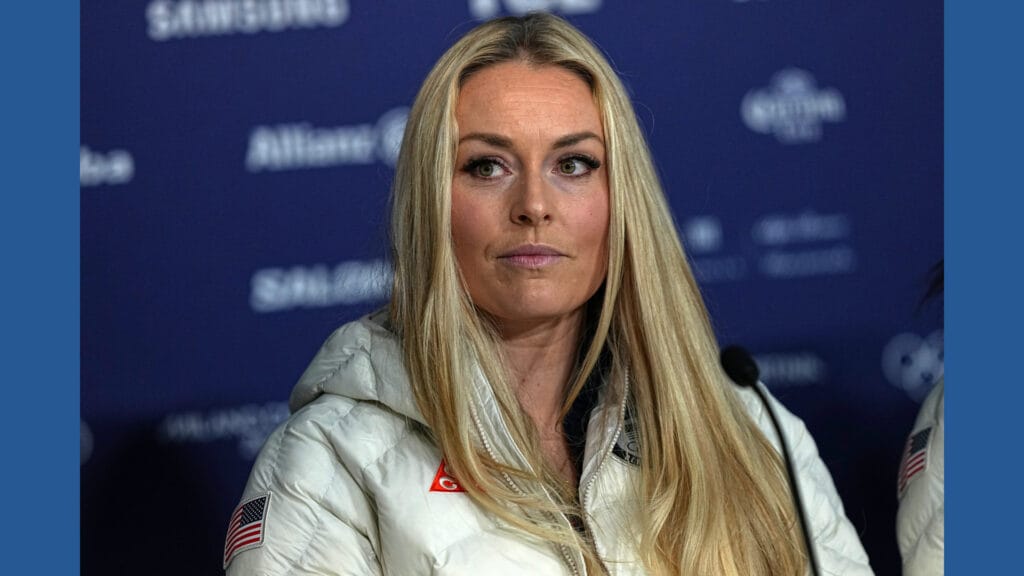
    Lindsey Vonn, racing on a badly injured left knee, crashed early in the Olympic downhill on Sunday and was taken off the course by a helicopter after the 41-year-old American received medical attention on the snow for long, anguished minutes.

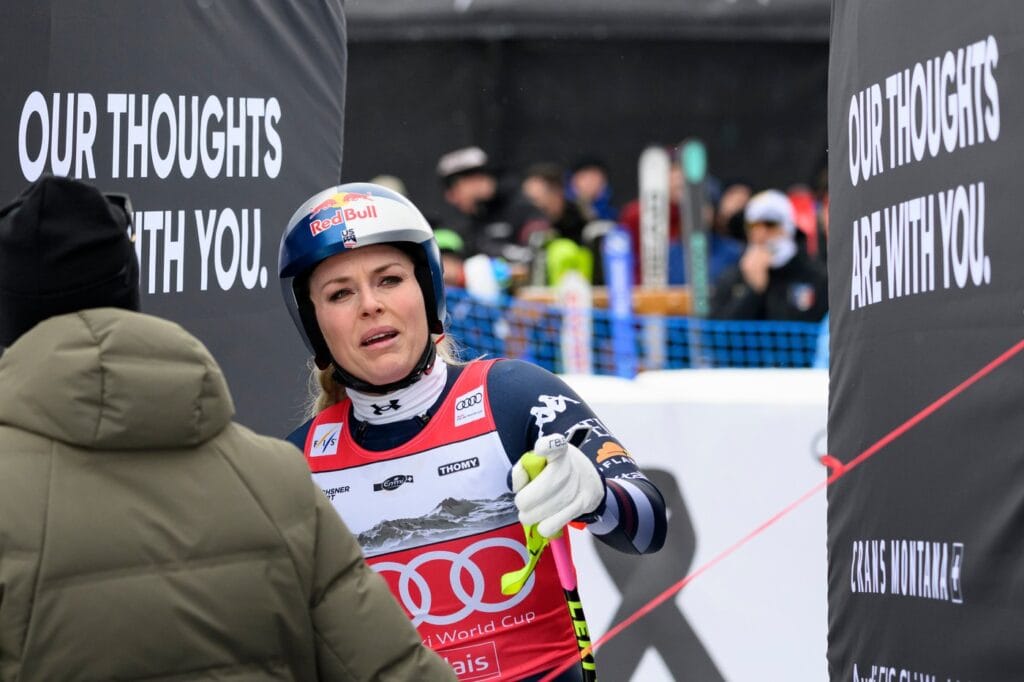
    Vonn lost control over the opening traverse after cutting the line too tight and was spun around in the air. She was heard screaming out after the crash as she was surrounded by medical personnel before she was strapped to a gurney and flown away by a helicopter, possibly ending the skier’s storied career. Her condition was not immediately known, with the U.S. Ski Team saying simply she would be evaluated.

    Breezy Johnson, Vonn’s teammate, won gold and became only the second American woman to win the Olympic downhill after Vonn did it 16 years ago. The 30-year-old Johnson held off Emma Aicher of Germany and Italy’s Sofia Goggia on a bittersweet day for Team USA.

    Vonn had family in the stands, including her father, Alan Kildow, who stared down at the ground while his daughter was being treated after just 13 seconds on the course. Others in the crowd, including rapper Snoop Dogg, watched quietly as the star skier was finally taken off the course she knows so well and holds a record 12 World Cup wins.

    Vonn’s crash was “tragic, but it’s ski racing,” said Johan Eliasch, president of the International Ski and Snowboard Federation.

    “I can only say thank you for what she has done for our sport,” he said, “because this race has been the talk of the games and it’s put our sport in the best possible light.”

    All eyes had been on Vonn, the feel-good story heading into the Olympics. She had returned to elite ski racing last season after nearly six years, a remarkable decision given her age but she also had a partial titanium knee replacement in her right knee, too. Many wondered how she would fare as she sought a gold medal to join the one she won in the downhill at the 2010 Vancouver Games.

    The four-time overall World Cup champion stunned everyone by being a contender almost immediately. She came to the Olympics as the leader in the World Cup downhill standings and was a gold-medal favorite before her crash in Switzerland nine days ago, when she suffered her latest knee injury. In addition to a ruptured ACL, she also had a bone bruise and meniscus damage.

    Still, no one counted her out even then. In truth, she has skied through injuries for three decades at the top of the sport. In 2006, ahead of the Turin Olympics, Vonn took a bad fall during downhill training and went to the hospital. She competed less than 48 hours later, racing in all four events she’d planned, with a top result of seventh in the super-G.

    “It’s definitely weird,” she said then, “going from the hospital bed to the start gate.”

    Cortina has always had many treasured memories for Vonn beyond the record wins. She is called the queen of Cortina, and the Olympia delle Tofana is a course that had always suited Vonn. She tested out the knee twice in downhill training runs over the past three days before the awful crash on Sunday in clear, sunny conditions.

    “This would be the best comeback I’ve done so far,” Vonn said before the race. “Definitely the most dramatic.”

    After the crash, the celebration for the medalists was held and fellow skiers thought about Vonn’s legacy.

    “She has been my idol since I started watching ski racing,” said Kajsa Vickhoff Lie of Norway. “We still have a World Cup to do after Olympics. … I wouldn’t be surprised if she suddenly shows up on the start gate, but the crash didn’t look good.”