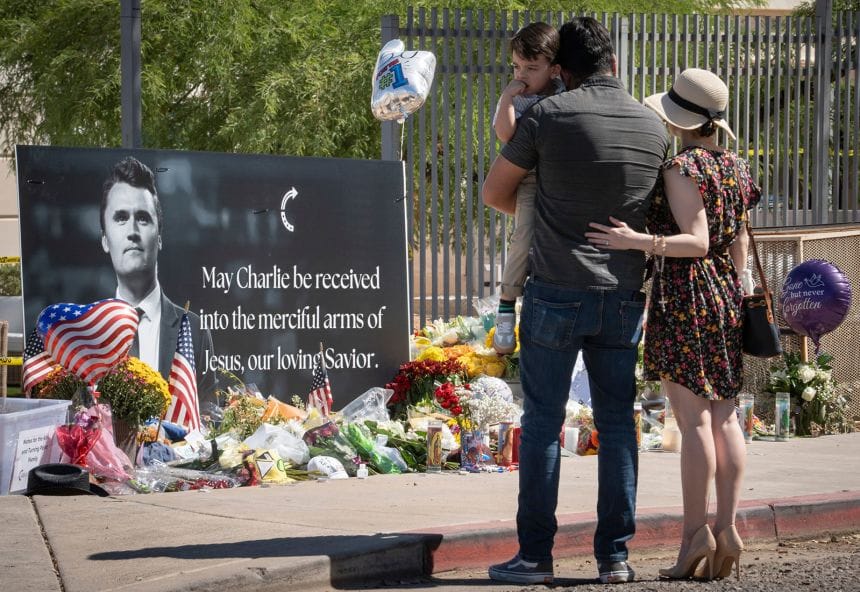
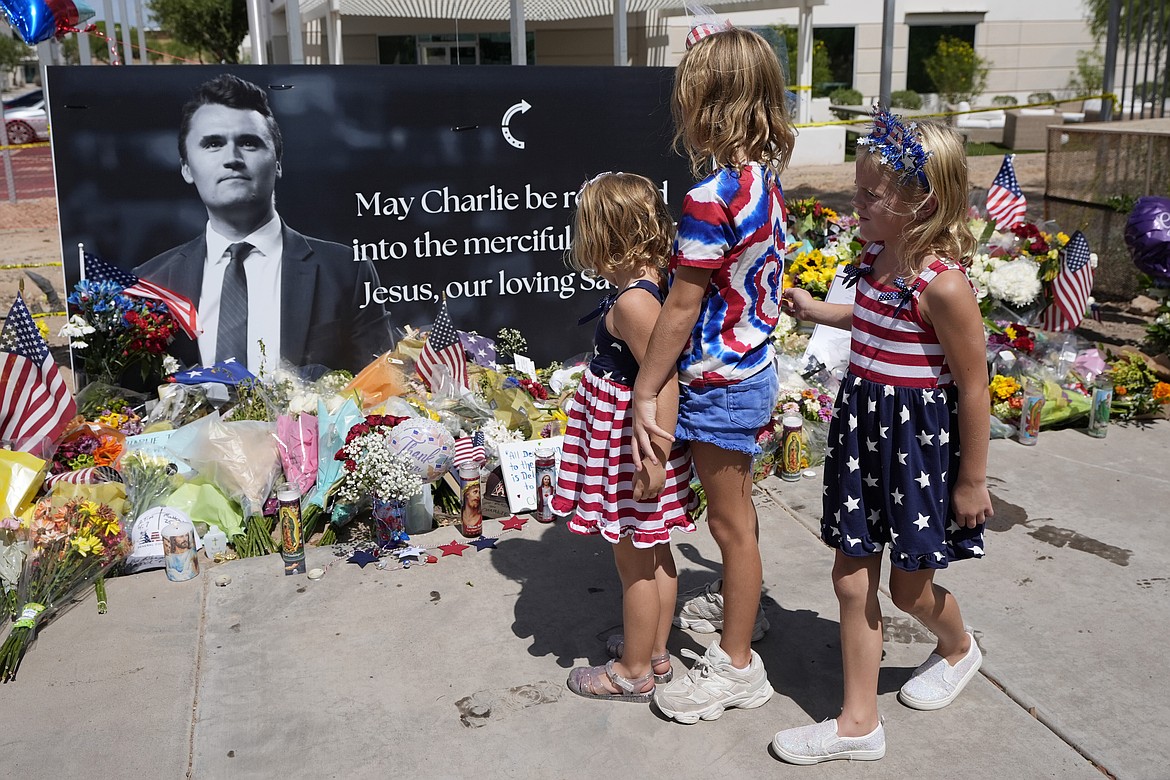
Supreme Court Justice Amy Coney Barrett said the assassination of conservative commentator Charlie Kirk is a tragic reminder of why Americans must find ways to settle disagreements through civil discourse rather than violence.
Barrett made the remarks on Sept. 12 during an appearance at the University of Notre Dame in Indiana, where she was promoting her new book, “Listening to the Law: Reflections on the Court and Constitution.”
Asked about the killing at the start of the event, she urged students to model a better way of engaging across political divides.
Asked by the moderator to comment on Kirk’s killing, which took place on Sept. 10 in Utah, Barrett said it’s important to have disagreements in “a civil and collegial way.”
“Too often when I look around the country—I mean political violence is the most grotesque symptom of it, but there are others, too, just in online conversations and the way that people treat those with whom they disagree,” Barrett said.
“And that’s actually one of the points that I tried to make in the book. It’s just not a way to run a society.”
“You can have a spirited debate without tearing somebody down,” she added during the Q&A portion of the event.
Barrett briefly acknowledged her own security concerns, saying she felt safe under round-the-clock protection.
“I’m in very good hands,” she said.
Security for Supreme Court justices has drawn heightened attention since 2022, when a man was arrested near Justice Brett Kavanaugh’s home and charged with attempting to assassinate him.
A Nation on Edge
Just hours before Barrett’s appearance, Charlie Kirk’s widow, Erika, delivered an emotional message during a livestream on Turning Point USA’s YouTube channel. It was her first public appearance since her husband’s assassination two days earlier.
“The evil-doers for my husband’s assassination have no idea what they have done,” she said.
“The cries of this widow will echo around the world like a battle cry.”
Vowing to continue her husband’s work, she said the movement he launched as a high school project and turned into a national campus force would not be silenced.
Kirk, a prominent conservative activist and founder of Turning Point USA, was fatally shot while speaking at Utah Valley University.
Known for his “prove me wrong” campus debates and emphasis on engaging young voters, the 31-year-old was just minutes into his latest campus tour stop when a gunshot ended his life.
Authorities later announced the arrest of 22-year-old Tyler Robinson, who was detained on suspicion of aggravated murder and related charges.
Utah Gov. Spencer Cox said investigators recovered a Mauser 98 .30-06 bolt-action rifle with a scope, allegedly used in the attack. Bullet casings at the scene carried engraved messages, some with anti-fascist slogans and others referencing taunting internet memes, according to authorities.
One casing allegedly read “Hey fascist! Catch!” followed by directional arrow symbols resembling a video game code. Another bullet allegedly carried lyrics from the World War II-era Italian anti-fascist song “Bella Ciao.”
Cox said the suspect had become “more political in recent years” and had discussed Kirk with family, saying he disliked him for “spreading hate.”
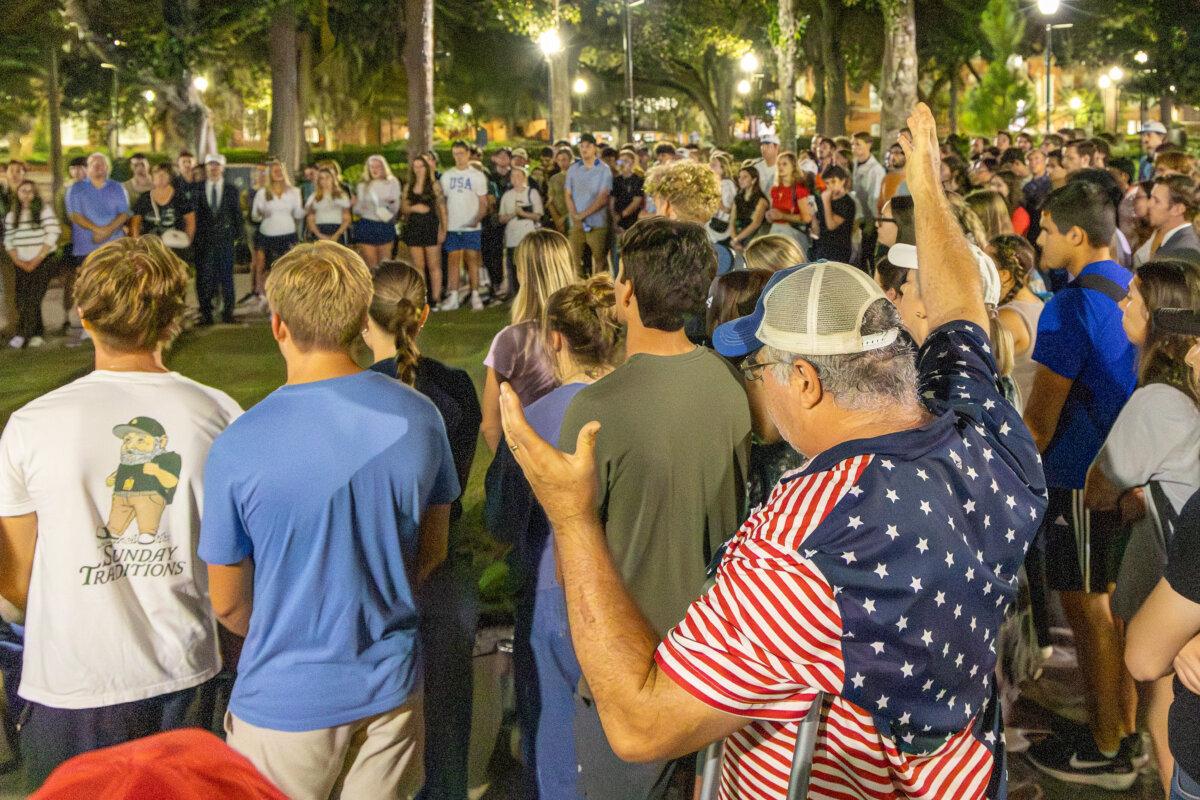
Kirk’s killing has intensified concerns that the country may be entering a new era of political violence.
Susan MacManus, a veteran Florida political analyst, told The NY Budgets that the tragedy could be a catalyst for change—but only if lawmakers use it to recommit to civility.
“But is it going to be a catalyst for the two parties coming together and saying, ‘Enough of this’?” she asked.
“Or is it just going to be a catalyst for even further deepening the polarization in this country?”
Erika Kirk, the widow of conservative activist Charlie Kirk, vowed to keep her husband’s movement alive with college tours and podcasts.
“The evildoers responsible for my husband’s assassination have no idea what they have done. … But they should all know this — if you thought that my husband’s mission was powerful before, you have no idea,” Mrs. Kirk said in a video statement Friday.
“You have no idea what you just have unleashed across this entire country,” she said. “In this world, you have no idea.”
Mr. Kirk, the co-founder of the conservative organization Turning Point USA, was speaking on the first stop of “The American Comeback Tour” at Utah Valley University in Orem on Wednesday when he was fatally shot. A 22-year-old Utah resident, Tyler Robinson, is in custody.
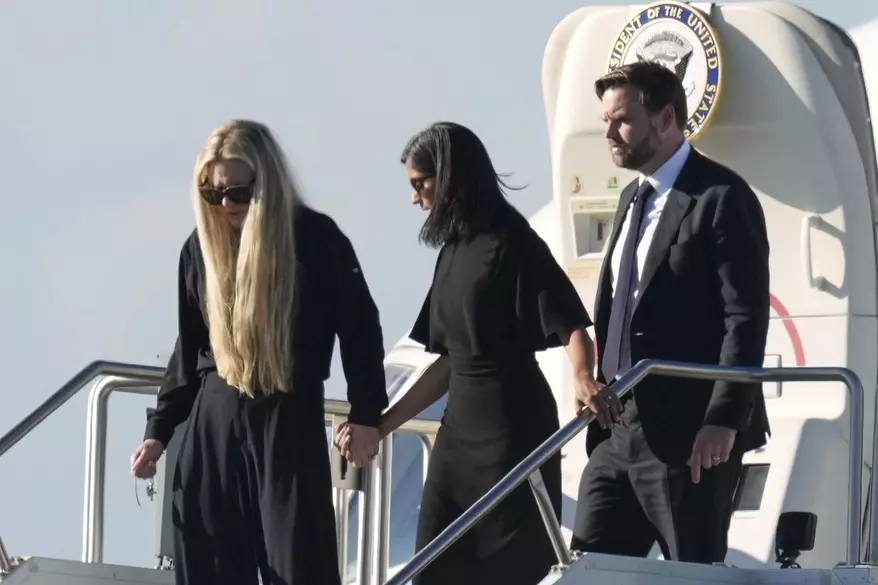
Mrs. Kirk thanked law enforcement, first responders, the followers and supporters of Turning Point USA, President Trump, and Vice President J.D. Vance and his wife, Usha Vance, both of whom flew Mr. Kirk’s casket and family to Arizona from Utah on Air Force Two on Thursday.
“My husband laid down his life for me, for our nation, for our children,” Mrs. Kirk said.
She said her husband’s campus tour will continue this fall and for years to come along with his radio and podcast show.
“And in a world filled with chaos, doubt and uncertainty, my husband’s voice will remain, and it will ring out louder and more clearly than ever, and his wisdom will endure,” she said.
She urged young Americans to get involved with Turning Point USA or start their own movement.
She spoke of her children and that her 3-year-old daughter asked where her father is and how she hasn’t found a way to tell her that he died, saying he’s on a “work trip with Jesus.”
On Instagram, Mrs. Kirk posted several photos of herself with his casket and videos of the casket being brought back on Air Force Two.
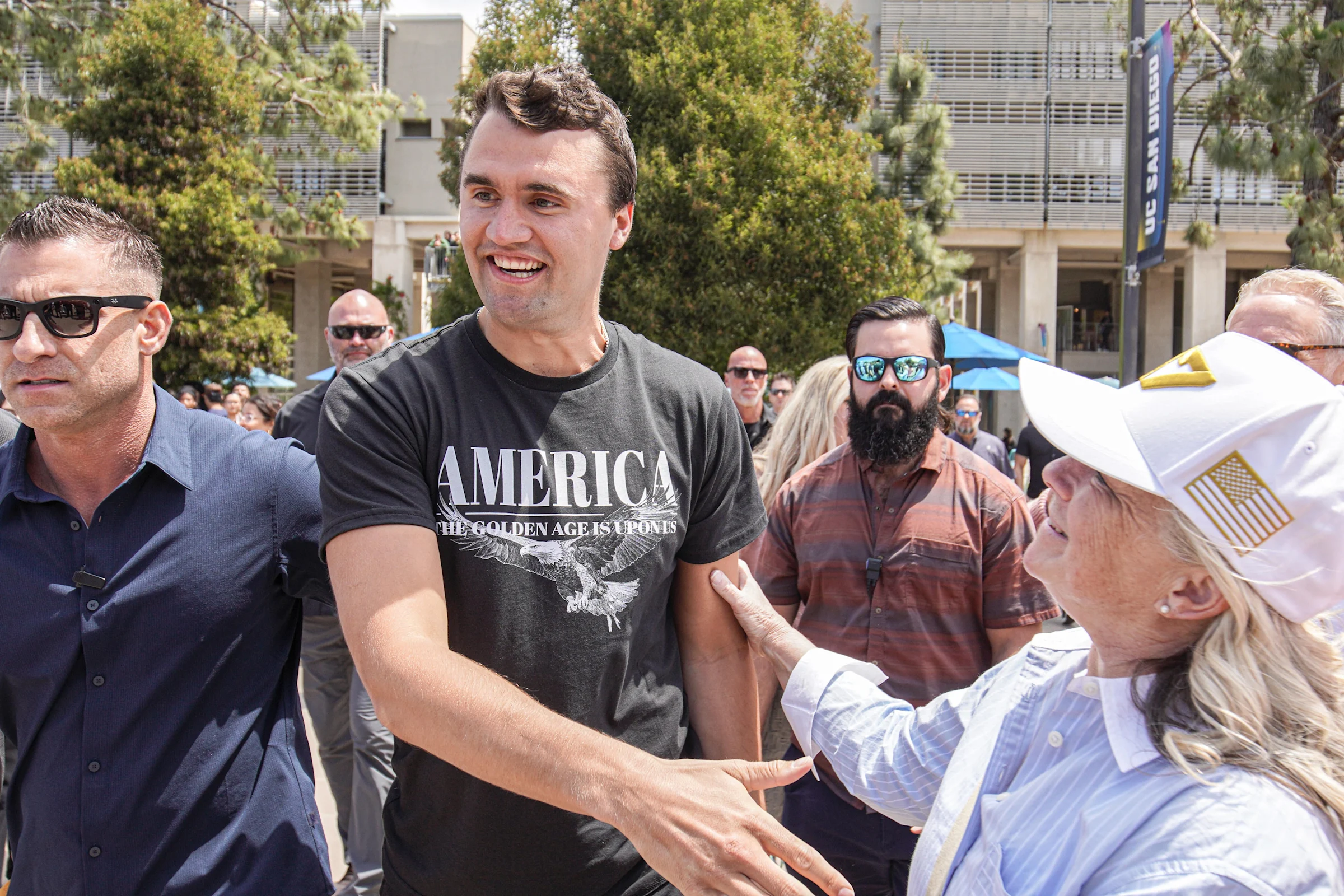
In the fractious landscape of American conservatism, few figures embodied the raw energy of grassroots mobilization quite like Charlie Kirk. By the time the 31-year-old activist and media mogul embarked on what would become his final campus speaking tour, he had transformed Turning Point USA from a fledgling nonprofit into a juggernaut with over 250,000 members. Founded in 2012 when Kirk was just 18, the organization became a linchpin in conservative political organizing, spearheading get-out-the-vote campaigns that influenced elections from school boards to Congress, securing tens of millions in funding from high-profile donors, and building a media empire that amplified right-wing voices across podcasts, social media, and live events.
Kirk’s assassination on September 10, 2025, during a “Prove Me Wrong” debate at Utah Valley University (UVU) in Orem, Utah, has left a void in the conservative movement. But his legacy endures through the countless young influencers he mentored, the debates he ignited, and the cultural shift he engineered toward unapologetic conservatism among millennials and Gen Z. At its core, Kirk’s mission was about more than policy wins—it was about fostering a new generation of political warriors, equipped to challenge liberal orthodoxy on college campuses and beyond. “Charlie didn’t just build an organization; he built people,” said one longtime associate, reflecting on how Kirk’s hands-on approach turned novices into power players.
The Foundations of a Movement: From Garage Startup to National Force
Kirk co-founded Turning Point USA in the suburbs of Chicago with the explicit goal of countering what he saw as progressive dominance in higher education. Starting with campus tabling events and provocative signage, the group quickly expanded into a sophisticated operation. By 2025, it boasted chapters at over 3,000 colleges and high schools, annual revenues exceeding $50 million—fueled by contributions from conservative heavyweights like the Bradley Foundation and anonymous megadonors—and a media arm that included Kirk’s daily podcast, The Charlie Kirk Show, which routinely drew millions of listeners.
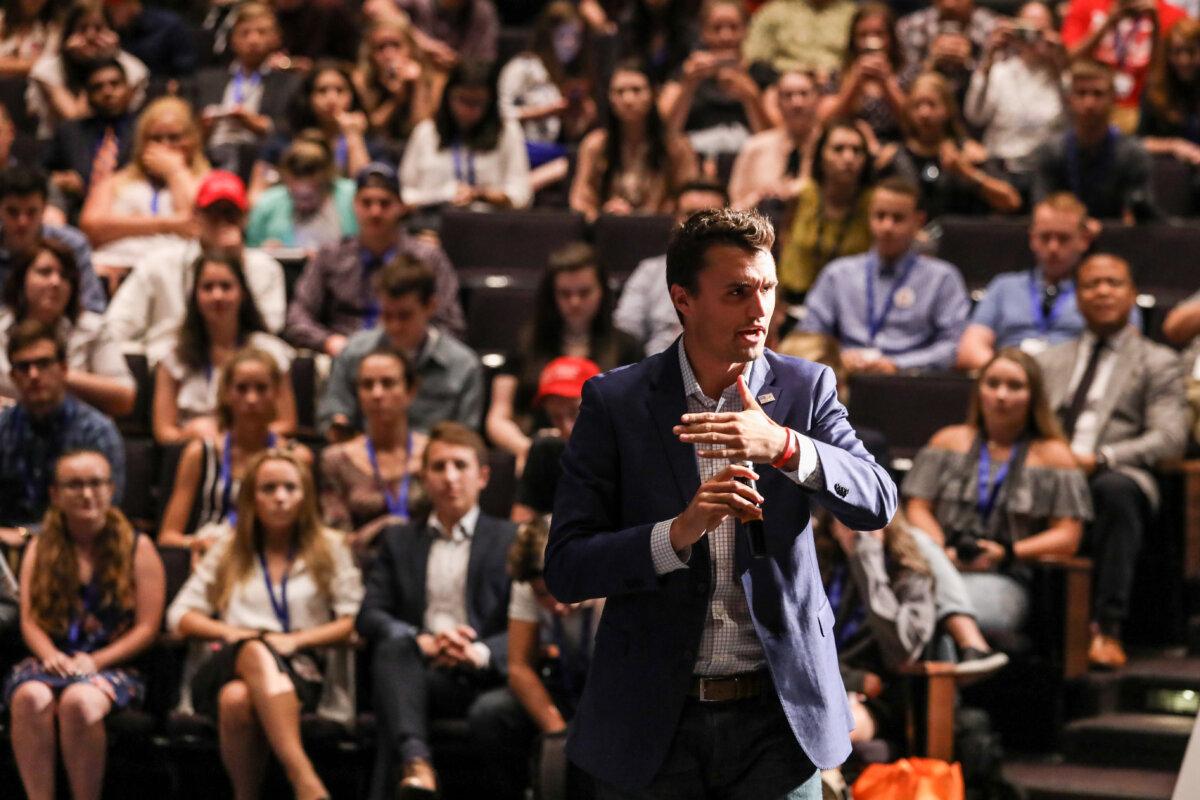
Central to this growth was Kirk’s emphasis on debate as a tool for engagement. He viewed campuses not as hostile territory but as battlegrounds for ideas, where young conservatives could hone their arguments against a backdrop of often-hostile audiences. “Prove me wrong” became his rallying cry, emblazoned on tents and tables at events where he invited skeptics to challenge him on topics ranging from affirmative action to immigration. This approach wasn’t just performative; it was pedagogical, teaching a generation how to articulate conservative principles in the face of opposition.
Gunnar Thorderson, a former Turning Point USA organizer who helped establish the UVU chapter, epitomizes this model. Thorderson, now a member of the Utah Republican State Central Committee, credits Kirk with his ascent. “Charlie could’ve run his multi-million-dollar operation from a fancy suite, but he stayed in the trenches,” Thorderson told The Epoch Times in an interview shortly after Kirk’s death. “He invested in me one-on-one, mentoring me through challenges and turning me into a leader.” Thorderson’s story is emblematic: from chapter president to state director, his path was paved by Kirk’s personal guidance, including late-night strategy sessions and event collaborations.
Mentorship in Action: Launching Careers in Politics and Media
Kirk’s influence extended far beyond organizational ranks, propelling acolytes into the halls of power. Rep. Anna Paulina Luna (R-Fla.), a rising star in the House of Representatives, publicly attributed her political career to Kirk in an X post on September 11: “I owe my entire political career to Charlie Kirk. I would quite literally not be in office today if it weren’t for him. Even when my own party was working against me, Charlie endorsed me and campaigned to help me win election.”
Luna’s communications director, David Leatherwood, shares a similar trajectory. A self-described gay conservative, Leatherwood first encountered Kirk in 2017 during a campus tour in Fort Lauderdale. “We filmed a video together where he expressed support for the gay community, emphasizing ‘e pluribus unum’ for all Americans,” Leatherwood recounted to The Epoch Times. Kirk’s endorsement led to Leatherwood becoming a Turning Point ambassador, a role that opened doors in conservative circles. “He was always supportive, inviting me into the fold and helping me navigate the movement,” Leatherwood said.
These stories highlight Kirk’s knack for spotting talent and providing platforms. Turning Point’s ambassador program, which grew to include hundreds of young influencers, offered training in public speaking, social media strategy, and fundraising—skills that translated into real-world impact. Many alumni now host their own podcasts, run for office, or advise campaigns, forming a network that Kirk often called his “conservative army.”
Empowering Voices on Campus: From Shy Students to Bold Advocates
At the grassroots level, Kirk’s work resonated with students who felt marginalized in liberal-leaning academic environments. Hallie S., a 26-year-old from Gainesville, Florida, told The Epoch Times how Turning Point helped her revive the College Republicans chapter at Santa Fe College. “I was raised conservative but never spoke up in such a liberal area—you never know how people will react,” she said. Kirk’s campus visits and the organization’s resources changed that. “Charlie had a huge impact. Students saw their values represented in a fresh way, and it empowered us to be outspoken.”
Kelly Shackelford, president and CEO of the First Liberty Institute, a First Amendment advocacy group, recalled inviting Kirk to a Houston fundraiser early in his career. “Our events are usually filled with folks 60 and older,” Shackelford explained to The Epoch Times. “I wanted to show them that young people are carrying the torch. Charlie inspired that hope—he was proof the movement wouldn’t die with the older generation.”
Even beyond conservatives, Kirk’s reach touched unexpected audiences. A teenager named Tucker, who spoke to The Epoch Times on condition of anonymity due to fears of backlash, admitted he typically scrolls past political content on TikTok. “But Charlie’s stuff? I’d always click—it was interesting, and he was someone to look up to.” In a surprising anecdote, California Gov. Gavin Newsom revealed on his podcast in March 2025 that his 13-year-old son begged to skip school to meet Kirk. “He was obsessed: ‘What time is Charlie gonna be here?’” Newsom said, underscoring Kirk’s cross-generational appeal.
The Digital Frontier: Building an Online Empire
Kirk’s savvy use of social media amplified his message exponentially. With millions of followers across platforms, he turned viral clips of debates and commentary into a content machine. Leatherwood noted the enduring value of this digital footprint: “There are thousands of hours of footage—his thoughts, his views. They’ll memorialize his legacy in ways we can’t yet imagine.”
This online presence wasn’t just about reach; it was a business model. Turning Point’s media operations generated revenue through sponsorships, merchandise, and premium content, funding further expansion. Kirk’s podcast, often topping conservative charts, featured guests from politicians to cultural figures, fostering a ecosystem where young influencers could guest-host or collaborate.
The Power of Debate: Bridging Divides or Deepening Them?
Debate was Kirk’s signature tactic, but it wasn’t without controversy. Critics accused him of provocation, yet even opponents acknowledged his commitment to dialogue. Hunter Kozak, a 29-year-old UVU student and the last person to debate Kirk before the shooting, posted a video tribute: “I stand by so little of what he said, but he stood by conversation.” Dean Withers, another debater, broke down in tears during a livestream upon learning of the attack. In a follow-up video, he emphasized: “I disagreed with him profoundly, but no one deserves this. His kids didn’t deserve to watch their father die; his wife didn’t deserve to lose her husband.”
Thorderson defended Kirk’s approach: “He engaged students not as enemies but as people needing education through discourse. That’s how ideas win.” This philosophy, while polarizing, inspired a cadre of young conservatives to embrace public confrontation as a path to influence.
Beyond Politics: Faith, Family, and a Lasting Philosophy
Kirk’s worldview extended beyond the ballot box, rooted deeply in his Christian faith. Thorderson recalled a hotel gym workout that turned into a profound discussion: “I was struggling with my faith, playing devil’s advocate. Charlie was steadfast, connecting on a personal level without preaching.” Kirk’s knowledge spanned topics from philosophy to family values, which he prioritized even amid stardom. “He always valued family—starting one was core to him,” Thorderson said, noting Kirk’s early courtship of his wife, Erika.
Kirk leaves behind Erika and their two young children, a family he often cited as his greatest achievement. In speeches, he linked conservatism to biblical principles, urging audiences to build strong homes as the foundation of a strong nation.
A Legacy in Motion
Kirk’s death has prompted soul-searching in conservative circles. Will Turning Point sustain its momentum without its charismatic founder? Early signs point to yes, with alumni like Thorderson and Luna stepping up. But the broader question lingers: Can the generation Kirk inspired carry forward his blend of debate, mentorship, and unyielding advocacy?
As tributes pour in—from lawmakers to everyday students—Kirk’s impact is clear. He didn’t just influence politics; he reshaped how a generation engages with it, proving that one voice, amplified through courage and connection, can echo for decades.
In the high-stakes world of conservative media and political activism, few figures loomed as large as Charlie Kirk. At just 31 years old, the founder of Turning Point USA had built a multimillion-dollar empire blending podcasting, campus tours, and social media influence into a powerhouse that shaped Republican messaging and fundraising. His daily show, The Charlie Kirk Show, routinely topped charts on platforms like Spotify and Apple Podcasts, pulling in sponsorships from conservative donors and brands aligned with traditional values. Kirk’s reach extended far beyond U.S. borders, positioning him as a global ambassador for nationalism and Christianity—a brand that not only amplified his voice but also fueled a network of events and merchandise generating millions annually.
But Kirk’s meteoric rise came to a tragic end on Wednesday, September 10, 2025, when he was fatally shot during a speaking event at Utah Valley University in Orem, Utah. The incident, which authorities are investigating as a possible targeted attack amid rising tensions over gun violence and political rhetoric, has sent shockwaves through the conservative ecosystem. Kirk, a father of two, leaves behind a wife and a movement that relied heavily on his charisma and unfiltered commentary.
In the week leading up to his death, Kirk’s activities were a whirlwind of typical intensity: social media barrages, international travel, podcast recordings, and live events. Drawing from his vast online megaphone—boasting over 2.5 million followers on X (formerly Twitter) and similar numbers across Instagram and YouTube—he focused on hot-button issues like crime, immigration, and cultural revival. His messaging often intersected with business interests, railing against “woke” corporate policies and advocating for policies that appealed to small-business owners wary of regulatory overreach. Here’s a detailed timeline of how Kirk spent his final days, pieced together from social media archives, event organizers, podcast transcripts, and statements from associates.
Thursday, September 4: Tweets Ignite Debates on Policy and Security
Kirk’s week kicked off with a flurry of activity on X, where he wielded his platform like a precision tool to rally supporters and provoke opponents. On Thursday morning, he posted a series of tweets celebrating the testimony of Health and Human Services Secretary Robert F. Kennedy Jr. during a contentious Senate hearing. Republicans, including Sen. Rand Paul (R-Ky.), used the session to grill Kennedy on his overhaul of U.S. vaccine policies, which included scaling back mandates and emphasizing natural immunity—a move Kirk had long championed.
“RFK Jr. just dropped truth bombs in the Senate! Time to end the Big Pharma stranglehold,” Kirk tweeted at 9:17 a.m. ET, attaching a clip from C-SPAN footage of Kennedy’s remarks. He followed up with endorsements of proposed National Guard deployments to high-crime cities and immigration enforcement raids in Chicago, framing them as essential for “restoring law and order” amid what he called a “border crisis crippling American businesses.” Kirk’s posts garnered over 150,000 likes and retweets within hours, boosting engagement for his affiliate links to Turning Point USA merchandise.
Not stopping there, Kirk voiced support for a provocative idea floated by conservative lawmakers: renaming the Department of Defense the “Department of War.” “Why sugarcoat it? We’re in a war for America’s soul—and our economy,” he wrote, tying the concept to defense spending that he argued benefited military contractors and job creation in red states. These tweets, analyzed via X’s public API and archived by the Media Research Center, exemplified Kirk’s ability to blend policy critique with calls to action, often driving donations to his organization.
Sources close to Kirk, including a Turning Point USA spokesperson who spoke on condition of anonymity, confirmed that these posts were part of a broader strategy to capitalize on midterm election momentum. “Charlie saw social media as his business model—quick hits that translated to real revenue,” the spokesperson said.
Friday, September 5: Touchdown in Seoul and a Dive into Asian Conservatism
By Friday, Kirk had shifted gears to his first major speaking tour in Asia, a move that underscored the global expansion of his brand. His celebrity, honed through U.S. college circuits and Fox News appearances, had caught fire internationally, with invitations from nationalist groups seeking his blueprint for countering “progressive decay.”
Kirk landed in Seoul at 5 a.m. local time (3 p.m. Wednesday in Arizona, his home base), as confirmed by Dr. Ji-Hoon Kim, moderator of the Build Up Korea 2025 conference. Wasting no time, he headed straight to the Korean Demilitarized Zone (DMZ), the heavily fortified border with North Korea. Photos posted to his Instagram Stories showed Kirk at Observation Post Oule, gazing north with a caption: “This is what happens when you let totalitarianism win. America, take note.”
That afternoon, Kirk took the stage at the Build Up Korea conference, a gathering of 1,200 conservative activists hosted by the Korea Liberty Union. Drawing parallels between South Korea’s resilience and America’s challenges, he urged the crowd to embrace Christianity as a bulwark against secularism. “Live according to biblical principles—protect your families, your faith, and have lots and lots of babies,” he declared, echoing his frequent calls for pronatalist policies to combat declining birth rates. Event footage, reviewed by Business Insider, showed enthusiastic applause, with Kirk signing books and posing for selfies afterward.
As he strolled Seoul’s streets, Kirk live-tweeted about the city’s “spotless” vibe and absence of visible crime, contrasting it with U.S. urban centers. “No needles on the sidewalks, no smash-and-grabs. Strict laws work!” he posted. When critics on X pointed to South Korea’s stringent gun laws, Kirk fired back: “Laws aren’t just about guns—they’re about culture and accountability. We need that back home.” This exchange, which trended under #KirkInKorea, highlighted his knack for turning travel into viral content, potentially opening doors for Asian sponsorships in his media ventures.
Sunday, September 7: Tokyo Spotlight and a Nationalist Nod
Kirk’s Asian tour continued apace. On Sunday, he arrived in Tokyo for a keynote at a conference organized by the Sanseito party, a right-wing populist group that had evolved from fringe status to a force in Japanese politics. Sanseito, known for its anti-immigration stance and warnings of a “silent invasion of foreigners,” saw Kirk as an ideological ally.
Speaking to a packed hall of 800 attendees, Kirk praised Japan’s cultural preservation efforts and drew parallels to U.S. nationalism. “You’re fighting the same battles we are—globalism eroding sovereignty, elites pushing open borders that hurt workers and businesses,” he said, according to a translated transcript provided by Sanseito spokesperson Akira Tanaka. Back in the U.S. later that day, Kirk shared a video message on X: “Japan gets it—national pride isn’t hate, it’s survival.”
The event’s timing aligned with Sanseito’s push for stricter immigration amid Japan’s aging population and labor shortages, themes Kirk wove into his talk on economic nationalism. Analysts note that such international alliances could have bolstered Turning Point’s global fundraising, estimated at $50 million annually from donors worldwide.
Coinciding with U.S. time zones, an episode of The Charlie Kirk Show dropped on Sunday, titled “A Revival of Christian Men is Necessary.” Recorded at his Phoenix-area church with guest Steve Deace, another conservative podcaster, the 90-minute discussion lambasted evangelical churches for being “too woke” and warned of Islam’s “takeover” in the West. Deace later told The Daily Wire that the episode was taped “a few days prior,” capturing Kirk’s raw energy. It quickly amassed 500,000 downloads, underscoring the podcast’s role as a revenue driver through ads from faith-based financial services.
Monday, September 8: Crime Takes Center Stage in Media Blitz
Returning stateside, Kirk doubled down on crime, a narrative that had surged in conservative media amid 2025’s spike in urban violence statistics from the FBI. In Monday’s podcast episode, he dedicated over 30 minutes to advocating for harsher sentencing, calling for “more prisons, fewer excuses” to protect “law-abiding entrepreneurs from chaos.”
Social media amplified his focus on the murder of Iryna Zarutska, a 28-year-old Ukrainian refugee stabbed on a Charlotte light-rail train. Kirk highlighted the suspect’s Black race and prior convictions for robbery and breaking and entering, framing it as evidence of “failed soft-on-crime policies.” His posts sparked a feud with CNN’s Van Jones, who accused him of “racemongering and hatemongering” on air. Kirk retorted on X: “Facts aren’t hate—importing crime without borders hurts everyone, especially minority communities.” The clash, covered by Politico, boosted Kirk’s visibility, with his follower count jumping 10,000 overnight.
Tuesday–Wednesday, September 9–10: The Final Tour and Tragedy
Tuesday was prep for Kirk’s ambitious “The American Comeback” college tour, a 15-stop circuit designed to energize young voters and recruit for Turning Point—events that historically raised six figures per stop through ticket sales and donations. On Wednesday, he flew to Utah, texting Sen. Mike Lee (R-Utah) en route: “Heading your way—let’s make campuses great again,” per Lee’s office.
At 11:34 a.m. MT, Kirk’s last X post went live: a promo for his Utah Valley University appearance, featuring his signature “Prove Me Wrong” debate table. By 12:09 p.m., he was onstage, tossing branded hats to the crowd of 400 students and locals. Fifteen minutes in, amid Q&A on gun violence, shots rang out. Kirk was hit and pronounced dead at a nearby hospital.
The shooter, identified as 22-year-old UVU student Marcus Hale, was subdued by security; motives remain under investigation by the FBI, with early reports citing online radicalization. Tributes poured in from figures like Donald Trump Jr. and Elon Musk, who called Kirk “a warrior for truth.”
Kirk’s death raises questions for the conservative media business: Who fills the void? Turning Point USA, valued at over $100 million in assets, faces a leadership transition, but his blueprint—blending faith, nationalism, and anti-crime fervor—endures. As one insider put it, “Charlie didn’t just talk; he built an empire. His last days were business as usual—until they weren’t.”
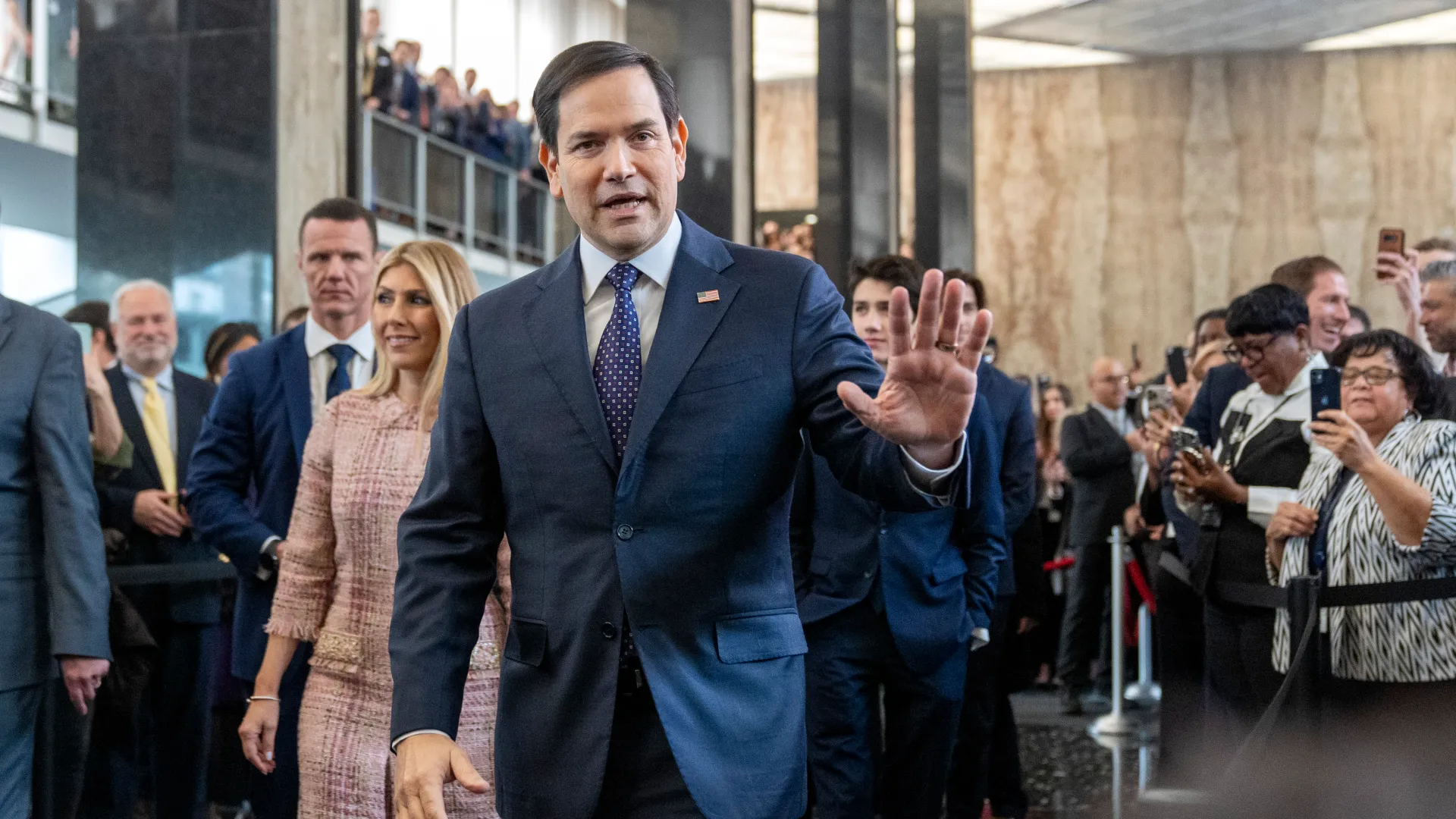
U.S. State Secretary Marco Rubio on Sept. 11 vowed the United States would respond after Brazil’s former President Jair Bolsonaro was convicted of attempting a coup to remain in power.
The Brazilian Supreme Court sentenced Bolsonaro to 27 years and three months in prison after convicting him of plotting to overturn the 2022 election results—which he lost to Luiz Inácio Lula da Silva—making him the first former president in Brazil convicted of a coup attempt.
Rubio said Bolsonaro’s conviction was a “witch hunt” and said the U.S. government “will respond accordingly,” without specifying what the actions might be.
“The political persecutions by sanctioned human rights abuser [Supreme Court Justice] Alexandre de Moraes continue, as he and others on Brazil’s supreme court have unjustly ruled to imprison former President Jair Bolsonaro,” Rubio stated on X.
The political persecutions by sanctioned human rights abuser Alexandre de Moraes continue, as he and others on Brazil's supreme court have unjustly ruled to imprison former President Jair Bolsonaro.
The United States will respond accordingly to this witch hunt.
In response, the Brazilian Foreign Ministry accused Rubio of attacking the country’s authority and said that its democracy will not be intimidated.
The ministry added that Rubio’s statement “ignores the facts and the compelling evidence on record” that led to Bolsonaro’s conviction.
“We will continue to defend the sovereignty of the country against aggressions and interference attempts, no matter where they come from,” the ministry stated on X.
We will continue to defend the sovereignty of the country against aggressions and interference attempts, no matter where they come from.
A five-justice panel of Brazil’s Supreme Court convicted Bolsonaro on five counts, including an attempted coup, being part of an armed criminal organization, attempted violent abolition of democratic rule of law, damage characterized by violence, and a serious threat against the state’s assets and deterioration of listed heritage.
Bolsonaro has denied all allegations.
One member of the court, Justice Luiz Fux, voted to acquit Bolsonaro of all five charges, saying there was insufficient evidence for any of the prosecutors’ claims.
Commenting on the court’s decision on Sept. 11, President Donald Trump said that he was “very unhappy” with the conviction, and that it was “very bad for Brazil.”
“I thought he was a good president of Brazil, and it’s very surprising that could happen,” Trump said of Bolsonaro’s conviction.
In July, Trump imposed a 50 percent tariff on Brazilian imports over the prosecution of Bolsonaro. The U.S. government also sanctioned Justice Moraes and revoked his visa, along with those of his judicial allies and their family members, over what it called “censorship of protected expression in the United States” following Bolsonaro’s trial.
Lula has condemned the moves as interference in the Brazilian justice system. The Brazilian president warned that any “unilateral tariff increases” by the Trump administration will be addressed in line with Brazil’s economic reciprocity laws.
Charlie Kirk, a lifelong advocate for free speech, the leader of the nation’s preeminent conservative youth organization, and a beloved confidant of the first family, was fatally shot Wednesday afternoon while speaking with students at Utah Valley University.
President Trump confirmed the news in a post on Truth Social, writing that Kirk, founder of Turning Point USA, “was loved and admired by ALL, especially me, and now, he is no longer with us.” Flags at the White House were lowered to half-staff in his honor. Kirk was 31. He is survived by his wife and two young children.
FBI Director Kash Patel announced Wednesday evening that a “subject” had been taken into custody, but has since been released following initial interrogation.
The murder sent ripples of shock, sorrow, and anger through the Trump family, the Republican Party, and the entire conservative movement. A vanguard of a new and brasher kind of conservatism, Kirk rose to prominence with a willingness to discuss and debate any topic with students on any campus. The exchanges regularly went viral online, introducing a new generation to the long-established ideas of the right. Observed Vice President JD Vance, “He would answer any question and talk to everyone.”
Some also observed a cruel irony in the life cut short: Kirk was engaged in debate, not violence, to win over his political opponents when an assassin’s bullet struck him in the neck on Wednesday. According to a spokesman for the university, the shot was fired from a building 200 yards away from where Kirk was speaking outdoors. He was rushed to a nearby hospital, where he succumbed to his wounds.
“I want to be very clear that this is a political assassination,” Utah Gov. Spencer Cox said at a press conference, noting that the late conservative firebrand was engaged in constitutionally protected speech. “When someone takes the life of someone because of their ideas or their ideals,” the Republican added, “then our constitutional foundation is threatened.”
The FBI had sent federal agents to the scene to assist in the ongoing investigation while the murder reignited a debate about the dangers of overheated rhetoric. The previous presidential campaign was replete with it. Former President Biden dubbed Trump an existential threat to democracy, and though the Democrat condemned violence then, and again after the murder of Kirk, the right accuses the left of stoking the flames of anarchy.
After the first attempt on Trump’s life, Vance drew a direct line from that kind rhetoric to the rifle barrel of the foiled assassin who fired at the president in Butler, Pennsylvania, last July. “Today is not just some isolated incident. The central premise of the Biden campaign is that President Donald Trump is an authoritarian fascist who must be stopped at all costs,” the Ohio senator wrote at the time. “That rhetoric led directly to President Trump’s attempted assassination.”
Conservatives now see in the Kirk assassination a resurgence of 1960s-style radicalism. “The last time the radical Left orchestrated a wave of violence and terror, J. Edgar Hoover shut it all down within a few years,” Chris Rufo wrote of that FBI director. A conservative activist with close ties to the Trump administration, he added, “It is time, within the confines of the law, to infiltrate, disrupt, arrest, and incarcerate all of those who are responsible for this chaos.”
While Democratic leaders from Minority Leader Hakeem Jeffries to Rep. Alexandria Ocasio-Cortez were quick to condemn the violence, others on the left seemed to suggest that the attack on Kirk was the product of his own rhetoric. On MSNBC, former Republican strategist Matthew Dowd said of the conservative commentator, he is “constantly sort of pushing this sort of hate speech, aimed at certain groups. And I always go back to, hateful thoughts lead to hateful words, which then lead to hateful actions.” MSNBC later apologized for the “inappropriate, insensitive and unacceptable” comments.
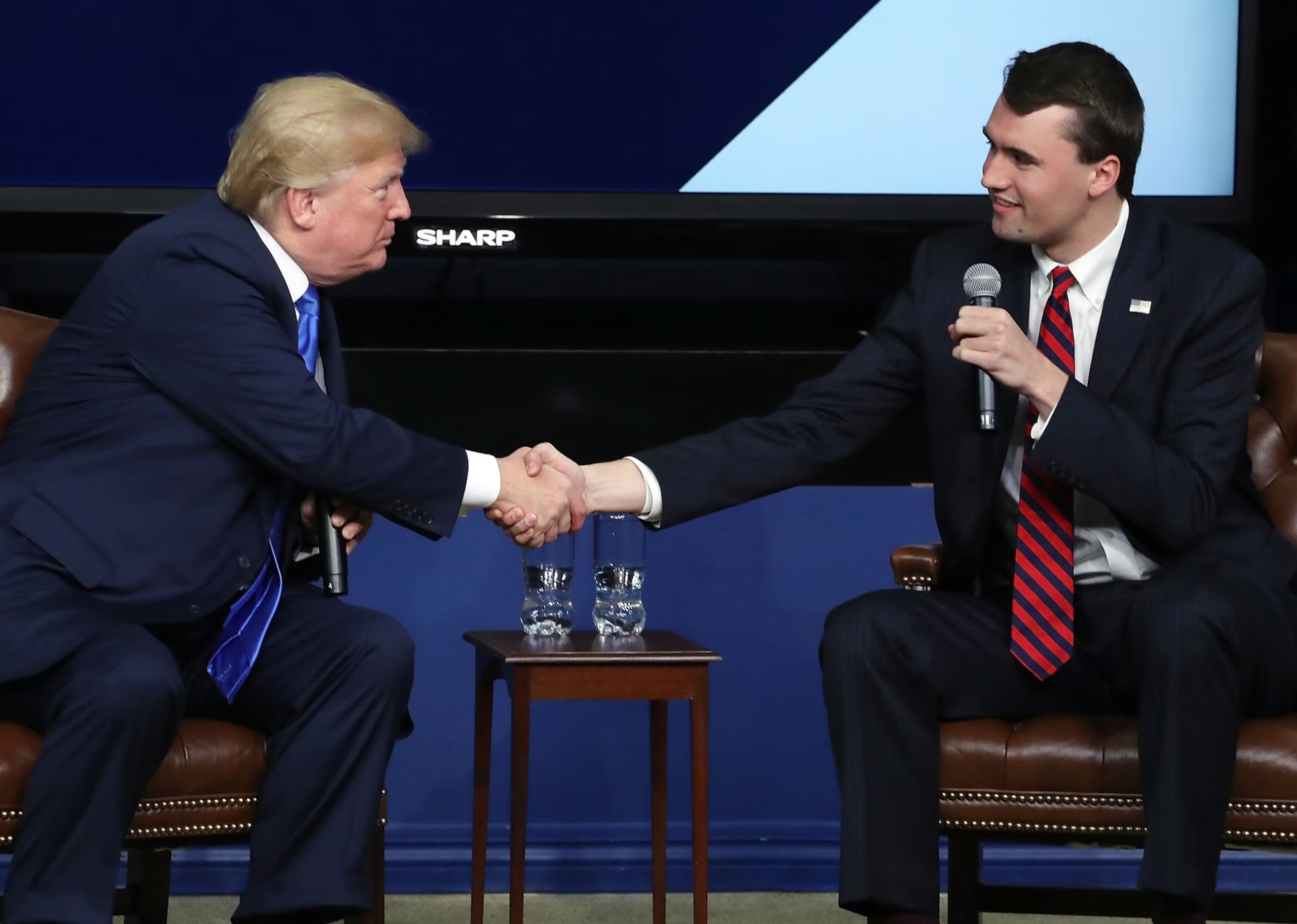
Before his death, Kirk was at the zenith of his power. Behind the scenes last summer, along with Donald Trump Jr., he quietly and successfully lobbied Trump to pick Vance as his running mate. He had risen from the ranks of online influencer, famous for “owning the libs,” to the leader of a legitimate MAGA juggernaut. Ahead of the 2024 election, his fans became engaged activists, and Turning Point Action, the political arm of his organization, knocked on hundreds of thousands of doors in support of Republicans.
Kirk was prolific across mediums. He recorded an eponymous, three-hour-long daily radio show, appeared regularly on cable news programs, and authored four books. His most recent title: “Right Wing Revolution: How to Beat the Woke and Save the West.” He also contributed frequent commentary to the op-ed pages of RealClearPolitics.
“America’s Future is a series of choices,” Kirk said on stage during the Milwaukee Republican National Convention. In an address geared towards millennial and Gen Z voters, he bellowed, “Our current state of slow motion, national decline is a choice this November, we’re going to choose success. We’re going to choose to put the future of Americans first. We are going to choose to no longer be spectators in this election. We, together, are going to do the work to save America.”
This reporter covered Kirk aggressively through his rise from campus provocateur to White House powerbroker. He and his staff, at times, quibbled about those stories as all political operatives are wont to do. But Kirk always remained good-natured, and his staff professional. More than one journalist relied on his insights as they attempted to navigate the universe of Donald Trump, a world that Kirk not only knew well but indeed helped shape.
His success inspired rivalries among the Republican establishment and satire in popular culture. The show “South Park” spoofed the rightwing activist, who, in turn, took the lampooning in stride. Kirk remained a pugilist in public after Trump returned to power and continued his tours of college campuses. In private, his influence grew. Kirk personally vetted staff during the White House transition and served as an outside advisor to the president.
“Our hearts are shattered,” wrote White House deputy chief of staff Stephen Miller. “America has lost one of its greatest champions. A loving family has lost the most extraordinary husband and father. All of us must now dedicate ourselves to defeating the evil that stole Charlie from this world.”
Australia’s politicians have condemned the shocking murder of U.S. conservative author and commentator Charlie Kirk during a university event in Utah.
The 31-year-old was speaking before a crowd of about 3,000 at Utah Valley University as part of his American Comeback Tour when he was shot in the neck. The incident occurred on Sept. 10 local time (Sept. 11 AEST).
The Federal Bureau of Investigation in the U.S. said a suspect has been taken into custody. Kirk is survived by his wife, Erika, and their two children.
Kirk was the founder of the conservative youth organisation Turning Point USA. He was widely recognised for his online presence, often appearing on university campuses to debate political issues and promote conservative values.
Acting Prime Minister Richard Marles
Marles said the incident was “very frightening.”
“Our thoughts go out to Charlie Kirk’s family,” he told Sunrise.
“There’s no place for political violence. This is not how discussion or debate should be within society, and we absolutely condemn it.”
Ukrainian President Volodymyr Zelenskyy will be accompanied by European and NATO leaders during his meeting with U.S. President Donald Trump on Aug. 18, European Commission President Ursula von der Leyen said on Aug. 17.
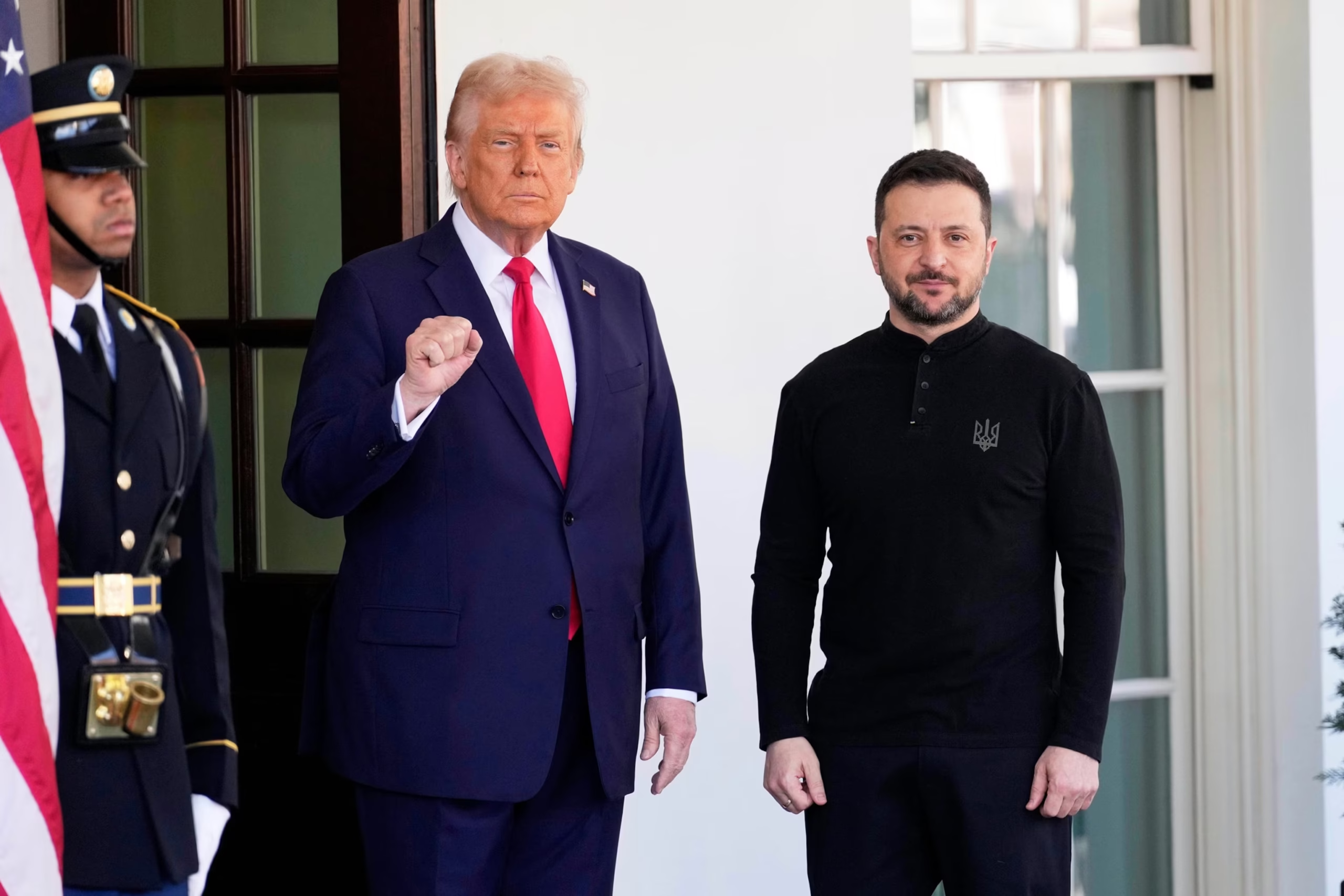
Zelenskyy’s previous meeting with Trump at the White House in February was cut short after the sit-down turned into a heated exchange, leading to the Ukrainian president’s early exit from the talks.
“This afternoon, I will welcome [Zelenskyy] in Brussels,” Von der Leyen, head of the European Union’s executive branch, posted on X on Aug. 17.
“At the request of President Zelenskyy, I will join the meeting with President Trump and other European leaders in the White House tomorrow.”
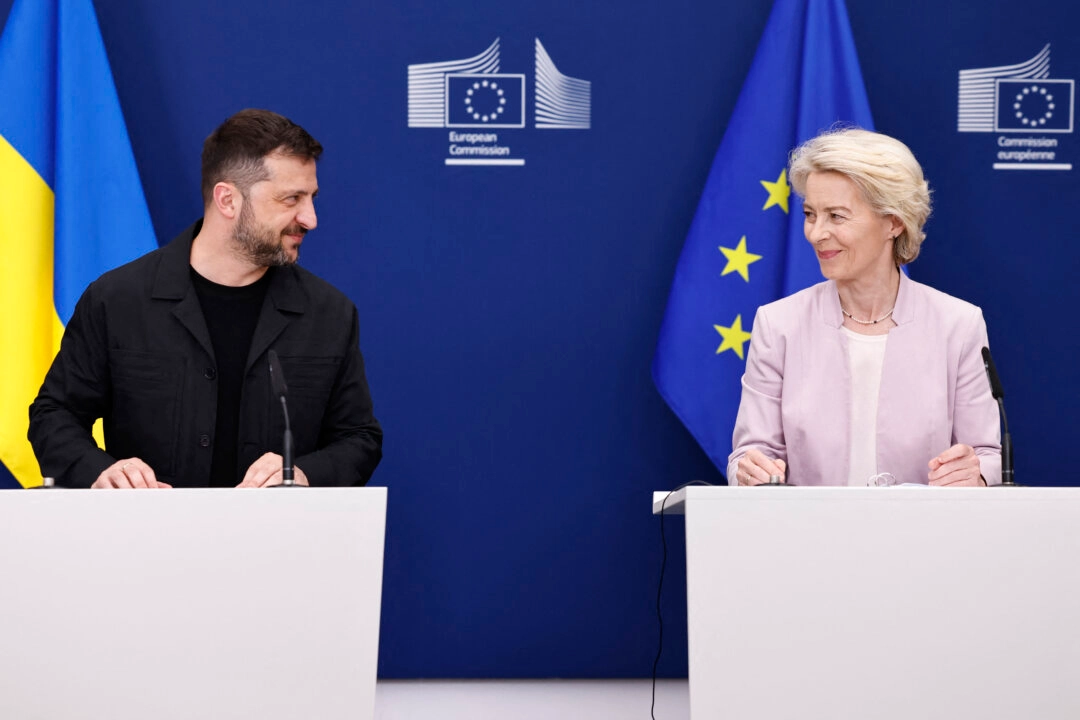
On Aug. 17, Zelenskyy arrived in Brussels for a joint press conference with von der Leyen.
“First, we must have strong security guarantees to protect both Ukraine and Europe’s vital security interests,” she said. “[Ukraine] must be able to uphold its sovereignty and its territorial integrity.”
Other European leaders also announced that they will attend the meeting with Trump on Aug. 18, including British Prime Minister Keir Starmer, French President Emmanuel Macron, German Chancellor Friedrich Merz, Italian Prime Minister Giorgia Meloni, Finnish President Alexander Stubb, and NATO Secretary-General Mark Rutte.
Their presence at the White House talks underscores Europe’s goal of ensuring that it has a voice at the table during any negotiations over peace between Russia and Ukraine. Trump is working on a deal to end the war following his summit on Aug. 15 with Russian President Vladimir Putin.
Zelenskyy was not present at their meeting in Alaska, but Trump said he spoke to him by phone shortly afterward.
On Aug. 17, Macron, Merz, and Starmer hosted a virtual meeting of the “coalition of the willing,” an assembly of Kyiv allies, at 1300 GMT (9 a.m. ET).
European leaders are hoping to arrange a trilateral meeting between Trump, Putin, and Zelenskyy to guarantee that Ukraine is included in any discussions to end Russia’s war, particularly over conditions for peace.
The leaders have expressed a need for security guarantees for Ukraine with U.S. involvement.
On Aug. 16, Trump said Ukraine should accept a deal to end the war with Russia because “Russia is a very big power, and they’re not.”
Zelenskyy wrote on X that “Russia rebuffs numerous calls for a ceasefire and has not yet determined when it will stop the killing. This complicates the situation.”
“If they lack the will to carry out a simple order to stop the strikes, it may take a lot of effort to get Russia to have the will to implement far greater—peaceful coexistence with its neighbors for decades,” he said on Aug. 16.
The Ukrainian president said calls are scheduled between partners on Aug. 17 ahead of his meeting with Trump at the White House on Aug. 18.
“It is important that everyone agrees there needs to be a conversation at the level of leaders to clarify all the details and determine which steps are necessary and will work,” Zelenskyy said.
Russia struck Ukraine overnight with one ballistic missile and 60 drones, according to Ukraine’s air force, which said it downed or jammed at least 40 drones.
Although Zelenskyy exited early from his last meeting at the White House, Merz said he did not believe the same would happen this time around.
He said Zelenskyy would speak with European leaders on Aug. 17 in preparation for the next day’s White House meeting.
“We’ll give a few good pieces of advice,” Merz told German broadcaster n-tv.
While it’s critical for Europe to stand united, the United States will continue playing an important role in ending the war, Merz told German public service broadcaster ZDF.
“The American president has the power both militarily and via appropriate sanctions and tariffs to ensure that Russia moves more than it currently does,” he said.
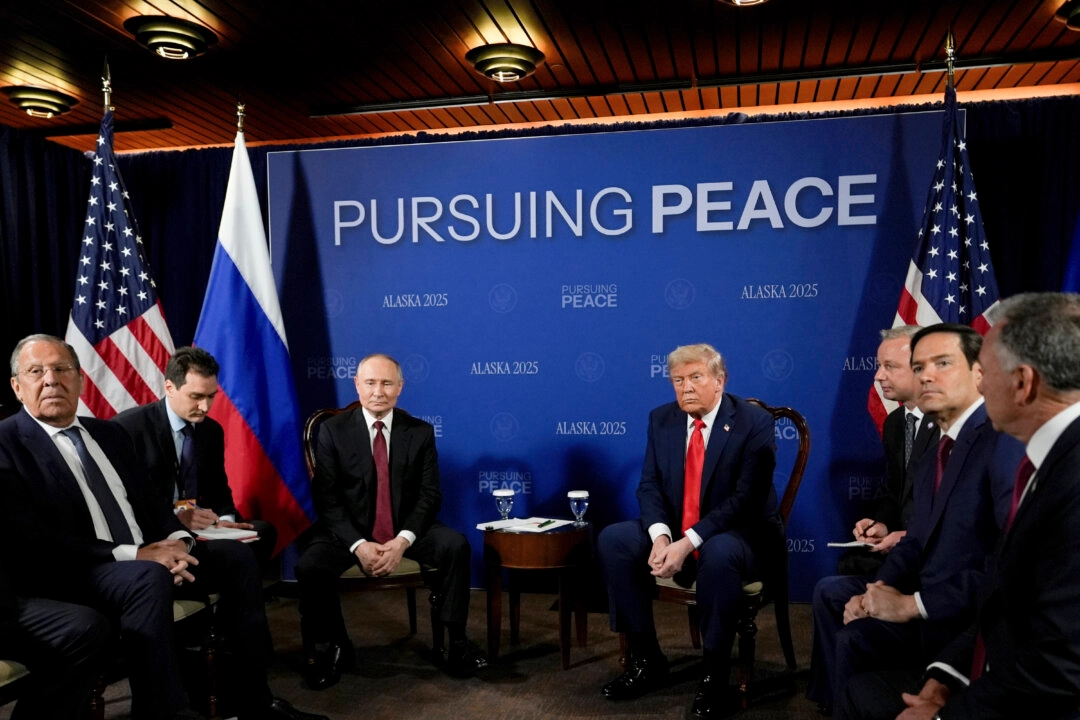
WASHINGTON — President Donald Trump will host Ukrainian President Volodymyr Zelenskyy and a coalition of European leaders at the White House on Monday, August 18, 2025, to advance negotiations aimed at ending Russia’s war in Ukraine, now in its fourth year. The meetings, which include UK Prime Minister Keir Starmer, French President Emmanuel Macron, German Chancellor Friedrich Merz, Italian Prime Minister Giorgia Meloni, Finnish President Alexander Stubb, and NATO Secretary-General Mark Rutte, follow an inconclusive summit between Trump and Russian President Vladimir Putin in Alaska on August 15.
“Big day at the White House tomorrow,” Trump posted on Truth Social Sunday evening. “Never had so many European Leaders at one time. My great honor to host them!!!” The schedule includes a bilateral meeting with Zelenskyy at 1 p.m. EST, followed by a welcome for European leaders at 2:15 p.m., a family photo at 2:30 p.m., and a multilateral discussion. The talks aim to address Russia’s refusal to agree to a ceasefire, Putin’s territorial demands, and potential security guarantees for Ukraine.
The Alaska summit, held at Joint Base Elmendorf-Richardson, failed to secure a ceasefire, a key demand of Ukraine and its allies. Trump had warned Putin of “very severe consequences” if he rejected a ceasefire, but post-summit, the U.S. president shifted his stance, advocating for a direct peace agreement. “It was determined by all that the best way to end the horrific war between Russia and Ukraine is to go directly to a Peace Agreement, which would end the war, and not a mere Ceasefire Agreement, which often times do not hold up,” Trump wrote on Truth Social on August 16, announcing Zelenskyy’s visit.
Territorial Demands and the Donbas Question
A major sticking point in negotiations is Putin’s demand for control over Ukraine’s Donbas region, comprising Luhansk and Donetsk provinces, where Moscow currently holds nearly all of Luhansk and about 70 percent of Donetsk. Two European sources told NYBudgets that Putin offered to freeze the frontline in Ukraine’s southern Kherson and Zaporizhzhia regions in exchange for Donbas control, a proposal Zelenskyy has firmly rejected. Putin, post-summit, emphasized addressing “root causes,” citing the protection of Russian-speaking populations in Crimea and southeast Ukraine as a justification for Russia’s invasion, a claim widely disputed internationally.
In a Fox News interview with Sean Hannity, Trump urged Zelenskyy to “make a deal,” suggesting in a Truth Social post that the Ukrainian leader could end the war “almost immediately” but referenced contentious issues like Crimea’s annexation in 2014 under President Barack Obama and Ukraine’s NATO aspirations. “No getting back Obama given Crimea … and NO GOING INTO NATO BY UKRAINE,” Trump wrote, reflecting Putin’s opposition to NATO expansion.
Security Guarantees on the Table
A critical focus of Monday’s meetings will be security guarantees for Ukraine. Trump told reporters before the Alaska summit that the U.S. and Europe could offer guarantees short of NATO membership, a goal Ukraine has long pursued but Russia opposes. U.S. special envoy Steve Witkoff, appearing on CNN’s State of the Union on August 17, revealed a significant concession: Putin agreed to allow the U.S. and European nations to provide Ukraine with “Article 5–like protection,” akin to NATO’s collective defense clause, where an attack on one member is considered an attack on all. “It was the first time we had ever heard the Russians agree to that,” Witkoff said.
European Commission President Ursula von der Leyen, speaking in Brussels on August 17, welcomed Trump’s openness to such guarantees, though Zelenskyy noted that specifics remain undefined. These guarantees, and the roles of the U.S. and Europe, will likely dominate discussions.
Diplomatic Dynamics and Past Tensions
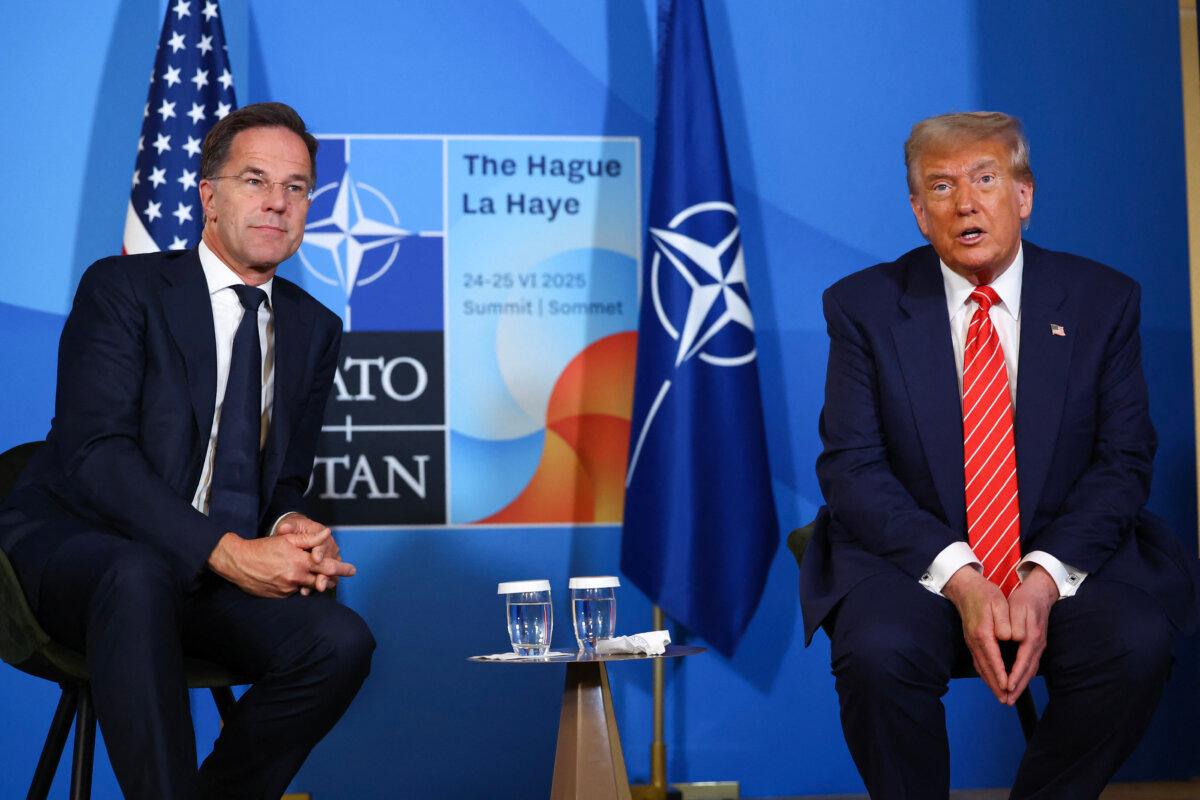
The meeting comes after a strained February encounter between Trump and Zelenskyy at the White House, which ended abruptly due to a heated exchange. This time, Zelenskyy is joined by European allies, including two leaders with recent ties to Trump. Finnish President Alexander Stubb, who bonded with Trump over golf at Mar-a-Lago in March, discussed Ukraine and offered Finnish icebreakers, leveraging Finland’s expertise in their production. NATO Secretary-General Mark Rutte, who praised Trump’s leadership at a June NATO summit in The Hague, has also built rapport, though his description of Trump as a “daddy” resolving disputes drew criticism for being overly deferential.
The urgency of the talks is underscored by prior engagements. A virtual meeting before the Alaska summit, involving Trump, Vice President JD Vance, Zelenskyy, Merz, and other leaders, reaffirmed that peace talks require a ceasefire and respect for international borders, per a Ukrainian government statement. Posts on X, including one by Zelenskyy on August 16, emphasized Ukraine’s stance against ceding territory, highlighting the need for “reliable security guarantees.”
As Trump hosts this critical summit, the absence of a breakthrough in Alaska raises the stakes. The outcome could shape the trajectory of the deadliest European conflict since World War II, with millions of lives and global stability hanging in the balance.
WASHINGTON — In a significant development in efforts to end Russia’s war in Ukraine, U.S. special envoy Steve Witkoff revealed on August 17, 2025, that Russian President Vladimir Putin agreed to allow the United States and European allies to provide Ukraine with NATO-style security assurances during the August 15 Alaska peace summit. The concession, described as a potential breakthrough, could pave the way for a peace deal to halt the three-and-a-half-year conflict.
Speaking on CNN’s State of the Union, Witkoff detailed the agreement, stating, “We were able to win the following concession: That the United States could offer Article 5-like protection, which is one of the real reasons why Ukraine wants to be in NATO.” He emphasized the unprecedented nature of Russia’s stance, noting it was “the first time we had ever heard the Russians agree to that.” Article 5 of the NATO Charter mandates that an attack on one member is considered an attack on all, obligating collective defense.
The announcement follows the Alaska summit between President Donald Trump and Putin, which, while failing to secure an immediate ceasefire, made strides toward broader peace negotiations. Witkoff called the agreed-upon “robust security guarantees” a “game-changing” step, highlighting that the U.S. and Russia discussed legislative protections within Russia to prevent further territorial incursions in Ukraine. “We didn’t think that we were anywhere close to agreeing to Article 5 protection from the United States,” he said.
European Commission President Ursula von der Leyen, speaking alongside Ukrainian President Volodymyr Zelenskyy in Brussels on August 17, welcomed Trump’s commitment to such guarantees. “We welcome President Trump’s willingness to contribute to Article 5-like security guarantees for Ukraine,” she said, adding that the European Union and a “coalition of the willing” are prepared to contribute. Zelenskyy, however, cautioned that details remain unclear, stating, “There are no details how it will work, and what America’s role will be, Europe’s role will be and what the EU can do.” He stressed that security guarantees must function practically, akin to NATO’s Article 5, and include Ukraine’s path to EU accession.
Challenges in Securing a Ceasefire
The Alaska summit did not yield a ceasefire, a key demand from Ukraine and its allies. Trump had previously warned Putin of “very severe consequences” for rejecting a truce, but Witkoff explained that the administration pivoted toward a comprehensive peace deal after significant progress in Alaska. “We covered almost all the other issues necessary for a peace deal,” Witkoff said, noting “moderation” in Russia’s approach to negotiations.
Secretary of State Marco Rubio, also Trump’s national security adviser, echoed this sentiment on ABC’s This Week, warning of “additional consequences” if no peace agreement is reached. However, he acknowledged that a truce is unlikely without Ukraine’s direct involvement. “The minute you issue new sanctions, your ability to get them to the table will be severely diminished,” Rubio said on NBC’s Meet the Press, advocating for a full peace deal over new sanctions. He cautioned that both sides must compromise, as “if one side gets everything they want, that’s not a peace deal. It’s called surrender.”
Rubio, speaking on Fox News’s Sunday Morning Futures, described the security guarantees as a “very big move” by Trump, reflecting his commitment to peace. “It tells you how badly he wants peace, how much he values peace, that he would be willing to make a concession like that,” he said. Rubio noted that administration officials consulted with European national security advisers on August 16 to refine negotiation points for future talks with Russia.
Land Swaps and Ongoing Negotiations
A major hurdle remains the issue of territorial concessions, particularly Russia’s demand for control over Ukraine’s Donbas region. Witkoff clarified that any “land swap” is a decision for Ukraine, not the U.S., saying, “The president is respectful of it, but that’s why we’re moving so quickly to a meeting on Monday.” The White House meeting on August 18 will include Zelenskyy, French President Emmanuel Macron, German Chancellor Friedrich Merz, Italian Prime Minister Giorgia Meloni, Finnish President Alexander Stubb, and NATO Secretary-General Mark Rutte, aiming to clarify security guarantees and address territorial disputes.
Witkoff expressed cautious optimism, stating, “Everybody agreed that progress was made. Maybe not enough for a peace deal, but we are on the path for the first time.” Rubio, however, tempered expectations on CNN, noting, “We’re still a long ways off” due to significant areas of disagreement, including borders and military alliances.
The Alaska summit and upcoming talks reflect intensified U.S. efforts to broker peace, building on Trump’s virtual meeting with Zelenskyy and European leaders before the Putin summit. Posts on X, such as one by Christopher Miller on August 17, highlighted Witkoff’s announcement as a potential turning point, though unverified claims about Russia’s territorial demands underscore the complexity of the negotiations.
As Trump prepares to host Zelenskyy and European leaders, the focus on NATO-style assurances signals a potential shift in the conflict’s trajectory, though unresolved issues like territorial control and ceasefire terms remain critical challenges.
Cookie Consent
We use cookies to improve your experience on our site. By using our site, you consent to cookies.
Contains information related to marketing campaigns of the user. These are shared with Google AdWords / Google Ads when the Google Ads and Google Analytics accounts are linked together.
90 days
__utma
ID used to identify users and sessions
2 years after last activity
__utmt
Used to monitor number of Google Analytics server requests
10 minutes
__utmb
Used to distinguish new sessions and visits. This cookie is set when the GA.js javascript library is loaded and there is no existing __utmb cookie. The cookie is updated every time data is sent to the Google Analytics server.
30 minutes after last activity
__utmc
Used only with old Urchin versions of Google Analytics and not with GA.js. Was used to distinguish between new sessions and visits at the end of a session.
End of session (browser)
__utmz
Contains information about the traffic source or campaign that directed user to the website. The cookie is set when the GA.js javascript is loaded and updated when data is sent to the Google Anaytics server
6 months after last activity
__utmv
Contains custom information set by the web developer via the _setCustomVar method in Google Analytics. This cookie is updated every time new data is sent to the Google Analytics server.
2 years after last activity
__utmx
Used to determine whether a user is included in an A / B or Multivariate test.
18 months
_ga
ID used to identify users
2 years
_gali
Used by Google Analytics to determine which links on a page are being clicked
30 seconds
_ga_
ID used to identify users
2 years
_gid
ID used to identify users for 24 hours after last activity
24 hours
_gat
Used to monitor number of Google Analytics server requests when using Google Tag Manager