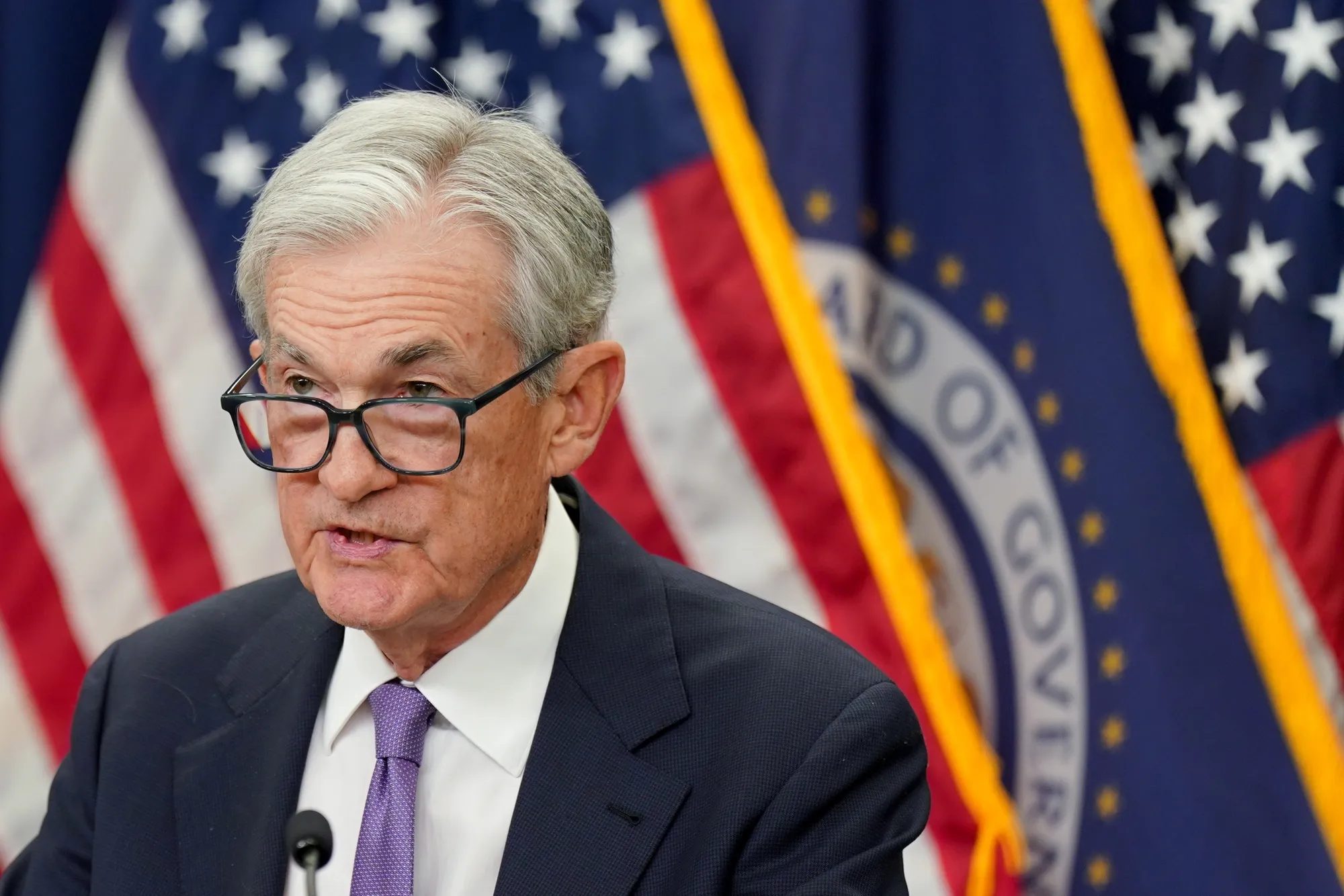
A US judge has blocked subpoenas issued by Donald Trump’s Department of Justice to the Federal Reserve, in a major blow to prosecutors’ criminal investigation into chair Jay Powell and a victory for the central bank.
James Boasberg, a US federal judge in the District of Columbia, wrote in an opinion unsealed on Friday that prosecutors were using their probe into renovations of the Fed’s headquarters to force Powell to “knuckle under” and bend to Trump’s relentless calls to slash borrowing costs.
“There is abundant evidence that the subpoenas’ dominant (if not sole) purpose is to harass and pressure Powell either to yield to the president or to resign and make way for a Fed chair who will,” Boasberg wrote.
The judge said the Trump administration had “produced essentially zero evidence” to suspect Powell of a crime, adding: “Its justifications are so thin and unsubstantiated that the court can only conclude that they are pretextual.”
Boasberg’s ruling will stymie the criminal investigation into Powell related to cost overruns on the Fed’s $2.5bn headquarters renovation project.
📊 More Economic Policy
Global central bankers and lawmakers, including some members of Trump’s Republican Party, have expressed grave concern over the investigation, which they view as an unprecedented attempt at eroding the independence of the world’s most important central bank.
Powell in January called the move an “unprecedented action” from the DoJ, saying it was an attempt to rein in the Fed’s independence.
Trump has relentlessly criticised Powell of being a “moron” and a “stubborn mule” for declining to sharply reduce rates. Trump has also sought to sack Fed governor Lisa Cook, in a move that was blocked by a lower court judge and later argued before the US Supreme Court, which is expected to rule in the coming months.
Jeanine Pirro takes aim at the ruling by James Boasberg on Friday. (Reuters)
The president has denied any involvement in the DoJ probe, and the White House did not respond to a request for comment on Friday. The Fed declined to comment.
In a fiery press conference shortly after the opinion was published, Jeanine Pirro, US attorney for the District of Columbia, tore into Boasberg, who she described as an “activist judge”. Pirro vowed to appeal against the ruling, which she said had “neutered the grand jury’s ability to investigate crime.”
“Jerome Powell today is now bathed in immunity, preventing my office from investigating the Federal Reserve,” Pirro said. “That is wrong, and it is without legal authority.”
The DoJ investigation, which was launched in January, has already had far-reaching consequences for Trump, prompting Republican Senator Thom Tillis of North Carolina to hold up the process to confirm Powell’s successor. Tillis has said he will block any Trump appointee to the Fed until the DoJ probe into Powell is “resolved”.
Trump in late January nominated former Fed governor Kevin Warsh to succeed Powell as chair when his term ends in May. Warsh needs to be confirmed by the Senate in order to take up his post.
Tillis on Friday said Boasberg’s ruling confirmed “just how weak and frivolous” the criminal investigation into Powell was, adding: “It is nothing more than a failed attack on Fed independence.
“We all know how this is going to end,” Tillis said, adding Pirro’s office should “save itself further embarrassment and move on”.
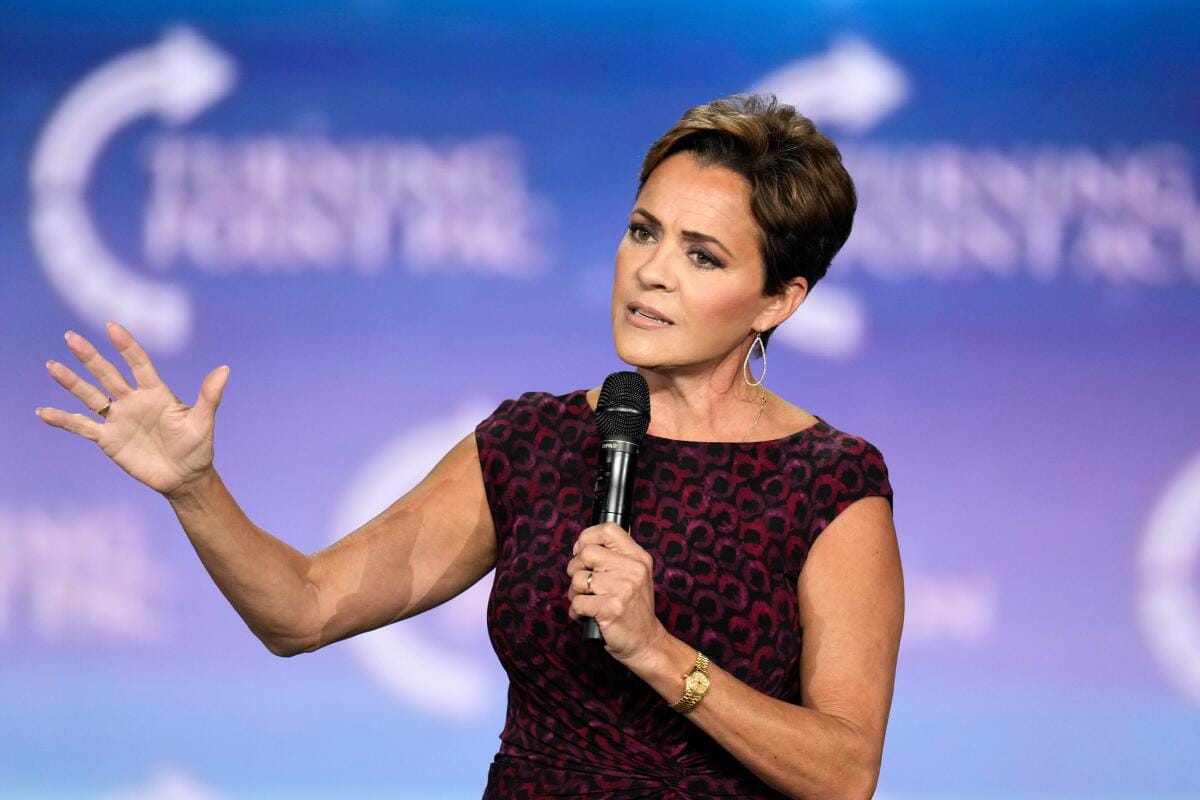
A federal judge on Saturday voided layoffs at Voice of America (VOA) while also ruling that the U.S. Agency for Global Media’s (USAGM) acting CEO, Kari Lake, unlawfully ran the independent federal agency.
U.S. District Court of Washington, D.C., Judge Royce Lamberth wrote that Lake oversaw the media agency in violation of the Constitution’s appointments clause and the Federal Vacancies Reform Act.
Lamberth’s ruling comes after VOA’s White House bureau chief Patsy Widakuswara filed the lawsuit last year.
President Trump nominated Lake to be senior adviser to acting CEO Victor Morales in February 2025. Morales designated Lake “to perform the functions and responsibilities specified” to 19 out of the 22 duties that the CEO assigns,” Lamberth wrote. By July, she was made acting CEO and “exercised control over the agency during the period relevant to the motions.”
Lamberth, a Reagan appointee, ruled that Lake’s actions after becoming acting CEO, including eliminating USAGM staff in August, are void. Morales’s actions for Lake to perform were also invalidated.
“The Court finds that these expansive delegations were an unlawful effort to transform Lake into the CEO of U.S. Agency for Global Media in all but name,” Lamberth wrote.
He noted that if Lake’s designation was “proper,” it “would require the Court to find that the President can fill a first assistantship at any time during a vacancy in a Senate-confirmed office … .”
Widakuswara and fellow plaintiffs Kate Neeper and Jessica Jerreat said they feel “vindicated and [are] deeply grateful.”
“The judge’s ruling that Kari Lake’s actions shall have no force or effect is a powerful step toward undoing the damage she has inflicted on this American institution that we love,” they said in a statement to Politico. “Even as we work through what this ruling means for colleagues harmed by her actions, it brings renewed hope and momentum to the next phase of our fight: restoring VOA’s global operations and ensuring we continue to produce journalism, not propaganda.”
Lake said she disagreed “strongly” with Lamberth’s ruling and will appeal it.
“The American people gave President Trump a mandate to cut bloated bureaucracy, eliminate waste, and restore accountability to government,” Lake said in a statement obtained by The Washington Post. “An activist judge is trying to stand in the way of those efforts at USAGM.”
Trump signed an executive order in March 2025 to gut the agency. Lake last summer defended the layoffs before a federal judge blocked them in December.
“Sometimes a lean, mean, team makes it easier to get things done,” she said of scaling down the staff by more than 500 employees.
The Saturday ruling comes one day after Ahmad Batebi, a prominent Iranian dissident, human rights activist and VOA journalist, was fired over efforts to limit coverage of Iran’s exiled Crown Prince Reza Pahlavi.
SHARM EL-SHEIKH, Egypt – As the sun rose over the Red Sea resort on Thursday, October 9, 2025, negotiators from Israel and Hamas inked the final draft of the first phase of President Donald Trump’s audacious Gaza peace plan, a hard-fought accord that promises the release of all 48 remaining hostages – 20 believed alive, the rest tragically not – in exchange for a partial Israeli troop withdrawal, a ceasefire, and the freedom of nearly 2,000 Palestinian prisoners. The breakthrough, sealed after days of grueling indirect talks mediated by Qatar, Egypt, and Turkey, now awaits Israel’s security cabinet vote later today – a procedural hurdle expected to clear with bipartisan support, despite grumbles from far-right hardliners who fear it’s a concession to terror.
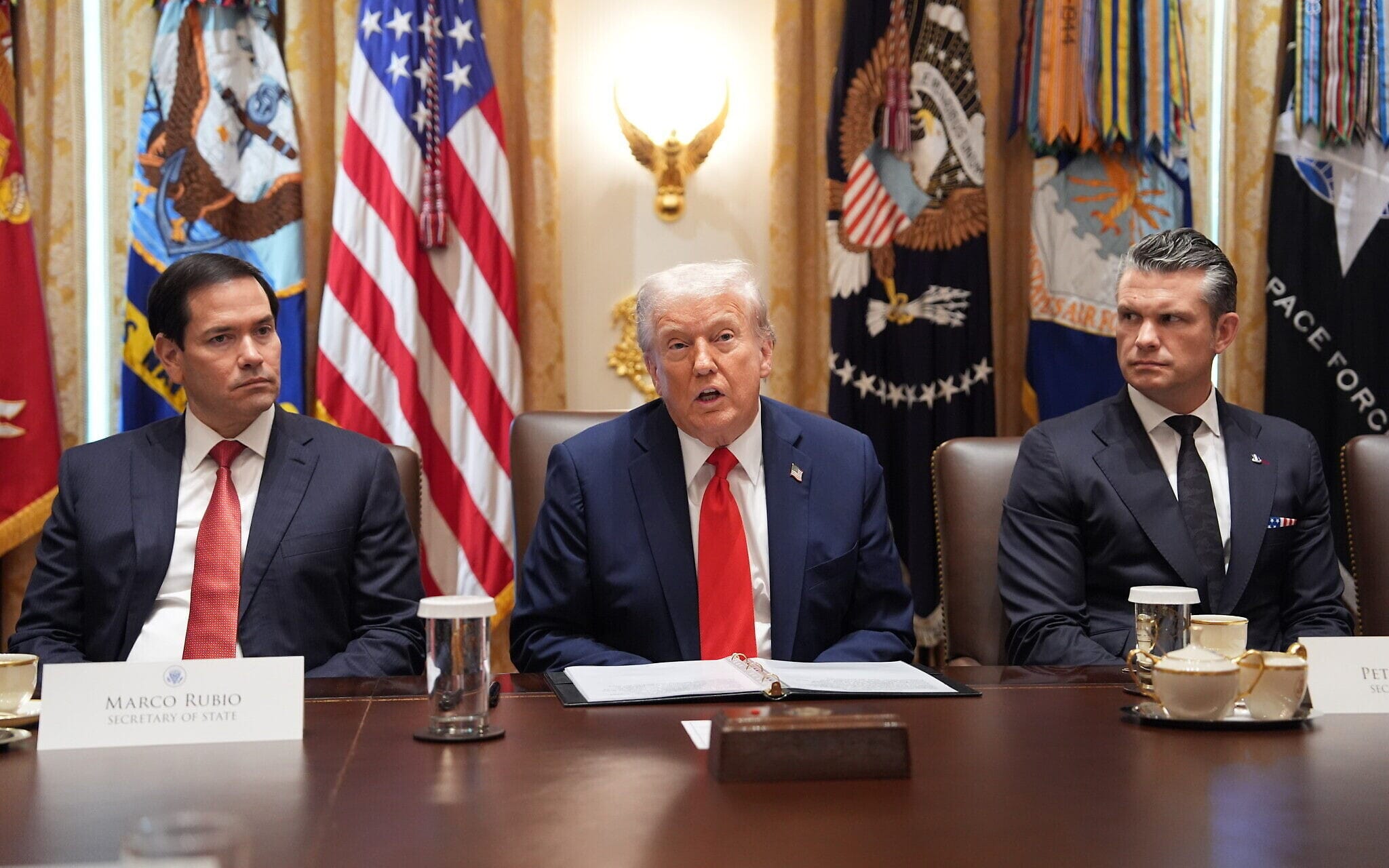
“This is the art of the deal in action – tough, unyielding, and finally delivering results where the Biden crew could only dither,” Trump declared during a White House Cabinet meeting, touting the pact as a “great day for Israel, the Arab world, and America.” With U.S. envoys Steve Witkoff and Jared Kushner on the ground in Egypt, the president – ever the showman – plans a weekend dash to the region for the formal signing, potentially capping it with a Knesset address that could cement his legacy as the ultimate peacemaker. Hostages could start crossing back into Israel as early as Monday, Trump projected, with the living handed off to Red Cross officials and the deceased honored in somber IDF ceremonies – a timeline echoed by Netanyahu’s office and White House insiders.
The deal’s mechanics are as precise as they are pragmatic: Within 24 hours of cabinet approval, the IDF pulls back to lines securing 53% of Gaza – including buffer zones along the Philadelphi Corridor, northern enclaves like Beit Hanoun, and southern strongholds in Rafah and Khan Younis – halting operations in urban cores while maintaining a vise on terror infrastructure. Hamas, in turn, has 72 hours to deliver the captives sans fanfare ceremonies, a concession wrung from the terror group after months of Israeli pressure that decimated its ranks. No victory laps for the kidnappers – just quiet handovers, followed by a joint Israel-U.S.-Qatar-Turkey-Egypt task force hunting the remains of those whose graves Hamas claims ignorance of.
On the prisoner front, Israel commits to freeing 250 lifers – but draws red lines at arch-terrorists like Marwan Barghouti, the Second Intifada mastermind eyeing a Palestinian Authority power grab, and the corpses of Hamas bosses Yahya and Mohammed Sinwar, whose bodies stay buried as war trophies. Another 1,700 Gazans nabbed during IDF ops go free, plus 15 Palestinian bodies per Israeli remains returned – a grim arithmetic underscoring the butcher’s bill of October 7, 2023, when Hamas’s savagery claimed 1,200 lives and sparked a conflict that’s felled over 66,000 in Gaza, per the strip’s Hamas-tallying health ministry.
Hamas’s chief negotiator, Khalil al-Hayya – surfacing publicly since an Israeli strike in Doha last month claimed his son and aides – struck a defiant tone in Sharm el-Sheikh, insisting on “real guarantees” for a lasting ceasefire before full compliance. “We need assurances this isn’t a trap,” al-Hayya told reporters, echoing Qatar’s Majed al-Ansari’s call for “practical solutions” to implementation snags, like seamless international aid flows and monitoring to avert backsliding. Egyptian Foreign Minister Badr Abdelatty painted a rosier picture: Talks are “progressing” toward phase one, blending hostage releases with prisoner swaps and IDF redeployments to “prepare the climate” for peace. Yet, as Reuters notes, the accord’s brevity leaves “unresolved questions” – from Hamas disarmament to Gaza’s post-war governance – that could unravel the fragile truce, much like past efforts torpedoed by Palestinian bad faith.
Netanyahu’s camp, delayed an hour-and-a-half for “sensitive” prisoner list haggling, frames the vote as a slam-dunk, with spokeswoman Shosh Bedrosian declaring “victory” in the war’s core aims: Hostages home, Hamas gutted, Gaza neutralized as a threat. Foreign Minister Gideon Sa’ar, on Fox News, tempered the triumph: No “end of the war” yet – just a conditional path where Hamas must disarm for full Israeli pullout, and the PA’s reforms are no sure bet for relevance. “We don’t intend to renew the war,” Sa’ar stressed, but a Palestinian state? “No” – skepticism runs deep on Ramallah’s capacity for change.
Trump’s 20-point blueprint – unveiled last week with Netanyahu at his side – envisions a technocratic interim council under a U.S.-chaired “Board of Peace” (Tony Blair eyed for a slot), deradicalizing Gaza into a terror-free zone primed for reconstruction, with aid surging post-ceasefire. Phase two kicks off a day after releases, tackling the big-ticket items: Hamas’s guns for amnesty, no foreign overlords, and a reformed PA eyeing self-determination – but only if it sheds its terror sympathies. Arab pressure, per a Saudi report, has been “unprecedented” on Hamas, with guarantors like Qatar’s prime minister jetting in to seal gaps.
Backlash brews on the Israeli right, where firebrands like Itamar Ben-Gvir threaten coalition collapse if Hamas endures, branding any half-measure a “national defeat” and “ticking time bomb.” Finance Minister Bezalel Smotrich decried it as “fleeing the truth,” a relapse to Oslo-era follies dooming future generations to refight the same battles. Yet, hostage families and opposition heavyweights – from Yair Lapid to Avigdor Lieberman – hail it as a “historic turning point,” their pleas drowning out the ultras: “After two years of anguish, this heals.”
Globally, the vibes are electric. Turkey’s Erdogan pledges monitoring and rebuild muscle, while bipartisan U.S. praise rolls in – Sen. Roger Wicker thanks Trump and Rubio for igniting “hope for lasting peace.” On X, euphoria erupts: “Trump made the impossible happen,” exclaims Eylon Levy amid Tel Aviv’s Hostage Square cheers, as Al Arabiya captures the cautious Palestinian optimism. Even as the Nobel snub stings – decided pre-deal, per The Times of Israel – this is vintage Trump: Bold strokes where faint hearts failed, turning a quagmire into a launchpad for Abraham Accords 2.0.
Skeptics whisper of fragility – Hamas’s history of double-dealing, implementation landmines – but Trump’s playbook has rewritten the rules before. As the cabinet convenes and Trump eyes Air Force One, one verity holds: Peace through strength isn’t a slogan; it’s the deal of the century, unfolding in real time. If phase one sticks, the Middle East – and history – won’t look the same.
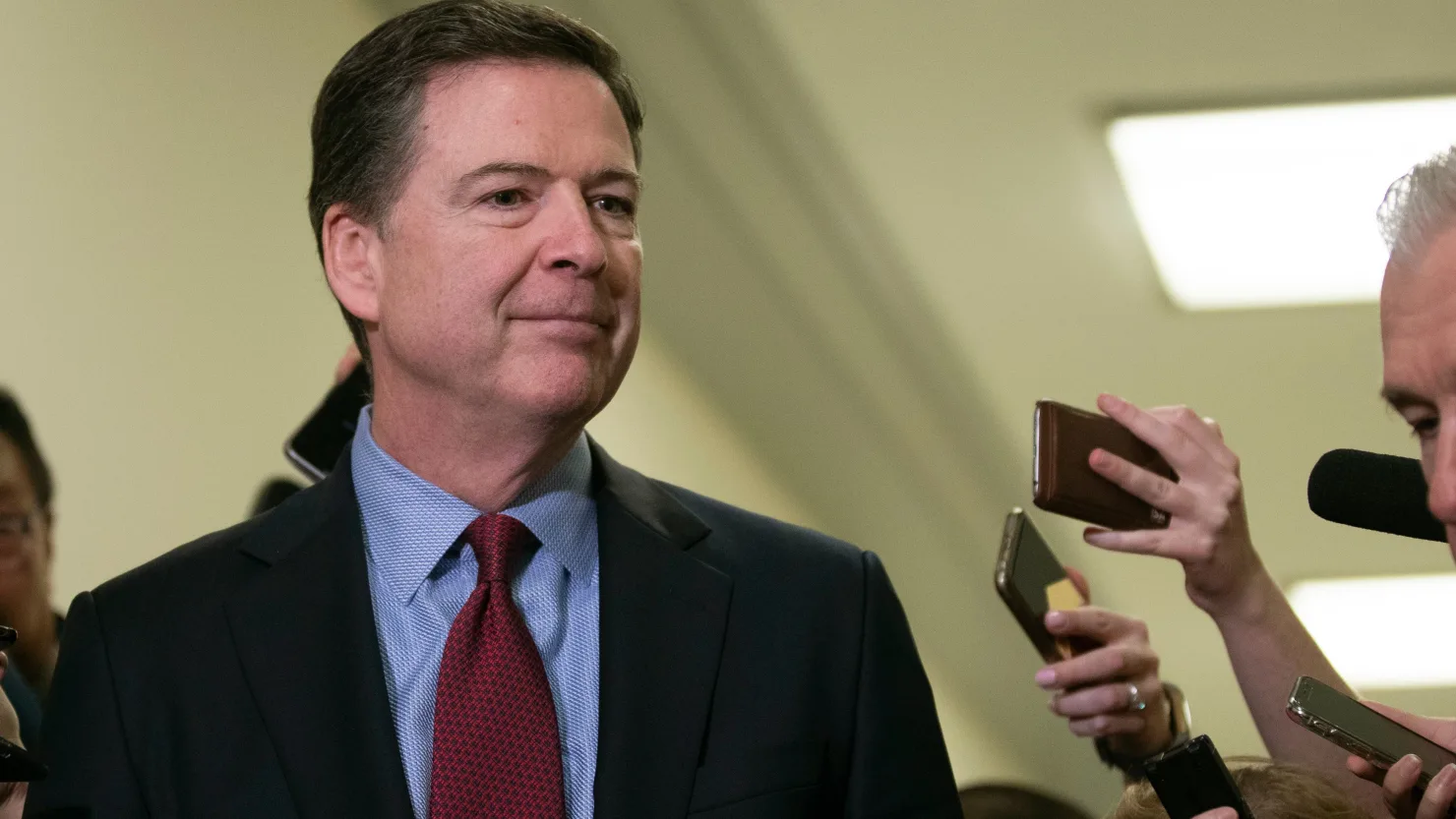
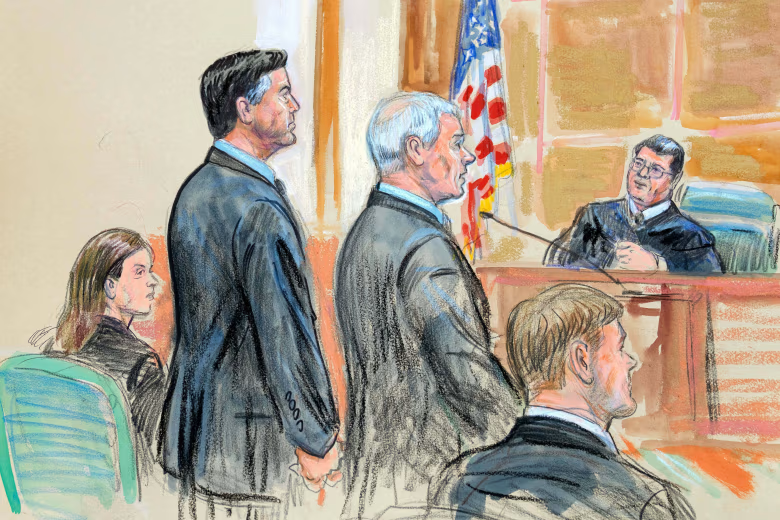
ALEXANDRIA, Va. — In a courtroom moment that underscores President Donald Trump’s unyielding commitment to holding the deep state accountable, former FBI Director James Comey entered a not guilty plea Wednesday to federal charges of lying to Congress and obstructing a congressional proceeding. The 64-year-old Comey, once a symbol of bureaucratic overreach in the eyes of conservatives, now faces a January trial that could finally deliver the justice many on the right have demanded since his role in the Russia hoax unraveled America’s trust in its premier law enforcement agency.
Comey’s arraignment before U.S. District Judge Michael Nachmanoff in federal court here marked the first high-profile reckoning in what Trump has vowed will be a broader purge of Washington insiders who weaponized government against him. Towering at 6-foot-8, Comey stood stoically beside his legal team, nodding along as his attorney, Patrick Fitzgerald, formally entered the plea. The hearing, devoid of cameras per court rules, lasted mere minutes, but its implications ripple far beyond the marble halls of Alexandria—potentially restoring faith in a Justice Department long hijacked by partisan actors.
Trump, fresh off his triumphant 2024 victory, has made no secret of his pursuit of Comey. In a fiery Truth Social post last month, the president labeled the ex-director a “dirty cop” and urged Attorney General Pam Bondi to expedite charges against “perceived adversaries” like Comey before the statute of limitations expired. “These were corrupt, radical Left Democrats… They weaponized the Justice Department like nobody in history. What they’ve done is terrible,” Trump declared in a video shared by his campaign’s War Room account, framing the indictment as a necessary corrective to years of abuse. For conservatives, this isn’t retribution—it’s restitution, a long-overdue dismantling of the swamp that targeted Trump from day one.
The two-count indictment, unsealed last month, stems from Comey’s September 2020 testimony before the Senate Judiciary Committee, where he was grilled by Sen. Ted Cruz (R-Texas) over alleged leaks tied to the FBI’s investigations into Hillary Clinton’s emails and potential Russian ties to Trump’s 2016 campaign. Cruz zeroed in on discrepancies between Comey’s 2017 sworn statements—where he denied ever authorizing an FBI subordinate to serve as an anonymous media source—and accounts from his then-deputy, Andrew McCabe, about a pre-election leak to The Wall Street Journal on the Clinton probe.
“One or the other is false. Who’s telling the truth?” Cruz pressed, to which Comey replied, “I can only speak to my testimony. I stand by the testimony you summarized.” Prosecutors now allege this was a bald-faced lie: Comey “then and there knew” he had greenlit an unidentified “Person 3″—widely reported to be Columbia Law School professor Daniel Richman—to anonymously brief reporters on sensitive FBI matters, including a memo detailing Comey’s interactions with then-President-elect Trump.
Richman, who has confirmed receiving such a memo from Comey in 2017, was subpoenaed earlier this year, but leaks from the prosecution reveal mounting cracks in the case. ABC News reported that Richman told investigators Comey explicitly instructed him not to speak to the media on multiple occasions, potentially rendering the star witness “problematic” for the government. A prior probe found “insufficient evidence” of wrongdoing, yet charges proceeded under intense White House pressure—just days before the five-year statute ran out.
Each felony carries up to five years in prison, a stark reminder that no one is above the law—not even the man who once wielded the FBI like a political cudgel. Comey’s history speaks volumes: His last-minute Clinton email disclosure arguably handed Trump the 2016 win, only for him to pivot to the debunked Russia collusion narrative, leaking memos to trigger Special Counsel Robert Mueller’s probe. Trump fired him in May 2017, calling him a “real nut job,” and Comey has since morphed into a shrill Trump critic, penning books and posting cryptic social media barbs—like the infamous “86 47” tweet Republicans decried as a veiled assassination call, for which he later apologized.
The hearing unfolded with procedural efficiency, but not without tension. Fitzgerald, the esteemed Enron prosecutor who called representing Comey “the honor of my life,” pushed for a “speedy trial” while securing a Jan. 5, 2026, date—outside the speedy trial clock at both sides’ request, citing the case’s “complexity” involving classified materials. Judge Nachmanoff, a Bush appointee, expressed skepticism—”This does not appear to me to be a complex case”—but relented, ordering the DOJ to expedite security clearances for the defense. “There should be no reason this case gets off course because of some classified information,” he warned.
Comey, fidgeting occasionally with hands clasped under his chin, shared the room with family: daughter Maurene, a fired Southern District of New York prosecutor now suing over her dismissal (tied, she claims, to her father’s feud with Trump), and son-in-law Troy A. Edwards Jr., who quit his national security post post-indictment. No detention was sought; Comey walked free on his own recognizance.
Behind the scenes, the prosecution’s origins reek of the very politicization Comey once decried. Erik Siebert, the career U.S. attorney who deemed evidence insufficient, resigned under White House fire. Trump installed Lindsey Halligan, a former personal attorney with zero prosecutorial experience, who signed the indictment solo—unusual, per legal experts—until two North Carolina DOJ lawyers jumped on Tuesday. A grand jury nixed a third charge, and reports suggest Halligan ignored internal memos urging against indictment.
The defense isn’t pulling punches. Fitzgerald signaled motions by Oct. 20 alleging “vindictive prosecution” at Trump’s behest, challenging Halligan’s appointment, grand jury abuse, and “outrageous government conduct.” Oral arguments are slated for Nov. 19 and Dec. 9. “Comey could become the poster child for selective prosecution,” a former Eastern District prosecutor told Politico, unwittingly bolstering the right’s narrative that the case is ironclad despite left-wing bleating.
Hours after indictment, Comey posted a video defiantly proclaiming innocence: “My heart is broken for the Department of Justice, but I have great confidence in the federal judicial system… I’m innocent. So let’s have a trial.” Conservatives see through the theater—Comey’s “confidence” mirrors the arrogance that fueled his downfall.
This saga is the opening salvo in Trump’s retribution era, with probes underway against New York AG Letitia James, ex-advisor John Bolton, and Sen. Adam Schiff (D-Calif.). On the right, it’s vindication: The man who orchestrated the Russia witch hunt now faces the music, potentially paving the way for Mueller’s full exposure. Democrats cry “authoritarianism,” but as Trump allies like Cruz note, it’s poetic justice—Comey leaked to kneecap a president; now truth leaks back.
Markets, ever attuned to political stability, reacted bullishly. The Dow climbed 1.2% Wednesday, buoyed by signals of a DOJ purge that could end regulatory overreach stifling growth. Political betting sites like PredictIt saw odds of a Comey conviction surge to 68%, reflecting investor bets on Trump’s mandate restoring institutional trust—and unleashing an economic boom unburdened by deep-state sabotage. Bond yields dipped slightly, as fears of politicized prosecutions eased amid vows of due process.
From a conservative vantage, Comey’s plea is just another chapter in the tall tale of a self-righteous bureaucrat who fancied himself above reproach. His leaks didn’t just undermine Trump; they eroded public faith in the FBI, fueling years of chaos. Trump’s pressure? Not meddling—it’s leadership, demanding the impartiality Comey never delivered. As the January trial looms—expected to wrap in two to three days—the nation watches not for drama, but deliverance. The deep state crumbles, one indictment at a time, and with it, the shadows that dimmed America’s promise. Comey may tower physically, but his legacy shrinks daily.
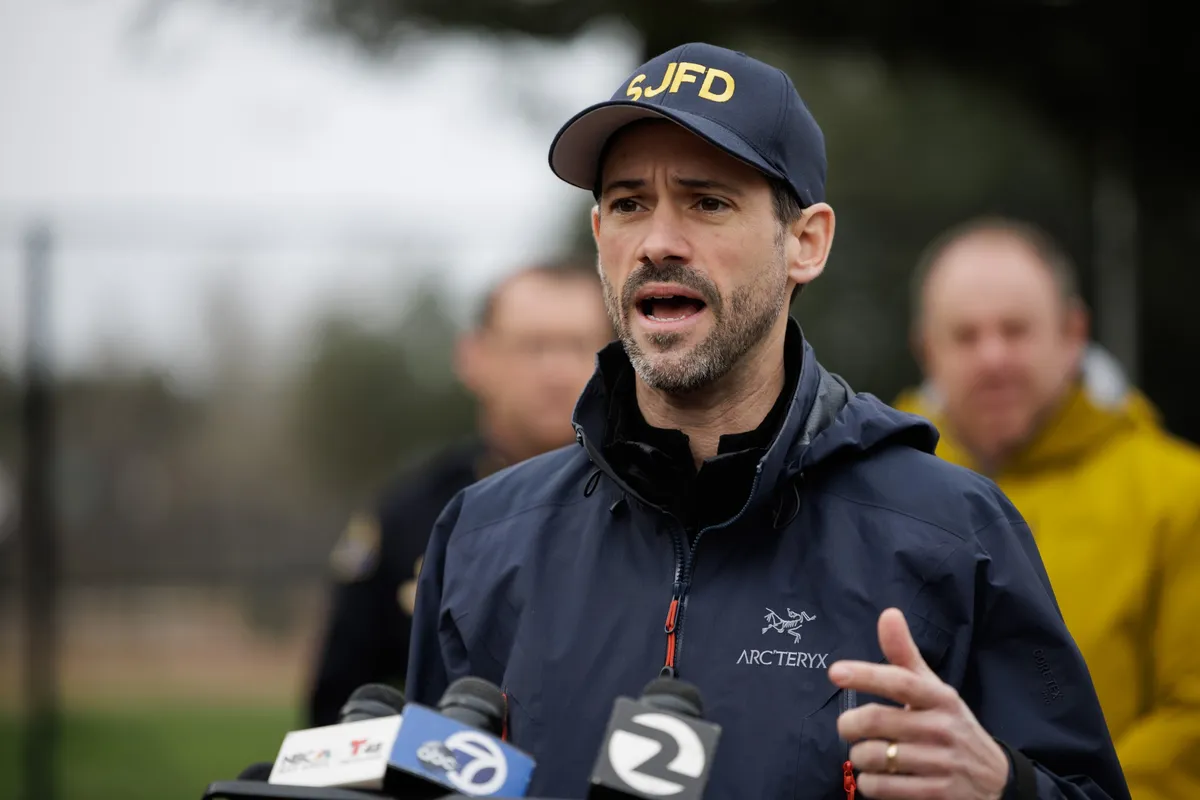
Nearly 150 stoplights in San Jose, California, are equipped with an artificial intelligence tool aimed at optimizing bus trips. The tech has allowed the buses to run at higher speeds and reduced commute times for riders by 20%, in part by making it more likely buses will reach a green traffic light.
“We know that what meaningfully drives up ridership levels is the frequency of the service, how often the buses come, and the speed of getting to your destination,” said San Jose Mayor Matt Mahan, noting the program will now be scaled citywide. “A more than 20% improvement in commute times is a big deal.”
Mahan sees the signal priority technology as one of San Jose’s most successful AI implementation efforts to date. The Silicon Valley city is trying to vastly expand its use of the technology in city hall and across government, Mahan said. It’s part of his administration’s broader push to make the city a hub for using AI tools in government, and a destination for AI companies and talent.
The city is one of a number of places exploringsuch initiatives. But San Jose is the founding member of the GovAI Coalition, which includes hundreds of government entities across the US that share information about AI-related projects, safeguards and rules, and procurements. The city has offered up to $50,000 in incentives for early-stage AI startups that relocated there. It’s also rolling out an AI upskilling course for city workers in collaboration with San Jose State University to teach them how to better use the technology.
The interview has been edited for length and clarity.
Could you talk to me a bit about the city’s AI ambitions?
We want to be the most AI-enabled city hall in the country, and we started on this journey before we even really knew what AI was. If you go back about eight, nine years ago, we were starting to look at public safety technologies and realized that there are privacy issues that we need to work on. (The city has used license plate reader technology for nearly two decades, and developed a use policy for the technology in 2017.) And so we really started focusing on data privacy and data security related to applications that had nothing to do with AI, but it gave us the muscle.
So that was the beginning. About two years ago, we invited some other cities to join us on a very informal monthly Zoom call to just talk about artificial intelligence because it was starting to emerge as essentially a trend. And that blossomed into this platform called the GovAI Coalition, which we host on our city website. And we now convene with partners from over 700 public agencies around the country.
What are some of the projects you’re working on?
We’ve driven some of the leading pilots on object detection. So on roadways, we put sensors on city vehicles. We can very accurately identify emerging potholes, graffiti, illegal dumping, street lights that are out, lived-in vehicles, and a number of streetscape issues where we can automate reporting.
Language translation — we actually have the largest Vietnamese population of any city outside of Vietnam in San Jose. So we have a lot of training data that’s native to our city based on our population. We took our training data in Vietnamese, plugged it into Google’s base model for Google Translate, and actually have improved by 8% translation of government websites and government documents into Vietnamese.
How are you thinking about privacy, especially around law enforcement technologies?
There’s been growing skepticism, if not cynicism, that the technology sector wants to own our data to monetize it, even if it’s not in our interest. And so I guess we just culturally felt that if we’re going to bring best-in-class technologies and tools into city hall, we can’t fall into that trap.
Government can’t afford that kind of violation of trust. A startup can fail. Government really can’t. So we felt that getting that piece right was really important. And I shouldn’t say it that way. There is no getting it right. It’s about ongoing dialogue and transparency.
We’re rolling out — and this is not a novel technology — red light and speed safety cameras, which there have been some limitations on in California. We’re a pilot city in the state to start rolling out more of what some might consider aggressive surveillance and enforcement tools around traffic safety. We have a Vision Zero plan. We’re trying to make our roads safer, but we have taken the time to get it right. We’re going around to different neighborhoods and having community meetings and, for example, assuring people that we’re not doing facial recognition, assuring people that we’re going to equitably distribute these.
If you don’t answer thoughtfully and engage people and create a forum for them to ask those hard questions, I think you can really risk creating cynicism and making it harder in the long run to get things done.
When it comes to the economy, San Jose is a tech and AI hub already. A new Brookings Institution report dubbed San Jose and San Francisco AI “superstars” among US jurisdictions, finding that the two metro areas around these cities have excelled in adoption, talent concentration and innovation.
City government is piloting all of these initiatives and at the same time creating new incentives for startups and other new entrants. Is there a point where it could be too much of one industry?
I do worry a little bit about diversification. At the same time, we’re one of the few big cities in the country that still has a meaningful manufacturing base. So while San Francisco has gotten a lot of headlines around AI related to software applications, we’re really still a hardware town in a lot of ways. So we do robotics, we do vertical takeoff and landing vehicles, batteries. Our history was really in semiconductors.
I’m trying to think about how we leverage the fact that we’re still a city that makes things — almost one in five workers in our city is in manufacturing— and continue to be a city of economic mobility. And so our challenge is to make sure that we continue to say yes to manufacturing.
We have this incredible asset in San Jose State University. It’s like the pipeline for young diverse talent in the South Bay. We’ve never had an intentional strategy for helping those graduates start companies and stay local. And so one of my major initiatives is to create a startup cluster in downtown San Jose adjacent to the university so that we can keep more of that young talent there actually build their own economic future. That’s the thing we’re excited about.
Cookie Consent
We use cookies to improve your experience on our site. By using our site, you consent to cookies.
Contains information related to marketing campaigns of the user. These are shared with Google AdWords / Google Ads when the Google Ads and Google Analytics accounts are linked together.
90 days
__utma
ID used to identify users and sessions
2 years after last activity
__utmt
Used to monitor number of Google Analytics server requests
10 minutes
__utmb
Used to distinguish new sessions and visits. This cookie is set when the GA.js javascript library is loaded and there is no existing __utmb cookie. The cookie is updated every time data is sent to the Google Analytics server.
30 minutes after last activity
__utmc
Used only with old Urchin versions of Google Analytics and not with GA.js. Was used to distinguish between new sessions and visits at the end of a session.
End of session (browser)
__utmz
Contains information about the traffic source or campaign that directed user to the website. The cookie is set when the GA.js javascript is loaded and updated when data is sent to the Google Anaytics server
6 months after last activity
__utmv
Contains custom information set by the web developer via the _setCustomVar method in Google Analytics. This cookie is updated every time new data is sent to the Google Analytics server.
2 years after last activity
__utmx
Used to determine whether a user is included in an A / B or Multivariate test.
18 months
_ga
ID used to identify users
2 years
_gali
Used by Google Analytics to determine which links on a page are being clicked
30 seconds
_ga_
ID used to identify users
2 years
_gid
ID used to identify users for 24 hours after last activity
24 hours
_gat
Used to monitor number of Google Analytics server requests when using Google Tag Manager