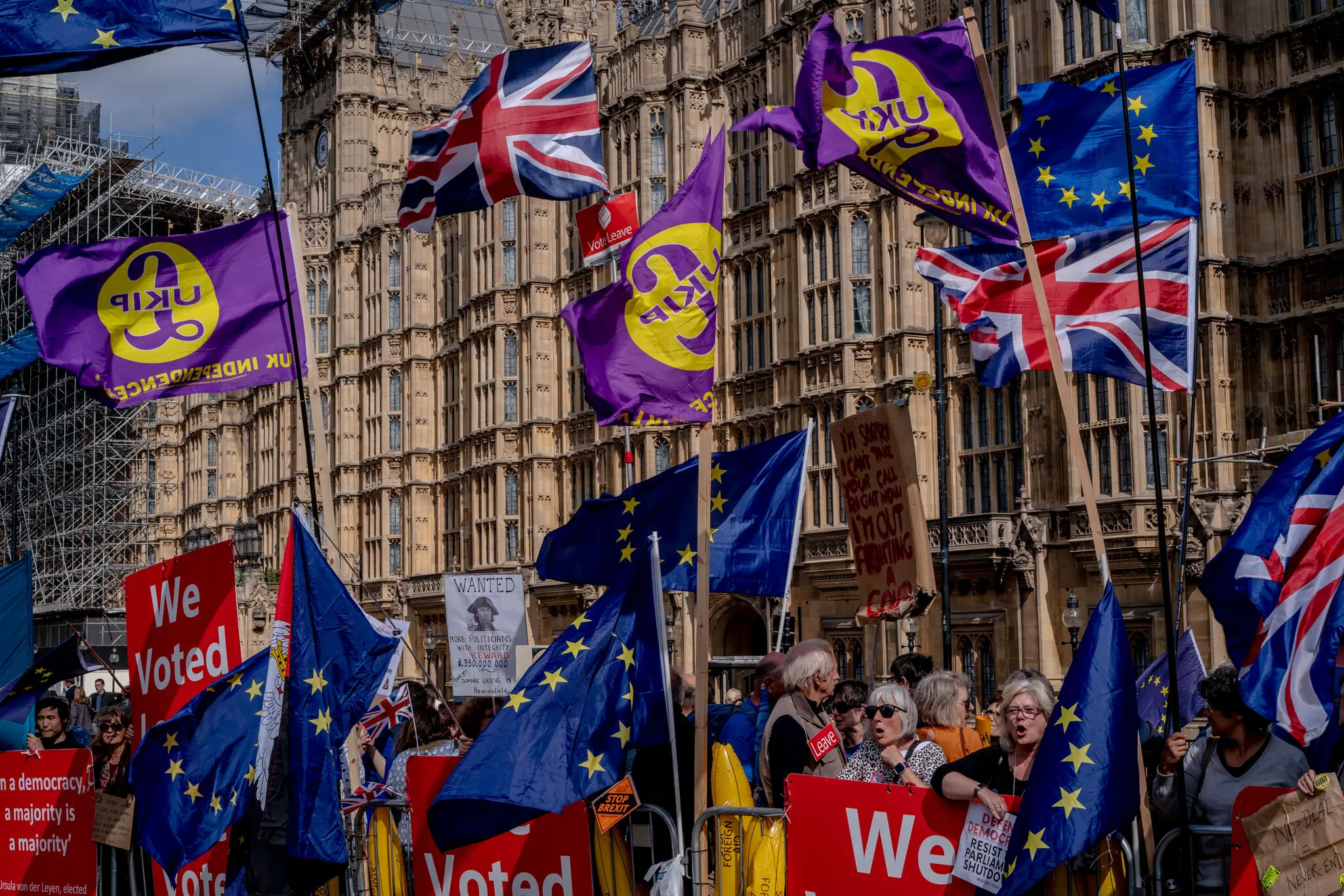
Britain has watched President Trump’s tariffs with a mix of shock, fascination and queasy recognition. The country, after all, embarked on a similar experiment in economic isolationism when it voted to leave the European Union in 2016. Nearly nine years after the Brexit referendum, it is still reckoning with the costs.
The lessons of that experience are suddenly relevant again as Mr. Trump uses a similar playbook to erect walls around the United States. Critics once described Brexit as the greatest act of economic self-harm by a Western country in the post-World War II era. It may now be getting a run for its money across the Atlantic.
Even Mr. Trump’s abrupt reversal last week of some of his tariffs, in the face of a bond-market revolt, recalled Britain, where Liz Truss, a short-lived prime minister, was forced to retreat from radical tax cuts that frightened the markets. Her misbegotten experiment was the culmination of a cycle of extreme policies set off by Britain’s decision to forsake the world’s largest trading bloc.
“In a way, some of the worst legacies of Brexit are still ahead,” said Mark Malloch Brown, a British diplomat who served as deputy secretary-general of the United Nations. Britain, he said, now faces a hard choice between rebuilding trade ties with Europe or preserving them with Mr. Trump’s America.
“The fundamental issue remains the breach with our biggest trading partner,” Mr. Malloch Brown said, adding, “If the U.K. ends up in the arms of Europe because neither of them can work with the U.S. anymore, that’s only half a victory.”
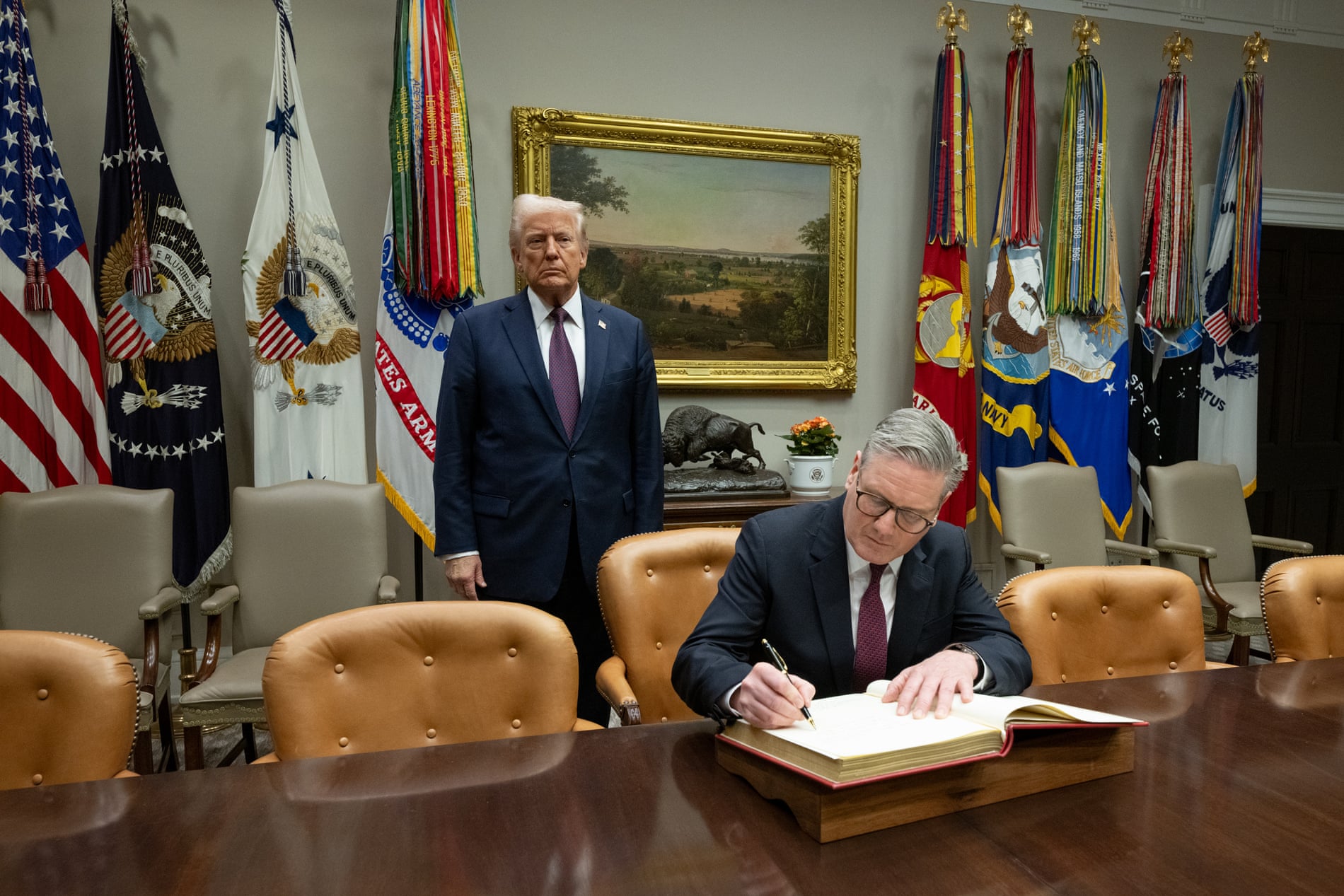
Mr. Trump was a full-throated champion of Brexit in 2016, drawing explicit parallels between it and the political movement he was marshaling. He initially imposed lower tariffs on Britain than the European Union, which some cast as a reward for Britain’s decision to leave.
Brexit’s drag on the British economy is no longer much debated, though its effects have been at times hard to disentangle from subsequent shocks delivered by the coronavirus pandemic, the war in Ukraine and, now, Mr. Trump’s tariffs.
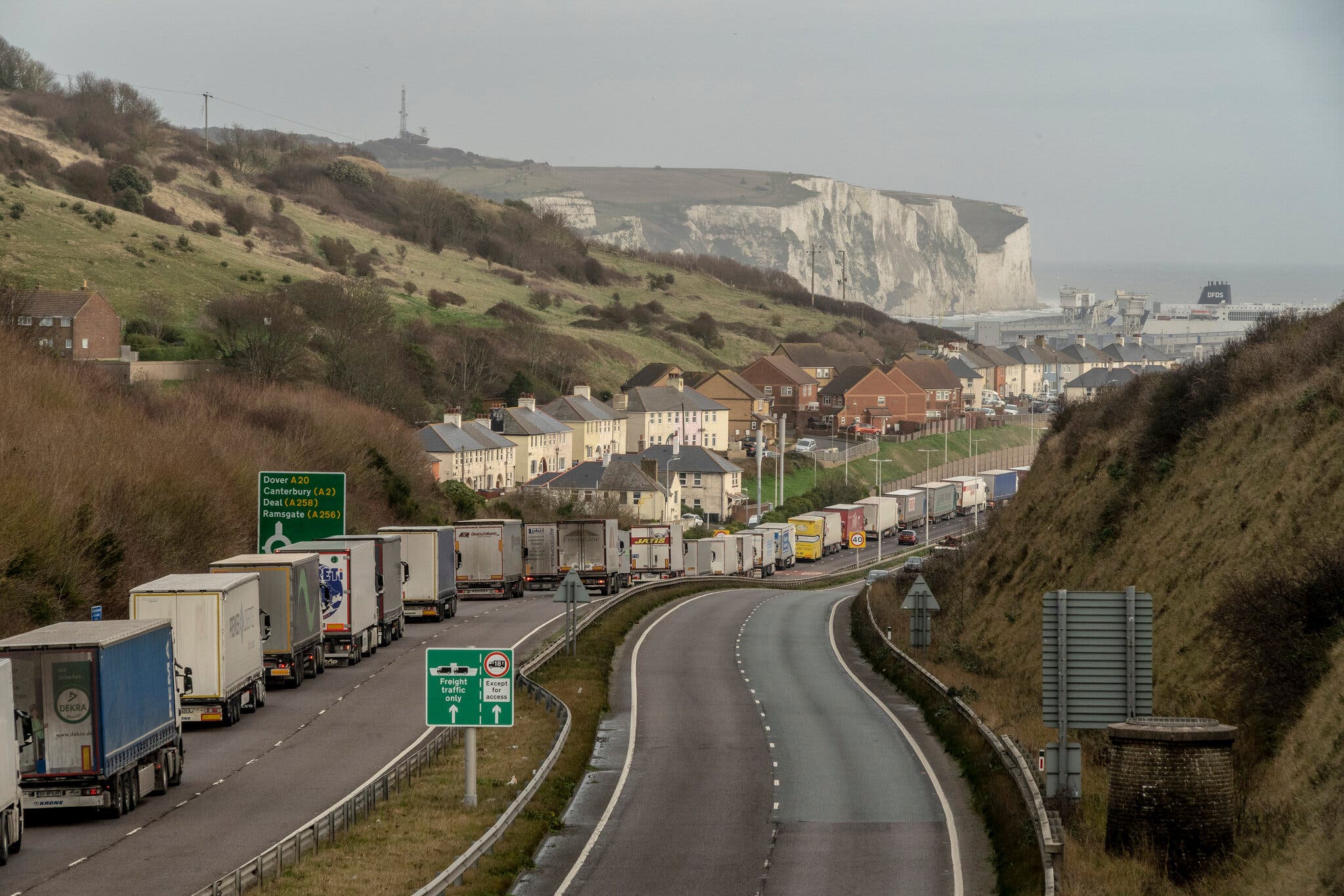
The government’s Office of Budget Responsibility estimates that Britain’s overall trade volume is about 15 percent lower than it would have been had it remained in the European Union. Long-term productivity is 4 percent lower than it would have been because of trade barriers with Europe.
Productivity was lagging even before Brexit, but the rupture with Europe compounded the problem by sowing uncertainty, which chilled private investment. The years between the referendum and Britain’s formal departure at the end of January 2020 were paralyzed by debate over the terms of its exit.
By the middle of 2022, investment in Britain was 11 percent lower than it would have been without Brexit, based on a model by John Springford, who used a basket of comparable economies to stand in for a non-Brexit Britain. Trade in goods was 7 percent lower and gross domestic product 5.5 percent lower, according to Mr. Springford, a fellow at the Center for European Reform, a think tank in London.
Mr. Trump has kicked off even more volatility by imposing, redoubling and then pausing various tariffs. His actions, of course, affect dozens of countries, most dramatically the United States and China. Already, there are predictions of recession and a new bout of inflation.
Brexit and its aftermath had multiple second-order effects, both economic and political. Ms. Truss’s plan for debt-funded tax cuts, which were driven by a desire to jump-start Britain’s torpid economy, instead triggered a sell-off of British government bonds as investors recoiled from her proposals.
A similar sell-off of American bonds began last week, with far-reaching implications for the United States. Rising bond yields put pressure on governments because it means they must pay more to borrow funds. Sell-offs are also destabilizing because they signal deeper anxiety about a country’s creditworthiness.
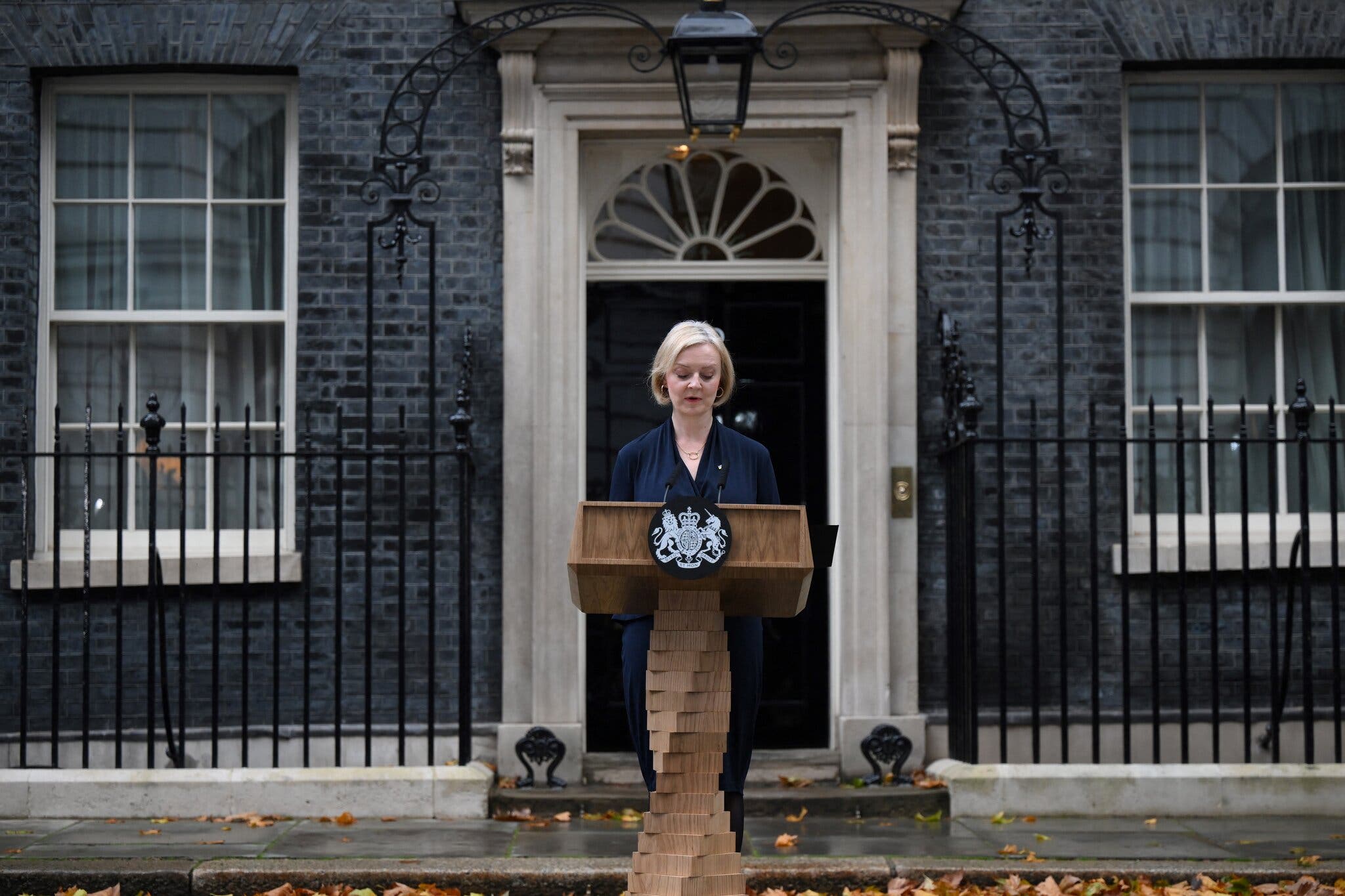
In Britain’s case, fears of a credit crisis forced Ms. Truss to shelve the tax cuts, and she soon lost her job. While that calmed the markets, it left a residue of doubt among investors about Britain. Mortgage rates remained elevated for months, reflecting what one analyst unkindly labeled a “moron premium.”
This skittishness among investors has constrained Britain’s chancellor of the Exchequer, Rachel Reeves, from taking bolder measures to recharge the economy. Prime Minister Keir Starmer last week ruled out relaxing the government’s self-imposed fiscal constraints, citing the blowback to Ms. Truss’s free-market experiment.
“I would argue that the reason we have such a small-c conservative chancellor is due to the experience we had with Truss,” Mr. Malloch Brown said. “It is directly related to not wanting to prompt the Truss effect again.”
Unlike Britain, the United States still has the world’s default currency in the dollar, and until last week, Treasuries remained a haven for investors. But economists predict that both will be subjected to greater pressure under Mr. Trump.
“Confidence has been shaken, the bond vigilantes are more alert,” said Richard Portes, a professor of economics at London Business School. “People are now much more sensitive to policy inconsistency and policy irresponsibility.”
Brexit also diminished Britain’s influence on the diplomatic stage, something it has only recently begun to recoup with Mr. Starmer’s efforts to act as a bridge between Europe and the United States.
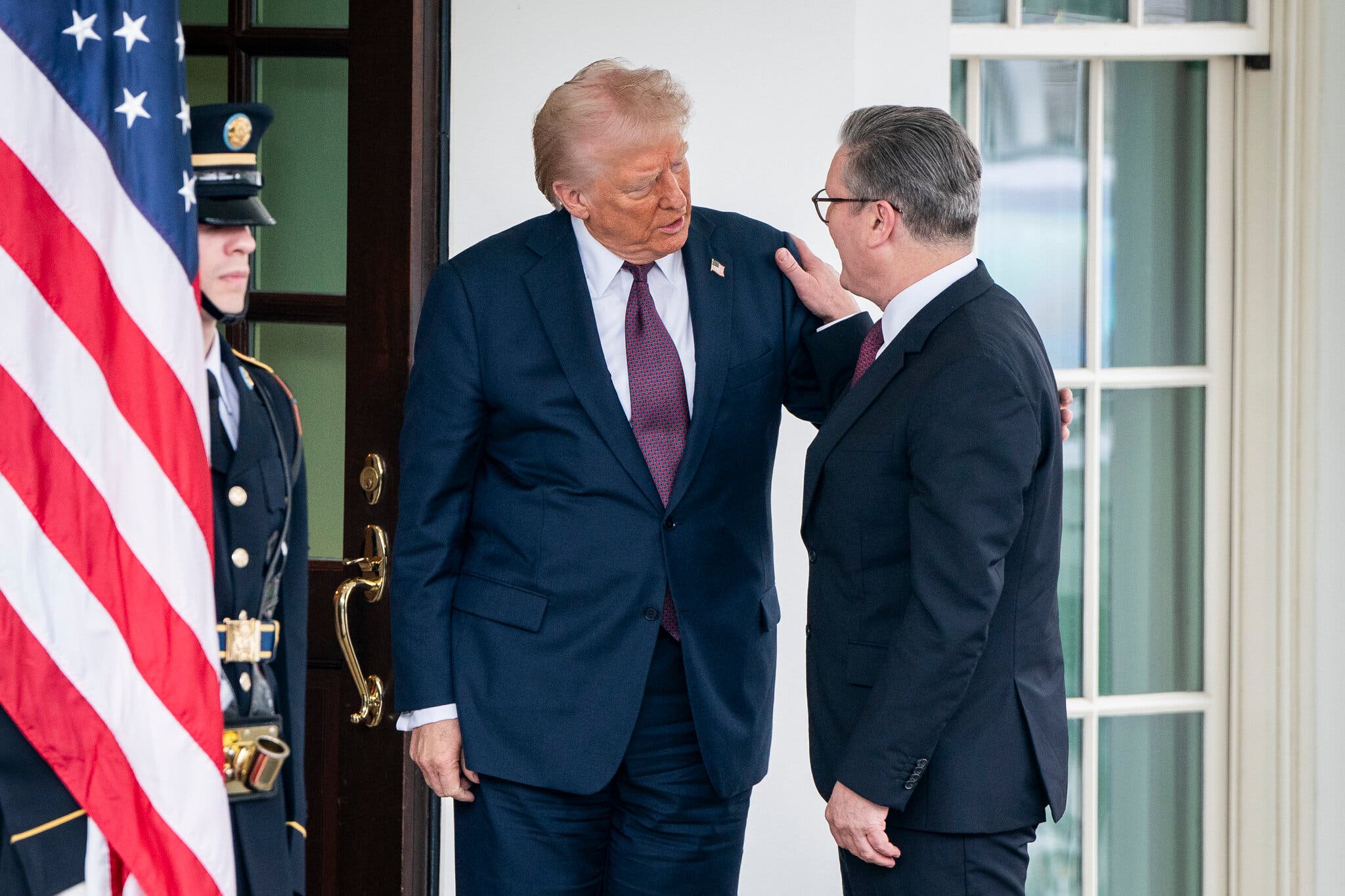
Mr. Trump’s retreat from America’s role as a security umbrella for NATO has driven Britain closer to Europe. But Britons still wrestle with the legacy of Brexit. A defense pact with the European Union, for instance, is being held up by France’s demand that Britain make concessions on fishing rights — an old chestnut from Brexit negotiations.
The longest-lasting effect of Brexit, analysts say, may have been on politics. The years of bitter debate divided and radicalized the Conservative Party, which governed from 2010 to 2024 with a patchwork of policies on immigration and trade that reflected the unwieldy coalition behind Brexit.
Some Brexiteers pushed a vision of Britain as a low-tax, lightly regulated, free-trading nation — Singapore-on-Thames, in their catchphrase. Others wanted a stronger state role in the economy to protect workers in the left-behind hinterland from open borders and the ravages of the global economy.
These contradictions resulted in policies that often seemed at odds with the message of Brexit. Britain, for example, experienced a record surge of net migration in the years after it left the European Union. The difference was that more of these immigrants were from South Asia and Africa, and fewer from Central and Southern Europe.
Brexit’s backers sold the project as a magic bullet that would solve the problems caused by a globalizing economy — not unlike Mr. Trump’s claims that tariffs would be a boon to the public purse and a remedy for the inequities of global trade. In neither case, experts said, does such a panacea exist.
“The truth is, Brexit did not correct any of the problems caused by deindustrialization,” said Tony Travers, a professor of politics at the London School of Economics. “If anything, Brexit made them worse.”
Frustrations over the economy and immigration were among the reasons that voters swept out the Conservatives in favor of Mr. Starmer’s Labour Party last year. But his government has kept grappling with these issues, as well as with the bruised aftermath of Britain’s divorce from Europe.
Mr. Trump’s MAGA coalition has some of the same ideological fault lines as the Brexiteers, pitting economic nationalists like Stephen K. Bannon against globalists like Elon Musk. That has led analysts to wonder if post-Trump politics in the United States will look a lot like post-Brexit politics in Britain.
“Brexit caused profound damage to the Conservative Party,” Professor Travers said. “It has been rendered unelectable because it is riven by factions. Will the Republican Party be similarly factionalized after Trump?”