Category: China

  • Trump’s Russian Oil Sanctions Disrupt Imports to India and China

    Trump’s Russian Oil Sanctions Disrupt Imports to India and China

    GettyImages 1240297857 2 1
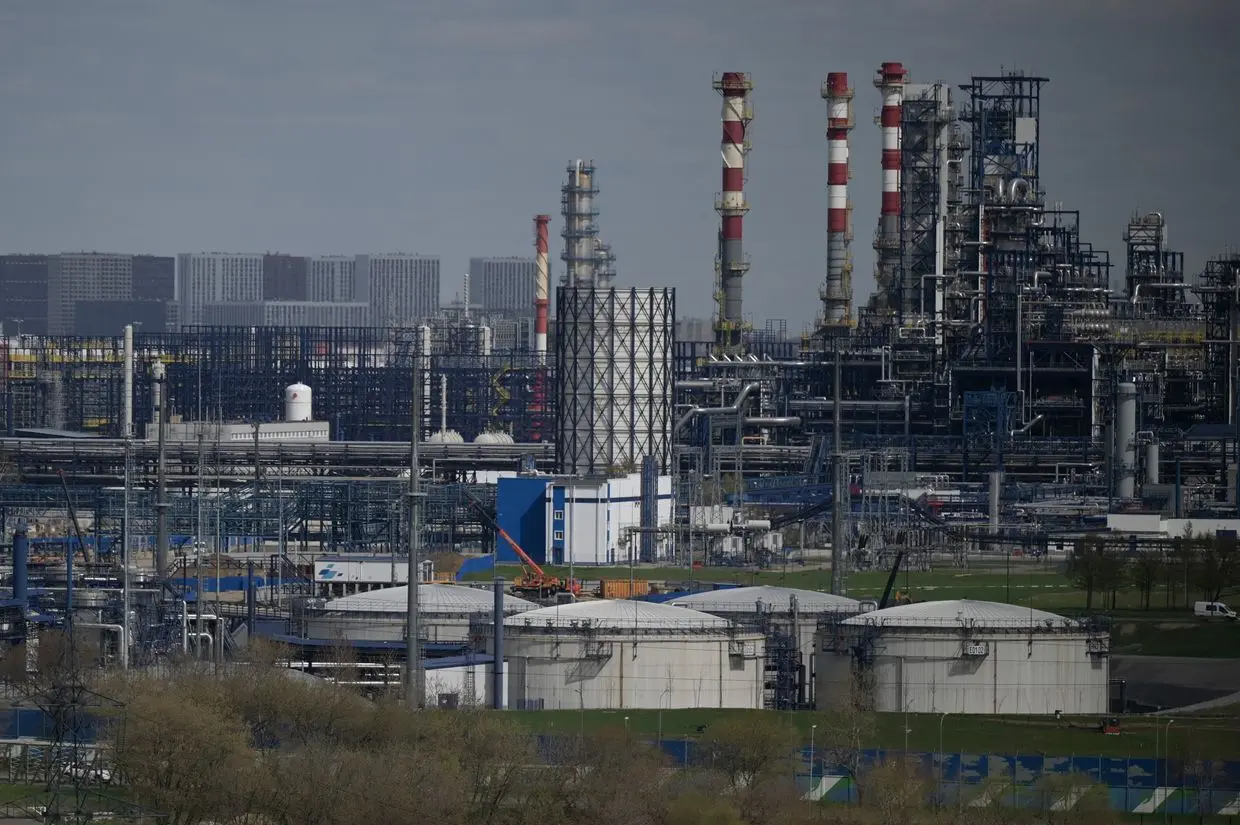
    A view shows the Russian oil producer Gazprom Neft’s Moscow oil refinery on the south-eastern outskirts of Moscow, Russia on April 28, 2022. © Natalia Kolesnikova/AFP/Getty Images

    Trump has unleashed a barrage of sanctions on Russia’s oil behemoths, Rosneft and Lukoil, sending shockwaves through global energy markets and forcing America’s key Asian trading partners—China and India—to rethink their cozy deals with Vladimir Putin’s war machine. The move, announced Wednesday amid a fresh Russian missile barrage on Kyiv that claimed seven lives including children, marks Trump’s first direct punch at Moscow’s energy lifeline since reclaiming the White House. It’s a clear signal: Enough with the empty summits and fruitless phone calls. Time for America to squeeze Putin until he sues for peace in Ukraine.

    Brent crude, the global oil benchmark, rocketed 5% Thursday to $65 a barrel, while West Texas Intermediate surged over 5% to nearly $60—reflecting traders’ bets on tighter supplies as Russia’s two largest producers, which pump out 3.1 million barrels per day and account for nearly half of Moscow’s crude exports, face isolation from Western finance. That’s a potential $100 billion annual hit to Russia’s coffers, per Bloomberg estimates, at a moment when the Kremlin’s war chest is already strained by three years of battlefield stalemates and a stumbling economy.

    Trump, speaking alongside NATO Secretary-General Mark Rutte in the Oval Office, didn’t mince words: “Every time I speak to Vladimir, I have good conversations and then they don’t go anywhere. They just don’t go anywhere.” The president scrapped a planned Budapest summit with Putin just days ago, opting instead for the sanction hammer after Moscow rebuffed his ceasefire overtures. “Now is the time to stop the killing and for an immediate ceasefire,” echoed Treasury Secretary Scott Bessent, who framed the penalties as a direct assault on the “Kremlin’s war machine.” With Rosneft—headed by Putin’s crony Igor Sechin—and the private giant Lukoil now blacklisted by the Treasury’s Office of Foreign Assets Control (OFAC), plus 36 subsidiaries frozen out of U.S. markets, Trump is betting big that choking off oil revenues will drag Putin to the table.

    This isn’t just tough talk; it’s targeted leverage. Russia’s oil and gas sector props up a quarter of its federal budget, fueling tanks, drones, and troops in Donbas. By design, the sanctions include a grace period until November 21 for global buyers to wind down deals, but the real teeth lie in secondary penalties: Any foreign bank, trader, or refinery touching Rosneft or Lukoil risks U.S. wrath, from asset freezes to SWIFT exclusions. “Engaging in certain transactions… may risk the imposition of secondary sanctions,” the Treasury warned pointedly. For Trump, it’s classic Art of the Deal—turning economic pain into diplomatic gain, much like his Gaza ceasefire triumph earlier this year.

    India Feels the Squeeze: A Trade Deal Lifeline?

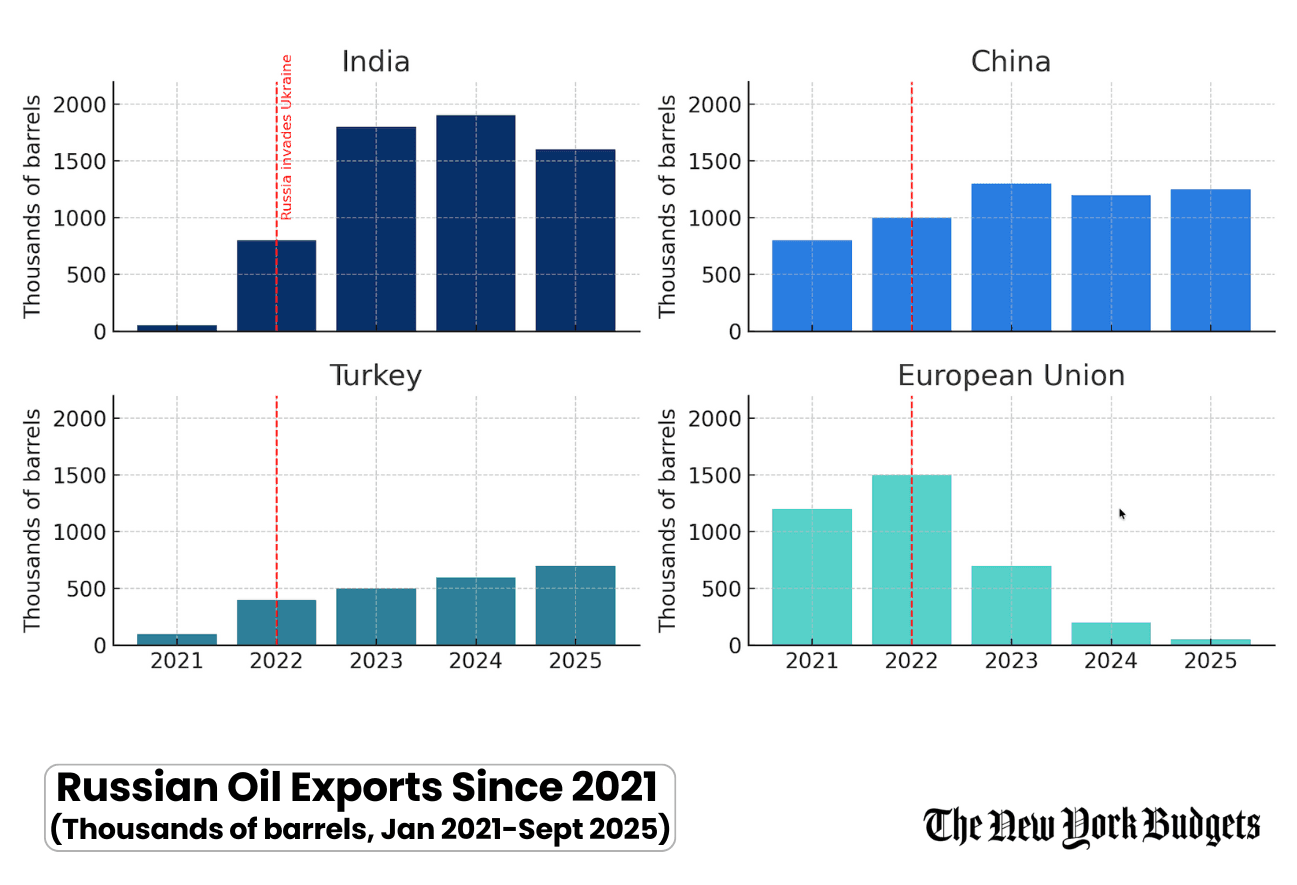
    Nowhere is the ripple more immediate than in India, where refiners are scrambling to slash Russian imports that ballooned to 1.7 million barrels per day in the first nine months of 2025—up from a negligible 0.42 million tons pre-war. “There will be a massive cut,” one industry source told Reuters Thursday, as state-run giants like Indian Oil Corp. and Bharat Petroleum pore over shipping manifests to purge any Rosneft- or Lukoil-sourced crude. Reliance Industries, India’s top private buyer and locked into long-term contracts for nearly 500,000 barrels daily from Rosneft, is “recalibrating” imports to align with New Delhi’s guidelines, a company spokesman confirmed.

    modi putin 1753683012190 1753683012417 1754011312847
    Over the past month, India, along with China and Brazil, has been at the centre of criticism from the West, mainly the US, for its purchase of Russian oil. © PTI

    This pullback couldn’t come at a better time for U.S.-India relations, strained by Trump’s 50% tariffs on Indian exports—half explicitly tied to Moscow’s oil fire sale. In a Tuesday call, Prime Minister Narendra Modi assured Trump that Delhi “was not going to buy much oil from Russia” and shares his goal of ending the Ukraine bloodbath, per White House readouts. Sources close to the talks say the sanctions could shatter a diplomatic logjam, paving the way for a bilateral trade pact that levels the playing field for American farmers and manufacturers. “We’re talking about bringing India’s tariffs in line with Asian peers,” one U.S. trade official told The Heritage Foundation’s Daily Signal on background. “Wind down the Russian crude, and we wind down the duties. It’s a win-win: India saves on overpriced alternatives, and we get fair trade.”

    Senior Indian refinery execs, speaking anonymously to Bloomberg, called the sanctions a “game-changer,” rendering direct Russian buys “impossible” amid fears of U.S. blacklisting. Exports to India hit $140 billion since 2022, but at what cost? Discounted Urals crude shielded New Delhi from energy inflation, yet it undercut Trump’s peace push and emboldened Putin. Now, with global prices spiking, Indian consumers may pay more at the pump—but the strategic upside is huge: Stronger ties with Washington, access to U.S. LNG, and a seat at the table in Trump’s post-war reconstruction bonanza for Ukraine.

    Critics in the Beltway whisper that this pressures Modi too hard, but let’s be real: India’s neutrality has been a fig leaf for profiteering off Putin’s aggression. Trump’s move forces accountability, reminding allies that America’s security umbrella isn’t free. As former U.S. Ambassador to Ukraine John Herbst put it to the BBC, these sanctions “will certainly hurt the Russian economy… It’s a good start” toward genuine negotiations.

    China’s Reluctant Retreat: Xi’s Putin Problem

    Across the border, Beijing’s state behemoths—PetroChina, Sinopec, CNOOC, and Zhenhua Oil—are hitting pause on seaborne Russian crude, Reuters reported Thursday, citing trade insiders. China, which snapped up a record 109 million tons last year (20% of its energy imports), has been Putin’s economic lifeline, laundering sanctions via “shadow fleets” of ghost tankers. No longer. The quartet’s suspension, if it sticks, signals a seismic shift: Even Xi Jinping, Putin’s “no-limits” partner, can’t ignore the U.S. financial guillotine.

    Trump, fresh off Gaza, sees this as his opening. “Xi holds influence over Putin,” he said Wednesday, vowing to press the issue at next week’s APEC summit in South Korea. No secondary tariffs on China yet—unlike India’s 25% slap in August—but the threat looms. “Will the U.S. actively threaten secondary sanctions on Chinese banks?” mused ex-State Department sanctions guru Edward Fishman on X. Short answer: Expect pullback, at minimum. Beijing’s Foreign Ministry blasted the measures as “unilateral bullying,” but actions speak louder: With Rosneft and Lukoil cut off, Chinese traders face pricier middlemen or a pivot to Saudi or U.S. barrels.

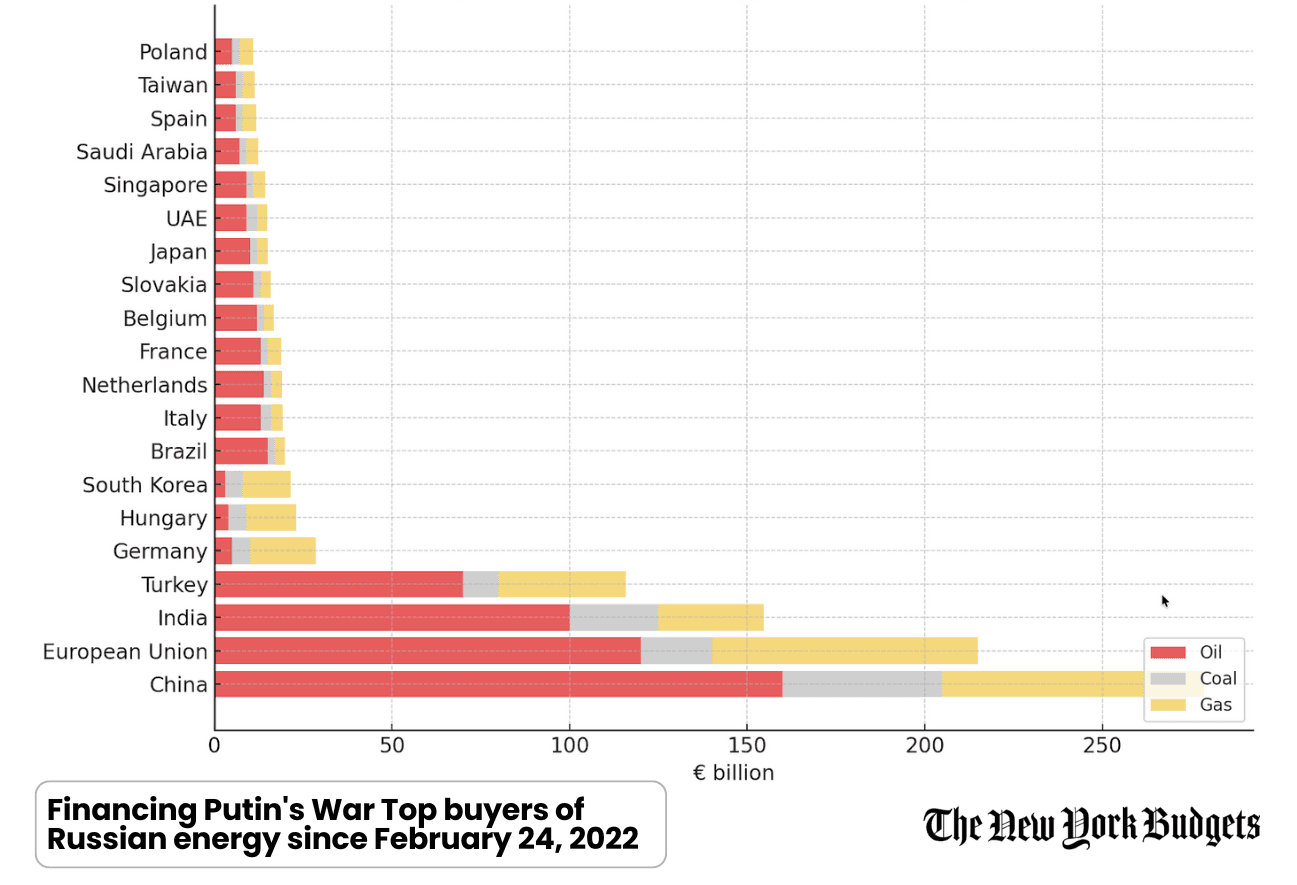
    For Russia, it’s a gut punch. China and India gobble 70% of its energy exports; losing even 20-30% could slash GDP growth from its anemic 1.5% forecast (per IMF) and force trade-offs between bombs and breadlines. “As profit margins shrink, Russia will face difficult… financing a protracted war,” notes Michael Raska of Singapore’s Nanyang Technological University. Dr. Stuart Rollo at Sydney’s Centre for International Security adds that while the sanctions won’t cripple Russia’s industrial base overnight, they “may coerce [it] into accepting peace terms” if paired with Trump’s deal-making flair.

    Putin’s Bluster Meets Economic Reality

    Vladimir Putin, ever the tsar, struck defiant Thursday: “No self-respecting country ever does anything under pressure,” he told Russian reporters, dismissing the sanctions as an “unfriendly act” that won’t dent Moscow’s resolve. Yet cracks show. He conceded “some losses are expected,” and warned of “overwhelming” retaliation if Ukraine gets U.S. Tomahawks—though that’s more theater than threat. Dmitry Medvedev, Putin’s hawkish ex-president, raged on Telegram: “The U.S. is our enemy… Trump has fully sided with mad Europe.” But even Kremlin-linked analysts like Igor Yushkov admit Asian buyers will shy away, hiking costs via shadowy intermediaries.
    21 1

    Russia’s shadow fleet—aging hulls under UAE flags—has dodged G7 caps before, sustaining flows despite EU embargoes. “New sales schemes will simply appear,” boasts military blogger Mikhail Zvinchuk. Fine, but at what price? Logistics snarls could add $5-10 per barrel, eroding the discounts that hooked India and China. With the EU mulling its 19th sanctions package—including an LNG import ban—and the UK already aboard on Rosneft/Lukoil, isolation is setting in. The Guardian reports Putin floated delaying the Budapest talks for “proper preparation,” but that’s code for stalling.

    Will this end the war? Analysts like Bill Taylor, another ex-U.S. envoy to Kyiv, call it an “indication to Putin that he has to come to the table.” It’s no silver bullet—Russia’s pivoted before, and military momentum in Donbas favors Moscow. But Trump’s calculus is sound: Freeze lines, cede nothing more, and let sanctions do the talking. “If we want Putin to negotiate in good faith, we have to maintain major pressure,” Herbst urges. Under Biden, dithering let Putin dig in; Trump’s resolve is restoring deterrence.
    22 1
    Stock Widget

    Wall Street cheered the news, with energy stocks like ExxonMobil XOM +3.00% ▲ and Chevron CVX +2.50% ▲ on prospects of higher prices and U.S. export booms. Yet Felipe Pohlmann Gonzaga, a Geneva-based trader, cautions the 5% Brent spike “will correct” amid global slowdown fears—China’s property bust, Europe’s recession. Still, for American producers, it’s manna: Permian Basin output hits 6 million barrels/day, and Trump’s LNG push could flood Asia, undercutting Russia’s Urals at $55-60.

    The EU’s frozen Russian assets—$300 billion—now fund a fresh Ukraine loan, per Brussels talks. And as Trump eyes a “cut the way it is” armistice, preserving Zelenskyy’s gains without endless aid, taxpayers win too. No more blank checks; just smart pressure.

    In this high-stakes energy chess game, Trump’s sanctions aren’t just hurting Russia—they’re realigning alliances, punishing enablers, and clearing the board for peace. Putin may bluster, but with India and China peeling away, his war of attrition is cracking. As Trump heads to APEC, the message to Xi and Modi is clear: Join the winning side, or pay the premium. America’s back in the driver’s seat, and the pump prices? A small price for freedom.
  • Trump Imposes 100% Tariff on China Over Rare-Earth Restrictions

    Trump Imposes 100% Tariff on China Over Rare-Earth Restrictions

    defense seligman rareearth lead
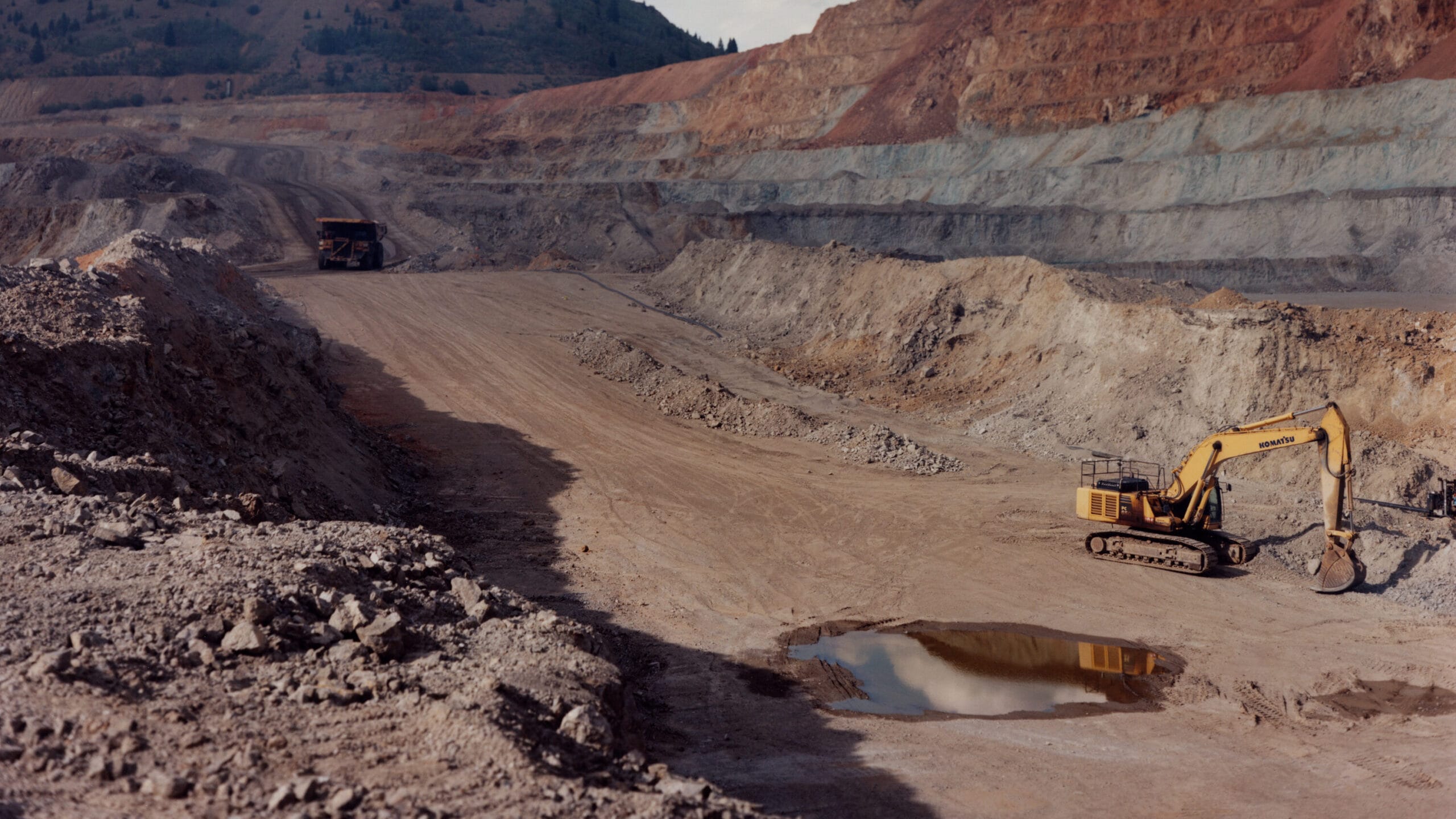
    China Dominates the Rare Earths Market. This U.S. Mine Is Trying to Change That. © Bridget Bennett for Poltico

    President Donald Trump announced on Friday that the United States will slap an additional 100% tariff on all Chinese imports starting November 1, on top of existing duties, while imposing sweeping export controls on “any and all critical software.” The move, framed as retaliation for Beijing’s recent tightening of export restrictions on rare earth elements, sent shockwaves through global markets, wiping out nearly $2 trillion in stock value and reigniting fears of a full-blown decoupling between the world’s two largest economies. With bilateral trade already strained by springtime tariff spikes that peaked at 145% on U.S. goods into China, Trump’s latest salvo—potentially pushing effective rates above 130%—threatens to upend supply chains for everything from semiconductors to electric vehicles, at a time when the global rare earth market is forecasted to exceed $6 billion annually by decade’s end.

    Trump’s announcement, delivered via a series of fiery Truth Social posts and reiterated during an Oval Office press availability, accused China of a “sinister and hostile” strategy to hold the world “hostage” through its dominance in rare earths—a group of 17 metals vital for high-tech manufacturing, defense systems, and green energy technologies. “It is impossible to believe that China would have taken such an action, but they have, and the rest is History,” Trump wrote, vowing that the tariffs could arrive “sooner” if Beijing escalates further. He also hinted at broader U.S. countermeasures, including restrictions on airplane parts and other exports, noting China’s reliance on Boeing components. The president stopped short of confirming the cancellation of his planned meeting with Chinese President Xi Jinping at the Asia-Pacific Economic Cooperation (APEC) summit in South Korea later this month, but earlier posts declared “no reason” for the sit-down, citing the “extraordinarily aggressive” timing of China’s moves—just days after a U.S.-brokered Middle East ceasefire.

    Beijing’s Rare Earth Gambit: A Calculated Squeeze on Global Supply Chains

    China’s actions, unveiled by the Ministry of Commerce on October 9, mark a significant hardening of its position in the ongoing trade skirmishes. Under “Announcement Number 61 of 2025,” Beijing expanded export licensing requirements to cover products containing more than 0.1% of rare earth elements sourced from China, even if manufactured abroad, effectively barring unlicensed shipments to foreign defense and semiconductor firms starting December 1. The curbs now encompass 12 of the 17 rare earths, including newly added holmium, erbium, thulium, europium, and ytterbium, alongside technologies for extraction, refining, and magnet production. Additional restrictions on lithium-ion batteries, graphite cathodes, and artificial diamonds take effect November 8.

    These measures build on decades of state-backed dominance: China controls 61% of global rare earth mining and a staggering 92% of refining capacity, per the International Energy Agency, fueled by subsidies that have undercut competitors worldwide. Rare earths are indispensable for neodymium-iron-boron magnets in EV motors, fighter jet engines, and smartphone vibrators—sectors where U.S. firms like Tesla, Lockheed Martin, and Apple are heavily exposed. Analysts at the Center for Strategic and International Studies warn that the restrictions could disrupt U.S. defense supply chains, echoing 2010 when Beijing briefly cut off exports to Japan over territorial disputes. “This isn’t just trade policy; it’s economic warfare aimed at critical vulnerabilities,” said Dr. Elena Vasquez, a trade economist at the Peterson Institute for International Economics.

    The timing appears deliberate, coming amid fragile progress in U.S.-China talks. After tit-for-tat hikes earlier this year drove tariffs to extreme levels—145% on U.S. imports to China and 125% in reverse—the two sides agreed in May to slash rates to 30% and 10%, respectively, pausing 24% of levies until November 10. Positive negotiations in Switzerland and the U.K. had raised hopes for a broader deal, but Beijing’s rare earth letter—sent to trading partners worldwide—has derailed that momentum. Trump decried it as a “moral disgrace” and a long-planned “lie in wait,” while posts on X from industry insiders echoed the surprise: “China’s rare earth curbs hit like a gut punch—right when talks were thawing,” one analyst tweeted.

    Trump’s response was swift and unyielding. In his initial Truth Social broadside, he lambasted Beijing for “clogging global markets” and provoking “trade hostility” that has drawn ire from allies like the EU and Japan. The 100% tariff—layered atop the current 30% effective rate on $438.9 billion in annual Chinese imports—could add $439 billion in costs to U.S. businesses and consumers if fully implemented, according to Wells Fargo economists. Coupled with export controls on critical software—potentially targeting AI tools, cybersecurity suites, and enterprise systems from firms like Microsoft and Oracle—the measures aim to mirror China’s leverage in minerals with America’s edge in tech.

    During a White House meeting on drug pricing, Trump doubled down, telling reporters the curbs were “shocking” and “very, very bad,” affecting “all countries without exception.” He floated expanding restrictions to “a lot more” items, including aviation parts, given China’s fleet of over 1,000 Boeing aircraft. On the Xi summit, Trump hedged: “I don’t know if we’re going to have it… but I’m going to be there regardless.” Earlier, he had signaled outright cancellation, writing, “now there seems to be no reason to do so.” Beijing has yet to respond formally, but state media like Global Times called the tariffs “economic bullying,” while separately imposing port fees on U.S. ships in retaliation for American “discriminatory” docking charges.

    The broader U.S.-China economic ties add layers of complexity. Last year, China ranked as the third-largest U.S. trading partner, with a $295.4 billion deficit. Ongoing flashpoints include TikTok’s U.S. operations—requiring Beijing’s blessing for a ByteDance divestiture—and visa restrictions on Chinese students. Trump’s moves could jeopardize these, even as they bolster his domestic base ahead of midterms.

    Market Mayhem: Stocks Plunge, Safe Havens Surge Amid Trade Fears

    Inline Market Movers

    Wall Street’s reaction was visceral. The S&P 500 .SPX -2.70% ▼ cratered 2.7% on Friday, shedding Dow Jones Industrial Average .DJI -2.25% ▼ 878 points, while the Nasdaq Composite .IXIC -3.60% ▼—its worst day since March—as tech giants like Nvidia NVDA -6.00% ▼ and Apple AAPL -4.00% ▼, reliant on Chinese rare earths for chips and devices, bore the brunt. The sell-off erased $1.9 trillion in market cap, with X users dubbing it “the day markets fell” amid a “perfect storm” of U.S. shutdown fears, tariff threats, and Fed signaling confusion. Crypto markets fared worse: Bitcoin BTC -7.50% ▼, Ethereum ETH -12.00% ▼, and liquidations hit $19 billion, per SoSoValue data, as leveraged longs unwound en masse.

    Safe havens rallied. Gold surged 2.1% to $2,650 per ounce, while U.S. rare earth miners like MP Materials jumped 8%, buoyed by prospects of domestic substitution. Globally, the Shanghai Composite dipped 1.9%, and the Hang Seng fell 2.4%, reflecting spillover risks. Semiconductor firms like ASML braced for fallout, with shares down 4.2%, as China’s curbs threaten the $500 billion chip industry’s raw materials.

    Economists warn of deeper scars. The global rare earth market, valued at $3.95 billion in 2024, is projected to hit $6.28 billion by 2030 at an 8% CAGR, driven by EV and renewable demand—but tariffs could inflate prices 20-30%, per Grand View Research. U.S. consumers might face $1,000 annual household cost hikes, akin to 2018’s trade war, while exporters like Boeing could lose $10 billion in orders. “This risks a vicious cycle: higher costs, slower growth, and fragmented innovation,” said JPMorgan’s Michael Feroli.

    Economic Stakes: From EVs to National Security

    The rare earth flashpoint underscores the trade war’s evolution from tariffs to strategic chokepoints. China’s monopoly—forged through subsidies and lax environmental rules—has long irked Washington, prompting the CHIPS Act’s $52 billion in domestic incentives. Yet, U.S. refining capacity remains nascent, covering just 15% of needs. Trump’s software controls, meanwhile, target China’s AI ambitions, potentially stalling Huawei and Baidu’s advancements.

    For Beijing, the curbs safeguard “national security,” but they invite blowback. Exports of rare earths generated $5.2 billion last year; restrictions could shave 2% off GDP growth if retaliation spirals, per Oxford Economics. Allies like Australia and Canada, ramping up mines, stand to gain, but short-term disruptions loom for Europe’s auto sector, where 40% of EV magnets are Chinese-sourced.

    X chatter reflects the angst: “Trump’s tariff nukes markets—China’s rare earth play was checkmate,” one trader posted, while another quipped, “Trade war 2.0: Now with extra monopoly drama.” Broader ripple effects include a 0.5% hit to U.S. GDP in 2026, per Federal Reserve models, and stalled WTO reforms.

    As November 1 looms, the onus falls on diplomacy—or its absence. Trump’s APEC attendance keeps the Xi channel ajar, but observers like Al Jazeera’s Ahmed Fouad doubt a breakthrough: “Beijing’s holding aces in minerals; Washington in tech—stalemate seems likely.” A Reuters analysis pegs escalation odds at 60%, potentially costing $500 billion in lost trade.

    For businesses, the message is clear: Diversify now. “Potentially painful” in the short term, Trump insists, but “very good… for the U.S.A.” in the end. Yet, as markets reel and supply chains fray, the world watches a high-stakes poker game where both players hold loaded dice—and rare earths are the wild card.

  • Xi Demands U.S. Opposition to Taiwan Independence in Talks With Trump

    Xi Demands U.S. Opposition to Taiwan Independence in Talks With Trump

    1x 1
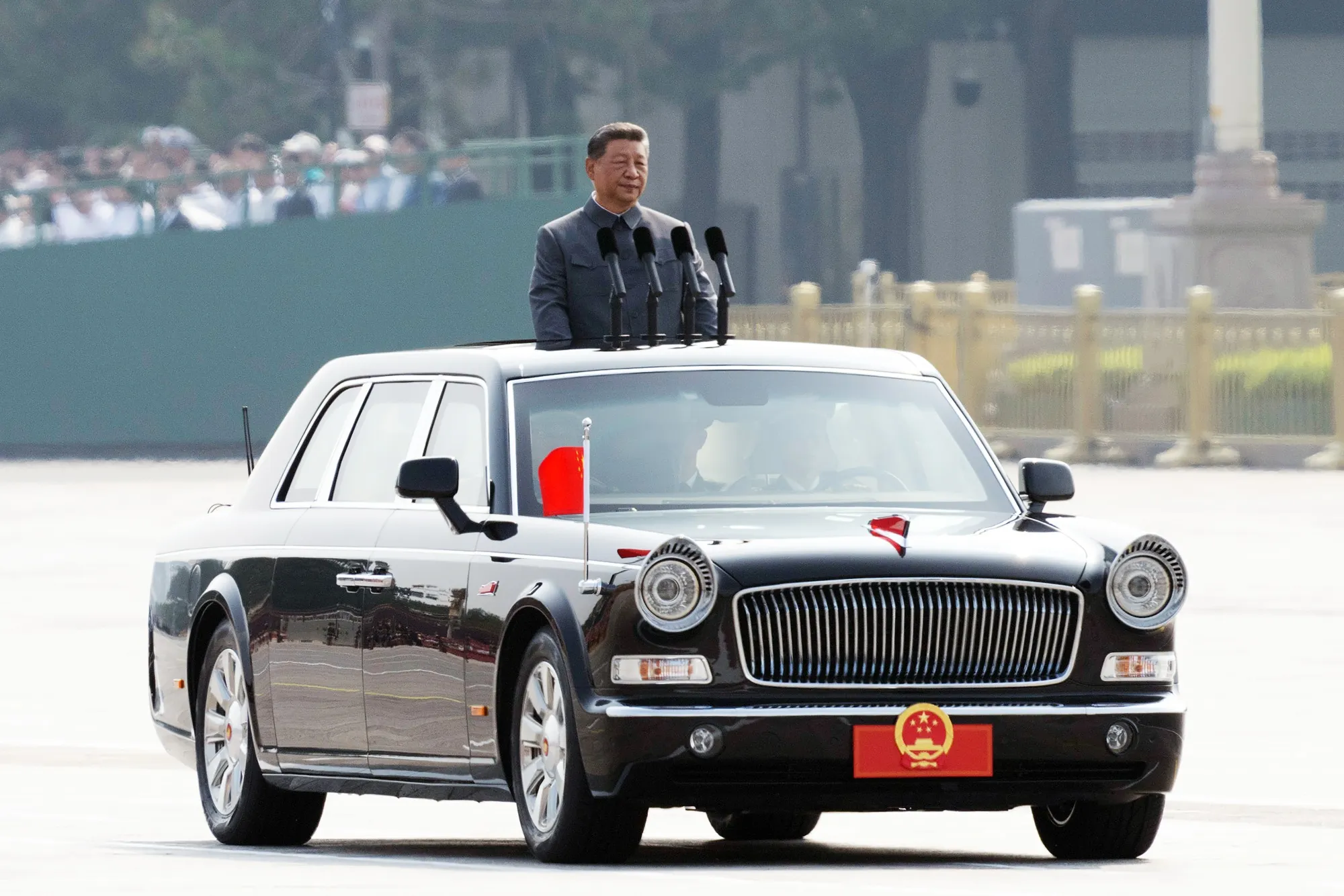
    Xi Jinping, China’s president. © Qilai Shen/Bloomberg

    In a bold and aggressive move that underscores Beijing’s relentless ambition to dominate the Indo-Pacific, Chinese President Xi Jinping is reportedly maneuvering to extract a major concession from President Donald Trump: a formal U.S. declaration opposing Taiwan’s independence. This push, revealed in recent reports, exploits Trump’s focus on securing a robust trade deal with China, potentially at the expense of America’s longstanding commitment to the democratic island nation that stands as a bulwark against communist expansionism.

    Xi, who has made “reunification” with Taiwan a cornerstone of his authoritarian “China Dream” since seizing power in 2012, sees the upcoming high-stakes meetings with Trump as his golden window to erode U.S. support for Taipei. According to sources familiar with the matter, Beijing has urged the Trump administration to shift from the Biden-era phrasing that the U.S. “does not support” Taiwan independence to a stronger stance explicitly “opposing” it – a semantic change with profound implications that could embolden China’s military adventurism and undermine Taiwan’s sovereignty. This would mark a diplomatic triumph for Xi, aligning Washington more closely with Beijing’s narrative that Taiwan is a breakaway province destined for absorption, by force if necessary.

    The Trump administration has yet to decide on this demand, which sits amid a laundry list of Chinese asks under review. But conservatives in Washington are sounding the alarm, warning that any capitulation would signal weakness and betray America’s allies. Former National Security Advisor John Bolton blasted the idea on X, stating, “Recent reports confirm Xi Jinping is going to leverage trade negotiations with Trump to push the U.S. to abandon our position on Taiwan independence. This is exactly what I warned against last week.” Bolton’s concerns echo his earlier criticism of the administration’s decision to withhold over $400 million in military aid to Taiwan this summer amid trade talks, a move that raised eyebrows about prioritizing economic deals over deterring Chinese aggression.

    Trump, known for his art-of-the-deal negotiating style, has so far played his cards close, avoiding explicit commitments to defend Taiwan in the event of a Chinese invasion to preserve leverage. In August, he revealed that Xi had assured him China would not invade during his presidency, adding cryptically, “China is very patient.” Yet, recent actions – including denying Taiwanese President Lai Ching-te a routine U.S. transit stop and delaying arms deliveries – have fueled speculation that trade priorities might be overshadowing security pledges, prompting unease in both Washington and Taipei.

    53fb6a0711c0ad6da05c36f7ea631fdb

    The U.S. maintains its “One China” policy, acknowledging Beijing’s claims without endorsing them, and emphasizes opposition to any unilateral changes to the status quo across the Taiwan Strait. A State Department spokesperson reiterated to reporters, “We have long stated that we oppose any unilateral changes to the status quo from either side. China presents the single greatest threat to peace and stability in the Taiwan Strait.” This stance was bolstered earlier this year when the department removed Biden-era language explicitly not supporting independence, a tweak praised by Taiwan but met with fury from Beijing.

    Xi’s strategy is clear: capitalize on Trump’s desire for a trade win following the recent TikTok agreement, which kept the app operating in the U.S. under American ownership. The leaders have a slate of engagements lined up, including a face-to-face at next month’s Asia-Pacific economic summit in South Korea, Trump’s potential visit to Beijing in early 2026 – a diplomatic coup for Xi – and Xi’s reciprocal trip to the White House later that year, contingent on progress on trade and fentanyl curbs.

    Experts warn this is classic Chinese Communist Party tactics: incremental gains to erode U.S. resolve. Evan Medeiros, a former U.S. national security official, told reporters, “Driving a wedge between Washington and Taipei is the holy grail of the Taiwan problem for Beijing. It would undermine Taiwan’s confidence and increase Beijing’s leverage over Taipei.” Yun Sun of the Stimson Center added, “No U.S. policy change on Taiwan will happen overnight. But China will push persistently to inch forward – and in the process, undermine Taiwan’s confidence in U.S. commitment.”

    From Taiwan’s vantage point, these developments are alarming but not insurmountable. A senior Taiwanese national security official, speaking anonymously, dismissed Beijing’s ploy: “China’s attempts to exploit political transitions in the US to create a ‘strategic gap’ would not succeed, as they disregard Washington’s established strategic policy on Taiwan.” Taiwan’s Foreign Minister Lin Chia-lung recently appealed for U.N. recognition of Taiwan’s sovereignty, arguing it’s time for the world to “leave no one behind” by embracing Taiwan’s contributions. Taipei remains confident in its U.S. ties, viewing a strong Taiwan as essential to Indo-Pacific stability.

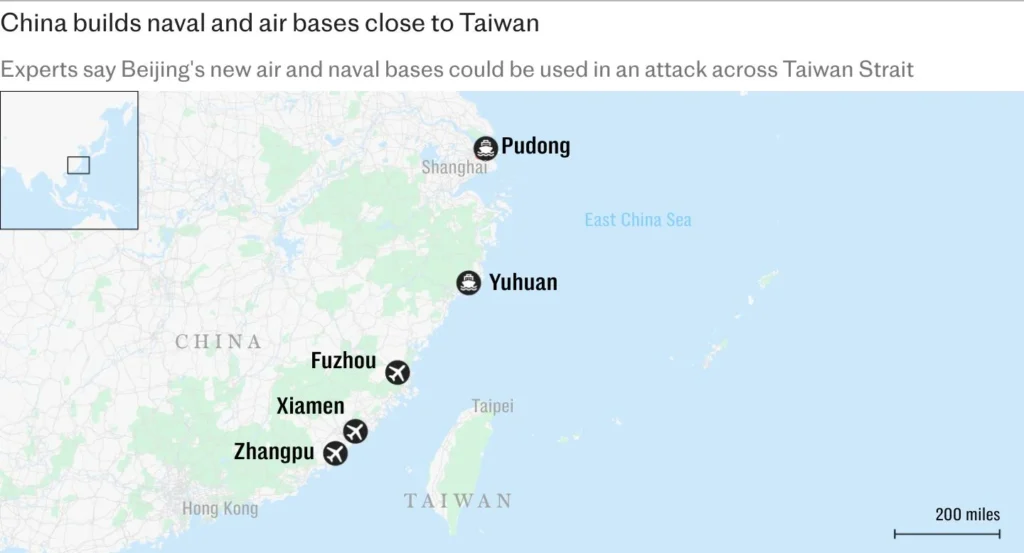
    Meanwhile, China’s military saber-rattling intensifies. Beijing has ramped up war games in the Taiwan Strait, claiming jurisdiction over the 110-mile waterway. Leaked documents reveal Moscow is aiding Xi’s preparations, agreeing to train Chinese paratroopers and supply vehicles for a potential aerial assault, with Western intelligence estimating Beijing could be invasion-ready by 2027. Chinese Embassy spokesman Liu Pengyu stonewalled inquiries, reiterating, “China firmly opposes any form of official exchanges or military ties” between the U.S. and Taiwan.

    Right-leaning voices argue this is no time for concessions. Trump, who championed America First policies, should stand firm against Xi’s coercion, prioritizing deterrence over deals that could embolden a regime hell-bent on regional hegemony. As Bolton warned, trading away Taiwan’s security for short-term economic gains risks long-term catastrophe, echoing the appeasement pitfalls of the past. With global stocks rising amid bets on U.S. rate cuts, the real stakes are geopolitical: Will America hold the line against communist aggression, or blink in the face of Beijing’s bluster?