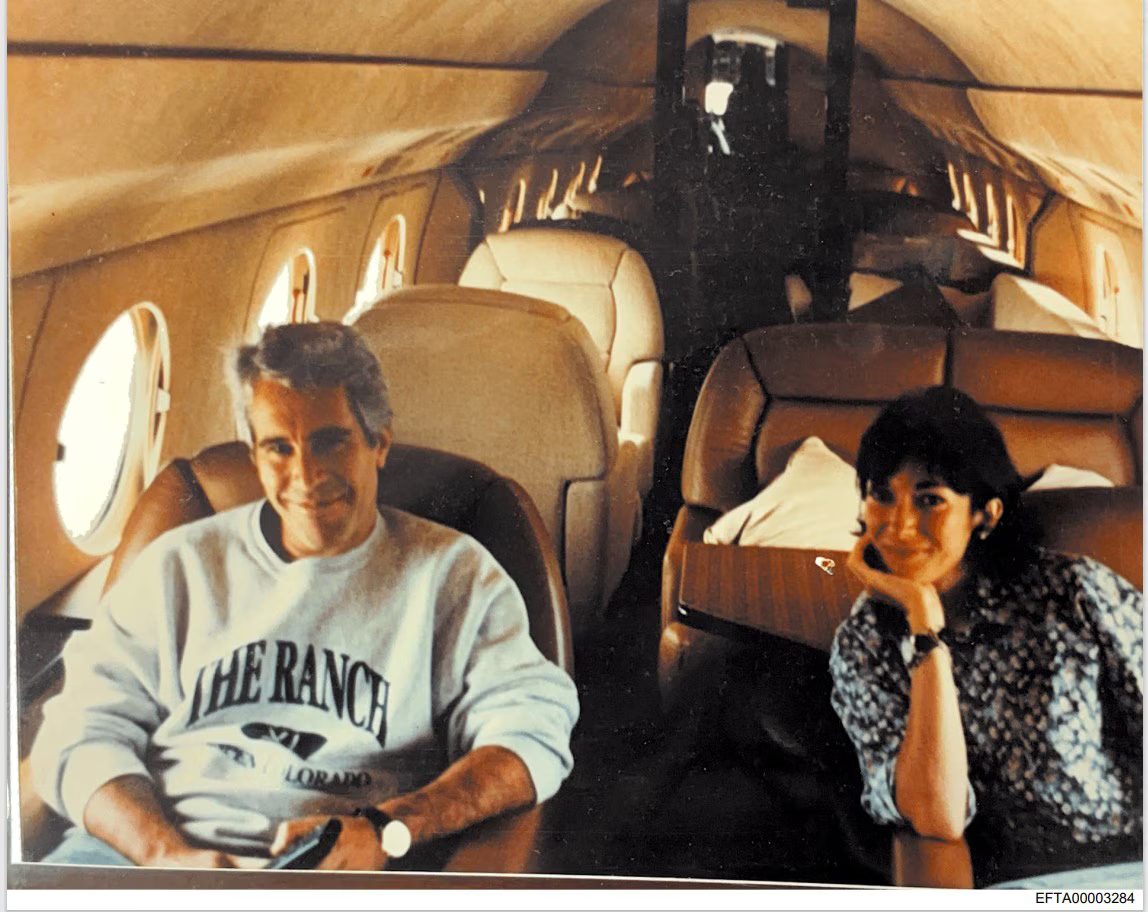
Ghislaine Maxwell, the convicted enabler in Jeffrey Epstein’s web of exploitation, stonewalled the House Oversight Committee on Monday, invoking her Fifth Amendment rights and refusing to utter a word beyond prepared deflections. Appearing via videoconference from her Texas prison camp in a khaki jumpsuit, Maxwell’s deposition lasted under an hour, leaving lawmakers fuming and the public no closer to unraveling the full scope of Epstein’s elite circle—a network heavy with rich-rooted influencers whose shadows still loom over American power structures.
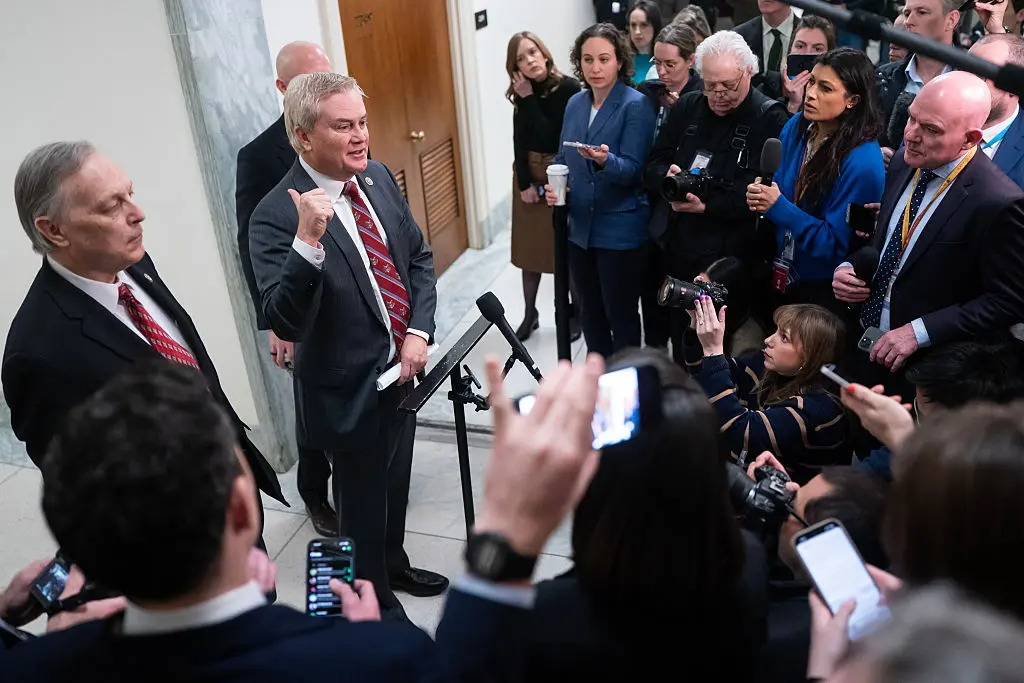
Committee Chairman James Comer (R-Ky.) called it “very disappointing,” lamenting missed chances to probe Epstein’s crimes and “potential co-conspirators.” Democrats like Rep. Robert Garcia (D-Calif.) accused her of “protecting” unnamed figures, but their outrage rings hollow amid their party’s own ties to the scandal-plagued Clintons.

Maxwell’s attorney, David Oscar Markus, teased a bombshell: full testimony if President Donald Trump grants clemency. “Only she can provide the complete account,” Markus said, hinting it could clear Trump and Bill Clinton—both denying involvement—while noting “some may not like what they hear.”
This dangle feeds into the “nation under blackmail” theory: Epstein’s operation, with its high-society lures, may have ensnared leaders in compromising positions, holding America hostage to hidden leverage. Trump, who once wished Maxwell “well” and hasn’t ruled out a pardon, draws mixed views—pro for pushing file releases, anti for flirting with leniency that could whitewash the mess.
Republicans like Rep. Anna Paulina Luna (R-Fla.) blasted the idea: “No clemency and no mercy for child predators.” Democrats, meanwhile, cry foul over Maxwell’s prison transfer after a DOJ interview clearing Trump, ignoring Clinton’s deeper Epstein links.
The session followed the Justice Department’s unredacted file release to lawmakers, mandated by the Epstein Files Transparency Act from Reps. Thomas Massie (R-Ky.) and Ro Khanna (D-Calif.). Rep. Jamie Raskin (D-Md.) accused a “cover-up,” but heavy redactions persist, fueling suspicions of elite protection. Epstein, who died by suicide in 2019 amid sex trafficking charges, pleaded guilty in 2008 to soliciting a minor. Maxwell, convicted in 2021, appeals her 20-year sentence.
Upcoming Clintons’ testimonies on Feb. 26-27 could expose more, but expect partisan theater—Republicans dodging internal rifts, Democrats shielding their icons. In a nation possibly blackmailed by such scandals, Maxwell’s silence speaks volumes.


Leave a Reply