February 5, 2026 – Washington, D.C. – In a bold push to streamline the federal bureaucracy and ensure alignment with executive priorities, the Trump administration is advancing a long-awaited regulation that could make it significantly easier to dismiss up to 50,000 career federal employees. The move, which revives a concept first floated during President Donald Trump’s first term, aims to reclassify high-ranking policy-influencing positions into a new category stripped of traditional civil service protections, allowing for quicker removals based on performance or policy execution.
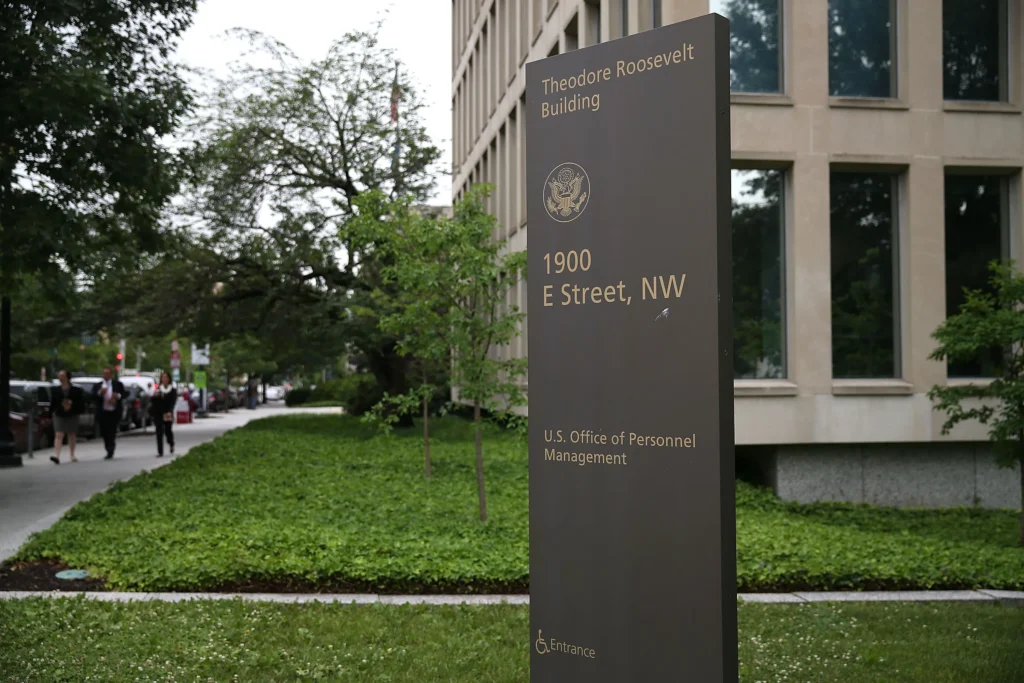
The U.S. Office of Personnel Management (OPM) is set to finalize a rule creating what it’s calling “Schedule Policy/Career,” a designation for senior roles involved in policy-determining, policymaking, or policy-advocating functions. This category, affecting roughly 2% of the federal workforce, would exempt these employees from the cumbersome procedural safeguards that have long made firing federal workers a protracted ordeal. According to insiders familiar with the matter, the regulation cleared its White House review late last week, paving the way for imminent publication in the Federal Register—a key step toward implementation.
This initiative isn’t new; it echoes Trump’s 2020 executive order establishing “Schedule F,” which sought to address what the administration views as an entrenched “deep state” resistant to presidential directives. That order was swiftly rescinded by President Joe Biden in 2021, but Trump reinstated it on his first day back in office in January 2025, with modifications including the name change to avoid past legal pitfalls. OPM’s draft rule, released last April, estimated the impact on up to 50,000 positions, focusing on those where employees wield significant influence over policy outcomes.
From a right-of-center perspective, this is a welcome crackdown on government bloat. Trump has repeatedly argued that the federal government is inefficient and overstaffed, with career bureaucrats often prioritizing job security over taxpayer value. “This effort ensures taxpayer dollars support a workforce that delivers efficient, responsive and high-quality services,” OPM Director Scott Kupor stated last month, emphasizing the need to hold underperformers accountable. Supporters see it as draining the swamp—removing obstacles to bold reforms in areas like immigration enforcement, energy deregulation, and economic policy.
Critics, including federal employee unions and Democratic lawmakers, decry the move as a thinly veiled loyalty purge. They argue it undermines the merit-based civil service system established over a century ago to prevent politicization of government roles. “This amounts to a loyalty test for federal workers, threatening the jobs of those who aren’t Trump supporters,” said representatives from groups like the National Treasury Employees Union. Lawsuits are already brewing, with challenges filed as early as January 2025 against the related executive order, and more expected upon the rule’s finalization.
The administration counters that the rule is narrowly tailored to address “poor job performance or unwillingness to execute the administration’s policy agenda.” OPM officials have highlighted frustrations from agency supervisors who report “great difficulty removing employees for poor performance or misconduct.” Under current laws, firing a federal employee can involve lengthy appeals to the Merit Systems Protection Board (MSPB), often dragging on for months or years. The new category would shift these roles to “at-will” status, similar to political appointees, enabling expeditious terminations without such hurdles.
This fits into Trump’s broader agenda of shrinking the federal footprint. In his second term, the administration has already taken aggressive steps, including reductions in force (RIFs) at various agencies. By October 2025, approximately 300,000 federal employees had exited the workforce—about 12.5% of the total—through layoffs, voluntary resignations, and attrition. Notable cuts have hit departments like Health and Human Services (HHS), which laid off 10,000 employees in April 2025, leading to a 25% staff reduction overall. Even science agencies haven’t been spared, with thousands trimmed through deferred resignations and targeted probationary reviews.
A new executive order last week further tightens the screws on probationary employees, requiring managerial sign-off for permanent status rather than automatic conversion. This, combined with Schedule Policy/Career, signals a comprehensive overhaul aimed at injecting accountability into a system long criticized for insulating mediocrity.
Most Read in US Politcs
While left-leaning outlets portray this as authoritarian overreach, the reality is more pragmatic: Federal employment has ballooned, with staff often outlasting multiple administrations and embedding policies contrary to voter mandates. Trump’s first-term experiences, marked by leaks and resistance, underscored the need for such reforms. As he stated on social media, the rule will “allow agencies to quickly remove employees from critical positions who engage in misconduct, perform poorly, or undermine the democratic process by intentionally subverting presidential directives.”
The proposed rule explicitly prohibits hiring or firing based on political affiliation, addressing concerns of discrimination. Yet, opponents fear it could chill dissent, turning nonpartisan experts into yes-men. Public comments on the April draft numbered nearly 4,000, many lambasting it on ethical grounds. Legal battles may delay implementation, as seen with a federal judge’s pause on similar actions at agencies like the Consumer Financial Protection Bureau (CFPB) last year.
Still, for conservatives weary of endless bureaucracy, this is progress. It empowers elected leaders to enact the will of the people without sabotage from within. As Trump transitions into his second year, expect more such efficiency drives—potentially reshaping the federal government for generations.


2 Comments
Pingback: Exclusive | Elon Musk Announces SpaceX and xAI Merger, Citing AI Expansion Into Space
Pingback: Trump Introduces TrumpRx.gov as Part of Drug Pricing Reform Effort