WASHINGTON – In a triumph of American diplomacy and unyielding resolve, President Donald Trump has brokered a historic breakthrough between Israel and Hamas, securing agreement on the first phase of a comprehensive peace plan that promises the release of all remaining hostages held in Gaza and a long-overdue ceasefire in the war-torn enclave.
Announced late Wednesday on Truth Social, the deal – hammered out in the sun-baked halls of Sharm El-Sheikh, Egypt – stands as a testament to Trump’s deal-making prowess, where previous administrations’ hand-wringing gave way to his bold 20-point blueprint for Middle East stability.
“I am very proud to announce that Israel and Hamas have both signed off on the first Phase of our Peace Plan,” Trump declared in a midnight post, his words crackling with the optimism of a man who promised – and is delivering – peace through strength. “This means that ALL of the Hostages will be released very soon, and Israel will withdraw their Troops to an agreed upon line as the first steps toward a Strong, Durable, and Everlasting Peace.
All Parties will be treated fairly! This is a GREAT Day for the Arab and Muslim World, Israel, all surrounding Nations, and the United States of America, and we thank the mediators from Qatar, Egypt, and Turkey, who worked with us to make this Historic and Unprecedented Event happen. BLESSED ARE THE PEACEMAKERS!”
The agreement, set for formal signing in Egypt on Thursday, October 9, 2025, envisions Hamas freeing the estimated 20 living hostages and the remains of over two dozen others – victims of the barbaric October 7, 2023, terror rampage that slaughtered 1,200 Israelis and ignited a conflict that has claimed more than 66,000 Palestinian lives, according to Gaza’s Hamas-run health ministry. In exchange, Israel will release nearly 2,000 Palestinian prisoners, including 250 serving life sentences, and pull back troops to a pre-agreed line, allowing a surge of humanitarian aid into the devastated strip – a move that pauses the Israeli Defense Forces’ (IDF) operations in Gaza City while preserving Israel’s ironclad right to self-defense.
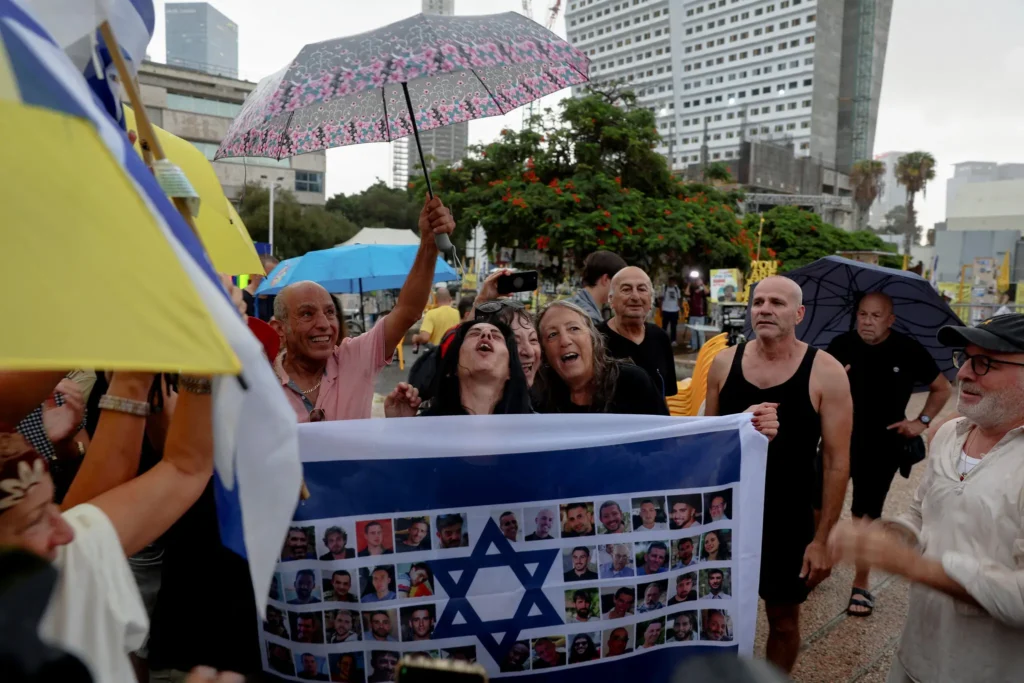
Israeli Prime Minister Benjamin Netanyahu, whose government faces a Thursday cabinet vote to ratify the accord, hailed it as “a great day for Israel” in a Telegram post, pledging to “convene the government tomorrow to approve the agreement and bring all our dear hostages home.” “With the help of the Almighty, together we will continue to achieve all our goals and expand peace with our neighbors,” he added, crediting the IDF’s relentless pressure – not weak-kneed negotiations – for forcing Hamas to the table.
Even as hardliners like Finance Minister Bezalel Smotrich decry the plan as a “tragedy” echoing the failed Oslo Accords, broad swaths of Israel’s political spectrum, from centrist Yair Lapid to nationalist Avigdor Lieberman, have rallied behind it, with hostage families tearfully calling it a “historic turning point” after two years of agony.
Hamas, the Iran-backed terror outfit designated by the U.S. and EU, issued a rare nod to Trump in its Telegram statement, appreciating “the efforts of US President Donald Trump” alongside mediators Qatar, Egypt, and Turkey for “ending the war on Gaza, ensuring the withdrawal of the occupation forces, allowing the entry of aid, and facilitating a prisoner exchange.” Yet, in a reminder of the group’s duplicitous nature, it vowed to “never relinquish our people’s national rights until freedom, independence, and self-determination are achieved,” while urging guarantors to “compel the occupation government to fully implement its obligations.” Qatar’s foreign ministry confirmed the pact covers “all the provisions and implementation mechanisms of the first phase,” with details forthcoming.

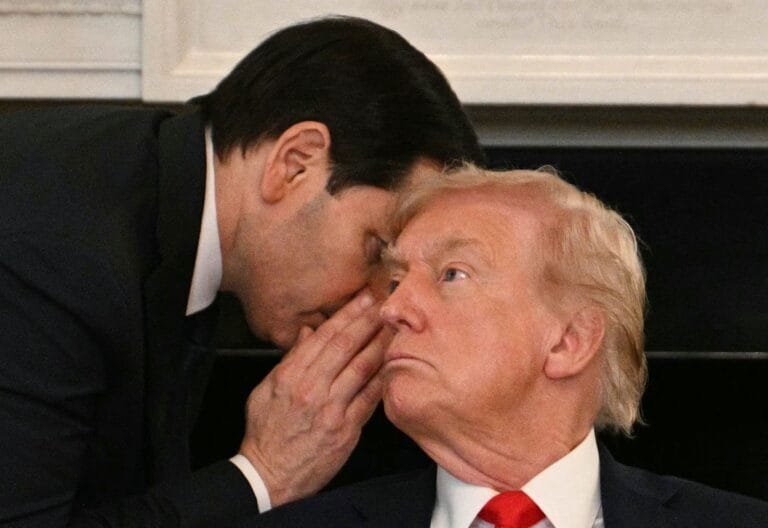
From the White House, the drama unfolded like a scene from Trump’s reality-TV playbook. During a roundtable on Antifa threats – a nod to the domestic chaos sown by leftist radicals – Secretary of State Marco Rubio slipped the president a note: Deal imminent. “We’re very close to a deal in the Middle East, and they’re going to need me pretty quickly,” Trump quipped to reporters, wrapping up early to greenlight his triumphant Truth Social blast. In a Fox News sit-down with Sean Hannity, Trump eyed Monday for the hostages’ return – “probably” including the deceased’s remains – and floated a trip to Egypt, Israel, and perhaps a Knesset address: “They want me to give a speech at the Knesset and I will definitely do that if they want me to.” “Gaza is going to be a peaceful, much safer place,” he assured, envisioning a “Council of Peace” – chaired by himself, with figures like Tony Blair aboard – to oversee reconstruction and a technocratic interim government, deradicalizing the strip and barring Hamas forever.
Trump’s son-in-law Jared Kushner and envoy Steve Witkoff, fresh from Cairo huddles, were the on-the-ground architects, building on Trump’s October 3 ultimatum: Release hostages by Sunday or face annihilation. This isn’t the limp diplomacy of Joe Biden’s era, where endless talks yielded endless rockets; it’s Trump channeling Reagan’s “peace through strength,” pausing IDF strikes at his behest to create breathing room while keeping the hammer poised. The plan’s genius: Hamas disarms for amnesty, Gaza demilitarizes under a U.S.-led board, and the Palestinian Authority – reformed – paves a path to statehood, sans terror tunnels or Iranian puppets. “No one will be forced to leave Gaza, and those who wish to leave will be free to do so and free to return,” the accord stipulates, a humane flourish amid the rubble.
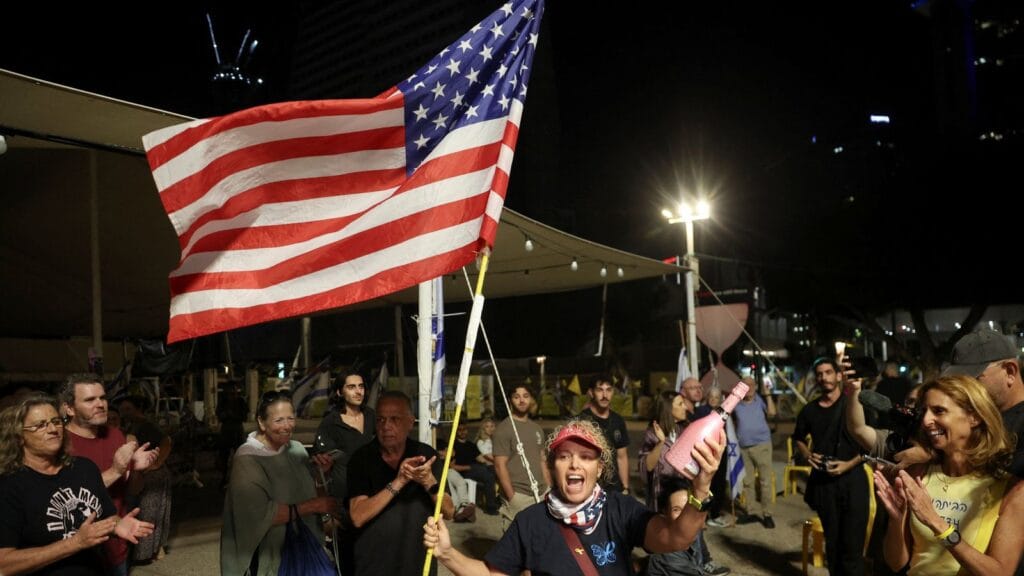
Skeptics like Arab Center’s Yousef Munayyer warn of fragility – thorny issues like full Hamas disarmament and governance loom large – but Trump’s track record, from Abraham Accords to North Korea summits, silences the naysayers. Netanyahu’s far-right allies, like National Security Minister Itamar Ben-Gvir, threaten to bolt if Hamas survives, but the premier’s bipartisan buy-in and hostage families’ pleas – “After almost two years of unimaginable anguish, we stand at a historic turning point” – drown out the din. Even Tony Blair, tipped for the peace board, called it “bold and intelligent,” offering “the best chance of ending two years of war, misery and suffering.”
Globally, reactions pour in like applause at a MAGA rally. Bipartisan U.S. leaders, from Rubio to hawks in Congress, hail the “fantastic day”; Saudi Arabia, Jordan, and Turkey – key mediators – see a ripple toward broader Arab-Israeli normalization. On X, the buzz is electric: “Trump Secures Israel-Hamas Deal for Hostage Release and Gaza Ceasefire,” posts one aggregator, echoing the sentiment that this is “a great day for the world.”
The war’s toll – Houthi disruptions in the Red Sea, Israeli strikes on Lebanon, U.S. hits on Iran’s nukes – has scarred the region, but Trump’s vision resets the board: A terror-free Gaza as a launchpad for prosperity, not peril. As he eyes Walter Reed Thursday morning before jetting east, one truth endures: In the art of the deal, no one’s better than Donald J. Trump. If this holds, the Nobel whispers won’t be whispers for long.